Boost curb appeal on a budget by prioritizing high-impact exterior updates—trimmed shrubs, clean walkways, and a bold entry color—to create an instant, data-worthy first impression. Choose durable, efficient amenities with modular parts and smart thermostats to cut maintenance and energy waste, then track payback and tenant retention. Create safe, well-lit, quiet spaces with routine lighting upkeep and soundproofing. Measure ROI through cost-versus-rent lift, vacancy shifts, and tenant feedback, then market the proven value to secure higher-quality tenants. Maintain momentum and you’ll open more insights.
Boost Curb Appeal on a Budget to Attract High-Quality Tenants
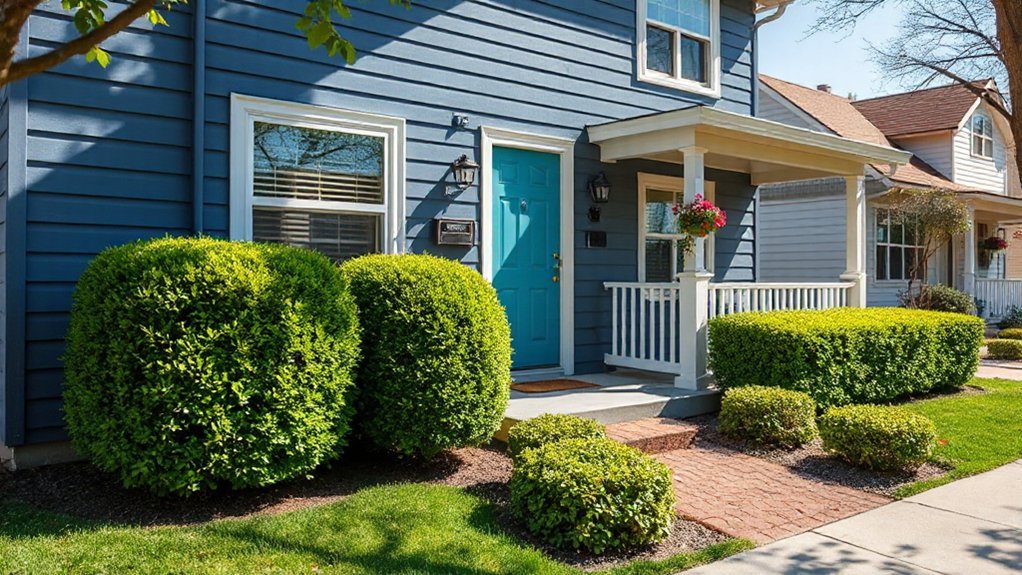
Boost curb appeal on a budget by making targeted, high-impact improvements that renters notice within seconds. You’ll focus on two proven levers: landscaping enhancements and exterior paint.
Start by defining a two-step visual baseline—trimmed shrubs, a clean walkway, and a single, inviting entry color.
Landscaping enhancements should emphasize low-cost, high-contrast elements: native plants, mulch, and crisp edging to create instant structure and perceived value.
Exterior paint choices must balance durability with timeless appeal, selecting neutral tones accented by a bold door or trim that signals care and modernity.
Measure impact with before-and-after photos and a simple tenant survey to quantify perceived value.
The result is sharper first impressions, reduced vacancy cycles, and clearer signals of long‑term maintenance discipline.
Choose Durable, Efficient Amenities That Cut Maintenance and Impress Tenants
Choosing durable, efficient amenities isn’t optional—it’s a strategic maintenance lever that lowers costs and boosts tenant satisfaction. You’ll reduce callouts by selecting components with proven longevity and easy, low-cost upkeep.
Prioritize durable finishes, modular parts, and standardized fittings to streamline repairs and spare parts inventory.
Smart thermostats cut energy waste and simplify climate control, delivering verifiable monthly savings and responsive comfort.
Energy efficient windows minimize drafts, curb heat gain in summer, and reduce HVAC runtime, extending equipment life.
Integrate these upgrades with a data‑driven plan: model payback periods, track maintenance events, and compare tenant retention after upgrade cycles.
Transparent communications about reliability, energy savings, and comfort set expectations and attract higher‑quality tenants seeking stable costs and modern living.
Create Safe, Well-Lit, Quiet Spaces That Build Tenant Trust
Creating safe, well-lit, quiet spaces isn’t merely about comfort—it’s a measurable trust-builder that sustains occupancy and reduces risk. You design with purpose: security lighting that deters tampering, strategic placement of fixtures to remove shadows, and continuous maintenance checks to preserve coverage.
You quantify impact: lower incident reports, faster tenant response times, and higher renewal rates when pathways are clearly illuminated after dark.
You prioritize noise reduction through acoustical ceiling tiles, door seals, and vibration-dampening mounts, yielding quieter hallways and calmer living spaces.
You align upgrades with tenant expectations: reliable lighting, predictable noise levels, and visible maintenance responsiveness. You communicate standards, document compliance, and demonstrate ongoing vigilance, turning safety and serenity into a competitive advantage that strengthens trust and stabilizes cash flow.
Measure ROI: Quick Ways to Track the Impact of Upgrades
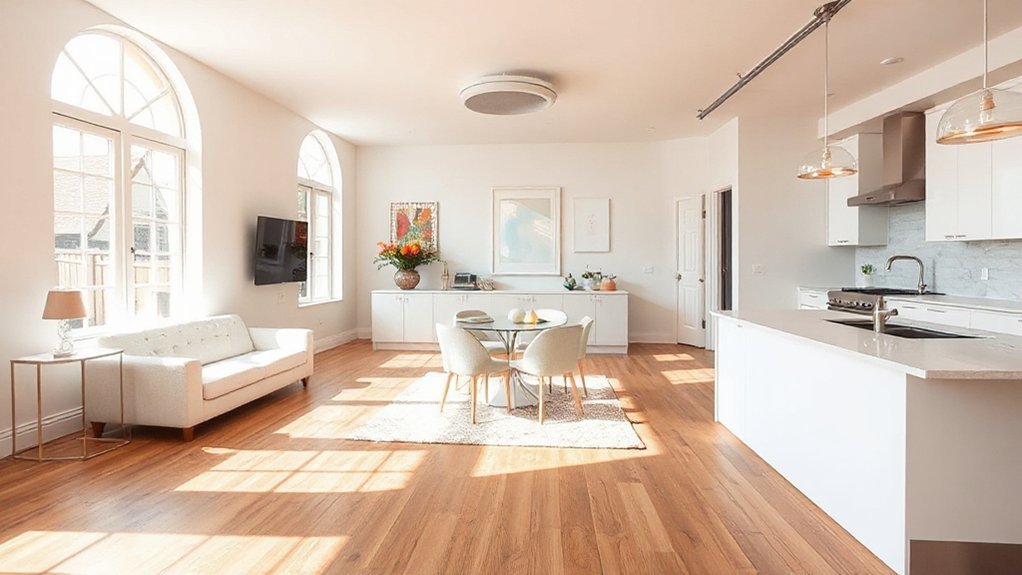
Measuring ROI starts with fast, tangible metrics that tie upgrades to bottom-line results, so you can course-correct in weeks rather than quarters. You’ll use simple, repeatable checks that scale with your portfolio and illuminate impact quickly.
- Track cost analysis vs. incremental rent lift to reveal net gains in days, not months
- Compare vacancy duration before/after upgrades to gauge demand shifts
- Collect tenant feedback on functionality and satisfaction to quantify perceived value
- Monitor maintenance costs per unit to confirm reliability gains and lower churn
These steps give you a precise, data-driven view of effectiveness. You’ll identify signals, not guesses, allowing proactive tweaks.
Your ROI becomes a clear narrative: upgrades drive tangible financial and experiential improvements, validated by numbers and real tenant input.
Market Your Upgrades to Win Long-Term Tenants
Once you’ve upgraded, highlight the concrete value to prospective tenants and long-term stability to differentiate your property in a competitive market. Show how improvements reduce maintenance calls, lower utility costs, and boost safety, backed by data and concise metrics.
Emphasize visible upgrades (appliances, lighting, HVAC efficiency) alongside enhanced amenities. Then connect these upgrades to daily living benefits that matter to renters.
Integrate Tenant screening as a step you perform to ensure high-quality tenants, signaling proactive management and dependable cash flow.
Explain that upgraded units yield higher lease renewal rates, supported by data on satisfaction and reduced vacancy.
Provide clear messaging for listings, tours, and PDFs: quantify savings, reliability, and upgrade longevity.
Close with a transparent lease renewal incentive plan to reinforce commitment and stabilize occupancy.
Frequently Asked Questions
How Do Upgrades Affect Tenant Turnover Rates?
Upgrades lower tenant turnover when you prioritize quality and timing. You’ll boost tenant satisfaction, and upgrade timing matters: well-timed improvements reduce vacancies long-term, while misaligned ones can spike churn. You’ll see steadier occupancy and stronger referrals.
What Grants or Incentives Help Fund Upgrades?
Access funds quickly: government rebates and tax credits support upgrades, helping you invest smarter. You’ll compare programs, claim incentives, and optimize ROI, because precise choices now shape future tenant quality and steady occupancy.
Which Upgrades Yield the Highest ROI per Dollar?
You’ll see the highest ROI by upgrading interior lighting and landscaping improvements, delivering brighter spaces and curb appeal; invest smartly, measure energy savings and tenant demand, then scale with data-driven tweaks to maximize per-dollar returns.
How Often Should Amenities Be Refreshed or Replaced?
Refresh your amenities every 2–3 years; you’ll keep luxury features feeling fresh and outdoor spaces irresistible, boosting appeal. You’ll track usage and wear data, aiming for proactive replacements before decline—visibly data-driven, precise, and visionary.
Can Upgrades Attract Corporate or Long-Term Renters?
Yes, upgrades can attract corporate or long-term renters. You’ll appeal with luxury amenities and energy efficiency, demonstrating fewer costs and higher reliability; data shows longer tenancies link to high-end features and reduced utility waste over time.
Conclusion
In short, upgrading your rental property isn’t indulgence—it’s strategic foresight. You’ll boost curb appeal, cut maintenance, and attract higher-quality tenants who stay longer and pay reliably. By choosing durable, efficient amenities and bright, safe spaces, you build trust and reduce turnover. Track ROI with simple metrics, then market these gains with crisp, data-backed messaging. Embrace the plan, measure everything, and watch occupancy and revenue rise—like a steam-powered printer in a digital age. Tomorrow’s renters notice.
About the Author