
You might think your electrical system is fine, but hidden risks can escalate fast. If breakers trip, outlets overheat, or you notice flickering lights, you’re not just inconvenienced—you’re exposing your home to fire or shock. Moisture near wiring, buzzing sounds, or a warm outlet should push you to act. Let’s outline the 12 signs that warrant an upgrade and what to do next to keep you safe and compliant.
Key Takeaways
- Frequent breaker trips or buzzing outlets signal overloads or aging wiring needing an upgrade.
- Warm or hot outlets and scorched or melted plastic indicate dangerous overheating and insulation damage.
- Dim or flickering lights suggest voltage drops or overloaded circuits requiring panel assessment.
- Visible wiring wear, frayed cords, or loose outlets point to degraded infrastructure needing replacement.
- Increased modern loads (EVs, solar, appliances) without panel capacity or code-compliant upgrades risks safety and reliability.
Is Your Electrical Panel Overdue for an Upgrade?
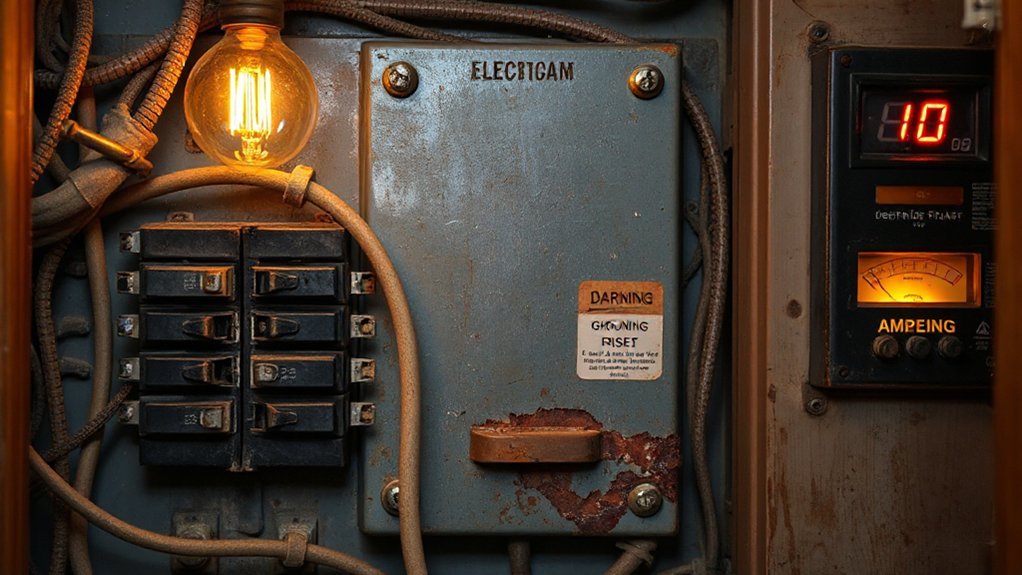
If your home’s electrical panel is older or undersized, it may be unable to safely handle modern loads. You should evaluate whether your panel keeps up with daily needs, especially if you’ve added appliances, EV charging, or home office gear.
An outdated panel can trip breakers, overheat, or fail to supply consistent voltage, creating safety risks and inconvenient outages. Upgrading can provide reliable power distribution, increased circuit capacity, and better protection for sensitive electronics.
When planning, consider the upgrade benefits: a modern electrical panel supports future upgrades, improves efficiency, and helps meet code requirements. Have a licensed electrician conduct a load calculation to confirm necessity and scope.
If an upgrade is advised, you’ll gain safer operation, fewer nuisance trips, and greater peace of mind for ongoing use.
Signs Your Outlets Are Overheating
If you notice your outlets feel warm to the touch, that’s a red flag you can’t ignore. Look for overheating indicators like scorching, buzzing sounds, or smells of burnt plastic.
Check for loose connections or overloaded circuits. If you spot any outlet safety signals, cut power at the breaker and call an electrician right away.
Overheating Indicators
Overheating outlets are a red flag that you shouldn’t ignore. When you notice warmth lingering after use, a distinct burning smell, discoloration, or softened plastic, treat it as a warning signal. Don’t reset breakers repeatedly; underlying issues may persist.
Dim or flickering lights in the same room can accompany outlet heat, indicating overloading or faulty wiring. You should unplug devices and avoid using the outlet until inspected. If a plug or receptacle feels hot to touch, stop using it immediately.
Consider how electrical design and outlet placement influence heat buildup—poor layout can force overuse of a single circuit. Schedule a licensed electrician to assess wiring, connections, and circuit capacity, then upgrade components as needed to prevent future overheating.
Prioritize safety and code-compliant remediation.
Outlet Safety Signals
We’re seeing warning signs that your outlets may be overheating, and you should take them seriously. If you notice warmth, a buzzing sound, or a faint burning smell from a receptacle, treat it as urgent. Don’t ignore dimmed lights or outlets that feel hot to the touch after plugging in devices.
Immediately unplug items and switch off the circuit if warmth persists. Check outlet placement; crowded strips and daisy-chained connections stress circuits and elevate heat.
Grounding issues can mimic overheating symptoms and pose shock risks, so ensure outlets are properly grounded and GFCI-protected where required.
If you must reset breakers frequently or notice scorch marks, call a licensed electrician to evaluate wiring, receptacle quality, and service capacity.
Addressing faults now prevents fire hazards and plot twists in future upgrades.
Frequent Breaker Trips: Causes to Check
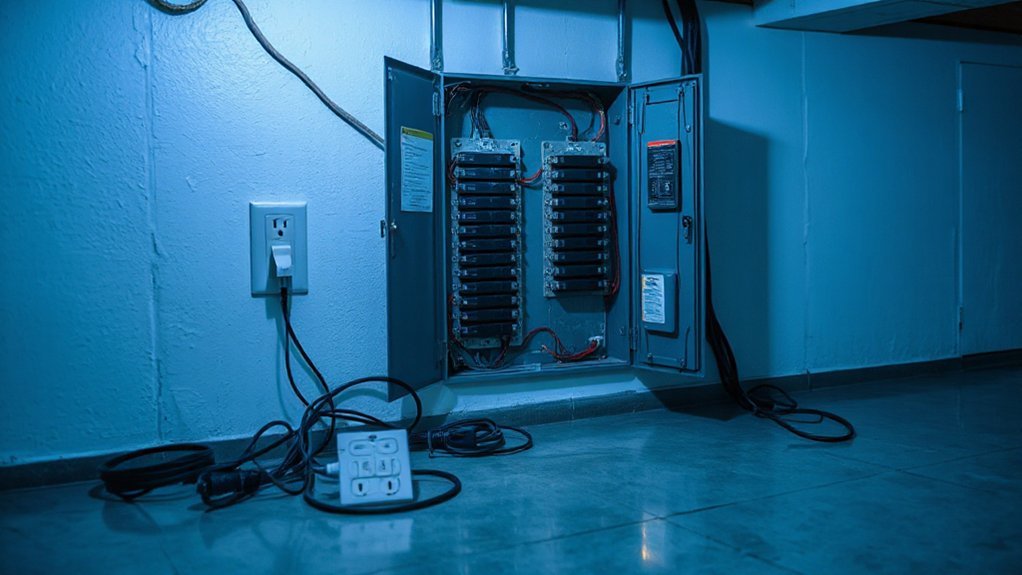
Frequent breaker trips usually signal an electrical load or wiring issue you can address. You’ll want to verify several common culprits and run concise checks that fit into a practical maintenance routine.
1) Identify overloaded circuits and spread high-draw devices across different breakers to reduce strain.
2) Inspect for damaged outlets or cords, replacing any frayed or warm components promptly.
3) Test for loose connections at panels, outlets, and switches, tightening or repairing as needed.
4) Consider recent additions or changes in your electrical load, scheduling circuit breaker maintenance and electrical system diagnostics if trips persist.
If trips continue after these steps, consult a licensed electrician to guarantee safe, code-compliant fixes and thorough assessment.
Burning or Buzzing Noises From Wiring
If you hear buzzing or a burning smell near outlets or panels, stop using that circuit and investigate safely.
Buzzing often points to an electrical load issue or loose connections, which can overheat cables and create fire hazards.
Address the underlying wiring load or connection problems promptly to prevent damage and keep your home safe.
Wiring Noise Causes
Wiring can hum, buzz, or even crackle when circuits overload, loosen connections, or insulation wears thin. You’ll notice the telltale signs as you use outlets or switchplates, and it signals trouble before a fire risk spikes.
- Overloaded circuits force components to heat and vibrate, producing electrical humming.
- Loose or corroded connections create arcing sounds and localized buzzing.
- Deteriorating insulation allows stray currents to travel, resulting in intermittent crackling.
- Faulty breakers or panels strain the system, amplifying any audible wiring noise.
If you hear persistent wiring noise, treat it seriously: turn off affected circuits, avoid touching exposed metal, and call a licensed electrician promptly. Early assessment reduces hazard, protects devices, and preserves system integrity.
Buzzing: Electrical Load
As you’ve noted, buzzing can stem from the electrical load itself, not just loose wires. When devices draw more power than circuits expect, you’ll hear a hum or pulse that signals overloads or poor balancing.
Pay attention to where the noise is strongest: panels, outlets, or shared circuits may indicate overloaded pathways or aging components. A smart home setup can help by monitoring usage and flagging peaks during heavy tasks, such as simultaneous appliance use or charging sessions.
If buzzing accompanies flickering lights or tripped breakers, prioritize evaluation of service capacity, panel labeling, and conductor integrity. Consider renewables integration carefully: improper inverter or battery sizing can add load-related noise.
Addressing load with professional assessment reduces risk and supports efficient, safer operation.
Burn Hazards From Cables
- Noticeable warmth or smell near a receptacle signals possible overload.
- Frayed or discolored cable insulation requires immediate replacement.
- Loose or crackling connections indicate poor contact and risk arcing.
- Visible damage near plug ends or adapters calls for professional check.
Cable insulation integrity matters; addressing wear reduces fire risk and protects your home.
Lights Flicker or Dim Across the Home
Flickering or dim lights are a warning sign you shouldn’t overlook. When lights flicker across rooms or dim during normal use, you’re likely seeing a voltage draw issue, loose connections, or an overloaded circuit.
Start with a quick check: are multiple fixtures affected, or just one outlet? If only one fixture flickers, suspect a poor connection at the switch or fixture box. If many lights flicker together, you may have an undersized service panel, shared neutrals, or a faulty main breaker.
This isn’t cosmetic—over time it stresses devices and can ignite wiring. Consider your lighting design and bulb compatibility; verify bulbs aren’t drawing more current than the circuit can safely supply.
Schedule an electrician evaluation to prevent hazards and improve reliability.
Outlets That Don’t Hold Plugs or Feel Warm
If outlets don’t hold plugs or feel warm, that’s a red flag you can’t disregard.
Worn outlet dangers, loose plug connections, and failing risk can lead to shocks, fires, or tripped breakers.
Address these signs promptly with a qualified electrician to prevent further damage and guarantee safe, reliable power.
Worn Outlet Dangers
Worn outlets are a real fire and shock risk, so don’t ignore plugs that don’t stay put or feel warm to the touch. You need to act before a minor issue becomes a major hazard.
- Replace outlets that lose grip or heat up, or you’ll invite arcing and fires.
- Inspect for loose mounting, scorch marks, or melted plastic and fix immediately.
- Prioritize upgrades that support gadget compatibility and safer, modern loads.
- Consider decorative fixtures only if they don’t mask dangerous wear or overloading signs.
Worn outlets aren’t just inconvenient; they threaten your home’s electrical safety. Addressing them now reduces risk and improves overall reliability.
Plug Holds, Fails Risk
Plug outlets that don’t hold plugs or feel warm are a clear danger sign, and you should act now rather than later. When a plug wobbles, it indicates compromised plug stability and possible loose wiring behind the socket, which can overheat and start a fire.
Don’t force inserts or use adapters to improve grip; that masks the risk and can worsen damage. Check for looseness, discoloration, or a warm surface after light use. If you notice any of these, stop using the outlet immediately and have a qualified electrician inspect for socket integrity and circuit load.
Replacing degraded outlets with modern, ground-fault protections restores safety. Prioritize outlets that stay firm, cool, and reliable, and upgrade where wear or stress is evident.
Visible Wear on Wiring and Old Insulation
1) Inspect visible runs for fraying, nicks, or damaged jackets, and treat any findings as urgent.
2) Check outlets and switches for warm-to-hot tones after use; frequent warmth can indicate strain on aging wiring insulation.
3) Look for scorch marks or melted plastic near panels or fixtures, which signal overheating.
4) Plan a professional assessment to verify cable deterioration and to replace compromised wiring insulation with code-compliant materials.
Unusual Power Use in an Older Home
If you notice unusual power use in your older home, it’s a red flag you shouldn’t ignore. You’ll want to compare what you’re actually pulling with your system’s design. Start by tracking when spikes occur: laundry, heating, or device charging can reveal weak spots.
Check for frequently tripped breakers, buzzing outlets, or warm plates, which suggest overworked circuits. Consider the electrical load you’re demanding at peak times and whether it matches the circuit capacity of your panel.
A mismatch often means overcrowded circuits or undersized wiring. Don’t guess—have a licensed electrician assess the distribution, confirm panel labeling, and verify that feeders and service capacity meet current needs.
Proactive upgrades protect appliances, prevent nuisance outages, and reduce fire risk.
Moisture and Wiring: Safety Near Water
Water and electricity don’t mix, so you must treat any moisture near wiring as a safety risk and address it immediately. When moisture intrusion occurs, you weaken insulation and increase shock or fire risk. You should act fast, test for damp areas, and upgrade with code-compliant solutions.
- Inspect basements, bathrooms, and outdoor outlets for visible moisture and corrosion.
- Repair leaks, seal gaps, and improve drainage to prevent ongoing moisture intrusion.
- Replace or upgrade damaged outlets, GFCIs, and panel components showing wiring corrosion.
- Schedule an electrical check after flooding or humidity spikes to guarantee system integrity.
Do Home Additions Require Electrical Upgrades?
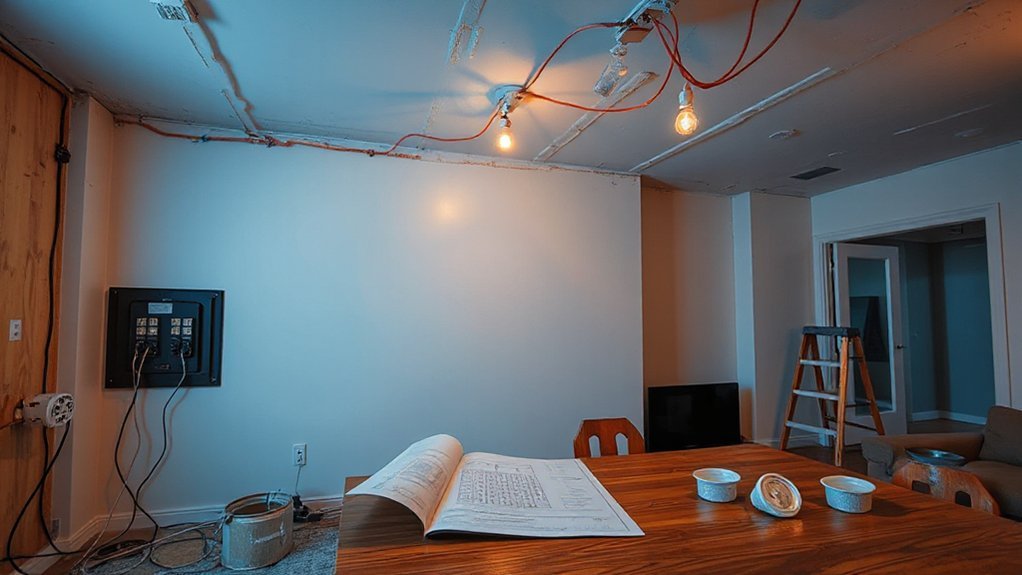
Yes—adding space often means your electrical system needs an upgrade. When you plan a home addition, you’re expanding load, outlets, and lighting circuits, so existing panels can become overwhelmed.
You should assess whether your current service size accommodates the extra amperage without tripping breakers or overheating. Upgrades are common for larger projects, especially if you’re modernizing with home automation or new kitchen appliances.
Consider upgrading wiring routes to meet current codes and guarantee safe, reliable power redistribution to new rooms, outlets, and HVAC zones.
Solar integration can affect capacity needs, so compatibility checks with your inverter and battery storage matter.
In short, consult an electrician early to scope the upgrade and avoid delays.
Code Violations to Fix for Safety
Code violations can create serious safety risks, so you should tackle them promptly to protect your home and family. You’ll improve reliability and reduce fire hazards by addressing common issues the Electrical code highlights as safety violations.
- Install proper outlet spacing and ground-fault protection where required.
- Replace damaged cords, outlets, or panels to meet Electrical code standards.
- Correct overloaded circuits and avoid daisy-chaining adapters.
- Ensure conspicuous labeling and permits for any electrical work.
Focusing on these safety violations helps you prevent shocks, arc faults, and overheating.
Following the Electrical code isn’t optional—it’s a practical, ongoing duty. When in doubt, bring in a licensed electrician to verify compliance and document fixes.
Staying proactive protects occupants, preserves equipment, and keeps your home reliable for years to come.
How to Prioritize Electrical Upgrades for Safety and Efficiency
Upgrading your home’s electrical system starts with a clear plan that stacks safety concerns with efficiency gains. Start by evaluating electrical load across circuits to identify overloaded branches and frequent tripping.
Next, map your circuit capacity to know what each outlet, appliance, and device draws, so you don’t exceed limits. Prioritize upgrades that reduce risk first—smaller, targeted fixes like balanced loads and proper breaker sizing—before thorough rewrites.
Upgrade in stages aligned with usage patterns: kitchens, laundry, and workshops demand higher capacity; living spaces can often share loads more safely after panel updates. Invest in a modern panel if you’re consistently hitting limits, not just occasionally.
Documentation and professional inspection ensure compliance, guiding cost-effective decisions that maximize safety and efficiency.
Frequently Asked Questions
How Often Should an Electrical Panel Be Inspected?
You should have your electrical panel inspected every 1–3 years, depending on age, usage, and local codes. You’re aiming for proactive Electrical safety, not reactive fixes.
Have a licensed electrician check for corrosion, loose connections, overloaded circuits, and signs of wear.
Schedule Panel maintenance after major changes or renovations, and immediately if tripping breakers or burning smells occur.
Regular inspections protect you, your family, and your home’s wiring integrity.
Can Outdated Wiring Still Pass Home Inspections?
Outdated wiring can’t pass inspections as-is. When you push an old fuse box rider through a modern storm, it falters; the system flags aging wiring age and safety gaps under current codes.
You’ll fail if it doesn’t meet Inspection standards, and you’ll need updates before you’re allowed to move on.
You should replace unsafe circuits, upgrade panels, and document improvements to satisfy inspectors and protect your home’s integrity.
What Are Signs of Hidden Electrical Hazards?
Signs of hidden electrical hazards include routinely tripping breakers, warm outlets, buzzing or crackling sounds, and scorch marks or melted insulation. You should treat electrical fire risk seriously and call a licensed electrician if you notice any of these signs.
Monitor for frequent power surges, dimming lights, or appliances that overheat. Don’t ignore odors of burning plastic.
For safety, upgrade wiring and panel when surge activity or heat appears; protect your home now.
Do Smart Devices Affect Old Electrical Systems?
Smart devices can strain an old system, but they don’t automatically fail your wiring. If you plan smart integration, you’ll want to check electrical compatibility first.
You might think it’s optional, but adding devices increases load and can trip breakers. Make certain your panel supports the extra circuits, use proper outlets, and consider a professional assessment.
With compatible components and safe wiring, you’ll enjoy reliable performance without compromising safety.
How Long Does a Full Home Electrical Upgrade Take?
A full home electrical upgrade typically takes several days to a couple of weeks, depending on size, scope, and permitting. You’ll plan around wiring installation, panel upgrades, and inspection times, so expect temporary outages.
You’ll guarantee electrical safety and wiring compatibility as you progress, coordinating with licensed electricians.
Minor remodels shorten the timeline; larger homes and complex loads extend it.
You’ll receive a detailed schedule and milestones to manage expectations and stay on track.
Conclusion
So you swap a dim light here, a buzzing outlet there, and suddenly you notice a pattern: coincidence isn’t luck, it’s a warning. Your walls, panel, and outlets are telling you the same thing—upgrade before a minor quirk becomes a costly hazard. Act now, not later; prioritize safety, fix code issues, and plan for future loads. When the signs line up, don’t wait—secure your home’s electrical backbone and breathe easier tomorrow.
About the Author