Open walls where possible, open sightlines where practical, open up your space where it matters. You’ll widen doorways, remove or lower partitions, and trim bulky furniture to boost flow and natural light. With careful placement, you’ll create clearer paths and brighter corners, while still preserving safety and style. It won’t require a full renovation, but it will demand planning and smart choices—so you’ll want to see what each tweak can do before you commit.
Key Takeaways
- Widen doorways and remove nonessential partitions to improve sightlines and create natural flow between spaces.
- Lower or remove tall cabinets and half-walls in high-traffic zones to reduce visual barriers.
- Use light-colored, low-profile frames and minimal hardware to preserve openness.
- Reconfigure furniture to create clear, unobstructed circulation paths from entry to key zones.
- Ensure proper ventilation and daylight entry by aligning openings with window light and reflecting surfaces.
Fix Dark Rooms Fast: Quick, Budget Tweaks That Work
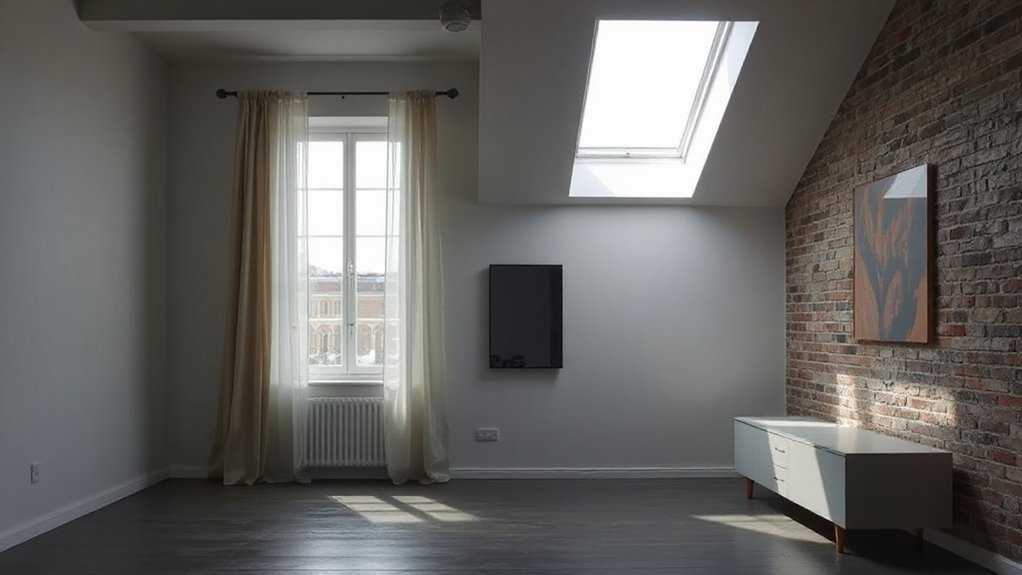
If you’re dealing with dark rooms, you don’t need a big budget to brighten them up quickly. You start with lighting enhancements that maximize existing fixtures: swap incandescent bulbs for brighter LEDs, choose higher lumens, and place lamps at eye level for even coverage.
Use white or light-neutral wall surfaces and reflective finishes to bounce light around. Reassemble furniture to minimize shadows, keep windows clear, and add a few affordable mirrors to amplify brightness.
Leverage color psychology by favoring cool whites for tasks and warmer accents for comfort, balancing mood with deliberate contrasts. Don’t overcomplicate layouts; simple, strategic moves save space and add perceived height.
Track results, adjust placements, and avoid clutter for steady, lasting improvement.
Open Sightlines by Widening Doorways
Widen doorways to open sightlines and instantly feel more spacious. You’ll notice brighter rooms when you reduce obstacles between spaces. Choose standard door widths as your baseline, then extend to full or partial dimensions that fit structural limits.
Doorway expansion should maintain door jamb integrity and fire-code requirements, so plan with a professional. Aim for clear sightlines that minimize visual clutter—remove thick trim or heavy casing where feasible, and use light-colored, low-profile frames.
Consider swing direction and hardware to avoid blocking traffic flow. This tweak delivers a practical sightline enhancement without major renovations.
Pair wider openings with consistent flooring cues and subtle lighting to emphasize openness. The result: improved perception of space with minimal disruption.
Remove Partitions to Improve Flow and Air
Removing partitions can dramatically improve flow and air. You’ll keep sightlines clear while eliminating walls that trap movement and smells. Start by surveying high-traffic zones and identify nonessential partitions that fragment space.
Prioritize removing or lowering half-walls, tall cabinets, or panels that interrupt circulation. When you remove partitions, you’ll notice a more even distribution of light and quicker air exchange, boosting ventilation.
Plan for structural integrity, electrical, and HVAC adjustments as needed; consult codes or professionals if the partition is load-bearing. After removal, seal joints and finish edges to avoid dust paths.
Track airflow changes with simple tests—place a small fan at one end and observe movement across the room. Partition removal can yield noticeable airflow improvement without major remodeling.
Reconfigure Furniture for Natural Pathways
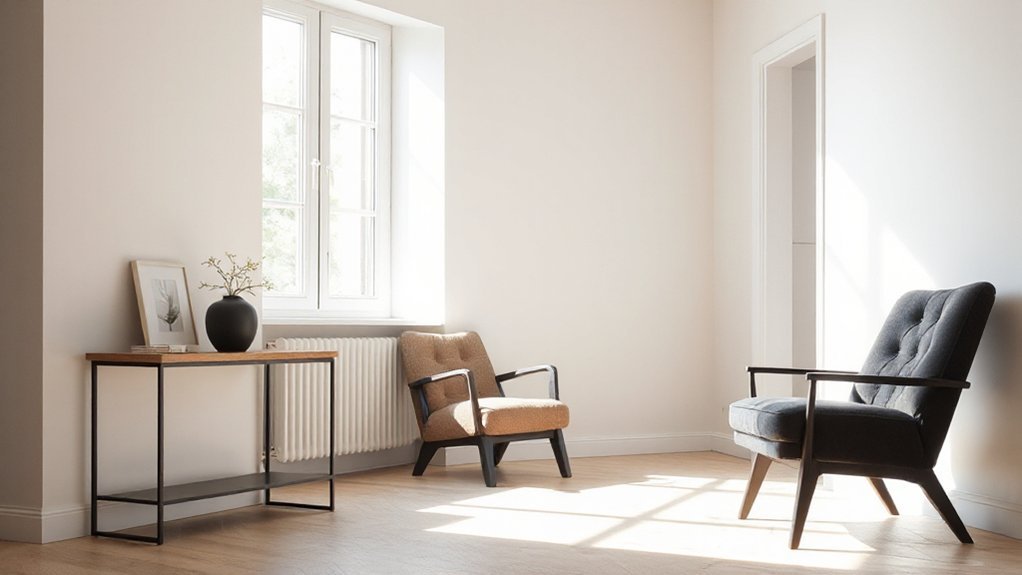
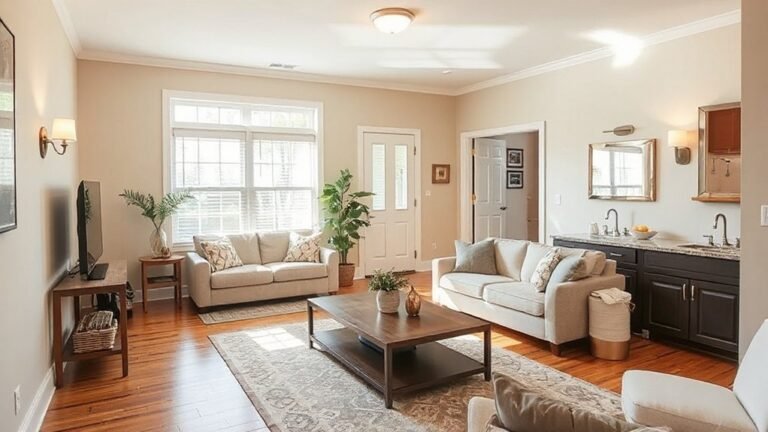
Reconfiguring furniture creates natural pathways that guide movement and air without adding walls. You map clear routes from entry to key zones, placing larger pieces to anchor and smaller ones to guide flow.
Prioritize open sightlines and avoid blocking doorways or windows, which preserves daylight and ventilation. Choose a sofa or sectional that defines a living area without splitting the room into cramped segments; flank with slim consoles or armchairs that don’t trap foot traffic.
Position coffee tables to keep walk zones at least 18 inches wide, ensuring comfortable passage. Use rugs to delineate zones without creating barriers, and orient seating to face activity without obstructing circulation.
Review furniture arrangement from multiple angles to confirm unobstructed natural pathways throughout the space.
Brighten Corners by Shifting Lighting Layouts
Shifting your light placements can brighten corners without adding fixtures. Start by balancing ambient and task lights to reduce shadows in tight nooks.
Consider where you stand and walk, then angle sources to lift dim areas while keeping glare away.
Light Placement Shifts
To brighten dim corners, start by rethinking your lighting layout. You shift from single sources to a deliberate plan that treats space as layers.
Begin with ambient layering: diffuse fills that reduce harsh shadows without washing details. Then place fixtures to illuminate problem zones rather than just overhead centers.
Position wall sconces and floor lamps to bounce light off surfaces, creating depth and perceived height. Avoid clustering lamps; spread them to balance brightness across rooms.
Use softer, consistent color temperatures to prevent hot spots. Consider task accents near seating or desks, ensuring safe, functional illumination without glare.
Reassess after shadows move; small tweaks in fixture placement can yield noticeable openness without new wiring.
Corner Brightness Tactics
Corner brightness isn’t about adding more fixtures but repositioning the layout to chase shadowed pockets. You’ll improve corner illumination by shifting fixtures to berms and angles that sweep into tight nooks, not by piling up ceiling lamps.
Place wall washes low and aimed toward corners, then add a compact uplight at baseboards to lift dark edges without glare. Avoid symmetrical clusters; instead, stagger luminance to create balanced contrast, guiding eye and space.
Use directional LEDs with neutral white for true color and minimal heat. Keep cables discreet, and test from seating positions to verify even coverage and shadow reduction.
Record adjustments, then repeat with furniture changes to sustain momentum. This method preserves room rhythm while delivering practical, repeatable corner illumination improvements.
Add Depth With Color and Mirrors
Color tricks create depth by pairing warm and cool tones, so you perceive more space without adding square footage. Use strategically placed mirrors to amplify light and mirror the room’s color palette, guiding the eye deeper into the space.
Start with a subtle, reflective surface opposite a light source to boost brightness while enhancing the color depth.
Color Depth Illusion
- Use cool tones on far surfaces to push them back and warm accents upfront to pull you in.
- Apply gradual color gradients along walls to simulate distance and depth.
- Pair mirrors with strategic lighting to amplify perceived space without glare.
- Maintain consistent color dominance to reinforce visual layering and avoid confusion.
Color perception governs depth; mirrors amplify it, shaping how you experience the room.
Mirrors Light Amplification
Mirrors don’t just reflect light; they amplify it. You can use this to brighten a dim room without adding fixtures. Place mirrors opposite windows or light sources to bounce daylight across walls and corners.
Choose unframed or minimal frames to reduce visual clutter and maximize surface area. A tall, vertical mirror near a doorway can extend sightlines, while a horizontal mirror across from a compact sofa opens the space horizontally.
Consider placing a mirror at eye level to reflect flattering, indirect light instead of harsh beams. Confirm mirror placement avoids direct glare and protects surfaces.
Use two or three mirrors strategically to multiply light amplification while maintaining balance and proportion. Fine-tune angles until the room feels brighter, more open, and inviting.
Maximize Natural Light With Windows and Curtains
Maximizing natural light starts with the right window setup and smart curtain choices. You’ll boost brightness by selecting window placement that favors existing walls and sightlines, then pairing curtains that reflect light rather than absorb it. Keep lines clean and avoid heavy fabrics that dull glow.
- Place windows where they capture the most sun throughout the day, and consider high or wide openings for a brighter feel.
- Choose curtain styles that maximize light—sheer or semi-sheer fabrics, light colors, and minimal obstructive hardware.
- Use double or triple rods for layering: sheers under drapes to filter without blocking.
- Mount rods close to the ceiling and extend past the window frame to widen perceived space and daylight.
This approach keeps rooms airy, cohesive, and visually open.
Plan Safely: Checks, Permits, and Practical Considerations
Before you begin any structural changes, check local building codes, zoning rules, and homeowners association guidelines to avoid costly delays. Plan your project with permits in mind, and don’t overlook safety inspections that verify workmanship and material quality.
Start by identifying which permits apply to your scope—alterations, electrical, plumbing, or structural—then submit clear drawings and a detailed description. Expect reviews, revise if needed, and schedule inspections promptly to keep momentum.
Align your plan with load paths, fire-rated assemblies, and ventilation requirements to prevent surprises during construction. Budget for contingencies and potential rework, and document every step for record-keeping.
Choose reputable contractors and verify licenses, insurance, and past references to minimize risk. Prioritize safety, compliance, and thorough planning to ensure a smooth, compliant upgrade.
Weekend-Friendly Quick Fixes to Tackle Now
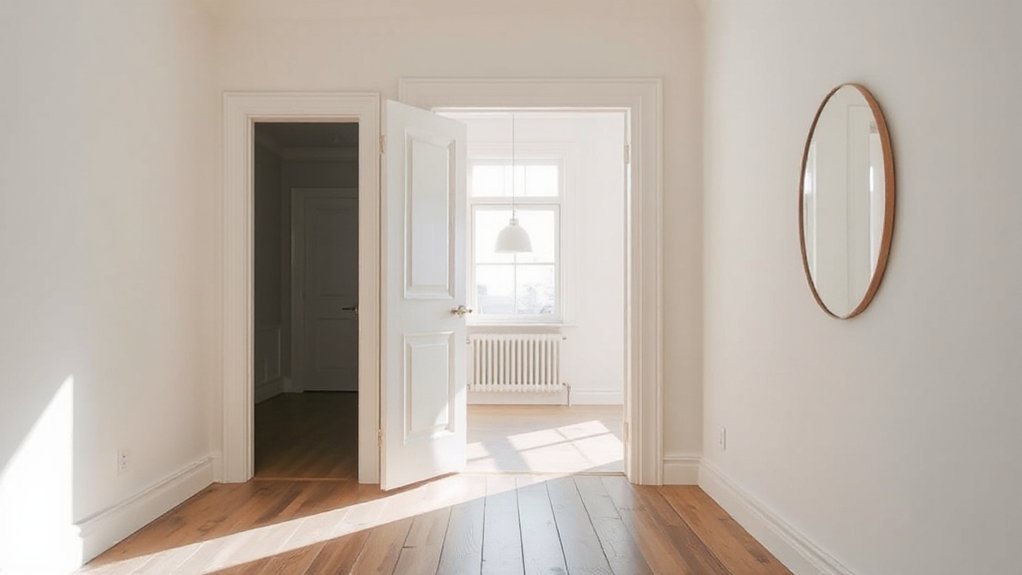
You’ve done the planning; now it’s time to handle quick, weekend-friendly fixes that don’t require a full rebuild. You can brighten a dark room and add depth with simple, reversible choices, focusing on finish and light.
Here are rapid options you can tackle now:
- Decorative accents: swap dark textiles for light, reflectivity-enhancing pieces that pop under existing fixtures.
- Ceiling treatments: install lightweight, white or pale panels or a peeled-back mirror grid to enlarge perceived height.
- Lighting lift: add one or two warm LEDs behind a translucent shade to soften shadows and widen the feel.
- Spatial cues: hang a large, airy mirror opposite a window to double natural light without costly structure.
These tweaks preserve structure while delivering visible, weekend-ready improvements.
Frequently Asked Questions
How Long Does Each Quick Fix Typically Take?
A quick fix typically takes 15 to 60 minutes per project item.
For lighting fixtures, swap in brighter bulbs and install a compact, high-output fixture in 20–40 minutes.
Window treatments can be hung in about 30–60 minutes, depending on rod setup and fabric.
If you’re combining changes, budget 1–2 hours total.
You’ll notice a bigger impact from brighter bulbs and lighter, sheer shades that maximize natural light.
Can I DIY Without a Permit for Minor Changes?
Yes, you can DIY minor modifications, but check local rules first. DIY permits aren’t always required for small changes, yet some jurisdictions demand them even for minor modifications.
Investigate the truth of this theory before you start, and don’t skip it. You’ll save trouble by confirming permit needs for DIY permits and keeping receipts.
If needed, scale plans to approved standards, and document inspections. This keeps your project practical, compliant, and clearly documented.
Which Fixes Maximize Natural Light Most Effectively?
Maximize natural light most effectively by enlarging or adding windows, and optimizing glazing. You’ll boost intake with strategic window placements, inert balcony or skylight options, and light-colored interiors.
Use lighting fixtures to supplement when needed, and choose slim, frameless designs to minimize obstructions.
Pair with window treatments that reflect light, like sheer curtains or minimal blinds.
Keep furniture low and aligned with walls to create open sightlines.
Adjust shading to avoid glare while preserving daylight.
Will Widening Doorways Affect Structural Integrity or Permits?
Yes, widening doorways can affect structural integrity and permits if not done carefully. You’ll need door reinforcement and proper assessment of load bearing elements.
Start by confirming whether the wall is load-bearing, then design a supported opening with appropriate headers and jack studs.
Expect temporary shoring, updated finishes, and permits.
You must coordinate with a structural engineer or licensed contractor to guarantee load paths remain intact and that any reinforcement satisfies building codes.
Are There Budget-Friendly Materials That Work Best?
Yes—budget-friendly options include lightweight drywall, aspen plywood, or MDF panels, plus reflective paint to bounce light.
You’ll use cost effective solutions like modular trim, paintable panels, and LED fixtures to brighten spaces without heavy redesigns.
You’ll seek affordable, durable materials from reputable suppliers, monitor square footage, and compare per-square-foot costs.
Conclusion
You’ll likely notice a brighter, more open feel without a full renovation. With simple tweaks—wider doorways, fewer partitions, furniture that hugs pathways—you’ll invite light to travel further. Subtle shifts in lighting and thoughtful color or mirrors can add depth without clutter. Safely check permits and plan your layout; these small moves add up. Embrace the ease: quick, budget-friendly changes quietly brighten your space and lift everyday living, without the headache of a major overhaul.
About the Author