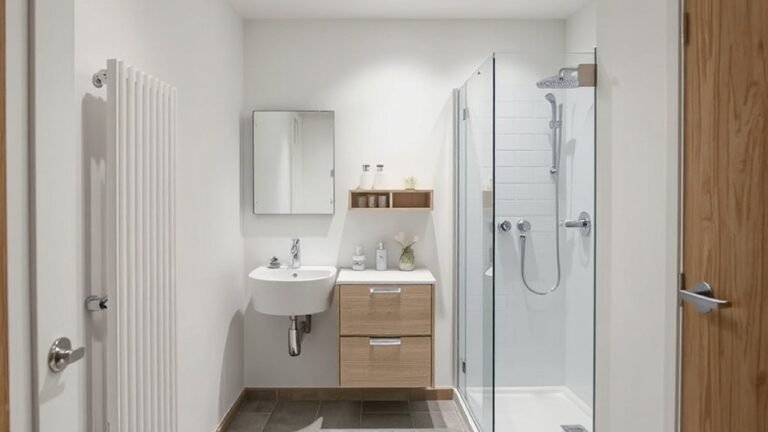
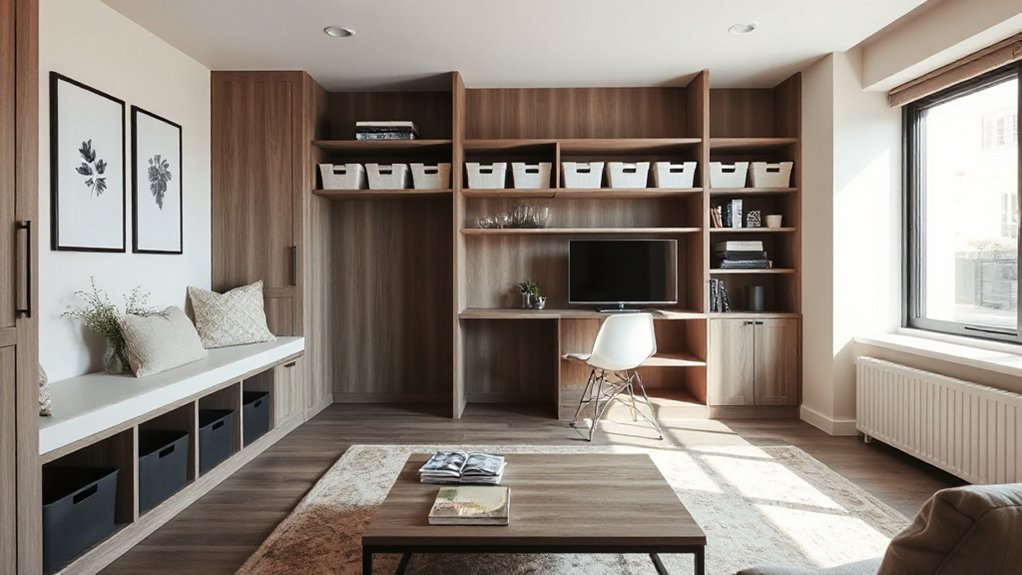
Frame the problem, frame the solution, frame the path forward. You’ll assess space, set zones, and design for light, flow, and reach. You’ll choose flexible storage, multi-functional furniture, and built-ins that reclaim surfaces without crowding them. Daily habits keep clutter at bay, and quick reconfigurations adapt to changing needs. It’s practical, precise, and forward-looking—yet the answer isn’t complete until you see your room through this lens. The next steps await your move.
Key Takeaways
- Establish purposeful zones with clear functions and routines to prevent scattered clutter and improve flow.
- Zone by function, use borders or visual cues, and reconfigure layouts iteratively based on actual use.
- Prioritize flexible, modular storage and vertical solutions to adapt as needs change.
- Create dedicated drop zones near entryways and workspaces to curb clutter buildup.
- Align storage and tasks with natural light and reachable paths to ease access and maintain organization.
Frame the Problem: How Clutter-Free Design Changes Daily Life
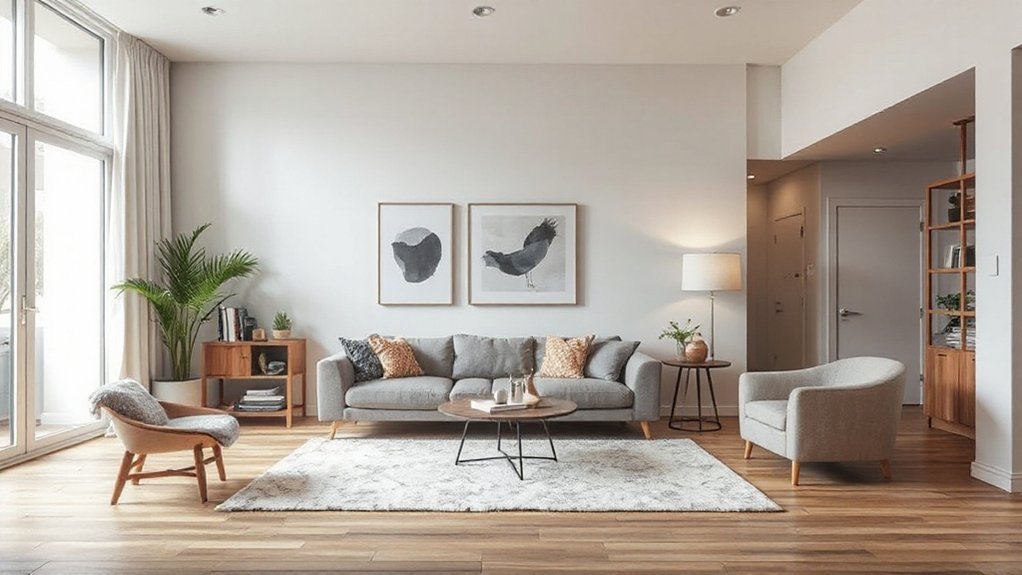
Clutter doesn’t just crowd a room; it crowd-sources daily friction, stealing time, focus, and calm. When you frame the problem this way, you see clutter as a design signal, not a personal failure.
You’ll recognize patterns: small piles becoming daily delays, surfaces turning into decision islands, and hidden stress that drains energy. Clutter psychology tells you why these habits form and how to disrupt them with intent.
You don’t chase perfection; you install purposeful flows. Begin with storage solutions that align with how you live, not how you wish to live. Create zones with clear purposes, accessible bins, and predictable routines.
The payoff is clarity, faster decisions, and a home that supports your goals rather than distracts you from them.
Assess Your Space: What to Measure and What Matters for Zoning
Start by listing the areas that truly get used, measuring length, width, and clearances to spot waste.
Zone by function—navigation, work, and storage—so every square foot supports a specific task.
Balance space to need, not desire, so the layout favors flow, accessibility, and future adaptability.
Measure Worthy Areas
To assess your space effectively, start by identifying “measure-worthy” zones—areas that will actually influence how you move, use, and store things. You’ll measure traffic paths, door swings, workflow lines, and the distances between primary stations, not every corner of a room. Focus on zones that shape routine: cooking, dressing, cleaning, and sitting areas where items migrate.
Capture dimensions that matter for clearance, reach, and future scalability, then test with simple layouts before committing. This approach blends practical precision with visionary pacing, so you see how small tweaks ripple through daily life.
Consider how organizational psychology and clutter psychology inform choices—how people perceive boundaries, defaults, and ease of access. Use measurements to design predictable, scalable zones, reducing friction and reclaiming usable space.
Zone By Function
Where should you zone by function to maximize flow and minimize clutter? Start with clear work areas: entry, cooking, dining, relaxing, and storage. Define distinct zones by primary activity, not room boundaries, to streamline movement and decisions. Use visual cues and light-touch borders to reinforce function without walls.
Prioritize high-traffic zones near entrances and kitchens, and place rarely used items out of sight but accessible. Build flexible zones that adapt as needs shift, embracing Creative zoning to respond to weekly rhythms and guests.
Track actual use and adjust layouts for clutter reduction, not just aesthetics. Remember: purpose-driven spaces reduce hours spent tidying and increase living quality.
- Assess current routes and traffic
- Block off multi-use clutter hotspots
- Designate primary tasks per zone
- Use modular storage aligned to function
Space-to-Need Balance
Measure area by function, not whimsy: cooking, work, laundry, relaxation, and guests. Identify bottlenecks where clutter slows flow and zones where underutilized space misleads you.
Prioritize storage optimization that preserves function without sacrificing feel; choose modules that align with ergonomic reach, visibility, and modularity. Challenge every item: does it justify a dedicated zone or a dedicated home?
Seek aesthetic minimalism: clean lines, neutral palettes, purposeful gaps. Align zoning with real use, not aspiration, creating predictability, ease, and a sense of intentional calm.
Zone for Light, Flow, and Reach
Light-led zoning guides how you move and use space, creating clear flows and easy access to every zone. Map a reachable path and group tasks by proximity, so light, traffic, and reach align with daily habits.
This systematic approach sharpens focus, reduces clutter, and unlocks a more intentional, scalable layout.
Light-Driven Zone Flow
- Align work areas with daylight optimization to minimize artificial lighting and glare.
- Position storage near bright zones to cue return paths and reduce rummaging.
- Use window-adjacent surfaces for high-demand items, keeping clutter away from central traffic.
- Schedule routine tasks by sun movement to sustain calm, orderly spaces.
This approach is practical, precise, and visionary: light guides flow, flow guides reach, reach guides organization, and clutter fades.
Reachable Pathways Systematic
Start with reachable pathways: clear the main routes from door to key zones, and keep them free of clutter at least three feet wide.
Then establish a flow sequence that guides daily tasks—drop zones, work zones, and easy-access storage align with your natural routines.
Use systematic organization to categorize items by frequency of use, storing the most used at arm’s reach.
Label zones and adjust as needs shift, avoiding overreach and bottlenecks.
The result is precise, scalable clarity—space that supports actions, not hesitation, empowering smarter, calmer living.
Flexible Storage Essentials for Small Rooms
Flexible storage is the backbone of a clutter-free tiny home, so choose systems that adapt as your needs change. You’ll gain space by prioritizing hidden compartments and modular units that scale with you, not against you. Think vertical first, then foldable options that tuck away when not in use.
Set up pullout bins, stackable shelves, and labeled containers to keep routines predictable and quick. Use under-bed drawers and wall-mounted cleats to reclaim floor area without sacrificing access. Your goal is to create a cadence of convenience, so you can reconfigure as life shifts, not clutter up.
- Hidden compartments integrated into existing furniture
- Modular units that reassemble for different uses
- Adjustable shelving with clear labeling
- Foldable, space-saving accessories and organizers
Multi-Functional Furniture That Frees Space
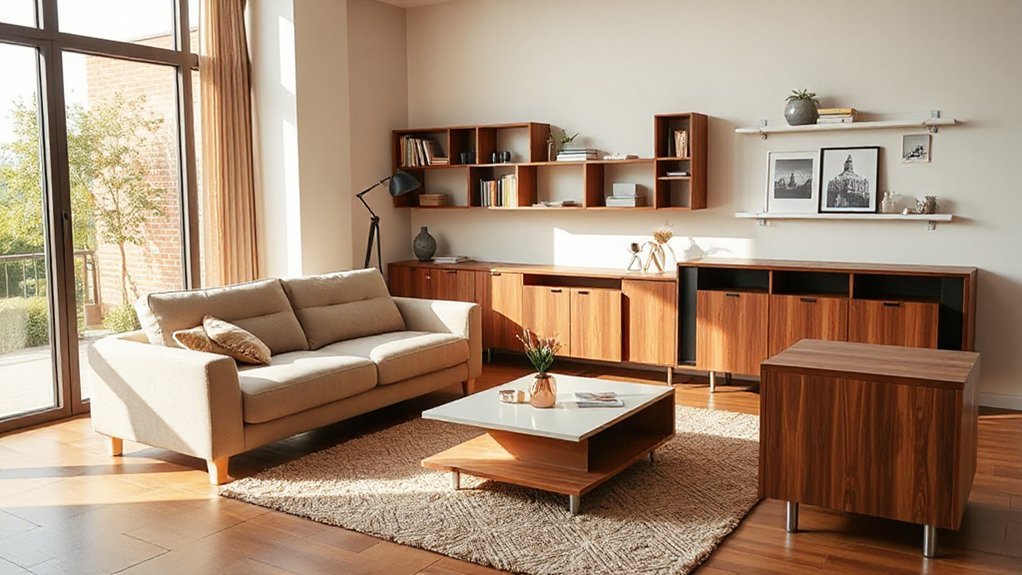
Why settle for furniture that only serves one job when you can multiply its value? You transform tight spaces with versatile pieces that adapt to daily needs and future shifts.
Look for convertible beds that slide from lounge to sleeping zone without clutter, maintaining a clean silhouette during the day. Pair them with fold away desks that vanish behind a wall of cabinets, freeing floor space for meals, work, or play.
Prioritize mechanisms that feel sturdy yet smooth, so you trust every reconfiguration. Choose compact, high-density forms with integrated storage to reduce ancillary furniture.
Favor modular designs that reconfigure from living to guest space in seconds. This approach delivers clarity, efficiency, and a vision of rooms that breathe rather than crowd.
Built-Ins to Reclaim Surfaces and Showcase Flexibly
Built-ins do more than reclaim surface area—they curate how you display, store, and use everyday essentials. You gain flexibility by planning lines that blend form with function, so every inch serves a purpose.
Built in shelves maximize vertical space, keeping items accessible without crowding counters. Hidden compartments hide clutter behind clean facades, letting you swap decorative pieces for practical storage on demand.
Integrate pullouts for daily needs, and tuck seasonal items behind doors to maintain calm sightlines. Choose materials that feel timeless and easy to clean, ensuring longevity.
Align the design with your routines, so surfaces stay clear and surfaces stay expressive.
- Built in shelves
- Hidden compartments
- Vertical storage strategies
- concealed accessibility
Daily Habits to Prevent Clutter, Fast
Daily clutter doesn’t wait for big renovations; small daily moves stack up fast, so you’ll see a room stay calmer the moment you start. You build momentum by a 2-minute tidy routine each morning: sort mail, return items to their homes, and discard what’s unnecessary.
Make a habit of a 5-minute end-of-day reset, where you clear surfaces and note 1 item to relocate or recycle. Organizational psychology teaches that clear cues reduce friction; clutter psychology shows stress drops when choices are minimized.
Create dedicated drop zones near entryways and workspaces, so friction isn’t required to put things away. Schedule recurring mini-audits—weekly for zones, monthly for categories—to sustain alignment with your goals.
Small, intentional actions compound into lasting order and clarity.
Quick Room Reconfigurations to Maintain Order
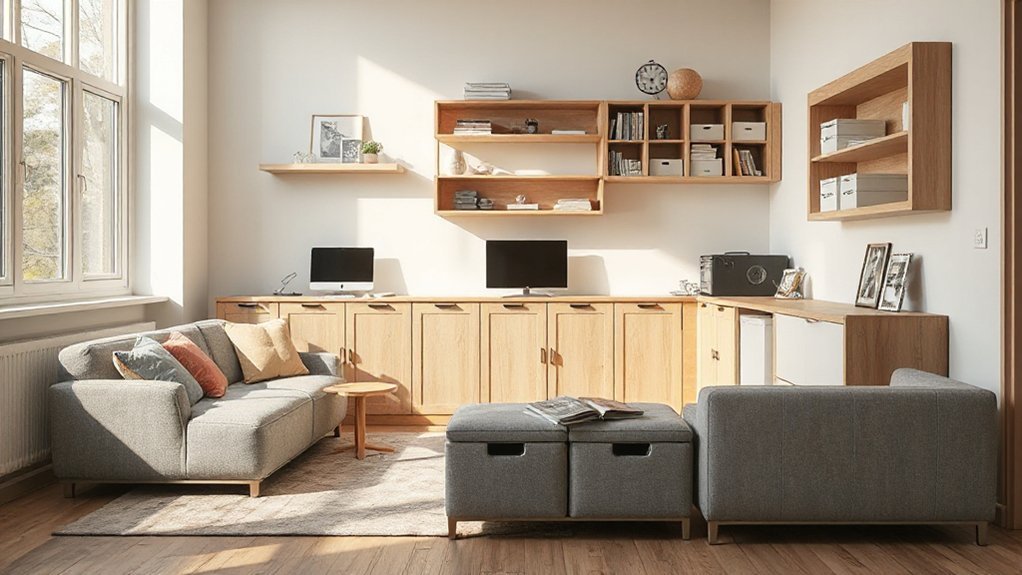
Small shifts can keep a room orderly without a full redo. You can reconfigure space quickly by prioritizing flow, focal points, and multiuse zones. Move furniture to reinforce natural pathways, then anchor with color schemes that cue function. Keep décor minimal and purposeful, using decorative accents to reinforce a deliberate vibe rather than clutter.
- Reposition seating to create clear entry sightlines and avoid bottlenecks
- Group related items by a single color or material to unify the space
- Swap out a single rug or throw to redefine zones without heavy overhaul
- Integrate storage solutions that double as style statements
With purpose, you gain adaptability: a room that reconfigures itself for daily life while preserving calm and cohesion. Color schemes guide attention; decorative accents ground intention.
Frequently Asked Questions
How Do You Start Clutter Reduction Without Upsetting Daily Routines?
First, you start small and steady, easing into change so routines stay intact. You identify high-traffic clutter zones, then introduce practical Organizational tools that flag tasks, not overwhelm you, and keep momentum.
Use Storage solutions that fit real habits, like labeled bins near daily spots. Schedule a 15-minute daily declutter, celebrate tiny wins, and adapt as needed.
You’ll gain clarity, reduce stress, and preserve flow while your home becomes more efficient and navigable.
What Unseen Clutter Tends to Hide in Plain Sight at Home?
“Out of sight, out of mind” isn’t always true. You’ll find hidden corners and overlooked storage hiding in plain sight at home. You spot them by surveying every room, then labeling and repurposing surfaces for what they truly hold.
You clutter-proof daily routines with smart bins, slim shelves, and under-bed organizers. Stay practical and precise: migrate items to dedicated spots, rotate current clutter, and reclaim flow where you move most. Your home becomes calmer, instantly.
Which Measurements Matter Most for Doorways and Traffic Flow?
Door clearance and passage width matter most for doorways and traffic flow. You’ll want a clear door clearance of at least 32 inches for most adults, and ideally 34–36 inches where you pass through with furniture.
Prioritize passage width so hallways stay comfortable, aiming for 36–42 inches in common paths.
Consider swing direction and hardware, too. These precise measures keep movement fluid, reduce bottlenecks, and support visionary, clutter-free living spaces you can navigate confidently.
How Can You Test New Layouts Before Committing to Them?
You test new layouts by running quick, repeatable checks before committing. Use virtual staging to simulate furniture and traffic in your actual space, then adjust in real time.
Create layout simulations that track sightlines, clearance, and turning radii, and walk through each scenario to feel the flow. Compare multiple options side by side, note bottlenecks, and decide with data.
This approach emphasizes practical insight, precision, and a visionary, adaptable mindset.
What Tiny Habits Create the Biggest Long-Term Impact?
What tiny habit will move mountains in your home? You start with habit stacking: pair a quick tidy with every daily task, then extend to morning and evening routines.
Practice mindful decluttering—pause before you keep, ask if it serves you long term. You’ll see momentum grow, so small actions compound into lasting order.
Stay precise, consistent, and visionary: small steps today become a decluttered life tomorrow.
Conclusion
You’ve sketched a home where clutter crystallizes into clarity. With precise zoning, every aisle becomes a line of purpose, every surface a stage for needs, not excess. Space isn’t just freed—it breathes, flexing with daily rhythms and quiet rearrangements. Your routines turn habit into architecture, and smart storage becomes a quiet chorus that preserves flow. Finally, small changes compound into a larger vision: a living canvas that adapts, supports, and quietly sustains you.
About the Author