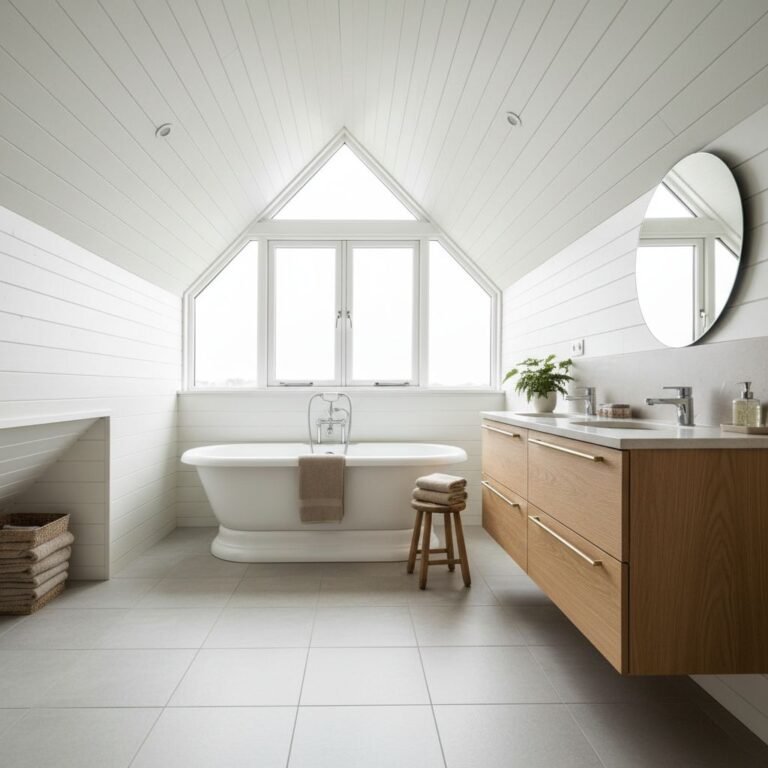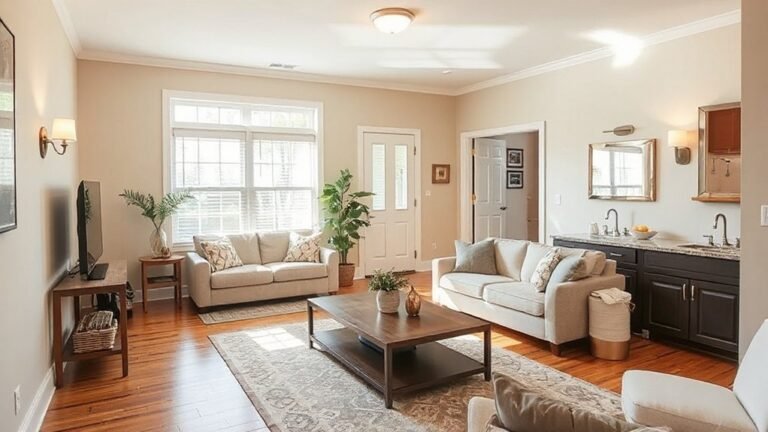
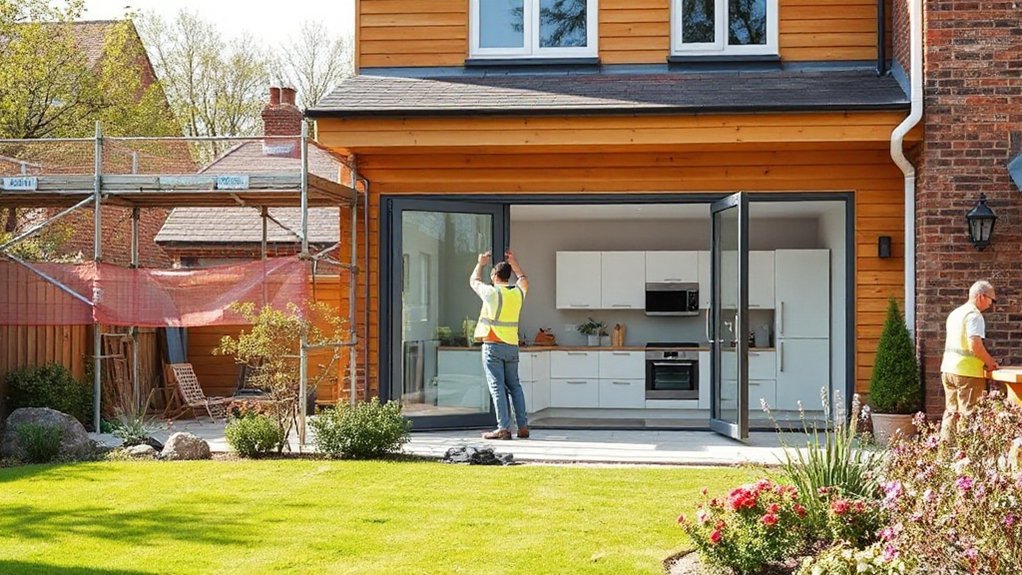
Spring 2026 UK renovations that add value focus on efficiency, airtight envelopes, and durable finishes. Target loft conversions with daylighting, space-smart storage, and slim, low-profile stairs to maximize perceived space. Open-plan kitchen extensions should promote indoor–outdoor flow with weather-ready materials. Prioritize energy benchmarking, smart thermostats, and robust insulation, plus low-VOC, recycled finishes for lasting appeal. Plan landscaping for curb appeal and pollinator-friendly planting. With disciplined budgeting, permits, and contractor selection, you’ll boost comfort and resale value—while staying resourceful. You’ll uncover more practical tactics as you continue.
What Adds Real Value in Spring 2026 UK Renovations
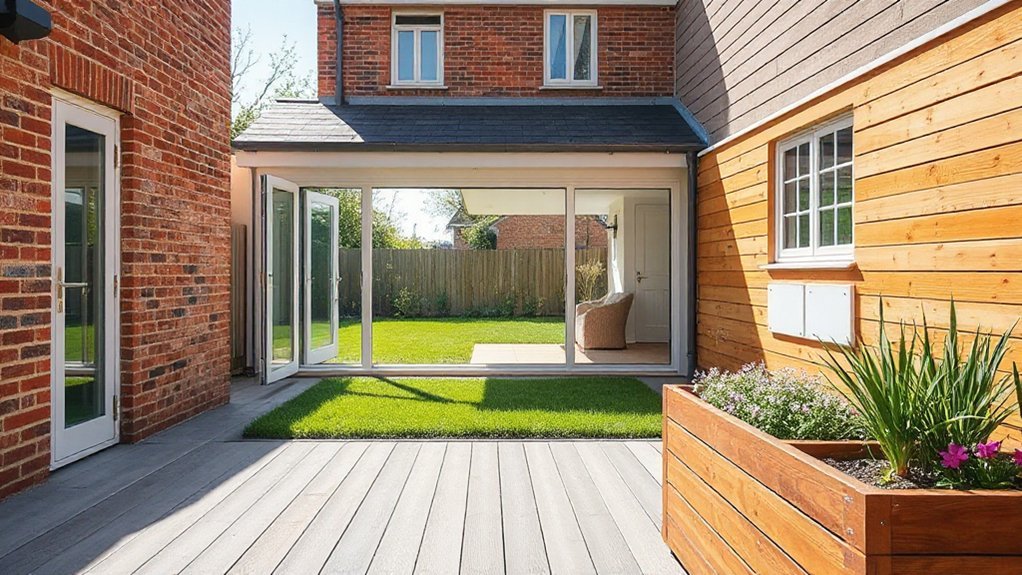
In Spring 2026, real estate value hinges on targeted upgrades that boost efficiency, durability, and appeal without overcapitalizing. You’ll prioritize projects with clear return profiles, aligning upgrades to current Market trends and consumer expectations.
Focus on thermal performance, airtight envelopes, and low-maintenance finishes that reduce ongoing costs while enhancing comfort. Material innovations drive both performance and perceived value, so select components with proven durability, recyclability, and factory-controlled quality.
Prioritize fixtures and systems that deliver measurable energy savings, like high-efficiency glazing, advanced insulation, and heat-recovery ventilation. Ensure upgrade choices support climate resilience and aesthetic cohesion with surrounding homes.
Document performance benchmarks and cost-to-value estimates to validate decisions for buyers and lenders, and avoid overcapitalization by matching scope to property class and neighborhood norms.
How to Benchmark Your Home’s Energy Efficiency
To benchmark your home’s energy efficiency, start by establishing a baseline with objective metrics such as annual energy use, heat loss, and comfort levels across rooms. You’ll compare against standards like dwelling energy performance and blower-door data, then track improvements through retrofit scenarios.
Focus on measurable indicators: insulation quality, air leakage, thermal bridges, and equipment efficiency. Use energy benchmarking data to prioritize upgrades, verify results, and justify investments.
Document baseline and target values, notify household occupants, and align with building code requirements. Home efficiency gains should be scalable, cost-effective, and time-bound.
Regular re-testing confirms progress and reveals diminishing returns, guiding ongoing adjustments.
- Establish baseline metrics and targets for key indicators
- Prioritize upgrades using objective cost-benefit insights
- Re-test after interventions to verify gains and refine plans
Loft Conversions That Light Up Small Spaces
Light-filled lofts begin with strategic light planning, leveraging roof windows and skylights to maximize natural daylight in compact spaces.
Apply space-smart design tips to optimize layout, storage, and headroom without sacrificing visual openness.
Consider window elevation ideas that align glazing with circulation zones to enhance brightness, perceived volume, and energy efficiency.
Light-Filled Loft Solutions
If you’re optimizing a small loft, maximizing natural light is essential to feel spacious and functional, and deliberate design choices can turn a compact area into a bright, usable living space. You’ll prioritize natural lighting through roof windows, light-coloured finishes, and strategically placed glazing.
While maintaining thermal efficiency with loft insulation is important, you should also align structure with daylight paths to reduce artificial lighting needs and improve perceived volume. Use vents and skylights to balance airflow without compromising insulation or security.
Consider glazing ratios, glare control, and window height for practical daylighting all day. The result is a bright, energy-efficient conversion that stays comfortable year-round and adds value through thoughtful, measurable performance.
- Prioritize natural lighting through roof windows and glazing
- Optimize loft insulation and ventilation for comfort
- Align daylight paths with glazing height and glare control
Space-Smart Design Tips
Even in compact lofts, clever layout and smart material choices can deliver a surprisingly spacious feel without sacrificing function. You’ll maximize verticality with a slim, continuous wardrobe line and a low-profile staircase, preserving usable floor area for flexible tasks.
Prioritize natural light with reflective surfaces and light, durable finishes that reduce visual weight. Use furniture placement strategies that create distinct zones without clutter: a compact desk tucked under eaves, a bench at the landing, and a modular seating cluster that folds for guests.
Color schemes should lean cool with strategic accent tones to extend perception of depth. Pair pale walls with slightly warmer woods to avoid clinical starkness.
Integrate built-in storage into alcoves and steps to maintain clean lines, ensuring gradual, purposeful progressions between zones.
Window Elevation Ideas
Window elevations can dramatically enhance loft conversions by maximizing natural light while preserving usable wall space for storage and layouts. You’ll leverage window styles to optimize sightlines and heat gain, selecting glazing, frame depth, and sill heights that reduce thermal loss without compromising headroom.
Elevation techniques should prioritize wraparound or skylight integrations that create vertical light columns, improving perceived space without intrusion into floor plans. Consider fixed panels for low-maintenance brightness and operable vents for climate control, ensuring operability remains child-safe.
You’ll align lintel support with structural loads, maintaining fire separation and condensation management. Coordinate with insulation and vapor barriers to prevent cold bridging while sustaining acoustic comfort.
- Narrow, high transoms paired with clerestory openings
- Ridge-to-wall skylights with concealed framing
- Sloping-wall dormers maximizing usable wall area
Open-Plan Kitchen Extensions for UK Weather
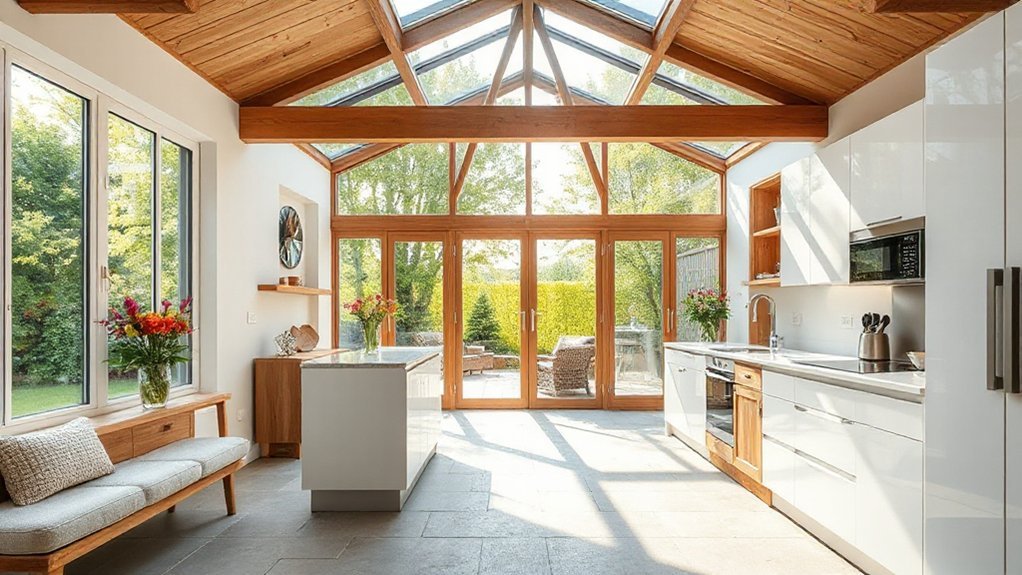
Open-plan kitchen extensions should be designed for weather resilience and comfort. Ensuring layouts support weather-conscious choices without sacrificing flow is essential.
Prioritize seamless indoor-outdoor connections that work across UK seasons. Use materials and strategies that minimize heat loss and maximize daylight.
Weather-Conscious Layouts
- Prioritize airtight envelopes, passive cooling, and sensible ventilation
- Align indoor activity zones with sheltered outdoor connections and garden design cues
- Incorporate durable materials and weather-ready lighting for year-round usability
Seamless Indoor-Outdoor Flow
A seamless indoor-outdoor flow hinges on a well-executed open-plan kitchen that accommodates UK weather without sacrificing comfort. You optimize layout by placing high-utility zones near passages, enabling smooth movement between cooking, dining, and exterior spaces.
Use moisture-resistant surfaces and integrated drainage to prevent spills from spilling outdoors, while operable doors maximize ventilation without compromising thermal performance. Prioritise structural posts with slim profiles to preserve sightlines, enabling indoors to visually extend to patios, gardens, and outdoor dining areas.
For indoor aesthetics, select materials with consistent graining and color tones that harmonize with outdoor landscaping elements, reducing contrast that disrupts flow. Incorporate waterproof flooring that connects fluidly to decking, and install shading solutions that maintain functionality across seasons.
Finish with concealed screens or retractable glass to maintain enclosure when needed.
Smart Storage Solutions That Maximize Rooms
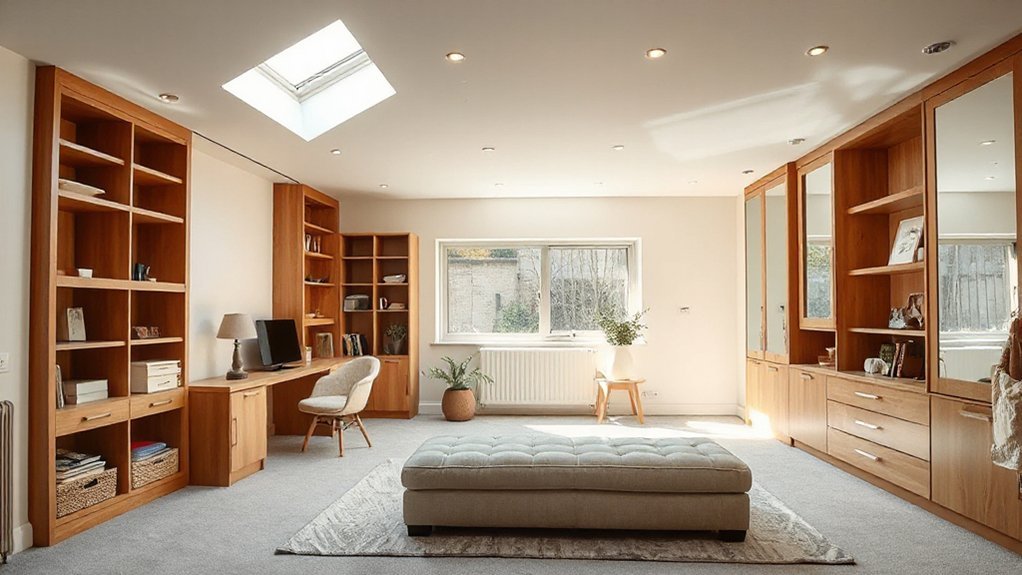
Smart storage can transform small UK rooms by turning underutilized gaps into functional space, so you should prioritize modular systems that adapt to changing needs. You’ll maximize efficiency by selecting wall-mounted units, convertible furniture, and vertical organizers that reduce clutter while preserving floor area.
Integrate payload-compatible drawers and labeled bins to support consistent room organization, ensuring items are easy to locate and return. Use a concise metadata approach for shelves: assign purpose, size, and access frequency to optimize placement.
Focus on modularity, serviceability, and ease of integration with existing finishes. Maintain airflow and light with reflective surfaces and open gaps where possible, avoiding overcrowding.
Periodically reassess storage footprints as needs evolve to sustain long-term value.
- Modular wall systems
- Convertible furniture with built-in storage
- Labeled, category-based bins
Easy Landscaping Tweaks That Boost Curb Appeal
Even simple landscaping tweaks can substantially boost curb appeal without major renovations. You’ll approach this with a precise, data‑driven mindset, prioritising efficiency and lasting impact.
Begin with a clearly defined focal point in your front yard, then select native planting techniques that align with local climate and soil conditions to maximise success rates. Use layered planting to create depth: groundcover, mid‑story shrubs, and a standout specimen tree or ornamental grass.
Incorporate garden wildlife considerations by choosing nectar‑rich perennials and varied bloom times to sustain pollinators through seasons. Opt for low‑maintenance materials and irrigation controls that minimise water use while preserving vibrant colour.
Guarantee edging is tight and professional, enhancing boundary clarity. Regular mulching reduces weed intrusion, conserves moisture, and sustains seasonal texture and colour intensity.
Bathroom Refreshes With Big-Impact Returns
You’ll see how tile choice sets the tone for a bathroom refresh, with texture and grout considerations that affect light, durability, and maintenance.
Upgrading tap fixtures delivers immediate usability gains and water efficiency, reinforcing value through both aesthetics and operating costs.
Maximizing storage through smart layouts and recessed solutions transforms daily use and long-term appeal without sacrificing space.
Tile Choice Impact
Tile selection dictates both aesthetics and durability in bathroom refreshes, and choosing the right material now can yield noticeable returns on investment. You’ll optimize space perception by pairing tile patterns with complementary grout colors, maximizing light reflection and perceived size.
Consider porcelain or ceramic for moisture resilience and long-term stability, and select rectified edges for minimal grout visibility. Color combinations should align with cabinet tones and fixtures to reduce visual clutter, while textured surfaces enhance grip and conceal seams.
Confirm consistent grout sealing to prevent staining and mold growth, and plan for a cohesive shift to adjacent rooms. A deliberate pattern layout, such as herringbone or stacked, can elevate perceived value without a full remodel.
- Tile patterns guide visual impact and room scale
- Grout colors influence cleanliness perception and continuity
- Material choice balances durability with maintenance requirements
Tap Fixtures Upgrades
Tap fixtures can deliver a high-impact refresh with minimal disruption, because tactile quality and water control directly influence perceived bathroom modernization. You’ll prioritize flow precision, valve quality, and ergonomic handle design to reduce splashes and improve user satisfaction.
Select deck-mounted or wall-mounted options that match your fixture spacing and piping footprint, ensuring compatibility with existing supply lines. Focus on finishes that endure UK bathroom conditions; brushed nickel, matte black, and chrome offer durability and resale appeal while minimizing visible water spots.
Consider dual-control or widespread configurations for improved temperature management and ease of use. Integrate smart or sensorless dimming where appropriate to optimize energy perception and perceived value.
Ultimately, cohesive tap fixtures contribute to bathroom aesthetics, supporting a modern, low-maintenance environment.
Storage Maximization Techniques
With tap upgrades setting a clear tone for a modern bathroom, optimizing storage becomes the next lever for value. You’ll implement proven strategies that maximize usable space without sacrificing aesthetics, focusing on reproducible systems and measurable impact.
Creative storage channels reduce surface clutter and elevate perceived quality, while clutter control preserves accessibility and routine efficiency. Consider wall-mounted cabinets, recessed niches, and modular vanity units that align with pipework and lighting plans.
Prioritize multi-function hardware, like mirrored cabinets with outlets, and pull-out organizers for small items. Maintain flow with slim profiles and consistent finishes to sustain a cohesive look.
Regularly audit inventory to prevent overfilling, and document changes to support post-reno valuation.
- Wall-mounted cabinets and recessed niches for depth-aware storage
- Modular vanities with integrated organizers and soft-close hardware
- Mirrored cabinets featuring outlets and pull-out trays
Heating Upgrades to Cut Bills and Improve Comfort
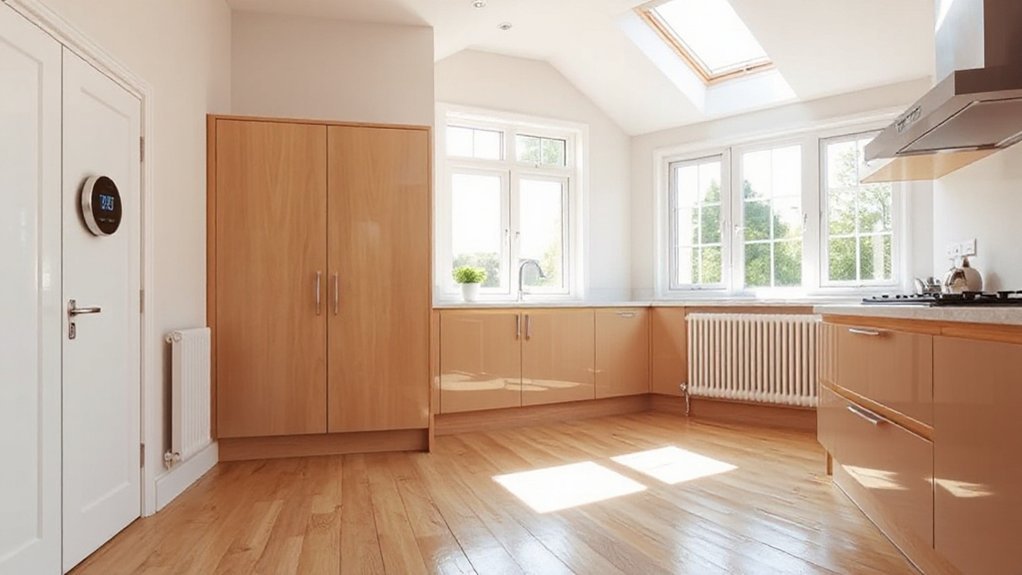
Upgrading your heating system can substantially reduce energy bills and boost comfort, especially in older UK homes with uneven temperatures. You’ll target load matching, reducing overshoot and cyclic losses by selecting heat sources with higher controllability and shorter response times.
Smart thermostats enable zoning, demand-based control, and predictable boiler moderation, improving overall efficiency when paired with weather data and occupancy patterns.
A radiators upgrade should focus on system compatibility, but without oversized emitters that cause temperature swings; consider balanced radiator networks and proper pipe sizing to minimize heat-up delays.
Pay attention to control strategy, actuated valves, and maintenance access, since regular servicing sustains efficiency gains.
Implementing these upgrades thoughtfully yields measurable comfort gains, lower energy use, and potential property value uplift.
Insulation and Airtightness: The Hidden Value Levers
Insulation and airtightness act as the essential boundary controls of a home’s thermal performance, delivering the largest, most consistent gains when addressed together. You’ll reduce heat loss through the building envelope, minimize drafts, and improve year-round comfort by curbing thermal bridging and air leaks.
Proper detailing around junctions, around service penetrations, and at floor/ceiling interfaces is crucial, as these are common weak points that undermine overall performance.
Vapor barriers must be correctly installed to manage moisture migration without trapping hidden condensation. When executed cohesively, you gain measurable energy savings, faster thermal response, and more stable indoor conditions, while supporting long-term durability of the structure.
- Target junction details to suppress thermal bridging
- Guarantee continuous, correctly oriented vapor barriers
- Validate airtightness with pressure testing and fix leaks promptly
Finishing Touches That Sell: Paint, Lighting, and Fixtures
Could the final 5% of a renovation push property value when you choose the right paint, lighting, and fixtures? Yes, because finishing touches shape perceived quality and usability.
Paint choices should leverage color psychology to influence mood and space perception, selecting hues that complement room functions and natural light without overwhelming architectural details. Prioritize durable, low-VOC finishes with uniform sheen to reduce maintenance and buyer objections.
Lighting matters equally: implement layered lighting with task, ambient, and accent layers, and consider lighting automation to optimize energy use and ambiance, especially in common areas.
Fixtures should be cohesive, proportionate, and high-grade where visible; avoid trendy, niche fittings that risk obsolescence.
Consistency across walls, ceilings, and hardware reinforces perceived value and sale appeal.
Budget-Friendly Sustainable Materials for Homes
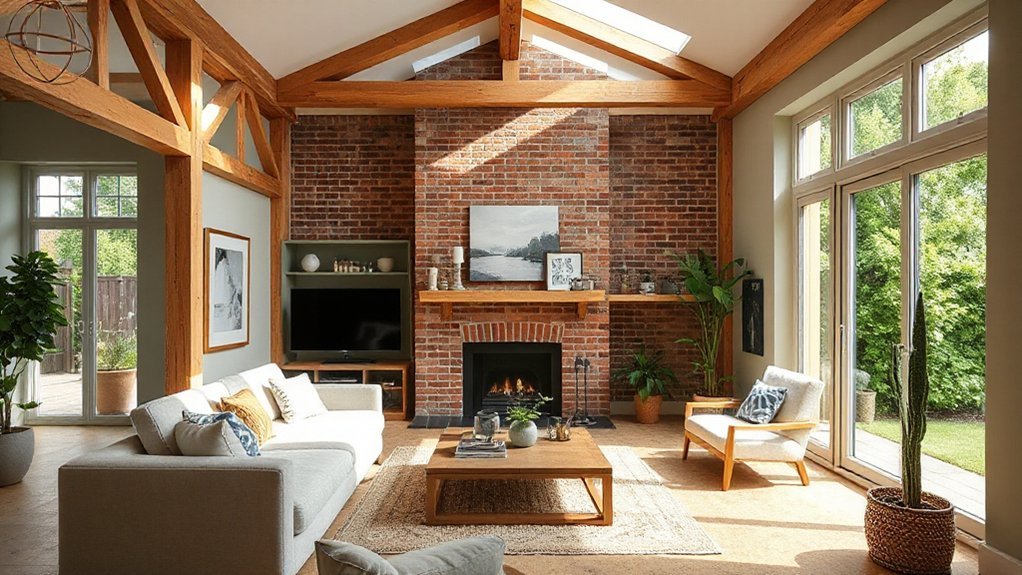
You can start with recycled material choices that balance performance and cost, such as composite or reclaimed surfaces that meet UK building standards.
Consider low-cost insulation options that maintain thermal efficiency without sacrificing comfort or air quality, enabling compliant meets on a tight budget.
For finishes, opt for long-lasting eco finishes that reduce maintenance over time, delivering sustained value without frequent replacement.
Recycled Material Choices
What budget-friendly recycled materials can you confidently use to reduce costs while maintaining performance and sustainability? You’ll choose sources with verified credentials, minimal embodied energy, and durable finishes. Prioritize materials that meet local building codes and offer consistent supply chains. Recycled materials can deliver both structural integrity and aesthetic value when paired with proper detailing, finishing, and care.
Look for suppliers that provide product data, lifecycle assessments, and performance warranties to support eco-friendly choices. Consider recycling streams like concrete aggregates, reclaimed timber, and glass or plastic composites for non-structural components.
Guarantee compatibility with moisture, thermal, and fire requirements to avoid hidden penalties. Plan for installability, transport emissions, and end-of-life recyclability to maximize value over time.
- Reclaimed timber for framing or furniture
- Recycled glass countertops or tiles
- Recycled concrete aggregate for floors or paving
Low-Cost Insulation Options
Are low-cost insulation options viable without compromising performance or sustainability? You evaluate budget-friendly choices by thermal value, moisture resistance, and durability, not just price.
Infill materials such as mineral wool or cellulose offer respectable R-values per thickness and fire retardance, while expanding foams provide rapid air-sealing, albeit with higher embodied energy considerations.
Consider recycled-content boards and responsibly sourced sheep’s wool where available; these balance cost with performance and lower long-term maintenance.
Installation quality matters: gaps, framing intricacies, and ventilation influence effectiveness as much as material selection.
Pair insulation with airtight detailing and controlled ventilation to maximize savings.
For styling and efficiency, coordinate up-front with Eco friendly paints and, where feasible, align with solar powered gadgets to minimize operational costs and environmental impact.
Long-Lasting Eco Finishes
- Eco friendly finishes with durable topcoats and low VOCs
- Sustainable coatings offering long-term wear resistance
- Local sourcing and recycled-content options for reduced footprint
Permits, Incentives, and Tax Breaks You Can Use
You’ll want to understand the permits, incentives, and tax breaks available when planning renovation work, because proper compliance can save time and money while revealing value. This Permits process section clarifies requirements, timelines, and documentation for common UK projects, including extensions, conservatories, and electrical upgrades.
You’ll need to align structural changes with Building Regulations and, where applicable, notify your local authority in advance to avoid delays.
The Incentives overview highlights schemes such as energy efficiency grants, VAT relief options, and local authority support programs that target retrofit performance.
Tax considerations may affect capital allowances and refurbishment deductions, so consult a qualified advisor early.
Integrating these elements early reduces rework and helps you quantify added value with confidence.
Real-Life UK Renovation Case Studies: Before and After
A quick look at real-world outcomes helps anchor the earlier permits and incentives in tangible terms: these case studies show how compliant planning, material choices, and efficient project management translate into measurable value. You’ll see concrete metrics—cost per square metre, time-to-complete, and post-renovation resale lift—across UK homes.
In garden landscaping, durable hardscapes and drought-tolerant planting reduce maintenance while boosting curb appeal. Inside, interior decor updates emphasize neutral palettes, smart storage, and energy-efficient lighting that appeal to buyers.
The lessons highlight risk management, supplier coordination, and phased execution to minimize disruption. Across projects, documented before-and-after comparisons reveal value preservation through quality finishes and documented compliance.
- Garden landscaping upgrades yield lasting visual and functional gains
- Interior decor choices align with energy and space efficiency
- Project management practices correlate with faster, cost-controlled outcomes
How to Budget Spring 2026 Renovations
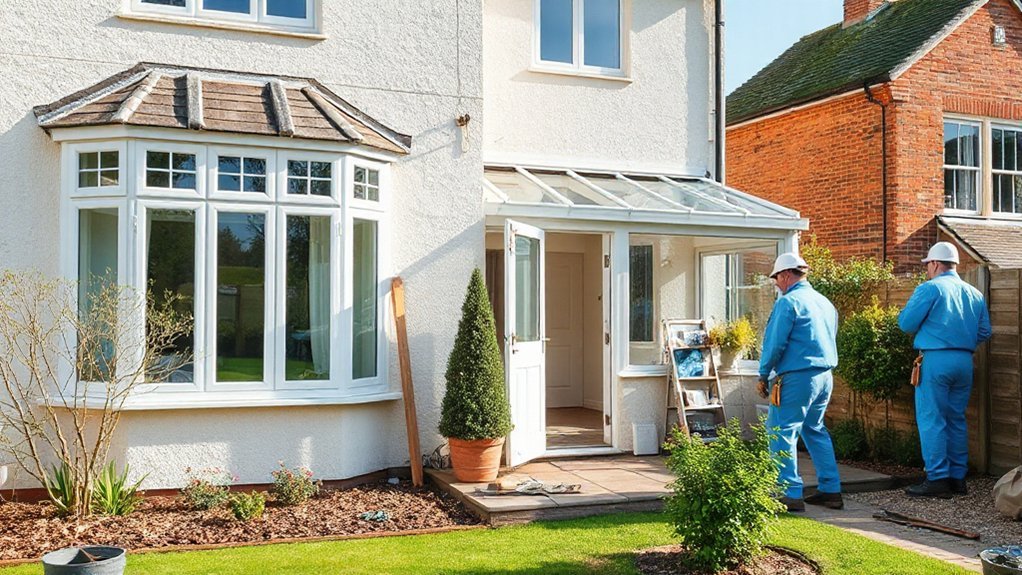
Spring 2026 renovations demand a disciplined budgeting approach: start with a precise cost baseline, then build in contingency, inflation, and sequencing constraints to protect value. You’ll align scope definitions with measurable milestones, quantify unit costs, and document all assumptions.
Financial planning should incorporate a rolling forecast that updates as bids arrive and design details mature. Reserve a contingency tier (10–15%) for unknowns and market shifts, then layer inflation adjustments by project phase to avoid budget erosion.
Implement contractor selection criteria that emphasize price transparency, schedule reliability, and risk controls, avoiding single-sourcing biases. Track change orders rigorously, requiring written authorization before expenditures.
Use a formal approval gate for each stage, ensuring funding aligns with cash flow and mitigating cost overruns without sacrificing quality.
Choosing the Right Builder for Your Project
Choosing the right builder sets the foundation for delivering your project on time, within budget, and to spec. You’ll prioritize credentials, insurance, and a proven track record, then align expectations with contractual clarity. Assess capability to handle scope, site constraints, and regulatory requirements, ensuring communication channels are defined and accessible.
Vet references, inspect past work, and verify adherence to safety standards and quality benchmarks. Shortlist bidders who offer transparent pricing, detailed schedules, and realistic milestones, then test their ability to adapt to design changes without compromising timelines.
Prioritize those who demonstrate robust project management practices, inclusive risk allocation, and responsive problem solving. Your due diligence reduces change orders and reinforces the project timeline from start to finish.
- Choosing contractors with clear timelines, milestones, and payment triggers
- Verifying insurance, warranties, and regulatory compliance
- Scrutinizing proposed project timelines against site logistics and contingency plans
Maintenance Habits to Preserve Added Value
Maintenance habits are the ongoing practices that sustain added value after a renovation, ensuring systems operate efficiently and finishes stay pristine. You implement a disciplined approach to preserve performance and curb depreciation.
Begin with routine inspections of mechanical services, plumbing, electrical, and weatherproofing to detect wear before failures arise. Document findings, date actions, and assign responsible trades.
Next, establish maintenance scheduling that aligns with manufacturer recommendations and local climate considerations; automate reminders for filter changes, seal refreshes, and gutter clearing.
Prioritize preventive tasks over reactive fixes, as proactive care lowers lifecycle costs and protects warranties.
Calibrate performance metrics—temperature consistency, humidity control, air quality, and energy use—to identify when adjustments are needed.
Reassess annually to adapt routines to evolving system ages and occupancy patterns.
Quick Wins to Kick Off Spring Renovations
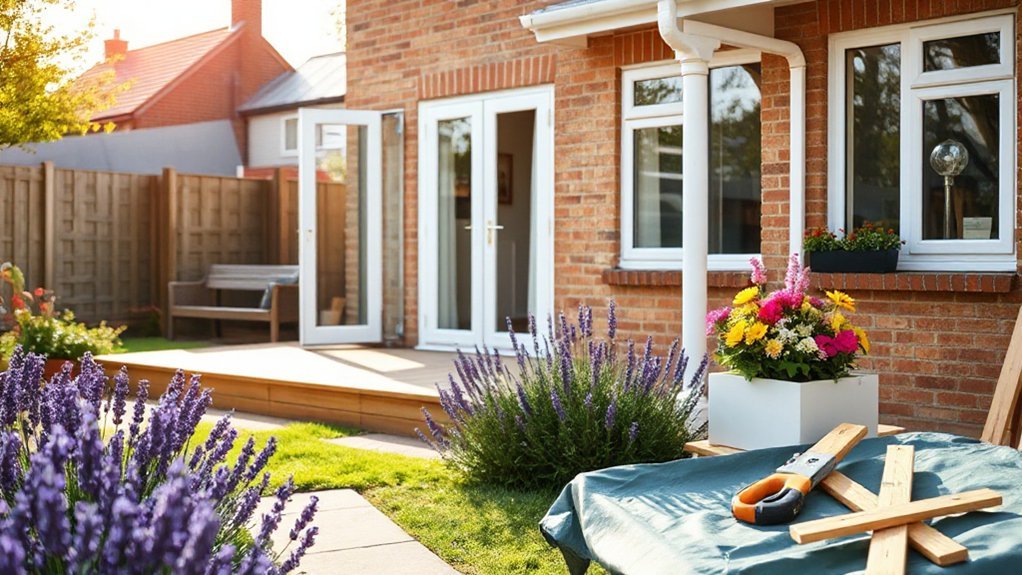
To start spring renovations efficiently, focus on high-impact, low-effort tasks that set the project up for success. You’ll gain momentum by targeting rapid wins that improve perception and function, without derailing the budget.
This phase should establish core systems, align aesthetics, and create measurable progress markers. Prioritize garden landscaping tweaks that boost curb appeal and drainage, then map interior color schemes to harmonize with exterior views.
Document decisions in a concise brief to reduce rework later, and set up a tracking sheet for tasks, costs, and timelines.
Quick wins should be scalable, allowing you to layer complexity after you validate the approach.
- Garden landscaping enhancements that improve curb appeal and drainage
- Interior color schemes aligned with natural light and exterior views
- A simple task-tracking framework with cost and timeline metrics
Frequently Asked Questions
How Long Do Spring 2026 Renovations Typically Take in the UK?
Typically, spring 2026 renovations in the UK take 4–12 weeks, depending on scope and permits. You should plan around seasonal planning and contractor selection, ensuring milestones, weather buffers, and concurrent trades are clearly scheduled for efficient progress.
Which Renovations Yield the Highest Resale Value in 2026?
“High value, high return.” You’ll see luxury upgrades and selective historic restorations yield the strongest resale value in 2026, with meticulous kitchens, baths, and reimagined layouts delivering the most consistent premium for UK buyers.
Do Permits Always Apply to Common Spring Projects in the UK?
Permits don’t always apply to common spring projects; you must check permit requirements and renovation regulations for your specific scope. You’ll need to assess planning permissions, building regs, and potential exemptions before starting any work.
What Are Affordable Eco-Friendly Materials Gaining Value in 2026?
You’re a careful gardener tending a future-proof house, and affordable eco options rise like saplings: sustainable insulation and recycled flooring gain value in 2026, improving efficiency, durability, and appeal while you prioritize cost, performance, and lifecycle impact.
How Should I Prioritize Renovations for Maximum ROI This Spring?
Prioritize high-ROI changes first: optimize kitchen upgrades for efficiency and appeal, then invest in garden landscaping to extend usable outdoor space. You’ll improve curb appeal, reduce energy costs, and unleash value by integrating durable, low-maintenance finishes.
Conclusion
You’ll feel the impact before you finish: a spring-renovated home that practically commands attention, energy bills plummet, and resale whispers turn into confident offers. With laser-focused budgeting, precise builder selection, and smart storage that multiplies space, you’ll reveal value you can actually measure. Loft and open-plan upgrades ignite light and flow, while maintenance routines keep those gains durable. This isn’t just improvement; it’s a calculated leverage that makes every square meter work harder for you.
About the Author