Subtle upgrades you can make now pay off over decades. You’ll want UV-resistant finishes, airtight seals, and moisture barriers that quietly defend your shell, plus corrosion-resistant fasteners to keep framing secure. Choose resilient flooring and coatings that require minimal upkeep, and pair smart insulation with regular, simple maintenance like gutter care and leak checks. These quiet improvements balance cost and longevity, safeguarding structure and style while leaving you with fewer surprises—so you’ll want to pursue the next practical step.
Key Takeaways
- Implement continuous attic insulation and seal penetrations to reduce HVAC cycling and improve long-term energy durability.
- Use durable, low-maintenance finishes and corrosion-resistant fasteners to minimize upkeep and maintain structural stability.
- Choose moisture-tolerant, easy-to-clean flooring and surfaces with eco-friendly, repairable layers for lasting wear resistance.
- Apply protective outdoor coatings and climate-appropriate sealants to curb fading and environmental wear.
- Establish a monthly maintenance routine with seasonal inspections to catch small issues before costly, long-term damage.
Boost Attic Comfort With Smart Insulation
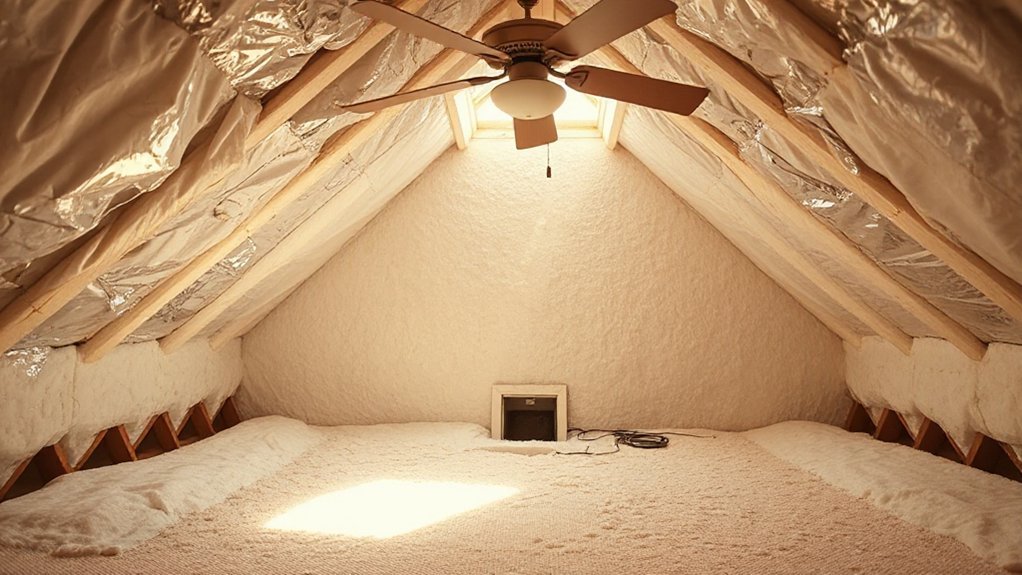
Smart insulation in the attic can transform comfort and efficiency by reducing heat gain in summer and heat loss in winter. You’ll prioritize continuous coverage, preventing insulation gaps that create thermal bridges.
Assess attic ventilation to balance moisture control with steady airflow, ensuring that hot air exits without pulling conditioned air from living spaces.
Seal penetrations around pipes, vents, and wiring first, then install high‑R value batts or blown insulation to achieve uniform thickness.
Consider dense‑packed or spray types in irregular cavities to minimize voids and keep attic temperatures stable.
By aligning insulation depth with climate guidelines, you reduce HVAC cycling and energy waste.
Regularly verify seal integrity after seasonal changes, and maintain a clear, ventilated soffit to ridge path for long‑term durability.
Weatherproofing Basics That Stop Hidden Moisture
Hidden moisture can hide in plain sight, so start by sealing the common entry points: gaps around doors, windows, and utility penetrations, plus any joints in siding or roofing. You’ll establish a tight envelope first, then verify with indicators like a moisture meter or smoke test.
Use quality weatherstripping, flashing, and sealants designed for exterior exposure, paying attention to junction areas where two materials meet.
Install a continuous moisture barrier on the exterior sheathing and confirm proper overlap at seams to prevent capillary wicking.
For interior protection, add vapor retarders only where climate and building design demand them, avoiding trapping condensation.
Regularly inspect for blistering, staining, or soft spots, and address promptly to prevent hidden leaks from advancing.
Pick Durable Finishes That Resist Wear and Stay Low-Maintenance
To keep your project durable and low-maintenance, choose finishes that resist wear, weather, and staining while simplifying upkeep. You’ll prioritize finishes that form strong surface films, curb abrasion, and deter fingerprints, grime, and moisture ingress.
Look for low-sheen or matte options that hide imperfections yet clean easily, plus UV resistance for sun-exposed areas. Favor water-based polyurethane, acrylic lacquers, or fluoropolymer surface treatments that maintain color and sheen over years.
Consider high-durability paints with ceramic or nano additives, and sealed, stain-resistant topcoats for frequent touchpoints. Evaluate color-fastness, recoat windows, and compatibility with underlying materials.
Finishing touches should balance aesthetics and longevity, while surface treatments improve longevity without demanding intensive maintenance, enabling straightforward upkeep and predictable performance.
Install Quiet, Reliable Fasteners for Lasting Structural Stability
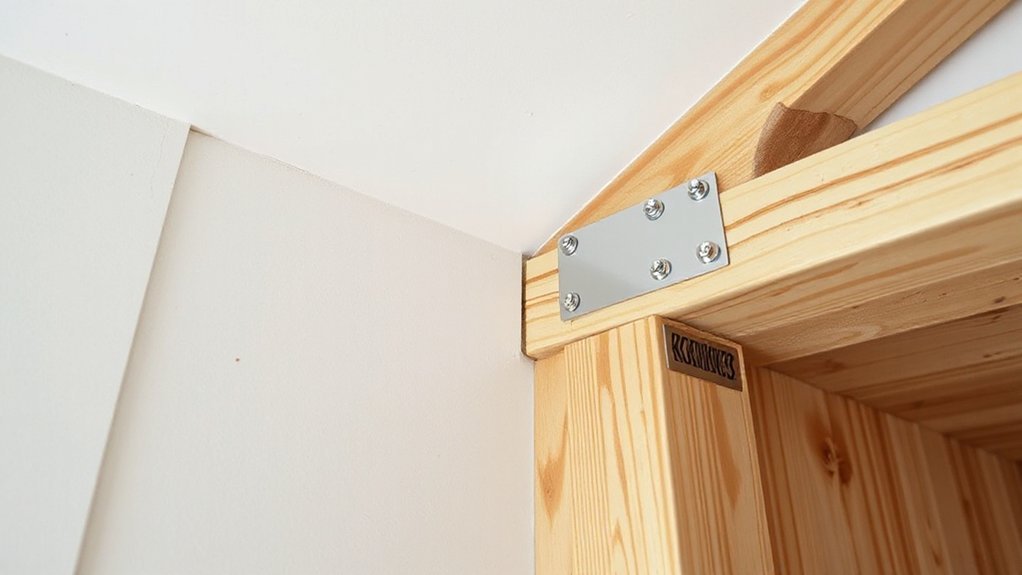
When you install fasteners, prioritize quiet operation, reliable pull‑out strength, and long‑term stability. Your focus should be on fastener selection that minimizes vibration, seating friction, and noise, while maximizing load transfer and shear capacity.
Choose corrosion‑resistant materials for durability in varied environments, and verify thread design suits the substrate to prevent loosening over time. Use appropriate pre‑drilling to reduce split‑out and ensure clean engagement, aligning fastener length with thickness and anticipated loads.
Consider structural reinforcement needs when detailing attachment points, opting for multi‑point fastening where single anchors risk span‑to‑weight imbalances. Document installation torque targets and inspection intervals to track performance.
This disciplined approach keeps connections quiet, strong, and enduring, supporting overall structural integrity.
Choose Resilient Flooring and Interior Surfaces
When you choose durable flooring, you boost long-term resilience and reduce maintenance cycles.
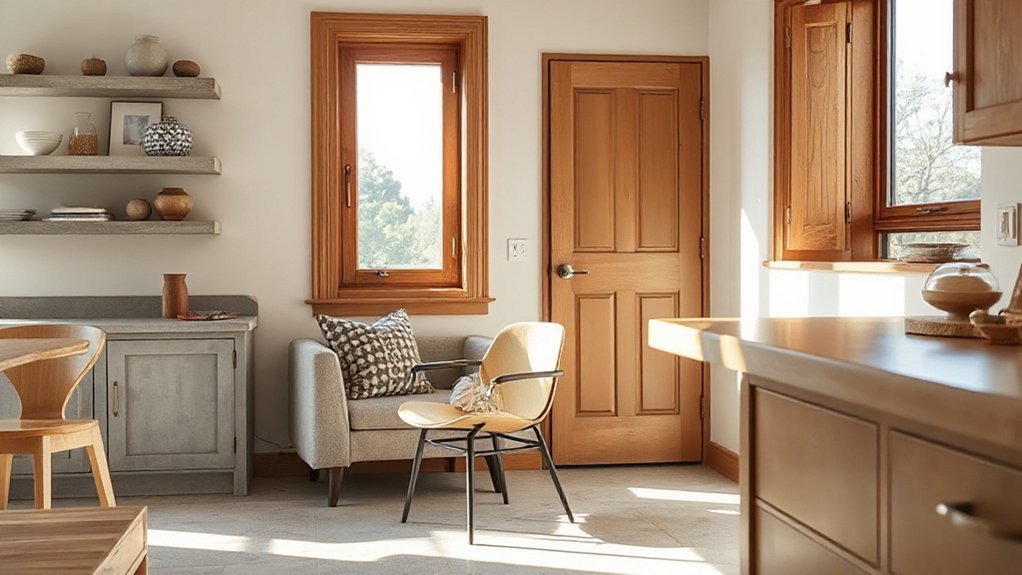
Consider durable options like scratch-resistant coatings, easy-to-clean surfaces, and moisture-tolerant materials to support high-traffic areas and wet zones.
For interior surfaces, prioritize resilient finishes that resist stains, wear, and fading while keeping a clean, modern aesthetic.
Durable Flooring Choices
Eco friendly options should include recycled or rapidly renewable content, low volatile organic compounds, and responsible sourcing. Choose surfaces with demonstrated durability under residential traffic, pets, and furniture movement, while still supporting a comfortable, quiet underfoot feel.
Aesthetic enhancements matter too: subtle textures, consistent colorfastness, and seamless progressions between rooms reduce visible wear over time. Plan for long-term lifecycle, easy refinishing, and compatible fasteners or underlayments that preserve each surface’s durability without compromising style.
Resilient Interior Surfaces
Eco-friendly coatings can extend life by reducing wear from UV exposure and water ingress, while preserving color and texture over time. Prioritize substrates that stabilize climate fluctuations and minimize expansion or contraction, avoiding grout-heavy setups prone to cracking.
Anti-microbial surfaces add hygiene without compromising performance in kitchens and baths, especially where high touch occurs. Plan for future renovations by selecting modular, repairable layers that simplify replacement rather than complete overhauls.
Energy-Smart Upgrades With Lasting Value
You’ll tighten your home’s envelope with high-efficiency insulation that minimizes heat flow and lowers energy bills.
Smart energy controls optimize usage, learning your patterns to reduce waste without sacrificing comfort.
Durable outdoor materials protect against weather and wear, extending value across seasons and years.
High-Efficiency Insulation
When you upgrade to high-efficiency insulation, you substantially cut energy waste while boosting comfort year-round. You target gaps, joint seams, and penetrations with continuous coverage, reducing thermal bridging and drafts.
Focus on installation quality: attic and crawl spaces must be sealed, moisture-managed, and vapor-permeable where appropriate to prevent mold risk. Choose materials with high R-values relative to thickness, and consider response to climate, season, and HVAC load.
Proper insulation installation supports consistent indoor temperatures, minimizing peak equipment cycling and enhancing thermal efficiency across zones. Avoid overpacking cavities, which can trap moisture and degrade performance.
Document performance goals, verify with blower-door or infrared assessments, and plan for long-term durability through accessible maintenance paths. This approach aligns energy savings with predictable comfort without adding complexity.
Smart Energy Controls
Energy monitoring dashboards provide actionable insights, highlighting peaks, waste, and anomalies you can address without overhauling systems. You’ll set adaptive routines, automate setbacks, and integrate zoning where feasible, reducing strain on electrical and HVAC components over time.
These controls help you verify insulation performance indirectly, by revealing usage patterns tied to occupancy not just outside temperature. With future-ready hardware and cloud-enabled analytics, you gain ongoing visibility, enabling proactive maintenance and smarter replacements.
The result is durable efficiency: consistent comfort, lower bills, and a system that ages more gracefully.
Durable Outdoor Materials
- Outdoor furniture designed from recycled steel or aluminum with powder coating for corrosion resistance
- Weather-smart fabrics and cushions with UV and mildew resistance
- Garden fencing made from treated timber or vinyl for stability and low upkeep
- Pavers and decking using composite materials or long-warranty stone that resist cracking
- Protective coatings and sealants tailored to climate, reducing upkeep and fading
These choices sustain performance, minimize replacement needs, and keep your outdoor spaces welcoming year after year without frequent overhauls.
Create a Simple Maintenance Routine to Protect Longevity
A simple maintenance routine keeps your home durable by preventing small issues from escalating. You’ll establish a monthly checklist that covers:
- Seasonal inspection: assess gutters, seals, vents, and flashing for wear, blockages, or moisture intrusion, then address gaps or cracks promptly.
- Routine cleaning: remove debris from HVAC intakes, sump areas, and exterior surfaces; rinse siding to prevent buildup that hides underlying damage.
- Minor fixes: tighten fasteners, lubricate hinges, and replace worn weatherstripping before it worsens.
- Documentation: log dates, findings, and actions to track trends and predict future needs.
- Scheduling: set reminders aligned with seasons to maintain momentum and avoid gaps.
This proactive cadence minimizes costly repairs and sustains long‑term performance.
Frequently Asked Questions
How Do I Assess Long-Term Durability on a Budget?
You can assess long-term durability on a budget by prioritizing foundation reinforcement checks and smart upgrades. Start with visible cracks and evenness, then consult a pro if you spot shifting.
Look for moisture signs and guarantee proper drainage around your foundation.
Prioritize energy efficient windows for insulating value and long-term savings, and seal leaks to prevent costly damage.
Track maintenance costs versus potential repairs, and plan small, durable improvements that pay off year after year.
Which Upgrades Affect Indoor Air Quality Over Time?
Breathing easy starts with simple upgrades: you’ll want better indoor air filtration and VOC reduction to improve air quality over time. You’ll choose a higher-efficiency filter, seal cracks, and guarantee proper ventilation.
Then, you’ll monitor humidity and emissions from finishes. You’ll replace carpets or cleaners with low-emission options, and use energy-efficient ventilation to maintain steady airflow.
This forward-looking approach keeps IAQ steady, reducing irritants and supporting long-term comfort for you.
What Hidden Costs Come With Maintenance-Heavy Materials?
Hidden expenses come from maintenance-heavy materials, so you’ll face ongoing costs for treatments, replacements, and specialized labor. These hidden expenses can accumulate even when upfront prices seem reasonable.
Prioritize material longevity; invest in durable options to reduce frequency of repairs and downtime. You’ll save time and money long term, but you must budget for periodic upkeep.
In short, plan for maintenance cycles now, or you’ll pay later with interest on your durability investments.
How Often Should I Re-Evaluate Home Durability Needs?
A good rule is to re-evaluate every 3–5 years, or sooner after major events.
For example, a homeowner who noticed hairline roof leaks initiated a roofing longevity review and foundation inspection, catching subtle shifting before damage escalated.
You should schedule periodic checks, documenting weather impacts and material wear. Keep notes on drainage, soil conditions, and flashing.
Are There Eco-Friendly Durability Improvements That Save Money?
Yes—eco-friendly durability improvements can save you money over time. You’ll cut energy costs with Eco friendly insulation and reduce wear on systems, boosting comfort and resale value.
Opt for Sustainable flooring to lower maintenance and replacement needs. Look for high R-values, airtight installation, and responsibly sourced materials.
Plan upgrades that pay back through lower bills, fewer repairs, and longer lifespans. Your approach should balance upfront cost with long-term savings and environmental impact.
Conclusion
You’ll notice subtle upgrades quietly paying dividends—less drama, more durability. Think of UV-guarded finishes as a calm shield, fasteners that politely resist corrosion, and flooring that forgives daily wear. By sealing gaps and guiding moisture away, you’re nudging future headaches into the background. Maintain a simple rhythm—inspect, clean, seal—so small issues stay small. In time, resilience becomes your home’s unspoken habit, and lasting value quietly reveals itself, like a well-placed safety net catching tomorrow’s surprises.
About the Author