You might love the idea of boutique wall coverings or designer floors, but let’s be real: they rarely pay off in resale value or long-term savings. You’ll spend more than you gain when upkeep bites, trends shift, or a new look arrives. Before you invest, you should weigh practicality, durability, and energy savings. There’s a smarter path that keeps daily life smooth and value intact—and it starts with questions you’ll want answered.
Key Takeaways
- Open-concept layouts: can reduce storage and acoustic privacy, making spaces chaotic if misapplied.
- Luxury flooring upgrades: high aesthetic impact shortfalls resale value and long-term durability considerations.
- Trendy boutique wall treatments: may fail durability and practicality, inflating costs.
- High-end kitchen overhauls: cabinetry or appliances beyond ROI often don’t translate to resale value.
- Flashy smart-home gimmicks: hype outpaces real-world usefulness and long-term maintenance.
How to Evaluate Upgrades: ROI, Appeal, and Practicality
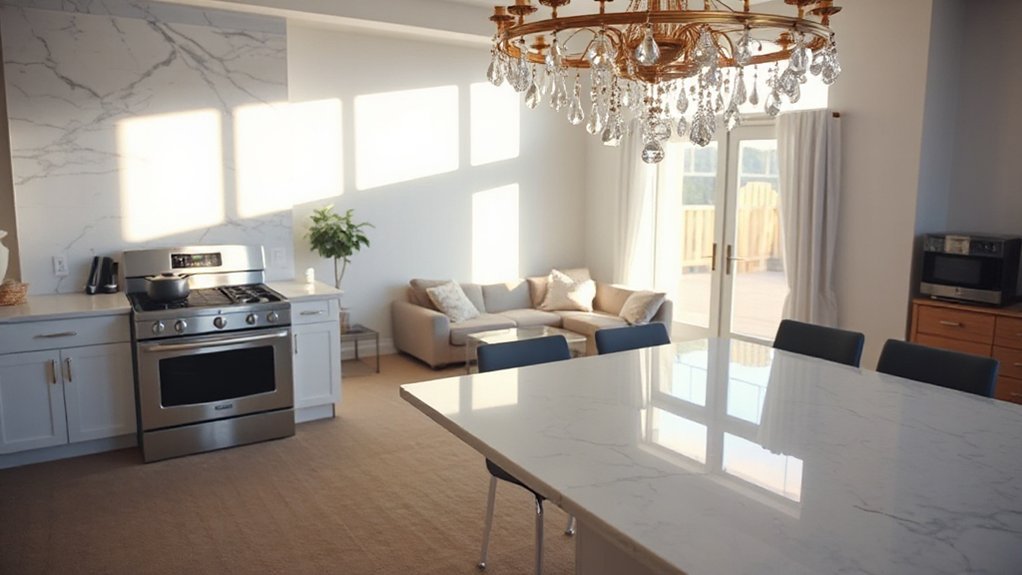
To evaluate upgrades, focus on three core criteria: ROI, appeal, and practicality. You weigh the numbers, but you also read the room.
ROI isn’t a guarantee; it’s a projection built on current markets, not your sentiment. Appeal matters, but only if it translates to real use and resale posture.
Practicality keeps you from chasing trends that break the daily routine. Historical preservation and Cultural significance should factor into decisions that touch heritage or local character, not just price tags.
If an upgrade erodes these qualities, question the payoff. Be skeptical: test assumptions with benchmarks, timelines, and risk checks.
Prioritize changes that improve utility, preserve context, and deliver measurable, sustainable value over flashy, short-lived gains.
Kitchen Upgrades: Which Improvements Pay Off Most
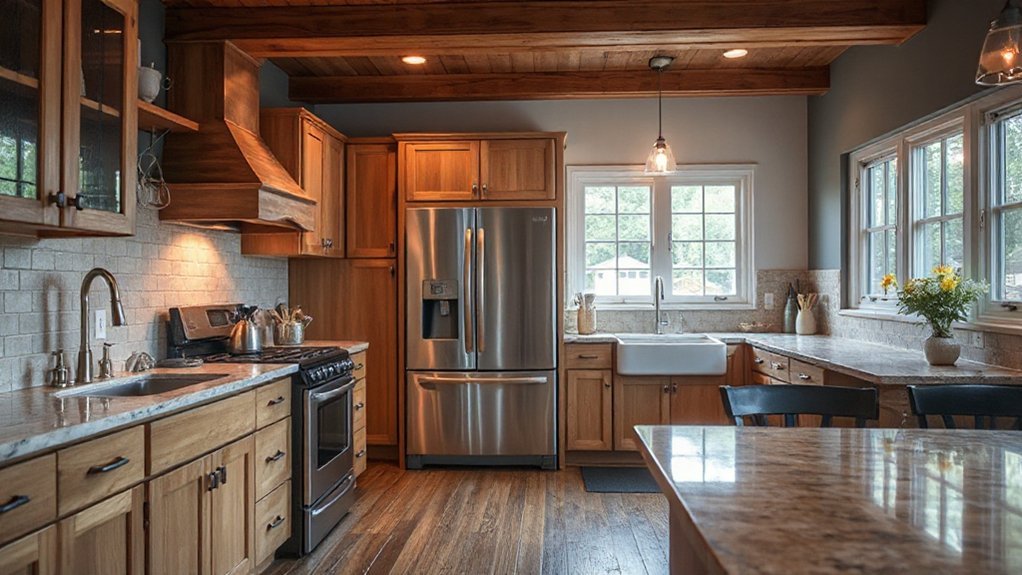
Cabinet lighting ROI isn’t just about ambiance; it can cut energy use and raise perceived value if you do it right.
Countertop material value matters, but only if the upgrade aligns with your layout, durability needs, and resale expectations.
Let’s pull data on cost vs. impact and separate hype from solid returns.
Cabinet Lighting ROI
Could cabinet lighting truly boost ROI in the kitchen, or is it just a pricey mood putter? You weigh the cost against practical gains. In many setups, subtle task illumination helps you see details, but the value isn’t universal.
Cabinet lighting can improve perceived space and highlight finishes, yet it’s often optional, not essential. When considering ROI, polling buyers or resale data matters more than anecdotal hype.
Efficiency and bulb longevity help, but only if you’re replacing outdated fixtures, not retrofitting for style alone. If you pursue cabinet lighting, keep it simple and energy-minded, focusing on task zones rather than ambient glare.
Demand clear alignment with lighting design goals, and avoid over-investment that outpaces perceived home value.
Countertop Material Value
Countertop durability matters more than novelty; durable options reduce long-term headaches and replacement costs. You should test heat resistance, scratch tolerance, and stain resilience, since every material has trade-offs.
Material versatility matters too—choices that blend well with cabinetry and appliances save you money and time during installs.
Don’t assume higher price equals better value; compare real maintenance needs and periodic resurfacing vs. full replacement. Ask for warranties and documented performance data, and seek evidence beyond marketing.
If a surface forces frequent specialty cleaners or shows rapid wear, its value drops, and you’ll regret the upgrade.
Bathrooms: Where ROI Hits and Misses
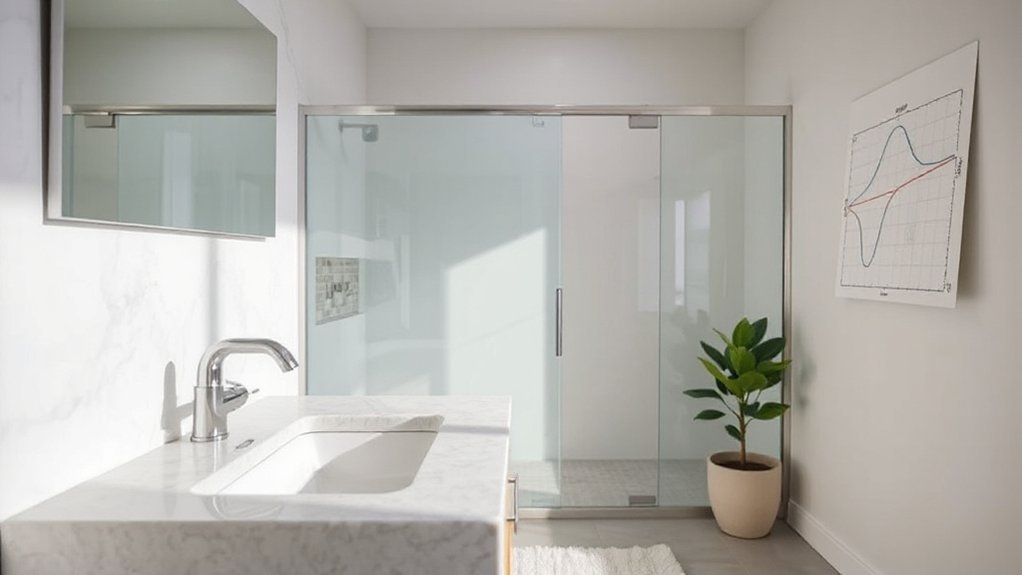
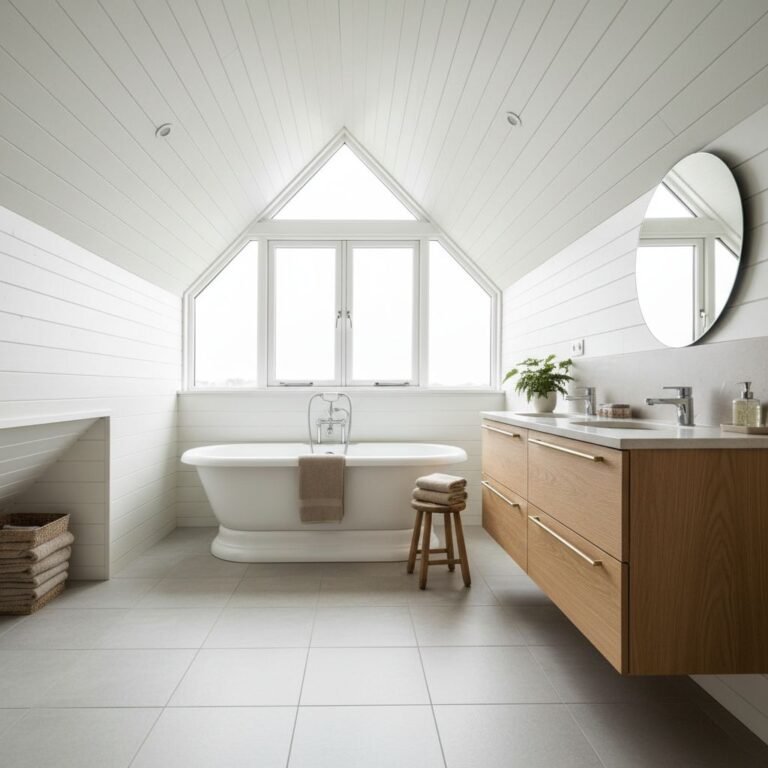
Upgrading a bathroom pays off, but not every improvement does. You’ll find some fixes barely move the needle, while others quietly boost resale appeal. Small, well-executed updates outperform flashy overhauls when ROI matters.
You should prioritize durable basics: solid fixtures, leak-free plumbing, and a clean, timeless palette. Bathroom lighting matters more than you think; you’ll notice better task lighting in mirrors and zones, but avoid gimmicks that scream novelty.
Vanity upgrades can help, yet only if cabinets and countertops are well matched to the space and budget. Avoid oversized trends that expire fast or require costly remodeling. Don’t chase every trend; test fast, measure impact, and reinvest where it actually raises perceived value and daily comfort.
Practical, not flashy, wins in the long run.
Open-Concept Layouts: When Space Helps-And When It Hurts
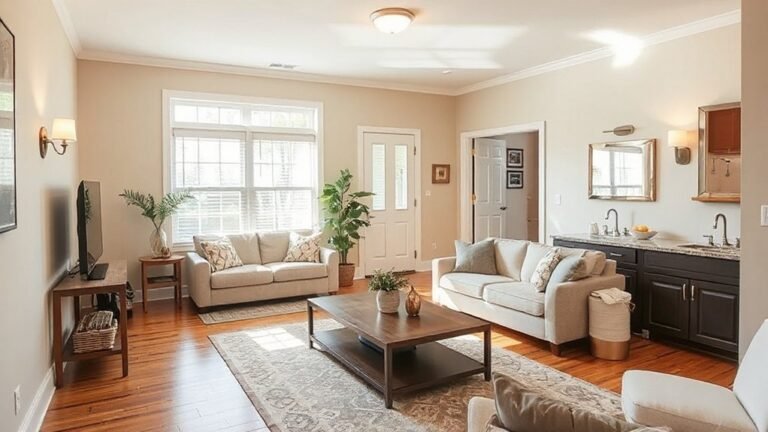
Open-concept layouts can make a small space feel expansive, but the gains aren’t automatic. You’ll trade defined zones for a broader impression, yet you lose obvious storage and acoustic separation. If you crave quiet, consider how space division will actually function day to day.
In open concept, traffic patterns matter; sightlines can overwhelm, and mess becomes public decor. You might gain sociability, but you also gain noise and dust visibility. Materials and lighting must unify disparate functions without sacrificing practicality.
Consider scale: a wishful open floor plan can collapse into awkward alcoves or underused corners. Before committing, map zones for cooking, lounging, and working, then test with temporary dividers.
Open concept isn’t universal; it’s situational, and misapplied it’s just spacious chaos.
Premium Appliances: Do They Add Resale Value?
Premium appliances can swing resale value, but the impact isn’t a slam dunk. You’re likely paying for prestige, not necessarily faster sale or higher price. In most markets, buyers care about function and reliability more than brand gloss.
If you’re upgrading, prioritize durability, energy efficiency, and repairability over showroom looks. Luxury decor can help curb the sticker shock, but it won’t automatically translate to big gains.
Outdoor amenities, when thoughtfully integrated, often beat built-in shiny gear for value perception because they extend usable living space. Consider what future buyers actually want, not what you’d install for yourself.
- Prioritize efficiency and serviceability over prestige branding
- Pair high-end appliances with durable finishes and easy upkeep
- Balance upgrades with outdoor amenities for broader appeal
Smart Home Tech: Value Add or Fad?
You’ll want to weigh the Smart Tech ROI debate against real-world usefulness, not just hype.
Consider how longevity, security risks, and practical daily benefits really stack up before you buy in.
If it doesn’t clearly save time, money, or add value for your home, it’s probably best treated as a fad rather than a certainty.
Smart Tech ROI Debate
Smart home tech promises bigger convenience, energy savings, and resale value, but the ROI isn’t automatic. You’ll find value only when systems align with real needs, not hype. Home automation and smart security can help you monitor costs and theft risk, but they don’t guarantee a higher sale price. Budget, compatibility, and ongoing maintenance shape outcomes more than clever features.
- Real-world appeal varies by buyer and home layout
- Upfront costs often outpace perceived value
- Integration headaches can erode efficiency gains
In practice, the smart tech ROI debate centers on practicality over novelty. If you prioritize reliability, ease of use, and clear security improvements, you’ll see steadier benefits. Otherwise, you’re chasing marginal gains that don’t justify the investment.
Real-World Usefulness Check
Real-world usefulness isn’t guaranteed by flashy features or glossy dashboards; it comes from real tasks getting simpler, cheaper, or safer. You measure smart tech by outcomes, not hype: does it save you time, reduce bills, or prevent problems in practice?
Often the answer is mixed. Outdoor lighting can improve safety and curb appeal, but you’ll want reliable schedules, weather resistance, and predictable integration with sensors, not just an app glow. Decorative accents may be controllable, yet you’ll trade spontaneity for automation and maintenance quirks.
If routines remain manual behind the scenes, the upgrade feels cosmetic, not functional. So, test concrete tasks: illumination timing, motion responses, and compatibility with existing systems. If results aren’t tangible, consider it a fad, not a lasting value add.
Longevity And Security Risks
- Reliability vs. hype: true longevity requires ongoing updates and support
- Insurance and risk: how devices affect coverage and premiums
- Structural integrity: avoid creeping obsolescence through planned upgrades
Luxury Flooring: Costs vs. Buyer Perception
While luxury flooring can boost a home’s appeal, the price tag often outsizes real value for buyers who notice only the sticker shock. You’ll weigh aesthetics against cost, but the payoff isn’t universal.
Luxury flooring can impress in photos, yet durability, maintenance, and installation complexity cut into any perceived benefit. You might overestimate resale gains when buyer perception discounts function over form.
The real question: does the upgrade outlast the price premium, or do you accept a cosmetic upgrade with limited long-term impact? In many markets, midrange materials deliver similar comfort at a fraction of the cost, while staying easier to repair or replace.
If you pursue luxury flooring, plan for the total ownership bill and realistic resale boundaries. Buyer perception shapes value more than glossy catalogs.
Boutique Wall Treatments: Style vs. Longevity
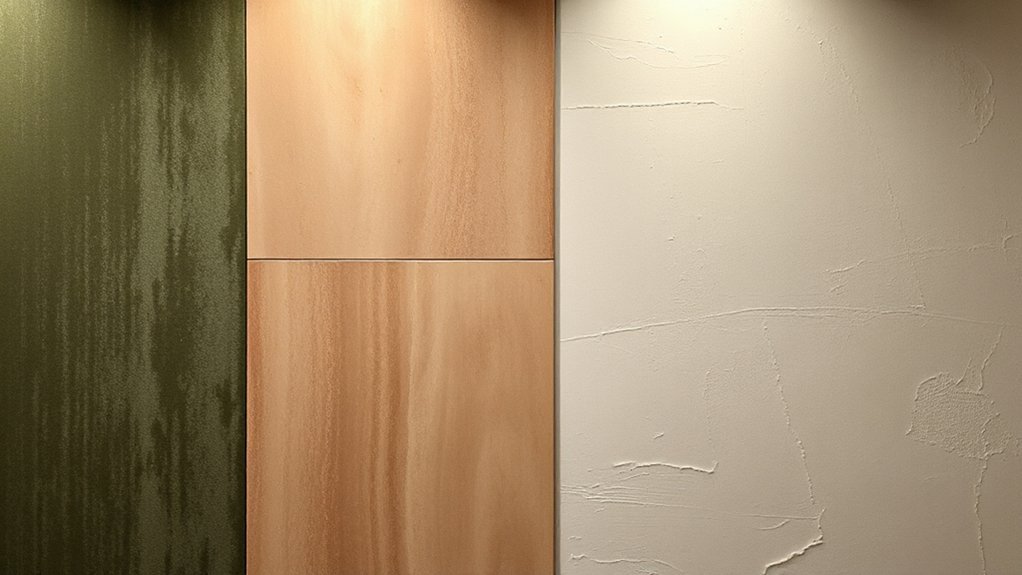
Boutique wall treatments grab style first, but you should weigh longevity before you commit. Consider materials that weather well and stand up to daily use, not just hashtag-worthy looks.
If you’re on a budget, explore smarter, budget-friendly alternatives that still offer real curb appeal.
Style-First vs Longevity
When you’re choosing boutique wall treatments, you trade off style and longevity, and the decision hinges on what matters most: immediate impact or lasting performance.
- Fashion trends can steer a look, but they don’t guarantee durability or easy upkeep.
- Balance style with structural integrity to avoid quick cosmetic failures that undermine your investment.
- Question hype, testing materials for real-world wear rather than showroom appeal.
You’ll get a sharper sense of value by prioritizing simple, robust options over flashy, fragile finishes. If you chase trend-driven textures, expect quicker reassessment and replacement.
Longevity isn’t boring—it’s cheaper, steadier, and less messy to maintain. In short, style first can be a gamble; longevity protects space and budget, even when fashion shifts.
Materials That Weather Well
You won’t get showy depth every time, but you get fewer failures and less upkeep. In practice, durability reduces surprises, saving time and money, even if it costs a touch more upfront. Don’t chase novelty for its own sake.
Consider how materials handle changes in temperature, humidity, and exposure. If you’re wiring for home automation or expanding outdoor living, pick substrates that tolerate movement and climate shifts, not just fashion. Longevity beats trend when walls face daily demands.
Budget-Friendly Alternatives
Are you chasing a luxe look on a budget, or simply trying to avoid frequent upkeep? Budget-Friendly Alternatives tackles boutique wall treatments by weighing style against longevity. You’ll find that the appeal of textured panels or bold wallpaper often outpaces real-world durability, especially with kids or pets.
For practical gains, lean into simple strategies that align with garden design sensibilities and paint colors that age gracefully. The goal isn’t endless novelty; it’s measured impact.
- Install temporary, peel-and-stick textures that mimic high-end finishes without commitment
- Use washable, neutral paint colors as a base, then add flexible wall accents
- Favor breathable materials and easy repairs over trend-driven, long-term options
These choices favor durability, ease, and tasteful harmony with garden design cues.
Landscaping for ROI: What Really Moves the Needle
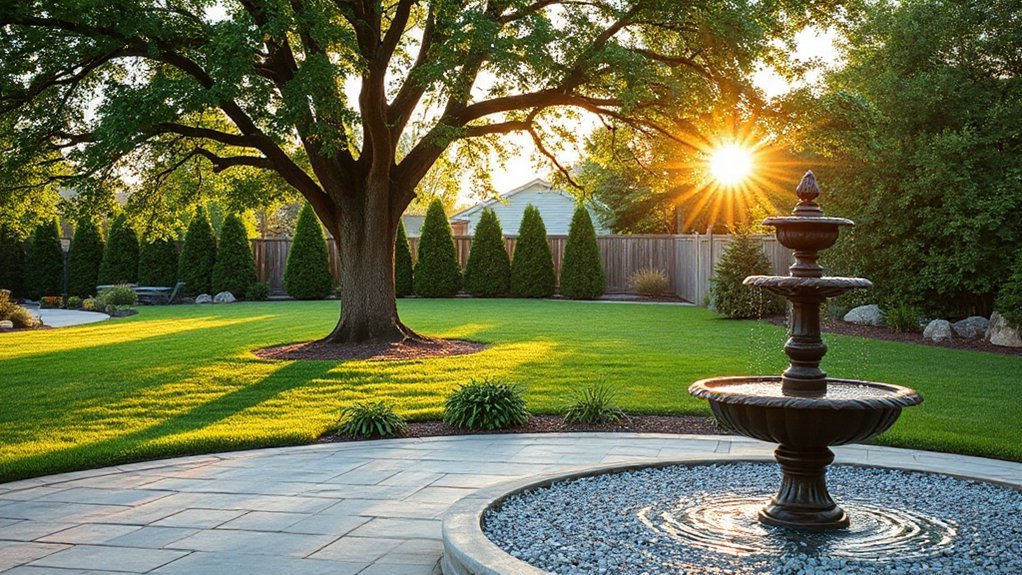
Do simple landscaping choices really boost resale value, or is the hype louder than the ROI? You’ll want a grounded read on ROI, not romance. Basic curb appeal matters, but extreme overhauls rarely pay off for typical buyers.
Focus on durable, low-maintenance landscaping that endures weather and time, not every trendy plant. Prioritize sightlines, clean edges, and a cohesive palette that feels intentional, not chaotic.
If you’re adding features, keep them practical: invest in reliable irrigation, weed control, and proper drainage first. Garden lighting can extend evenings and curb appeal without inflating costs, while outdoor furniture should be sturdy and inviting, not flamboyant.
Avoid overplanting, overpriced ornamentals, or radical redesigns that disrupt the home’s core appeal. ROI comes from simplicity, durability, and tasteful restraint.
Energy-Efficiency Fixes: What Delivers Real Value
You’ve seen how simple, durable choices pay off in landscaping; the same logic applies to energy efficiency. Don’t chase every gadget. Instead, target fixes that save real money and comfort without gimmicks. Some fixes pay back, others don’t, so be skeptical and precise.
- Eco friendly innovations that actually cut bills, like smart thermostats, well-sealed ducts, and efficient lighting, matter most when they fit your home.
- DIY energy solutions you can install without turning your house into a project: weather-stripping, caulking, and insulation tweaks that reduce leaks.
- Prioritize proven efficiency improvements over flashy upgrades that rarely pay off in the first year.
Focus on value, avoid hype, and document payback to separate wins from noise.
How to Prioritize Upgrades for Maximum Payoff
Start with a clear map of where your money goes: list your home’s biggest energy drains, then rank upgrades by payback, comfort, and risk. You’ll want to separate low-hanging wins from long bets. Begin with efficiency tweaks that cut bills now, then weigh comfort vs. cost.
Don’t chase every trend; test before committing. Outdoor lighting matters for safety and curb appeal, but it only pays off if you reduce waste or theft risk. Home automation can boost convenience and efficiency, yet add complexity and maintenance.
Prioritize fixes with measurable payoff—confirmed by utility rebates or estimated yearly savings. Favor durable components, simpler warranties, and scalable systems.
Finally, align decisions with your lifestyle, not marketing hype, and prune projects that don’t clearly improve overall value.
Quick ROI Calculator: Estimate Your Home’s Upgrade Payoff
A quick ROI calculator puts numbers to your gut sense: enter your upgrade costs, expected annual savings, and any rebates to see payback in years. You’ll compare ideas like Home automation and exterior lighting, then question the hype and trust the math. The tool isn’t a prophecy, just a guardrail against overstatement.
If payback stretches beyond your horizon, reconsider the upgrade’s true payoff and opportunity cost. Be sure you account for maintenance, batteries, and schedule disruptions. Don’t treat rebates as free money; they’re incentives that skew simple math.
Use the calculator to separate vanity from value, then decide if the payoff justifies the risk.
- Quick payback checks for Home automation vs. exterior lighting
- Include all costs, including installation and permits
- Use conservative savings to avoid overestimate
Frequently Asked Questions
Do Upgrades Ever Hurt Resale Value Meanningly?
Yes, upgrades can hurt resale value if you overdo it. You risk chasing trends rather than broad appeal. Stick to durable, cost-effective choices that appeal to broad buyers.
Focus on quality basics, not flashy Luxury features or gimmicky decor. When you add Smart technology, make sure it’s reliable and easy to operate, not cluttered.
You’ll protect value by balancing function with market norms, avoiding premium gambles that only help your wallet short-term.
Which Upgrades Buyers Overlook in Listings?
A quick truth: buyers overlook these listings quirks, not the flashy upgrades. You’ll see neutrals and clean spaces, with room layouts that actually work.
Smart home features and energy efficiency matter, but only if they’re visible and usable. If you’ve wired for control you can’t demonstrate, it won’t help.
Focus on clear, honest details, simple maintenance, and practical value. Don’t overpromise; show real-time benefits, not buzz.
How Do Regional Trends Affect ROI Accuracy?
Regional trends shape ROI accuracy more than national averages, so you’ll want to adjust for Market variations in your area.
Don’t assume a uniform payoff; regional preferences steer demand, pricing, and time on market.
You should compare comparable neighborhoods, calibrate expectations, and test sensitivity to local factors.
Be skeptical of flashy, broad claims.
Build a localized model, use current data, and revisit assumptions as regional preferences shift.
Are Cosmetic Changes Safer Than Structural Upgrades?
You’ve heard “beauty is skin deep,” and you’re right: cosmetic changes are generally safer. Cosmetic upgrades, like paint enhancements and furniture updates, pose less risk and cost, so you retain flexibility if ROI shifts.
Yet don’t assume safety equals impact; color and style still matter to buyers. You should prioritize durable, quality finishes and timeless furniture basics, and only pursue structural upgrades if data shows a clear, favorable return.
What’s the True Lifespan of Common Upgrades?
The true lifespan of common upgrades varies, but you should expect smart technology to last 5–10 years before notable updates or replacements hit.
Eco friendly materials can endure 15–30 years with decent care, higher if built well.
You’ll save little if you chase trendiness; focus on durable foundations, like solid wiring and timeless finishes.
Be skeptical of hype—choose simple, maintainable, interoperable options that age gracefully, and plan for refresh cycles, not miracles.
Conclusion
You’ll want returns you can actually count on. Don’t chase every shiny upgrade—focus on durable, efficient fixes that cut costs and ease daily life. If a feature sounds flashy but eats up value or keeps you locked in, skip it. Think ROI, practicality, and long-term appeal. In short, invest smart, not splashy—your wallet (and future self) will thank you. It’s a sticking point you can trust, like a steady heartbeat in a crowded room.
About the Author