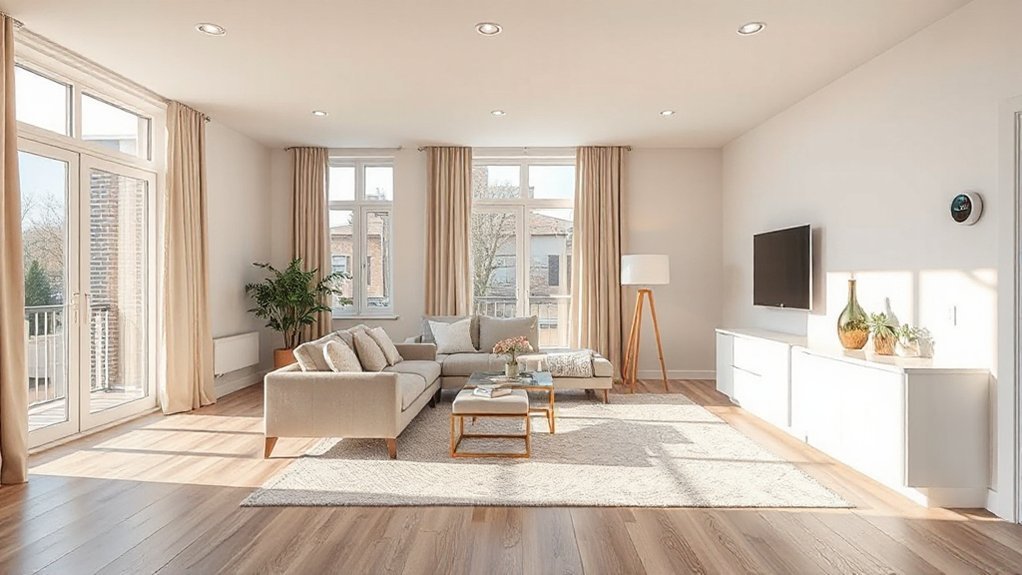
You’ll want to start with a careful compromise: you don’t have to chase flashy upgrades to win tenants, but you do need durable, cost-conscious choices that last. You’ll focus on easy-to-clean finishes, resilient fixtures, and smart systems that reduce calls and costs. With a solid maintenance plan and clear protections in place, you’ll create steadier occupancy and higher returns—and you’ll see where the real value hides as you plan your next move. Curious how the pieces fit together, or where to begin?
Key Takeaways
- Prioritize durable finishes and easy-to-clean surfaces (hard-wearing flooring, washable paint, semi-gloss trim) to reduce repairs and turnover costs.
- Install smart tech (programmable thermostats, occupancy sensors, leak detection) to optimize energy use and proactive maintenance.
- Use low-maintenance materials (quartz countertops, vinyl plank flooring, composite cabinetry) with modular upgrade paths for predictable costs.
- Automate routines and outsource non-core tasks (maintenance checks, vendor coordination) to improve efficiency and tenant satisfaction.
- Establish a proactive maintenance and risk plan (preventive calendar, bulk purchases, documented records) to preserve value and reduce disruptions.
Why a High-Demand, Low-Maintenance Rental Model Works
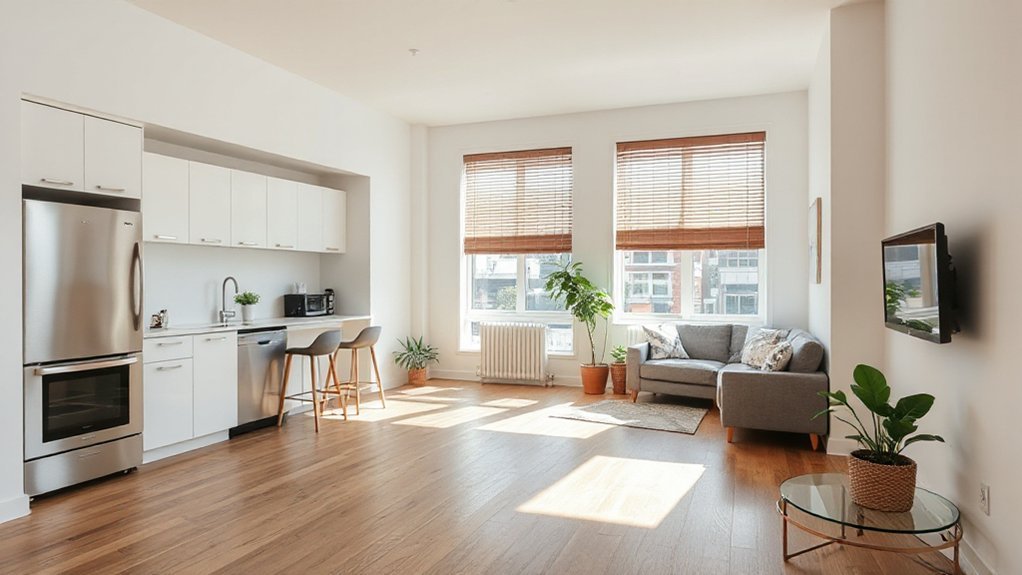
A high-demand, low-maintenance rental model works because it aligns tenant needs with owner efficiency. You target Market trends and tenant preferences, ensuring the setup matches what renters actually want.
Your focus is on predictable occupancy, minimized turnover, and streamlined operations. By prioritizing durable basics, you reduce repair cycles and capital leakage, keeping costs steady over time.
You’ll select features that endure and satisfy contemporary renters—simple layouts, smart thermostats, low-cost water and energy solutions, and easy-to-clean finishes.
Documentation, clear expectations, and responsive service build trust without overcommitting time.
With well-timed sourcing and standardized processes, you maintain consistent performance even as market conditions shift.
In short, alignment between demand signals and operational discipline delivers steady cash flow and scalable growth.
Durable Finishes Tenants Won’t Wear Out
Durable finishes are the backbone of a low-maintenance, high-demand rental. You’ll choose materials that resist scuffs, moisture, and everyday abuse, so turnover stays quick and predictable.
In practice, optimize material selection by focusing on surfaces that tolerate repeated use without showing wear. Prioritize hard-wearing flooring options, like engineered wood or porcelain tile, over delicate laminates.
Go for washable paint finishes in common areas and semi-gloss trims that wipe clean easily. Confirm kitchen counters and backsplashes use abrasion-resistant surfaces with solid seams.
Let tenant durability guide your choices, balancing longevity with cost, ease of repair, and minimal disruption during replacements. Size up maintenance implications before buying, and document product warranties to simplify future replacements.
This approach sustains value with minimal ongoing effort.
Upgrades That Cut Maintenance and Boost Tenant Quality
To cut maintenance and boost tenant quality, focus on upgrades that withstand daily use and reduce upkeep over time. Choose durable fixtures, sealed surfaces, and easy-to-replace components that resist wear.
Smart technology remains practical: programmable thermostats, occupancy sensors, and leak-detection systems cut energy waste and catch issues early.
Prioritize low-maintenance materials like quartz countertops, vinyl plank flooring, and composite cabinetry that clean easily and last.
Streamline plumbing with dual-flush toilets and touchless faucets to reduce daily grime and repairs.
Eco-friendly upgrades matter: energy-efficient appliances, LED lighting, and well-sealed envelopes lower utility calls and improve tenant satisfaction.
Plan for modular upgrades that can be upgraded later without full remodels, keeping costs predictable and turnover minimal.
This approach delivers dependable, higher-quality occupancy with fewer service requests.
Streamlined Management That Doesn’t Burn You Out
To keep management from burning you out, start by automating routine tasks you repeat weekly, like rent reminders and preventative maintenance checks.
When you can’t handle it all, outsource the on-call tasks that aren’t core to your strategy, such as cleaning or vendor coordination, so you keep control without the grind.
Set clear boundaries now— define hours, response times, and decision rights— and document them to protect your time and costs.
Automate Routine Tasks
Automation isn’t an afterthought—it’s the backbone of a low-stress rental operation. You’ll implement practical systems that run on autopilot, so you stay focused on growth, not grind.
Begin with property automation: smart thermostats, door sensors, and schedule-based maintenance reminders cut manual checks and reduce emergencies.
Use automation rules to trigger work orders, rent reminders, and vendor invoices, so you rarely touch repetitive tasks.
Streamline tenant communication by centralized messages and self-service portals, answering common questions without live back-and-forth.
Create a maintenance calendar with predefined response times and escalation paths, then audit quarterly for gaps.
Track costs and savings to validate ROI, and reallocate saved time to improvements that boost demand.
The result is reliable operations, faster issue resolution, and steadier cash flow.
Outsource When Needed
Outsourcing when needed keeps your rental operation lean without burning you out. You use a measured approach: identify tasks that drain time, then partner with vetted pros who fit your standards.
Tenant screening handled by a rental agency or background service ensures consistent criteria and quicker decisions, protecting cash flow and reducing vacancy risk.
For maintenance spikes, you contract reputable contractors with clear SLAs and transparent pricing, avoiding over-commitment during busy seasons.
When handling leasing, use an experienced property manager to minimize admin drag while preserving tenant rapport.
Always verify insurance requirements and align with property insurance guidelines to cover common risks.
Track results with simple metrics—response time, cost per unit, turnover—and adjust providers as your portfolio scales.
Keep the system adaptable, not excessive.
Set Clear Boundaries
You also set rental boundaries, like maintenance request channels, inspection cadence, and access notice, so everyone knows the rules of engagement. Documenting these expectations reduces misunderstandings and late-night calls.
Use a practical, affordable system—online portals, predictable scheduling, and stamped timelines for repairs. Communicate consequences for missed deadlines in a calm, objective tone, and follow through consistently.
Regularly review boundaries as the property matures or tenancy shifts, adjusting the process to stay efficient. Clear boundaries protect your schedule, lower burnout, and sustain high-demand, low-maintenance performance.
Practical Ways to Lower Ongoing Costs and Improve Control
To lower ongoing costs and gain tighter control, start with a precise baseline: track every expense tied to your rental—utilities, maintenance, insurance, management fees—and set monthly caps for each category.
Then implement a simple, repeatable process: review bills within 72 hours, categorize by necessity, and renegotiate vendors annually.
Use market analysis to benchmark rents, insurance quotes, and service rates, so you know when costs drift above reasonable ranges.
Tighten control by automating alerts when a category nears cap, and hire proactive maintenance that prevents larger repairs.
Prioritize tenant screening to reduce turnover and vacancy costs, while shielding you from costly disputes.
This disciplined approach keeps cash flow predictable and preserves asset value over time.
Curb Appeal and Staging That Accelerate Occupancy
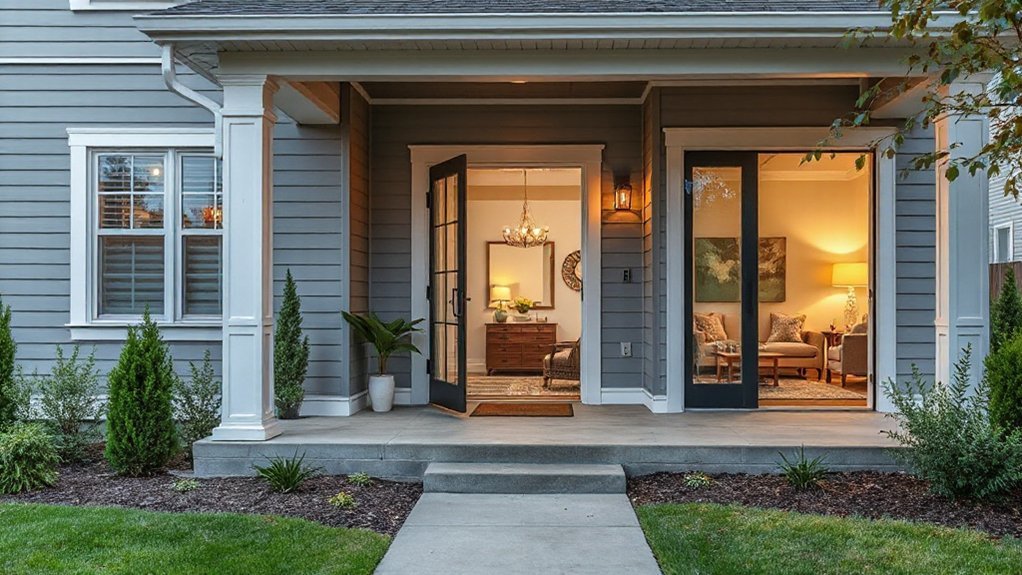
Curb appeal is your first, best chance to attract tenants, so start with a cost-conscious, high-impact approach: fix obvious eyesores, create welcoming entryways, and guarantee exterior lighting is bright enough for safety and curbside staging.
You’ll pair exterior landscaping with clean sightlines: prune, mulch, and add low-maintenance shrubs for lasting praise. Focus on a cohesive color and material scheme that feels fresh yet durable.
Inside, apply interior decor that supports lifestyle needs without overstaging: a neutral palette, sturdy floors, and minimal, functional furniture. Use outdoor seating accents to suggest usable space, not just photo appeal.
Highlight practical features—storage, privacy, and easy-clean surfaces—in photos and listings to accelerate occupancy without sacrificing long-term upkeep.
Proactive Protection: Safeguarding Your Investment Over Time
Proactive protection starts with a clear, cost-conscious plan to preserve value and minimize surprises. You implement a preventive maintenance calendar, prioritizing high-impact items that extend lifespan and reduce emergency costs. Track depreciation, scheduling service on HVAC, roofing, and plumbing before failures strike.
Maintain precise records: invoices, warranties, inspections, and renovation footprints to support resale or refinance. Lock in predictable costs with long-term service contracts and bulk supply purchases for common repairs.
Guarantee robust legal protections by documenting tenant agreements, disclosures, and fair housing compliance. Secure insurance coverage that matches risk exposure, including liability, property, and loss-of-rent clauses.
Review coverage annually, adjust deductibles, and confirm endorsement validity to prevent gaps during claims. This disciplined approach sustains value with fewer disruptions and surprises.
Frequently Asked Questions
How Long Does It Take to See Rental Income Improve?
You’ll usually start seeing rental income improve within 3 to 6 months after implementing upgrades and pricing aligned with market trends.
Stay practical: track occupancy, adjust rents to reflect Property appreciation, and monitor maintenance costs to keep profits predictable.
If you’re proactive, you’ll capture higher rents as demand rises.
Reinvest savings from cost controls into property enhancements that fit Market trends, boosting appeal and shortening vacancy periods while you grow steady cash flow.
What’s the Upfront Cost for Durable Finishes?
Finishes durability varies, but expect up-front costs to range from moderate to premium, depending on material choices.
You’ll pay more for durable options like ceramic tile, solid surface counters, and high-grade laminate, yet they save long-term maintenance.
A solid cost comparison helps you plan liquidity and ROI. Include installation, underlayment, and potential warranties.
You’ll want durable finishes that withstand wear, yet stay cost-conscious, balancing upfront price with ongoing upkeep.
Which Upgrades Yield the Best Maintenance Savings?
You’ll maximize maintenance savings by upgrading with durable, low-maintenance finishes that endure. Prioritize enamel-painted cabinets, quartz countertops, tile floors, and steel-core doors.
Pair these with smart, accessible fixtures to reduce upkeep. Plan a clear renovation budget, then lock in a conservative Maintenance schedule to catch issues early.
Focus on water-efficient appliances and simple repairs to lower recurring costs, boost tenant reliability, and protect resale value without spiking upfront spend.
This approach balances cost, durability, and long-term savings.
How Do I Screen Tenants for Long-Term Stability?
Sure thing: you screen tenants for long-term stability by running thorough tenant background checks, verifying income, and calling previous landlords. Don’t overlook credit history or eviction records, and document everything.
Use lease agreement essentials like clear term lengths, renewal options, and penalties to deter flaky behavior. Be practical, detail-oriented, and cost-conscious: automate checks where possible, budget for renewals, and set expectations upfront.
Irony aside, thoughtful screening saves money and headaches long-term.
What Legal Protections Should I Implement Upfront?
You should implement solid upfront protections with clear legal documentation and robust lease agreements. Start by outlining each party’s duties, rent terms, security deposits, maintenance responsibilities, and renewal options.
Include quiet enjoyment, code-compliance, and notice procedures. Add pet, subtenancy, and late-payment provisions, plus forfeiture and cure periods.
Guarantee compliance with local laws, fair housing, and privacy rules. Keep records, use standardized forms, and tailor agreements to cost-conscious margins while preventing disputes and minimizing risk.
Conclusion
In short, you can turn your rental into a ticking ROI machine without turning your life into a burnout drill. Choose bombproof finishes, expect maintenance to drop to nearly zero, and automate every routine so you barely lift a finger. Stack upgrades that save money, streamline management, and boost curb appeal, then protect what you’ve built with smart docs and proactive warranties. It’s not magic—it’s disciplined, cost-conscious excellence that keeps tenants happy and your wallet fat.
About the Author