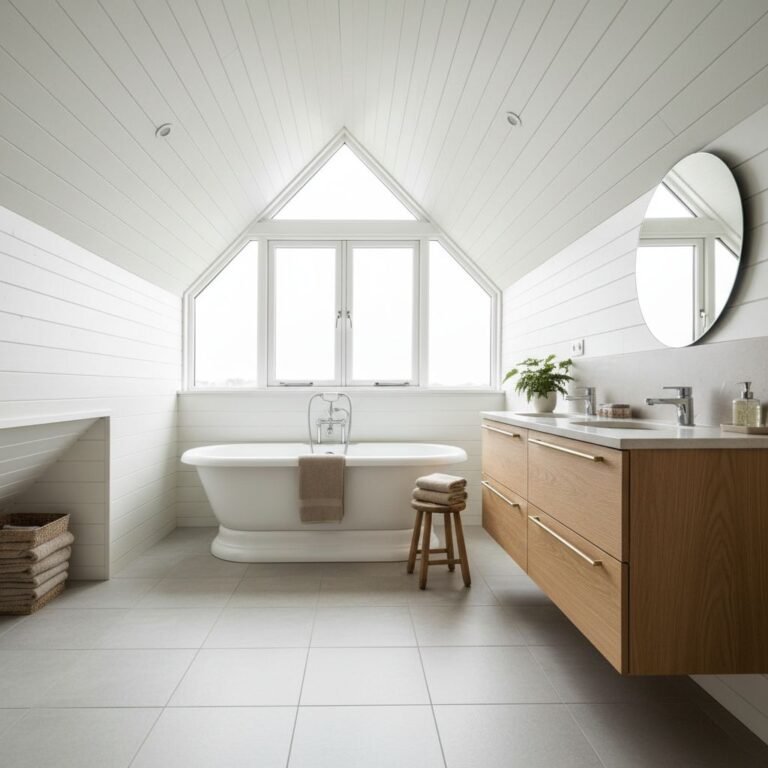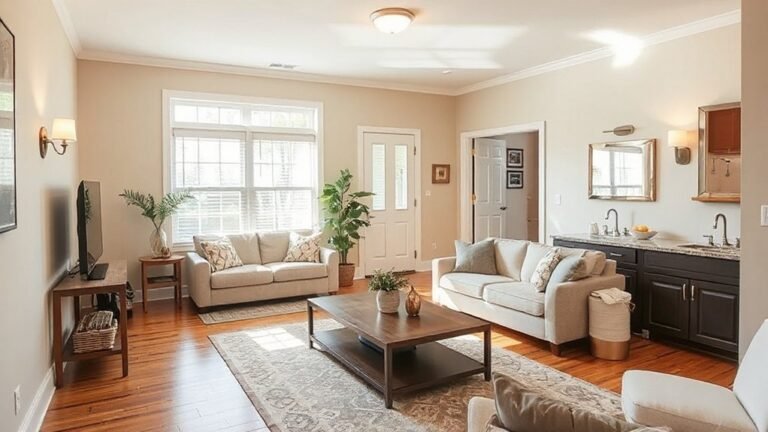
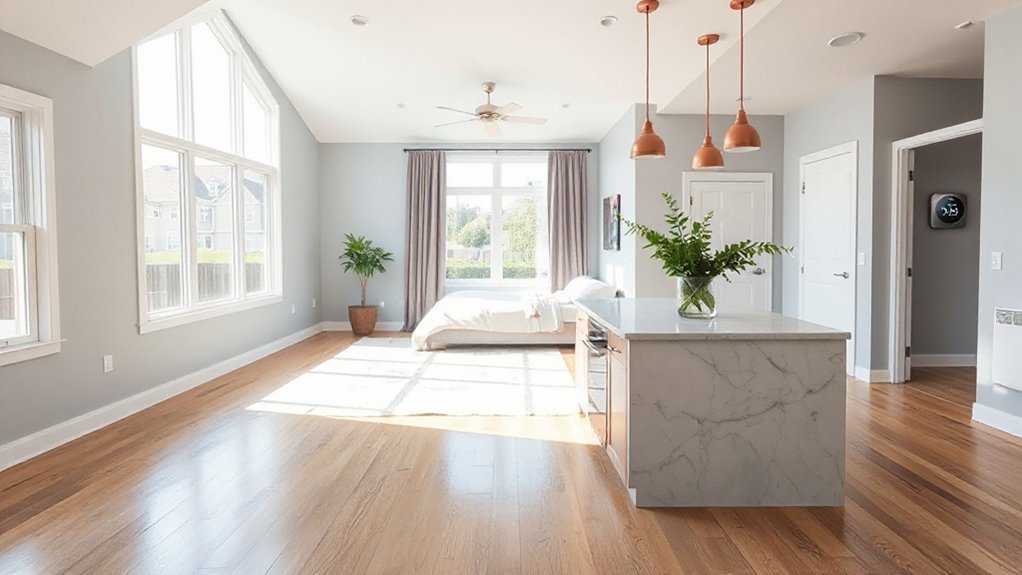
In 2026, you’ll weigh energy efficiency, flexible spaces, and smart tech as core home criteria, with transparent pricing and reliable market signals guiding every decision. You’ll expect strong insulation, renewable options, and high-efficiency appliances to cut costs, plus multi-use rooms that adapt as life changes. Location matters—safety, amenities, and commute reliability matter. Builders who align pricing, timelines, and trust will stand out. Stay tuned as we unpack practical steps to navigate this evolving market.
Key Takeaways
- Homebuyers prioritize price, location, and property condition, balancing upfront costs with long-term resale value and neighborhood quality.
- Market signals matter: buyers track inventory, days-on-market, pricing trends, and mortgage-rate expectations to time offers.
- Energy efficiency and sustainable design influence decisions, including insulation, high-efficiency appliances, and renewable-ready features.
- Flexible, smart home design and transparent pricing/timelines shape confidence and post-purchase satisfaction.
- Builders’ adaptability—modular construction, flexible financing, and zoning-aligned layouts—enhances desirability in 2026.
2026 Home Buyer Priorities: What We Value Most
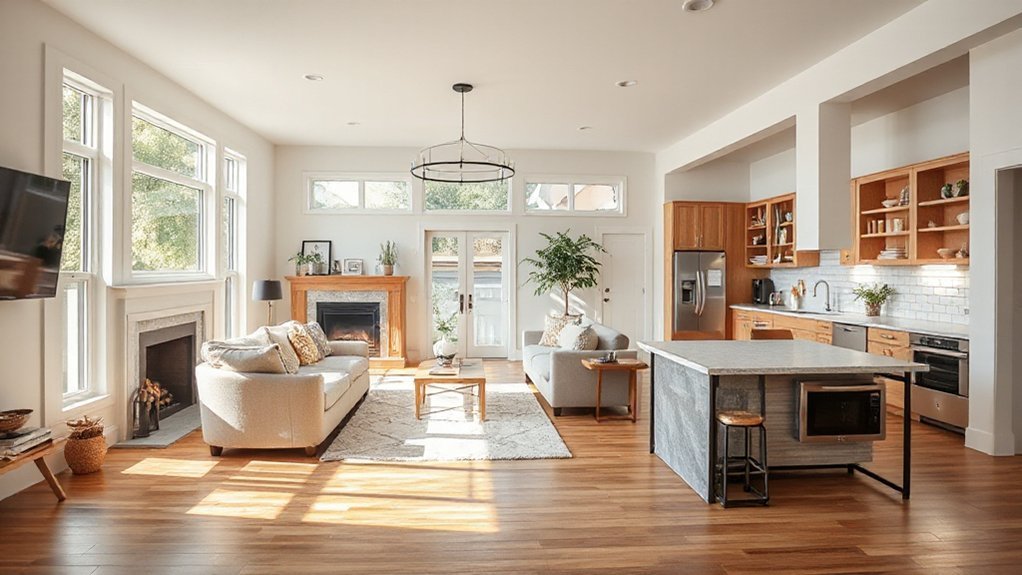
Here are the six top priorities home buyers say matter most today: price, location, property condition, future resale value, financing options, and timing.
You approach decisions with a pragmatic lens, weighing upfront costs against long‑term gains. Price anchors your negotiating stance, while location sets daily quality of life and potential appreciation.
Property condition matters for immediate use and maintenance burden, guiding inspections and contingencies.
Future resale value prompts you to favor durable updates, sensible layouts, and adaptable spaces.
Financing options influence what you can responsibly bid, closing costs, and monthly risk.
Timing becomes a lens for market cycles and personal readiness.
Your homeownership habits and buyer emotional triggers shape how you balance speed, certainty, and value, ensuring choices align with long‑term goals rather than impulsive moves.
Energy Efficiency That Affects Daily Life
Energy efficiency isn’t just a buzzword—it’s a daily, tangible factor that shapes comfort, bills, and how you use space. You’ll notice practical gains from thoughtful design choices and upgrades.
Prioritize performance that shows up in real life: consistent temperatures, quieter rooms, and lower energy costs without sacrificing convenience.
Renewable energy options—like solar-ready layouts and accessible EV charging—offer long-term flexibility if you plan for future usage.
Insulation standards matter now, not later: walls, attic, and sealing strategies reduce drafts and seasonal swings, making thermostats work smarter, not harder.
Look for high-efficiency appliances, compact HVAC systems, and heat-recovery features that deliver comfort with modest consumption.
In short, purposeful materials and systems translate into predictable bills and steadier daily rhythms.
Flexible, Multi-Use Spaces That Adapt Over Time
Flexible space functions let you reconfigure rooms for work, guests, or workouts without moving walls.
Timeless, adaptable design means furniture and storage stay useful as needs shift—from home office to family lounge to open circulation areas.
You’ll likely prioritize modular systems, durable finishes, and clear sightlines that support both daily living and evolving priorities.
Flexible Space Functions
What makes a home truly adaptable today? You want spaces that perform under real-life use, not pretend-show scenarios. Flexible space functions hinge on how you move between tasks without friction.
Prioritize rooms that morph: a dining nook that doubles as a home office, a guest room that becomes a quiet study, or a living area that reconfigures for large gatherings. Look for built-in, unobtrusive storage and furniture that shifts with minimal effort.
Convertible spaces and adaptable layouts maximize daylight, sightlines, and privacy, helping you tailor occupancy patterns week by week. In practice, value shows in switches, outlets, and surface materials that resist wear during quick reconfigurations.
Choose systems that reward you with speed, cleanliness, and fluid progressions between work, play, and rest.
Timeless, Adaptable Design
Prioritize durable materials and levers of change—quiet-storage niches, charging corners, and spill-friendly surfaces. A design system with classic fixtures and neutral palettes keeps timeless appeal intact even as trends pass.
Consider multi-use spaces with smart zoning: foldaway desks, curtain dividers, and hidden storage that declutters without sacrificing function. You’ll get greater resale certainty when layouts remain coherent and scalable, letting you personalize without compromising flow or balance as life evolves.
Smart Tech for Convenience and Privacy
Smart security remains a core demand, with door sensors, cameras, and anomaly alerts designed for rapid verification rather than broad surveillance. You’ll value privacy controls that let you set granular permissions, disable data sharing by default, and localize processing to avoid cloud exposure.
Expect device ecosystems that learn your schedule yet honor your boundaries through transparent prompts and easy opt-outs. Reliability, clear firmware updates, and minimal latency matter because seamless operation underpins your comfort and long‑term trust in home tech.
Transparent Pricing and Clear Home Timelines
As you adopt smarter home systems, you’ll demand pricing that’s straightforward and predictable, with no hidden fees tucked into fine print. Transparent pricing matters because buyers want to budget with confidence, not chase add-ons after a contract is signed.
You’ll look for pricing transparency that lays out each cost component, from closing fees to ongoing service charges, in plain language.
Equally important is timeline clarity: you need a reliable schedule that shows milestones, expected dates, and potential delays, so you can plan moves and financing without guesswork.
Realtors and lenders should provide real-time updates and any changes promptly.
In 2026, decisive buyers reward vendors who couple transparent pricing with precise timelines, signaling trust and reducing post-purchase friction.
Neighborhood Reliability: Schools, Amenities, Commute
Neighborhood reliability matters because schools, amenities, and commute shape daily life and long-term value. You’ll assess school quality, distance, and programs, then weigh how often routines collide with traffic or delays.
Amenities matter too: grocery access, healthcare, parks, and cultural offerings influence weekend plans and long-term convenience.
You should map typical commutes, noting variability by time of day and transit reliability, because predictable patterns reduce stress and protect time for work and family.
Consider safety metrics, lighting, and visible maintenance to gauge neighborhood safety, since comfort reinforces consistency in daily routines.
Community engagement indicators—block meetings, local volunteerism, and responsiveness—signal social resilience that sustains property value.
Informed buyers prioritize reliability to minimize surprises and preserve investment.
Low-Maintenance Sustainability That Lasts
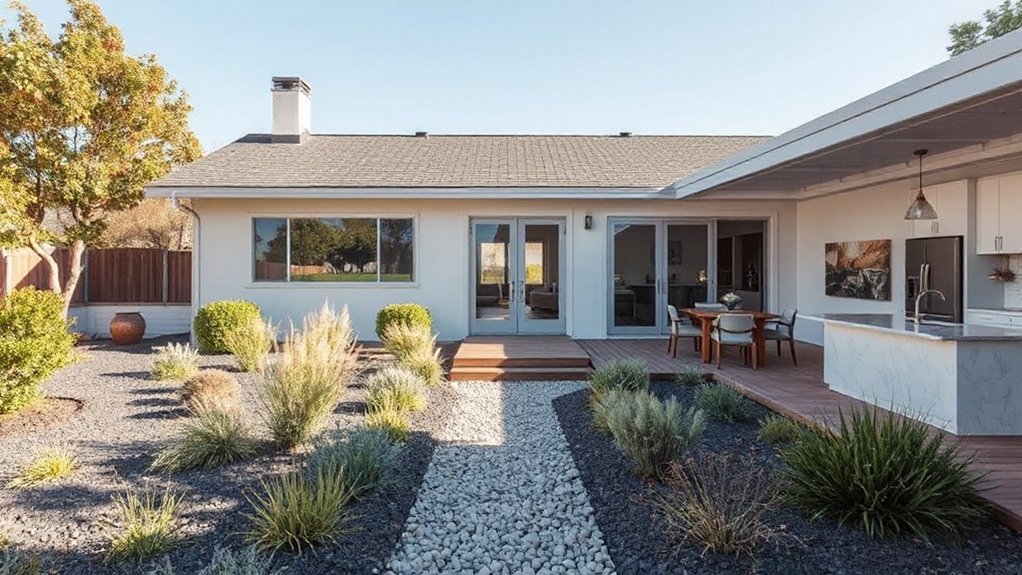
Low-maintenance sustainability isn’t about chasing the newest gadget; it’s about choosing durable systems and materials that offer reliable performance with minimal ongoing effort. You’ll prioritize long-lasting finishes, low-maintenance landscaping, and built-to-last insulation that reduces energy for decades.
Focus on components you won’t replace soon, like sealed roofing assemblies and high-quality windows with durable coatings. When you select eco-friendly materials, you reduce recurring maintenance while supporting healthier indoor air and durability.
Seek simple, modular energy solutions you can scale, such as renewable energy options that fit your home’s needs without overengineering. Prioritize warranties and service networks that minimize downtime.
In practice, you’ll balance upfront reliability with predictable bills, ensuring comfort and value without constant upkeep, while supporting a smarter, cleaner footprint.
Reading the Market: Strong Value Signals in 2026
You’ll want to track Market Signals To Watch and how they map to pricing, inventory, and days-on-market, because early shifts can foretell a stronger value story.
Value Indicators 2026 point to where buyers are prioritizing cost-effective upgrades and reliable neighborhoods, helping you gauge what’s sustainable in today’s market.
Buyer Confidence Trends reveal how closely sentiment aligns with actual buying activity, guiding you to time decisions with greater precision.
Market Signals To Watch
Market signals in 2026 point to a buyer-friendly, data-driven landscape, so you can spot value with confidence. You’ll focus on tangible indicators that translate to leverage in negotiations and timing.
Monitor housing turnover rates, days-on-market trends, and bid-ask spreads, as these reveal momentum and pricing pressure before you commit.
Technological innovations are accelerating access to granular data, enabling you to compare neighborhoods, schools, and connected amenities in real time.
Track economic indicators like mortgage-rate trajectories, employment stability, and wage growth, which shape affordability ceilings and refinanced opportunities.
Beware seasonal volatility, but use it to plan moves around low-activity windows.
Gather multiple data sources, verify methodology, and translate findings into precise offers, contingencies, and timelines that keep your purchase resilient under shifting conditions.
Value Indicators 2026
Value indicators in 2026 point to clear, actionable signals you can use to gauge true value and rank opportunities. You’ll compare listing price against recent sale multiples in the neighborhood, then adjust for condition, lot size, and school-district access.
Look for consistent price-per-square-foot trends over 12 months, not volatile spikes. Pay attention to days-on-market as a heat gauge—shorter times often reflect genuine demand, longer times can signal overpricing.
Verify property condition with independent inspections and confirm capitalization of recent improvements into resale value.
Leverage virtual tours to filter faster and focus in-person visits on top-tier options.
When evaluating financing, explore mortgage options that preserve monthly stability and total cost of ownership, factoring in rate locks, amortization, and potential incentives.
This disciplined approach helps you separate value from hype.
Buyer Confidence Trends
Buyer confidence in 2026 hinges on how well buyers see value after recent rate moves and inventory shifts. You assess affordability, predictability, and timing, weighing price moderation against rent alternatives.
Market stability matters: steady mortgage costs, clear underwriting guidance, and consistent appraisal practices reduce hesitation. You track how inventory levels influence negotiation leverage, noticing a shift toward more favorable seller concessions in certain metros, while others tighten.
Confidence grows when you can map housing cycles to concrete data—monthly comps, days-on-market, and loan rate trajectories—rather than rumors. You favor transparent, concise updates for buyers’ decisions, avoiding hype.
In pockets with measured supply, you feel steadier, more decisive, and prepared to lock in-rate options, reinforcing buyer confidence across mid-market segments.
How Builders Are Adapting to Buyer Demand
Builders are tailoring homes to shifting demand by speeding up construction, expanding design options, and offering more flexible financing. You’ll see builders deploying modular components, improved scheduling, and pre-fabrication to shorten timelines without compromising quality.
Design catalogs now emphasize multi-use spaces, adaptable foundations, and smart layouts that scale with family needs and work-from-home trends.
Financing options include build-to-own pathways and phased investments to reduce up-front costs. Expect closer alignment with local zoning regulations to *unlock* more practical footprints and streamlined approvals.
Construction innovations push efficiency, while zoning regulations shape feasible plans and neighborhood compatibility.
- Modular framing and off-site pre-fabrication
- Flexible floor plans with convertibility
- Smart home tech integration as standard
- Phased payment and builder-financed options
- Early permitting and design coordination within zoning rules
Practical Tips to Stand Out in a Competitive 2026 Market
To stand out in 2026’s tight market, start by aligning your approach with the evolving buyer preferences you just observed in 2025—speed, flexibility, and smart financing.
You should craft an offer package that highlights certainty: pre-approval, flexible contingencies, and a solid timeline.
Emphasize homeownership psychology by presenting a clear value proposition: how the home fits your long‑term life plan, not just its price.
Prioritize financing strategies that minimize risk for sellers—lock rates, short-rate hold options, and arsenals of verifications ready to go.
Be nimble on showings and inspections, offering rapid responses to counteroffers.
Document your positional strength with concise buyer letters and a clean, complete file.
Finally, align expectations with market data, and communicate decisions promptly to maintain momentum.
Frequently Asked Questions
How Will Remote Work Trends Shape Home Layout Choices in 2026?
Remote work trends will reshape home layout by elevating dedicated home offices and flexible spaces, plus easy access to outdoor space. You’ll prioritize quiet, wired work zones with natural light, soundproofing, and adaptable furniture that scales with tasks.
Expect modular rooms that convert between work and living areas. Outdoor space becomes a second productivity hub, so you’ll value decks or yards with shade, privacy, and weatherproof seating to extend work-life balance.
What Are the Hidden Costs of a “Move-In Ready” Home?
Hidden costs lurk behind the gloss of move-in readiness, so don’t be fooled by fresh paint. You’ll face recurring expenses—appliance maintenance, updated safety features, and possible system replacements—that quietly drain your budget.
You want practical guarantees, not just sparkle, so demand detailed disclosures and a realistic punch list.
With a trend-aware eye, you’ll budget for contingencies, inspect thoroughly, and lock in warranties, ensuring the home truly matches its ready-to-live promise.
Do Buyers Prioritize Resale Value Over Personal Comfort Now?
Yes, you’ll weigh resale value more than pure comfort now. You’ll evaluate layouts, durability, and future market trends, but personal preferences still matter.
You’ll balance investment priorities with livability, prioritizing features that preserve value—location, schools, energy efficiency—while making spaces feel usable today.
You’ll buy with an eye on appreciation, yet still customize rooms you’ll actually use.
In short, you optimize for both Personal preferences and Investment priorities, not trade one for the other.
How Do HOA Rules Impact Customization and Flexibility?
HOA rules can limit property customization, shaping what you can display or modify. You’ll feel the impact in exterior changes, landscaping, and even paint choices, as HOA restrictions govern consistency and safety.
Stay pragmatic: review covenants early, ask about enforcement details, and weigh the flexibility versus community standards. If you value quick personalization, consider homes with looser guidelines.
Knowing HOA restrictions helps you plan upgrades without triggering penalties and keeps resale value intact.
Which Neighborhoods Offer the Best Long-Term Climate Resilience?
Cities on the margin of rising risk offer the best long-term climate resilience. Look for neighborhoods with strong urban heat mitigation, shade trees, and reflective surfaces, plus robust flood-zone planning and elevated, storm-ready infrastructure.
You’ll want gradual moisture cycles, reliable drainage, and water-smart landscaping. Prioritize areas with climate-resilient zoning and documented adaptation plans.
In practice, compare flood zones, cooling benefits, and real-time heat data to choose neighborhoods that keep you safer and cooler over decades.
Conclusion
In 2026, you’ll find the right home by prioritizing efficiency, flexibility, and smart, private living. You’ll notice energy systems quietly trim costs, while adaptable spaces nudge you toward smarter everyday routines. With transparent pricing and solid market signals, you can move with confidence, even when market noise rises. Builders will soften friction, not the fundamentals, making you feel gently guided—without pressure. In short, steer toward sustainable comfort, and let valuations follow the quiet, practical gains.
About the Author