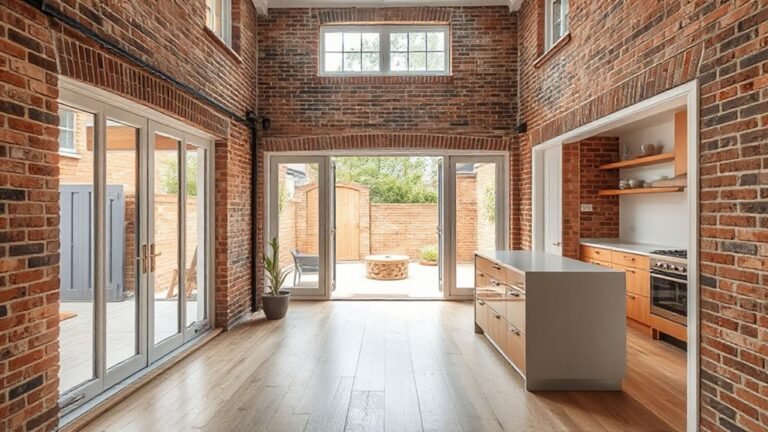
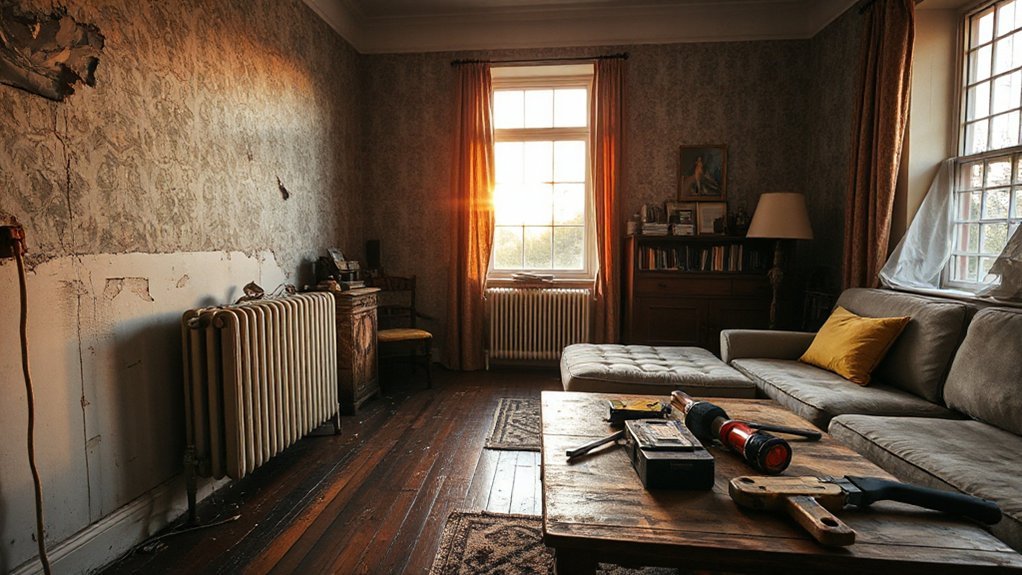
When you’re budgeting for a renovation, you should start with the basics that keep the house safe and sound. Inspect the foundation, fix moisture problems, and upgrade electrical, plumbing, and safety systems first. These fixes prevent costly rework later and give you a stable platform for future updates. After you lock in those essentials, you’ll have a clearer path and real savings—but there’s more to weigh before you plunge in.
Key Takeaways
- Prioritize structural and moisture fixes first to protect the home and budget long-term.
- Audit essential systems (plumbing, electrical, safety) before cosmetic updates.
- Set a room-by-room fixed budget with clear caps and contingency funds.
- Tackle quick, high-impact cosmetic updates (paint, fixtures) for immediate value.
- Plan phased work with milestones, avoiding waste and aligning with seasonal costs.
Set Your Budget-Safe Renovation Mindset
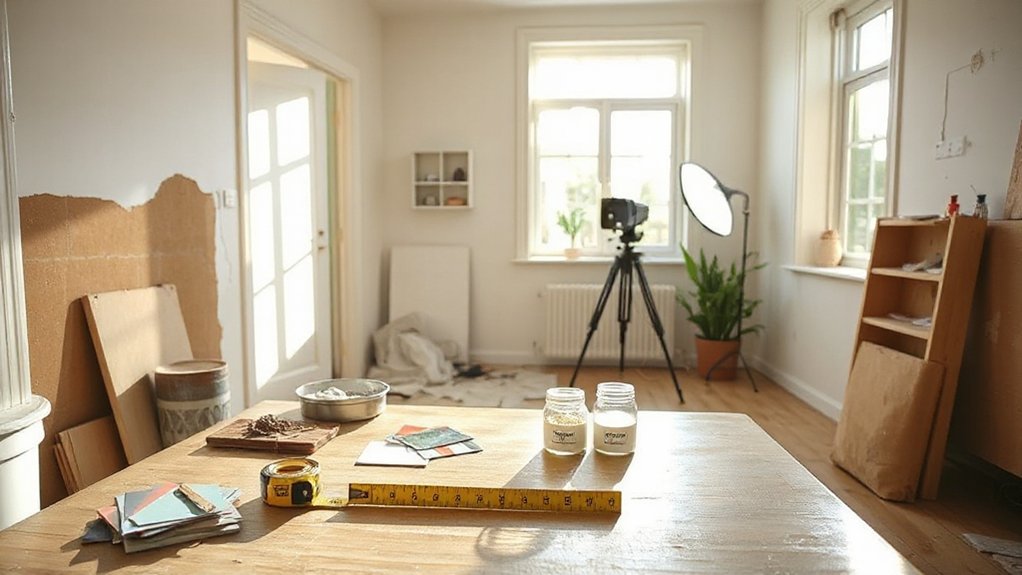
Setting a budget-safe renovation mindset starts before you buy a single tile. You lock in a plan by defining a clear budget and aligning it with renovation planning. You assess must-haves versus nice-to-haves, then map costs to each area you intend to improve.
Track every expense you anticipate, from materials to permits, and add a contingency to handle surprises. You’ll leverage cost-grade options and compare vendors to maintain a budget mindset without sacrificing quality.
Establish decision rules—what triggers a substitution, what warrants pro help, and when to pause. You document priorities, timelines, and success metrics, so you stay disciplined under pressure.
With this foundation, you navigate trades, avoid impulse buys, and execute focused improvements that maximize value.
Prioritize Structural and Moisture Fixes First
You’ll gain the most long‑term value by tackling structural and moisture fixes first. Start with a focused assessment: a foundation inspection to confirm stability and identify cracks, slope issues, or water intrusion.
Prioritize fixes that prevent future damage and cost spikes—seal cracks, reinforce framing, and address drainage away from the house.
Moisture prevention matters more than cosmetic upgrades, so install or improve vapor barriers, gutters, downspouts, and grading to redirect water.
Plan repairs around accessibility and durability, not trends. Budget for essential, lasting improvements, then schedule noncritical updates later.
Document findings, estimates, and timelines to avoid scope creep. Reassess as you progress; stable structure reduces ongoing repair risks and preserves budget flexibility for subsequent renovations.
Audit Plumbing, Electrical, and Safety Systems
Before you start renovations, audit your plumbing, electrical, and safety systems to prevent costly surprises later. Start with a quick survey: note age of pipes, water pressure, and visible wiring.
Schedule a Plumbing inspection to catch leaks, corrosion, or clogged drain lines before drywall removal reveals hidden damage.
Then test outlets, GFCIs, and circuit breakers; identify overloaded circuits and outdated breakers that trip unexpectedly.
For safety, verify smoke and CO detectors function and check stairs, railings, and lighting paths.
Document permits, codes, and recent repairs for future budgeting.
Prioritize fixes that protect health and structure—water control, electrical safety, and hazard mitigations—over cosmetic touches.
Use findings to build a phased plan, allocating budget to high-impact, low-disruption upgrades first.
Quick-Cost Cosmetic Updates With High Impact
Consider quick-impact cosmetic upgrades like a fresh paint job and upgraded fixtures to transform a space without breaking the bank.
Repaint for impact first—choose a cohesive palette and strategic accent walls to shift mood and perceived size.
Then upgrade fixtures fast—swap faucets, handles, and lighting to modernize fixtures with minimal downtime and maximal impression.
Repaint for Impact
Quick, high-impact updates start with paint. You’ll gain ambience fast by choosing a cohesive color story for related rooms, then test large swatches on walls to confirm mood before committing.
Prioritize high-traffic areas first: entry, living, and kitchens, where impact is noticed immediately.
Use color psychology to guide selections—calming neutrals for walls paired with bolder accents in textiles or cabinetry—and keep doorways and trim consistent to create flow.
Select a durable paint texture suited to each space: eggshell for walls, satin for kitchens, and semi-gloss on trim for easy cleaning.
Prepare surfaces meticulously: patch holes, sand glossy spots, and clean thoroughly.
Apply two thin coats, allow proper drying, and evaluate under both daylight and artificial light.
Finish with minimal, clean decor to preserve the refreshed feel.
Upgrade Fixtures Fast
Upgrading fixtures can deliver a room-transforming punch without breaking the bank. You’ll get big payoff from small changes by focusing on impact areas, timing, and cost. Start with lighting trends to guide choices, balancing style with efficiency.
Plan fixture replacement in zones that suffer from dated or missing hardware, like kitchens and baths, then extend to living spaces. Swap hardware, faucets, and light fixtures for cohesive, updated vibes. Prioritize functional upgrades that read as high-end without price tags.
Measure ceilings and spaces to avoid crowding or glare. Choose finish consistency (oil bronze, brushed nickel) to maintain flow. Keep receipts for potential returns, and think resale when budgeting.
- Color-stop updates with matchy-matchy finishes
- Replace dated ceiling mounts and sconces
- Update cabinet hardware for a quick lift
- Swap faucets to modern, water-efficient options
- Layer lighting with task, ambient, and accent under budget
Plan by Room: Allocate Your Fixed Budget
Set a clear budget cap for each room to prevent spillovers.
Prioritize high-impact areas first, then allocate remaining funds per room based on need and potential ROI.
Use a simple per-room plan to guide purchases and track progress as you go.
Set Budget Caps
Allocating a fixed budget by room keeps renovations focused and affordable. You set caps to prevent overspending, then measure every choice against those limits. Begin with a ceiling for each space and adjust only when essential, not optional luxuries.
- Define clear totals for each room based on must-haves and assets you already own.
- Prioritize critical updates first to avoid reallocating funds later.
- Track every expense in real time to stay on target.
- Use conservative estimates for materials and labor to build a buffer.
- Revisit mandates when quotes exceed caps, then trade options or defer features.
This approach reinforces budget planning and guides material selection, ensuring you don’t drift from your plan. Maintain discipline, document decisions, and stick to the caps to preserve overall project viability.
Prioritize High-Impact Areas
When you plan by room, focus on high-impact areas that deliver the most value for your fixed budget. Start with spaces that affect daily use: kitchen prep, bathrooms, and entryways.
Target improvements that boost function first—lighting, storage, and durable surfaces—then layer in aesthetics. Prioritize updates with broad payoff, like refreshed fixtures, cabinets, or reconfigured layouts, that can transform perception without overhauling structure.
Evaluate each room for usability gaps and future maintenance costs; fix those now to reduce later spend. Research design trends to inform choices, but anchor decisions in practicality rather than novelty.
Choose color schemes that enhance light and flow, enabling smaller investments to feel intentional and cohesive. Document a minimal ROI-friendly plan to keep scope tight and your budget on track.
Allocate Per-Room Funds
Start by assigning a fixed portion of your budget to each room based on usage and impact, then adjust as you validate priorities. Allocate kept funds by room to prevent spillover and preserve control over overall cost. Prioritize rooms with daily function and noticeable returns, like kitchens and baths, before decorative updates. Track needs against potential upgrades, not wants, to keep scope tight.
Use clear thresholds to trigger reallocations if a project overruns or savings arise. Budget planning hinges on realistic timelines and disciplined choices. Material selection should favor durable, affordable options that meet function first, aesthetics second. Align each room’s spending with a concrete goal, then review weekly.
- Set per-room caps and stick to them
- Compare durable options first
- Estimate lead times for each task
- Reserve a small contingency
- Document decisions and outcomes
DIY Where It Makes Sense; Hire Pros for the Critical Bits
Sometimes it makes sense to tackle smaller tasks yourself, but for critical systems—plumbing, electrical, structural—bring in licensed pros. You’ll save money longer by avoiding costly mistakes and rework later.
Prioritize DIY for cosmetic updates, fixtures, and painting, where your time and budget stay in check. For electrical or plumbing, seek professional consultation before you cut, drill, or wire anything risky.
Verify licenses, insurance, and recent job reviews; confirmations matter when safety hinges on accuracy.
Plan a scope that limits surprises: document existing layouts, share photos, and set clear milestones.
When you do involve pros, get written estimates, warranty terms, and a defined timeline.
DIY safety isn’t optional—it protects you and your family. Streamline decisions to advance budget goals without compromising essential reliability.
Choose Durable Materials That Save Money Long-Term
Choosing durable materials pays off over time by reducing repairs, replacements, and maintenance costs. When you plan, you pick options that withstand wear, moisture, and daily use, so you spend less later.
Prioritize eco friendly materials that don’t sacrifice performance or style, and aim for aesthetic consistency across rooms. Think long-term durability, not just upfront price.
- Select robust surfaces with solid warranties and proven track records
- Favor moisture-resistant, mold- and mildew-safe options for bathrooms and kitchens
- Choose materials that clean easily and resist stains and scratches
- Ensure compatibility with existing systems to avoid rework
- Balance eco friendly materials with durability to maintain cohesive design
With these choices, you lock in value, lessen upkeep, and keep a unified look without paying premium upfront.
Smart Lighting and Insulation for Immediate Payback
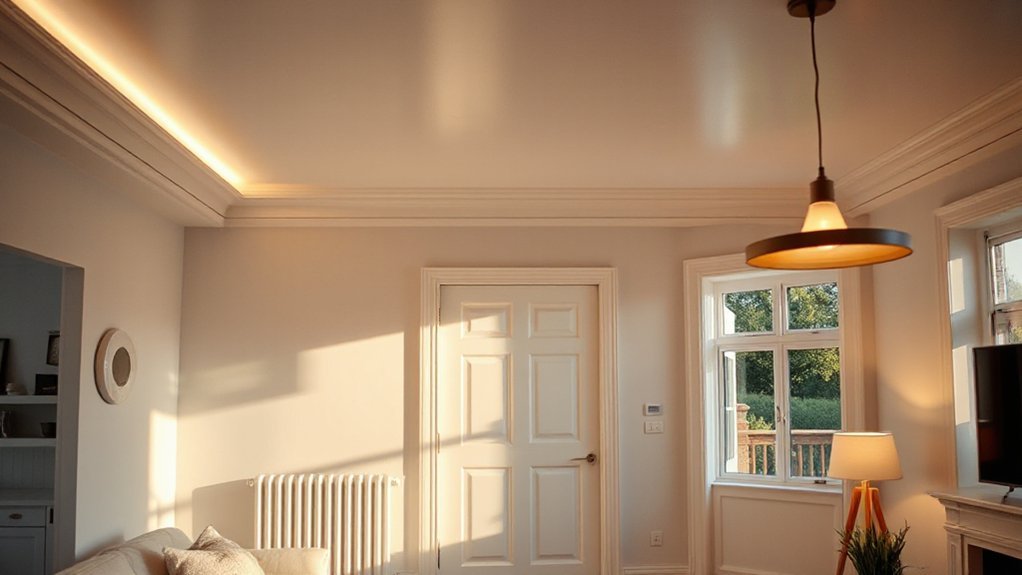
Smart lighting basics let you cut energy use right away, with simple upgrades like LEDs, smart switches, and motion sensors.
Insulation payback time matters, so target gaps, drafts, and insulation in key spots to boost comfort and savings fast.
With budget-friendly upgrades across Smart Lighting Basics, Insulation Payback Time, and Budget-Friendly Upgrades, you set a clear plan for immediate, measurable returns.
Smart Lighting Basics
To start saving on energy now, smart lighting can cut bills quickly by reducing unnecessary glow and optimizing when lights are on. You’ll leverage ambient controls to set scenes that adapt to your day, avoid overlighting, and trim wasted watts.
Use energy monitoring to track usage by room and fixture, confirming payback as you go.
- Install dimmers and occupancy sensors in high-traffic areas
- Choose tunable white bulbs for mood and task accuracy
- Group fixtures for centralized control and easier scheduling
- Enable adaptive lighting that follows natural daylight
- Review weekly energy data to identify savings opportunities
Insulation Payback Time
Ever wonder how quickly insulation pays back after you’ve already started saving with smart lighting? Here’s the streamlined logic you’ll use for a practical payback view.
First, quantify insulation benefits: reduced heat transfer, fewer drafts, improved comfort, and lower seasonal energy demand.
Next, run a payback analysis by comparing retrofit costs to annual energy savings, using your local rates and house specifics.
Focus on tight envelopes, insulation type, and existing gaps; small upgrades often yield outsized returns.
Don’t double-count savings from smart lighting; treat them as separate, ongoing benefits.
Use a simple formula: payoff years = project cost ÷ annual energy savings.
Prioritize high-impact areas (attics, ducts, basements) and document assumptions to validate decisions and avoid overestimating gains.
Budget-Friendly Upgrades
You can tighten your payback fast by pairing simple smart lighting tweaks with targeted insulation gains. With budget-friendly upgrades, you get quick wins and lasting value. Smart LEDs cut power waste while improving comfort, and strategic insulation reduces heat loss where it matters most.
These moves aren’t fluff; they’re practical, precise steps that support broader aesthetic enhancements and let you enjoy brighter spaces without overspending. Treat each upgrade as a leverage point for luxury upgrades within reach, while maintaining a tight focus on payoff.
- Install dimmable LEDs in main rooms to reduce energy use and set mood
- Add door weatherstripping and draft stoppers for instant comfort
- Use smart plugs to control phantom loads and track savings
- Seal attic gaps to improve insulation efficiency
- Choose light fixtures that complement existing décor for refined aesthetic enhancements
Spread Costs Strategically Across Timeline
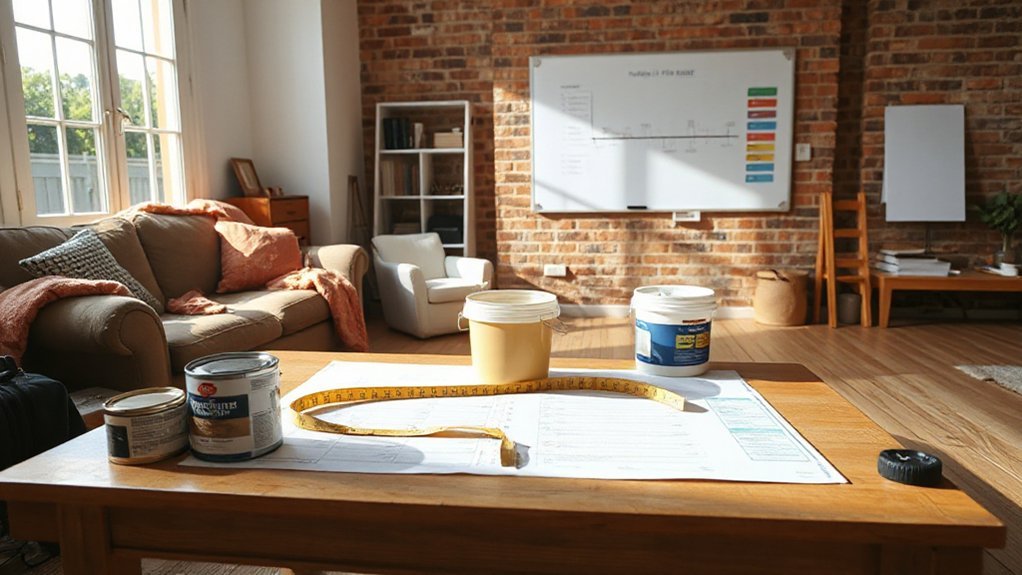
Spread costs strategically across your renovation timeline by mapping expenses to project milestones and seasons. You’ll prioritize essential fixes first, then layer in cosmetic updates as materials align with budget windows.
Start with a high-impact, durable choice that saves long-term maintenance, and pair it with a phased procurement plan to avoid waste. Use timeline management to flag peak-price periods and schedule trades during slower periods for potential savings.
Budget buffers should align with risk points, not inflate totals. Track every purchase, delivery, and permit so you don’t double-pay later.
Favor cost effective design principles that maximize impact per dollar, like modular components and reuse of existing structures. This disciplined approach preserves flexibility while keeping the project financially sane, reducing surprises and accelerating progress.
Create a Realistic Financing and Cost-Saving Plan
A practical financing and cost-saving plan begins with a clear, reality-checked budget and a staged funding approach. You map essential needs first, then identify luxury features and trendy finishes as purchasable later.
Build a cash-flow plan that aligns with pay cycles, loans, and contingencies, so you aren’t caught off guard by overruns. Prioritize durable, low-maintenance materials to reduce ongoing costs.
Seek supplier discounts, bulk pricing, and trade discounts, and compare quotes to trim both material and labor expenses. Track progress weekly, adjusting scope before it grows.
Use a Buy-Now, Pay-Later mindset only when it makes sense and preserves liquidity. Finally, set milestones for funding rounds to keep you accountable and on track.
- Define must-haves vs. nice-to-haves, with clear criteria
- Schedule phased payments tied to project milestones
- Buffer 10–15% for hidden costs
- Leverage warranties and maintenance plans
- Plan luxury features and trendy finishes for later phases
Frequently Asked Questions
How to Identify Hidden Moisture Risks Before Renovating?
You can identify hidden moisture risks by starting with moisture detection in key areas: walls, ceilings, basements, and crawl spaces.
Look for musty odors, staining, bubbling paint, or warped panels.
Use a handheld moisture meter and infrared camera to reveal hidden leaks behind finishes.
Track patterns of dampness after rain and run fixtures to spot leaks.
Prioritize addressing hidden leaks first, then monitor improvements, ensuring you don’t overlook early mold risks.
What Budget Contingencies Should I Plan For?
Budget planning says you should set aside 10–15% of your project total for contingency funds, plus a small cushion for surprises. Start with a clear line item in your plan, then adjust as bids come in.
Expect permitting delays, material price swings, and hidden fixes. Keep documentation, track changes, and reallocate if needed.
You’ll protect timelines, avoid redraws, and stay sane while staying on budget.
Which Structural Fixes Yield the Best Long-Term Value?
Structural fixes that yield the best long-term value include addressing the foundation, framing, and drainage first, since they underpin everything else you add. After stabilizing those, prioritize interior upgrades that improve function and longevity, like updated electrical, plumbing, and insulation.
Focus on interior upgrades that also boost energy efficiency, and pair them with practical aesthetic improvements. You’ll gain value faster by planning these steps together, ensuring durability while keeping costs predictable and results measurable.
How Can I Minimize Permitting and Contractor Delays?
Like a finely tuned engine, you minimize permitting and contractor delays by upfront planning. You create a tight, realistic schedule, lock in permits early, and pick a single, trusted contractor you can communicate with daily.
You document scope changes meticulously, so approvals don’t stall. For interior design and landscaping projects, batch related tasks, coordinate inspections together, and set clear milestones.
You space work logically, request progress photos, and prepay where feasible to keep momentum.
When Is DIY Cost-Effective Versus Hiring Pros?
DIY cost-effectiveness hinges on scope and risk. You should tackle small, high-skill tasks yourself, but hire pros for structural, electrical, or plumbing needs.
Start with a clear budget allocation, reserving a contingency. For most projects, DIY saves on labor yet preserves safety.
Material selection matters: choose durable, pre-finished components and compare quotes to avoid surprises.
If a task requires permits or complicated coordination, hire pros sooner to prevent costly mistakes.
Conclusion
You stand at the doorway of opportunity, feet steady on a solid floor you can trust. Picture the foundation solid, pipes dry, wires safe, and moisture tamed, like a calm anchor in rough seas. Your budget becomes a map, not a leash—allocating smartly, fixing the essentials first, then upgrading with purpose. With a clear plan, durable choices, and a staged timeline, you’ll see value grow, mistakes fade, and every dollar feel earned as you breathe easier inside.
About the Author