Hidden home features quietly improve daily comfort by blending into your routine and your space. Think insulation, soundproofing, and seals that keep drafts out without visible upgrades, plus climate and lighting that adjust to your habits and the day’s light. Quiet, efficient appliances and breathable surfaces complete a calmer backdrop. It’s all coordinated by smart basics that don’t demand attention, yet you’ll notice the difference—and you’ll want to explore just how far these tweaks can go.
Key Takeaways
- Smart automation quietly runs routines (lighting, climate, and blinds) to boost comfort and energy efficiency without clutter.
- Hidden insulation and acoustics minimize sound transfer and drafts for a calmer, more stable indoor environment.
- Quiet, efficient ventilation and well-placed returns maintain steady airflow with minimal noise.
- Adaptive lighting and sustainable materials create comfortable, glare-free spaces that feel naturally bright.
- Centralized smart control, privacy features, and automated shades synchronize daily routines for seamless comfort.
Boost Daily Comfort With Hidden Home Features
Hidden home features aren’t flashy promises; they’re everyday conveniences that quietly transform your routine. You’ll notice what matters: faster mornings, calmer evenings, and less clutter in your day.
With thoughtful placements, you automate simple rituals—lights dim as you wake, blinds adjust to the sun, and your coffee brews just as you rise. You’ll feel the precision in climate control, choosing comfort profiles that match your activities, not the calendar.
This is about home automation working in the background, freeing you to focus. You gain tangible energy efficiency: smarter schedules, reduced waste, and steady temperatures without overworking equipment.
The result is a streamlined flow where everyday tasks align with your goals, boosting daily comfort while preserving resources for the long haul.
Insulation and Soundproofing That Don’t Change Your Look
If you’ve been enjoying how hidden features streamline your day, you’ll appreciate how solid insulation and discreet soundproofing quietly elevate comfort without altering the look of your home. You’ll opt for architectural acoustics principles that maximize wall and floor performance without visible bulk.
Use tight junctions, decoupled assemblies, and vibration-isolating fasteners to minimize transfer pathways. For thermal comfort, choose thermal insulation materials with high density and low air leakage, like dense-packed batts or continuous exterior sheathing, avoiding bulky retrofits.
Prioritize air-minimizing designs over cosmetic fixes, so gains stay invisible. Pair soundproofing with targeted sealing around outlets, returns, and doors for sustained quiet.
The result is a calmer, more efficient home that feels naturally integrated, forward-thinking, and practically engineered.
Silent Climate Tweaks You Barely Notice
You’ll notice small shifts in airflow and humidity that quietly boost comfort without changing the room’s look.
Keep an eye on modest, well-placed air paths and a smart humidity target to prevent mold and dryness.
When you fine-tune these quiet tweaks, you create a steadier climate that feels almost invisible yet works day in and day out.
Quiet Air Circulation
Are you ready to notice the difference quiet air circulation can make in daily life? You’ll feel it in the consistency of comfort, not a rush of drafts.
Start with airflow optimization: map routes from intake to exhaust, minimize abrupt turns, and keep ducts clean for steady, low-noise flow.
Choose ventilation systems designed for quiet operation—look for brushless motors, insulation, and vibration-damping mounts.
Position returns where they pull stale air without pooling near doors or furniture, and align supply vents to create gentle, balanced currents.
Use programmable controls to stagger cycles and reduce fan speed during off-peak hours.
Seal gaps around windows and ceilings to prevent recirculation, then monitor airflow with simple readings to confirm steady performance.
Quiet air circulation becomes an everyday baseline, not a variable.
Humidity Regulation Tips
Humidity regulation quietly completes the quiet-air baseline by stabilizing comfort you can feel without noticing. You’ll tune your space with practical moves that stay out of sight but matter.
Start by sealing obvious leaks and balancing air sources; small gaps drive humidity swings you don’t want. Monitor with a simple hygrometer, so you know when to act rather than guess.
Use humidity control strategies that match season and room: moisture-absorbing filters in damp corners, ceiling fans set to pull warm air upward, and exhaust fans that vent to the exterior without overdoing it.
Prioritize indoor air quality by separating high-humidity zones from drier living areas and timing dehumidification to daily routines.
Subtle, deliberate adjustments create lasting comfort without drama.
Quiet Appliances That Boost Efficiency
If you’re chasing efficiency without the noise, quiet appliances are a smart starting point, letting you run essentials—like refrigerators, dishwashers, and laundry machines—without disrupting daily life. You’ll notice tighter seals, vibration-damping mounts, and inverter motors that conserve energy while proving remarkably quiet.
Choose models with top-tier insulation, solid thresholds, and smart sensors that optimize cycles, reducing waste and wear. In practice, size and load flexibility matter: select capacity aligned with your rhythm, not just peak needs.
Plan placements for orderly plumbing and venting, minimizing run-time across rooms. Consider how quiet tech supports home security by limiting audible alerts and how it pairs with outdoor landscaping—landscaping buffers can further soften sound.
The payoff is consistent comfort, lower bills, and serene evenings.
Lighting That Adapts Without Glare or Fuss
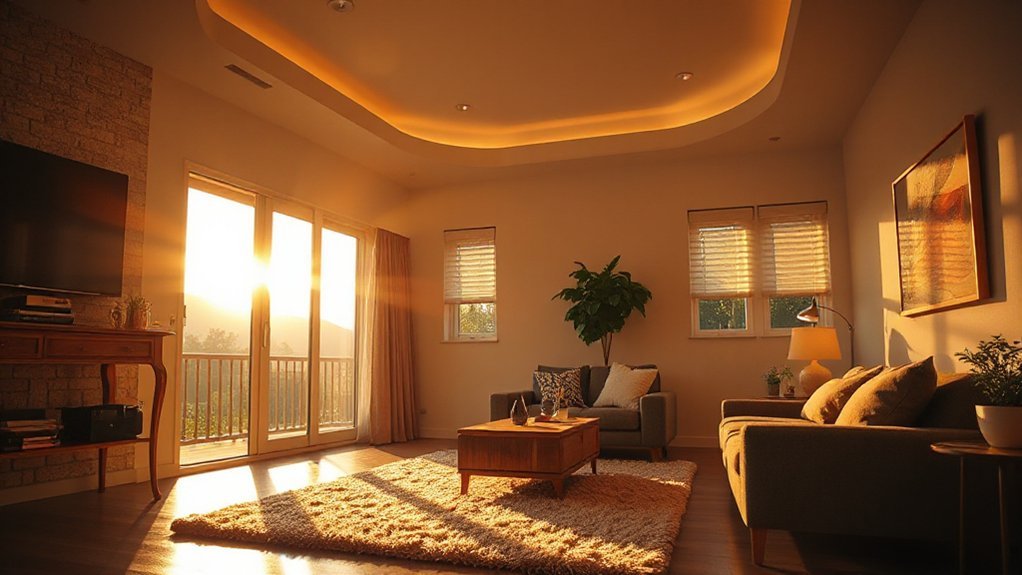
You’ll notice adaptive lighting that shifts warmth on demand, so spaces feel right as tasks change and the day progresses.
Glare-free mood shifts preserve focus and comfort, letting you move through rooms without blinking at harsh contrasts.
With human-centric dimming, you get precise control over brightness levels that honor both function and mood, guiding every routine with intent.
Adaptive Lighting Warmth
Your system analyzes natural light, sunset colors, and room usage to adjust hue and brightness every moment. Expect steady, flicker-free gradations that avoid harsh contrasts, so you never feel drained or startled.
You’ll notice an ambient glow that stabilizes your mood and helps focus, yet remains unobtrusive enough to let textures, fabrics, and furniture stand out. A practical, energy-conscious approach guides every decision, delivering a cozy atmosphere without manual tweaking.
This vision supports comfort, productivity, and subtle luxury throughout daily routines.
Glare-Free Mood Shifts
1) Use glare-minimizing diffusers that preserve brightness while softening hotspots.
2) Pair daylight sensors with tunable LEDs to mirror natural light fluctuations.
3) Design layouts that place work zones near windows, maximizing natural light without glare.
4) Employ high-CRI sources with flicker-free drivers for consistent skin tones and energy.
Human-Centric Dimming
How can lighting adapt without glare or fuss? You activate human-centric dimming that senses you and the room, not just a switch.
With ambient light control, fixtures modulate intensity and color temperature to match activities, from reading to lounging. You’ll notice smoother shifts, reduced eye strain, and a calmer rhythm as daylight shifts.
The system learns your patterns, then anticipates needs, dimming softly before you reach for shadows and brightening for focus. No buzzing, no manual fiddling—just reliable, quiet adjustments that feel natural.
You gain consistent contrast, true color perception, and a sense of presence without distraction. This practical approach blends comfort with future-ready design, turning everyday tasks into effortless, immersive experiences through intelligent, responsive lighting.
Subtle Storage Solutions to Clear Clutter
From the moment you start modeling your space, small, clever storage can transform chaos into calm. You’ll prioritize discreet solutions that stay out of sight yet stay within reach, so daily routines feel streamlined rather than cluttered.
Hidden compartments and concealed shelving keep essentials accessible without dominating rooms. Focus on multi-use furniture and wall-mounted storage that blends with décor, not competes with it. These choices create visual calm and practical flow, letting you breathe easier, move freely, and maintain order with minimal effort.
- Build hidden compartments into ottomans and bed bases for linens and chargers.
- Install concealed shelving behind artwork or mirrors to hide books and accessories.
- Choose furniture with integrated storage drawers for seasonal items.
- Use shallow cabinets above eye level to store rarely used items without crowding.
Seals, Drafts, and Doors: Keep Comfort In
Sealed doors and tight seams matter as soon as you start shaping a calm, comfy home. You’ll notice how drafts whisper through gaps, stealing warmth and quiet. Start with a door-sweep upgrade on every exterior entry, then check hinges for tiny shifts that invite air leaks.
Seals efficiency means choosing weatherstripping that matches your frame’s shape, compresses properly, and lasts season after season. Run a quick door-test: close firmly, listen for a hush, then feel for air along the edges.
For interior doors, consider bottom seals where overheated rooms haunt you; slight resistance can preserve a steady temp without locking you in. Pair these steps with door insulation practices, and your living space stays calmer, cozier, and more energy-smart.
Materials and Finishes That Feel Right Without Overheating
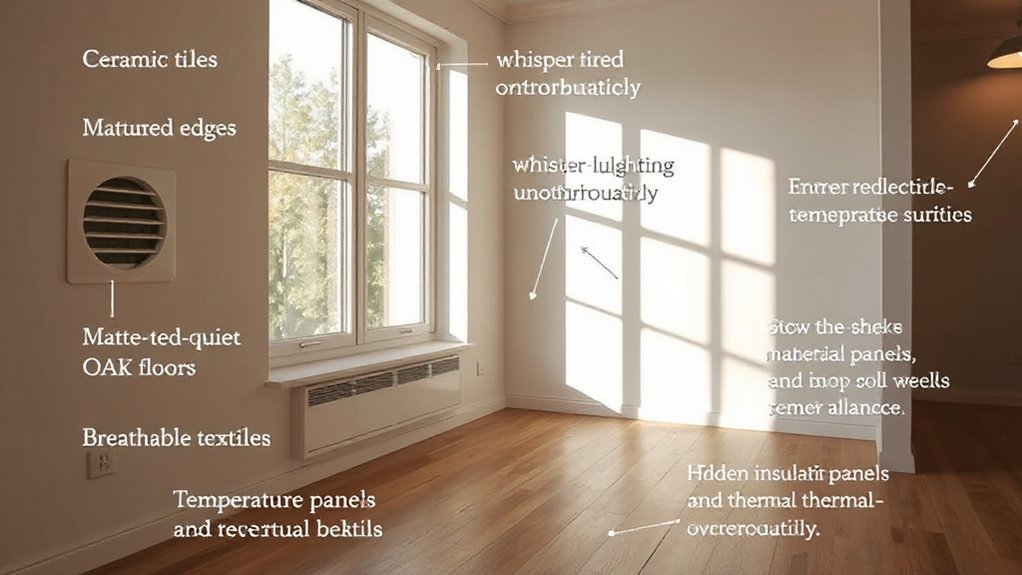
1) Use Sustainable materials that breathe, like untreated wood or ceramic, to regulate warmth without trapping heat.
2) Choose Eco friendly finishes with low VOCs and light-reflective properties to brighten spaces while staying cool.
3) Favor matte or lightly textured surfaces that diffuse light rather than glare, reducing perceived heat.
4) Integrate natural textiles—linen, cotton—in upholstery and drapery for airflow and tactile relief.
These decisions align practicality with a forward-looking, energy-conscious design ethos.
Smart Integration for Effortless Daily Routines
Smart integration turns daily routines into seamless rituals. You set scenes that respond to your day, not the other way around. Start by syncing lighting, climate, and sound with a central hub, so wake, work, and unwind follow a single cue.
Use voice-controlled systems to adjust mood without disrupting focus; one command fine-tunes brightness, temperature, and playback across rooms. Automated routines trigger when you arrive home, lowering blinds, powering favorites, and energizing the workspace for efficiency.
Save scenarios for common tasks—morning refresh, post-dusk relaxation, and late-night quiet. Automated window shades pair with sensors to optimize daylight and heat, reducing glare and energy use.
Prioritize privacy by layering secure access and guest modes, ensuring smooth, predictable daily rhythms without manual steps.
Frequently Asked Questions
How Can Hidden Features Improve Daily Sleep Quality?
Hidden sleep quality improves when you optimize your room with soundproofing improvements and sleep inducing technology. You’ll dim ambient noise, seal gaps, and add heavy curtains, so disturbances fade.
You’ll enable smart blackout shades and a white-noise device that adapts to your cycle, guiding you into deeper rest.
You’ll monitor temperature, humidity, and air quality, adjusting vents and fans to maintain comfort.
In time, you’ll wake refreshed, energized, and ready for the day.
Do Quiet Upgrades Affect Energy Bills Significantly?
Quiet upgrades can lower energy bills, but the impact varies. With smart insulation, you reduce heat loss and gain, so your HVAC runs less and more efficiently.
HVAC zoning ensures comfortable zones without over-conditioning the whole house, slashing wasted energy. You’ll notice steadier temps and lower consumption over time, especially in drafts or multi-story homes.
Start with a targeted assessment, then implement upgrades and monitor results to optimize savings and comfort.
Can Micro-Climates Be Created Without Visible Changes?
Yes, you can create micro-climates without visible changes. You’ll optimize indoor air flow and humidity control by layering insulation, smart ventilators, and targeted shade.
You’ll tune HVAC zoning, seal leaks, and deploy plants strategically to modulate temperature gradients. This approach keeps indoor air fresh and humidity steady, while you avoid clutter.
You’ll notice comfort gains in every room, plus energy efficiency. It’s practical, detail-oriented, and visionary for quietly transformative living spaces.
Are Silent Appliances as Effective as Standard Ones?
Silent appliances can be as effective as standard ones, sometimes more so, because they reduce vibration noise and energy draw. You’ll notice steadier performance and less disruption.
Pair smart thermostats with efficient, quiet models, and you’ll fine-tune comfort without shouting AC cycles.
Consider soundproof windows for added hush, especially in bedrooms.
You get precise control, lower bills, and a calmer home rhythm, all while staying forward-thinking and practical about daily living.
Which Unseen Details Influence Overall Home Comfort Most?
Yes, unseen details like Smart thermostats and Insulated windows influence comfort most. You feel consistent temperatures, reduced drafts, and smarter energy use when you set routines and zoning.
You’ll notice air quality and humidity adjustments quietly supporting rest and productivity. You optimize with shortcuts, sensors, and responsive settings, imagining future upgrades.
You preserve daylight warmth, minimize noise through better seals, and keep surfaces comfortable. You act, adapt, and trust these hidden systems to sustain daily ease.
Conclusion
Quiet features that never shout, yet quietly shape your day. You trade loud upgrades for subtle gains: insulation that hides behind walls, while your room stays calm; climate tweaks that feel like intuition, not control; appliances humming in the background, efficiency you hardly notice. It’s a future you live in—soft, steady, purposeful—where harmony isn’t flashy but yours to feel. In the stillness, you gain a more productively peaceful life, built on smart, unseen comfort.
About the Author