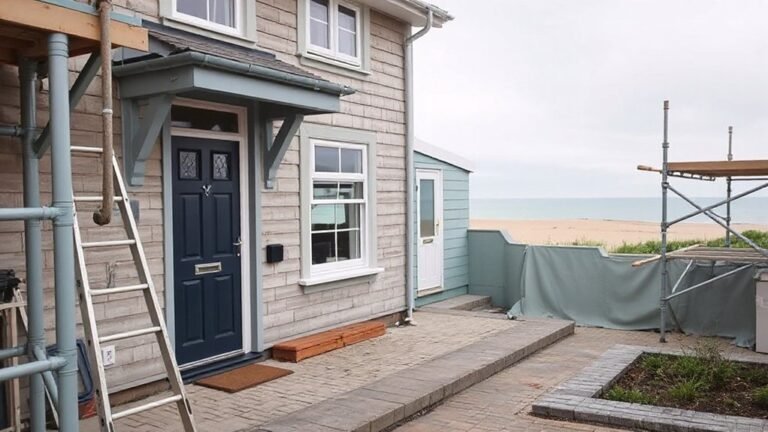
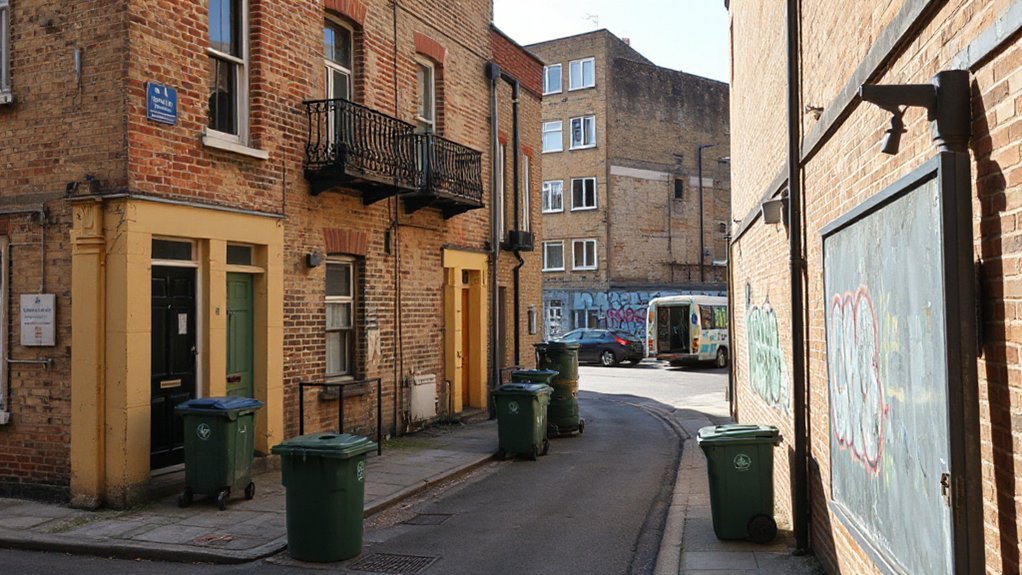
London’s affordable entry points lie in value-focused boroughs, compact well-insulated homes, and up‑and‑coming areas with solid transport links. You’ll find tighter rental bands in inner districts, broader ranges on the outskirts, and clusters around redeveloped cores. Look for mixed‑use developments, bikeable streets, and local character to stretch your budget. Prioritize total cost of living, transit access, and school catchments. If you keep exploring, you’ll uncover practical tips and hidden gems that boost value over time.
What Makes London Affordable Now

London’s affordability hinges on a balance of housing costs, living expenses, and public services, all shaped by recent policy shifts and market forces. You assess how rental yields, cap rates, and mortgage accessibility influence daily budgets, while wage trends and inflation set longer-term trajectories.
In this framework, Affordable luxury emerges as a tier—quality finishes and efficient design at attainable price points, not luxury overflow. You notice that institutional investment nudges supply toward mixed-use developments, balancing density with infrastructure.
Green space becomes a measurable asset: parks, urban forests, and interim green corridors that reduce commute friction and boost desirability. You optimize choices by comparing total costs over time, including utilities, council tax, and transit fares, rather than upfront sticker price alone.
Affordable Neighborhoods to Watch (Up-and-Coming)
If you’re scouting affordable neighborhoods that show growth potential, focus on areas where housing supply is expanding alongside improving transport links and local amenities. Up‑and‑coming zones cluster around new rail links, Crossrail spillovers, and rapid bus corridors, keeping long‑term costs predictable while releasing value.
Look for mixed‑use developments that pair mid‑rise living with green spaces, flexible work hubs, and community hubs that attract families and young professionals. These areas often host evolving retail ecosystems, including luxury apartments that balance price with aspirational design, and pockets of high‑end shopping that signal ongoing desirability without inflating rents instantly.
Prioritize neighborhoods with planning momentum, transparent density policies, and established service networks to minimize disruption during growth phases.
Cheaper Housing Types That Still Work in London
Choosing cheaper housing types that still work in London means balancing upfront cost with long-term value, durability, and adaptability to a fast-changing urban fabric. You’ll find compact, well-insulated layouts that maximize usable space without sacrificing daylight or privacy.
Consider prefab or modular units for rapid deployment with consistent build quality, and apartments built around adaptable cores that reconfigure as needs shift.
Affordable apartment options emerge when you prioritize durable finishes, low maintenance systems, and efficient layouts that scale from solo living to small households.
Shared housing benefits include reduced per-person costs and enhanced social infrastructure, while preserving personal autonomy through separate rooms.
Pair these patterns with near-city access, robust transit, and flexible leases to sustain value despite market volatility.
Areas With Real Local Character on a Budget
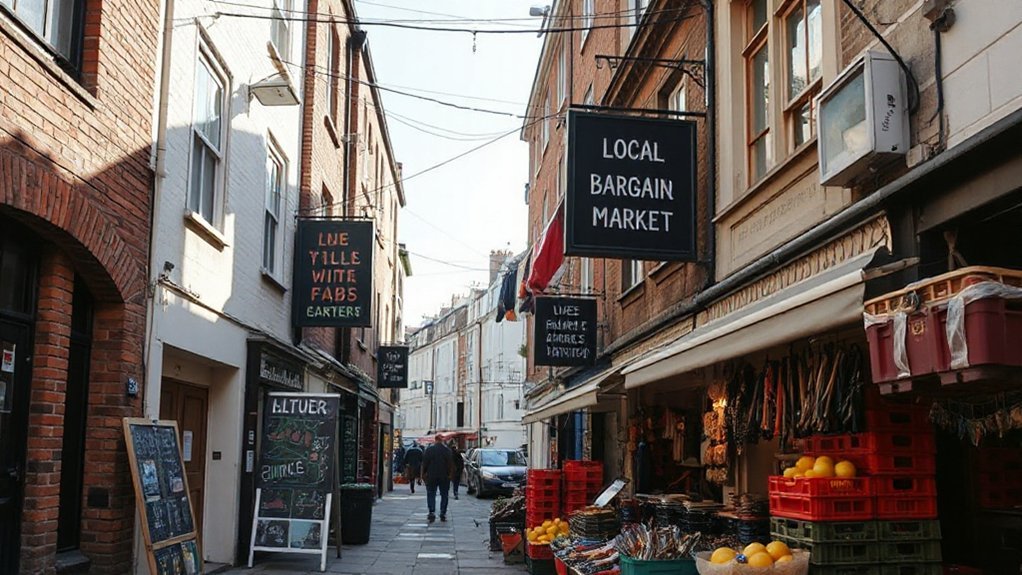
You can uncover Hidden Local Vares that still fit a tight budget, balancing value with genuine place-making.
The Budget-Friendly Local Charm lands as a measurable signal of authentic life, not just price points.
This Authentic Community Vibe sets the frame for practical, on-the-ground decisions about where to live.
Hidden Local Vares
Hidden local character doesn’t have to cost a fortune. You’ll identify pockets where the texture of daily life remains intact, even as prices drift lower.
Focus on patterns of Local market dynamics: how tenancy turnover, small-scale vendors, and transport links shape available options without inflating value. In these zones, you’ll encounter Hidden neighborhood gems—independent cafés, retrofit-friendly flats, and street-front mosaics that signal authentic living rather than routine commodification.
You’ll evaluate accessibility, walkability, and micro-amenities, balancing rental bands against cultural density. There’s a pragmatic cadence to evaluating these areas: assess council plans, noise levels, and green space per capita, then compare with nearby transit efficiency.
The result is a calibrated map of affordable, character-rich neighborhoods that stay authentic under budget constraints.
Budget-Friendly Local Charm
Where affordability meets texture, these neighborhoods deliver genuine, lived-in character without price inflation. You’ll notice brickwork patina, narrow corridors, and steps that tell stories of daily routines.
The appeal rests in micro-ecosystems: affordable dwellings, reused storefronts, and evolving street life that stays legible yet fresh. You engage with a precise rhythm of daily commerce, where local cuisine threads through markets, bakeries, and budget-friendly bistros, creating a tactile sense of place.
Cultural festivals punctuate the calendar, marking seasonal flavors and crafts without demanding premium tickets. Transit remains practical, guiding you between hidden courtyards and compact parks.
Edges blur between residential and artisanal zones, enabling you to observe, adapt, and participate without disrupting the fabric. This is sustainable character you can actually afford.
Authentic Community Vibe
Local art scenes emerge in small galleries, clubs, and storefront spaces, offering affordable exposure for emerging creators and timely, reflective displays. Community markets anchor weekends, pairing fresh produce with crafts and conversation, giving you reliable sources for sustenance and social ties.
You’ll value practical navigation: walkable layouts, predictable public transit, and mixed-use streets that sustain work, play, and collaboration. Authenticity thrives where constraints fuse with creativity, creating durable, budget-smart neighborhoods.
Transport-Friendly London: Rail and Underground on a Budget
Rail and Underground travel in London can be affordable if you plan strategically: start with a clear picture of your commuting patterns and leverage off-peak fares, travel cards, and zone-based pricing. You map routes analytically, choosing lines with fewer transfers and predictable delays.
Use contactless payments for quick, consistent discounts, and layer weekly caps to avoid overpaying. Off-peak travel is your ally, especially for extended errands or workouts beyond rush-hour cores.
Pair this with season tickets for steady affordability on daily commutes, and explore flexible memberships that blend zones to maximize value.
Affordable dining and cultural events become accessible when you reserve time slots around transit windows. Your budget breathes easier as efficient routing, reliable apps, and strategic carding reduce total transit costs and elevate urban mobility.
Family-Friendly Spots That Don’t Break the Bank
Finding family-friendly spots in London that won’t strain your budget is about smart planning, practical choices, and a localized sense of value. You’ll focus on accessible parks, free museum days, and predictable routines that minimize costs while maximizing kid-friendly experiences. The approach blends affordability with efficiency, highlighting affordable dining options and budget shopping while maintaining quality standards.
You’ll map neighborhoods that offer reliable public spaces, safe sidewalks, and convenient transit links to major galleries and playgrounds. This technical, aesthetic lens emphasizes sustainability, parent-friendly infrastructure, and low-cost social rituals that foster community and routine without extravagance.
- Free-entry museums and seasonal events that align with kids’ interests
- Affordable dining with kid-friendly menus and value portions
- Budget shopping for essentials and educational toys nearby
Value by Borough: Housing Prices and Rent Ranges

After exploring affordable, family-friendly options, it’s time to map how value shifts across London’s boroughs through housing prices and rent ranges. You’ll notice tiered patterns: inner zones command premium prices with tighter rental bands, while outer areas offer broader ranges and greater affordability.
Data shows average asking prices cluster around central hubs, yet pockets of value emerge in redeveloped districts and well-connected suburbs. When you compare boroughs, consider total cost of living, conversion of leaseholds, and long-term appreciation potential.
Luxury developments and high end amenities tilt the scale in select enclaves, yet balanced options persist elsewhere. This borough-by-borough lens helps you pinpoint where premium fixtures align with real-world budgets, guiding smarter decisions without sacrificing accessibility or neighborhood quality.
Practical Tips to Stretch Your Rent Further
Consider how budget-friendly neighborhoods and smart rent-hacking strategies can coexist to maximize value in London. You’ll evaluate area costs, transportation links, and room-sharing viability to stretch each pound without sacrificing quality.
We’ll outline practical steps and decision criteria to compare options efficiently.
Budget-Friendly Neighborhoods
- Affordable dining
- Budget shopping
- Transit-accessible neighborhoods
Rent-Hacking Strategies
Rent-hacking isn’t about gimmicks; it’s about practical, repeatable steps to lower your monthly outlay without sacrificing comfort. You’ll approach rent as a system to optimize, not a fixed cost.
Begin with affordable co-living options when space efficiency suits your life stage, balancing privacy with shared resources.
Next, implement rent negotiation techniques: present market data, offer staged signings, and propose sustainable lease terms that reward reliability.
Audit utility usage and demand flexible billing to shave recurring expenses.
Look for landlords amenable to upfront improvements in exchange for lower rent or longer commitments.
Build relationships with property managers to access off-peak inventory and priority maintenance.
Document improvements and communicate progress, preserving habitability.
Finally, monitor market shifts and re-negotiate at renewal windows to sustain affordable rent over time.
How to Assess Schools, Amenities, and Growth Potential
When evaluating affordable London neighborhoods, start with a structured snapshot of schools, amenities, and growth indicators to gauge long‑term value. You’ll perform a concise triage: how schools perform, what amenities you access, and where growth appears strongest.
Prioritize reliable data, gap analysis, and trend lines over hype. Assess School evaluation metrics, catchment stability, and pupil–teacher ratios alongside proximity to transit, healthcare, and parks for Amenity access.
Map future development plans, housing supply, and council investments to forecast appreciation risk.
Tighten your review with a clear scoring rubric, then weigh tradeoffs between affordability and quality of life. Use this framework to compare neighborhoods quickly and make informed relocation decisions with confidence.
- School evaluation priorities and score weights
- Amenity access mapping and proximity logic
- Growth indicators and development trajectory
Frequently Asked Questions
How Do I Compare Total Cost of Living Beyond Rent?
Yes—compare total cost by including utilities, groceries, and transportation. Track affordable transportation options, estimate utility cost considerations, and add insurance and healthcare. Use a monthly budget worksheet, then compare neighborhoods’ total monthly expenses beyond rent.
Which Areas Have the Strongest Future Uplift Potential?
You’ll want areas with strong uplift potential, focusing on price momentum and regeneration plans. Consider affordable transport links and a robust local amenities comparison, as these drive demand, affordability, and long-term value growth for future-proof neighborhoods.
Are There Hidden Housing Fees to Watch For?
Hidden maintenance costs lurk beneath listed prices, so watch out. You’ll encounter utility fee surprises, unexpected insurance, and service charges, adding up fast. You’ll navigate like a craftsman, inspecting contracts, budgets, and hidden costs before signing.
How Does Crime Rate Affect Affordability Over Time?
Crime statistics influence affordability over time by altering demand and insurance costs, while neighborhood safety shapes resale values and rental yields. You’ll notice tighter budgets when crime rises, and steadier pricing where neighborhood safety remains consistently high and transparent.
What Are the Best Value Neighborhoods for Families?
You’ll find value in neighborhoods with affordable parks and family friendly schools, offering scalable housing and reliable transit. You’ll notice quality green spaces, strong school catchments, and deliberate urban design that supports safe, cohesive, long-term family life.
Conclusion
You scan this map and notice the same line threading through both cost and character. Coincidence guides your eye: a rail halt, a budding cafe, a quiet backstreet with a surprising school nearby. You learn to read rents like weather—forecasting, not fearing. With each affordable pocket you flag, you feel the city’s pulse align with your budget. So you plan, you compare, you choose, and you arrive where value and vibe collide—precisely where your London story begins.
About the Author