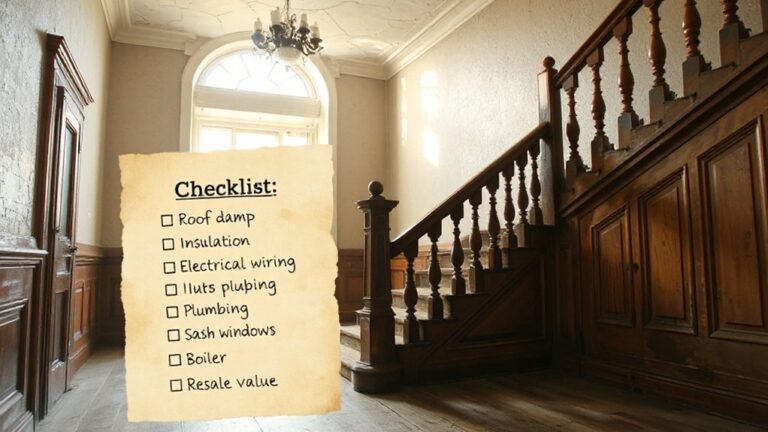
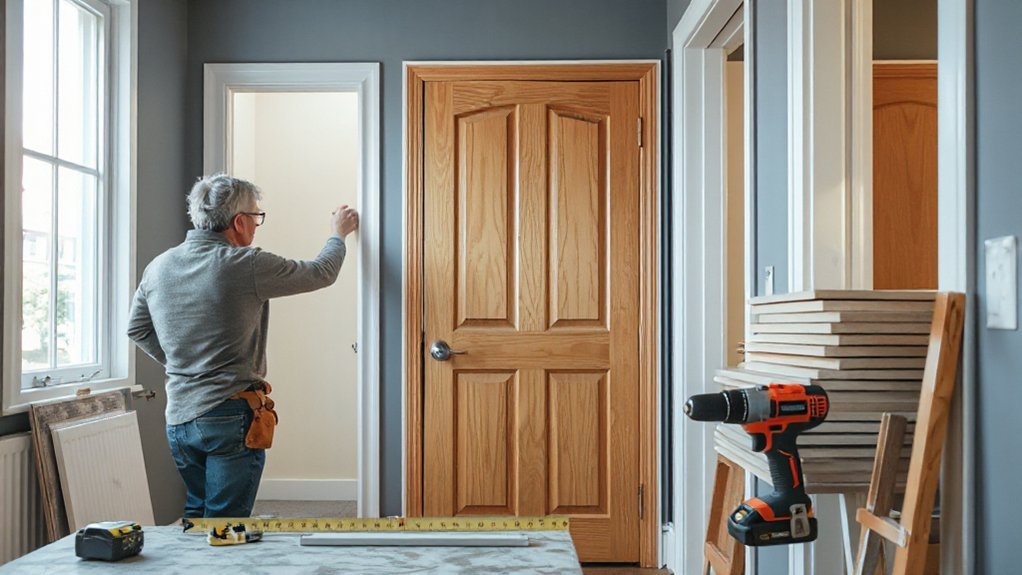
When you request contractor quotes for installing new interior doors and trim, define your priorities first—style, durability, and budget—and specify exact door types, trim profiles, hardware finishes, swing directions, and rough openings. Require detailed line items for materials, labor, finishes, and any hidden costs. Compare options by core material (wood vs MDF), installation complexity, and lead times. Check warranties and maintenance plans, then align quotes to your design goals and historical accuracy. This approach also helps you predict total project duration and cost if you press ahead.
Define Your Priorities for Doors and Trim
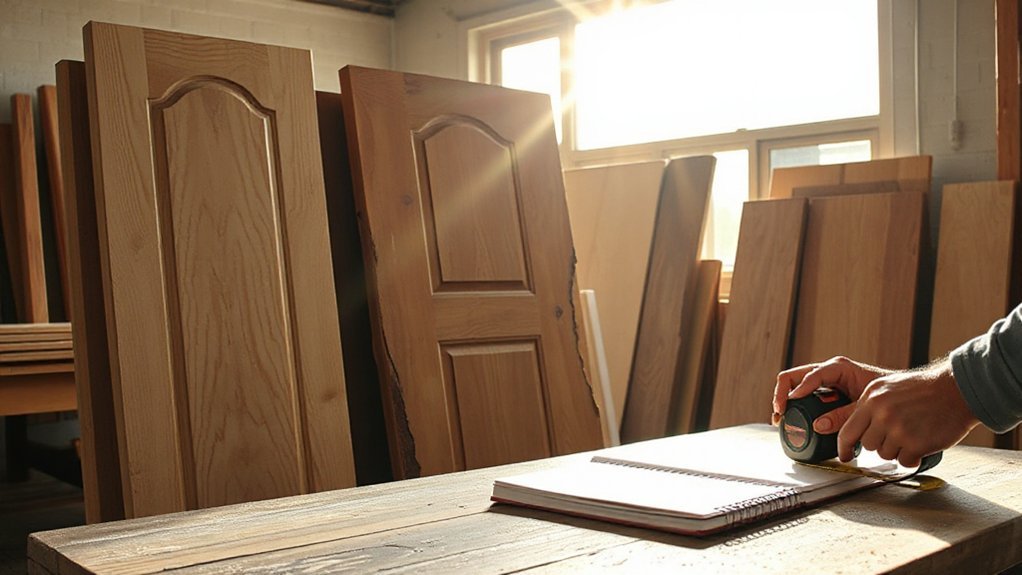
To define your priorities for doors and trim, start by mapping rooms by function, style, and budget. Then decide which elements deserve the most attention. You’ll balance aesthetics with practicality, prioritizing areas where traffic and visibility are highest.
Consider door hardware early, choosing hardware finished to complement hardware accents elsewhere, and guarantee compatibility with overall hardware standards.
Next, specify paint finishes that align with each room’s use and level of wear, noting matte, satin, or semi-gloss options for durability and washability.
Measure clearance, swing, and height precisely to avoid interference with trim profiles.
Document preferred profiles, casing widths, and transition details to reduce revisions.
Clear, objective criteria minimize back-and-forth and keep your project on target for a cohesive, enduring interior look.
Ask the Right Questions Before Getting Quotes
Before you request quotes, define the scope clearly: list every door type, trim profile, and hardware finish you expect, plus any constraints on size, swing, and clearance.
Then prepare targeted questions that reveal capability, timelines, and guarantees.
Ask for a detailed breakdown of material costs, labor hours, and third‑party certifications, so you can compare apples to apples.
Probe installer experience with similar projects, and request references or case studies.
Clarify buildability in your space, including moisture exposure, fire ratings, and sound treatment.
Inquire about lead times, scheduling windows, and cleanup standards.
Consider historical trends and regional preferences to assess chosen materials and finishes.
Require written quotes, scope of work, and warranty terms for transparent decision‑making.
Explore Interior Door Styles for Value
Explore door styles that maximize value by balancing durability with design, so you get long-lasting appeal without sacrificing aesthetics.
Consider trim options that enhance architectural coherence and curb appeal, while still optimizing budget and installation effort.
Weigh each choice against the durability and style balance you want, ensuring a cohesive, value-driven result.
Door Styles That Add Value
Strategically chosen interior door styles can boost perceived value and update a home’s feel, so selecting options that balance durability, aesthetics, and resale appeal matters. You’ll prioritize doors with clean lines, solid cores, and consistent framing to prevent warping and gaps that undermine value.
Consider stile-and-rail configurations for timeless appeal, or modern flat-panel designs for contemporary spaces. Pay attention to door swing, hinge placement, and standard thickness to ensure seamless installation and long-term performance.
Hardware upgrades dramatically elevate perceived quality when matched to the room’s style and finish. Decorative accents, such as glass panels or frosted inserts, should complement trim and lighting without compromising privacy.
Choose finishes that resist wear and simplify maintenance, and align door styles with overall architectural coherence for lasting value.
Trim Options For Value
When choosing trim to maximize value, focus on profiles that frame doors with clean, consistent lines and tight joints. Trim options that deliver a crisp silhouette reduce visual busyness and enhance perceived quality across spaces.
Opt for flat or lightly oiled surfaces in lighter tones to reflect light and preserve a cohesive rhythm with adjacent moldings. Consider profiles with subtle chamfers or quarter-round detailing to add refinement without overstatement.
Prioritize moisture-resistant composites in high-traffic areas to extend longevity while maintaining a uniform appearance. Creative finishes can elevate value, pairing with natural wood grains or painted surfaces for a tailored, enduring look.
Pair trim with custom hardware that complements the door profile, ensuring a cohesive, lasting impression.
Durability And Style Balance
Durability and style should march in step, delivering doors that endure daily use without compromising aesthetic coherence. You’ll balance material resilience with visual harmony by selecting species and core constructions that resist denting, warping, and fade.
Consider hinge placement, door slab weight, and frame support to minimize flex and creak over time. A thoughtful approach to hardware options influences both function and line quality, ensuring handles, hinges, and locks integrate seamlessly with trim profiles.
Pair your core choice with paint finishes that flex under temperature shifts yet maintain edge crispness, avoiding visible touch-ups. Evaluate stain vs. paint in relation to texture, grain, and moisture exposure to sustain character.
Prioritize low-maintenance options that reduce ongoing upkeep while preserving cohesive design across rooms.
Compare Materials: Price, Durability, and Maintenance

Choosing the right interior door and trim materials hinges on three core factors: price, durability, and maintenance. You’ll compare options by upfront cost, long-term value, and required upkeep, then map these to project goals.
Consider mass-produced wood cores, solid lumber, MDF, and alternative composites; each delivers different price points and wear resistance.
Durability profiles guide your selection for high-traffic rooms and moisture-prone areas, with moisture-rated lumber and composite choices offering distinct advantages.
Maintenance expectations affect finish choice and refresh frequency, so plan for periodic refinishing or simple touchups.
Hardware options impact overall cost and aesthetics, while color coordination ties doors, trim, and adjacent surfaces into a cohesive look.
Weigh finish compatibility, stain stability, and repairability for a precise, design-conscious result.
How Trim Profiles Affect Installation Time and Cost
Trim profile choices directly shape both fit and finish, so you’ll see different install times as profiles join seam lines and reveal gaps.
Subtle variations in edge detailing or cove shapes can alter sanding, painting, and hinge alignment, driving cost differences you’ll notice in material waste and labor steps.
Start by mapping each profile’s mounting requirements to your doors, then estimate time-per-profile and project-wide costs for a precise, design-forward plan.
Trim Profile Variations
Trim profiles vary in thickness, edge detailing, and surrounding casing, and those differences directly impact fit, finish, and the number of adjustments required during installation. You’ll notice how each profile interacts with door slabs, casing reveals, and trim returns, shaping workflow and tool choices.
Precision decisions here reduce rework later and influence final appearance. Consider how profile depth affects hinge alignment, reveal consistency, and paint finishes along edges. Your approach should align with hardware selection, ensuring compatible strike plates, stops, and jambs from the same line for uniform MSR.
- Assess edge profiles for coped vs. mitered joints and their impact on square fit.
- Evaluate casing thickness compatibility with door edge and jamb clearance.
- Plan finish steps early to avoid color mismatches at joints.
Time-Cost Impacts
When trim profiles differ in depth and edge detail, the installation path shifts from plan to precision, and you’ll see time and cost sway accordingly. Depth and profile complexity affect cut accuracy, fastener placement, and miter joints, so measurement discipline matters.
You’ll spend more on specialty blades, adjustable fences, and test fittings, reducing errors and rework. Material waste rises with ornate profiles, impacting overall job cost.
Conversely, simpler profiles streamline sequencing, reduce scrap, and shorten handwork periods between door preparation and final trim alignment. Consider interior design goals early to anticipate finish needs; profiles with tighter tolerances demand meticulous sanding and flawless caulking.
Painting techniques and finish coats follow, influencing cycle time. Budget for precise trim, steady surfaces, and clean edge detailing to optimize both schedule and expense.
Distinguishing Labor vs. Materials in Door Bids
Separating labor from materials in door bids is essential for true apples-to-apples comparisons: you want to know exactly what you’re paying for and where. In practice, demand clear line items that separate installation labor from products, plus any related fees. This keeps bids comparable and highlights true cost drivers.
- Labor scope: trim removal, door prep, hinge placement, alignment, and final surfacing.
- Materials: door slab, frames, fasteners, finishes, and hinges, all itemized with model or finish codes.
- Finish options: paint finishes, stain, sealant, and undercoats, with any labor-ready steps noted.
Clarity matters for design outcomes, so request precise hardware options and consistent finish specifications to prevent surprises later.
Hidden Extras That Can Blow Your Quote
Hidden costs can lurk in plain sight, so you’ll want to identify them before you sign. Hidden fees can appear after the contract, in line items you didn’t expect, or in add-ons that seem minor but add up quickly.
Before you approve, demand a detailed breakdown of every line item, including disposal, masking, and hardware pressure points. Confirm whether finish touchups, door alignment tweaks, and weatherproofing are included or billed separately.
Inspect the scope for potential overruns tied to site conditions, access constraints, or custom trim integration.
The contractor reputation matters: verify recent projects, warranties, and response times to avoid post-install surprises.
Decide on a cap for change orders and insist on written approvals to keep your budget aligned with your design intent.
Supplying Accurate Measurements for Quotes

Before you request quotes, lock down your measurements with exactness: map every doorway, opening, and trim line, verify wall thickness and stud locations, and confirm precise reveals and joint gaps. You’ll present a clean, repeatable spec that minimizes ambiguity and pricing swings.
1) Accurately record door heights, widths, and swing directions, then translate to rough openings and jamb dimensions.
2) Note trim profiles, corner treatments, and any decorative glass or panel inset requirements that affect fit and finish.
3) Document historical styles you’re pairing with, including casing widths, architrave details, and reveal tolerances to preserve character.
This disciplined data set speeds quotes, preserves consistency, and supports seamless integration with decorative glass while respecting historical styles.
Prefinished vs. Unfinished Doors: Costs and Finish Time
Prefinished doors typically shorten finish time but may limit color and texture options.
Unfinished doors require on-site staining and sealing, extending overall project duration.
Material costs differ: prefinished units can carry higher upfront price, yet save labor, whereas unfinished doors shift the expense toward finishing work and materials.
Expect scheduling implications and potential delays from shop-to-site timing, coatings drying, and alignment tweaks as you balance value, appearance, and timeline.
Finish Time Variations
When choosing between prefabricated and unfinished interior doors, finish time varies as much as total project duration as it does with final appearance. You’ll notice three key timing differences that influence scheduling and labor planning:
1) Prefinished doors ship ready to install, cutting on-site finishing time but adding wait for delivery windows.
2) Unfinished doors require staining or painting after hanging, extending days but enabling color customization.
3) Transition periods between door install, trim fit, and touch-ups affect overall project cadence.
To optimize outcomes, prioritize color coordination and hardware selection early, so finishing steps align with trim and frame work.
Careful sequencing minimizes rework, keeps crew on track, and preserves your design intent.
Material Cost Differences
Material costs for prefurnished vs. unfinished doors hinge on delivery options, labor needs, and finish time, so a precise comparison starts with the total landed cost. You’ll compare base door price, hardware, finish materials, and any on-site finishing or staining.
Prefinished doors reduce on-site labor but may include higher per-piece costs and limited color control, while unfinished doors save upfront price and offer customization but require additional finishing hours and materials.
Consider finish time impact on project cadence, possible scheduling penalties, and potential waste from mismatched profiles.
Design aesthetics influence pricing through veneer quality, edge detail, and core construction.
Environmental impact matters too: factory finishing often reduces VOC exposure on-site.
Scheduling and Delays
Considering delivery timing and on-site workflows, scheduling and potential delays become pivotal when choosing between prefurnished and unfinished doors. You’ll balance finish time, touch-ups, and install windows to minimize downtime and keep color coordination on track.
- Assess finish readiness: prefurnished doors arrive ready to install, reducing staining delays but limiting color flexibility.
- Plan for on-site finishing: unfinished doors require drying time, coordinated airflow, and temperature control to meet project milestones.
- Align hardware selection: order hinges, knobs, and latches early, ensuring compatibility with door prep and avoid rework.
Color coordination and hardware selection drive scheduling precision, with tighter deadlines for unfinished doors if you must synchronize trim and casing finish.
Scheduling That Impacts Bid Timelines
Scheduling can make or break a bid timeline, so start by mapping every milestone from permit review to final cleanup and door handover. You’ll identify critical path tasks, including framing checks, rough-in, trim stock lead times, paint drying windows, and hardware selection.
Align subcontractor availability with material deliveries to minimize idle days and avoid schedule slippage. Build buffers only where risk is real, such as custom millwork or back-ordered finishes, and document them transparently in the bid.
Communicate dependencies between interior design decisions and installation dates to prevent rework. Capture inventory constraints, shop drawing approvals, and punch-list cadence to forecast accurate labor hours.
This disciplined sequencing supports clean, on-time execution in home renovation projects, ensuring client confidence in the interior design outcomes and overall project value.
Reading Bid Line Items: What Should Be Included
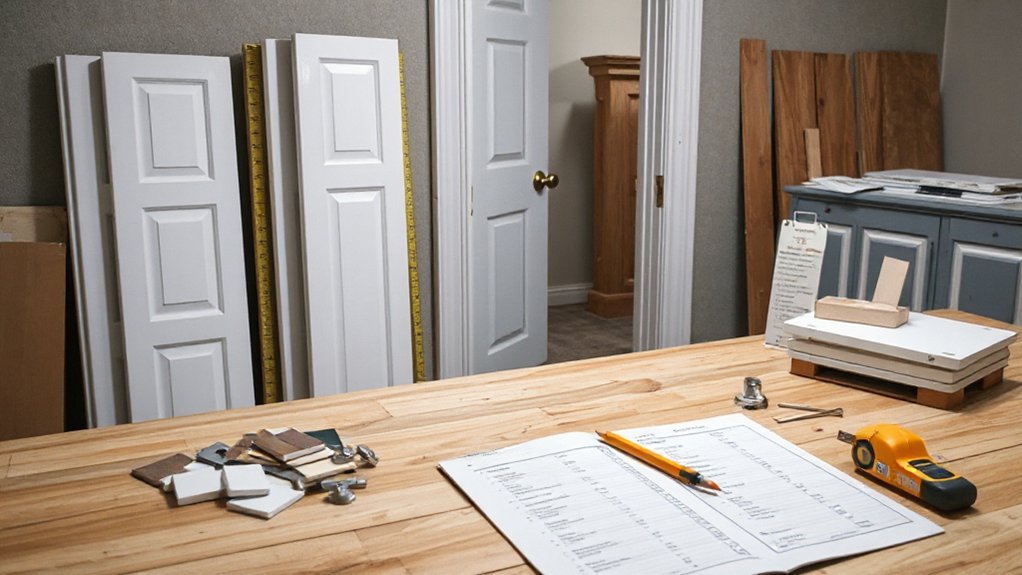
You’ll prioritize bid line item clarity to guarantee each door and trim component is described without ambiguity.
Expect clear materials and labor allocation, so you can confirm quantities, brands, finishes, and crew hours match your design intent.
Have change request procedures documented up front, outlining how scope tweaks are priced, approved, and tracked.
Bid Line Item Clarity
- Scope exactness: door types, trim profiles, frame prep, and finish steps must appear clearly.
- Materials and allowances: specify brands, thickness, wood quality, stain, finish, and any substitutions.
- Schedule and exclusions: include lead times, project sequence, and weather contingencies, plus non-covered tasks.
This precision supports design aesthetics decisions while guarding historical preservation goals, ensuring the install respects original character where applicable. Your focus stays on fit, finish, and performance, not conflicting interpretations or hidden costs.
Materials And Labor Allocation
Include precise material quantities, dimensions, finishes, and hardware compatibility to prevent delays. Hardware selection appears as a dedicated line item, outlining door types, hinges, latches, and strike plates, plus any specialty hardware for matching style and function.
Specify surface prep, painting or sealing, and trim profiling with exact profiles and backing requirements. Ventilation options, if needed for site conditions or finishes, must be described with installation steps and airflow considerations.
Align labor rates with task complexity, avoiding overlap, gaps, or assumed scope.
Change Request Procedures
Change requests must be documented clearly and tied directly to bid line items, so any scope change is traceable, quantifiable, and approved before work begins. You’ll specify what changes you’re proposing, why they’re necessary, and the impact on cost, timeline, and materials. This keeps design intent intact and aligns with bid assumptions.
- Define scope delta: reference exact item, quantity, finish, or hardware adjustments, with measurable outcomes.
- Assess impact: quantify price, schedule shifts, and any long-term maintenance or warranty implications.
- Approve and document: secure client and contractor sign-off, update drawings, and note design trends or eco-friendly options that justify the variation.
Warranties and Aftercare: What to Expect in Quotes
When reviewing quotes for installing new interior doors and trim, pay close attention to warranties and aftercare terms so you know exactly what’s covered and for how long. In practice, read the fine print on material guarantees, labor coverage, and exclusions.
A solid quote specifies duration, transferability, and what triggers a claim, plus required maintenance intervals. Look for alignment with your design goals—doors and trim should endure daily use, with minimal visible wear.
Expect guidance on paint finishes, touch-up procedures, and approved products to preserve interior decor integrity. Clarify response times for service calls and whether on-site visits incur fees.
A precise warranty will outline claim steps, required documentation, and remediation options, ensuring predictable outcomes and confidence in your investment.
Budgeting a Door and Trim Upgrade: A Practical Plan
Moving from warranties and aftercare into budgeting, you’ll want a practical plan that matches your design goals with real numbers. You’ll set a clear scope, then map materials, labor, and finish costs to each door and trim category. Precision matters: align routes, profiles, and historical references to guarantee creative design without drifting from historical accuracy.
Build a cost ladder you can audit each step against, so changes stay controlled and predictable. Use these essentials:
- Define per-door and per-trim costs, including hardware and finishes.
- Create a phased budget with contingency for unexpected reveals or mismatched stains.
- Track milestones and revisions, updating quantities as the project evolves.
This approach keeps the upgrade on time, on budget, and true to your aesthetic.
How to Sharpen Quotes: Negotiation Without Sacrificing Quality

To sharpen quotes without sacrificing quality, start with a precise scope and clear acceptance criteria, then test each line item against your design goals. You’ll compare door types, finishes, and trim profiles against your interior design objectives, ensuring dimensions, hardware, and installation methods align with reality.
Demand itemized costs, lead times, and warranty terms, and verify that color schemes harmonize across spaces. Focus on measurable outcomes: guaranteed fit, flush alignment, and consistent gaps.
Negotiate in stages, prioritizing non-negotiables (structural integrity, electrical clearance, fire rating) before optional refinements. Request samples or mockups for finishes, staining, and paint sheen to confirm consistency with your palette.
Document decisions, attach acceptance criteria to each line item, and track changes to prevent scope creep and compromised quality.
Frequently Asked Questions
How Long Does Interior Door Install Typically Take per Door?
Typically, you’ll spend about half a day per door, depending on material and frame prep. For solid wood or MDF, expect longer installation timelines and careful fitment. Door material choices influence finish, hardware, and exact installation timeline.
Do Quotes Include Removing Old Doors and Disposing Debris?
Yes, quotes can include debris removal and disposal; ask for pricing transparency and exact debris removal terms. You’ll get precise line items, so you clearly see costs, timelines, and whether removal is included in the project scope.
Are Hinges, Knobs, and Trim Included in the Bid?
Hinges, knobs, and trim aren’t automatically included; you’ll need explicit bid details. Door hardware and finishing options determine total cost, so your quote should specify what’s provided, installed, and any extra fees—you’ll want precision and clarity.
Can Quotes Reflect Multiple Door Styles in One Bid?
Yes, quotes can reflect multiple door styles in one bid, provided you specify material options and finish details. Door material options and Budget estimation should be clearly itemized, with each style’s impact on price and schedule.
What Warranty Coverage Accompanies Installation and Finish Work?
Warranty coverage varies; you’ll typically get warranty limitations and coverage details on installation and finish work. You’re protected by workmanship guarantees,—though specifics depend on the contractor. If issues arise, contact promptly to document and resolve.
Conclusion
You’ll finish with doors and trim that feel designed instead of chosen. With clear priorities, precise quotes, and thoughtful comparisons, you’ll avoid misaligned costs and missed details. By weighing styles, materials, and installation time, you’ll see where value truly lives—where durability meets beauty. As you negotiate, you guard quality without inflated marks. The result is a cohesive upgrade that’s both elegant and practical, a quiet culmination of design intent meeting careful budgeting. Your vision, delivered with exacting care.
About the Author