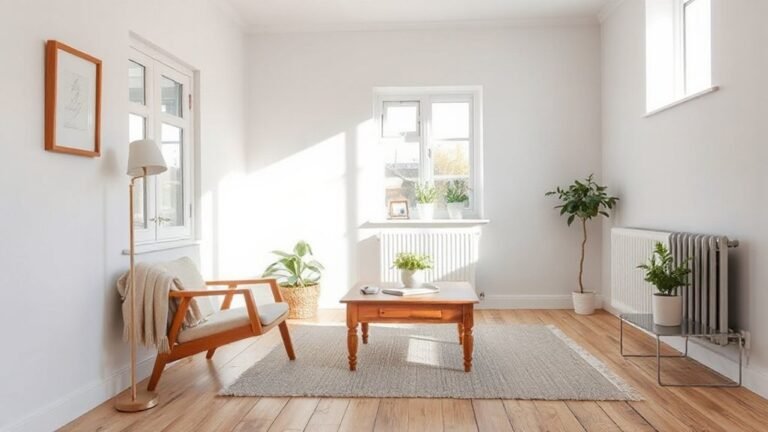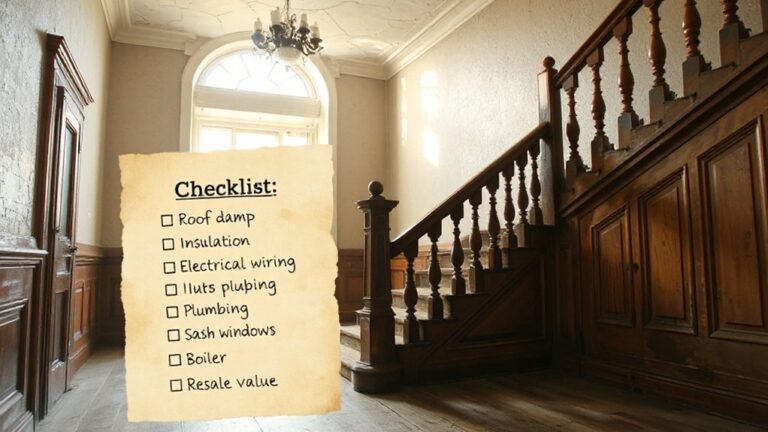
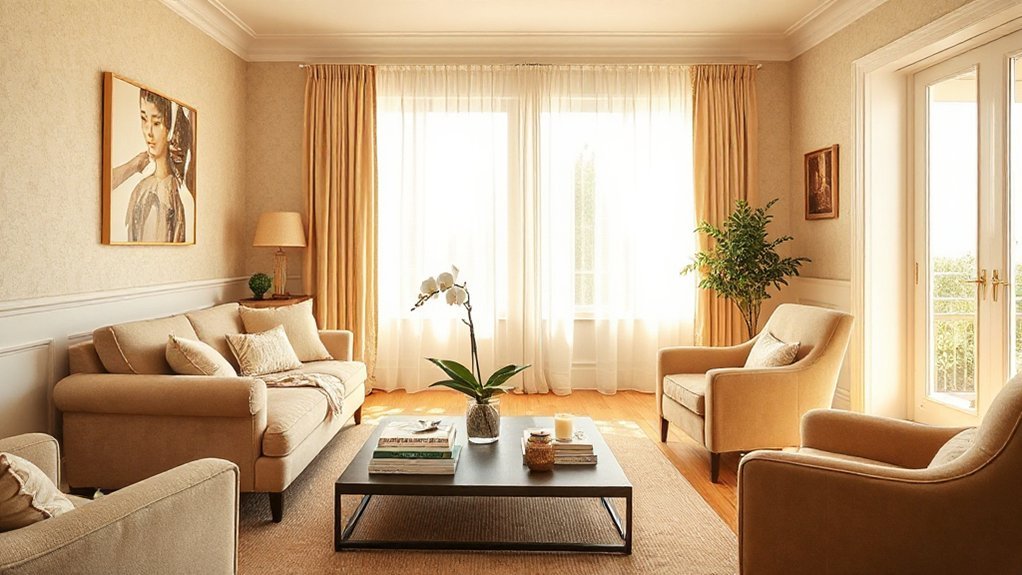
You’ll sell UK homes faster with staging that highlights flow, light, and focal points. Start with a fresh, neutral paint base and declutter to reveal space. Arrange furniture to boost traffic flow, pull sofas off walls, and use low-profile pieces to avoid crowding. Maximize natural light with mirrors and bright accents, then layer warm lighting and cohesive textiles. A polished entrance, tidy paths, and subtle seasonal touches boost curb appeal. Keep momentum with a quick one-hour pre-sale refresh. More practical tweaks await you.
Why Home Staging Matters: Sell Faster and for More
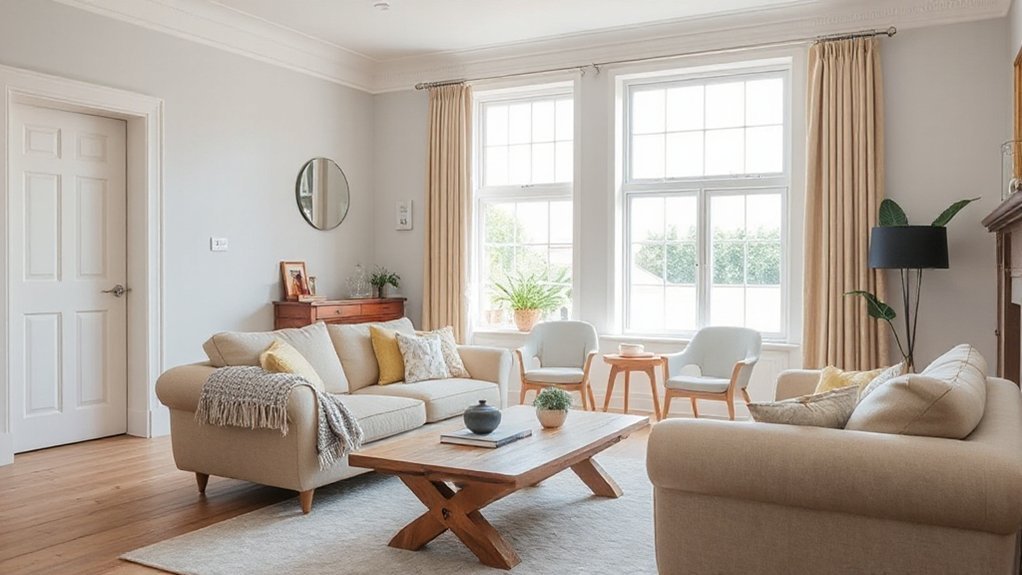
Staging matters because it helps buyers picture themselves in the space. When you stage, you guide the eye to flow, function, and atmosphere, not clutter. You show how rooms work, how natural light lands, and where personal touches can fit without overpowering.
This clarity sharpens emotional appeal—your property feels like a home, not just a listing. You tap into market trends that favor move-in readiness and polished visuals, so photos grab attention and tours feel effortless.
By highlighting focal points, you reduce decision fatigue and speed interest into offers. You orchestrate a balance between warmth and neutrality, ensuring rooms read as spacious yet welcoming.
The result: faster inquiries, stronger bids, and a perceived higher value without changing brickwork or basics.
Budget-Friendly Room Fixes That Move Buyers
Give each room a fresh paint job for an immediate, clean vibe that buyers notice first. Create a fresh look with decluttering to maximize space, then let the light reveal the room’s best angles.
With lighting on point, every corner feels brighter and more inviting.
Fresh Paint, Fresh Look
Want a room that feels new without breaking the bank? A fresh coat can do the heavy lifting. Start with neutral walls as your canvas, then layer deliberate accents to guide mood and flow.
Use color psychology to pick calm tones in bedrooms and crisp, brighter hues in living areas to energize conversations.
Choose paint finish wisely: eggshell or satin hides fingerprints yet reflects light, while matte adds depth in bedrooms.
Prepare surfaces thoroughly—clean, patch, sand, and prime—to avoid patchy patches that steal value.
Apply even coats with steady, overlapping strokes, and don’t skimp on edging; a sharp line sharpens the room’s polish.
Finish with clean trims and minimal hardware to amplify the refreshed, showroom feel.
Declutter For Space
Decluttering instantly widens a space and buys you real buyer traction. You’ll notice rooms feel larger when surfaces are clear and vertical lines are dominant. Prioritise essential items, store extras out of sight, and keep daily-use belongings in closed, uniform containers.
This simple discipline sharpens focal points: seating, art, and architectural features, not cluttered shadows. Use storage solutions that blend with decor—under-bed bins, slim wardrobes, stackable boxes—so you preserve flow without sacrificing function.
When arranging, apply deliberate furniture arrangement: pull sofas away from walls to create a breathable central zone, align tables with sightlines, and leave generous pathways.
Mirror light, not clutter, to amplify perceived space. Finish with cohesive textiles and a neutral palette to sustain the illusion of openness.
Lighting On Point
Good lighting can transform a space fast, and you don’t need a big budget to make it feel brighter and more inviting.
In this Lighting On Point section, you’ll harness natural illumination to highlight assets like large windows, white walls, and polished surfaces. Position lamps to eliminate shadows in corners and at seating levels, not just ceilings.
Use a mix of ambient, task, and accent lighting to create depth, warmth, and flow between rooms. Swap heavy drapes for sheer fabrics to maximize daylight without glare.
Choose bulbs with a neutral to warm color temperature for a welcoming vibe. Keep wiring tidy, cords hidden, and switches accessible.
When you blend natural illumination with well-planned artificial lighting, buyers perceive space as larger, brighter, and more functional.
Lighting and Color Tricks to Maximize Perceived Space
Lighten the room with strategic lighting and color choices that fool the eye into feeling more space. You’ll use ambient illumination to wash ceilings and corners, avoiding harsh shadows that compressness.
Pair soft, even light with cool whites and warm neutrals to expand perception without shouting color. Keep wall tones light and reflectivity high—gloss-free matte on walls, satin for accents—to preserve depth while broadening the field of vision.
Introduce a touch of colour psychology with restrained accents: a single cool-blue accessory or soft sage throw to cue calm openness.
Minimise clutter; let light travel unobstructed. Use mirrors or mirrored surfaces sparingly to double perceived size, ensuring reflections enhance, not overwhelm.
End-to-end, this approach clarifies space, boosts brightness, and strengthens selling potential.
Layout Tweaks That Make Rooms Feel Bigger
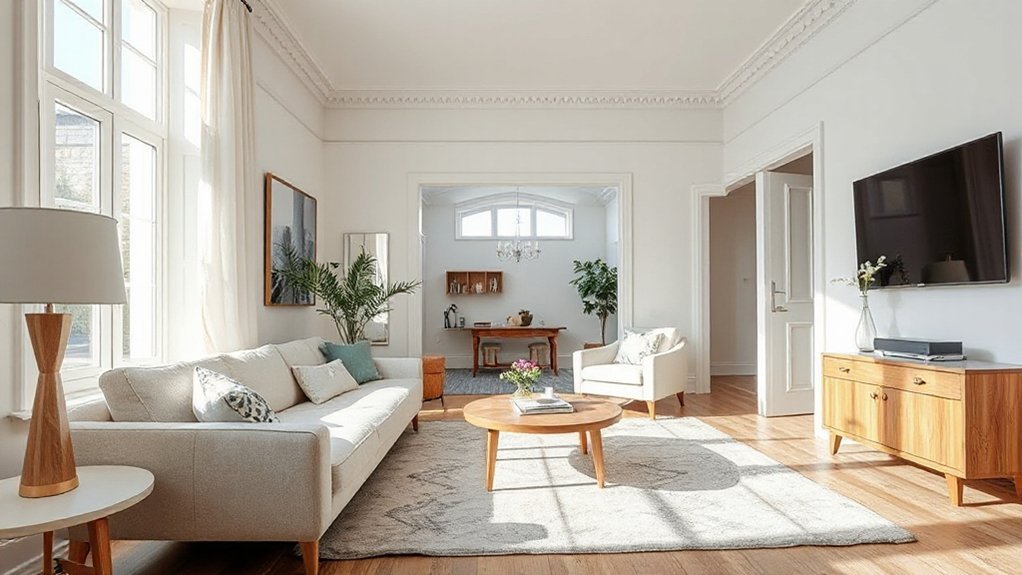
Opt for low-profile sofas and slim consoles that don’t crowd the view, and avoid oversized clutter that traps the eye. Mirror placements amplify light and extend ceilings visually, while floating shelves reduce bulk on walls.
Consider rug scale: a single, cohesive rug anchors zones without breaking the room’s flow. Ceiling height matters too—tone down heavy chandeliers and use recessed lighting to elongate space.
Align artwork and lighting to maintain a continuous eye line, so negative space reads as calm, not empty. This focused layout elevates perceived size and buyer appeal.
Curb Appeal and Entry Psychology for UK Buyers
Curb appeal sets the first impression, and in the UK buyers it often decides whether they’ll look inside at all. You’ll want a neat, inviting entrance that signals quality before a single step is taken.
Focus on entrance design that’s simple, cohesive, and lawn-free at the threshold, with a crisp doormat, accessible lighting, and a splash of seasonal color.
Keep paths clear, walls clean, and the door hardware polished to convey reliability and care.
Fragrance matters too: scent marketing should be subtle, like a fresh, unobtrusive citrus or pine note that’s traceable but not overwhelming, guiding rather than compelling.
Visual cues matter most: symmetry, balance, and a well-framed doorway steer honest curiosity and set positive expectations.
Your 1-Hour Pre-Sale Staging Checklist
With one hour on the clock, you’ll execute a focused, visual-first pre-sale boost: clear the clutter, refresh surfaces, and stage key focal points so potential buyers instantly see value.
You begin with a quick declutter sweep—hang coats, stow shoes, and remove personal items.
Next, wipe down counters, polish glass, and refresh lighting to brighten rooms.
Prioritize a strong living-room focal: a tidy seating arrangement, a single statement piece, and balanced symmetry.
In the kitchen, debut sparkling surfaces and highlighted upgrades.
In bedrooms, simple bedding and coordinated tones create calm.
Add Virtual staging where needed to convey space and function without heavy investment.
Finally, swap in Seasonal decor for warmth and approachability, avoiding over-styling while keeping rooms inviting and believable.
Frequently Asked Questions
Do I Need a Professional Stager for UK Homes?
No, you don’t necessarily need a pro stager. You can tackle DIY tips, focusing on space, light, and decluttering. Consider budget considerations, prioritize high-impact fixes, and showcase visual appeal to attract buyers quickly.
How Long Does Home Staging Typically Take in the UK?
Staging takes as little as a weekend to a few weeks, depending on scope. You should plan with DIY techniques, swift decluttering, and budget considerations, so you visualize scenes quickly while you transform rooms with practical, budget-friendly tweaks.
Will Staging Increase My Property’s Market Value in the UK?
Staging can improve market perception and boost property aesthetics, potentially raising value. You’ll see contrast between cluttered, lifeless spaces and vibrant, inviting rooms; this juxtaposition persuades buyers that your home feels more valuable and desirable.
Which Uk-Specific Regulations Affect Staged Properties?
You’ll need to take into account Planning permissions and Fire safety regulations. Make certain staging doesn’t require unauthorized alterations, complies with fire doors, detectors, and escape routes, and avoids blocking exits; check listed buildings or conservation areas for additional constraints and approvals.
Can Virtual Staging Be as Effective as Physical Staging?
Yes, virtual staging can be as effective, you just lean into digital transformation and smart furniture rental to showcase layouts; it’s visual, compelling, and scalable, but you must maintain realism to avoid mislead and preserve trust.
Conclusion
You’re steps from a quicker sale, so stage with purpose: declutter, refresh, and spotlight lighting that widens spaces, not crowds them. Use neutral tones, clean lines, and a single focal point to guide buyers’ eyes. Tidy curb appeal first, then perfect the entry—they’ll feel invited, not overwhelmed. Picture the rooms as polished showpieces, every square foot counted. Remember: the right staging pays for itself—like a well-timed time machine, hopping you from “maybe” to “sold.”
About the Author