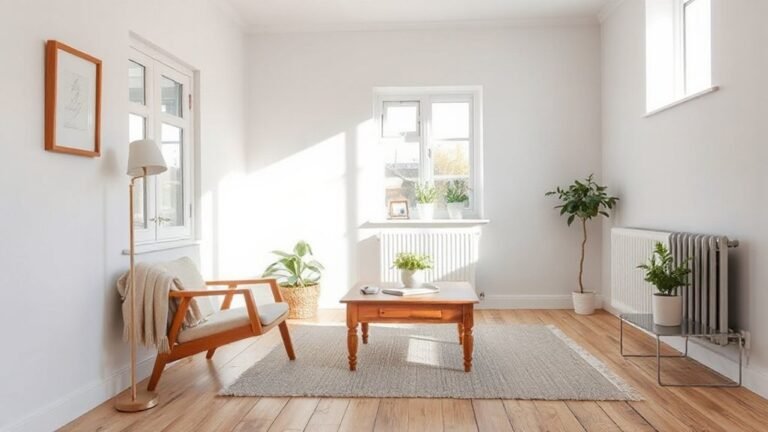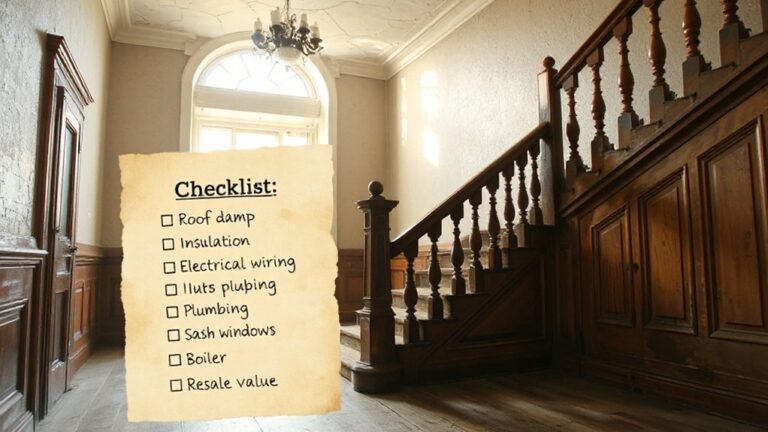
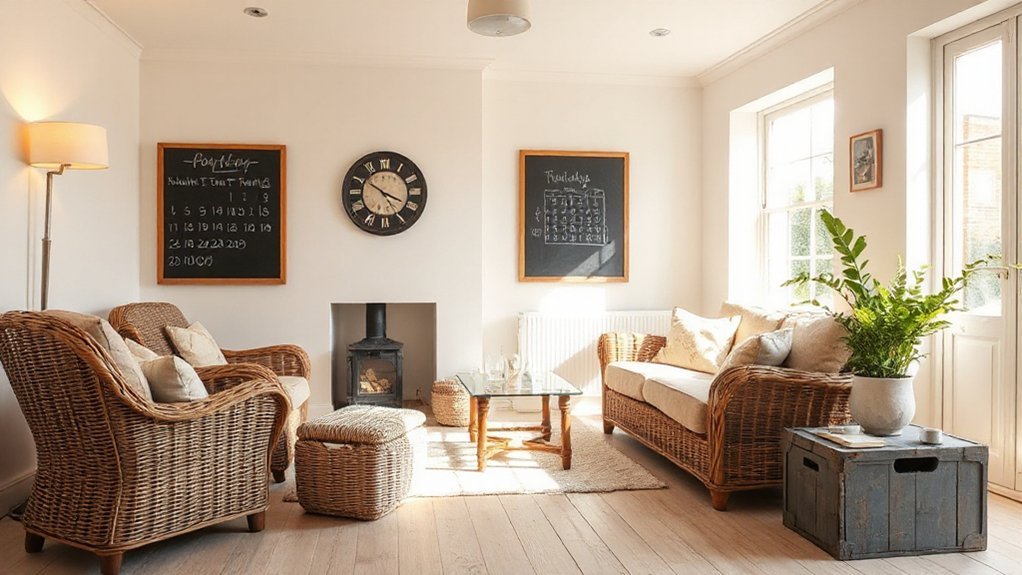
Start with a realistic budget and a bottom-up plan that covers safety, structure, and key upgrades, plus a 10–15% contingency. Prioritize high-impact tasks and use a phased approach to reduce downtime and fees. Source smartly with bulk buys, price-matching, and early discounts, while exploring local bargains and salvage for character-filled finds. Tackle kitchen and bathroom updates efficiently, refresh finishes with cohesive colors, and add quick wins like better insulation and drafts sealing. There’s more you can implement if you keep going.
What Budget-Friendly Renovation Means for UK First-Time Buyers
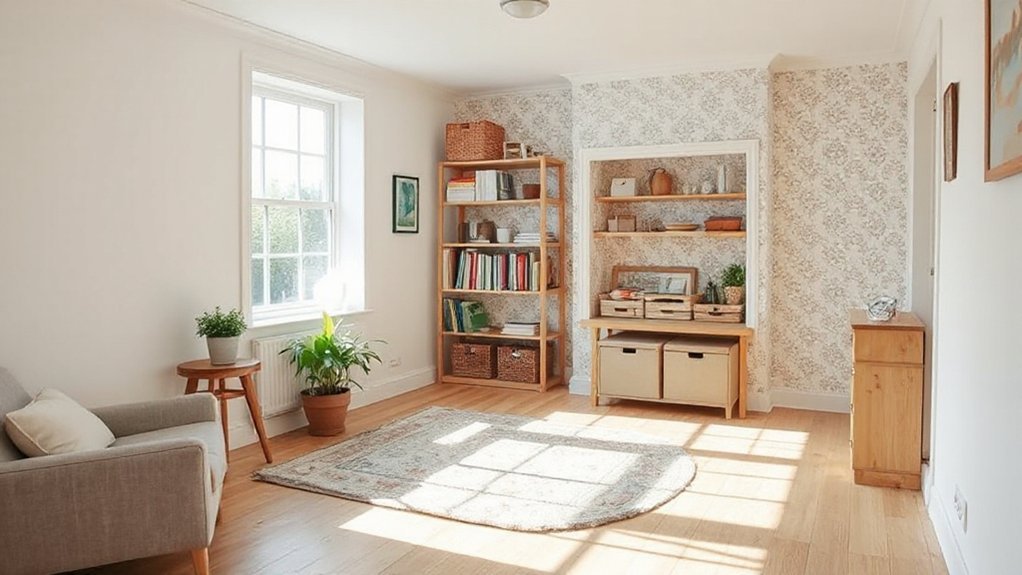
For UK first-time buyers, budget-friendly renovation means prioritising essential upgrades that boost value without overspending. You start with durable essentials: flooring, damp prevention, noise reduction, and reliable heating efficiency.
Prioritise fixes that improve comfort and resale appeal, not cosmetic excess. When you plan, compare costs against long-term savings—energy-efficient appliances, insulation, and modern controls offer measurable returns.
Consider mid-range fixtures that look polished but aren’t over-specified; you’ll still access higher quality than basic. If you pursue upgrades, integrate luxury upgrades only where they support function and visibility, avoiding distraction from core improvements.
Where aesthetics matter, choose high end materials in protected areas or key focal points to elevate perception without inflating overall budget.
Balance practicality with value, ensuring lasting performance and appeal.
Plan First: Set a Realistic Renovation Budget
Set a realistic renovation budget by starting with a clear, bottom-up plan: list must-have fixes that affect safety, comfort, and resale value. Then add mid-range upgrades that improve appeal without ballooning costs.
You’ll anchor your plan in honest estimates for labour, materials, and contingencies, not wishful thinking.
Begin with a realistic budget planning process: identify essential safety fixes, stable structural work, and fundamental utilities first.
Next, map mid-range renovations that lift vibe and usability without overspending.
Create a renovation timeline that sequences tasks to minimise downtime and contractor fees, then build in a 10–15% contingency for surprises.
Track changes in scope promptly to prevent drift.
Regularly review progress against the budget and timeline, adjusting commitments as needed to keep the project on track and financially safe.
Prioritize the Kitchen: High-Impact Updates on a Budget
If you’re prioritizing the kitchen, focus on high-impact updates that deliver noticeable value without wrecking your budget. Choose appliance upgrades that boost efficiency and resale appeal, like a reliable fridge, energy-saving dishwasher, or a compact induction hob.
Prioritize throughput; install smart storage, pull-out drawers, and under-cabinet lighting to simplify daily tasks.
Reface or repaint cabinets, replace failing laminate, and install a durable, affordable worktop to refresh the space without a full remodel. Maintain a cohesive color scheme and durable finishes to minimize maintenance costs over time.
Consider garden landscaping as a value enhancer visible from the kitchen—trellised herbs, planters, and a small seating area extend living space.
Plan with a strict budget, document costs, and avoid unnecessary structural changes.
Refresh the Bathroom Without a Full Remodel
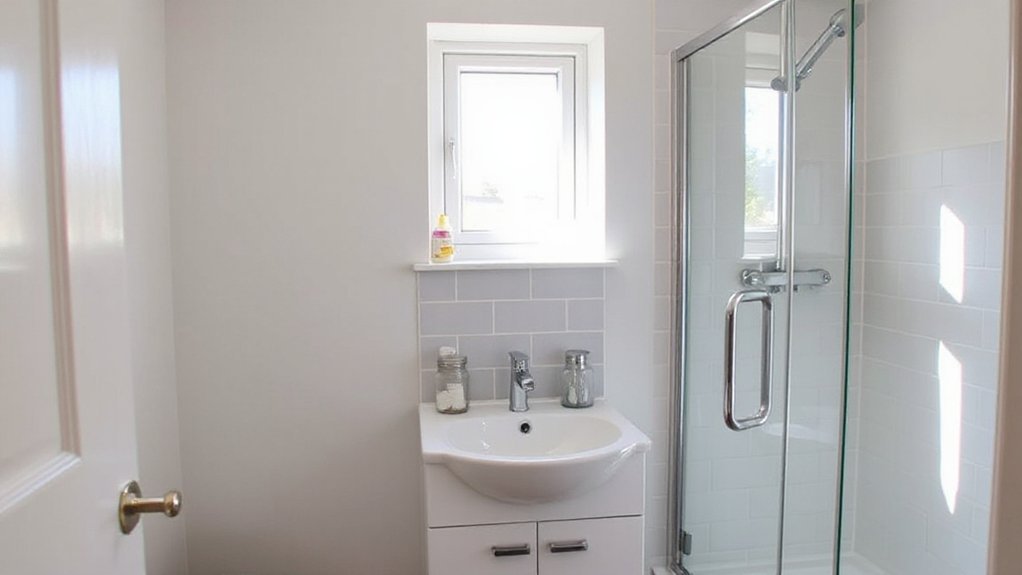
Renovating on a budget doesn’t require a full bathroom remodel; you can refresh effectively with targeted, low-cost updates. Begin with bathroom accessories that lift the look without major work: new taps, a matte-finish showerhead, and coordinating shelving or baskets. Focus on hardware finishes that match your fixtures to create a cohesive feel.
Update lighting with a bright, energy-efficient fixture to enhance clarity and perceived space. Repaint vanity doors and walls in a fresh, moisture-resistant enamel to transform surfaces without demolition. Replace inexpensive items like a new mirror, towel rail, and soap dispenser to sharpen detail.
Plan a realistic renovation timeline, sequencing tasks to minimize downtime and costs. Track purchases and delivery dates to avoid delays and budget overruns.
Open Up: Simple Layout Tweaks That Add Value
Opening your space with open-plan tweaks can boost flow and perceived space without a full overhaul. Prioritize combining living and dining zones, use subtle partitions to guide movement, and maximize natural light to enhance value.
Focus on cost-efficient changes that improve everyday usability—think wider door access, daylight and sightline improvements, and practical, budget-friendly partitions.
Open Plan Benefits
What’re the real benefits of an open plan layout for first-time buyers on a budget? You’ll gain flexible space for living, dining, and cooking without walls that partition you. An open plan enhances perceived size, improving natural circulation and making a small home feel larger with minimal investment.
You can adapt zones with affordable furniture, rugs, and lighting rather than costly structural changes. Practical gains include easier wiring and plumbing reroutes during renovations, faster debris control, and simpler future reconfigurations if needs shift.
Maintainpliance hinges on layout efficiency: place the kitchen near dining for flow, keep traffic paths clear, and consider budget-conscious fixes like draught-proofing and insulation. Also plan garden landscaping and energy efficiency improvements to extend value.
Natural Light Maximized
Maximize natural light quickly with simple layout tweaks that don’t break the bank. You’ll boost brightness by reorienting furniture to face windows and removing bulky obstructions from key sightlines. Use mirror placement opposite windows to reflect daylight deeper into rooms, enhancing perceived space without adding fixtures.
Install light-coloured finishes and ultra-thin curtains to minimize absorption, preserving a clean, airy feel. Prioritize open sightlines between living areas and kitchens to leverage daylight harvesting. Consider a single, central console instead of tall cabinets that block light.
Choose energy-efficient bulbs that mimic daylight for consistency. For rigidity, mount adjustable skylight blinds and seal gaps around frames to reduce heat loss. These steps deliver Natural light gains while staying within budget and scope.
Flow-Enhancing Partitions
Smart room flow starts with affordable partitions that don’t trap light or bust your budget. Flow-Enhancing Partitions help you redefine spaces without costly extensions.
You’ll use creative partitions to segment living zones, preserving openness while adding functional nooks for work, dining, or storage. Opt for low-profile screens or lightweight panels that align with existing finishes, so you don’t overpower the room.
Decorative dividers can provide visual interest and privacy in compact layouts, yet they remain breathable to keep sightlines clear. Choose adjustable or modular options for flexibility as furniture arrangements evolve.
Prioritize materials with consistent wear and easy maintenance, like plywood, MDF, or framed lattice, and guarantee edges and corners are safety-friendly for households with kids or pets.
Budget-conscious, space-smart, value-focused.
Affordable Floor Solutions That Look Premium
Budget-friendly flooring that still feels premium can be achieved with a few smart choices. You’ll opt for durable, low-maintenance options that resist wear and look refined in everyday British living spaces.
Start with vinyl planks that mimic oak or stone; choose micro-bevel edges and matte finishes for realism, budget-friendly fashion with high perceived value. Consider petrol- or water-based polyurethane coatings for longevity without harsh solvents.
For a greener profile, prefer eco-friendly materials such as responsibly sourced bamboo or recycled-content flooring, paired with underlay that improves sound insulation and warmth.
Balance cost by selecting standard widths and avoiding premium patterns. Finish with a coordinated skirting and precise boundary to rooms, ensuring a seamless, premium feel.
Aim for neutral tones to maximize resale appeal and ease future updates.
Wall Treatments That Transform Rooms Fast
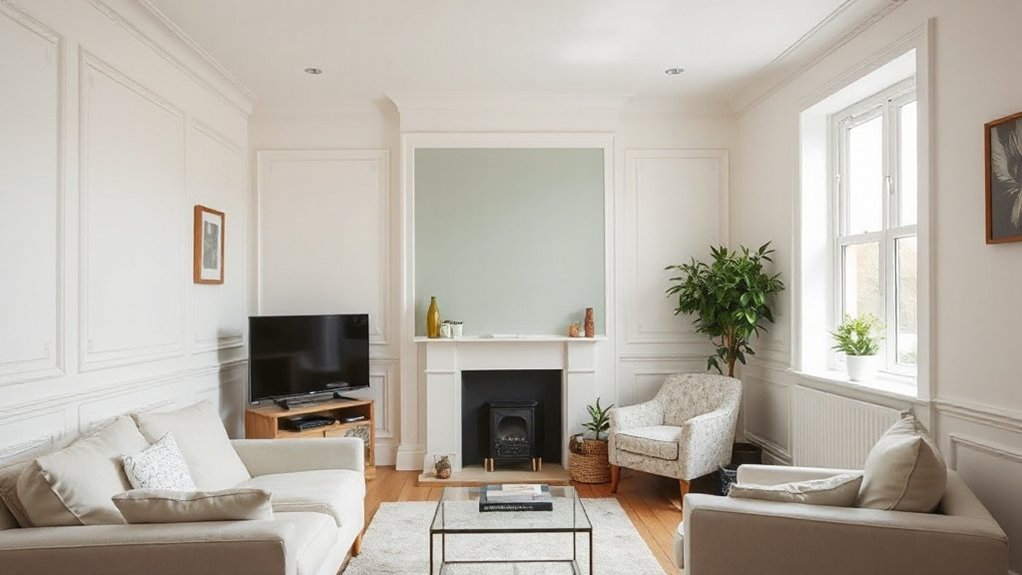
Wall treatments can transform a room fast by adding texture, color, and depth without a full remodel. You’ll get noticeable impact with smart choices that respect a budget. Focus on practical, repeatable methods, avoiding costly changes. Use wall textures and paint techniques to create focal points, reduce perceived size, and hide imperfections.
- Fabric panels or textured wallpaper on accent walls for instant warmth and depth.
- Lightly sponged or rag-rolled paint techniques to add subtle variation without full repaint.
- DIY board-and-batten or simple beadboard for architectural interest.
- Wide-gauge frosted vinyl or contact paper accents to conceal flaws while staying affordable.
Cohesive Color: Smart Paint Strategies for UK Homes
Color cohesion starts with a single palette you can trust across living spaces, ceilings, trims, and floors. You pick a main hue, then cycle supporting tones for walls, accents, and ceilings to minimize mismatches and repaint needs.
Use neutral base shades to maximize lighting and furniture flexibility, then add color psychology cues with measured contrast—calming blues in bedrooms, energetic yellows in kitchens, and grounding greens in living rooms.
Keep color blocks large and uniform to reduce visual clutter and improve resale appeal. Prioritize durable finishes in high-traffic zones; choose eggshell or satin for walls and washable matte in bathrooms.
Plan your order of operation to limit touch-ups, and test large samples under natural light. Remember, paint durability matters as much as mood when budgeting for renovations.
Practical Heating Upgrades That Don’t Break the Bank
If you’re upgrading your heating without blowing the budget, start with smart, low-cost choices that cut long-term costs. You’ll prefer practical upgrades with clear savings, not hype. Focus on efficiency and measured payback, using precise terminology and budget awareness.
- Install Smart thermostats to regulate daily heat, learn your patterns, and reduce fuel use.
- Improve insulation upgrades in key areas (loft, walls, pipes) to minimize heat loss and stabilize temperatures.
- Seal air leaks with door weatherstrips and draft excluders to lower unnecessary ventilation losses.
- Prioritize boiler service and radiator balancing to optimize existing performance before newer systems.
Kitchen Refresh: Fittings, Surfaces, and Fixings on a Budget
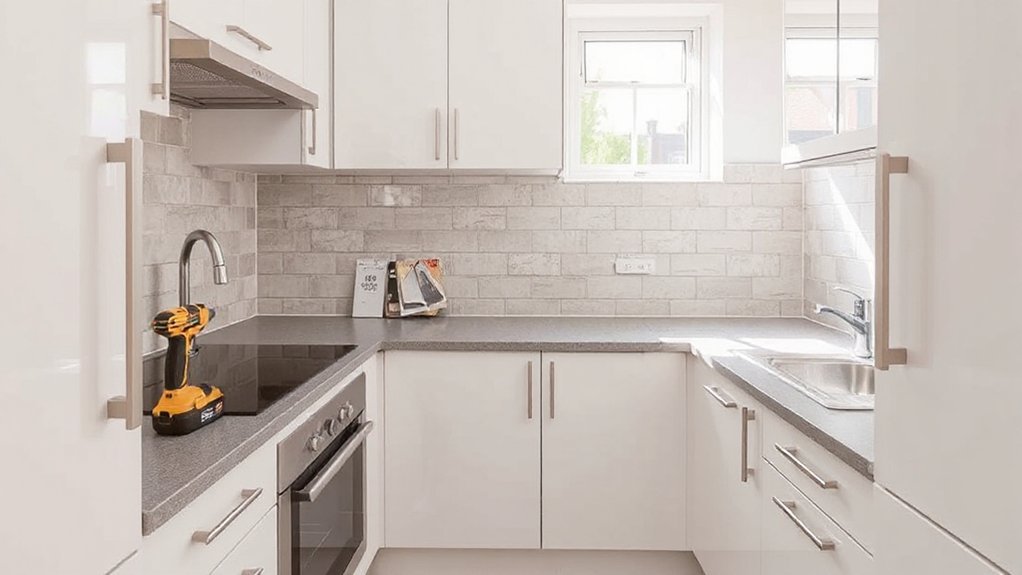
You can start with cabinet makeovers on a budget to refresh your kitchen without a full refit.
Pair that with affordable countertop and surface upgrades to upgrade durability and style without overspending.
This approach keeps fittings, surfaces, and fixings practical, budget-conscious, and high-impact for first-time UK buyers.
Cabinet Makeovers On A Budget
Upgrades to existing kitchen cabinets can dramatically refresh a space without a full remodel, and you can get solid results on a tight budget by focusing on key details. You’ll maximize impact with tight scope: swap fittings, refresh interiors, and reface doors to cut costs while maintaining function.
Use creative storage ideas inside frames, and choose hardware that reduces friction during daily use. Prioritize durable, eco-friendly materials where possible to stretch value over time.
1) Replace hinges and drawer slides with steel options for smooth operation
2) Reface or paint cabinet doors; add soft-clack closures
3) Install slim, adjustable shelves to boost storage density
4) Use affordable, sustainable liners and organizers for tidy interiors
Countertops And Surfaces Upgrades
Countertop upgrades can transform a kitchen without a full reno, so focus on cost-effective choices that boost durability and daily usability. You’ll prioritise surface durability and practical maintenance, selecting countertop materials that survive family use and occasional spills.
For budget-friendly options, consider laminates with high wear ratings, solid surface alternatives, or quartz blends that mimic stone without the price tag. Avoid high-maintenance finishes that demand specialist care; choose non-porous, scratch-resistant surfaces with sealed edges for longevity.
Plan edge profiles for everyday use—eased or bullnose edges reduce chips and bumps. Reinforce with a quality cutlery groove and a robust splash around the work zone to protect walls.
Pair surfaces with matching, inexpensive underpinning options like compatible sink cutouts and moisture-resistant sealants to extend lifespan.
Budget-Friendly Bathroom Updates: Refinish, Rehome, Replace
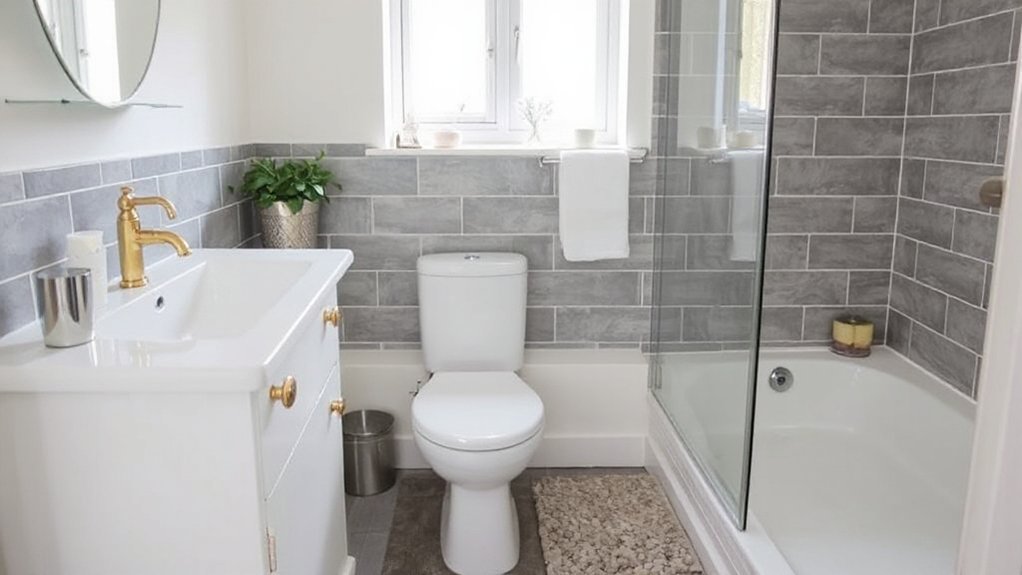
If you’re updating a budget-friendly bathroom, start by choosing between refinish, rehome, or replace based on condition and cost. You’ll maximize value by matching approach to wear, plumbing, and long-term needs, with an eye on eco friendly materials and smart appliance upgrades where possible.
- Refinish existing fixtures with durable, water-safe coatings to cut costs and extend life.
- Rehome components by swapping old units for second-hand or recycled options in good condition.
- Replace high-wear items (tiles, tub, vanity) selectively, prioritizing water-efficiency and lead-time.
- Integrate smart appliance upgrades (low-flow toilets, sensor taps) to reduce ongoing bills.
Focus on minimal disruption, easy compatibility, and budget tracking to avoid overruns.
Lighting on a Budget: Brighten Rooms and Improve Mood
You’ll brighten rooms on a budget with practical lighting choices that maximize impact without costing a fortune.
Opt for mood-boosting options like warm LEDs, layered lighting, and dimmable switches to tailor ambiance.
We’ll focus on cost-effective strategies that lift mood and efficiency while staying within UK-friendly budgets.
Brighten Rooms On A Budget
Ever wondered how to make a dim room feel brighter without blowing your budget? You can raise light levels with smart choices that don’t strain your wallet.
Use high-reflectance paint in pale tones, swap heavy drapes for sheer liners, and position mirrors opposite windows to bounce natural light.
Add energy-efficient LEDs with warm white output to maintain coziness while boosting luminance.
Introduce decorative accessories that reflect light, like glass, metallics, or glossy ceramics, to amplify brightness without clutter.
Ground your plan with practical layout tweaks rather than expensive fixtures, and consider outdoor landscaping as a contributing factor by ensuring entryways are well-lit and inviting.
- High-reflectance paint and lighter fabrics
- Strategic mirror placement
- LED upgrades with warm white
- Light-boosting decor accents and outdoor lighting
This keeps a budget-focused, precise approach.
Mood Boosting Light Choices
Mood-boosting lighting doesn’t have to drain your budget. You’ll maximize impact by selecting adjustable, cool-to-warm white bulbs (2700–4000K) and dimmers in living spaces and bedrooms to create flexible lighting ambiance.
Prioritize high-CRI LEDs (≥80) for true color, and choose 8–12W equivalents per fixture to keep running costs low.
Use layered lighting: a bright ceiling light for task moments, plus table or floor lamps to add mood lighting when relaxing.
Opt for plug-in wall sconces or clip-on LEDs for easy reconfiguration without rewiring.
Calibrate lighting zones to activities—study, cook, unwind—to maintain consistency across rooms.
Consider energy labels and smart plugs to automate schedules, enhancing mood while maintaining budget discipline.
Efficient, adjustable lighting supports mood and practicality on a tight UK budget.
Flooring Substitutes Under £200 per Room
If you’re renovating on a tight budget, consider flooring substitutes under £200 per room that still look durable and appeal. You’ll find options that meet budget ceilings without sacrificing function or style, so you stay practical and purposeful.
1) Peel-and-stick vinyl tiles: quick install, water-resistant, and a clean finish in busy areas.
2) Laminate flooring: realistic timber look, sturdy wear layer, easy maintenance, and affordable.
3) Luxury vinyl plank (LVP) sheets: durable, moisture tolerant, and better long-term value than carpet.
4) Engineered wood offcuts or high-pressure laminate: cost-conscious composite alternatives with credible warmth.
Note: prioritize durable wear layers, underlayment quality, and accurate room measurements to minimise waste and maximize flooring options within your budget.
Smart Sourcing: Best UK Deals for Renovation Materials
Smart material sourcing means tallying upfront costs, lead times, and reliability across suppliers to keep projects on budget.
Look for budget-friendly supply chains that offer bulk discounts, price-matched quotes, and clear return policies.
Scan local bargains for reclaimed or surplus materials that meet standards without inflating costs.
Smart Material Sourcing
- Compare total costs across suppliers
- Leverage bulk or off-peak discounts
- Check warranties and return policies
- Track price changes and avoid waste
Budget-Friendly Supply Chains
Could you save more by smart sourcing? You’ll tighten costs by mapping the full supply chain, not just the price tag. Prioritize reliability over novelty: confirm supplier capacity, lead times, and stock buffers before committing.
Build a shared calendar with realistic milestones to absorb delays and avoid rush fees. When possible, diversify sources to mitigate single points of failure and negotiate bulk or early-payment discounts for materials you’ll reuse across rooms.
Track freight routes and transit insurance to minimize surprises from disruptions. Document grading, warranties, and return policies to reduce post-purchase waste.
Be proactive about alternative finishes or compatible substitutes that meet spec without inflating budgets. Stay vigilant for material sourcing challenges and adjust plans before execution.
Local Bargain Finds
Where can you snag real bargains without sacrificing quality? Local Bargain Finds helps you stretch budgets by targeting value-driven sources. You’ll balance price with durability, seeking sources that deliver steady performance without fluff. Focus on practical choices that fit tight timelines and renovation milestones, avoiding trend-driven overpay. Prioritize items with proven wear resistance, local availability, and straightforward returns.
- Local artisans: commission minor fittings or reproductions, often cheaper than mainstream brands, with customizable finishes.
- Vintage treasures: salvage outlets and reclaimed materials offer character at a fraction of new costs, plus unique textures.
- Warehouse clearances: end-of-line batches, seconds, or discontinued colors—inspect for flaws and plan replacements.
- Community swaps: online groups or local markets for surplus slabs, doors, or hardware at steep discounts.
Leverage these channels to minimize waste and maximize value per square foot.
DIY Projects With Big ROI for First-Timers
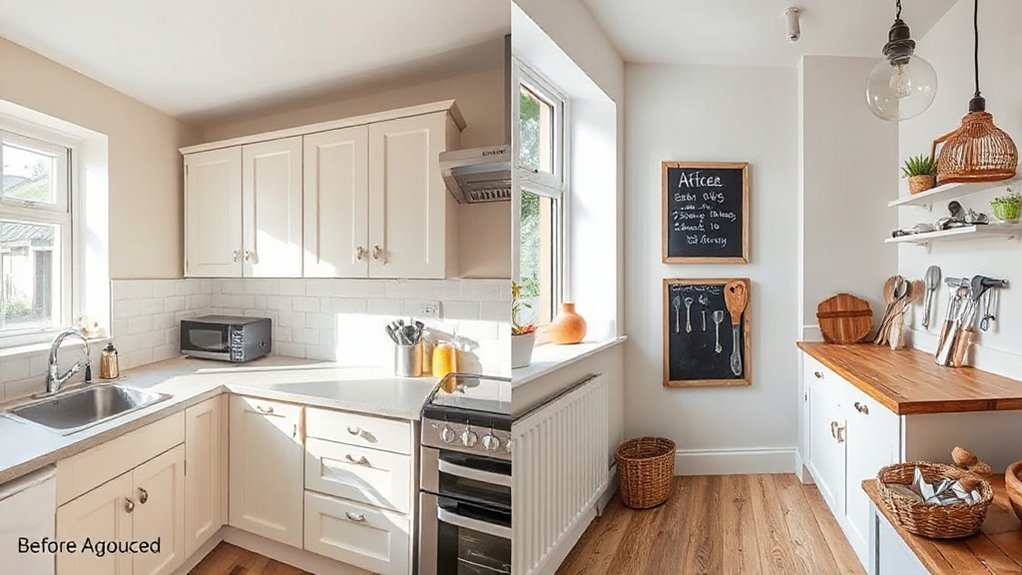
If you’re aiming to maximize value on a tight budget, start with high-ROI DIY projects that boost appeal and functionality without breaking the bank. Prioritize room-to-room improvements that deliver tangible returns, such as updating fixtures, painting walls in neutral tones, and decluttering for a refreshed feel.
Focus on surfaces that buyers notice first: kitchens and bathrooms benefit from new hardware, cost-effective cabinetry updates, and clean, bright finishes. For outdoor impact, invest in durable decking, low-maintenance planting, and tidy landscaping; gardening tips emphasize curb appeal without overcapitalizing.
When selecting furniture, pursue furniture selection with a pragmatic eye—threaded with modular pieces, multi-purpose storage, and quality-but-affordable finishes. Plan projects by cost-per-value, sequencing tasks to avoid rework and maximize perceived space.
Aim for cohesive, durable results that endure buyer scrutiny.
Quick Fixes: Drafts, Damp, and Insulation Small Wins
Drafts, damp, and insulation may seem mundane, but they’re fast, high-impact wins that keep your budget intact. You’ll tighten comfort and curb energy waste without heavy quoting or disruption.
1) Seal drafts with tight-fitting door sweeps and weatherstripping, focusing on living spaces and entrances.
2) Treat condensation by improving ventilation: use extractor fans, run a short daily high-ventilation cycle, and clear lint from vents.
3) Target insulation gaps in lofts, walls, and floorboards; prioritize loft insulation and cavity walls where feasible.
4) Verify fillings and sealants in gaps around windows and pipes, choosing durable, UK-suitable products.
Stay practical: avoid DIY pitfalls like over-tightening or incorrect materials. Debunk renovation myths about instant results—small wins compound.
Budget Management: Create a Realistic Renovation Plan
Creating a realistic renovation plan starts with a clear budget and a practical timeline. You’ll map costs by room, prioritise essential fixes, and allocate a contingency of 10–15%. Start with a detailed bill of quantities, securing quotes from trusted trades, and verify inclusions for labour, materials, and VAT.
Establish a milestone calendar tied to payment schedules, avoiding late fees and supply delays. Track energy efficiency upgrades early—insulation, efficient boilers, and low-energy lighting—to influence later decisions and long-term savings.
When budgeting, separately price home security improvements, such as door/FM fascia upgrades, smart locks, and alarm systems, and incorporate installation windows.
Revisit the plan weekly, adjusting for price changes and supply lead times, and document scope creep to protect your target finish date and total spend.
Frequently Asked Questions
How Can I Avoid Common Budget Traps in UK Renovations?
Avoid common budget traps by planning upfront, auditing costs, and negotiating timelines; you’ll choose cost effective design options and sustainable materials that deliver long-term value. Prioritize essential updates, track expenses, and avoid scope creep to stay on budget.
What Grants or Loans Help First-Time Buyers in the UK?
You can tap into government schemes and loan options, such as Help to Buy and shared ownership, to fund your purchase. Coincidence: charts align, showing savings targets. You’ll plan carefully, compare schemes, and lock in affordable, practical funding.
Which Trades Are Worth DIY Versus Hiring for Savings?
You should DIY only for finishing tasks and light carpentry, not structural work; hire pros for electrical and plumbing. Prioritize DIY safety, use proper tool selection, and budget your time to maximize savings while minimizing risks.
How Do I Estimate Unexpected Costs During Renovations?
You’ll estimate unexpected costs by building a contingency plan with a 10–20% buffer, tracking potential overruns, and setting milestones. Use historical quotes, inspect for hidden issues, and document changes to manage unexpected expenses and contingency planning effectively.
Are There Tax Considerations for Renovators in the UK?
Sure, here you go: Dramatically, yes—tax incentives exist for UK renovators, but you must qualify. You could reduce Renovation taxes by using eligible allowances, submitting timely claims, and tracking receipts; plan budgets, document costs, and consult a qualified advisor.
Conclusion
You can make meaningful gains without blowing your budget. Start with a concrete plan, then tackle high-ROI tweaks—kitchen updates, fresh bathrooms, and smart insulation. Track every pound and chase tight deals to stretch your money further. One compelling stat: UK first-timers spend roughly 20–30% of their home’s value on initial renovations, so prioritise value-for-money upgrades. By budgeting, sourcing smartly, and DIY where feasible, you’ll boost comfort and resale potential without overspending.
About the Author