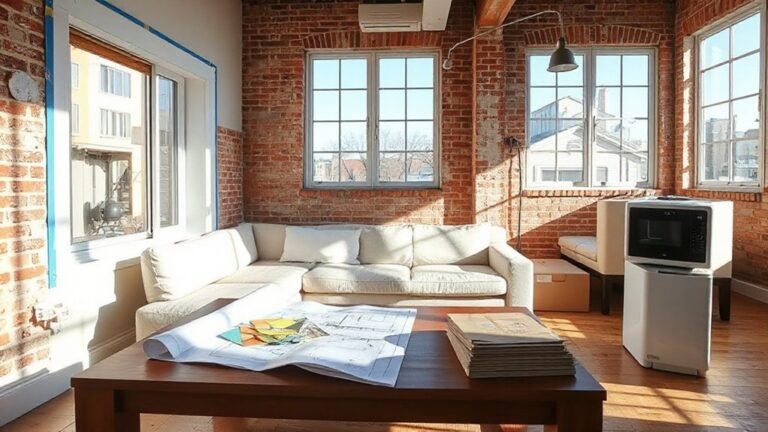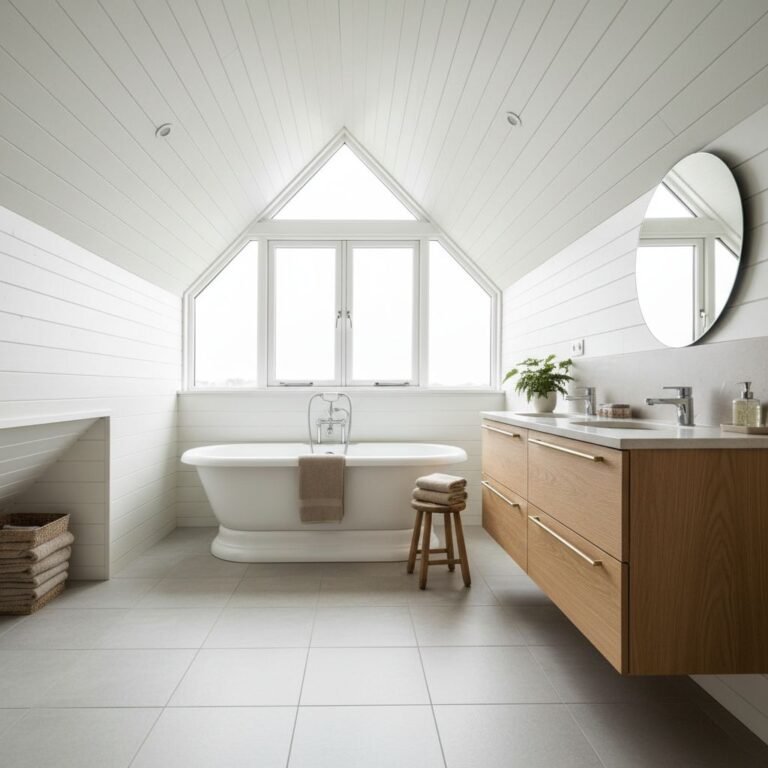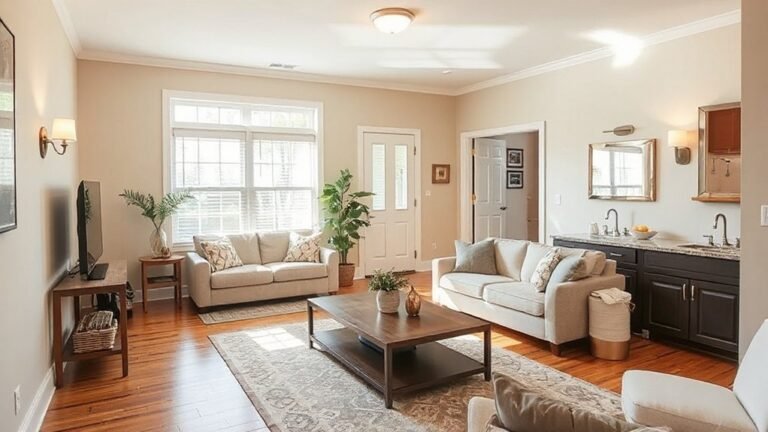
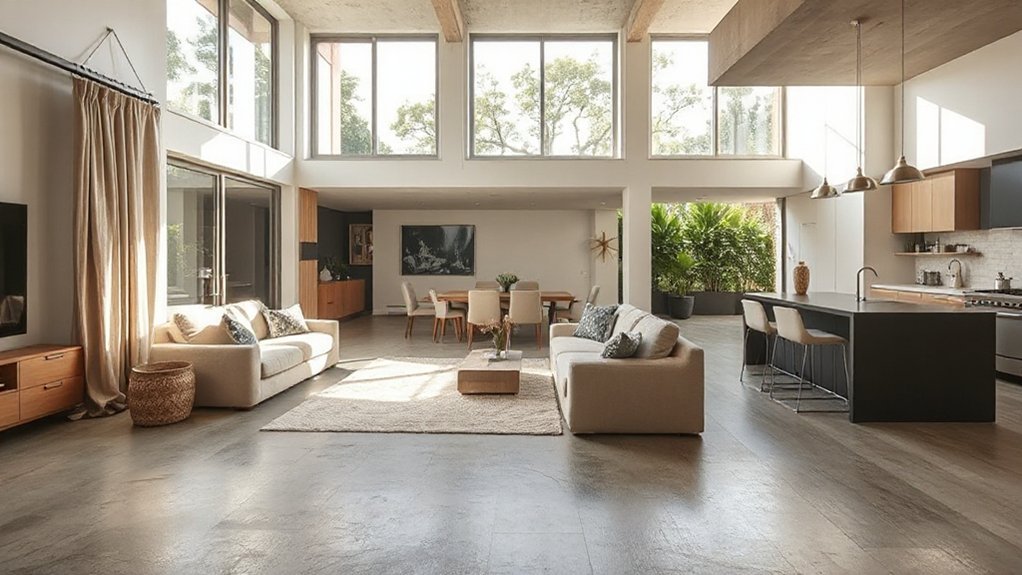
A growing family can see an open plan become a social hub, while a remote worker might struggle with background noise in the same space. You’ll weigh light, flow, and privacy in real life, not just design trends. The question isn’t which is best, but which fits your rhythms: collaboration vs. focus, shared meals vs. quiet corners. Keep going to find the framework that makes either layout practical, not just stylish.
Key Takeaways
- Open-plan excels for collaboration and light but can worsen noise, privacy, and clutter without acoustic treatments and defined zones.
- Broken-plan balances openness with designated areas using furniture and screens, aiding focus while preserving sociability.
- Effective layouts depend on daily rhythms: pair quiet zones for work with social zones for gatherings, using clear sightlines and flow.
- Hybrid strategies with subtle zone cues and flexible furniture support varied activities without rigid separation.
- Regular reviews after initial use help optimize zone sizes, flow, and privacy, ensuring the chosen approach adapts to real patterns.
Identify Your Daily Rhythms: Key Criteria for Layout Choice
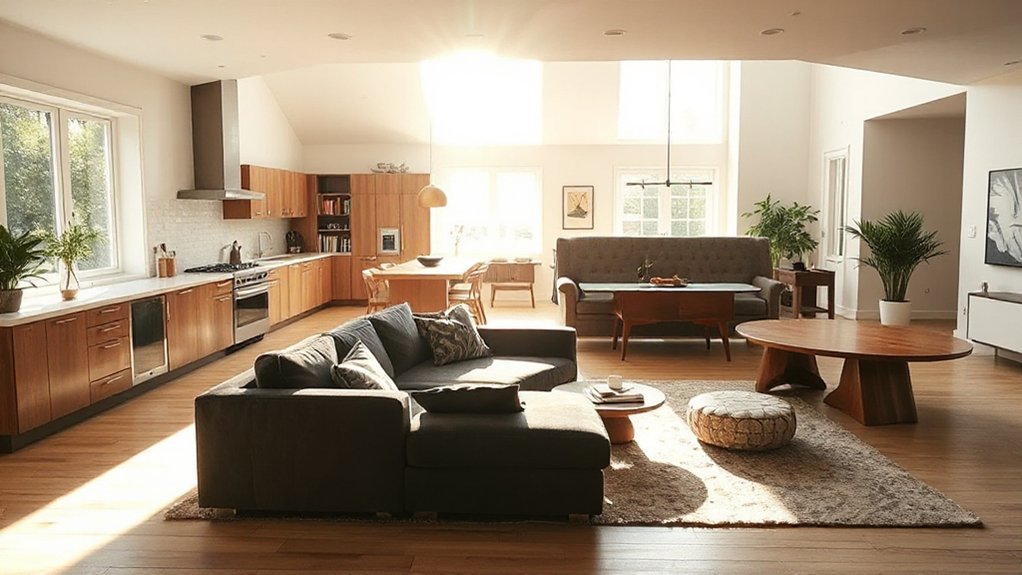
To pick the right layout, start by mapping your daily rhythms: when you need focus, when you’re entertaining, and when you’re juggling chores. You’ll translate those patterns into practical layout criteria.
Identify peak focus hours and choose quiet zones; designate social zones for visits and shared meals; and mark high-traffic times when movement between tasks matters most.
Consider decorating styles you actually enjoy, not just what’s trending, and guarantee furniture arrangement supports those flows.
For focus, prioritize minimal visual clutter and accessible surfaces; for entertaining, create clear sightlines and easy service paths; for chores, locate the washer, dryer, and supplies within a dedicated pocket.
This precise alignment boosts efficiency, comfort, and long‑term satisfaction in open or broken plans.
Open‑Plan Pros and Cons: Real‑World Tradeoffs
Open-plan layouts trade openness for noise and disruption, so it helps to weigh real-world tradeoffs you’ll actually encounter. You’ll notice how flow improves collaboration and light, but conversations drift, and privacy feels limited. Planning becomes essential to minimize visual clutter and echoing sounds, shaping furniture placement and zoning.
- Privacy concerns quietly persist even when rooms are open
- Acoustic treatments and soft furnishings influence comfort and focus
- Aesthetic considerations drive cohesive materials, colors, and lines
- Daily routines benefit from flexible sightlines and task zones
In practice, you balance sociability with boundaries, yes, but you’ll still value built-in storage, quiet corners, and controllable lighting. The trend favors open sight, not open silence, so plan for adaptable privacy options and design cohesion.
Broken‑Plan Essentials: Zoning Without Isolation
Broken-plan layouts carve clear zones without sealing off spaces, giving you defined function while preserving sightlines and airflow. You’ll structure spaces with deliberate furniture arrangement that creates gentle boundaries—so you get distinct uses without wall-induced separation.
Prioritize visual continuity by selecting low-profile furniture, open shelving, or rugs that anchor zones yet keep lines unbroken. Lighting control becomes a practical spine: layer ambient, task, and accent light to sculpt mood and function by zone, not room.
Use dimmers and smart bulbs to shift atmosphere as you move through activities. Material and color progression should feel cohesive, not disjointed, so you maintain flow.
In practice, test layouts in three configurations, then lock in the one that sustains openness while delivering focused, intentional spaces.
Managing Noise, Light, and Privacy in Shared Spaces
Shared spaces demand smart controls over sound, light, and sightlines so daily life doesn’t feel crowded or chaotic. You’ll want practical, adaptable solutions that don’t cost momentum. Focus on acoustic privacy and window placement to preserve focus without isolation.
- Use soft floor finishes and strategic rugs to damp reflective noise.
- Position work zones away from main gathering areas and align windows for balanced daylight.
- Implement movable screens or curtains to create instant privacy as needed.
- Pair task lighting with dimmers to control glare and mood without shouting.
In practice, you’ll tune rhythm, not enforce silence; you’ll trade openness for nuance, letting shared zones breathe while preserving personal steadiness.
A Practical Evaluation Framework to Decide Open vs Broken
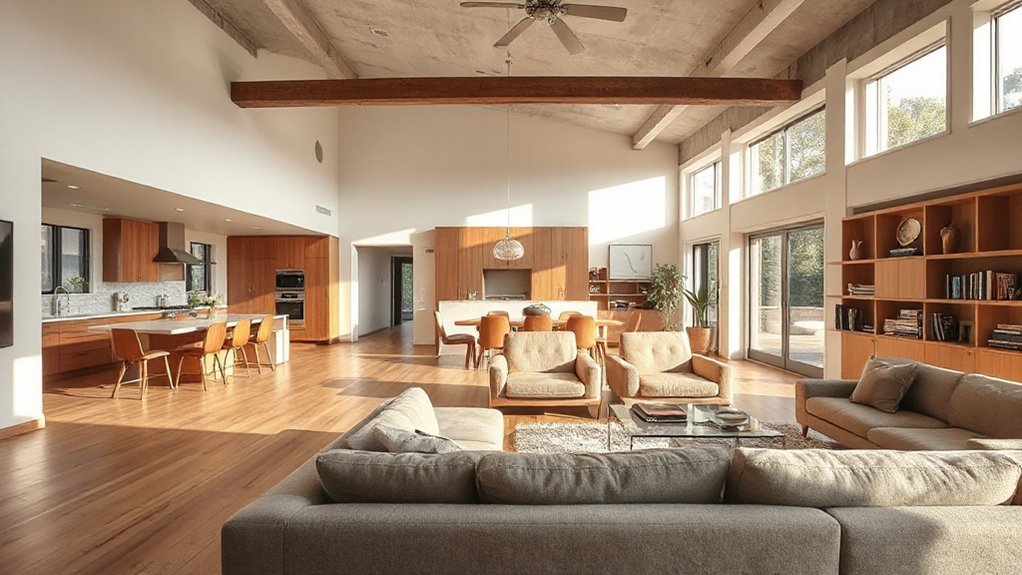
A practical evaluation framework helps you decide between open and broken layouts by focusing on how people actually work, move, and interact in your space. You begin by mapping core activities: daily routines, collaborative tasks, and moments of solitude.
Measure how traffic flows from entry to work zones, noting pinch points and sightlines that affect focus. Prioritize furniture arrangement that supports task groups without inducing distraction, and test how flexible zones respond to shifting needs.
Use color schemes to cue function: calm tones for concentration, warmer accents for collaboration, cooler edges for retreat. Quantify success with simple criteria: ease of supervision, perceived privacy, and adaptability over time.
Document results, compare scenarios, and choose a configuration that yields consistent usability and low friction.
Hybrid Layout Tweaks That Make Both Work
Could you blend openness with enclosure in ways that actually boost focus and collaboration? You can, by using hybrid tweaks that honor both needs. Create zones with subtle color coordination cues and intentional furniture placement that guide flow without shouting separation.
Use translucent dividers, low shelving, or rugs to define spaces while keeping sightlines intact. Align work surfaces to natural light, and group task stations near collaboration hubs.
Integrate storage that reduces clutter, so the open feel stays calm and productive. Maintain consistent materials and color accents to unify areas. Prioritize ergonomic furniture placement to support varied work modes.
Small, deliberate adjustments compound into a flexible layout that adapts to teams and tasks.
- Color coordination cues
- Furniture placement for flow
- Translucent dividers and rugs
- Clutter-reducing storage
Case Studies: Open‑Plan Transformed Into Broken‑Plan Solutions
Open-plan spaces don’t have to stay wide-open to deliver big collaboration gains. Case studies show real offices and homes reconfiguring layouts with deliberate zones rather than total excess openness. You’ll see partitions, half-walls, and movable screens create micro‑areas that preserve sightlines while adding privacy for focused work.
In practice, furniture arrangements matter most: anchored desks, modular seating, and magnetic whiteboards define functions without erasing flow. Teams report faster decision cycles when circulation routes avoid dead ends and visual clutter drops.
Color schemes play a quiet but powerful role, signaling zones and reducing noise perception through softer palettes or wall accents. The result, consistently, is a flexible open blueprint that adapts to project rhythms, not a rigid blueprint that fights evolving needs.
Quick Start: A Practical Checklist to Your Ideal Layout
Start by confirming your space’s flow: map how people move from activity to activity and from room to room.
Prioritize quick layout verification with clear sightlines, functional zones, and accessible paths that support both open and segmented moments.
Use the essentials—space flow, sightlines, and logical adjacency—to shape a practical, trend-smart layout you can implement now.
Quick Layout Verification
If you’re aiming for a quick, reliable layout check, this practical checklist helps you verify flow, sightlines, and zone balance in seconds.
- Assess main paths: guarantee clear movement between entry, seating, and work zones without obstructions.
- Check sightlines: align focal points and avoid visual clutter from decorative accents or furniture arrangement missteps.
- Validate zone balance: distribute activity areas so no single space dominates or feels underutilized.
- Confirm furniture scale: match piece size to room proportions to preserve openness and ease of use.
This quick verification keeps your plan pragmatic, precise, and trend-aware, letting you tweak decorative accents and furniture arrangement without overhauls.
When you’re done, you’ll know you’ve achieved functional harmony in seconds.
Space Flow Essentials
Space flow isn’t about one magic layout; it’s about clear paths, intentional sightlines, and balanced zones you can live in without thinking about it. In this quick-start guide, you focus on practical cues to shape your ideal layout.
Prioritize open sightlines from major seating to prep areas, so circulation stays intuitive.
Map zones by purpose, not furniture counts, using size and traffic data to avoid clutter.
Choose a cohesive furniture arrangement that supports flexible use, with scale that matches room proportions and allows easy movement around corners.
Use decorative accents sparingly to punctuate function—accent rugs, lighting, and art that guide flow without interrupting routes.
Lock in a routine review: adjust placements after two weeks, not two months.
Frequently Asked Questions
How Do Family Routines Influence Layout Choices Over Time?
Family routines shape layout choices gradually: you adjust furniture placement to support flow, prioritize zones, and reduce friction during busy mornings.
Over time, you’ll seek privacy solutions that don’t sever connection, like screens or modular screens, while keeping sightlines.
You’ll favor flexible furniture and hidden storage to accommodate evolving activities.
You’ll tweak routes so kids move smoothly, pets roam safely, and guests mingle.
In short, adapt spaces, not rituals, to sustain efficiency and calm.
Can Open-Plan Work With Children’s Study Zones?
Yes, open-plan can work with children’s study zones. You’ll carve privacy zones with bookcases, screens, or alcoves, and enforce noise management with soft furnishings, rugs, and white-noise options.
Design zoning visually: clear desks, dedicated storage, and sightlines that still feel connected. Use flexible screens to switch between collaboration and focus, and incorporate tech-free times.
You’ll balance openness with quiet focus, staying pragmatic, trend-conscious, and aligned to family routines.
What Budget Ranges Justify Broken-Plan Renovations?
Can you justify a broken‑plan renovation within a sensible budget? Yes, you can. For cost effective upgrades, plan a phased approach and prioritize structural zones, soundproofing, and flexible partitions.
Early investments release lasting value, while luxury renovation options remain optional add-ons as funds allow. Aiming for 15–40k sets a practical baseline in many markets, with higher ceilings for impact and smart storage as upgrade levers.
You’ll balance function, style, and trend-conscious appeal without overspending.
How Do Plants Affect Acoustics and Air Quality?
Plants improve air quality by filtering pollutants and boosting humidity, while they modestly dampen noise. You’ll want strategic plant placement to maximize acoustic absorption in busy zones, and to keep air circulating where drafts form.
Use dense foliage near conversations for sound diffusion, and taller specimens as visual dividers. Choose low-emission species, and group plants to create microclimates.
Regular care sustains both air quality and acoustic benefits, reinforcing a calmer, trend-conscious space.
Which Lighting Strategies Best Support Mixed Work and Living Needs?
Ambient lighting guides your flow, while task illumination zones you for focus. You’ll want layered brightness: soft ambient for calm, crisp task lighting where you work, and counterpoints for reading or hobbies.
Use dimmers to glide between needs, color temperatures around 2700–4000K to suit mood and activity, and keep glare at bay with direction and shading. You’ll balance energy and coziness, adapting lighting to the moment, not the room.
Conclusion
You’ll love open plans for the vibe, until you don’t. Irony, you clever thing: the more you chase collaboration, the louder your kitchen becomes. Or you’ll crave quiet zoning, only to miss spontaneous chats by the coffee machine. The truth? Pick what fits your rhythms—open when you crave energy, broken when you crave focus. Use the right mix, and you’ll get both: social spark and private pockets, without choosing a single fate.
About the Author