Imagine this: a rock-solid appraisal can hinge on a single clean, well-lit corner that invites trust. You’ll boost your odds by front-loading curb appeal, decluttering decisively, and patching small flaws before the appraiser arrives. Each room should feel neutral and functional, with layered lighting and a few recent upgrades on display. Keep documentation handy, and stage spaces for flow. Curious how these tweaks translate into value? Let’s map out your concrete prep plan.
Key Takeaways
- Prepare comprehensive documentation: recent mortgage, taxes, permits, warranties, and maintenance records to support valuation claims.
- Enhance interior flow and appeal: declutter, neutralize decor, map logical room layouts, and optimize natural light.
- Boost curb appeal and outdoor living: durable landscaping, clean lines, lighting, and inviting entry to extend daily use.
- Prioritize practical upgrades: energy efficiency, durable fixtures, smart thermostats, insulation, and long-term cost savings.
- Align features with appraisal criteria: highlight exteriors, kitchens, baths, and upgrades through photos and detailed descriptions.
What a Home Valuation Is and Why It Impacts You
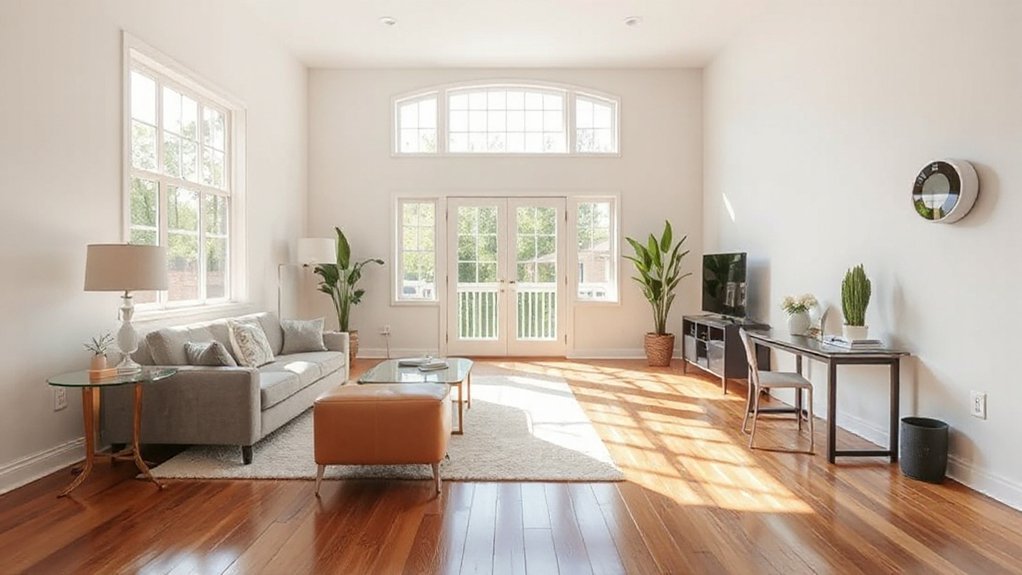
A home valuation is an estimate of what your house is worth on the open market, determined by a professional appraiser or a licensed agent. You’ll see how market trends influence the number, since prices rise and fall with buyer demand, interest rates, and comparable sales.
This estimate guides your decisions—whether you list now, adjust your expectations, or negotiate more effectively. Valuation accuracy matters because it sets the baseline for offers and financing.
You’ll want transparency about the method used, the comps considered, and any adjustments for unique features your home has. By understanding how the process works, you can compare appraisals with confidence, identify gaps, and prepare evidence that supports a fair, competitive valuation.
This clarity helps you align your goals with realistic outcomes.
Start With Curb Appeal That Lasts
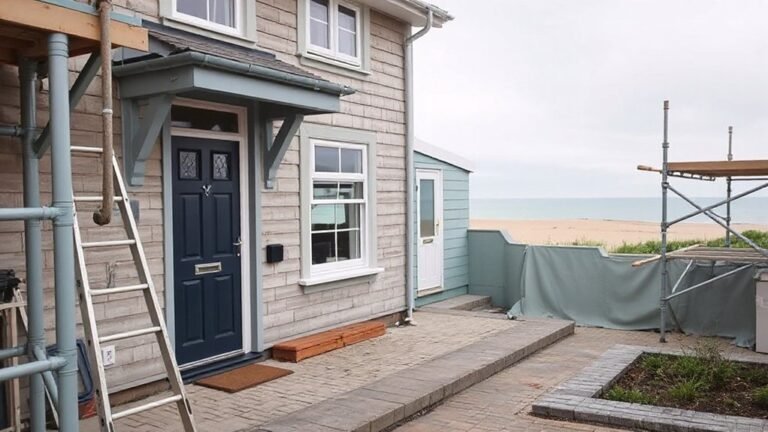
Curb appeal isn’t a one-and-done task; it’s a deliberate, ongoing investment that starts the moment buyers pull into your driveway. You’ll create a lasting impression by pairing durable garden landscaping with smart exterior lighting that highlights your home’s best features, not just the front door.
Focus on clean lines, tidy edges, and seasonal color that stays vibrant with minimal upkeep.
- Plant low-maintenance perennials and tasteful shrubs to maintain year after year.
- Install energy-efficient exterior lighting that emphasizes the facade and walkway.
- Prune, mulch, and edge regularly for a crisp, welcoming look.
This approach reduces buyer risk and boosts perceived value, setting a confident tone before any valuation discussion.
Decluttered, Neutral Spaces That Read Fresh
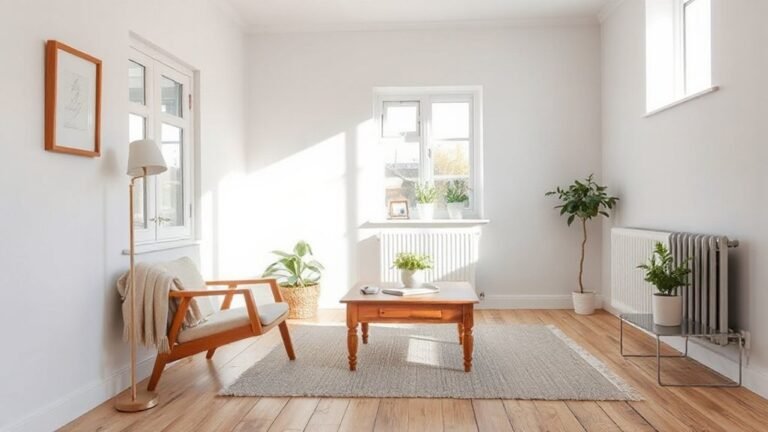
After you’ve sharpened curb appeal, the next step is creating decluttered, neutral spaces that read fresh to buyers. You’ll trim surfaces, remove excess furniture, and store personal items out of sight, so rooms feel larger and more reachable.
Aim for minimal decor that supports function without distractions, letting architectural features shine. Choose neutral palettes—soft beiges, cool grays, creamy whites—that reflect light and read as clean, calm, and timeless.
Repaint scuffed walls in a uniform shade to erase wear and unify spaces. Clear countertops in kitchens and bathrooms, and tuck away cords and appliances.
Let natural textures—wood, stone, linen—provide warmth without competing color. Finally, maintain a consistent, uncluttered look throughout, so buyers perceive flow, practicality, and easy livability.
Let There Be Light: Brightness and Perceived Space
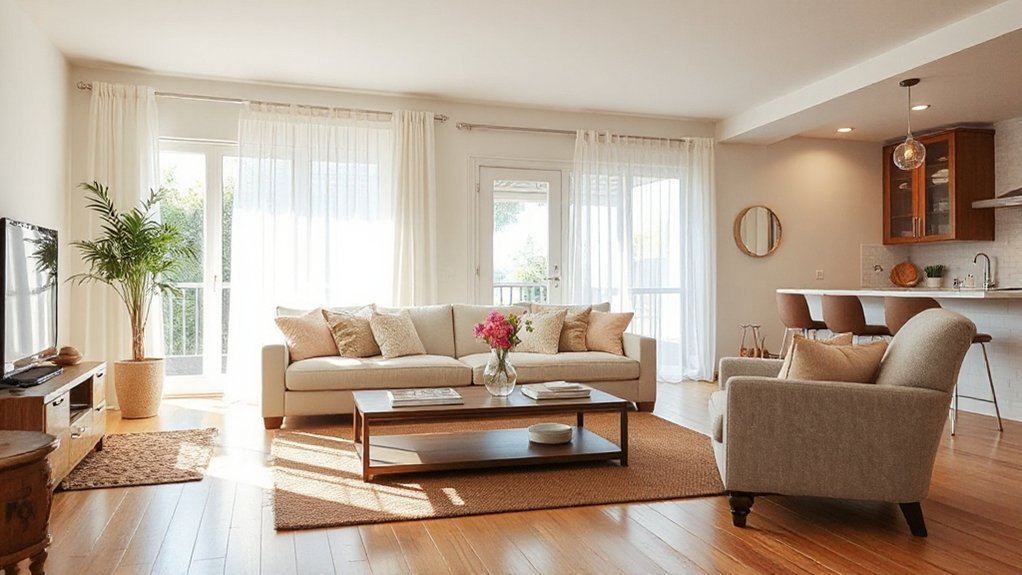
Let there be light with intent: bright rooms feel larger, more inviting, and easier to envision as lived-in. You’ll maximize appeal by framing spaces around natural lighting and thoughtful color schemes, not overpowering them. Small tweaks make a big difference: trim curtains, rotate lamps, and keep surfaces reflective to bounce daylight deeper into rooms.
- Optimize daylight: remove heavy drapes, use sheer fabrics, and position mirrors to amplify windows.
- Choose color schemes: light neutrals with cool undertones expand perceived space; avoid muddy contrasts.
- Layer lighting: combine ambient, task, and accent lights to create depth and flexibility.
These steps create a brighter, more open feel that helps buyers imagine themselves living there.
Fix Small Repairs Before the Appraiser Arrives
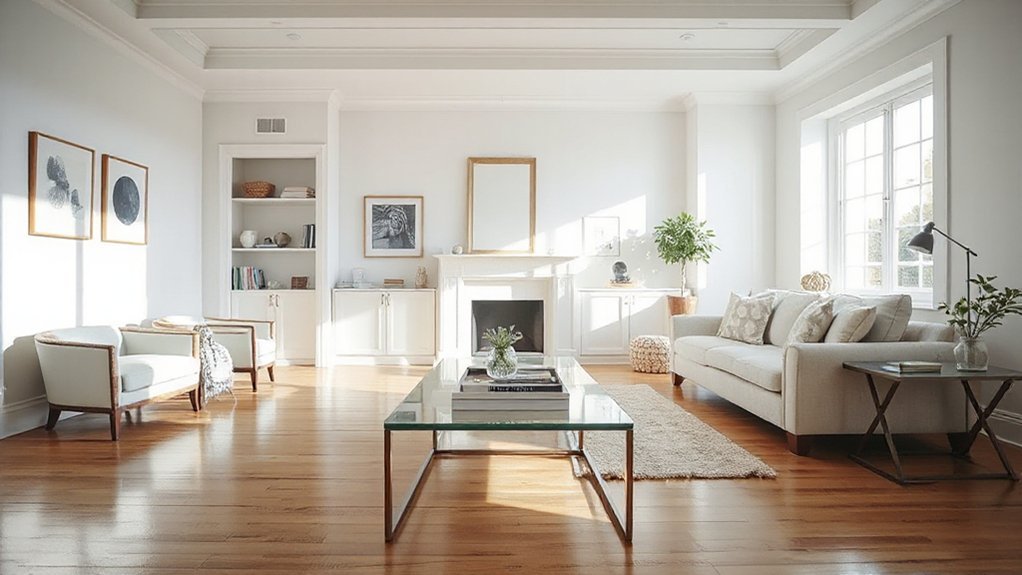
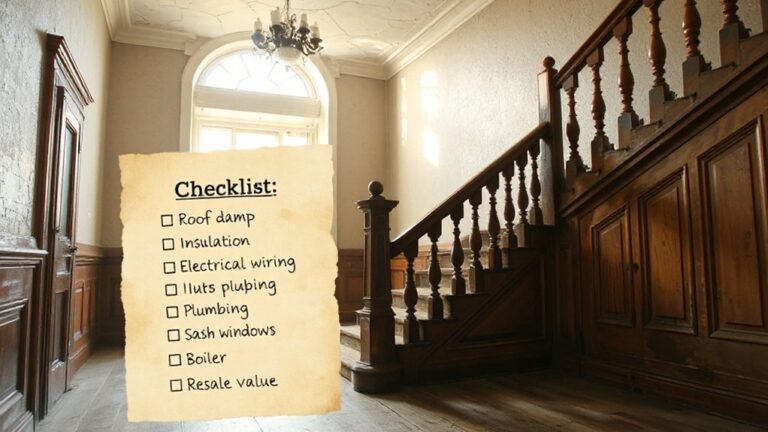
Before the appraiser arrives, tackle quick fixes on your Quick Fixes Checklist and hit the Last-Minute Touch-Ups to show care and maintenance.
You’ll fix small scratches, tighten loose hardware, and touch up scuffs so everything reads as well-kept from the moment they walk in.
Stay focused, be precise, and let these details reinforce a higher perceived value.
Quick Fixes Checklist
Ever wonder why tiny fixes matter more than you think? They create a perception of value and care that appraisers notice. You’ll focus on quick, concrete actions that show structure and maintenance without overhauling rooms.
Use these simple steps to sharpen detail:
- Patch gaps and scuffs, refresh trim, and tighten hinges so doors close softly.
- Replace burned-out bulbs, clean fixtures, and stage surfaces with decorative accents that feel intentional.
- Tidy storage, remove clutter, and add seasonal decor in focal spots to imply breadth without crowding.
These quick fixes communicate care, reliability, and ongoing upkeep. The goal isn’t perfection, just confidence that the home is well-maintained and ready for review.
Last-Minute Touch-Ups
Fix leaky faucets and replace burnt-out bulbs to avoid drip-and-ding impressions. Clear clutter from surfaces, then stage with simple, neutral decor—avoid overpowering seasonal decor that can mislead buyers about scale.
Guarantee pet proofing: store cords, secure rugs, and remove visible pet messes or odors. Sweep floors, vacuum high-traffic areas, and air out rooms briefly.
A crisp, organized presentation demonstrates care and boosts perceived value without overinvesting time.
ROI-Driven Upgrades for a Smarter Budget
Smart budgeting hinges on ROI, so focus your upgrades on improvements that boost appraisal value and curb ongoing costs. You’ll prioritize changes that deliver long-term savings and quick recoup, not flashy trends. Think practical, not opinions—choose durable, verifiable gains you can cite at valuation time.
Home automation and eco friendly upgrades should be targeted for energy efficiency, maintenance reduction, and appliances with high reliability. When you plan, quantify payback periods and expected energy savings to support your numbers.
- Install smart thermostats and programmable controls to trim heating and cooling costs.
- Upgrade insulation, air sealing, and efficient LED lighting for measurable energy reductions.
- Implement eco friendly upgrades like low-flow fixtures and efficient appliances with clear performance data.
Documents to Bring to the Appraisal
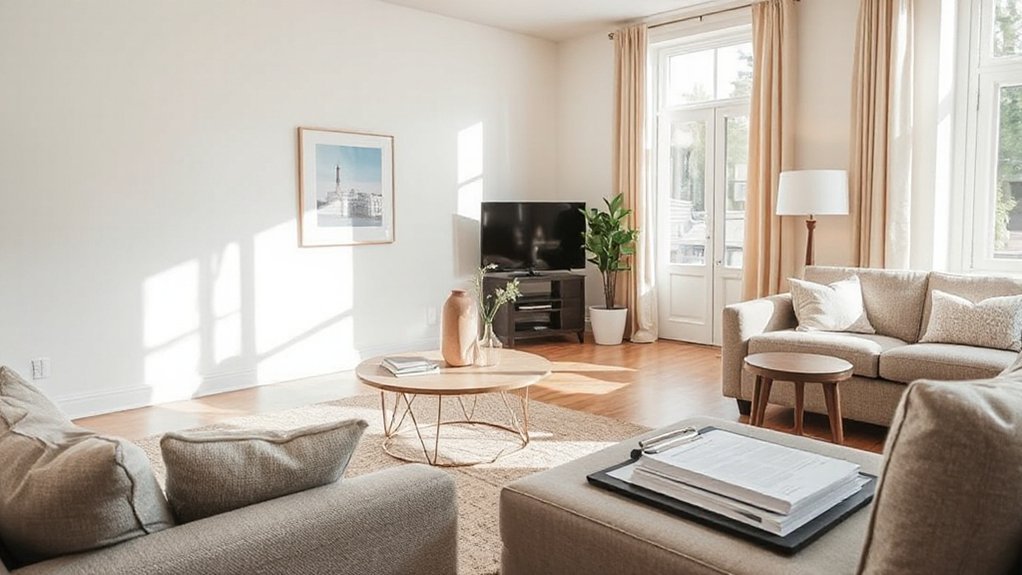
You’ll want to bring organized, verifiable documents that support your home’s value and condition. Gather items that corroborate recent improvements, zoning notes, and upgrade costs, plus any seller disclosures you’ve kept.
Bring a recent mortgage statement, title, and property tax bills to confirm ownership and baseline values. Include a survey or appraisal if you have one, plus floor plans or renovation permits that verify additions or remodels.
Prepare warranties for appliances or systems, and a list of major repairs with dates and contractor names. Don’t forget evidence of maintenance schedules, if available.
Mention nearby benefits like neighborhood amenities and relevant insurance considerations, such as Home insurance policies or claims, to avoid questions about risk factors.
Present everything neatly, in labeled folders.
Maintenance Records That Prove Upkeep
To support the appraisal, show clear evidence that upkeep has been ongoing by presenting up-to-date maintenance records. You’ll demonstrate reliability and care by organizing documentation that tracks repairs, replacements, and seasonal tune-ups. Use maintenance logs and upkeep documentation to tell a precise maintenance story, showing consistent attention rather than isolated fixes. Keep records legible, dated, and easy to navigate for the appraiser.
Prioritize items with cost, vendor, and service intervals to prove proactive maintenance rather than reactive fixes. Compile a concise summary page that highlights recent work and remaining schedules. Presentations should be neat, complete, and ready for review, reinforcing credibility and value.
- Organize by system (HVAC, plumbing, electrical) with dates and costs
- Include receipts, warranties, and service reports
- Add a brief, results-focused maintenance status note
Kitchen and Bath Tweaks That Still Pay Off
Kitchens and baths remain high-ROI targets when you’re prepping for a valuation, and smart tweaks can deliver noticeable value without a full remodel. Focus on practical upgrades you can complete quickly.
Start with lighting: switch to bright, neutral LED bulbs, add under-cabinet illumination, and replace dated fixtures with modern, energy-efficient options.
In bathrooms, replace worn hardware, install new bathroom fixtures that balance style and durability, and reseal grout to refresh grout lines. A refreshed faucet, vanity hardware, and a clean, even finish on countertops prevent cosmetic red flags.
Improve storage with organized drawers and matching organizers to reduce clutter.
Don’t overlook maintenance—fix leaks, pads, and soft-close hinges. These precise updates create strong first impressions and demonstrate ongoing care without a major investment.
Staging for Flow: Showrooms Without Stress
Staging for flow matters because buyers move through spaces in a natural sequence, and a well-ordered showroom feel signals easy livability. You optimize paths by narrowing sightlines, guiding foot traffic from room to room with purposeful passages, and avoiding clutter that disrupts pace.
Use lighting, color, and placement to create logical neighborhoods—kitchens near dining, living areas adjacent to entry—so movement feels effortless. Personal touches should be restrained, not distracting, and you’ll benefit from personalized decor that still reads as curated rather than homemade.
Scent enhancement subtly supports mood without shouting new buyers’ attention away from architecture.
- Map a logical route through each main area, trimming obstacles.
- Layer lighting to emphasize passages and focal points.
- Integrate gentle, memorable scents without overpowering.
Outdoor Living That Elevates Street Appeal
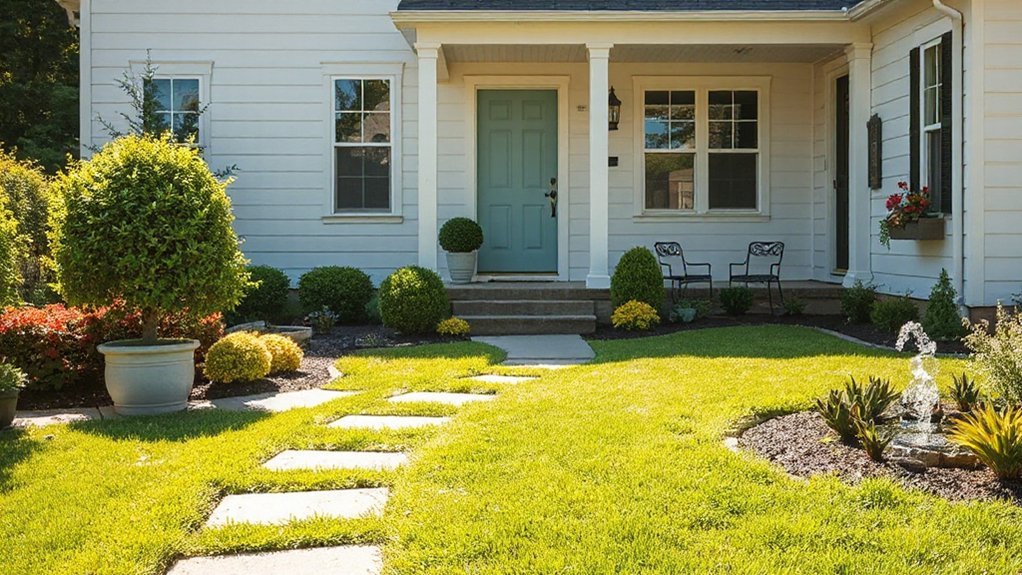
A well-designed outdoor space greets buyers the moment they arrive, so focus on curb-friendly features first: a tidy path, a welcoming entry, and a front porch that feels usable.
Your goal is simple durability with appeal: low-maintenance plantings, clean lines, and a cohesive color palette that echoes the interior.
Highlight garden lighting to extend evening usability and create depth at the curb, making the home feel secure and inviting after dark.
Select outdoor furniture that resists weather and looks cultivated, with compact seating set against the entry or along a welcoming wall.
Facilitate a smooth transition to the interior—visible but not overpowering—so buyers picture daily living, not just a photo moment.
What Appraisers Look For and How to Align Your Prep
Appraisers focus on value-driving features and condition, and you can align your prep by anticipating what they’ll scrutinize: overall condition, updates versus original systems, and the home’s functional layout.
To adapt to the appraiser mindset and meet valuation criteria, focus on tangible improvements, documentation, and clarity in presentation.
- Highlight updated systems and recent maintenance with receipts, warranties, and a simple fixer-upper narrative that proves upkeep.
- Demonstrate logical, functional layouts—clear room purpose, unobstructed flow, and evidence of how spaces work for daily life.
- Photograph key features and conditions—exteriors, kitchens, baths, basements, and energy-efficient upgrades—to support the appraisal narrative.
These steps keep you decisive, concrete, and credible—driving the result you want.
Frequently Asked Questions
Should I Schedule Renovations Before the Appraisal?
No, don’t rush into major renovations before the appraisal. Instead, lean on staging strategies and curb appeal enhancements to maximize value quickly.
Focus on decluttering, fresh paint touched up, and presentable surfaces, letting the appraiser see the home’s true condition. Highlight key updates with receipts, and create a warm, inviting feel.
If you’re set on upgrades, choose cost-efficient, high-ROI improvements. You’ll persuade without overspending.
How Do Pets Affect a Home Valuation?
Teleporting back to the present, you’ll want to know that pets can lower a valuation if you don’t address issues. You’ll notice pet odors and animal damage, which inspectors flag fast. Fix odors, seal floors, repair chewed trim, and replace damaged carpets.
You should disclose, clean thoroughly, and consider temporary removal during the appraisal. A well-kept home signals care, boosting confidence and value, so you’ll see stronger numbers when odors are eliminated and damage repaired.
Do Home Improvements Guarantee a Higher Appraisal?
No, home improvements don’t guarantee a higher appraisal. They can influence the valuation impact, but outcomes vary by quality, neighborhood, and current market conditions.
You’ll improve odds by prioritizing structural fixes, modern kitchens and baths, efficient systems, and curb appeal.
Document costs and confirm permits where needed.
You should expect shifts in value, not certainties, and a professional appraisal will weigh depreciation, functional obsolescence, and comparable sales alongside your upgrades.
What Appraisal Fees Should I Expect?
What appraisal fees should you expect? Typically, lenders cover the appraisal for a mortgage, but you might pay if you’re paying out of pocket or in a refinance.
Fees usually range from $300 to $700, depending on property type and location.
Mortgage considerations and property tax implications can influence total costs.
You’ll want to confirm with your lender and budget for any additional charges tied to scheduling and rush requests.
Does Neighborhood Context Influence the Valuation?
Yes, neighborhood context matters: neighborhood dynamics shape appraisal values, and yes, it influences your valuation. You’ll want to show how nearby sales, amenities, and schools—capturing neighborhood dynamics—align with your property.
Track Local market trends, pointing to steady appreciation or cooling signals. You present concrete data: recent comps, days on market, and turnover rates.
You’ll convince the appraiser you’re in sync with the block, boosting credibility and the final value.
Conclusion
Think of your prep as a polished résumé for your home. You’ve tidied, patched, and staged each room to shout value, utility, and care. Now, step back and let the appraisal see the story you’ve built—one of curb appeal, clean lines, and bright, inviting spaces. When each detail aligns with the appraisal criteria, you’ll feel the result take shape like a well-timed lift, lifting your home’s value along with your confidence. Ready to let your home shine.
About the Author