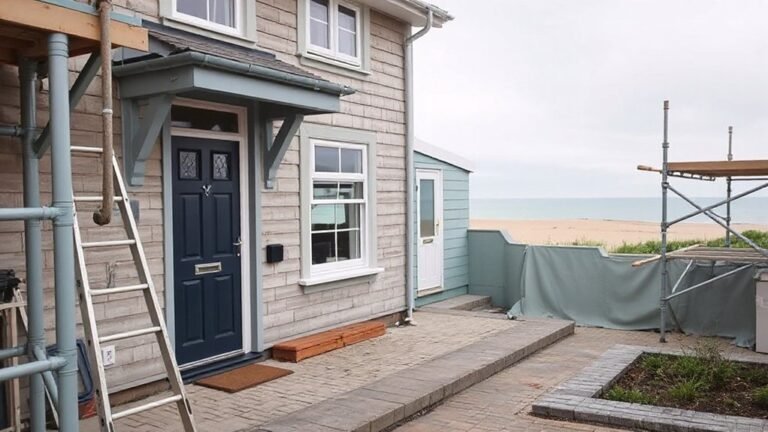

Here are 15 affordable UK spots worth your attention, chosen for lower stamp costs, growing job mixes, and solid planning. You’ll find regions in the North East, Midlands, parts of Wales and Scotland offering stable rents and cheaper buys, plus coastal towns with transport links and renovation potential. Look for towns with tech or green jobs, good rail access, and mixed‑use regeneration. Stay flexible on location and budget, and you’ll discover value that fits long‑term plans—more details await.
Why UK Housing Prices Vary So Much
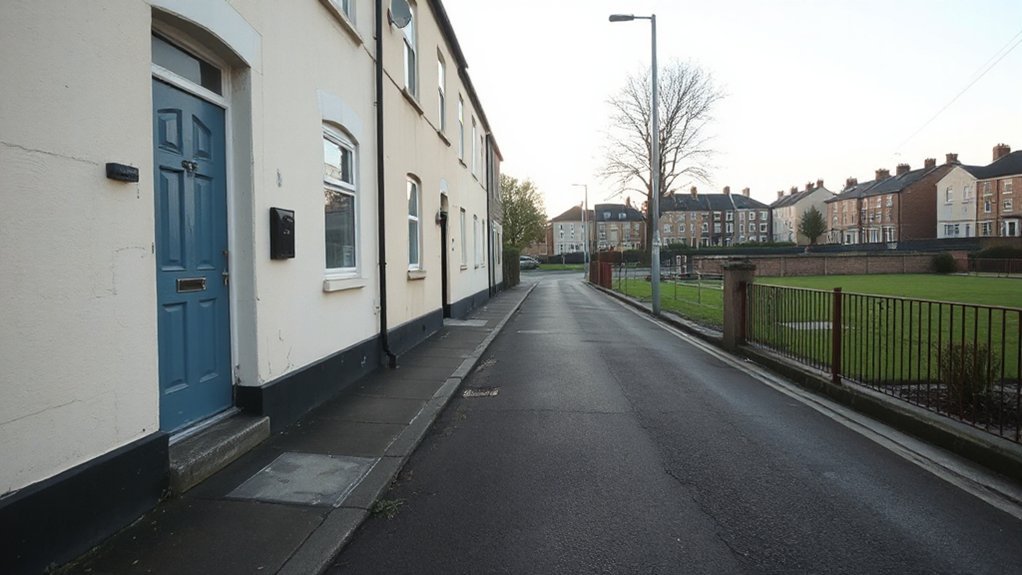
UK housing prices vary because demand and supply aren’t evenly distributed. You’ll notice the effect in clusters where jobs, transport, and schools concentrate, creating dense pockets of activity that drive up values.
In contrast, areas with limited growth or weaker employment prospects experience slower escalations or stagnation. The housing market responds to both macro trends and local quirks, so price fluctuations unfold at differing speeds from one postcode to the next.
You’ll also see regional shifts as developments, planning rules, and infrastructure projects redraw attractiveness. When you design a strategy, map these patterns: identify growth corridors, assess regeneration plans, and compare rental demand with purchase incentives.
This practical view keeps you aligned with current, data-driven realities.
How to Define “Cheap” in Today’s Market
Defining “cheap” today means more than chasing the lowest price; it’s about balancing cost with long-term value. You’ll measure value by enduring quality, neighborhood livability, and future resale potential, not just sticker price.
Start with total ownership costs: mortgage rate, stamp duty, maintenance, and utilities. Compare properties with similar footprints to estimate monthly cash flow and expected appreciation.
Consider design practicality: layout efficiency, natural light, insulation, and future extensibility—these reduce ongoing costs and boost comfort.
Assess location fundamentals: proximity to transport, schools, and amenities, plus the pulse of the area.
Luxury amenities and Historical landmarks influence desirability, but avoid overpaying for features that won’t sustain value.
Define cheap as affordable upfront plus solid, predictable, lasting return over time.
The Five Cheapest Regions in the UK Right Now
If you’re looking for value in today’s market, start with the five cheapest regions in the UK and what makes them affordable beyond headline prices. You’ll notice deliberate design in housing mix, infrastructure, and planning that sustains value.
The North East and parts of the Midlands offer affordable deeds, lower stamp costs, and stable rental returns.
While Wales and Northern Ireland emphasize low holding costs and grant-friendly options.
Focus on affordable amenities and accessible services within walkable neighborhoods to stretch budgets.
In Scotland and parts of the South, affordability blends with strong community development programs and targeted subsidies.
Look beyond price per square foot to layout, energy efficiency, and future-proofed streetscapes, ensuring practical, sustainable growth that supports long‑term value and a cohesive community identity.
Affordable Towns With Growing Job Opportunities

You’ll notice towns that balance affordable housing with rising job opportunities along growing local corridors.
Look for areas where business clusters—tech, logistics, or green industries—test and refine new workflows that boost wages without pricing residents out.
This is a design-minded assessment: map transport links, track vacancy rates, and compare cost-per-job against housing costs to spot true value.
Growing Local Opportunities
- Assess employer diversity and growth pipelines to guarantee long-term opportunities.
- Check mixed-use development plans that blend housing, workspaces, and social spaces.
- Prioritize neighborhoods with active community programs and accessible services.
Affordable Growth Corridors
Prioritize density that preserves street cachet while inviting modern layouts—think compact blocks, mixed-use ground floors, and transparent planning.
Look for rail links expanding toward towns with growing tech, logistics, or healthcare clusters, not just big employers. Property value should rise on a predictable arc, driven by new vacancies and sustained demand from commuters.
Evaluate builders’ design standards, insulation, and energy performance alongside price per square foot.
Track local councils’ investments in schools and amenities, because quality-of-life upgrades anchor value.
In short, choose corridors that deliver steady growth without sacrificing livability or character.
Coastal Bargains: Affordable Sea-Front Towns

Coastal bargains exist where prices align with practical needs: accessible towns that offer sea views, solid transport links, and affordable property options. You’ll find coastal communities that balance size, amenities, and design-minded space, focusing on value without sacrificing lifestyle. Look for straightforward layouts, good insulation, and low maintenance costs that keep monthly bills predictable.
Sea front affordability often hinges on neighborhood turnover, local planning, and efficient utilities, so evaluate recent sales data and council plans before committing. Prioritize towns with walkable cores, renewable-energy options, and clear coastal views that feel memorable yet attainable.
- Inspect properties for energy efficiency and renovation potential to maximize long-term value.
- Compare transport accessibility, parking, and frequency of service to protect future resale comfort.
- Assess development plans that influence sea view stability and flood resilience.
Inland Bargains With Strong Transport Links
If you’re weighing inland buys, focus on places with solid transport links that keep commute times predictable and costs reasonable.
Look for budget homes that still offer easy rail and bus access, plus room to upgrade or adapt for modern living.
This matters design- and plan-wise: a well-connected town lets you choose compact, efficient layouts without sacrificing accessibility.
Inland Transport Connectivity
- Accessible rail and bus timetables that align with work hours
- Clear, well-maintained roads and park-and-ride options
- Proactive upgrades that protect future-proofed connectivity infrastructure
Budget Homes With Access
Budget-friendly homes with reliable transport links play a pivotal role in keeping monthly costs predictable and commutes sane. You’ll want layouts that maximize space without wasted hallways, so look for compact, functional designs with clearly defined zones for living, cooking, and sleeping.
Prioritize strong inland connections—rail, bus, and road access—that shave travel time and boost resale value. Check daylighting, insulation, and heat pump options to minimize bills, and verify sustainable features like low-E glazing and smart thermostats.
Affordable amenities nearby save recurring costs, from groceries to healthcare, while community access encourages shared resources and safer streets.
Favor developments with pedestrian-friendly streets, disable-accessible routes, and bike storage.
What You Can Buy for £X in Each Area
In each area, £X goes further than you might think, revealing how far your money buys versus the local price norm. You’ll spot practical layouts, solid foundations, and design-forward interiors that maximize space without overpaying. Think compact kitchens, efficient storage, and durable fixtures that age gracefully. The aim is affordable architecture that feels deliberate, not pared-down.
You’ll notice neighborhoods with a sense of place—where scale and light are prioritized to enhance everyday living, not just saleable curb appeal. This isn’t luxury; it’s thoughtfully crafted value that ages well, delivering comfort and character.
- Efficient layouts with adaptable rooms that support evolving needs.
- Durable finishes and low-maintenance materials that save long-term costs.
- Design details that evoke neighborhood nostalgia while staying modern.
How Affordability Evolves: Future-Proofing Your Purchase
Future-proofing your UK buy isn’t about chasing trends; it’s about embedding resilience into the core of the home. You’ll design with flexibility: modular spaces, robust insulation, and services-ready layouts that adapt as the future market shifts.
Prioritize solid fundamentals—energy efficiency, low maintenance systems, and durable finishes—so operating costs stay predictable even if affordability trends swing.
Build in transparent circulation and daylighting to preserve value when reconfiguring rooms.
Consider infrastructure: broadband-ready rooms, charging points, and accessible layouts that age with you.
Track local plans and transport changes to anticipate value trajectories; choose locations with schools, amenities, and upgrades.
Use a conservative price buffer and parameter checks for rent versus resale.
This approach keeps you prepared without overcommitting to volatile forecasts.
Mortgage and Deposit Tips for Low-Price Homes

You’ll explore mortgage options tailored to lower-priced homes, so you can compare rates, fees, and repayment terms without guesswork.
Create a smart deposit plan with budget-aware strategies, timeline milestones, and flexible payment options that won’t stretch your finances.
We’ll also cover grants and help schemes that could release extra equity or reduce upfront costs, so you have concrete routes to move forward.
Mortgage Options For Low-Price Homes
If you’re buying a low-price home, there are mortgage options that fit tighter budgets without sacrificing solid terms. You’ll prioritize lenders offering sensible rates and clear product details, then compare monthly costs rather than upfront thrills.
An affordable mortgage can come with flexible repayment like 5-year or 10-year fixed plans, plus options that reduce monthly outgoings without sacrificing stability.
1) Consider lenders with competitive rates on low deposit options, and verify whether fees are rolled into the loan or paid upfront.
2) Look for guarantor or shared-ownership routes that preserve equity while maintaining manageable monthly payments.
3) Favor fixed terms with transparent penalties, so you know exactly when refinances or term extensions are sensible.
Affordable mortgage, Low deposit options.
Deposit Strategies On Budgets
When you’re budgeting for a low-price home, your deposit strategy should align with both cash flow and long-term equity. Start with a clear target deposit—15% is ideal, but 5–10% can work if you secure a favorable rate and avoid penalties.
Prioritize a high-yield savings plan that doubles as project funding for renovations, ensuring you don’t erode liquidity. Build a cushion for closing costs and monthly escrow, then layer in a back-up plan for job changes or interest-rate shifts.
Use Historical trends to calibrate expected price movement, and Market forecasts to sense when to accelerate savings or lock a rate. Favor fixed-rate deals on shorter terms to reduce risk, and design your payments to stay comfortably under 30% of take-home pay.
Grant and Help Schemes Insight
Grant and help schemes can be a practical boost for low-price UK homes, so map them early in your plan and match them to your deposit target. You’ll want to align grant eligibility with your chosen market segment, noting how Historical trends shape available caps and repayment terms. Assess Market predictions to determine how long grants stay accessible and whether to apply now or later.
Use a design-minded approach: structure your budget like a blueprint, with clear milestones, deadlines, and required documentation.
- Target the right scheme windows by tracking funding rounds and local authority priorities.
- Compare deposit assistance versus grant limits, focusing on total ownership cost, not just upfront cash.
- Revisit eligibility as you approach completion, since criteria may shift with policy changes.
Hidden Costs When Buying Cheap UK Property
Hidden costs can bite even when you’re chasing cheap UK property, so start with a clear budget that includes more than the price tag. You’ll want a breakdown that covers ongoing holding costs, surveying, and the inevitable Dig.
Before you sign, anticipate property taxes, which can surprise first-time buyers if you aren’t accounting for council tax bands and future spikes. Plan for stamp duty where applicable, and remember insurance, maintenance, and utility fixes.
Arrange home inspections to uncover hidden defects early, not after you’ve committed. Invest in a practical contingency fund—about 5–10% of purchase price—to cover windows, plumbing, and structural quirks.
Prioritize accessibility to essential services, cost-efficient renovations, and future resale value while keeping your design goals realistic. This approach prevents overextension and preserves momentum in affordable markets.
Pros and Cons of Buying in Affordable Towns
Affordable towns offer a compelling mix of lower price points and decent housing quality, but they come with trade-offs you should weigh before committing. You’ll gain affordability and space, yet face slower price growth, tighter resale markets, and fewer high-end can’t-miss options.
Design-wise, the layout and finish may be practical rather than luxurious, so inspect materials, insulation, and potential upgrades early. For international buyers, currency shifts and service availability matter as much as the home itself.
Consider access to amenities and commute options to major cities, not just sticker price.
- Evaluate long-term value, not just initial cost.
- Check for luxury amenities nearby, even in affordable towns.
- Assess rental demand if you’re preparing for a later exit.
Real-Time Market Signals in Affordable Areas

In practical terms, you’ll notice subtle shifts in Market cycles—crisp upticks in first-week offers or sudden pauses after weekends. Price fluctuations can occur without dramatic headlines, so you stay alert to inventory changes, seller concessions, and regional borrowing costs.
Design-minded investors compare neighborhoods by accessibility, amenities, and transport links, then test sensitivity analyses on small sample sets. Use dashboards to correlate price movements with seasonality and local developments.
The goal is a disciplined read of signals, informing timing without overreacting to short-term noise.
Practical Search Strategies to Uncover Hidden Gems
To uncover hidden gems, start by expanding your search beyond the obvious hotspots and map out micro-neighborhoods with rising amenity density, good transport links, and targeted new-build or regeneration projects. Prioritize data-driven screening: compare price-per-square-foot, upcoming infrastructure, and council plans to gauge future value. Then verify affordability through practical financing options and understand local property tax implications before visiting.
- Use layered searches to cross-check listings, planning notices, and developer activity for early signals.
- Focus on neighborhoods with walkable cores, mixed-use developments, and underutilized stock ripe for renovation.
- Build a shortlist with 3–5 buffers: transport access, schooling, and ongoing regeneration timelines to reduce risk.
Affordable financing and property tax should inform your initial budget and due diligence.
Move Fast in a Tight Market Without Overpaying
When the market tightens, you move quickly without overpaying by locking in early signals, setting a price ceiling, and executing a clean, data-driven process.
You screen listings with rapid, repeatable criteria, focusing on core value and predictable costs.
Track market volatility daily, comparing recent sale prices to list asks to avoid chasing hype.
Use conservative comps, not aspirational pricing, and calibrate offers to undercut slightly while maintaining credibility.
Validate property taxes, recurring maintenance, and utility costs to keep the total outlay transparent.
Prepare a short, flexible financing plan that can adapt if rates shift.
Implement a tight decision window—accept, counter, or walk away—within 24–72 hours.
Design your bid package to be crisp, verifiable, and easy to justify to sellers under pressure.
A Smart Buyer Checklist for Cheap UK Houses

If you want to snag cheap UK houses without regrets, start with a tight, actionable checklist you can trust under pressure. You’ll stay grounded as Market fluctuations shift prices, and you’ll validate each option with crisp, design-minded scrutiny of Property valuation.
1) Pre-check the build quality and layout against your needs, then compare price-per-square-meter across nearby comps.
2) Confirm legal status, title deeds, and planning permissions, logging risks and remediation costs in a single sheet.
3) Run a quick, data-driven valuation model using recent comps, cost-to-renovate estimates, and exit scenarios to avoid overpaying.
Keep updates centralized, review timelines weekly, and remove emotional bias from every decision.
Frequently Asked Questions
Which Regions Consistently Offer the Lowest Average House Prices?
You’ll find the lowest prices in affordable suburbs and rural communities, where steady growth meets practical value. You prioritize layout, accessibility, and future resale, so you can secure affordable regions while enjoying space, connectivity, and design-minded efficiency.
Are Cheap Areas Experiencing Stronger Price Declines or Growth?
Indeed, they’re often declining more slowly or stagnating, even as prime pockets surge. You’ll notice luxury developments shaping demand, while rental yields temper overall price moves; target practical layouts and cash-flow optimization to navigate this nuanced market.
How Do Transport Links Affect Cheap Housing Viability?
Transport infrastructure matters: it boosts cheap housing viability by linking you to key jobs, so consider commuter towns with reliable links. You’ll gain value through predictable transit, shorter commutes, and practical design-focused layouts that maximize accessibility and convenience.
What Hidden Costs Accompany Buying Cheap UK Property?
You’ll uncover that affordable neighborhoods hide hidden transaction fees—add Stamp Duty, legal costs, surveys, and remortgaging fees. You’re practical, design-focused, and you’ll budget for valuation, conveyancing, and potential retrofit costs before committing to the purchase.
Can First-Time Buyers Realistically Purchase in Affordable Towns?
You can, if you target affordable neighborhoods, but beware market volatility; stay practical with a solid plan, uphold design-minded decisions, and budget for hidden costs, stamp duty, and renovations while you assess mortgage options and timelines.
Conclusion
You’re not chasing luck; you’re mapping a grid of opportunity. In this market, cheap isn’t a siren, it’s a compass—point to value, not velocity. You’ll balance price with growth, sketch a practical shortlist, and move with confidence when a deal aligns. Think of your search like a well-designed blueprint: clear criteria, tight margins, durable foundations. Stay disciplined, act fast, and let real-time signals guide you to hidden gems that stand the test of time.
About the Author