Eco-friendly UK homes blend cutting-edge efficiency with healthy, durable design, delivering lower running costs, carbon reductions, and resilient comfort from day one. You’ll find precise performance targets—airtight envelopes, heat recovery ventilation, high-efficiency heat pumps—plus sustainable materials with low embodied energy. Upfront costs exist for superior insulation and smart systems, but long-term savings accrue via lower bills and grants or green mortgages. To locate qualified options and verify compliance, explore trusted platforms and professional networks; the next steps reveal even more.
Why UK Eco Homes Matter Today
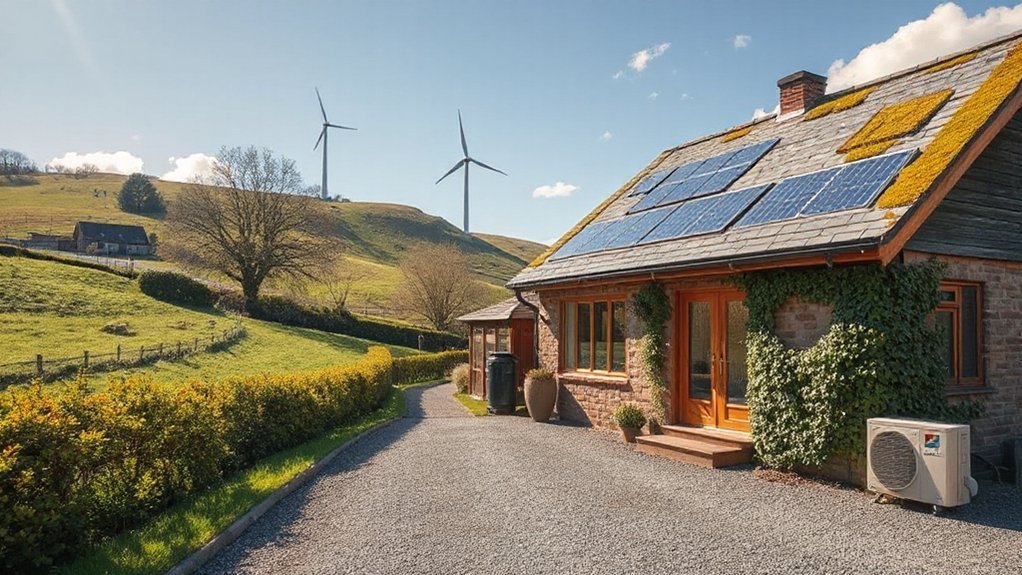
UK eco homes matter today because their design and operation directly reduce emissions, lower running costs, and improve indoor air quality for occupants. You experience precise performance targets: airtight envelopes, mechanical ventilation with heat recovery, and high-efficiency heat pumps.
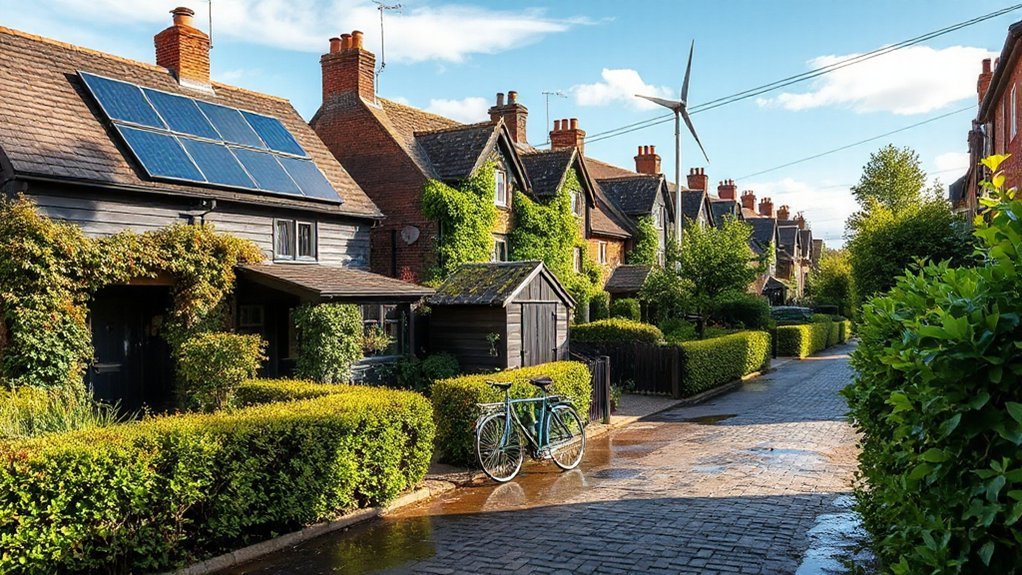
Renewable Energy integration guarantees on-site generation complements grid supply, minimizing fossil dependence while preserving resilience. You evaluate embodied and operational footprints, prioritizing Sustainable Materials that resist moisture, pests, and degradation, yet are low in embodied energy.
Spatial planning emphasizes thermal zoning, daylighting, and material finite reuse where feasible. You monitor grid interactions, demand response, and lifecycle cost analyses to justify capital decisions.
The outcome aligns comfort, health, and long-term value, reinforcing policy relevance and market appeal for future-ready housing standards.
How a UK Eco Home Works: Key Features and Standards
You’ll see how the envelope minimizes heat loss while enabling daylighting and air tightness that meet modern standards.
Energy efficiency benchmarks guide insulation, glazing, and ventilation to reduce carbon impact without compromising comfort.
Smart features tie in controls for lighting, heating, and appliances, aligning performance with evolving UK standards.
Building The Envelope
Choose high-performance building materials and moisture management systems that suit UK climates, ensuring compatibility with ventilation strategy and durability. Precision detailing at joints, penetrations, and edges matters to avoid condensation risks.
Insulation techniques focus on dense pack, breathable membranes, and rigid boards integrated with studs or timber frames, balancing cost, ease of installation, and long-term performance.
Prioritise durability, fire safety, and adaptivity to retrofits, aligning envelope performance with overall sustainability goals.
Energy Efficiency Standards
What energy efficiency standards define a UK eco home, and how do they translate into measurable performance? You assess performance through defined benchmarks, such as thermal metrics, fabric efficiency, and targeted carbon outcomes. The core goal is minimizing heat loss while maximizing heat retention, using rigorous insulation strategies and airtightness controls.
You’ll encounter standards that specify U-values, air tightness thresholds, and controlled ventilation with heat recovery, ensuring consistent year-round comfort. Materials selection matters: renewable materials reduce embodied energy, while advanced insulation standards curb running costs and emissions.
Compliance involves commissioning tests, performance certificates, and ongoing monitoring. In practice, design strategies align with passivhaus-inspired principles and zero-carbon ambitions, balancing structural integrity, aesthetics, and long-term resilience.
This framework guides responsible construction without compromising elegance or practicality.
Smart Home Features
Smart homes amplify the efficiency standards of UK eco builds by integrating sensors, controls, and automation that optimize energy use without sacrificing comfort. You harness real-time data from weather, occupancy, and appliance loads to modulate heating, cooling, lighting, and ventilation with pinpoint precision, elevating overall performance.
The system prioritizes durable, standards-aligned components and straightforward maintenance, ensuring longevity and reliability. You’ll benefit from seamless integration of renewable sources and storage, achieving higher self-consumption and reduced bills.
Smart technology underpins demand response, outage resilience, and adaptive shading, while preserving indoor air quality and thermal comfort.
- Sensor-driven zoning for targeted heating and cooling
- Centralized control with user-friendly interfaces
- Renewable integration and storage coordination
- Advanced analytics for ongoing optimization
Upfront Costs for Green Features in the UK
Are upfront costs for green features in the UK a barrier or a smart investment? You assess initial investments with a precision lens, evaluating payback horizons, incentives, and life-cycle costs.
In the upfront phase, you’ll encounter capital expenditures for high-efficiency systems, certified insulation materials, and durable components that support resilient performance. You weigh supplier reliability, installation complexity, and lead times against projected energy reductions and comfort gains.
Renewable sources often require grid connection or storage commitments, influencing project scale and financing terms. Grants, tax relief, and green mortgages may offset upfront outlays, but you must verify eligibility and documentation rigorously.
How Much You Can Save Over Time
Over the long term, you’ll see tangible energy savings as efficient systems reduce consumption and stabilize bills.
Maintenance costs decline with modular, durable components that resist wear and require fewer service visits.
Payback period estimates suggest initial investments repay through a combination of energy, maintenance, and utility savings, reinforcing a sustainable financial return.
Long-Term Energy Savings
Consider how much your eco-friendly home can save over years of operation: insulation improvements, high-efficiency appliances, and smarter controls compound these gains, reducing annual energy bills and smoothing seasonal demand.
Renewable energy integration and sustainable design choices amplify long-term payoffs, improving system resilience and comfort.
- Reduced operating costs through lower heat losses and optimized HVAC runtime.
- Peak-load alignment lowers demand charges and grid stress with smart timing.
- Appliance efficiency and heat-recovery cycles extend savings across seasons.
- Incremental upgrades, such as diagnostic sensors, sustain performance and reliability over decades.
Maintenance Cost Reductions
Proactive maintenance cuts long-term costs by preventing efficiency loss and costly failures. When you schedule regular inspections, you catch wear before it escalates, sustaining system performance and reducing emergency replacements. You’ll see lower lifecycle costs as components last longer, require fewer intensive refurbishments, and maintenance cycles align with manufacturer guidelines.
By prioritizing durable, eco friendly materials and systems, you minimize material waste and avoid premature depreciation. Sustainable landscaping choices reduce irrigation needs and heat gain, trimming energy and water bills without compromising resilience.
Upfront investments in quality seals, filters, and joints pay back through steadier operation and minimized downtime. Over time, predictable service intervals enable accurate budgeting, reducing surprises and aligning savings with emissions targets while preserving comfort, aesthetics, and structural integrity.
Payback Period Estimates
- Assess upfront costs, incentives, and operating savings to project a robust payback timeline.
- Compare improvements using consistent energy and water metrics across retrofit options.
- Weigh system lifespans against maintenance costs for long-term viability.
- Prioritize solutions with fastest recapture without compromising resilience.
Where to Find Qualified UK Eco Homes and How to Search
Finding qualified UK eco homes is straightforward when you know where to look and how to search. Begin with trusted platforms listing Eco certification properties, filtered by region, price, and energy performance. Use keywords like “zero-carbon,” “low-energy,” and “certified passive” alongside standard search terms to narrow results efficiently.
Inspect property descriptions for sustainable materials, such as responsibly sourced timber, lime plaster, recycled aggregates, and high-performance insulation. Cross-check listing dates and seller transparency, noting any renovation histories or retrofit standards.
Leverage professional networks, local sustainable housing groups, and estate agents specializing in green homes to uncover off-market opportunities. Save searches, set alerts, and compile a shortlist to compare attributes, costs, and timelines without unnecessary detours.
Prioritize clear documentation, verified data, and consistency across listings.
How to Check Compliance and Quality (EPC, PAS, Certifications)
To verify that an eco home meets real-world standards, start by checking the credibility of its compliance documents. You’ll assess energy performance, construction quality, and sustainability claims with objective criteria and traceable issuers.
Look for consistent data across EPC, PAS, and certification reports, and confirm alignment with local Building permits and planning conditions. Prioritize transparent methodologies, clear scope, and dated, verifiable attestations.
Material sustainability should be explicit, with lifecycle considerations and third-party verification where possible.
- Verify issuing bodies, scope, and dates across EPC, PAS, and certifications.
- Cross-check against Building permits and relevant planning approvals.
- Assess stated material sustainability metrics and lifecycle documentation.
- Confirm renewal timelines, maintenance obligations, and audit trails for ongoing compliance.
Practical Steps: Buy or Retrofit Smarter in the UK
Smart buying and smart retrofitting in the UK hinge on clear, data-driven decisions: you should start with a precise energy baseline, verified by up-to-date EPCs and lifecycle assessments. Then, target upgrades that deliver measurable gains in efficiency, comfort, and long-term value.
Begin with a costed plan that aligns with fabric-first principles, restricting heat loss and prioritising high-returns measures. Compare supplier transparency, lifecycle costs, and performance guarantees before committing to eco-friendly materials.
In parallel, integrate sustainable landscaping to reduce outdoor energy loads and enhance microclimates.
When purchasing, demand robust commissioning and post-occupancy monitoring to confirm performance.
For retrofits, sequence improvements to minimise disruption, document savings, and preserve aesthetics. Aim for modular upgrades that adapt to evolving technology and occupant needs.
Frequently Asked Questions
What Incentives Exist for Retrofitting Older UK Homes?
You’ll qualify for grants and tax relief, plus streamlined approvals, to upgrade your home. Historical renovation incentives support preserving fabric while meeting energy efficiency standards, reducing retrofit costs and improving long-term sustainability through certified efficiency improvements and low-interest financing.
How Do Green Mortgages Work in Practice?
With steady green financing, you leverage lower rates and incentives as you upgrade, ensuring Energy efficiency. You secure options tailored to lenders’ criteria, monitor performance, and repay smarter—demonstrating sustainability through tangible savings and resilient home value.
Are There Regional Differences in Eco-Home Availability?
Yes, regional differences exist: you’ll notice variation in eco-home availability driven by regional planning and local policies, influencing approvals, incentives, and supply chains, so you should assess local policies and planning frameworks before committing to a region.
What Maintenance Challenges Do Eco Features Require?
Imagine a home where your solar panels reduce bills; you notice maintenance needs. You’ll schedule regular inverter checks and panel cleaning, while insulation upgrades stay effective, minimizing heat loss and ensuring sustained efficiency across seasons.
Can Renting Eco-Friendly Homes Be as Affordable as Standard Homes?
Yes, affordable rentals can match standard prices when you compare energy-efficient layouts, mitigated bills, and long-term savings; Eco friendly costs may be offset by incentives, scalable upgrades, and efficient utilities, yielding overall competitive, sustainable Affordable rentals.
Conclusion
You’ll see that UK eco homes aren’t just trendy—they’re technically smarter, more efficient, and kinder to the planet. By prioritising standards (EPC, PAS) and smart retrofits, you cut costs, boost comfort, and future‑proof your space. Start with clear criteria, verify certifications, and compare up-front vs. long-term savings. In a nod to a bygone era, design remains purposeful, with modern sustainability at its core. Ready to act, you’ll build value, resilience, and a greener footprint.
About the Author