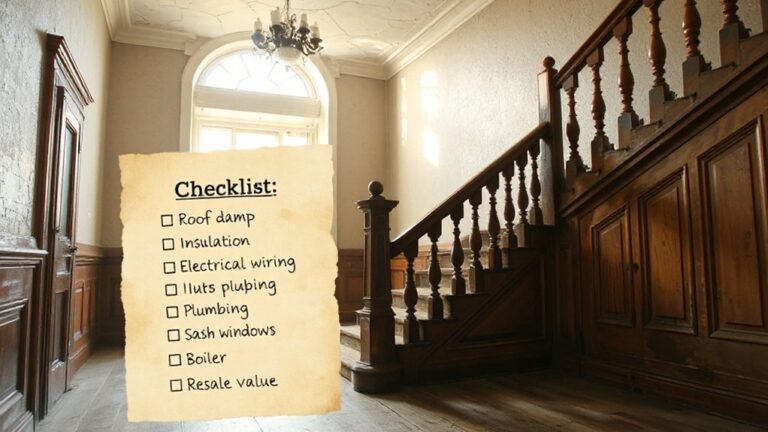
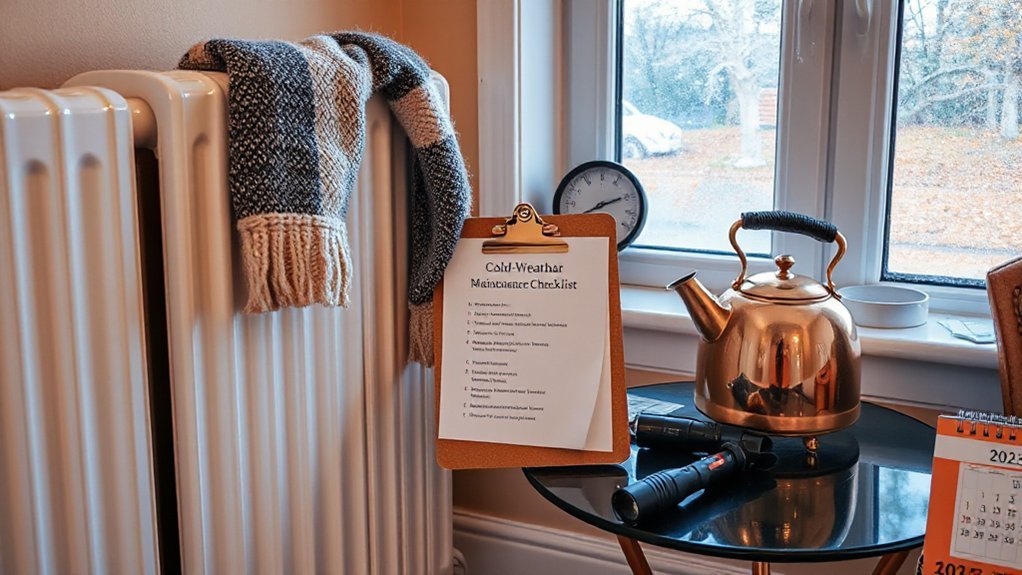
Prepare now for winter with a concise, technical UK-focused checklist. Inspect your boiler, thermostat, and pressure relief valve; verify accurate readings and calibrate wiring and deadbands. Test smoke and CO detectors, guarantee backups, and log all safety checks. Seal gaps around doors, windows, pipes, and penetrations; insulate exposed pipes and clear gutters. Balance radiators, purge air, and verify vents. Plan cost‑effective upgrades with clear estimates and trusted trades, so you’ll know what’s next if you keep exploring.
Assess Winter Readiness: Quick UK Home Health Check
Before winter arrives, perform a concise health check to confirm your home’s readiness. You’ll systematically verify systems and safety features, focusing on operational reliability and occupant health.
Inspect the boiler, thermostat, and pressure relief valve for proper function, and confirm carbon monoxide detectors are active and correctly positioned.
Check moisture control in common areas to maintain stable indoor air quality; detect any musty odors, signs of damp, or visible mold, and address promptly.
Assess the ventilation rate, ensuring fresh air exchanges meet dwelling size requirements, especially where seasonal decor adds fabric and dust.
Review rapid-access emergency shutoffs and fire safety equipment, keeping exit routes clear.
Document findings for future reference and ensure maintenance tasks are aligned with UK guidelines for safe, energy-efficient living.
Insulation and Drafts: Seal Warmth, Save Energy
Insulation and drafts directly affect heat retention and energy use, so you should prioritize sealing any gaps that allow cold air to infiltrate and warm air to escape. You’ll improve overall efficiency by targeting problem areas, using proven methods, and documenting results for future upkeep.
- Identify draft proofing gaps around doors, windows, and recessed fixtures, then seal with appropriate materials.
- Apply window sealing where frames show movement or glazing gaps, ensuring a snug, continuous barrier.
- Seal outlets, pipe penetrations, and floor/ceiling junctures to minimize convective losses.
- Test effectiveness with a simple draft check and adjust closures to maintain tight ventilation without over-sealing.
Draft proofing gaps, window sealing are essential steps for sustained comfort and energy savings.
Heating Systems and Thermostats: Safe, Efficient Comfort
To keep your system safe and efficient, start with correct thermostat placement and programming that matches your home’s load and occupancy patterns.
Prioritize consistent maintenance practices—seasonal checks, filter changes, and prompt repairs—to minimize energy waste and prevent breakdowns.
We’ll cover safe thermostat practices, efficient heating usage, and practical system maintenance tips to maintain comfortable, reliable heating throughout winter.
Safe Thermostat Practices
What’s the best way to guarantee reliable, efficient heat from your boiler while preventing safety hazards? Safe thermostat practices hinge on correct installation, verification, and operation of controls. Follow these steps to maintain precise temperature control and protect components:
- Install a compatible, rated thermostat (preferably smart thermostat) and verify wiring matches the boiler’s documentation.
- Calibrate settings to your home’s occupancy patterns; avoid constant high-temperature modes that waste fuel and stress heat exchangers.
- Test emergency overrides and lockouts, confirming fail-safe responses during faults or power loss.
- Schedule regular diagnostics, updating firmware and checking sensor placement for accurate readings and consistent temperature control.
Smart thermostat integration and deliberate configuration reduce risks and optimize comfort.
Efficient Heating Usage
Efficient heating relies on precise control and sensible usage of your boiler and radiators. You should set a clear, zone-based schedule that matches occupancy patterns, avoiding overheating unoccupied spaces.
Prioritise room-by-room balancing, ensuring each radiator distributes heat evenly to prevent cold spots and reduce boiler cycling.
Use a weather-compensation strategy where your boiler adapts output to outdoor conditions, maintaining steady indoor temperatures with minimal energy.
When possible, install Smart thermostats to modulate schedules remotely, verify compatibility with your system, and confirm boiler compatibility for clean operation.
Regularly purge radiators to remove trapped air, and bleed until steady, quiet flow returns.
Pair these actions with Energy saving tips, such as lowering setbacks at night and during workdays, to optimise overall efficiency without compromising comfort.
System Maintenance Tips
Regular system checks are essential for safe, efficient comfort. You’ll verify boiler pressure, inspect for leaks, and guarantee thermostats read accurately, avoiding phantom heat loss. Maintain labeling for risks and follow manufacturer guidance to prevent hazards and optimize performance.
Assess zoning capabilities, calibrate programmable settings, and confirm radiator balance to minimize hot spots. Keep filters clean, replace as needed, and test low-water cutoff functionality to avert boiler failure. Document service dates, part replacements, and seasonal adjustments for future reference.
- Inspect boiler, valves, and flue connections for corrosion or signs of wear.
- Calibrate thermostats, test wiring integrity, and review deadband settings.
- Check pressure gauge and refill if required, then purge air from radiators.
- Schedule professional inspection, update preventative plan, and integrate home decor and gardening tips.
Pipes, Roofs, and Exterior Checks: Prevent Leaks and Frost Damage
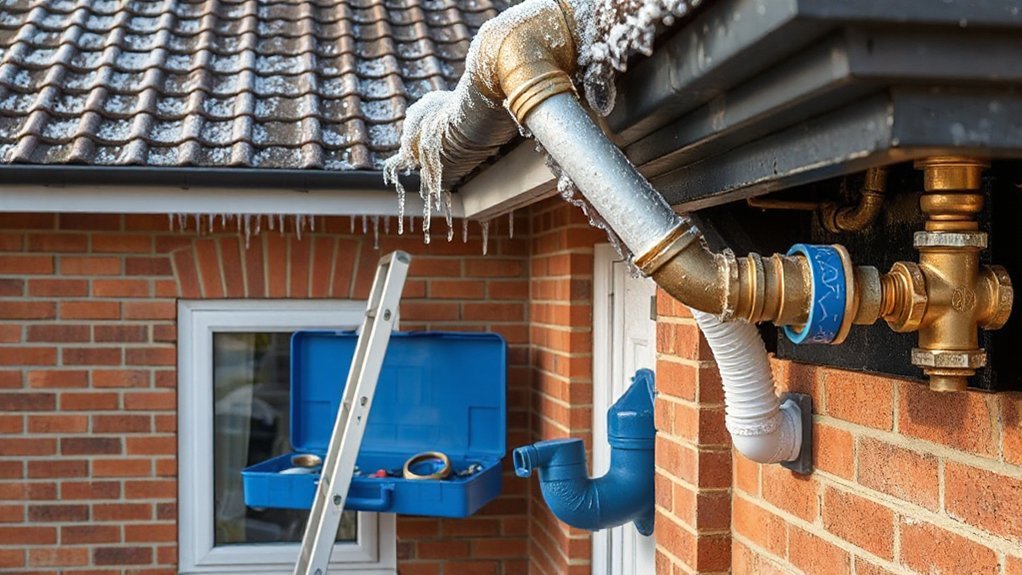
You should start with proper Pipe Insulation Essentials to minimize heat loss and prevent freezing pockets.
Next, apply Roof Leak Precautions and exterior seals to block water ingress and frost damage, inspecting flashings and gutters for blockages.
Finally, perform a concise Exterior Seal Checks review to confirm all joints, doors, and windows are weather-tight before winter.
Pipe Insulation Essentials
To prevent leaks and frost damage, start with practical pipe insulation and exterior checks that cover pipes, roofs, and other exposed elements. You’ll protect against heat loss and freezing by selecting appropriate materials, thickness, and installation methods, ensuring continuous coverage and proper sealant use. Focus on joints, bends, and hangers to maintain performance, and verify that exposed pipes are adequately insulated at least to frost‑line levels.
- Assess all exposed piping near external walls and unheated spaces.
- Choose foam, rubber, or fiberglass insulation with a suitable temperature rating and vapor barrier.
- Seal gaps and wrap penetrations to reduce heat loss and moisture ingress.
- Inspect exterior taps, hose bibs, and storage areas for frost protection readiness.
Roof Leak Precautions
Roof leaks can escalate quickly in cold weather, so conduct a focused exterior and roof system check before the first frost. You should inspect roof integrity, flashing, and penetrations for signs of deterioration or gaps that could admit water during freeze–thaw cycles.
Prioritize securement of roof guttering, ensuring downspouts drain away from the structure and are free of debris that could trap ice.
Assess chimney maintenance as a potential moisture path; check crown and flashing for cracks and verify that chimneys are properly capped to deter wind-driven rain.
Validate exterior joints around vents, skylights, and dormers for seal integrity.
Document any anomalies, re-seal promptly with compatible materials, and schedule professional inspection if you detect persistent wet patches or frost spotting near eaves.
Exterior Seal Checks
- Inspect pipe penetrations for missing or degraded sealant; reseal with backer rod and polyurethane.
- Check roof edge flashings and eave joints for uplift, sealing any voids promptly.
- Assess window gaps and door thresholds; apply backer rod, compatible sealant, and clean edges.
- Test drainage outlets and gutter joints, sealing any leaks to prevent frost backflow inside walls.
Safety Gear and Routine Maintenance: Alarms, Vents, Quick Wins
Safety gear and routine maintenance should be treated as non-negotiable components of a winter-ready home. You’ll verify alarms, vents, and quick-win tasks with a methodical cadence, starting with a full test of smoke and carbon monoxide detectors, then hard-wired alarms connected to a backup power source.
Confirm vents are clear, unobstructed, and free of debris to maintain airflow and reduce condensation risks. Keep personal protective gear ready for any installation, inspection, or cleaning tasks, and wear it during high-dust or high-heat activities.
Schedule routine safety inspections, documenting outcomes and any corrective actions. Maintain a concise log for each system, track battery replacements, and replace expired components promptly.
Prioritize rapid-response steps for unusual readings, fault codes, or water ingress around vents and damp zones.
Budget-Smart Upgrades and Finding Trusted Tradespeople
Budget-smart upgrades maximize long-term value without compromising safety or comfort, and they start with clear cost-benefit science rather than impulse purchases. You’ll prioritize energy efficiency, durable materials, and sensible payback periods to keep total cost of ownership low.
Rely on budget-friendly upgrades that deliver measurable savings and comfort gains without the fragrance of hype. To guarantee quality, align with trusted tradespeople who provide transparent quotes, clear timelines, and documented warranties.
Use these steps:
- Define scope and expected savings with a written estimate.
- Check credentials, certifications, and recent project references.
- Obtain multiple quotes and compare material quality and labor rates.
- Review contract specifics, warranty terms, and post-install support.
Frequently Asked Questions
When Should I Start Winterizing My UK Home This Year?
You should start in early autumn, typically September, to prepare effectively. You’ll winter proof windows and implement frost protection tips, ensuring drafts are sealed, pipes insulated, and heating schedules optimized for consistent comfort and energy efficiency throughout colder months.
How Often Should I Test Smoke and CO Alarms?
Test smoke and CO alarms every 6 months, and after any power loss or alarm replacement. Make sure alarm placement follows manufacture guidelines, and maintain batteries—battery maintenance—to avoid false alarms in real emergencies.
What’s a Budget-Friendly Way to Improve Airtightness?
You can improve airtightness cheaply by sealing gaps with affordable caulk, weatherstripping doors, and adding door sweeps, then patching leaks around penalties. This boosts energy efficiency and indoor comfort without breaking the bank.
Can I DIY Thermostat Wiring or Should I Hire a Pro?
Jump in and decide: you shouldn’t DIY electrical thermostat wiring; hire a pro. DIY electrical can pose risks, whereas professional installation guarantees code compliance, safe sensing, and reliable performance—protect your system, avoid shocks, and stay compliant.
Do I Need Carbon Monoxide Detectors on Every Floor?
You should install carbon monoxide detectors on every floor. Guarantee proper detector placement: near sleeping areas and on each level, away from heat sources, with regular testing and battery replacement to maintain reliable protection.
Conclusion
As winter approaches, you stitch readiness into your home like a tight-knit quilt. Every seal, every thermostat tweak, every pipe sleeve is a thread securing warmth and calm. When your systems hum with precision, you glide past frosty mornings and rain-slick roofs, insulated and confident. Let budget-smart upgrades be your compass, trusted tradespeople your steady hands. Stay proactive, document checks, and your house becomes a fortress of comfort, efficiency, and quiet resilience through the season.
About the Author