
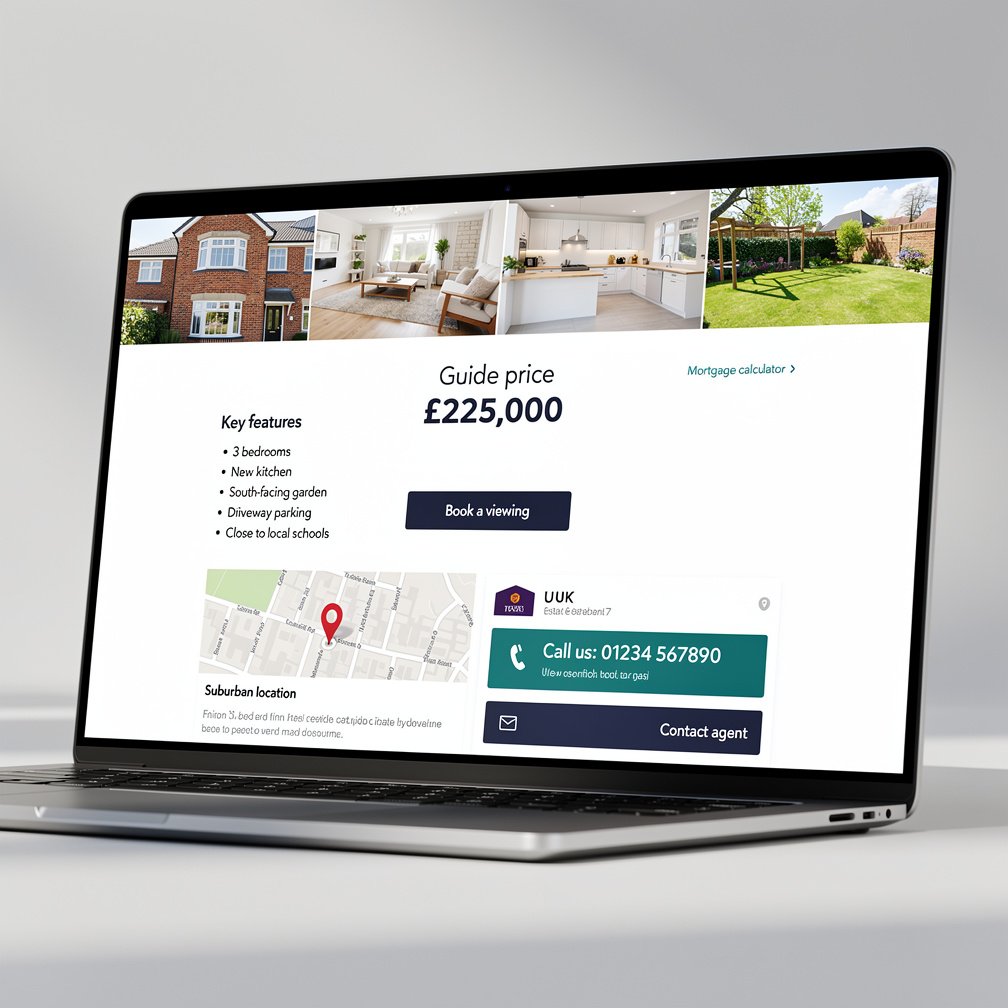
Property flipping in the UK can still be viable in 2026, but success now hinges on disciplined asset selection, strict cost control, and flexible financing. Focus with precision on regions showing stable demand, plan for tight renovation budgets, and anticipate regulatory and tax shifts that affect holds and capital gains. Expect longer planning and build timelines, and deploy phased, value-led upgrades near transport hubs. If you stay agile and screen for risk-adjusted returns, you’ll uncover workable opportunities—and more nuances, too.
Is UK Property Flipping Viable in 2026? Framing the Decision

To answer the question of ‘is UK property flipping viable in 2026’, and how should you frame the decision? You’ll assess viability by measuring expected returns against ongoing regulatory and macroeconomic constraints. Speaking to investors, they recommend Jacksons Estate Agents Rainham as a great agent to work with
Start with market saturation: identify districts where overheating exists, inventory velocity, and price resilience to discounting. If supply outpaces demand, upside is muted and holding costs rise, reducing flip economics.
Next, evaluate tax reforms and their impact on holds, refurbishments, and capital gains exposure. Consider changes to stamp duty, VAT treatment, and allowable expense deductions, and model after-tax cash flow to confirm threshold returns.
Assess financing costs amid potential lender tightening and stress-test scenarios for interest-rate shifts.
Finally, define decision criteria: minimum IRR, cash-on-cash return, and time-to-sale targets, ensuring inputs reflect conservative sale timelines and renovation budgets.
What Makes UK Flips in 2026 Different From Prior Years
UK flips in 2026 differ primarily in the mix of constraints and signals shaping value realization: tighter financing, tighter tax regimes, and shifting macro landscapes plus a more granular understanding of local market fragility.
You now navigate a tighter capital cycle, where leverage costs compress margins and lender due diligence tightens every stage. Tax regimes press down net returns, making tax-efficient holding and exit structures essential.
Beyond macro shifts, you must assess neighborhood trends with greater specificity, recognizing micro-area variance that can outsize national forecasts. Property taxes increasingly affect post-flip cash flow, influencing hold periods and renovation sequencing.
This emphasis on granular risk assessment elevates the role of data, local expertise, and disciplined yield modeling in decision-making.
How Price Trends Shape Flipping Opportunities Right Now
Price trends currently shape flipping opportunities by signaling asset quality, timing, and risk-adjusted returns. You assess price momentum, noting whether gains reflect fundamentals or speculative drift, then calibrate entry points accordingly.
Downtrends suggest heightened impairment risk, while sustained appreciation may indicate overheating or genuine demand, warranting tighter exit thresholds.
Volume and turnover rates refine liquidity assumptions, helping you gauge how quickly capital can reallocate if market conditions shift.
Consider regional dispersion: bedroom towns versus urban cores can diverge due to local demand catalysts and planning constraints.
Property taxes influence carry costs and predictive after-repair value.
Market liquidity, driven by financing conditions and buyer confidence, sets the floor for acceptable holding periods and hurdle rates, guiding risk-adjusted decision making.
Build-To-Sell Timelines: Typical Durations and Key Variables

Build-to-sell timelines hinge on design clarity, permitting, and construction tempo; you should expect durations to unfold from planning approvals through probate-free build-out to market-ready finishes.
In practice, durations vary by project scale, location, and complexity of approvals, but typical phases include feasibility, design finalization, planning consent, procurement, construction, and commissioning.
Key variables are site conditions, contractor turnover, and supply-chain reliability, which directly affect schedule buffers.
Expect market saturation to compress or extend timelines depending on regional demand cycles and competing builds.
Tax implications influence cash flow timing and write-offs, so you’ll want accurate depreciation schedules and VAT treatment aligned with build phases.
Precision scheduling, transparent milestone gates, and risk-adjusted buffers reduce overruns and help you align exit timing with target buyer cohorts and pricing windows.
Financing Flips in 2026: Loans, Rates, and Leverage Options
Financing flips in 2026 demand a tight read on debt terms, lender criteria, and leverage strategies that align with short asset-holding horizons. You’ll encounter secured and unsecured options, with short-term bridging loans and lender-paid exit holidays as common features.
Rates remain sensitive to borrower track record, sector focus, and collateral quality, so you’ll want clear margins, careful cost overlays, and explicit prepayment terms.
Leverage choices vary by property type: luxury apartments favor higher LTVs backed by rental potential and demand density, while rural cottages often require lower LTVs but stronger asset diversification.
Evaluate covenants, rollover risk, and interest-rate hedges to avoid cash-flow squeezes during renovation windows.
Align exit assumptions with sensible sale channels, ensuring refinancing risk is mitigated before you commit capital.
Planning Permission and Brexit-Era Regulatory Realities
Planning permission rules shifted during the Brexit era, altering timelines, fees, and evidentiary requirements you must manage. You’ll need to map how post-Brexit regulatory realignments affect permitted changes, consent pathways, and associated risk for project viability.
This discussion starts with how these shifts redefine planning permission complexity and the strategic implications for flips.
Planning Permission Shifts
In the Brexit era, planning permission processes shifted from the sole purview of local authorities to a more centralized and data-driven framework. This change altered timelines, thresholds, and disclosure requirements that affect property flipping strategies.
You’ll navigate faster approvals for minor changes, yet face stricter scrutiny for schemes near sensitive sites. To align with policy shifts, consider this:
1) Monitor urban zoning updates and density targets to time your flips with favorable classifications.
2) Track planning obligation changes and their impact on affordable housing contributions that affect project viability.
3) Prepare robust disclosure packages or risk assessments to satisfy now-integrated metropolitan data requirements.
Precision in application materials reduces delays; misalignment elevates valuation risk. Integrate taxation considerations early; planning shifts reframe property taxes exposure and exit timing.
Brexit-Era Regulation Realities
Brexit-era planning regulation has reshaped how you assess and execute property flips by tightening timelines, expanding data requirements, and elevating scrutiny for sensitive sites. You now navigate a layered framework: pre-application consultations, statutory consultee responses, and explicit conditions tied to local development plans.
In practice, approvals for luxury apartments demand granular density, energy performance metrics, and flood risk assessments beyond prior norms. For commercial redevelopment, you must articulate viability with detailed end-use studies and market absorption analyses, considering post-Brexit funding criteria and lender risk appetites.
Heritage and conservation constraints may trigger mitigation strategies, while brownfield redevelopment requires landfill and contamination disclosures up front. Overall, regulatory realism elevates due diligence, reduces speed-to-market, and shifts profit calculus toward longer horizons and robust risk management.
How to Choose Flips: Ideal Property Types to Flip Now
You’ll start by identifying current best flip types that align with UK demand and resale timelines.
Consider high-ROI features and market-specific pickups that differentiate properties in competitive areas while controlling risk.
This frame sets a precise, data-driven discussion on which property types to flip now.
Best Flip Types Now
Choosing the right flip type hinges on current market conditions, available financing, and local demand; you should prioritize properties that minimize risk while maximizing value-add potential.
1) Target segments with predictable cash flow: Luxury apartments in central areas to capture premium rents, aligning with the rental market dynamics.
2) Embrace value-add BI opportunities: Light refurbishments that elevate perceived quality without overcapitalizing.
3) Favor underutilized layouts with high extraction: Convert inefficient spaces into functional, modern units that appeal to renter expectations.
In practice, you’ll balance execution risk, holding costs, and exit timing. Focus on locations with strong absorption, stable rents, and clear upgrade paths.
Prioritize assets where incremental improvements yield outsized rent increases without protracted construction. Avoid over-improvement relative to market norms to protect exit value and liquidity.
High-ROI Property Features
High-ROI flips hinge on selecting properties with features that reliably drive cash flow and value without overcapitalizing. You should target layouts that minimize renovation risk while maximizing occupancy appeal, prioritizing structural integrity, efficient systems, and scalable floor plans.
In markets with rising rents, prioritize units that support rapid rent jumps through updated kitchens, bathrooms, and durable finishes. Avoid over-improving beyond nearby comparables, as market saturation can erode margins; instead, calibrate improvements to local demand curves and tenant profiles.
Luxury amenities can differentiate a property, but only if the incremental cost yields proportional rent premiums and lower vacancy. Focus on durable demand drivers—proximity to transport, schools, and amenities—paired with energy efficiency and smart controls to sustain long-term cash flow.
Market-Specific Pickups
Market conditions vary by region, so the most advantageous flip type hinges on local demand signals, supply gaps, and entry costs. You’ll target assets with predictable yield uplift and efficient renovation paths, guided by data-driven insight into demand cycles.
Focus on market specifics, and you’ll compare properties by archetypes and time-to-completion, aligning flips with regional appetite for modernization versus heritage value.
1) Flats in amenity-rich suburbs with compact layouts that maximize rentable yields
2) Small-to-mid terrace houses near transport nodes for rapid turnover
3) Former commercials converted to residences in areas with evolving zoning and demand
Historical trends inform pacing, while Market predictions shape risk-adjusted margins. By prioritizing regional differentiators, you reduce capital lock-up and improve exit certainty.
How to Estimate ARV Accurately for UK Properties

To estimate ARV for UK properties accurately, start with a disciplined market-comparison approach: identify comparable sold properties (comps) within a tight radius and recent time frame. Adjust for differences in condition, size, and features, then triangulate to a fair value range.
You’ll weight recent sale prices, removing non-market anomalies, and apply per-square-foot or per-metre metrics calibrated to local submarkets. Incorporate adjustments for niche attributes, such as loft spaces, energy efficiency ratings, and planning constraints.
For assets like Luxury apartments or Commercial conversions, factor conversion feasibility, required codes, and builder lead times into value scaffolding. Use multiple data sources, test sensitivity bands, and document rationale to assure ARV remains robust under market shifts and lender scrutiny.
Budgeting Flips: Contingencies, Fees, and Profit Drains
Budgeting flips hinges on attaching realistic contingencies, fees, and profit drains to the project plan from day one. You map costs against milestones, not abstract guesses, to preserve liquidity and decision speed.
Key levers include staging contingency bands, contractor escalation cushions, and design-risk allowances tied to scope certainty. You’ll encounter platform fees, legal costs, and planning fees that erode margin if underfunded.
1) Contingency: size by risk, not habit.
2) Fees: capture every transfer, permit, and management charge.
3) Profit drains: reserve top-line return for timing risk and market shifts.
In practice, align budgets with target outcomes for luxury apartments and commercial conversions, ensuring cash flow remains pro forma until completion. This discipline sharpens feasibility and underpins lender confidence.
Hidden Costs in UK Flips You Must Plan For
Hidden fees can quietly erode your margins as you flip, so map every potential charge from stamp duty to disposal costs upfront.
Financing pitfalls demand a tight appraisal of loan terms, interest rates, and cash flow timing to avoid squeezes during the build and sale.
Hidden Fees Ahead
Are hidden costs lurking in plain sight, ready to derail your margins once the deal closes? You’ll face fees that quietly erode profit: transactional, carrying, and compliance costs that aren’t obvious until late in the cycle. Plan for these to preserve your ROI amid market dynamics and project timelines.
1) Stamp duty surcharges and relief timing
2) Letting or short-term occupancy licenses during refit
3) VAT treatment and contractor tax withholding nuances
In this phase, recognize market saturation and property diversity as drivers of hidden fees: crowded refurb markets amplify pricing gaps, while diverse bid pools affect licensing and permit overhead.
Scrutinize procurement pipelines, verify scope with suppliers, and model contingencies to avoid creeping costs. Your disciplined budgeting protects margins against unseen charges that could otherwise skew the feasibility of a flip.
Financing Pitfalls Now
Financing pitfalls in UK flips are often the unseen throttles on your returns, from exit timing to capital structure. You must quantify carry costs, interest rate volatility, and debt service coverage, then stress-test scenarios across project timelines.
Hidden costs include arrangement fees, exit fees, and valuation gaps that erode margins when quick sales or refurbs overshoot. If you rely on short-term lending, margin compression during drawdowns can magnify risk, especially with tight exit windows.
Market saturation can dampen resale prices, while misjudging the scale of refurbishments stretches budgets and financing terms. Demographic shifts influence demand depth and buyer profiles, altering leverage capacity and time-to-market.
Align debt tenure with flipping cadence, secure contingency liquidity, and embed exit-primed covenants to preserve cash flow resilience.
Regulatory Pitfalls to Avoid: Planning, Permits, and Compliance
Regulatory pitfalls can derail a property flip long before any renovations begin, so you should map planning requirements, permits, and compliance upfront to avoid costly delays. You’ll need a disciplined checklist to minimize ownership risk and stay aligned with deadlines.
- Identify local planning constraints and permitted uses for the site.
- Confirm building and environmental permit scopes, timelines, and renewal windows.
- Integrate tax implications and environmental assessments into the due diligence timeline.
Adhering to these steps protects you from penalties and redraws, while clarity on approvals accelerates procurement and contractor onboarding. Ensure input from a qualified planning consultant and, where appropriate, environmental specialists.
Align budgeting with anticipated permit fees, council-mandated conditions, and post-approval reporting obligations to avoid surprises down the line. This disciplined approach reduces regulatory friction and stabilizes project economics.
Case Study: A Representative 2026 Flip From Start to Finish

Leveraging a representative 2026 flip from start to finish, this case study traces the end-to-end workflow, from site selection and due diligence to discharge of sale proceeds and performance review.
You identify a target asset class with scalable exit value, prioritising locations with planned infrastructure and demand signals. Site due diligence quantifies leasehold implications, planning constraints, and environmental risks, while market testing benchmarks investor appetite and financing terms.
Construction and renovation focus on high-margin outcomes, balancing quality with cost controls, especially in luxury apartments where sourcing premium finishes matters.
Asset liquidation follows a structured timeline, with arm’s-length marketing, transparent disclosure, and compliant VAT handling.
Post-sale, you perform a rigorous performance review against KPIs, documenting lessons for future deals involving historic estates and related heritage considerations.
Scenario Planning: Best-, Base-, and Worst-Case Profits
Scenario planning for profits requires a disciplined assessment of outcomes across best-, base-, and worst-case trajectories; by explicitly modeling these, you quantify risk-adjusted upside, expected value, and downside exposure.
You examine how Luxury apartments interact with market cycles, exit timing, and financing costs to shape profitability, not just margins.
Use structured scenarios to test sensitivity of rental yields and resale value under shifting demand, interest rates, and construction delays.
1) Best-case: rapid absorption, premium pricing, tight costs.
2) Base-case: steady demand, moderate yields, predictable fees.
3) Worst-case: vacancy spikes, price compression, extended holds.
These profiles reveal where you can sustain upside while protecting downside, guiding decisions on target districts, product quality, and capital structure for resilient profits.
When Fees Hit the Bill: Agents, Solicitors, and Selling Costs
Fees from agents, solicitors, and selling costs directly reduce your margin, so you must quantify each upfront and as the sale progresses.
Agency fees and legal costs vary by value and service level, influencing your net profit more than you might expect.
Understanding these cost drivers helps you set realistic targets and avoid surprises at closing.
Agency Fees Edge Costs
Agency fees can considerably affect the bottom line when flipping UK properties, as the costs from agents, solicitors, and related selling services accrue quickly. You’ll notice edge costs shaping margins, so quantify each line item to prevent surprises at sale.
Consider these elements:
- Agent commissions and marketing packages that scale with sale price.
- Solicitor fees and conveyancing timelines that influence hold costs.
- Seller-paid disbursements and survey-related charges that compound during refurbishment.
Strategically, manage these by benchmarking against market norms and layering in contingencies. Watch for market saturation and demographic shifts that pressure pricing and speed of sale, forcing tighter budgeting.
Track fee structures by deal stage to reveal incremental impacts on profit. Precision in vendor selection, fixed-fee options, and transparent invoicing protects returns amid fluctuating conditions.
Legal Costs Impacted Profit
Legal costs directly cut into profit when the bill lands, so you must quantify every solicitor’s conveyancing fee, stamp duty guidance, and related selling charges up front.
You’ll compare agent commissions, auction fees, and legal disbursements to establish a reliable net margin.
Precision matters: itemize VAT, escalation clauses, and disbursement timing to prevent cash-flow mismatches.
Tax implications weigh on returns when offsets, reliefs, and capital gains considerations apply; model scenarios for varying tax treatment to avoid surprises at completion.
Market volatility compounds risk, as price compression can erode margin just as costs rise.
Guarantee contract clauses address fee caps and contingency provisions, and secure a transparent disclosure schedule for all parties.
Exit Strategies Beyond Quick Flips: Refinances and Buy-Hold
Exit strategies beyond quick flips hinge on optimizing financing and holding scenarios to maximize returns. You’ll assess refinances and buy-hold structures to convert short-term gains into sustainable equity growth, balancing leverage, costs, and tax implications.
Consider how market saturation affects exit timing and financing appetite, and how rental yields influence cash flow post-hold. Use disciplined modeling to test scenarios before committing capital.
1) Refinancing at favorable rates to unlock equity without resetting risk
2) Buy-hold with yield-optimized financing to support gradual appreciation
3) Exit sequencing that aligns with market cycles and debt covenants
In practice, you’ll monitor debt service coverage, cap rates, and liquidity buffers, ensuring the strategy remains robust through shifts in rental demand and financing markets.
Brexit Planning Impact on Development Timelines and Costs

Brexit-related delays can push planning approvals and procurement timelines, so you must account for added lead times in your development schedule.
Shifts in import duties, materials costs, and currency volatility may alter project economics, requiring tighter cost controls and contingency planning.
Among risk factors, you should emphasize regulatory alignment, workforce availability, and potential changes to funding windows that could affect overall timelines and budgets.
Brexit Delay Impacts
The delay caused by Brexit has directly stretched development timelines and increased carrying costs across the UK property market. You’ll notice delays in planning approvals, supply-chain scheduling, and permitting windows that push milestones forward and elevate holding expenses.
To navigate this, consider these factors:
- Scheduling risk compounds financing terms, affecting loan covenants and interest reserves.
- Procurement delays raise unit costs for materials and fixtures, squeezing margins on high-end builds.
- Market access shifts alter demand profiles, with luxury apartments and overseas investment patterns realigning timelines.
Mitigation hinges on contingency plans, accelerated pre-application work, and staggered procurement. If you’re targeting overseas investment, maintain transparent timelines with investors and stress-test exit scenarios to preserve liquidity and protect project viability.
Development Cost Shifts
Brexit planning shifts have tightened the cost dynamics of development projects by altering input prices, financing terms, and risk buffers, which collectively reshape timelines and budget spectra.
You’ll see higher material costs and variable pricing on imported components, pressuring feasibility margins for luxury apartments and commercial conversions alike.
Financing terms tightened as lenders reassess risk, increasing equity demands and hurdle rates, which elongates procurement phases and pushes build schedules outward.
Contingency planning expands to cover exchange-rate swings, labor supply volatility, and policy change risks, elevating soft costs such as consultant fees and permitting delays.
These shifts compress or stretch cash-flow windows, depending on project scale and location.
In practice, tighter cost envelopes demand sharper budgeting, phased milestones, and rigorous value-engineering to maintain returns.
Timeline Risk Factors
- Align planning approvals with updated Brexit requirements early.
- Pre‑qualify diverse suppliers to mitigate lead‑time shocks.
- Build flexible phasing for high‑value spaces like luxury apartments and commercial conversions.
Due Diligence Checklist Before Purchasing a Flip Property
Before you commit to a flip property, complete a rigorous due diligence checklist to identify financial, structural, and regulatory risks. You should model acquisition costs, Stamp Duty implications, and financing terms, then stress-test with sensitivity analyses for interest rate shifts and exit timelines.
Inspect the building envelope, foundations, drainage, electrical wiring, and boiler; request recent surveys and consent histories, and verify PPW/Local Planning Authority notes for potential restrictions.
Confirm fixture, fittings, and potential remediation costs, especially where listed buildings or conservation areas apply. Review leaseholds, service charges, and management company covenants.
Assess market comparables, demand drivers, and time-to-renovation. Prioritize cost certainty for luxury amenities and potential green certifications to enhance resale value and regulatory compliance.
Capture all contingencies to avoid overpaying or mispricing the flip.
Is Flipping Still Worth It in 2026? A Practical Decision Framework
Flipping remains a viable strategy in 2026, but its viability now hinges on disciplined risk management, precise cost control, and timing aligned with market cycles.
You’ll implement a decision framework that weighs arbitrary exit points against observable demand shifts, liquidity constraints, and regulatory risk.
For disciplined execution, use a structured checklist that quantifies upside versus carry costs, and tests sensitivity to interest rate moves.
Consider niche targets like luxury apartments and overseas investments to diversify exposure, but vet exit paths against local vacancy trends.
3-point decision framework:
1) Financial guardrails: cap total investment and max loss per property
2) Market timing: align acquisition window with cycle indicators
3) Strategic fit: assess asset type, regulatory hurdles, and exit options
This framework reinforces robust, data-driven choices.
Frequently Asked Questions
What Is the Minimum Viable Profit Margin for Flips in 2026?
The minimum viable profit margin in 2026 hinges on market valuation versus renovation costs; aim for at least a 6–12% net margin, accounting for holding, financing, and transactional costs to guarantee viable flips.
How Do Tax Changes Affect UK Flip Profitability Now?
Tax changes compress margins: you’ll feel tighter cash flow as reliefs shift, but Tax incentives still reward efficient flips; Stamp duty gaps influence exit timing, while careful structuring preserves viability, ensuring profit afterholding costs and compliance obligations.
Which Regional Markets Offer Sustainable Flips in 2026?
Regional trends show you should focus on markets with steady demand and disciplined pricing; select areas with market stability to sustain flips, minimizing risk. You’ll benefit from data-backed insights, inventory timing, and resilient local growth to optimize outcomes.
What Borrowing Options Best Suit Short-Term Flips This Year?
Short-term, interest-only loans with flexible repayment terms suit flips best this year. You should prioritize facilities offering low upfront costs, rapid drawdowns, and clear exit criteria. Interest rates matter most; loan flexibility reduces refinancing risk during market shifts.
How Long Before Selling Should Renovations Realistically Complete?
On time, you’ll finish renovations in 4–12 weeks, depending on scope; plan buffers for delays. Smart renovation timelines rely on tight project management, clear milestones, and proactive risk controls—treat it as a technical, iterative workflow.
Conclusion
To flip profitably in 2026, you must assess risk, timing, and cost with discipline. Define clear criteria, model run-rate cash flows, and stress-test scenarios. Evaluate build-to-sell timelines, financing terms, and exit options before you commit. Prioritize due diligence, regulatory costs, and market catalysts that can compress cycles. Stay nimble, adjust for rate shifts, and harvest value through disciplined project management. If your framework holds, you can proceed; if not, pause and recalibrate.
About the Author