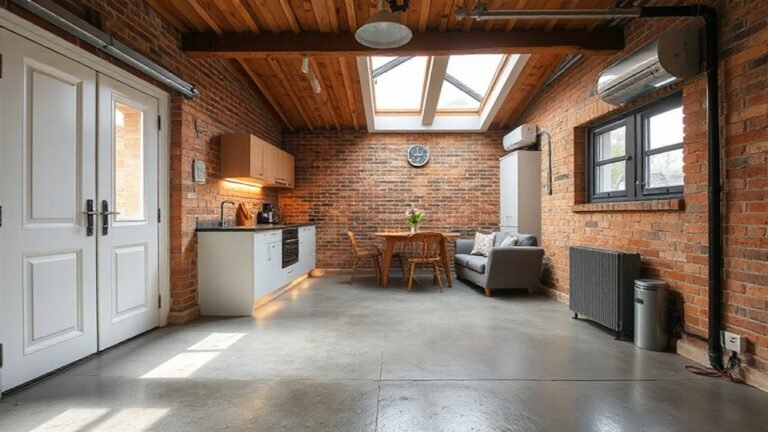
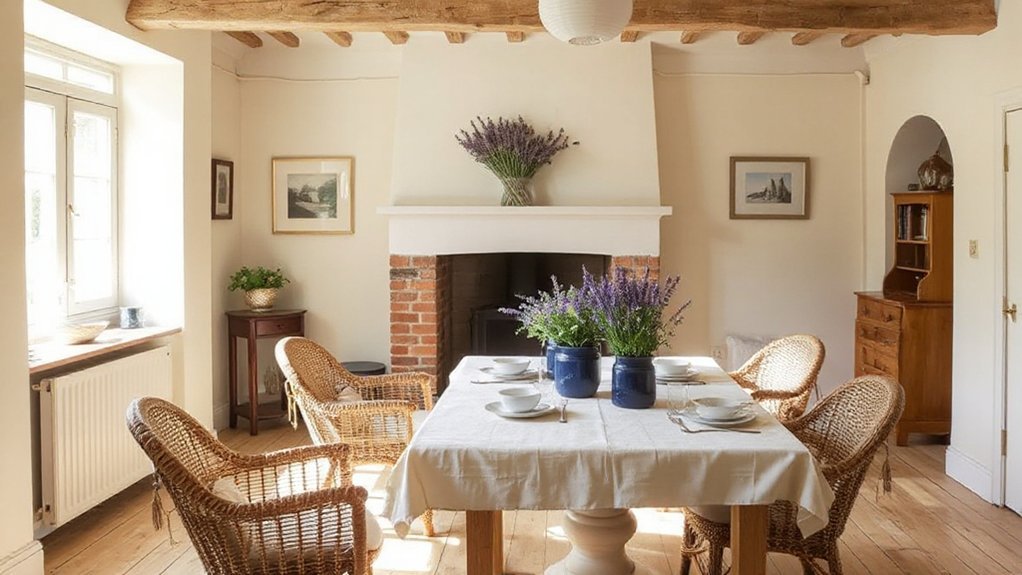
To refresh your UK cottage without losing its charm, start by defining a signature look—think warm woods, soft florals, and vintage tiles—and carry that through lighting, color, and textiles. Brighten spaces with layered, dimmable light and light, airy neutrals that reflect daylight. Preserve original features with gentle cleaning and careful repairs, then weave practical updates in with breathable finishes and low-VOC materials. Stay purposeful about storage, comfort, and durability, and you’ll keep character while enjoying modern ease—more details ahead.
Define Your Cottage Charm in 5 Steps
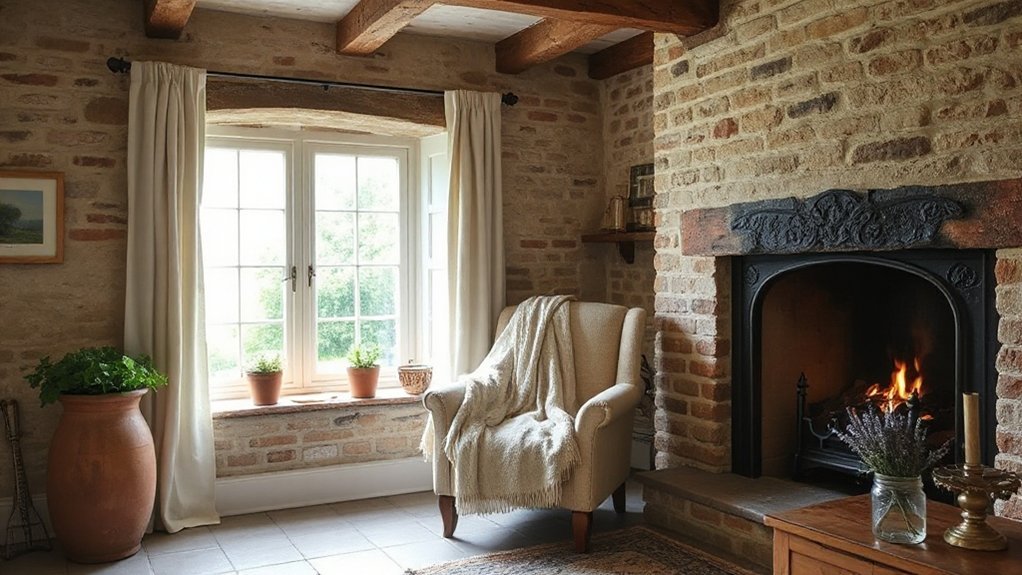
To define your cottage’s charm, start by identifying two or three signature elements—think warm woods, soft florals, or vintage tiles—and let them guide every decision. You’ll map a cohesive feel first, then align choices like color, texture, and scale to that core.
In practical terms, sketch a mood board and test how each element harmonizes in rooms you use daily. When you pick garden landscaping and outdoor décor, guarantee foliage, materials, and silhouettes echo your signature accents. Choose woven textures for seating and planters that mirror tile patterns.
Avoid overloading spaces; let negative space breathe. Maintain meticulous consistency: repeat a limited palette, repeat a motif, and use lighting to extend your charm after dusk. Your cottage gains calm, character, and lasting appeal.
Set a Kinder Budget: Affordable Fixes That Lift Light and Feel
You can refresh the feel of your cottage without overspending by choosing budget-friendly touches that still look thoughtful. Prioritize light-boosting finishes and cost-conscious upgrades that brighten rooms and lift mood, using simple, durable choices.
Stay practical and precise as you map a kinder budget that delivers noticeable, tasteful results.
Budget-Friendly Touches
Small, inexpensive updates can transform a cottage’s feel without shrinking your budget. You’ll start by rethinking textiles: swap heavy curtains for lighter linen and add cushions in subtle, earthy tones to soften rooms without clutter.
Look for antique accents and rustic textures in secondhand shops or flea markets; a chipped porcelain pitcher or a woven jute basket can become focal points with minimal cost.
Refresh lighting with warm bulbs and inexpensive shade updates to brighten spaces without harsh glare.
Declutter thoughtfully, keeping surfaces clear and purposeful; a single tray on a coffee table can anchor a room.
Finally, introduce portable greenery—potted herbs or small ferns—to lift air and mood affordably.
Light-Boosting Finishes
Pair these with light-reflecting surfaces like satin finishes on cabinetry or subtle gloss tiles. Introduce color through textiles and accessories rather than walls to keep the space calm.
Focus on color palettes that harmonize with existing woodwork, curtains, and floors. Material textures matter: a woven rug, linen drapes, and a smooth plaster wall can add depth without heaviness.
Keep seamless transitions, avoid busy patterns, and maintain proportion so brighter finishes feel deliberate, not gratuitous.
Cost-Conscious Upgrades
With a modest budget, you can lift the cottage’s glow by choosing cost-effective upgrades that feel intentional rather than temporary. Start with surfaces you actually use daily: repaint walls in calm neutrals, swap out hardware, and seal drafty doors to improve comfort without big spends.
Opt for vintage furniture pieces that bring character without a full refresh, mixing thrifted finds with modern essentials to keep spaces fresh yet cohesive.
Garden landscaping can stretch your impact: tidy borders, prune overgrowth, and add a few hardy perennials for year-round color.
Prioritize lighting: add warm LEDs in key areas to transform mood cheaply.
Keep clutter controlled with smart storage solutions, so upgrades appear deliberate, not random.
Finish with a consistent palette, and your cottage will feel renewed and inviting.
Brighten First: Lighting Fixes for Low Ceilings
Think about brightening first with mirrors and layered light strategies to make low ceilings feel higher and rooms more inviting. You’ll place reflective surfaces where they catch natural glow.
Use a mix of ambient, task, and accent lighting to avoid harsh shadows. This practical, meticulous approach keeps ceilings visually lifted while preserving a tasteful cottage vibe.
Brighten With Mirrors
Mirrors can dramatically brighten a cottage with low ceilings by reflecting available light and creating the illusion of extra depth. To start, choose appropriately sized pieces that don’t overwhelm the room.
Place mirrors opposite windows to double daylight, or flank doors to bounce light into hallways. Leaning mirrors can add a casual touch, but secure them to prevent accidents in busy spaces.
Use a mix of reflective surfaces—glass, metallic trims, and glossy frames—to keep the look cohesive without glare. Consider bathroom and entryway mirrors with clean edges for clarity, avoiding ornate, heavy frames that weigh down the ceiling height.
Keep maintenance simple: wipe away smudges to preserve brightness. Mind mirror placement so reflections enhance space, not reveal clutter.
Layered Light Strategies
Layered lighting is your fastest route to brighter rooms without enlarging the ceiling. In cottages, build depth with a mix of ambient, task, and accent layers that don’t overwhelm the space.
Start with a dimmable ceiling fixture for gentle, even illumination and pair it with wall sconces at eye level to reduce shadows. Add under-cabinet or shelf lighting to reveal texture without glare, boosting natural illumination during the day.
Use lamps at corners to eliminate dark pockets and reflect light off light-colored walls. Choose slim, unobtrusive fittings to keep sightlines clear.
Prioritize layered lighting over sheer brightness, and let daylight-dependent tasks guide your choices. This approach preserves charm while making the room feel more spacious.
Layered lighting supports a practical, tasteful ambience. Layered lighting, natural illumination.
Light, Airy Paint Palettes That Preserve Character
Choosing light, airy paint palettes helps preserve a cottage’s character while modernizing its feel. You’ll choose neutrals that reflect sunlight—cream, soft dove, pale greige—and use them on walls, ceilings, and trims to create cohesion.
Opt for low-saturation colors that won’t compete with architectural details, allowing existing features to shine. Balance brightness with tactful contrast: a slightly warmer white for radiators, a crisp edge on doors, and muted undertones that echo natural materials.
Consider color palettes that pair airy walls with natural wood accents, linen textures, and antique brass fittings to reinforce charm.
Use paint techniques like feathered edges and smooth, even coats to avoid heavy texture. Plan lighting to enhance tonal shifts, ensuring a serene, timeless finish.
Restore Original Features With Care
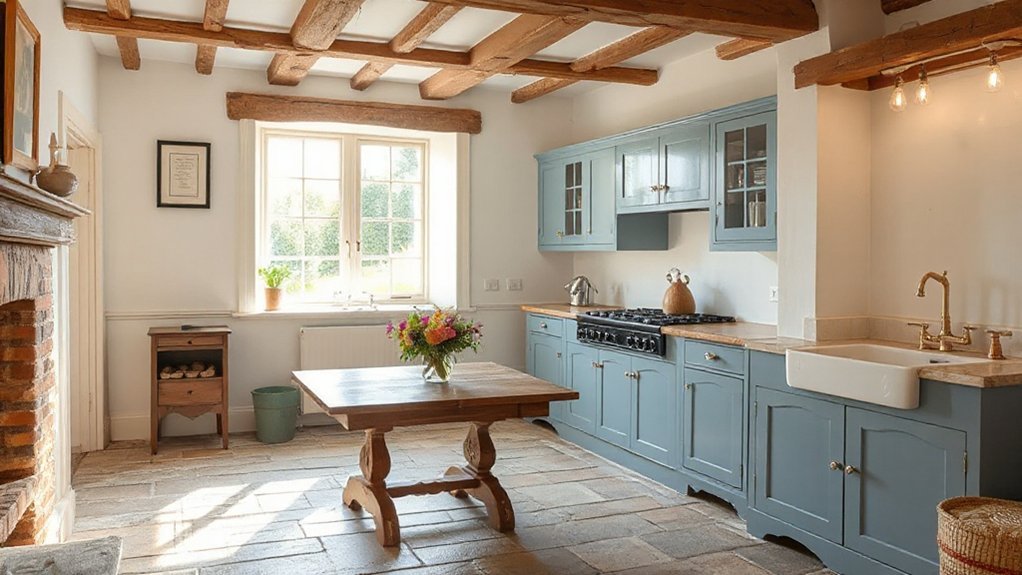
When restoring original features, you prioritize authenticity without sacrificing safety or practicality. You carefully assess each element, noting what can be preserved, repaired, or repurposed.
Begin with gentle cleaning, using non-abrasive methods that protect patina and texture. For antique restoration, document visible marks and sourcing; keep historic hardware where feasible, repairing instead of replacing.
Patch repairs should blend, not imitate, so repairs are transparent yet seamless. Consider finishes that honor age while improving usability, opting for breathable paints and traditional oils rather than heavy coatings.
Balance is key: let existing character breathe alongside subtle updates inspired by modern minimalism. Label interventions clearly, so future caretakers understand decisions.
Prioritize durability, then aesthetics, ensuring the cottage remains welcoming and true to its heritage.
Snug, Slip-Resistant Floors That Feel Warm
You’ll want floors that stay steady underfoot, even when the stove is hot and towels are damp. Choose slip-resistant textures that still feel warm to the touch.
Prioritize cozy tread comfort across every room.
Prioritize safe, soft underfoot materials that blend practicality with a refined, cottage-ready look.
Slip-Resistant Floor Warmth
Slip-resistant floors that feel warm aren’t an afterthought in a well-loved cottage—they’re a practical upgrade that blends safety with comfort. You’ll want materials that sustain grip without sacrificing warmth, so consider tiles with textured surfaces or low-profile vinyl engineered for traction.
Pair these with radiant underfloor heating or discrete heated mats to deliver steady coziness underfoot. Insulation beneath the flooring matters too; a thin, moisture-aware barrier can prevent cold transfer while maintaining slip resistance.
Choose finishes that resist spills and are easy to clean, keeping foot traffic calm and confident. For aesthetics, select neutral tones and subtle textures that echo cottage character.
Prioritize installation accuracy, testing for both grip and heat distribution, and document maintenance to sustain long-term safety and cozy underfoot appeal.
Cozy Tread Comfort
Pair warm-toned floors with vintage textiles—rug borders, quilts, or throw rugs—that compress quietly underfoot and add insulation. Integrate rustic textures: brushed concrete-look tiles, oiled oak, or terracotta accents that feel sturdy yet gentle.
Keep gradual between rooms to prevent cold thresholds. Install underfoot heat where appropriate, ensuring cables are hidden and profiles are slim. Regularly vacuum and wipe spills to retain grip and tilt toward timeless, tasteful simplicity.
Safe, Soft Underfoot
- Assess high-traffic areas and layer with non slip rugs for grip and comfort.
- Pair cushioned mats with warm-toned underlays to add insulation and softness.
- Select natural, low-friction fibers that dry quickly and resist staining.
- Maintain regular rotations and spot-clean spills to preserve grip and padding.
With thoughtful placement, your floors stay practical, tasteful, and snug, wrapping you in warmth as you move through the cottage.
Storage That Respects Cottage Quirks
Choose light finishes and simple hardware so existing timber feels intact. For storage that feels period-true, integrate vintage pieces with today’s needs: Vintage storage can anchor a kitchen wall with open shelves and closed drawers, while a petite dresser becomes a utility cabinet in a hallway.
Incorporate quirky shelving—angled, slanted, or corner-mounted—to exploit odd walls without sacrificing floor space. Labeling zones clearly helps daily use stay tidy, and soft, washable storage bins prevent dust collection while preserving charm.
Draught-Proofing Windows and Doors the Cosy Way
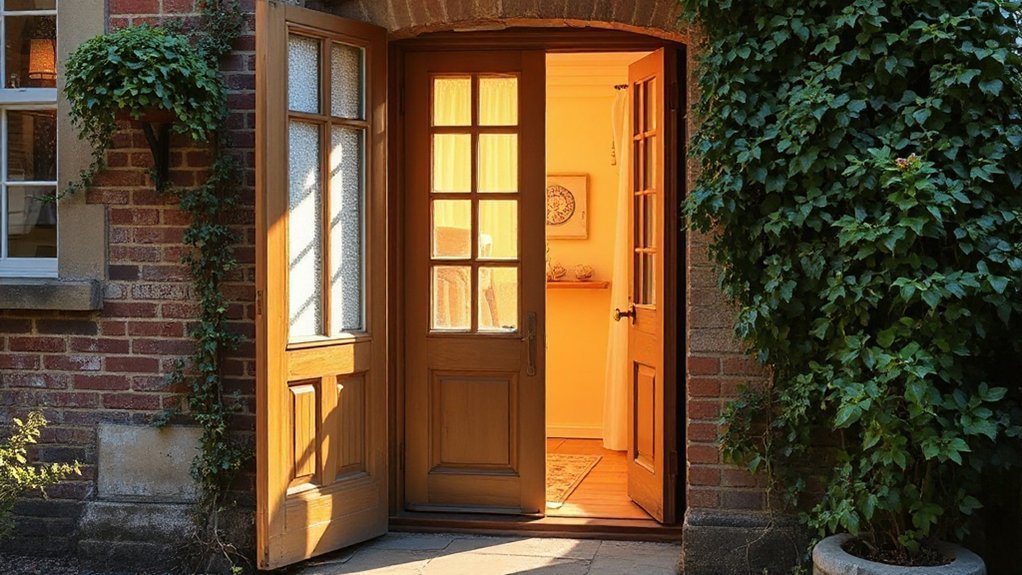
Draft-proofing windows and doors is the practical next step after smart storage, because even the smallest draft can undermine a room’s warmth and comfort. You’ll notice the difference as soon as you seal gaps without compromising character. Focus on simple, effective updates that respect original charms.
- Check sashes and frames for loose fit, and adjust or replace weather stripping to improve draft proofing windows.
- Add door sweeps and threshold seals to cut under-floor drafts and boost door insulation.
- Install draft plugs for unused or odd-sized gaps in frames, preserving aesthetics.
- Select breathable, non-intrusive insulation options that maintain airflow while minimizing heat loss.
Textiles and Soft Furnishings to Soften Seams and Shadows
Soft furnishings are your best allies in shaping a cottage’s mood and masking any stiff seams. You’ll use textile layering to add depth without bulk, pairing a textured throw with a lighter linen cushion to create inviting shadows across a seating area.
Opt for natural fabrics—linen, cotton, wool—that breathe and soften architectural lines. Drape a substantial curtain or quilted valance to blur window edges, then punctuate walls with tactile textiles like woven tapestries or a cork-backed fabric panel.
Layer rugs to define zones and reduce hard echoes underfoot. Choose a cohesive color story: earthy neutrals with gentle accents that echo timber floors.
Keep trims minimal and seams neat; let the fabrics speak—subtle, refined, purposeful soft furnishings.
Kitchen Refreshes That Nod to History
Historic-inspired cabinetry and timeless backsplash details can anchor a kitchen refresh without feeling antiquated. You’ll balance original charm with modern practicality by choosing cabinetry shapes and finishes that echo period styles.
Pair these with durable, easy-to-clean backsplash materials. Start with clean lines, subtle ornament, and textured surfaces to create a cohesive nod to history that still reads fresh and usable.
Historic-Inspired Cabinetry
1) Start with vintage hardware to anchor the look without overpowering the space.
2) Add antique accents sparingly—think a bread box, towel rail, or a painted stool.
3) Use muted, classic tones (creams, soft greens, pale blues) for a subdued, cohesive feel.
4) Pair traditional silhouettes with smart storage solutions and updated hinges for effortless use.
The result is a kitchen that reads historic, yet performs like a modern hub.
Subtle contrast, meticulous detail, and thoughtful touches keep the charm intact.
Timeless Backsplash Details
Could a backsplash quietly anchor a kitchen’s period feel while remaining practical for everyday use? It can, with measured choices that respect the cottage’s charm.
Start with timeless materials, like a glazed ceramic tile in neutral tones, built to endure spills and heat. Opt for subway or 3D textures that evoke eras past without shouting them.
Introduce Vintage patterns sparingly—a delicate chevron or small moroccan motif—so the space reads historic rather than theatrical. Keep grout narrow and unobtrusive to preserve a clean, cohesive look.
For contrast, add Ceramic accents as focal points near the hob or under a mounted shelf; they punctuate without overpowering.
Finally, guarantee the backsplash aligns with cabinet profiles and lighting, tying the room together with quiet, durable elegance.
Timeless Tile and Splashback Ideas
1) Embrace vintage patterns in a small tile, using monochrome or muted tones to echo era charm without shouting.
2) Mix rustic textures—matte ceramic, hand-glazed accents, and brick-inspired backsplashes—for tactile depth.
3) Opt for slim profiles and clean grout lines to keep the space feeling open and easy to clean.
4) Use glass or glossy subway tiles as a light-reflective counterpoint to weathered cabinetry.
These choices balance practicality with timeless appeal, preserving character while staying resilient and easy to maintain.
Furniture Layout for Flow and Cozy Nooks
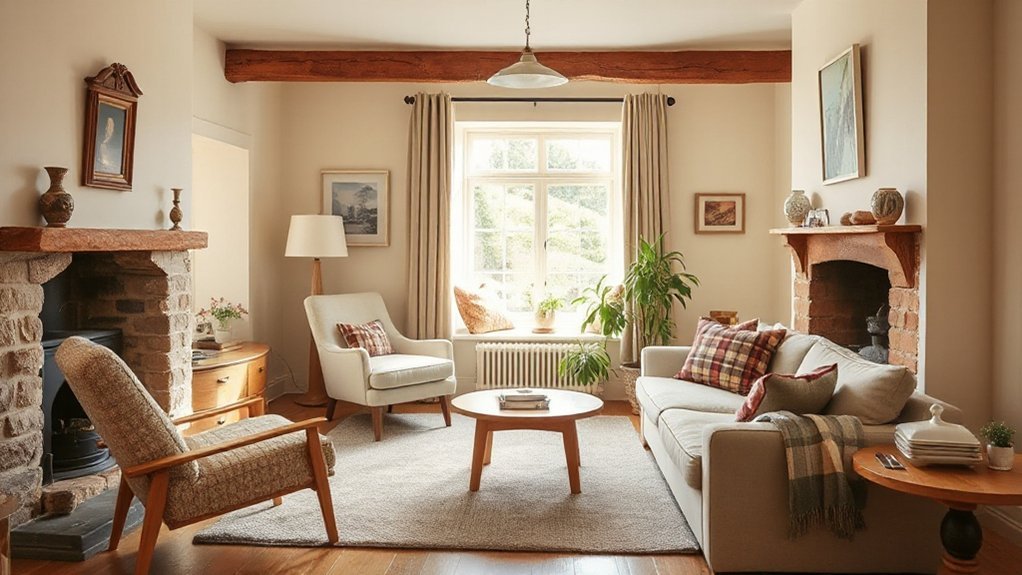
A practical furniture layout makes the most of a cottage’s cozy vibe by guiding traffic smoothly while creating intimate nooks. You map zones that support daily living: a clear living area, a compact dining spot, and a reading corner tucked near a window.
Prioritize sightlines to preserve openness, linking rooms with low-profile furniture and cohesive finishes. Place seating to foster conversation without blocking doorways, and choose rugs to define each zone without clutter.
Incorporate vertical storage to keep surfaces tidy and promote a calm atmosphere. For outdoor flow, align garden landscaping with interior pathways, so doors open onto inviting passages.
Add a small, movable accent piece for flexibility. Use garden seating and garden furniture pieces that complement indoors while expanding usable space.
Sustainable Materials and Finishes With Provenance
Choosing sustainable materials and finishes with proven provenance sets a solid foundation for a UK cottage refresh. You’ll prioritise durability, low toxicity, and a gentle footprint, aligning beauty with responsibility. Look for renewable finishes that age gracefully and require minimal maintenance.
You’ll confirm ethical sourcing, tracing supply chains to ensure fair labour and ecological stewardship, not just appearance.
- Select timber from certified forests and low-VOC paints to keep air quality clean.
- Favor lime plasters and earth-based renders for breathability and character.
- Choose natural textiles and wool carpets sourced locally or regionally.
- Verify provenance documents, supplier ethics, and lifecycle impact before purchase.
Maintenance Routines to Keep Charm Aging Gracefully
Maintaining the charm of a UK cottage isn’t about chasing perfection; it’s about steady, thoughtful upkeep that respects character while preventing small issues from becoming big ones. To keep aging grace, establish simple weekly checks: roof tiles, gutters, damp patches, and window seals.
Tidy gardens and paths to avoid moisture buildup and staining, then document any changes so you can spot trends over seasons. Schedule seasonal tasks like repainting exterior paint in a controlled, minimal way—focus on touch-ups rather than full redecorations when possible.
Prioritize ventilation to curb mould and use breathable finishes that protect stone or brick. Garden landscaping should be deliberate but low-maintenance: mulch, native plants, and clear drainage.
Use durable, washable cleaners on painted surfaces and reuse natural patinas to preserve authentic charm.
6-Week Quick-Win Refresh Plan
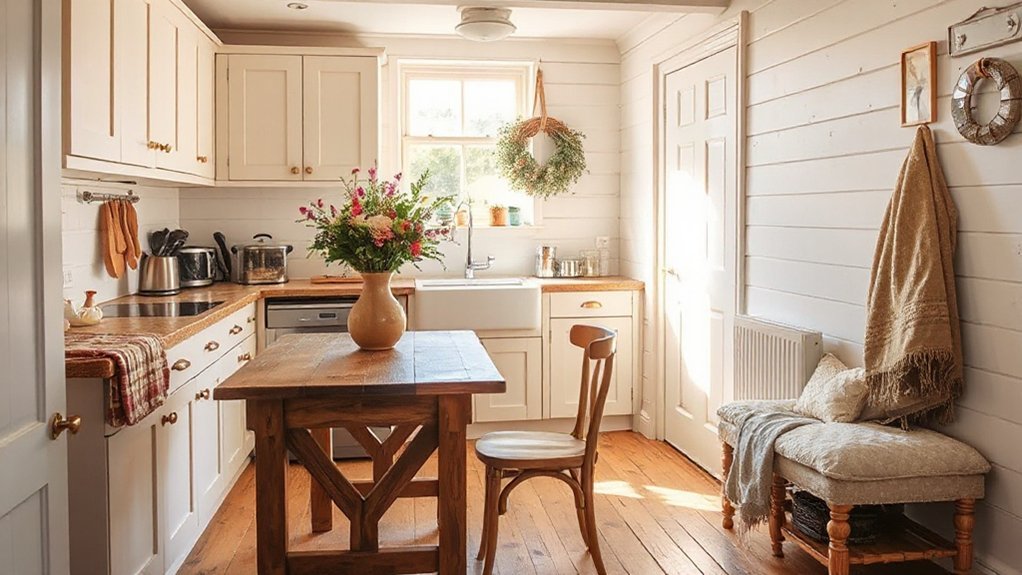
Wondering how to kick-start a refreshed feel in a week without upheaval? You can orchestrate a tight, practical plan that respects charm while delivering noticeable upgrades. Focus on simple, repeatable tasks that echo cottage gardens and vintage textiles, aligning with a tasteful, meticulous vibe.
1) Declutter surfaces, swap bold patterns for lighter, vintage-textile accents, and air the room to feel bigger.
2) Refresh textiles with one or two cottage-inspired throws or cushions, washing or dry-cleaning to restore texture.
3) Tidy greenery: cut back overgrown zones, tidy pots, and place in natural light for a cottage garden mood.
4) Refresh lighting and accents: replace harsh bulbs, add warm-toned lamps, and rework a focal shelf with curated finds.
Frequently Asked Questions
How Can I Refresh Without Over-Modernizing the Cottage?
Yes, you can refresh without over-modernizing: keep proportions classic, add vintage accessories, and weave color accents thoughtfully. You’ll refresh walls and textiles with restraint, choosing quality pieces, textures, and timeless finishes that honor the cottage’s charm.
What Are Budget-Friendly, Durable Materials for Charm?
You should choose budget-friendly, durable options like vintage fabrics and reclaimed wood, which add character while lasting for years. You’ll enjoy practical, tasteful updates that feel timeless, meticulous in finish, and easy to maintain across the cottage’s charm.
Which Small Changes Yield the Biggest Mood Upgrade?
You’ll swap clutter for calm, immediately lifting mood; vintage accents contrast with plain walls, and cozy textiles soften hard edges. You notice practical, tasteful tweaks—muddy boots to boot trays, muted tones, smart lighting, and thoughtful, lasting charm.
How Do I Preserve Original Features During Updates?
Preserve historic character by documenting original features, photographically tagging them, then plan updates that respect scale and materials. Maintain architectural integrity with period-accurate fixtures, discreet modern upgrades, and careful restoration, ensuring new elements harmonize rather than overpower the cottage.
What Maintenance Routine Protects Charm Long-Term?
You maintain charm by scheduling regular inspections, cleaning, and timely repairs, preventing wear. You’ll protect vintage decor and garden landscaping with subtle, durable finishes, mindful of grain, patina, and color harmony, ensuring enduring character without overdoing updates.
Conclusion
You’ve got the blueprint to refresh without erasing the cottage’s soul. Each small, thoughtful step preserves charm while nudging practicality into the foreground. Think of it as weaving a quiet, enduring tapestry: you add light, texture, and provenance, thread by thread, until the space breathes anew. Stay disciplined with a simple plan, choose sustainable touches, and honor original features. The result is a brighter, cozier home that still feels like home the moment you walk in.
About the Author