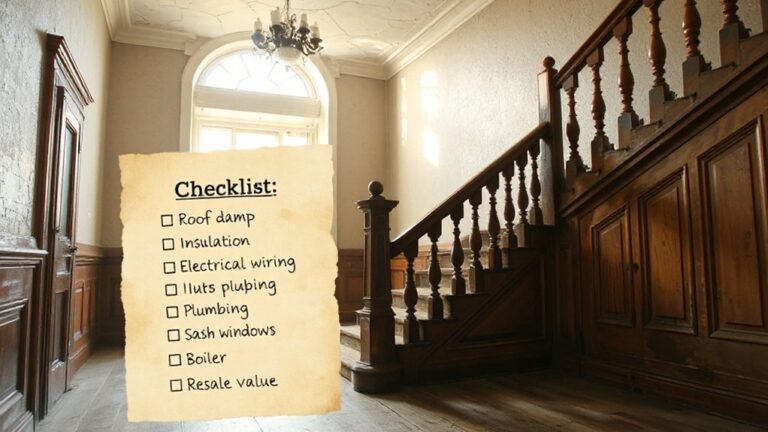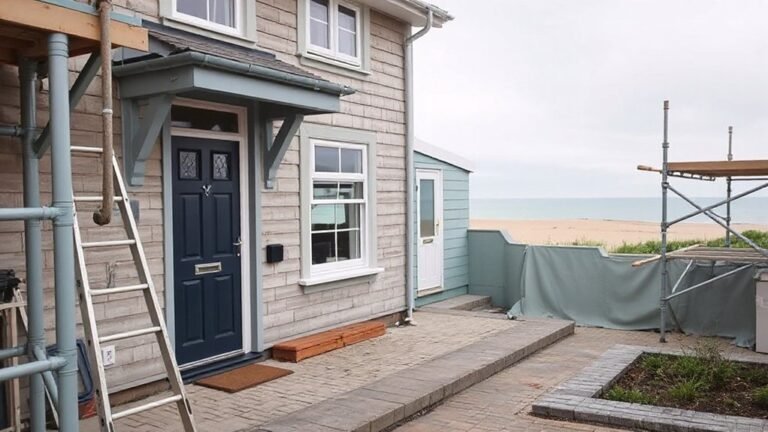
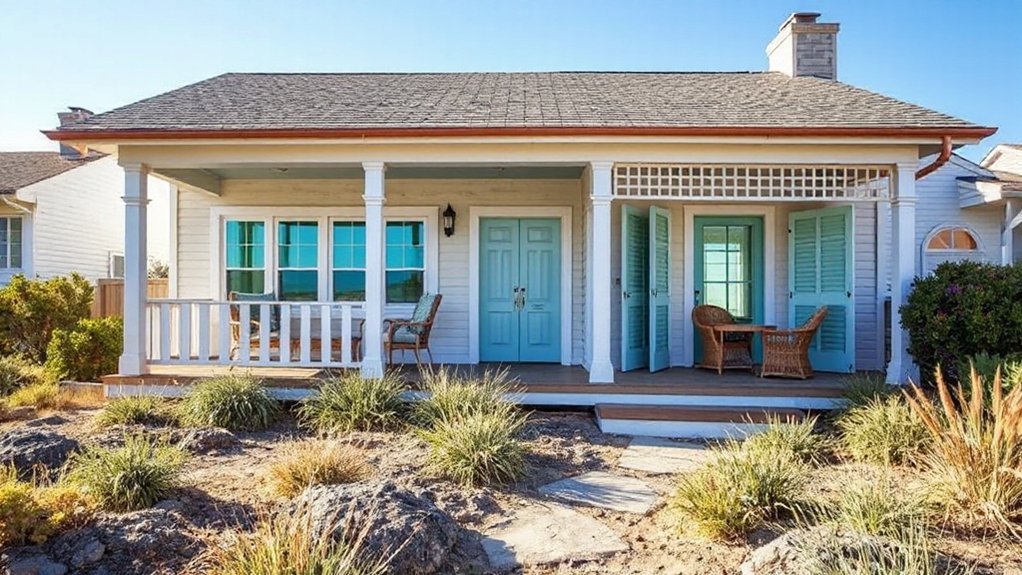
Coastal exterior renovations demand wind- and salt-resistant materials, smart drainage, and low-maintenance finishes that protect your home while preserving views. Choose durable siding such as fiber cement, vinyl, or metal with corrosion-resistant coatings, plus marine-grade paints and salt-tair barriers. Prioritize wind-resistant roof systems, interlocked deck joints, and storm-ready windows. Invest in salt-tolerant landscaping, drainage-smart plantings, and energy-efficient upgrades. Maintain a proactive schedule to extend durability; more practical steps await as you continue.
Coastal Renovation Framework: Priorities for Wind, Salt, and Drainage
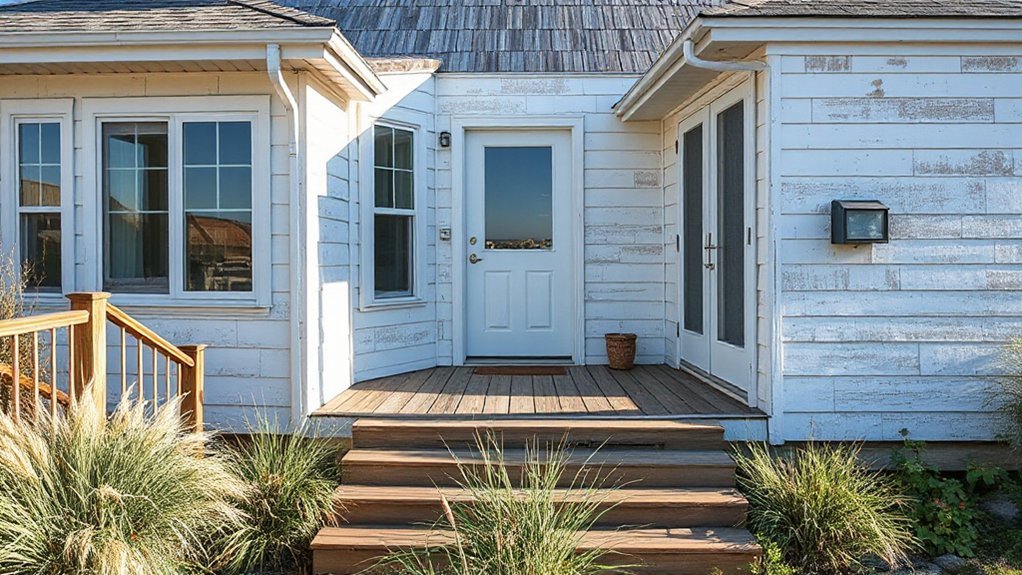
Coastal homes face unique environmental challenges, so a clear renovation framework is essential to balance wind resistance, salt exposure, and drainage. You map priorities from site survey data, climate trends, and local codes, then translate them into actionable details for construction teams.
In coastal architecture terms, you prioritize envelope performance, corrosion control, and responsible drainage design to minimize moisture ingress and surface erosion. You specify durable materials with low permeability, protective coatings, and sealants that endure salt spray and storm loads.
You integrate marine construction methods for piering, flashing, and backfill to maintain structural stability under lateral forces. You sequence work to optimize airflow, reduce wind-driven rain, and preserve drainage paths.
Your framework guides decisions, ensuring safety, longevity, and predictable performance.
Choose Durable Siding for Salt-Air and Wind Exposure
For salt-air and wind exposure, you’ll want siding that resists corrosion and deformation, from salt-resistant options to robust wind-resilient choices.
Consider materials and finishes designed for coastal environments, balancing maintenance needs with long-term performance.
Start by evaluating how each option handles salt exposure and wind loads, then match your selection to your climate and maintenance plan.
Salt-Resistant Siding Options
Which siding holds up best against salt spray and strong winds? You want options that resist corrosion, endure constant moisture, and stay low-maintenance in harsh coastal conditions.
Consider fiber cement boards with appropriate sealants, offering solid rigidity and minimal maintenance. Marine grade coatings protect underlying substrates from salt ingress and UV degradation, extending service life between repaints.
Aluminum and steel alternatives provide excellent resistance to rust when properly coated, though weight and thermal expansion require careful installation.
Salt proof cladding, applied as a durable exterior layer, delivers an extra barrier against spray and wind-driven particles.
Vinyl can be configured for coastal use, but verify higher-grade formulations and compatible hardware.
Prioritize manufacturers with proven coastal performance, warranty coverage, and documented salt spray testing data.
Wind-Resilient Material Choices
Wind exposure demands siding that resists wind-driven impact, salt spray, and rapid temperature changes without compromising performance. When selecting materials, prioritize durability over aesthetics alone, ensuring long-term resilience in harsh coastal environments.
Marine grade coatings provide an extra layer of protection against corrosive spray and humidity, reducing maintenance cycles and extending life.
Consider corrosion resistant materials that maintain structural integrity under repeated gusts and salt exposure, such as treated metals or fiber-reinforced composites, rather than standard wood or vinyl in extreme conditions.
Fasteners should match the chosen cladding’s chemistry to avoid galvanic corrosion.
Insist on warranties that cover salt spray and wind loads.
Finally, verify compatibility with existing structures and flashing details to prevent moisture intrusion and ice-related stresses.
Wind-Resistant Roof Protection for Coastal Homes
Coastal homes face unique wind loads, so roof protection must prioritize both attachment and surface resilience. You’ll focus on fasteners, nailing patterns, and continuous load paths that transfer uplift to the shear walls and foundation.
Use heavy-duty, corrosion-resistant fasteners and sealants designed for salt exposure, plus a mechanical attachment system rated for higher wind speeds. Roof decks should employ staggered, interlocked joints and weatherproof underlayment with a proven track record in surge conditions.
Conduct a wind uplift assessment and install edge clips or perimeters that resist peel. For openings, specify storm resistant windows and hurricane-proof doors to minimize interior pressurization and debris intrusion, while maintaining access for maintenance.
Regular inspection after storms ensures performance remains reliable and predictable.
Choose Fading-Resistant Exterior Paints and Finishes
You’ll choose fade-resistant pigments and UV-protected finishes to keep colors stable in harsh coastal sun.
Consider salt-air exposure and select products with proven fade resistance and long-term durability.
We’ll compare salt-tair barrier options and how they pair with fade-resistant pigments for a cohesive, low-maintenance exterior.
Fade-Resistant Pigments
When selecting exterior paints and finishes for coastal homes, prioritize fade resistance to maintain color integrity under strong sun and salt exposure. Fade-Resistant Pigments rely on advanced pigment technology to slow light-driven breakdown and minimize color shift. You’ll want pigments with ultraviolet stabilizers and inorganic bases that resist chalking and photodegradation.
Choose formulations engineered for coastal climates, where UV intensity, humidity, and saline spray accelerate fading. Expect tighter particle dispersion and reduced pigment migration, which preserve uniformity across surfaces and over time.
Consider color depth and how it handles bleaching from afternoon glare. Validate color longevity through accelerated weathering tests and real-world durability data. Prioritize pigments that maintain hue, saturation, and gloss without requiring frequent repainting.
UV-Protected Finishes
Are you selecting paints and finishes that withstand relentless sun and salt spray? UV-Protected Finishes reduce weathering by emphasizing UV protection and improve finishes durability over decades. Choose products with high UV absorbers, stable pigments, and formlasts that resist chalking and cracking.
Application consistency matters: proper surface prep, humidity control, and coating thickness support long-term performance. Seek finishes designed for coastal exposure, with mildew resistance and easy-touch cleanup.
- Consistent color retention under harsh light
- Superior adhesion to weathered substrates
- Long-lasting gloss and texture stability
In practice, verify data sheets, areas of tested coastal exposure, and warranty terms before committing. Your goal is a uniform, protective barrier that preserves curb appeal while resisting sun-induced fading and salt corrosion.
Salt-Tair Barrier Options
Prioritize high-build primers and elastomeric/topcoat systems that form flexible, weatherproof seals against wind-driven moisture. Look for salt air corrosion resistance indicators, and confirm compatibility with substrate materials common to coastal homes, such as masonry, fiber cement, and treated wood.
Barrier wall solutions should deliver low water absorption, mildew resistance, and easy recoating intervals to minimize maintenance cycles. Evaluate test panels under coastal conditions to verify color stability and drift resistance.
Finally, document warranties and application guidelines to ensure long-term performance and doesn’t compromise architectural integrity.
Low-Maintenance Coastal Landscaping: Salt-Tolerant, Drainage-Smart Plants
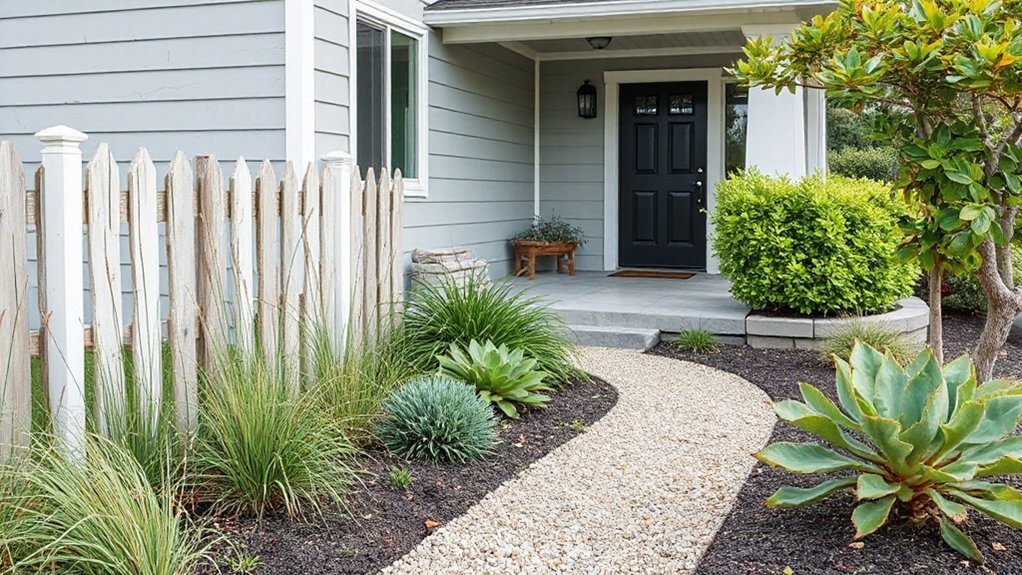
Coastal landscapes demand plants that endure salt spray, wind, and sandy soils while minimizing maintenance. You’ll choose salt-tolerant plants that thrive with minimal irrigation, plus species proven to tolerate repeated exposure to coastal conditions.
Pair these with drainage-smart landscaping to prevent waterlogging on slopes and near foundations. Aim for a layered grid of low, medium, and tall forms to reduce wind load and soil erosion while preserving viewlines.
Use native and adapted species to support local resilience and reduce care needs. Plan for mulch, rain gardens, and gravel borders to manage runoff and salinity pockets.
- Resilient, salt-tolerant plant selections that stabilize soil and reduce upkeep
- Drainage-smart layouts that prevent pooling and root stress
- Low-maintenance textures and colors that stay vibrant year-round
Smart Upgrades for Energy Efficiency and Durability
Prioritize smart insulation that resists moisture, wind uplift, and salt spray, ensuring long‑term R‑values stay consistent. Pair this with airtight penetrations and disciplined flashing details around windows, doors, and rooflines to prevent condensation and infiltration.
For energy systems, consider solar integration thoughtfully placed to minimize shading and maximize yield, complemented by efficient HVAC and heat‑recovery ventilation.
Choose durable, low‑maintenance finishes and corrosion‑resistant fasteners to extend service life without frequent replacements.
Maintenance Schedule to Preserve Your Coastal Exterior
A proactive maintenance schedule keeps a coastal exterior performing under harsher conditions and minimizes costly repairs. You’ll implement a routine that balances inspection, cleaning, and timely refreshment, focusing on salt exposure, humidity, and wind-driven abrasion.
Schedule seasonal checks for coatings, sealants, and flashing, then document findings to guide future repairs. Prioritize Exterior color coordination to guarantee UV protection and visible wear consistency, and target Decorative architectural features for corrosion-resistant detailing.
Use evidence-based intervals: pre-summer sealant reapplication, post-winter inspection, and mid-season touch-ups as needed. Adhere to manufacturer guidelines, and record environmental factors that influence performance.
Maintain a concise log, assign responsibilities, and assure accessibility of supplies for swift interventions. Regular upkeep preserves aesthetics and value.
- Prompt, decisive upkeep
- Clear, actionable records
- Confident, long-term protection
Frequently Asked Questions
How Do I Budget Long-Term Coastal Exterior Renovations?
Start by outlining a 5–10 year plan, track costs, and adjust annually. You should account for coastal corrosion, maintenance cycles, and inflation. Prioritize landscaping aesthetics and outdoor lighting upgrades to protect assets and maximize energy efficiency. Budget contingencies included.
What Permits Are Typically Required for Coastal Facades?
Permits hinge on your location, but typically you’ll need building permits, and possibly coastal floodplain, wind, and historic reviews. You guarantee compliance with building codes while planning coastal landscaping and facade work, avoiding delays and ensuring weatherproofing.
Which Coatings Resist UV and Salt Corrosion Best?
You should choose coatings with high UV protection and salt resistance, such as epoxy or polyurethane systems, plus zinc-rich primers; these resist UV degradation, inhibit corrosion, and maintain color stability in coastal environments for lasting performance.
How Often Should Exterior Hardware Be Inspected or Replaced?
In coastal homes, you should inspect exterior hardware annually and replace degraded components promptly. About 60% of salt exposure failures occur within five years unless you commit to proactive hardware maintenance and corrosion prevention practices.
Can I Retrofit Existing Homes for Better Hurricane Resilience?
Yes, you can retrofit homes for better hurricane resilience. Install storm shutters and impact resistant windows, reinforce doorframes, roof-to-wall connections, and gable bracing; seal gaps, elevate utilities, and guarantee proper maintenance for sustained protection.
Conclusion
You’ll seal sound setbacks and savor sturdier shoreside skins. Sidelined salt, wind, and water dodge will be solved with savvy substitutions: siding, soffits, and stucco that sweat less, roofs that resist rain and rattle, paints that stay true, and plants that prosper. Maintain with methodical, manageable schedules, and measureable milestones. Embrace energy-efficient, durable details, and easy-care landscaping. Smart systems, solid strategies, steady standards—your coastal exterior will shine, survive, and stay serene through seasonal systems.
About the Author