Garden zoning helps you separate dining, play, and relaxation into functional, self-contained areas you can actually manage. You’ll map sun and shade, choose durable surfaces, and place the dining near the kitchen for efficiency, while teen-friendly play zones stay safe and visible. Then, you’ll weave quiet, plant-filled retreats with soft edges and water features to balance the scene. Start mapping your space now—and consider how each zone will feel at different times of day.
Key Takeaways
- Design distinct dining, play, and retreat zones that flow cohesively while maintaining clear boundaries for safety and comfort.
- Position dining near kitchen access on durable surfaces and orient seating to focal points for conversation.
- Create kid-friendly play areas with safe, impact-absorbing surfaces and visible caregiver sightlines.
- Use layered plant screens, hedges, and screens to provide privacy and wind/noise buffering between zones.
- Incorporate climate-smart features: shading, lighting, and seating materials that suit dawn-to-dusk use and year-round appeal.
Why Garden Zoning Matters and What You’ll Gain
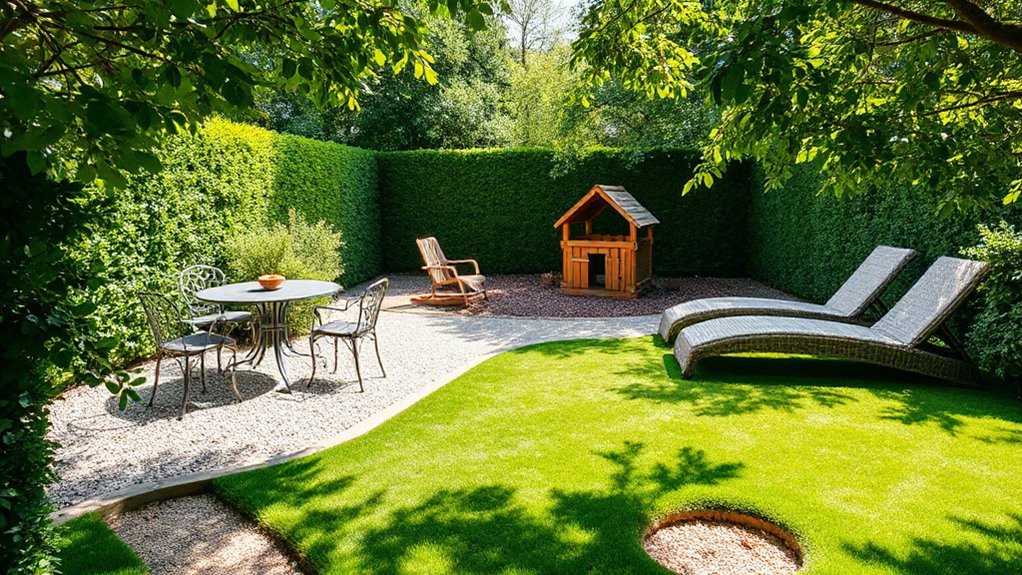
Garden zoning matters because it helps you work smarter, not harder. When you map zones by function, you align plants, paths, and furniture with how you move through the space, saving steps and reducing waste. You’ll gain clarity on maintenance cycles, irrigation needs, and seasonal rotations, so you spend time on what matters.
This approach boosts resilience—compact, fast-changing areas stay manageable, while specialty beds get appropriate attention. With deliberate zones, you can separate indoor decor impulses from practical outdoor work, keeping aesthetics aligned with function.
In urban gardening, zoning guides sunlight use, wind protection, and noise buffering, enhancing comfort and yield. The result: a coherent, scalable plan you can execute now and refine later.
Map Your Space: Measurements, Sun, Shade, and Microclimates
You map your space with precision, noting exact measurements and boundaries so you can plan confidently.
You chart sun exposure across the day and seasons, identifying hot, reflective, and shaded zones to place every feature.
You consider microclimates—wind, moisture, and relief—so your zoning decisions are practical, scalable, and future-proof.
Map Measurements Precisely
To map your space precisely, start by measuring every relevant dimension—fence lines, beds, paths, and planting zones—and record them in a simple grid or diagram. You’ll gain clarity, foresee conflicts, and anchor future zoning decisions in concrete data.
Urban aesthetics and Historical influences guide your layout choices as you translate measurements into usable zones. Use these steps to lock in your plan:
- Create a master diagram with scale and labels.
- Note access points, sightlines, and seating sighting.
- Record sun and shade shifts seasonally, even if not yet pairing plants.
- Mark maintenance zones and irrigation reach for reliable upkeep.
Sun Exposure Mapping
With measured space in hand, you’ll translate those dimensions into a sun map that reveals every hotspot and shade pocket. You chart solar orientation to identify morning versus afternoon sun exposure, noting how angles shift with seasons.
Mark fixed features: walls, fences, pergolas, and existing trees, then add movable elements like chairs and planters to test usable zones. Record shade timings to synchronize dining, play, and relaxing areas with comfort windows.
Include wind patterns to anticipate breeze paths that affect seating comfort and plant choices. This mapping guides placement decisions, from sun-loving beds to shaded retreats, while preserving open sightlines and safety clearances.
The result is a practical, adaptable plan that supports functional zoning and seasonal enjoyment.
Microclimate Considerations
Microclimates are the hidden moderating forces of your space, shaping plant choices, drainage, and comfort zones; map them early to design resilient, enjoyable zones. You’ll translate measurements into smarter placements, reducing risk and increasing success.
- microclimate effects guide where heat, cold, and wind concentrate
- assess sun pockets, shade corridors, and moisture runs for precise plant selection
- pair microclimates with drainage strategies to prevent saturation or drought
- document findings to iterate zones as seasons shift
With this data, you plan dining, play, and relaxation areas that stay comfortable year-round. Your plant selection becomes intentional, matching tolerance ranges to site realities. You gain predictable performance, fewer replacements, and a cohesive, resilient landscape that supports your vision.
Designing Clear Zones: Dining, Play, and Retreat Layouts
Clear zones let a garden work for everyday life: a dining area, a safe play space, and a serene retreat all feel distinct yet flow together. You map sight lines, paths, and boundaries to guarantee friction between activities while maximizing accessibility.
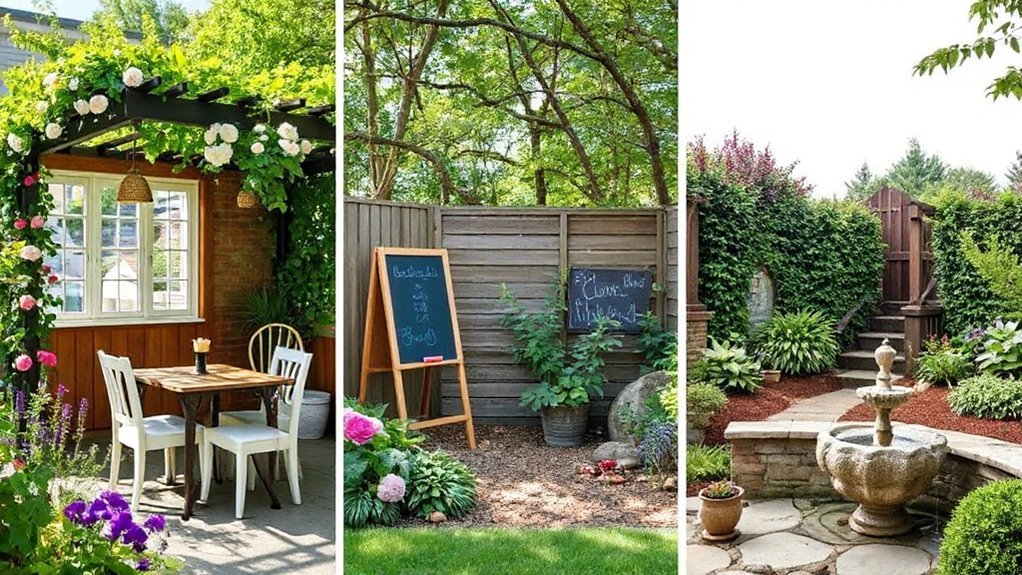
Place the dining zone near a kitchen pass-through or patio doors, with durable, cleanable surfaces and weatherproof seating.
The play area stays visible from common rooms but tucked behind low screens for safety and noise control.
The retreat sits beyond a soft edge of grasses or shrubs, creating a pause before entry.
Use wildlife-friendly edges to support wildlife habitats, and position edible plants along service routes for easy harvests.
Consistency in materials, color, and scale ensures cohesion, legibility, and intent across zones.
Shaded Dining Nooks That Stay Cool and Welcoming
You’ll design shaded comfort nooks that feel cooler with strategic placement, breathable fabrics, and weather-smart shade.
Consider cool-dining setups that maximize airflow and bite-sized, maintenance-friendly cues to keep everything welcoming.
This vision centers on practical, precise details that turn shaded spaces into reliable, all-season dining zones.
Shaded Comfort Nooks
To create shaded comfort nooks that stay cool and welcoming, focus on a clear design sequence: provide overhead or side shade, guarantee good airflow, and choose materials that minimize heat absorption while inviting lingering meals and conversations.
You’ll transform any corner into a relaxed retreat with careful selection of garden furniture and shade structures that pair style with function. Prioritize breezes, reflective surfaces, and inviting textures so you perceive cooling cues without sacrificing comfort.
- Positioning for prevailing winds and cross-ventilation
- Materials with low heat retention and soft, inviting textures
- Light, breathable fabrics for cushions and drapes
- Integrated shade elements that can be adjusted or removed as needed
Cool Outdoor Dining
Ever wonder how to keep outdoor dining cool and inviting even on hot days? You start with shade, choosing a persistent canopy or louvered pergola that blocks strong sun while letting breeze through. Pair that with light-colored furniture and breathable cushions to reduce heat retention.
Add a ceiling fan or portable oscillators to move air without feeling drafty. Position dining near a subtle water feature or high-contrast garden art to create visual cooling cues. Use reflective tableware and shaded tabletop plants to calm glare.
Incorporate composting tips nearby to show practicality and sustainability, keeping kitchen waste separate and usable. Plan for modular seating, hidden storage, and easy-clean surfaces to sustain a welcoming, resilient dining zone.
Kid-Friendly Play Zones: Safety, Materials, and Flow
Creating kid-friendly play zones means designing for safety without sacrificing exploration or flow. Start by mapping clear, visible boundaries and choosing materials that cushion impacts while staying durable. You’ll prioritize playground safety and material durability, then optimize paths for seamless movement between zones.
- Define soft boundary edges with rubber mulch or artificial turf to reduce trip hazards.
- Select impact-absorbent surfaces under playscapes that still allow drainage.
- Use low, rounded-edged structures and secure anchoring to minimize pinch points.
- Plan sightlines so caregivers monitor every activity without interrupting play.
Implement modular components that can evolve with growing kids, maintaining safety while encouraging curiosity. Keep maintenance routines simple, inspecting anchors and surfaces quarterly.
Focus on durable, test-proven products and clear rhythm between active and rest areas.
Privacy and Calm: Crafting Relaxing Corners
When you carve out private, calm nooks, you create retreat spaces that invite quiet focus and restorative downtime amid garden activity. You should design them with intentionality from the start.
You’ll position seating to face a focal point, not through high-traffic zones, and choose scale-and-proportion that feels intimate.
Integrate soundproof barriers with dense plant screens, trellises, or solid fencing to dampen activity beyond.
Use mood-lighting and weatherproof cushions to extend usability at dawn or dusk.
Implement scent masking with mulch layers, evergreen hedges, or herb borders that suppress overpowering aromas from surrounding zones.
Plan paths that guide entry and exit subtly, preserving the sense of refuge.
Finally, maintain clutter-free, easy-to-clean surfaces so calm remains uninterrupted by maintenance tasks.
Unified Materials and Color Schemes Across Zones
- Choose a core material for paths and patios, then extend it to seating and borders.
- Limit color accents to a restrained palette that echoes foliage tones.
- Use consistent textures—smooth, bush-holding, or pebbled—to unify surfaces.
- Apply seasonal contrasts softly, avoiding clashing tones that disrupt flow.
This approach supports a practical, vision-driven garden where zones read as intentional rooms.
You’ll enjoy easier maintenance and a stronger sense of place, with unified materials guiding daily use.
Smart Lighting and Irrigation for Easy Maintenance
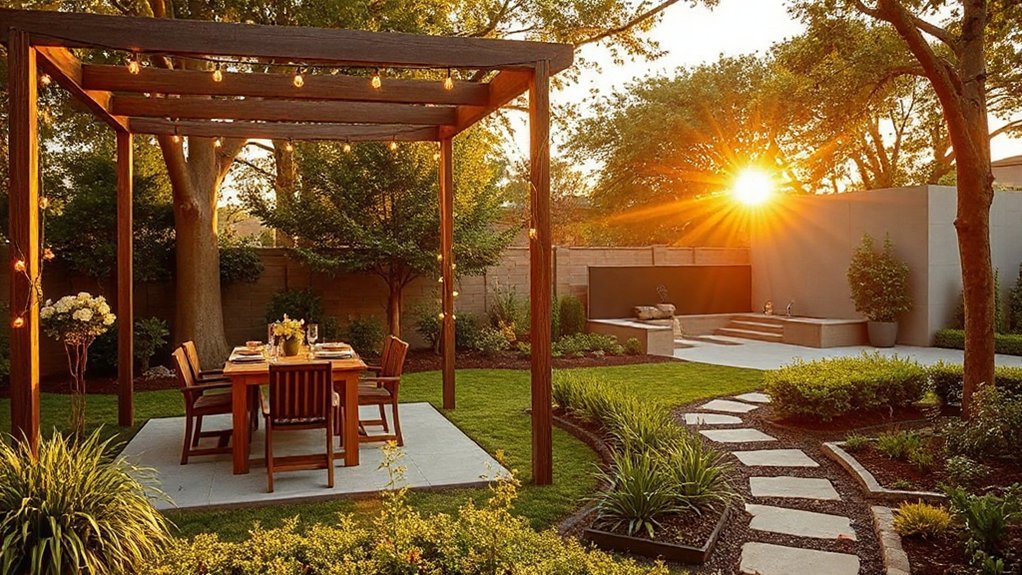
Smart lighting and irrigation simplify daily garden care by letting you tailor or automate routines without sacrificing aesthetics. You plan zones by function, then pair low-voltage LED paths with weatherproof fixtures that blend into plantings and furniture.
Use smart sensors to monitor soil moisture, ambient light, and occupancy, triggering lights to fade or brighten with the sun and foot traffic.
Automated watering delivers precise amounts, preventing runoff while supporting roots at varying depths. Integrate timers with rain sensors to suspend irrigation after rain events, preserving water.
In-bed and edge lighting highlight dining nooks and pathways for safety, yet stay subtle enough for stargazing.
Keep maintenance practical: label zones, test systems seasonally, and document calibration changes for predictable performance.
Plants for Year-Round Beauty and Screening
Year-round beauty starts with planting for continuous color and structure, so you’ll choose evergreen focal plants paired with seasonal accents that stack interest across all seasons.
You’ll prioritize screening that stays dense and tall enough to block unwanted views, using a mix of shrubs, perennials, and fast-growing grasses calibrated to your climate.
Let’s map a year-round palette that aligns with your site, maintenance pace, and the shade or sun your zones demand.
Year-Round Plant Choices
What plants deliver lasting beauty in every season, and how do you choose them for consistent screening and structure? You target predictable structure, reliable foliage, and year-round impact. Choose a mix that pairs Seasonal flowering with evergreen backbone, so color and form persist.
Plan your palette by height, density, and maintenance needs, then place in layered blocks for screening and focal points.
- Prioritize evergreen shrubs for year-round structure and privacy.
- Schedule blooming cycles to stagger color without gaps.
- Combine texture contrasts—glossy, matte, and feathery leaves.
- Position screens where viewing and access align with outdoor rooms.
Screening For Privacy Now
To create effective year‑round privacy, start with a backbone of evergreen screening plants that deliver dense foliage and steady height. Then layer in deciduous or seasonal accents for color and texture when privacy isn’t the top priority.
For outdoor privacy, choose fast‑growing evergreens like arborvitae, privet, or laurel, tuned to your site’s sun and soil. Combine with layered window of shrubbery to create visual screening from neighbors and street view without feeling boxed in.
Use height diversity: tall screens at the property line, mid‑height hedges for eye level, low groundcovers to reduce gaps. Prune regularly, maintain healthy soil, and replace stressed plants promptly to keep a year‑round effect.
This approach blends function with a calm, inviting landscape.
Practical Layouts by Yard Type: Patio, Courtyard, and Garden
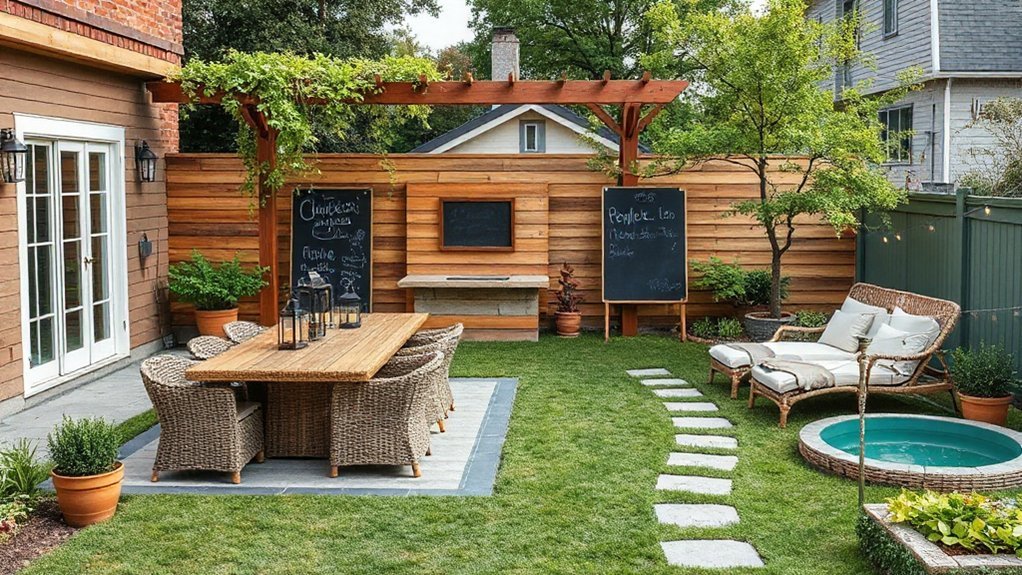
When planning practical layouts for patios, courtyards, and gardens, start by defining how you’ll move through the space and where you’ll place work zones, seating, and containers within reach of sun and shade. You’ll balance traffic patterns with zones for dining, play, and quiet moments, using sightlines to guide plant placement and art accents.
Garden art and water features become focal points that anchor each area, while maintaining flexibility for seasonal changes. Consider scale, maintenance, and accessibility from main paths.
- Map clear circulation routes and buffer zones between activities
- Place seating to capture sun while offering shade relief
- Position containers and plant beds for year-round color
- Integrate water features and garden art as cohesive accents
Quick-Start Zoning Checklist to Implement Your Plan
From the start, use a quick-start zoning checklist to translate your plan into action: map zones for dining, play, and quiet moments, then confirm each area has ready access to sun, shade, and water while keeping sightlines clear for plants and art.
Begin by outlining each zone’s primary function, size, and preferred exposure, then assign paths that minimize interference and maximize flow.
Verify plant arrangement supports both aesthetics and maintenance, grouping high-traffic specimens near hardscape for durable access.
Incorporate pest control measures early—mulching, spacing, and natural repellents—so problems stay manageable.
Schedule a 15-minute walk-through to test accessibility, lighting, and irrigation.
Adjust as needed, document changes, and flag zones needing seasonal rebalancing to preserve harmony and long-term resilience.
Frequently Asked Questions
How to Budget for a Zoning Project Without Overrun?
You should budget by defining scope first, then add a contingency and phased milestones to avoid overrun.
Start with a detailed plan of landscape lighting and privacy screens, estimating each item’s costs and installation time.
Build in a 10–20% contingency for unknowns, and track progress weekly.
Use fixed-price contractors where possible and verify permits early.
Prioritize essentials, document decisions, and adjust scope in writing to keep your zoning project on track and financially stable.
Can Zoning Adapt to Seasonal Changes and Weather?
Yes, zoning can adapt to seasonal changes and weather. You’ll plan for seasonal plantings, swap accents, and shift intensities as temperatures swing.
Use weather resistant materials, modular furniture, and flexible zones that reconfigure with wind or rain.
You’ll document performance each season, refine drainage, and store or cover delicate elements.
Your pragmatic, vision-driven approach guarantees resilience, comfort, and continuity, turning unpredictable weather into an inevitable, manageable rhythm rather than a setback.
What Are Essential Safety Considerations for Pets?
You should consider essential safety for pets by using pet proof fencing and choosing safe plant selections.
Fence gaps, heights, and materials must deter escapes and deter digging. Regularly inspect for wear and chewable components.
Opt for non-toxic, pet-friendly plants, and keep hazardous blooms out of reach.
Provide shaded zones, fresh water, and secure compost.
Train recall routines, supervise outdoors, and create escape-proof zones to reduce risks and support calm, healthy play.
How to Retrofit Existing Spaces Into Zones?
To retrofit existing spaces into zones, you start by mapping each area’s function and flow. Then add plant separation to cue boundaries and soften edges.
Use privacy screens where you need visual blocks without sacrificing light. Reclaim corners with modular furniture, durable surfaces, and clear sightlines.
Integrate drainage, shade, and windbreaks to protect comfort. Label paths, limit access to risky zones, and test layouts seasonally, adjusting plantings to maintain long-term cohesion and safety.
Which Zoning Ideas Maximize Small Outdoor Areas?
You’ll maximize small outdoor areas by smartly layering zones with compact layouts and vertical elements. Use Creative plantings to define edges without crowding sightlines, and install Privacy screens to create intimate nooks without sacrificing openness.
Place a slim dining area along a wall, fold-away seating, and a drop zone for essentials. Think micro-planting that fronts paths, climate-appropriate textures, and durable furnishings.
You’ll gain flexible, stylish spaces that feel larger and purpose-driven.
Conclusion
You’ve mapped, measured, and designed zones that work with your daily rhythms. As you implement, think of your yard as a living compass guiding activity: dining near doors, play safely tucked away, and a retreat that invites quiet moments. Maintain simple routines for lighting, irrigation, and safety checks so upkeep stays painless. With clear zones, your outdoor space becomes a well-turnished map you live in—one harmonious garden, pointing you toward everyday moments you’ll actually look forward to.
About the Author