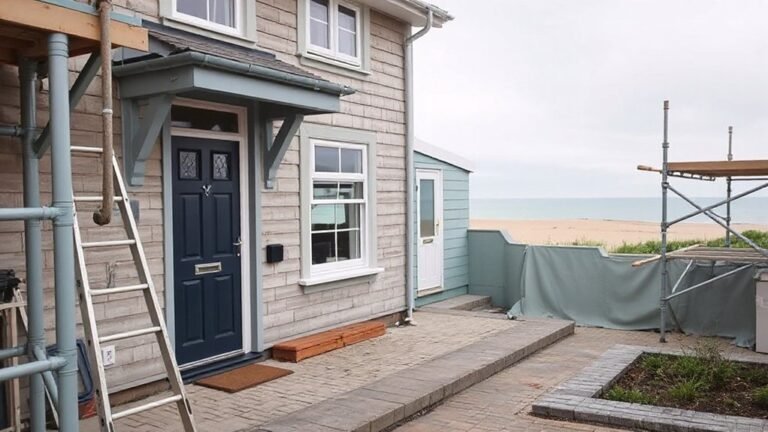
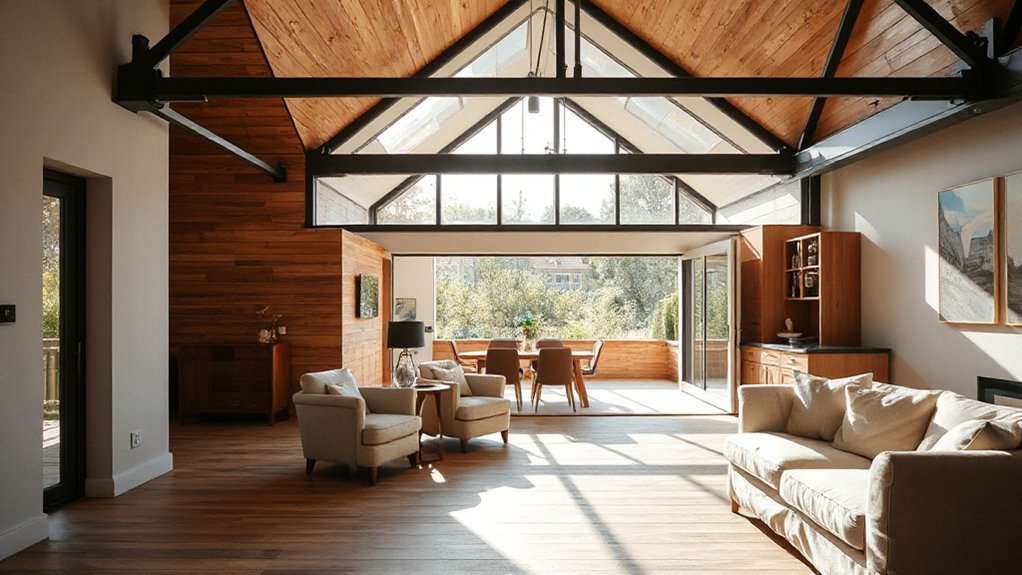
Rear extensions add space now, improve flow now, and boost curb appeal now, while loft conversions add value later, increase ceiling quality later, and expand upper-floor use. You’ll see faster, visible changes with a rear extension, and you’ll gain high-end, flexible rooms with a loft conversion. But the right move hinges on your budget, timeline, and how you live in the home. Want to weigh immediate gains against long-term value to decide which path fits your plans?
Key Takeaways
- Rear extensions typically add immediate ground-floor living space and foot traffic, often delivering quicker practical value and broader usable square footage for daily life.
- Loft conversions maximize property value through added prestige and usable upper-floor rooms, benefiting long-term resale appeal in many markets.
- ROI depends on local demand: in some areas, rear extensions boost value more; in others, a well-executed loft conversion yields higher per-square-foot returns.
- Overall value hinges on design quality, head height, accessibility, and future-proofing; flexible, well-planned spaces sustain value better.
- Planning, permits, and costs (structure, utilities, and regulations) significantly influence value gains for both options; easier approval can shorten time to value.
How Buyers Value Space: Layout, Light, and Flow for UK Homes
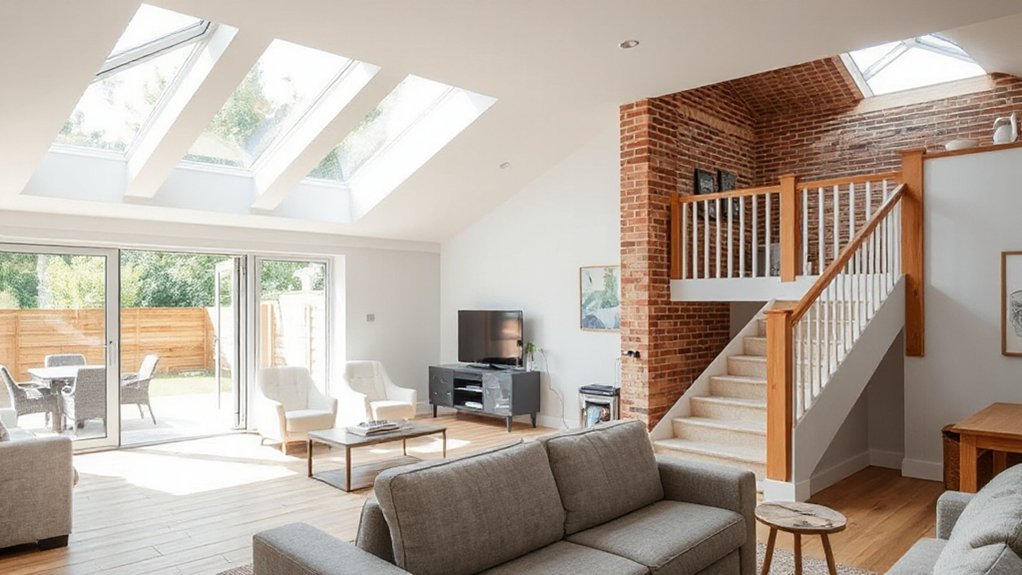
Great space decisions hinge on how buyers perceive layout, light, and flow. You’ll notice value rises when rooms relate logically, with clear sightlines and purposeful progression between spaces.
Prioritize a cohesive interior design that makes everyday use intuitive: kitchen eat-in zones near living areas, stairs tucked away, and storage integrated without clutter.
Natural light matters—aim for well-placed windows, skylights, or glass doors that brighten living spaces and reduce artificial lighting needs.
Flow should feel seamless from entry to core living zones, with doors positioned for easy movement and privacy where needed.
Exterior aesthetics influence first impressions, so curb appeal matters as much as interior design. A balanced, unified look signals quality, durability, and long-term appeal to buyers.
Loft Conversion Vs Rear Extension: Cost Drivers and ROI Basics for Homeowners
When you weigh loft conversions against rear extensions, you’ll see how cost drivers like structural changes, permits, and build timing shape overall spend.
You’ll also assess ROI basics—how every option affects resale value, usable space, and energy efficiency.
Finally, you’ll consider how space utilization impacts layout, light, and future flexibility to decide what delivers the strongest long-term value.
Cost Drivers Comparison
Cost drivers for a loft conversion versus a rear extension hinge on scale, materials, site logistics, and required approvals. You’ll weigh structural work, insulation, and finishing to estimate overall price, not just square footage.
Material costs matter, from timber and steel to plaster, tiles, and finishes, and they shift with design choices and local supply realities.
Design flexibility influences both options: a loft often demands stair design, head height, and mechanicals, while a rear extension hinges on foundation, wall placements, and roof integration.
Site logistics affect disruption, access, and subcontractor scheduling, especially if you’re living in the home during works.
Approvals vary by project type and jurisdiction, impacting timelines and permit fees.
Plan with precision to align cost expectations with intended use and resale value.
ROI Fundamentals Here
Even so, ROI hinges on how you balance upfront costs with lasting value; loft conversions and rear extensions each offer different resale and usable-life payoffs, so know what buyers in your area prize.
1) Material costs matter less for cosmetic upgrades than structural changes, so estimate finishes first and budget contingencies.
2) Design flexibility lets you adapt to evolving needs, like a growing family or home office, boosting appeal without heavy remodeling later.
3) Long-term maintenance and energy efficiency can swing value more than initial price, so target durable materials and smart insulation.
Focus on clear, verifiable numbers, and compare ROI projections based on local resale data.
Prioritize feasible designs, keep needless complexity out, and document cost ranges for confidence.
Space Utilization Impact
Loft conversions and rear extensions change how you use and value space, so start by measuring what you gain in daily life and how it affects your budget. You’ll notice how vertical space releases new rooms, traffic flow, and usable corners, changing routines and storage habits.
Space utilization hinges on layout efficiency: think about corridor width, door swings, and how furniture fits without crowding. For lofts, interior aesthetics matter—effective stair placement and natural light influence how often you actually use the area.
For rear extensions, structural modifications determine ceiling height and integration with existing rooms, affecting HVAC and electrical loads. Evaluate cost drivers like insulation, windows, and access.
The ROI comes from flexible use, better resale appeal, and minimized wasted space, not just square footage.
How Each Option Changes Room Function: Spatial Impact and Usability
When you’re deciding between a rear extension and a loft conversion, the way each option reshapes daily use becomes a practical, one-step-at-a-time consideration. You’ll notice how spatial layout and accessibility shift, directly impacting routines and comfort. In choosing, prioritize how you’ll move through rooms, store belongings, and create zones for work, family time, or guests.
1) Rear extension expands ground-floor flow, turns living areas into larger, connected social hubs, and enhances natural lighting across common spaces.
2) Loft conversion creates vertical flexibility, reconfiguring upstairs function with mezzanines or dedicated suites, often boosting privacy and usability.
3) Structural integrity considerations dictate load paths, window placement, and ceiling heights to preserve safe, long-term performance.
Planning, Permissions, and Timelines in the UK (Permitted Development, Planning Rules, and Practical Timelines)
Planning and permissions shape every step from design to completion, so you’ll want a clear map of what’s allowed and how long it typically takes.
In the UK, your project falls under Permitted Development or planning approval, depending on scope and location. You’ll check local planning rules, neighbor issues, and potential Article 10 or Article 4 directions that could restrict extensions.
If it exceeds limits, you’ll apply for full planning consent, with typical timelines from submission to decision spanning 8 to 12 weeks, sometimes longer.
Building regulations govern structural safety, insulation, and fire safety, while construction permits coordinate utilities and site access.
Expect a detailed brief, timely pre-application advice, and a straightforward approval path when your plans align with policy and compliance.
Clear documentation accelerates construction once permissions are secured.
Resale Value by Room: Kitchen, Master Suite, and Living Space Considerations
Resale value hinges on how you prioritize the kitchen, master suite, and living spaces, because buyers weigh function and feel as much as layout. You’ll maximize appeal by aligning upgrades with daily routines and ease of use, not just size.
- Kitchen efficiency: smart storage, durable surfaces, and an inviting flow from dining to prep, plus visible home automation controls.
- Master suite retreat: quiet ambiance, ample closet space, and a spa-like bath that complements outdoor landscaping for curb appeal.
- Shared living spaces: daylight, flexible layouts, and a cohesive connection to outdoor areas, creating a welcoming entertaining zone.
Keep outdoor landscaping cohesive with interior design, and guarantee simple tech integration so future owners picture effortless living.
Practical Trade-Offs: Disruption, Energy Efficiency, and Maintenance
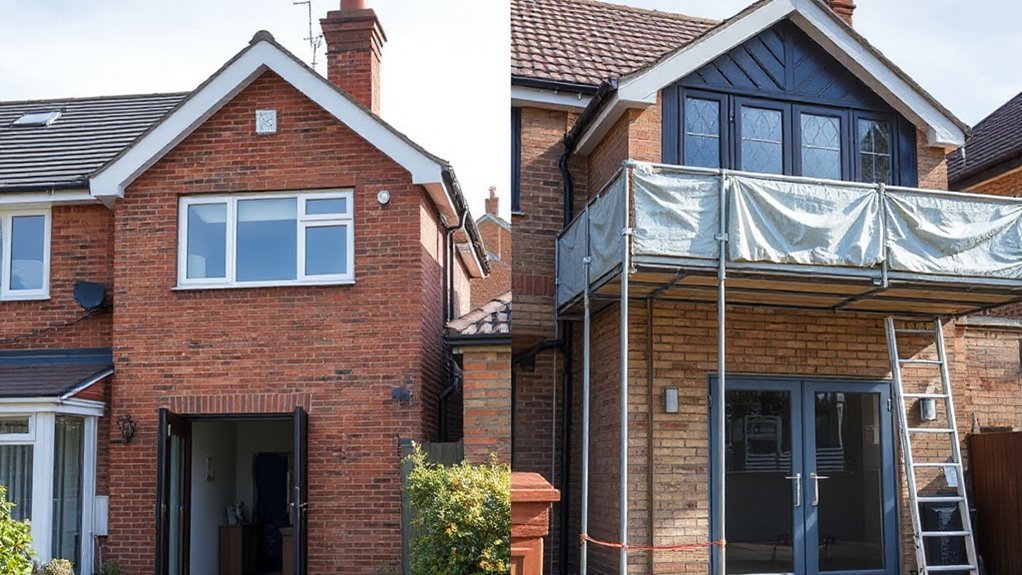
While every home project has trade-offs, understanding disruption, energy efficiency, and ongoing maintenance helps you choose between a rear extension and a loft conversion with confidence.
You’ll weigh construction noise, access, and timeline against your daily routines, recognizing how disruption can affect living in the space during work.
Energy efficiency matters, so compare insulation, air leakage, and solar-ready potential; small gains in one option can compound over years, delivering real energy savings.
Maintenance considerations also matter: your chosen solution should minimize future upkeep and scanning for wear, with durable finishes and accessible services.
Expect maintenance challenges to shift as systems age, and plan for phased upgrades where sensible.
Prioritize airtight details, durable materials, and clear access routes to sustain value and comfort long term.
A Simple Decision Framework: When to Choose a Rear Extension or a Loft Conversion
Choosing between a rear extension and a loft conversion comes down to your goals, site constraints, and how you want the extra space to behave in daily life. Use this simple framework to decide:
1) Align with design aesthetics: if you want seamless exterior lines and cohesive interiors, a rear extension often wins.
2) Assess construction challenges: loft conversions can be costlier per square foot due to structural work and access limits, while rear extensions may require foundations and drainage checks.
3) Match lifestyle needs: if you require instant, flexible space for everyday use, a rear extension tends to be more practical; for occasional, high-value rooms, a loft can add prestige.
In short, weigh aesthetics, challenges, and daily use to choose confidently.
Frequently Asked Questions
How Much Value Does a Loft Conversion Add in Typical Markets?
Loft conversions typically add around 10–20% to home value in many markets, though the impact varies by quality and location. You should expect loft value to hinge on finish, ceiling height, and how well the space ties into the rest of the home.
A strong Rear impact, like an enhanced layout or bathroom, can boost value further. Plan for compliance, insulation, and solar or tech upgrades to maximize return for you.
Do Rear Extensions Impact Property Taxes or Council Tax?
No, rear extensions don’t automatically hike your property or council tax, but you might see implications.
If the extension increases your property’s value, your bands could shift on reassessment.
Noise from the build might trigger local rules.
You should check building permits and any applicable noise regulations, and budget for potential rate changes at revaluation.
Stay proactive, document permits, and communicate with your assessor to avoid surprises.
Which Option Affects Ceiling Height and Natural Light More?
A loft conversion generally increases ceiling height more consistently and opens up attic space.
A rear extension can improve natural light by widening windows and adding new glass doors.
If your goal is maximum ceiling height, a dormer or mansard in a loft often yields higher vertical space.
For natural light, a well-planned rear extension with full-height glass and strategic glazing excels.
Prioritize layout, insulation, and window placement to optimize both aspects.
Can Extensions Affect Home Insurance Premiums or Coverage?
Yes, extensions can affect your home insurance premiums and coverage. Insurance implications arise when you add weight, risk, or exposure to the dwelling, and policies may require updates or higher limits.
Coverage adjustments often follow structural changes, new liability considerations, and increased replacement cost. You should proactively inform your insurer, obtain updated quotes, and document building plans.
Are There Climate and Energy-Use Benefits to Each Option?
Yes, there are climate and energy-use benefits to both options. You’ll gain insulation improvements through better wall and roof assemblies, and you can tailor airtightness with proper detailing.
For solar panel integration, a rear extension often offers more southerly roof exposure, while a loft conversion minimizes waste space.
You’ll cut heating loads, reduce energy bills, and improve comfort by prioritizing insulation upgrades and selectively adding solar panels where they’ll perform best.
Conclusion
You’re weighing value, costs, and timing, but the right move isn’t obvious until you map your daily life to the space you’ll gain. A rear extension delivers immediate, tangible living area that buyers notice now; a loft conversion often earns long-term appeal in tight plots. Push through the practicals—permissions, disruption, energy—then choose the path that aligns with your lifestyle drift and resale trajectory. The decision awaits your priority: instant comfort or lasting prestige.
About the Author