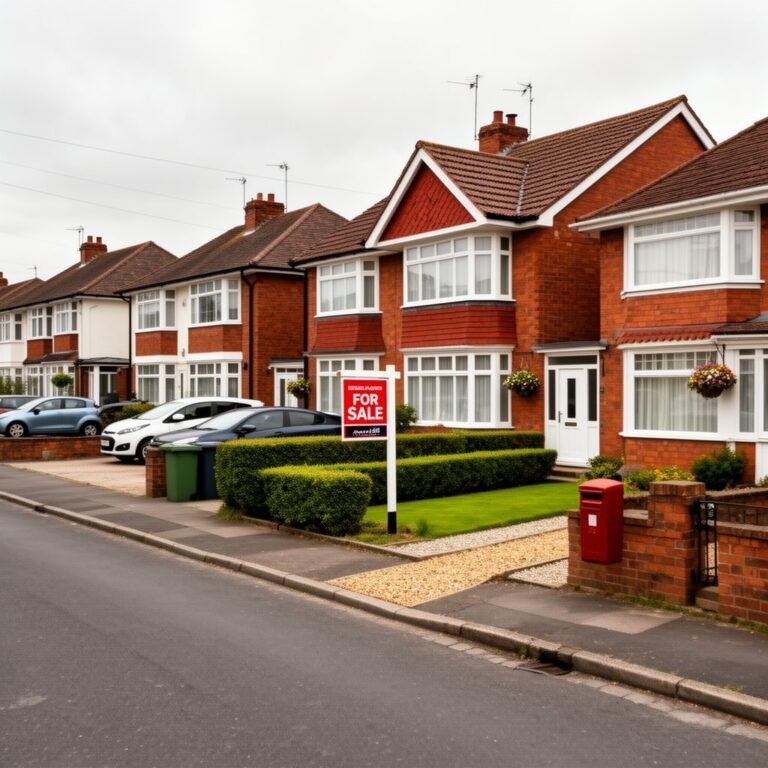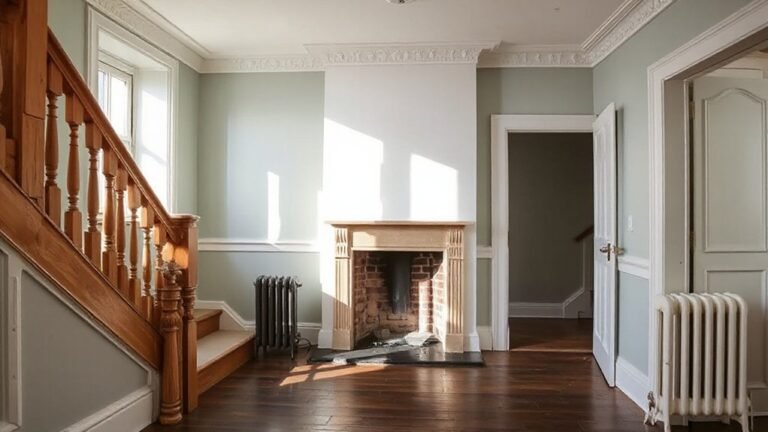
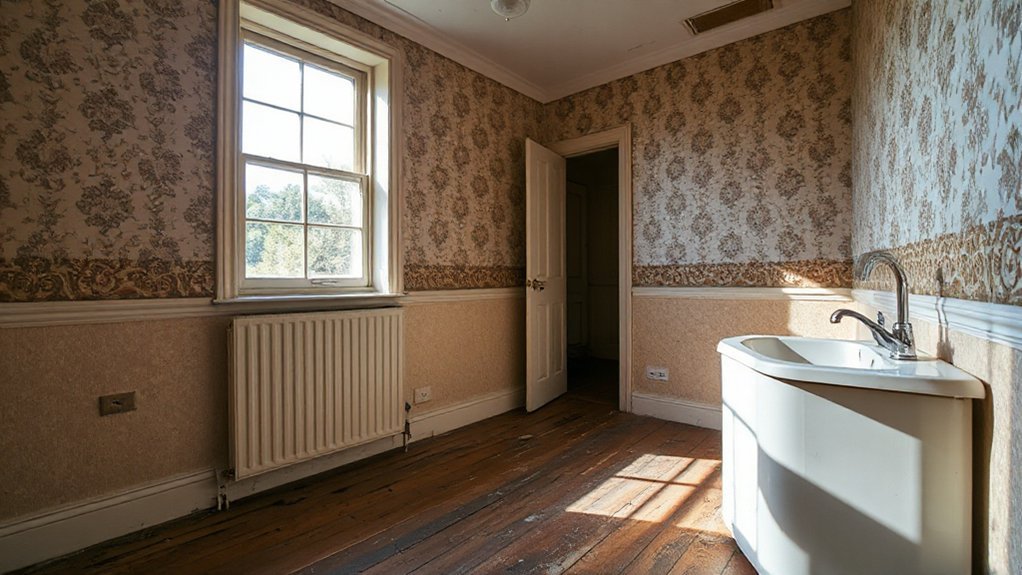
Like a doctor’s checklist, your eye should scan every corner of a home you’re considering. You’ll want to notice cracks in walls, misaligned doors, uneven floors, and leaning chimneys that hint at structural issues, plus damp or mould and poor insulation that signal moisture trouble. Watch for scorched outlets, warm sockets, and frequent trips as electrical red flags, and be wary of unclear leases or hidden costs. Stay cautious and prepared to press for immediate answers before you commit.
Key Takeaways
- Look for structural issues: cracks, misaligned frames, sticking doors/windows, uneven floors, leaning chimney, or sagging joists.
- Check for damp and insulation problems: visible patches, mould, musty smells, peeling paint, and poor ventilation.
- Inspect electrical safety: scorched outlets, warm faceplates, frequent trips, loose wiring, DIY wiring signs.
- Review tenure and repair terms: clear lease, maintenance responsibilities, urgent repair procedures, and cost allocation.
- Consider financial implications: hidden costs, service charges, ground rent, building regulations, and energy performance data.
How to Spot Structural Red Flags During a Viewing
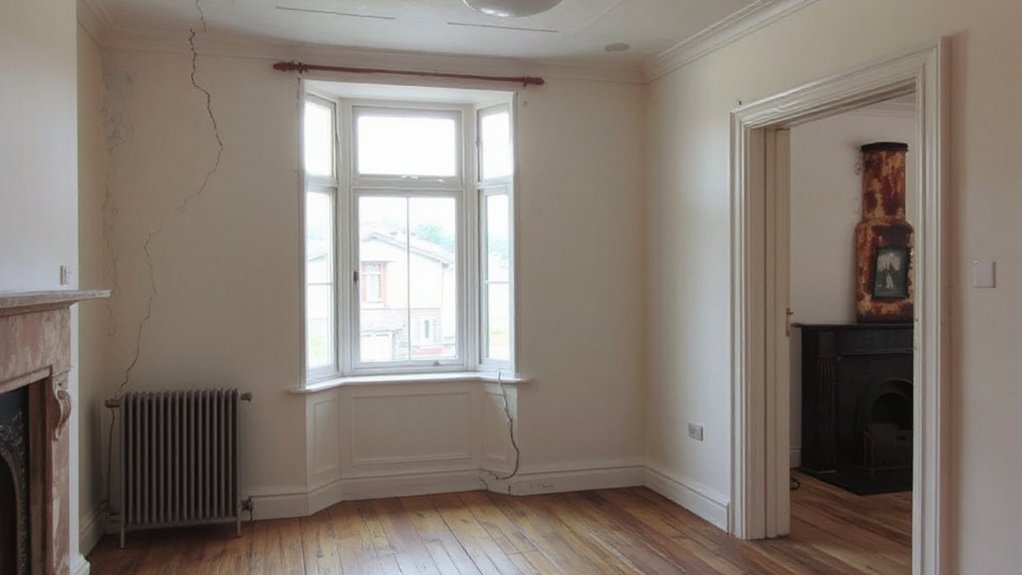
When you’re viewing a UK property, start by looking for telltale signs of structural issues that could cost you down the line. Begin with walls: cracks that run at unusual angles, doors and windows that stick, or misaligned frames.
Check floors for unevenness—step on them and note any hollow sounds.
Inspect the chimney stack and brickwork for leaning, bulging mortar, or new repairs that hint at movement.
In the loft, look for sagging joists or wet patches, which can point to hidden leaks or roof problems.
Examine ceilings for plaster cracks that radiate from a single point, suggesting settlement.
Consider foundation issues and roof integrity as ongoing concerns, and ask for recent surveys to verify stability before you commit.
Damp, Mould, and Insulation: What You Should Check
Damp, mould, and insulation issues can hide in plain sight, so start with a practical checklist you can tick off on the spot. You’ll look for visible damp patches, peeling paint, and musty smells as clues of moisture intrusion, and note any bubbling plaster or salt deposits on walls.
Check windows and, where possible, the attic and crawl spaces for insulation gaps that could drive heat loss and condensation. Probe behind furniture for darker patches that reveal hidden problems. Test ventilation in bathrooms and kitchens, and inspect skirting boards for raised timber or mould growth.
- Inspect walls, ceilings, and corners for moisture intrusion
- Check insulation gaps near external walls, lofts, and pipes
- Assess ventilation and humidity controls
- Look for recurring damp and mould patterns after rain
Electrical Safety: Common Wiring Red Flags and What They Mean
Electrical safety starts with spotting the red flags that often signal underlying wiring issues, so you can avoid costly dangers later. In a property viewing, you’ll note visual clues that suggest faulty wiring: scorched outlets, warm faceplates, buzzing or crackling sounds, frequent fuse trips, and breaker panels stuffed with wires.
Look for mismatched fuses, loose or exposed connections, and outdated circuits that may overload when you plug in modern devices. Check for hidden wiring problems behind switches, faulty earth connections, and signs of DIY work without proper termination.
Document any odd smells or frequent tripping, as these indicate electrical hazards requiring professional wiring inspections. Trust a licensed electrician for a thorough assessment before committing, and avoid relying on informal fixes.
Tenure Realities and Getting Repairs Greenlit at a Viewing
Tenure realities shape what you can actually fix or require before you buy, and they should guide what you ask for during a viewing. You’ll want clear answers on lease terms and who covers repairs. If the lease limits changes, you might need landlord consent or a service charge plan before anything gets done.
Verify maintenance responsibilities across shared areas, structure, and systems, since misinterpretation costs you later. Prefer documented commitments and a practical timetable for fixes.
- Lease terms explicit about alterations and approval
- Maintenance responsibilities for common parts and systems
- Timeframes for repair commitments
- Plan for handling urgent repairs and costs
Hidden Costs: Key Questions to Ask Before You Buy
Hidden costs can surprise you long after you’ve made an offer, so you should identify them early and ask pointed questions. You’ll want a clear breakdown of all charges beyond the agreed price, including Stamp Duty, solicitor fees, and local council taxes.
Additionally, consider ongoing costs like insurance and maintenance. Ask about service charges, ground rent, and any leasehold restrictions that could inflate costs later. Find out what’s included in the annual upkeep and who covers major repairs.
Don’t ignore renovation surprises: verify potential works, required consents, and potential building regulation pitfalls. Request recent energy performance data and expected utility bills to avoid hidden bills after moving in.
Finally, demand written guarantees for any recent fixes and a realistic timeline for anticipated expenditures.
Frequently Asked Questions
What’s the Average Service Charge for Homeowners in This Area?
The average service charge varies by area and property type, so you’ll need specifics from the management company. On average, expect a few hundred pounds annually, but check the exact figure in the latest service charge statement.
Look for Service fee transparency and review homeowners’ expenses carefully. Ask for a breakdown, including utilities, maintenance, and sinking fund.
Don’t assume; verify, compare blocks, and factor potential increases into your budgeting.
How Long Has the Property Been on the Market?
This property has been on the market for quite some time. You’ll want to check its property history and understand market fluctuations before deciding.
You’ll notice gaps in information, so ask for dates of listing changes, price revisions, and any withdrawn periods.
Track how long it stayed active, noting seasonality and lender pauses.
With careful review, you’ll grasp true value, avoid overpaying, and plan contingencies if market fluctuations shift prices later.
Are There Any Planned or Recent Major Renovations?
There aren’t any planned or recent major renovations disclosed, so you should verify before committing. Ask for timelines, scope, and permits, and look for construction quality signs like neat finishes, proper supports, and quality trades.
Clarify renovation timing to align with your occupancy needs, and request receipts or guarantees. Document any deviations from plans, and consider hiring an independent inspector to confirm structural integrity and damp-proofing.
Ensure you understand long-term maintenance implications.
What Are the Typical Council Tax Rates Nearby?
Council tax rates vary, with bands and local authority fees changing by area. You’ll typically see bands A–H, plus additional charges from the council for services.
Local authority fees differ per borough, so check your property’s band and the exact rate for your postcode.
You’ll want to review the current year’s bills and any supplements before committing.
Understand that bands depend on valuation, and rates update annually.
If uncertain, ask the agent for precise figures.
Have There Been Any Pest or Infestation Issues Recently?
There have been pest history concerns you should note, and I’d say yes in recent reports. Look for infestation signs like droppings, shed skins, gnaw marks, or unusual odors in corners and cupboards.
Ask for the seller’s pest history records and any treatment receipts.
Inspect damp areas, cracks, and vents too, since moisture invites pests.
If you spot anything, request professional inspection before committing.
Stay cautious and document all findings for your decision.
Conclusion
When you’re viewing, stay vigilant and trust your instincts. Note every crack, door misalignment, damp patch, or warm outlet, and ask for dates and receipts on any repairs. Don’t ignore warning signs about lease terms or hidden costs—you want full clarity before you commit. If something feels off, push for a professional survey or a second viewing. Remember: looks can be deceiving, and a stitch in time saves nine—don’t rush a decision. Proceed cautiously and document everything.
About the Author