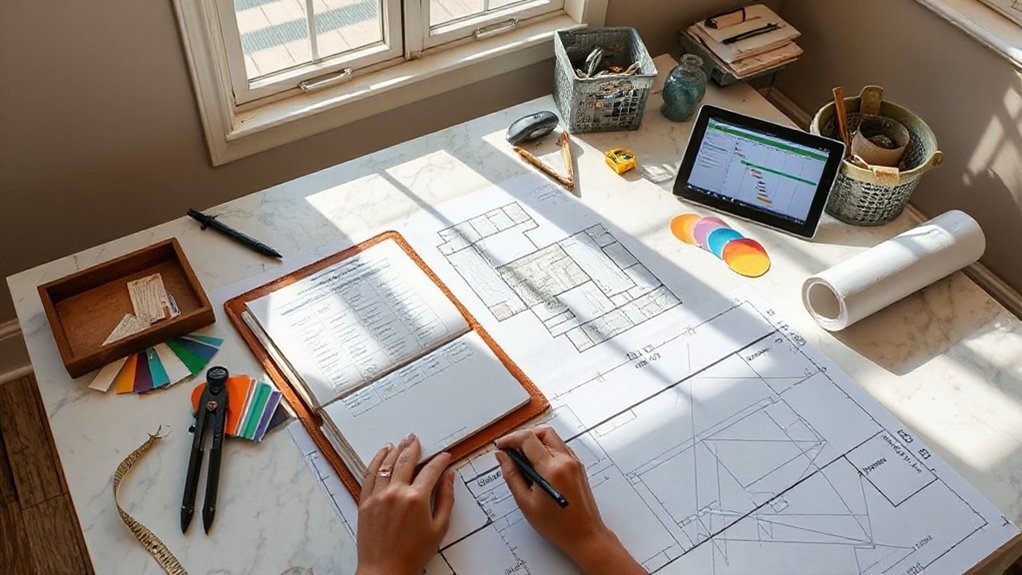
Did you know that most home renovations run over budget by at least 20%? You can avoid that by starting with clear goals and a feasible scope, then building a realistic budget and timeline. You’ll need reliable contractors, permits, and solid documentation. Stay disciplined with change control, track progress, and keep everyone aligned. Ready to translate goals into a step-by-step plan that actually sticks? Let’s map out your approach.
Key Takeaways
- Define renovation goals, scope, and budget early to guide decisions and prevent scope creep.
- Assess existing spaces, utilities, and constraints; map changes that improve function, flow, and value.
- Create a phased timeline with milestones and buffers for weather, delays, and design revisions.
- Develop a permitting and code-compliance plan; document decisions and link design elements to requirements.
- Establish a transparent budgeting process with contingencies, track costs, and manage procurement and contracts.
Define Your Renovation Goals and Feasible Scope
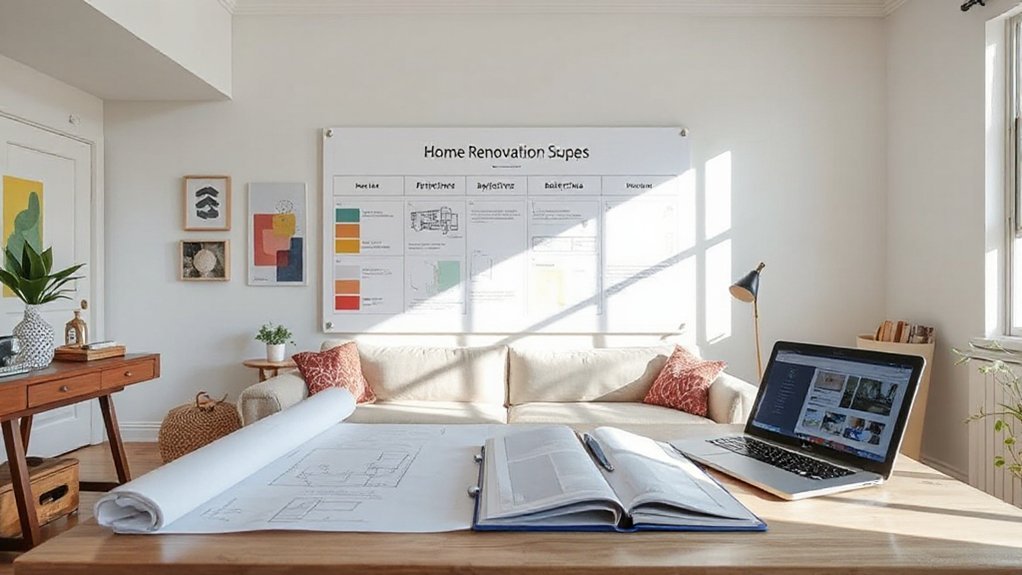
Define clear renovation goals and set a realistic scope. You begin by listing objectives: what you’ll change, why it matters, and the timeline you can sustain.
Prioritize tasks that impact daily use and long-term value, then flag must-haves versus nice-to-haves. Quantify outcomes when possible (square footage changes, storage gains, lighting improvements).
Next, translate goals into a feasible scope, avoiding scope creep with strict boundaries for each area. Consider structural, mechanical, and permitting constraints early to inform decisions.
Plan for color schemes and furniture placement during early design, but keep them separate from core construction decisions to prevent delays.
Document decisions, attach deadlines, and schedule periodic reviews to stay aligned with your original intent and budget realities.
Build a Realistic Budget for Your Project
You should set a realistic scope first, so your budget isn’t stretched later.
Next, itemize every cost, from permits to finishes, so nothing hides in the fine print.
Finally, build a contingency fund to cover the unexpected bumps that will arise.
Set Realistic Scope
To set a realistic scope, start by translating your goals into a concrete, numbered list of tasks and milestones, then estimate the time and cost for each item. You’ll create a foundation for budgeting that’s defendable and actionable.
Prioritize tasks, define non‑negotiables, and flag dependencies early. Use clear deliverables to prevent scope creep and misaligned expectations.
- Define milestones with target dates and visible proof of completion
- Break large goals into actionable, testable tasks
- Align scope with your budget planning and timeline
- Identify critical path items and potential bottlenecks
- Document assumptions to revisit during contractor selection
This disciplined approach keeps decisions data-driven, supports accurate estimates, and reduces revisions later.
Itemize All Costs
Itemizing all costs starts with a precise catalog of every expense tied to the project, then attaching assumptions, unit costs, and quantities. You’ll assemble line items for materials, labor, permits, overlapping trades, and equipment, ensuring no category is omitted.
Use realistic unit costs and reflect current market conditions; document sources for price estimates and note any regional differences. Link each item to a scope element from Set Realistic Scope, so totals align with defined boundaries.
Build a cost baseline to guide Budget planning, then compare against your available funds to identify gaps early.
For Contractor selection, include procurement timing, bid expectations, and payment milestones.
Keep the ledger transparent, reproducible, and auditable, so you can adjust as design choices evolve without losing financial control.
Build Contingency Fund
A realistic budget must include a dedicated contingency fund to cover unforeseen costs and design changes. You’ll build this fund by allocating a fixed percentage of the total, typically 10–20%, and tracking it separately.
Monitor estimates against actuals weekly to keep margins intact and adjust as needed. Prioritize contingency planning in decision points, so you’re prepared for scope shifts without derailing timelines.
Embrace budget flexibility to accommodate changes without compromising quality.
- Define a clear funding rule for changes
- Separate contingency from main budget
- Reconcile estimates weekly
- Reserve for unknowns and design tweaks
- Reassess mid-project and adjust allocations
This approach keeps finances resilient, reduces stress, and preserves project integrity through disciplined budgeting.
Assess Your Home and Define a Feasible Renovation Scope
Begin by taking a clear inventory of what you have and how you use each space, then set a realistic renovation scope based on need, budget, and timing.
You’ll map existing layouts, structural constraints, and utilities to identify nonnegotiables versus nice-to-haves. Prioritize changes that facilitate daily function and long-term value, not cosmetic fluff.
Define measurable goals: improved flow, added storage, or enhanced natural light.
Assess current energy absorption and drafts, noting opportunities for Home insulation improvements and overall Energy efficiency gains.
Consider zoning, permits, and potential disruption to routines.
Establish a scope with clear boundaries, phased priorities, and a contingency for cost overruns.
Document assumptions, constraints, and success criteria, then review with stakeholders to guarantee alignment and feasible execution within your budget and schedule.
Create Your Timeline: Phases, Milestones, and Buffers
You’ll map your renovation into clear timeline phases, from design approvals to construction, with each phase followed by concrete milestones.
For every milestone, pin a realistic buffer to absorb delays without pushing the whole schedule, and track progress to stay on target.
This approach keeps work transparent, helps manage expectations, and narrows the risk of overruns.
Timeline Phases Overview
Mapping your renovation timeline starts with three core elements: phases, milestones, and buffers. You’ll break work into clear stages, assign deadlines, and set contingency windows to protect your schedule.
Time management hinges on defining phase boundaries, sequencing tasks logically, and tracking progress daily. You’ll also plan contractor selection early, then align each phase with reliable crews and materials.
Maintain discipline: avoid scope creep, confirm dependencies, and document changes promptly.
- Define phases with start/end dates and acceptance criteria
- List milestones that signal completion for each phase
- Allocate buffer days for weather, delays, and revisions
- Track progress with a simple dashboard
- Reassess timelines after any major change
This structure keeps you accountable, minimizes downtime, and supports steady decision-making.
Milestone Buffer Strategies
Milestone buffers keep your schedule realistic by tying contingency days to the specific outcomes you’ve committed to. You’ll assign buffers to critical milestones, then verify that each buffer reflects actual risk exposure and lead times.
Start with design aesthetics decisions, then align titles, scopes, and approvals to avoid drift.
For material sourcing, map vendor lead times, backorders, and shipping windows to each milestone, and add buffers where delays are likely.
Use a phased approach: define success criteria, estimate durations, insert buffers, and lock the plan.
Track progress with earned value signals and adjust buffers only when risks materialize or assumptions change.
Communicate buffer rationale to stakeholders, so everyone understands why extra days exist.
Maintain discipline: update schedules, revalidate dependencies, and avoid scope creep that erodes buffers.
Hire the Right Contractors: Where to Start
Start by defining what you need from a contractor: scope of work, timeline, budget, and any special requirements. You’ll focus on contractor vetting and licensing requirements to guarantee reliability and compliance.
Begin with documentable criteria, then verify credentials, experience, and references. Shortlist only those who meet your thresholds, and request detailed bids aligned to your scope. Avoid vague proposals and hidden costs.
- Verify licenses and insurance, and confirm active status
- Check past project performance and client satisfaction
- Compare scope, milestones, and payment schedules
- Validate permits, warranties, and change-order processes
- Confirm site safety plans and subcontractor oversight
Rely on written agreements, defined deliverables, and reciprocal expectations. Keep communications precise, record decisions, and proceed stepwise to minimize risk.
Design Decisions and Permit Essentials You Mustn’t Miss
Now that you’ve vetted contractors, you’re ready to align design choices with permit rules. You’ll confirm which changes trigger permits, then map scope to code requirements. Identify structural, electrical, plumbing, and mechanical impacts early, so approvals don’t stall.
For interior lighting, plan circuits, fixture types, and energy-efficient options that comply with current standards; document cut sheets and photometric data for permit reviewers. Choose eco-friendly materials where feasible, ensuring they meet fire ratings, emissions, and durability criteria.
Create a decision log linking each design element to applicable codes, required inspections, and documentation deadlines. Build contingency buffers for plan revisions, and maintain a transparent trail of revisions and approvals to prevent scope gaps.
Finally, align budget with permit fees and timelines.
Prioritize Tasks by Impact, Feasibility, and Cost
You’ll map each task by its potential impact, then test feasibility against your constraints.
Weigh the cost against the expected benefits to decide where to start.
Use this lens to prioritize actions that deliver the biggest return with the least risk.
Prioritize Impact vs Feasibility
To plan effectively, focus on prioritizing tasks by impact, feasibility, and cost, so you can maximize value while staying on schedule and budget. You’ll compare outcomes to determine where effort yields the strongest returns, then reallocate resources to high-impact, feasible initiatives first.
Balance creativity with constraints, and keep sustainability considerations in mind for long-term gains.
- Focus on high-impact changes with clear, measurable benefits
- Verify feasibility against your current budget, timing, and skills
- Sequence tasks to avoid rework and bottlenecks
- Allocate budget to options delivering the best return on investment
- Reassess periodically, incorporating creative inspiration within practical limits
Weigh Cost Against Benefit
Begin with high-impact improvements that release multiple goals, but verify that these tasks fit your space, timeline, and skills.
Use a simple scoring system: impact, feasibility, and cost each get a value, then calculate a total score to guide prioritization.
Document assumptions, expected savings, and risks, so decisions are transparent.
A benefit analysis helps you avoid over-investment in low-return items.
Reassess as plans evolve, updating estimates with new information.
This disciplined approach keeps renovations focused, predictable, and aligned with your budget.
How to Manage Scope Creep and Change Orders
Scope creep and change orders are common in renovations, but they don’t have to derail your timeline or budget. You master scope management by defining clear objectives, timeline milestones, and budget boundaries from the start.
Use formal change control to evaluate every request, weighing cost, impact, and benefits before approval. Communicate decisions promptly to prevent misalignment and delays.
- Define implementable scope items with measurable deliverables
- Log every change request, cost, and schedule impact
- Assign a responsible decision-maker for approvals
- Establish a contingency for unforeseen work
- Review progress weekly and adjust as needed
Materials, Fixtures, and Aesthetic Choices on Budget
Materials, fixtures, and aesthetic choices can consume a large share of your renovation budget, so start by setting clear priorities and cost targets. You’ll optimize value by identifying must-haves versus nice-to-haves and assigning budget percentages accordingly.
Begin with material sourcing: compare suppliers, request samples, and verify warranties before committing. Favor durable finishes in high-traffic areas and consider alternative materials that mimic premium looks at lower cost. Schedule procurement to avoid delays and price spikes, and anticipate delivery costs in your total.
When selecting fixtures, prioritize functional requirements, accessibility, and maintenance needs alongside style. Aim for aesthetic harmony by choosing cohesive colors, textures, and scales across rooms.
Document decisions, track actual versus planned spend, and adjust promptly to prevent scope creep from creeping in again.
Track Progress: Tools and Rituals to Stay On Schedule
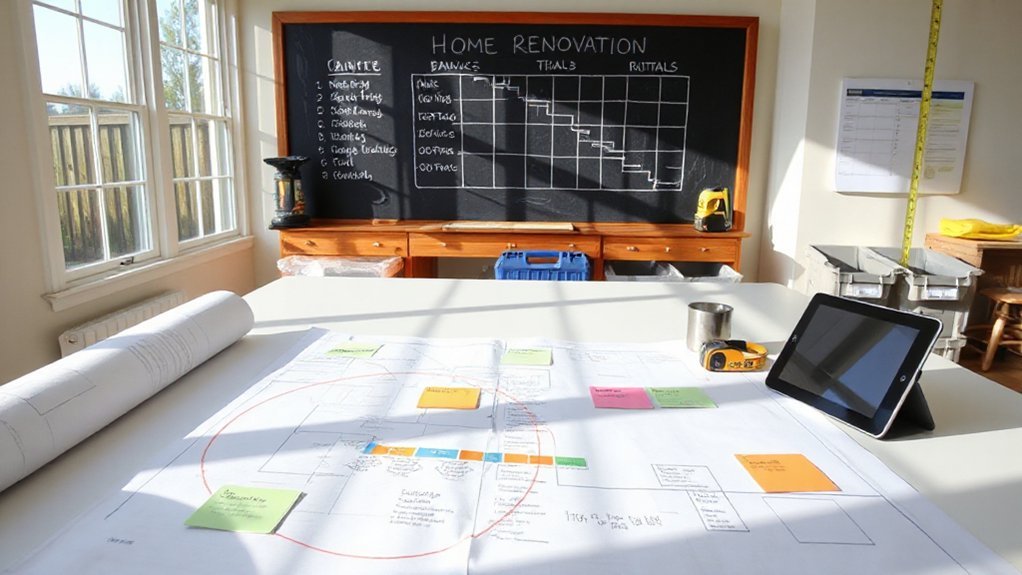
How can you stay on schedule without losing momentum? Track progress with simple systems you actually use. Time management hinges on clear visibility of tasks, milestones, and due dates, not perfect plans.
Implement a lightweight dashboard that updates daily, so you see what’s done and what’s next. Use brief check-ins to reinforce boundaries and priorities, not micromanagement.
Communication strategies keep everyone aligned—document decisions, clarify owners, and confirm changes quickly. Maintain momentum by pausing only to adjust, not to revisit sunk details.
Now, stay accountable with consistent cadence, predictable handoffs, and shared expectations.
- Daily stand-up notes with owners and due dates
- Visual progress board updated each morning
- Quick decision log for scope changes
- Stakeholder emails summarizing next steps
- Weekly review and re-prioritization plan
Final Readiness: Checklists Before You Start
Final readiness means you verify everything is in place before you start. You review scope, budget, and schedule to confirm alignment with your goals.
Create a master checklist covering permits, warranties, and contractor contacts, then verify insurance and safety plans are current.
Inspect materials on order, delivery windows, and storage space to prevent delays.
Confirm interior lighting plans match electrical diagrams and lighting schedules, ensuring switches, outlets, and fixture placements align with daily workflows.
Assess environmental impact by prioritizing Sustainable materials where feasible and documenting substitutions.
Establish communication rituals: daily briefings, issue tracking, and signoffs for milestones.
Double-check safety gear, dust containment, and site access.
Prepare contingency steps for weather, supply delays, or scope changes.
You’re ready when every item has a fixed owner and deadline.
Frequently Asked Questions
How Do I Choose the Right Renovation Style for My Home?
Choose a decor style and design themes that reflect your daily rhythm and favorite moments. Start by listing must-haves and non-negotiables, then compare styles that fit your space and lighting.
Inspect photos for cohesion, then test palettes with swatches. Prioritize timeless elements over trends, narrowing to two to three design themes.
Consider flow, function, and resale value. Finalize with a mood board, room-by-room plan, and a practical budget to guarantee your chosen decor style remains consistent.
What Permits Are Legally Required for Common Renovations?
What permits are legally required for common renovations? It depends on scope, but, in short, you’ll typically need building permits and possibly electrical, plumbing, or mechanical permits.
Check building codes and zoning laws for your project. You’ll also verify setbacks and occupancy rules before starting.
Do you know which documents your local authority requires? Keep plans clear, submit them to the permit office, and schedule inspections to guarantee compliance with building codes and zoning laws.
How Can I Prioritize Safety While Renovating on a Budget?
Prioritize safety first by planning, wearing PPE, and turning off utilities when needed.
You can protect yourself on a budget by using budget tips like renting tools, batching tasks, and practicing basic scaffold safety.
Do simple, non-load-bearing updates first to limit risk.
Inspect for hazards, ventilate, and keep a clean work area.
When in doubt, pause and consult a pro.
DIY safety matters, and budget tips keep costs down without compromising safety.
What Hidden Costs Should I Anticipate in a Remodel?
You should expect hidden costs like permit fees, unexpected structural fixes, and delivery delays, which can creep up fast.
Budget overruns often stem from scope changes late in the project, so lock decisions early.
Track every purchase and contingency, and anticipate material selection fluctuations that affect overall cost.
Build a cushion for labor and cleanup too.
Stay disciplined: review bids, avoid premium upgrades you don’t need, and keep a clear, written budget.
How Do I Communicate Changes Effectively With Contractors?
You communicate changes effectively with contractors by establishing clear expectations from day one and sticking to update protocols.
Share written summaries of each change, including scope, cost, and timeline, and require written confirmations.
Use precise terms, ask for milestones, and flag decisions promptly.
Maintain a single source of truth, document all approvals, and confirm receipt.
Schedule brief, regular check-ins to address questions, and follow up with concise recaps to prevent misinterpretations.
Conclusion
Ready to take the reins? You’ve defined goals, scoped realistically, and built a budget with buffers. You’ve mapped a phased timeline, vetted contractors, and set up change-order safeguards. You’ve chosen materials wisely, tracked progress, and kept everything documented. Before you start, do a final readiness check to confirm permits, warranties, and safety standards are in place. With disciplined planning, your renovation stays on track, within budget, and aligned with your vision—delivering the results you’ll enjoy for years.
About the Author