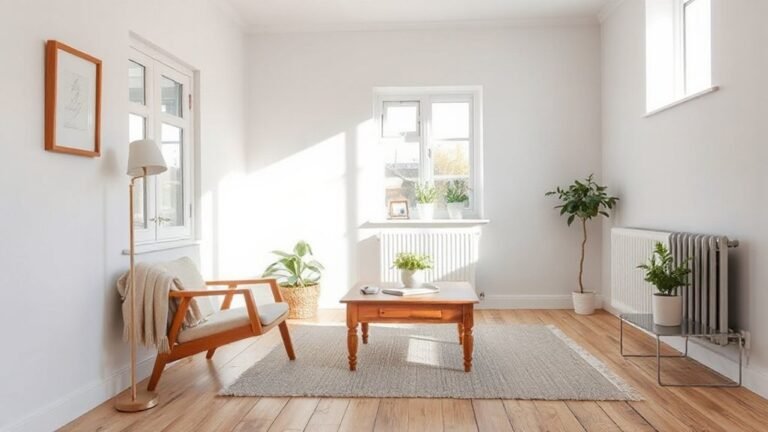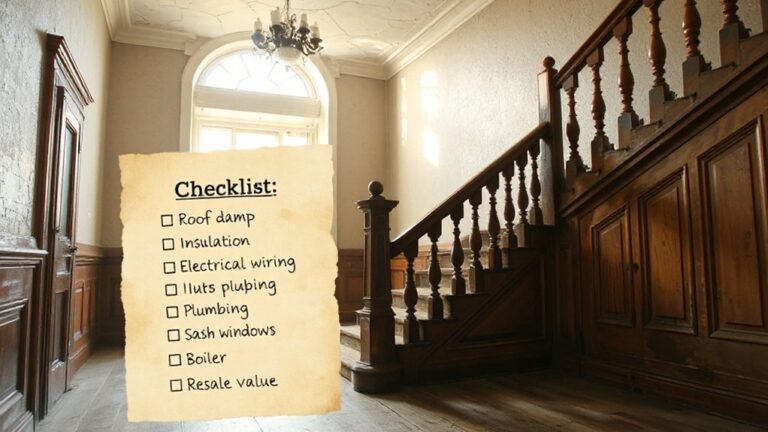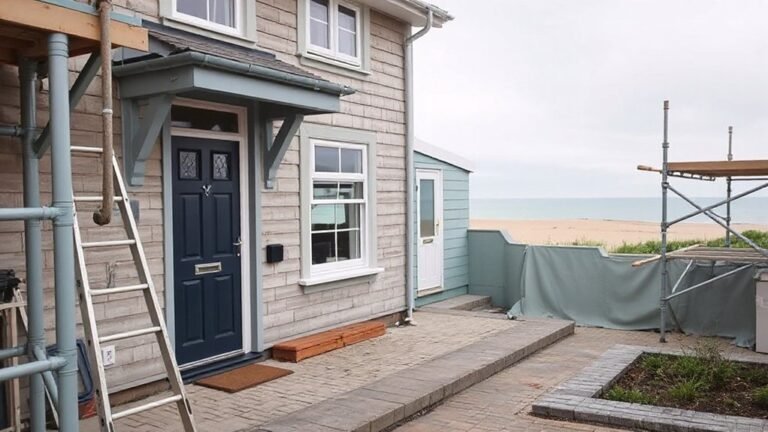
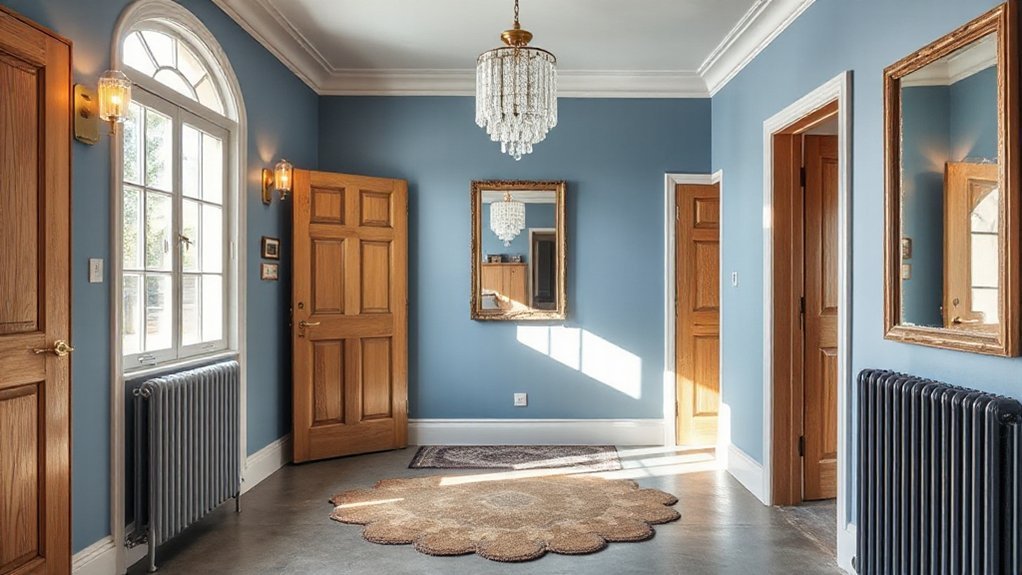
You can modernize an older home without erasing its soul by prioritizing timeless materials, like natural stone and solid wood, and repairing original moldings and glazing rather than swapping them out. Reconfigure spaces for today’s flow with wide doorways and flexible layouts, then hide upgrades—smart controls, insulation, and efficient systems—behind the scenes. Keep convenience discreet, so the charm stays intact, and know a thoughtful balance between preservation and comfort invites you to keep going.
Key Takeaways
- Assess the historic core: preserve structural bones, authentic materials, and craftsmanship while mapping sacred vs adaptable spaces.
- Choose timeless, durable finishes: matte, low-gloss stone, wood, metals with antique fixtures to anchor period details.
- Update layout for modern use: maintain era cues, create flexible zones with defined niches and wide doorways.
- Add hidden comforts: discreet insulation, hidden outlets, quiet HVAC, smart controls behind cabinetry.
- Preserve details while boosting efficiency: seal leaks, repair trim, use authentic windows, document changes with preservation input.
Assess Your Historic Home: What’s Really Defensible Core?
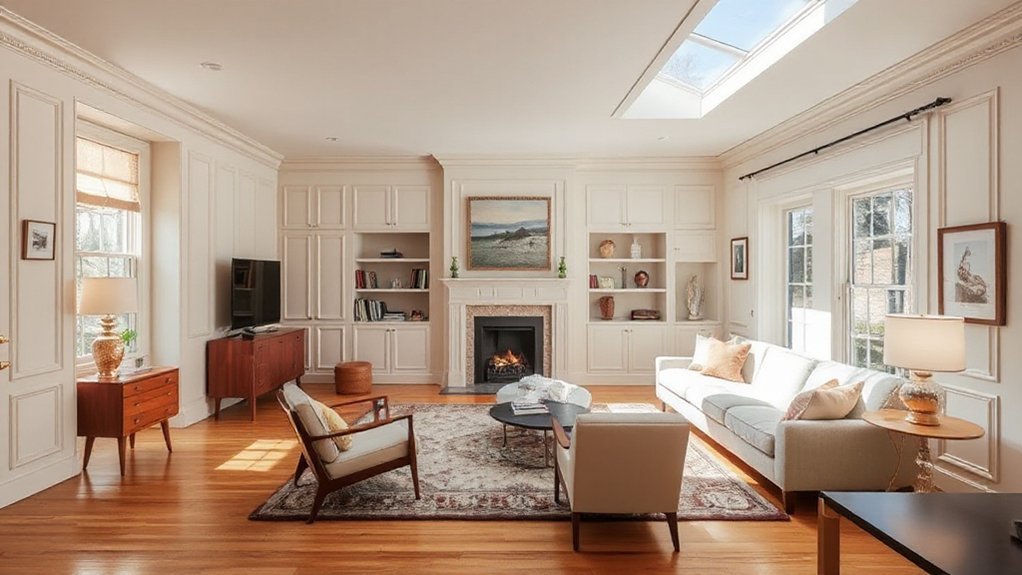
Evaluating a historic home starts with identifying its defensible core—those elements that genuinely define its character and shouldn’t be altered in pursuit of modern comforts. You’ll base decisions on what endures: structural bones, original layout cues, and standout architectural details that speak to its era.
In practice, map your space to distinguish what’s sacred from what’s adaptable. Prioritize preservation of features that carry Historic preservation value, such as enduring craftsmanship and authentic materials, even if you don’t replace them.
Consider cultural significance: why this house matters to the community and to its former residents. You’ll communicate respect through careful restoration choices and restrained modernization, ensuring upgrades support function without erasing its story.
This approach keeps the home’s identity intact while enabling thoughtful updates.
Choose Timeless Materials That Last and Look Right
When choosing materials, prioritize timeless options that age gracefully and pair with the home’s character. You’ll aim for durability, low maintenance, and subtle texture that reads as intentional rather than trendy.
Start with finishes that resist wear: natural stone, solid wood, and high-quality metals. Choose antique fixtures or reproductions where appropriate to anchor period details without shouting “era.”
For surfaces, favor classic color palettes—warm neutrals, charcoal, and subdued blues or greens—that evolve with age. Avoid overly glossy surfaces that scream modernization; matte or satin finishes feel calmer and more lasting.
Consider joints, seams, and workmanship: clean lines, precise mitered corners, and thoughtful hardware. Your goal is cohesion, not novelty, so let materials speak softly and endure.
Update Layouts for Modern Living Without Sacrificing Character
Start by rethinking flow: align living and dining zones to support everyday use, while preserving a recognizable character from the era.
Focus on flexible layouts that can adapt—think open sightlines with defined niches and preserved vintage cues that anchor the space.
Consider how layout changes impact Feng Shui, balancing movement with a sense of harmony and provenance.
Layout Flex With Flow
A flexible layout lets you live modernly without erasing the home’s character: open, flowing spaces adapt to how you move and entertain, while thoughtful partitions keep architectural details intact. You’ll design zones that support daily life and guests without rigid walls.
Use wide doorways or sliding panels to reframe rooms as needs shift, preserving light and sightlines. Prioritize furniture placement that guides flow—so paths stay clear yet inviting.
Color schemes anchor the vibe, while lighting options sculpt mood and function for different times and tasks. Integrate storage that’s discreet yet usable, so clutter never disrupts the rhythm.
Plan for flexible seating and adaptable surfaces so you can host, work, or relax with equal ease. Your home stays characterful, invigorating, and perfectly livable.
Preserve Vintage Feng Shui
Place major seating and work areas along natural flow lines, avoiding clutter that blocks circulation. Use Feng shui principles to position mirrors and plants for uplifting reflections without overwhelming the space.
Maintain vintage harmony by selecting finishes and hardware that echo the era while embracing modern scale and function. Trim door thresholds, optimize natural light, and preserve focal fireplaces or alcoves as energy anchors.
Add Modern Comforts Thoughtfully and Invisibly
You can add comfort without changing the look by choosing hidden upgrades that blend with existing systems. Think discreet upgrades—quiet insulation, smart controls that mimic traditional switches, and appliances tucked away behind cabinetry.
The goal is seamless integration that enhances daily life without shouting its presence.
Hidden Comfort Upgrades
Start with hidden power nodes: outlets placed near seating, USB chargers disguised in traditional lamp bases, and accessible charging stations tucked under cabinets.
Choose compact heating or cooling options, like quiet ductless minisplits, installed where they won’t disrupt sightlines.
Upgrade insulation and air sealing first, then layer in warmth with radiators or radiant underfloor systems beneath period floors.
Upgrade lighting with dimmable, warm LEDs and smart controls, kept discreet.
For texture, embrace tactile finishes—trim, plaster, and fabric—that feel era-appropriate but perform with current standards.
Hidden comfort, cozy upgrades, delivered with thoughtful restraint.
Seamless Modern Integrations
Integrating smart technology should feel intuitive, guiding daily routines without shouting for attention. Prioritize solar shading, dimmable lighting, and climate control that respond to occupancy rather than dominating space.
Choose devices that blend contemporary fixtures with vintage lines, preserving the mood of each room. Test interfaces for simplicity, ensuring guests navigate features without instruction manuals.
Use discreet speakers, quiet fans, and hidden charging niches to avoid clutter. The result: a home that’s more comfortable, efficient, and coherent—modern benefits, timeless charm.
Preserve Architectural Details While Boosting Energy Efficiency
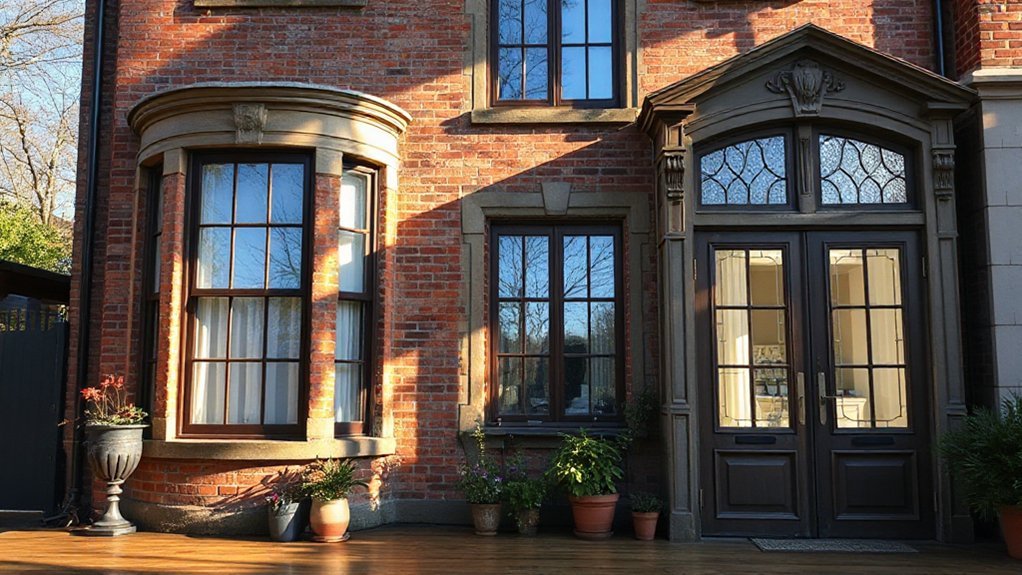
Preserving the character of an older home while boosting energy efficiency isn’t about choosing one over the other; it’s about making smart, targeted updates that respect historic details.
You can start by auditing envelope performance—seal leaks, add insulation, and weather-strip without altering visible features.
Preserve architectural details by repairing rather than replacing original trim, moldings, and glazing.
When upgrading systems, choose efficient, compact equipment that fits existing spaces and preserves sightlines.
Opt for high-quality windows that honor historic authenticity through authentic profiles and true-divided-light designs, or retrofit inserts that maintain exterior aesthetics while improving performance.
Involve specialists in architectural preservation to guide material choices and finishes that age gracefully.
Document changes for future owners, and balance energy goals with the building’s time-tested charm.
Plan, Budget, and Phase Your Renovation Like a Pro
To plan, budget, and phase your renovation like a pro, start with a clear scope and realistic timeline, then map costs against your priorities. You’ll identify essential fixes first, nice-to-haves second, and any compromises you can live with.
Create a phased schedule that aligns with seasonal constraints, permitting, and supply timelines, so you don’t overcommit. Track renovation challenges early—structural issues, insulation, and moisture—that can ripple into budgets if ignored.
When estimating, factor in historical significance: preserve character while upgrading systems, harnessing grants or tax incentives if available. Build a contingency fund, typically 10–20%, for unknowns.
Communicate transparently with trades and suppliers, documenting decisions as you go. Review progress weekly, adjust scopes, and keep decisions purposeful to maintain charm without sacrificing modern livability.
Frequently Asked Questions
How Do I Prioritize Updates Without Harming Historic Value?
Prioritize updates that protect structural integrity and core character. Start with essential repairs to framing, insulation, and moisture control.
Then focus on features with architectural preservation value, like original moldings or staircases.
For aesthetics, maintain aesthetic consistency by choosing period-appropriate materials and finishes.
Plan upgrades in stages, document decisions, and avoid altering historic façades.
Balance modern comfort with restraint, ensuring modifications support sustainable living while preserving the home’s heritage.
What Safety Upgrades Are Essential but Discreet?
Safety upgrades that are essential but discreet include updating electrical panels, grounding, and GFCI outlets; adding smoke and carbon monoxide detectors; improving fire resistance with proper insulation and rated doors; upgrading HVAC filters and ventilation; and reinforcing stairs with secure handrails. Prioritize hidden runs and compact, code-compliant solutions. Historic preservation and aesthetic integration guide choices, ensuring modern safety blends with character. You’ll feel confident, protected, and inspired as upgrades align with both practicality and charm.
Can I Retrofit Modern Tech Without Visible Changes?
Yes, you can retrofit modern tech without visible changes. Opt for smart lighting that fits existing fixtures and scenes, and wireless security with discreet sensors.
Choose low-profile door and window sensors, concealed wiring, and centralized hubs tucked away.
Prioritize wireless, battery-powered devices to avoid messy rewiring.
Use smart plugs and hidden outlets to control lamps and electronics.
Keep aesthetics intact while your home gains efficiency, convenience, and safer, seamless automation.
Which Trades Collaborate Best on Historic Homes?
You’ll want to pair skilled trades that respect history, because the best teams collaborate for architectural preservation. Seek a historic architect, a master carpenter, and a conservation mason who understand restoration craft and modern needs.
Include an interior designer with revival sensibilities and a licensed electrician familiar with vintage wiring. Their teamwork preserves craftsmanship techniques, avoids invasive changes, and guarantees structural integrity, mechanical efficiency, and timeless aesthetics.
Communicate clearly, document decisions, and you’ll preserve character while upgrading safely.
How Do I Handle Permits and Approvals Efficiently?
Think of permits as a carefully choreographed dance you lead. You handle them efficiently by starting early, aligning with the local planning office, and submitting complete, clear packages.
Historic preservation rules and Architectural guidelines shape your steps, so precheck your paperwork and build in time for reviews.
Stay organized with a checklist, track deadlines, and communicate promptly with inspectors. This proactive approach minimizes back-and-forth and keeps your project moving smoothly.
Conclusion
You stand at the doorway between past and present, a hinge between eras. Let durability be the quiet keystone, the stone that holds both weight and memory. Treat each upgrade as a whispered restoration, not a rewrite—like a fresh paint on a century-old mural. When you finish, the home won’t shout “new”; it will hum with earned wisdom, a lighthouse of character guiding comfort to the shore of tomorrow. Your charm isn’t preserved alone—it’s renewed, daily.
About the Author