A cost calculator for a second-story addition should break out costs by item: structural (framing, joists, shear walls), mechanical (plumbing, electrical, HVAC rough-ins), exterior (roof upgrades, flashing, insulation), interior (structural upgrades vs. finishes), plus permits, safety, and waste disposal. Assign unit costs and quantities, then subtotal by category. Include regional price differences, design choices, and contingency transparency. Build in clear inputs, sensitivity analysis, and use standardized bids. If you keep exploring, you’ll see how to optimize scope and save.
Break Down Second-Story Costs by Item
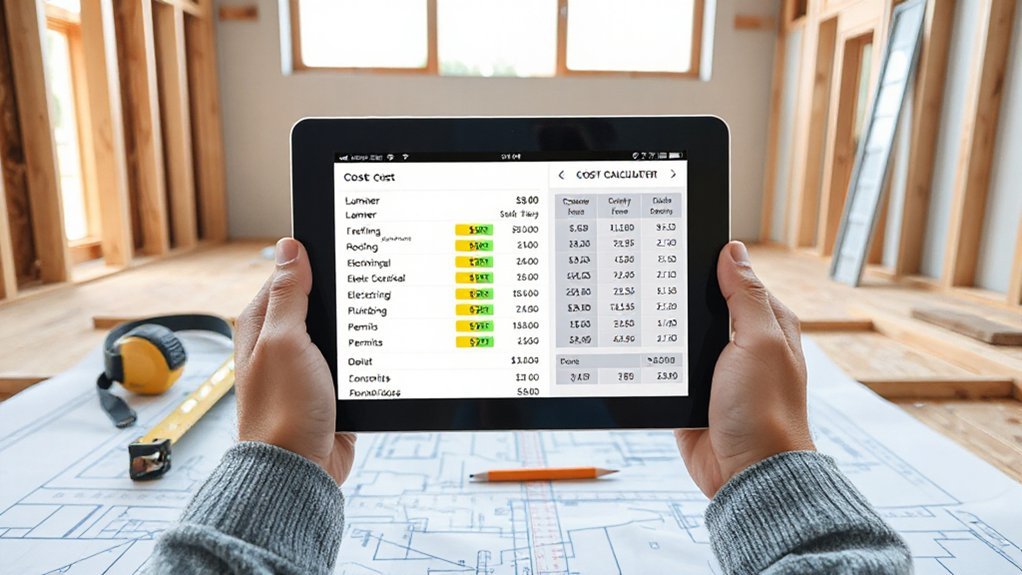
Breaking down second-story costs by item helps you see exactly where your budget goes and where you might save. You’ll organize expenses into major categories, then drill into individual line items for clarity.
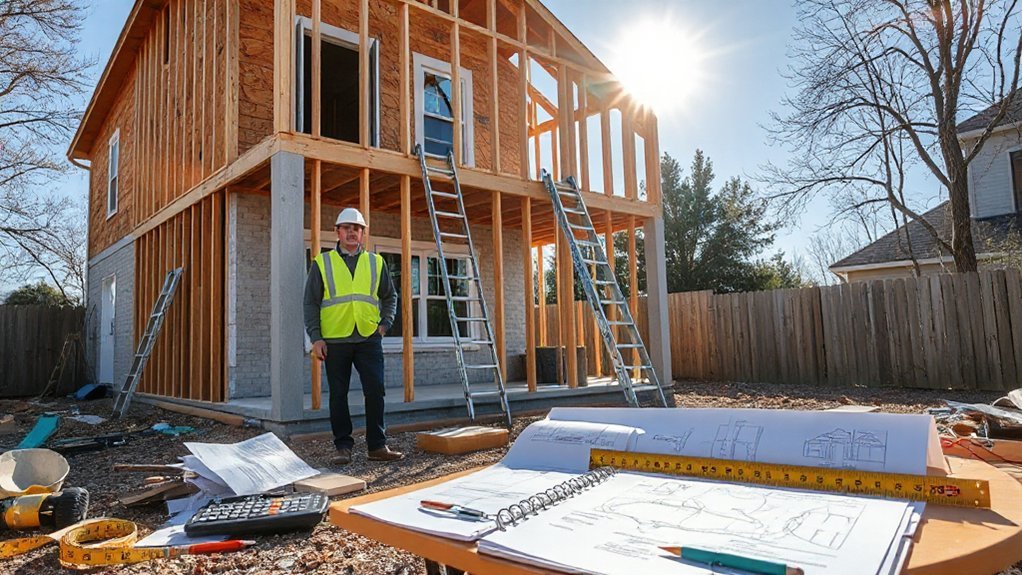
Begin with structural elements: framing, joists, and shear walls, then move to mechanicals like plumbing, electrical, and HVAC rough-ins.
Next, address exterior work: roof upgrades, flashing, and insulation.
Interior considerations matter most for finish quality, so differentiate between structural upgrades and interior finishes.
You’ll also itemize permitting and inspection steps, as permit fees can vary by jurisdiction and project scope.
Don’t overlook temporary provisions, site safety, and waste disposal.
Finally, assign unit costs and quantities, then sum to a subtotal per category.
This method reveals savings opportunities and keeps your budgeting disciplined.
Regional Price Variations by Location
Regional price variations considerably affect second-story additions. You’ll notice costs shift based on where you live, even before design specifics come into play. Regional disparities stem from labor rates, material availability, permitting fees, and local codes, which collectively influence your bottom line.
Location factors include climate-related needs, regional market demand, and transportation costs that affect delivery timing and pricing. Urban cores often carry higher labor and permit costs, while rural areas may present savings but longer project timelines due to fewer trades.
Supplier networks, competition, and regional subcontractor availability also drive price differences. You should compare multiple quotes from local firms to gauge true regional impact, and account for volatility in steel, lumber, and concrete markets.
Use this context to refine your budget logic and contingency planning.
Design Choices That Drive Your Second-Story Budget
Design choices determine how big a share of your second-story budget they’ll claim, so start by narrowing scope before you price. Your decisions on architectural style and material selection directly shape costs, timelines, and long-term upkeep. Clarify what you require from structure, finishes, and energy performance, then tradeoffs become obvious.
Favor simpler geometry, standard framing, and readily available materials to reduce risk and price surprises. Balance aesthetics with function, ensuring future maintenance won’t outpace savings. Plan for insulation, ventilation, and sound control early to avoid retrofits.
Detailed upfront decisions prevent scope creep and misaligned bids.
- Architectural style and its impact on framing, finishes, and permits
- Material selection choices and supplier lead times
- Finish levels vs. maintenance and lifespan
- Structural options that affect cost vs. performance
- Energy efficiency features and long-term savings
Build a Realistic Cost Calculator for Your Project
To build a realistic cost calculator for your project, start by defining your inputs and outputs clearly: scope, timeline, and key cost drivers. You’ll model labor rates, material costs, permitting, and specialized trades, but keep the scope bounded to avoid scope creep.
Use a structured framework: inputs (quantities, unit costs, productivity), calculations (labor hours, material waste, contingencies), and outputs (total cost, per-square-foot, schedule impact).
Include material durability as a factor to adjust replacement or warranty portions, and weight safety-related costs that influence scheduling and permits.
Build in sensitivity analyses for major drivers to reveal where small changes matter most.
Confirm construction safety requirements are embedded, so the calculator reflects protective measures and compliance expenses.
Return transparent assumptions, documented sources, and a repeatable update process.
Compare Bids Without Surprises on Contingencies
When you compare bids, demand transparent contingencies and clear pricing for each risk, so you’re not surprised later. You’ll want bid comparison essentials that highlight how contingency amounts are estimated, tracked, and adjusted as plans evolve.
This approach promotes contingency transparency practices and helps you judge bids with confidence rather than guesswork.
Contingency Transparency Practices
Are contingencies making or breaking your bids? You’ll tighten value by separating contingency planning from base costs, so buyers see what’s essential and what’s optional. Apply clear transparency standards to every line item, and insist that every contingency has a defined trigger, a cost, and a time impact.
When bids are transparent, you reduce back-and-forth and align expectations before you sign. Document the method you use to estimate risk, include a conservative yet realistic allowance, and show how changes affect total price. Your goal is predictability, not persuasion.
Use standardized formats across bids, so comparisons are apples to apples, not apples to oranges.
- Define triggers, costs, and time impact for each contingency
- Separate contingency planning from base construction costs
- Use standardized bid templates for clarity
- Publish methodology links or notes within each bid
- Require consistent supplier and trade indexing for updates
Bid Comparison Essentials
Contingencies can derail a bid if you don’t compare them apples to apples. When you review bids, list each contingency transparently and map it to a project phase, so you’re not guessing later.
Focus on interior finishes and structural engineering implications, and demand the same scope across bidders. Verify unit costs, access to materials, and lead times; a lower base price can hide costly alternates.
Ask for a contingency allowance breakdown with trigger points and caps, plus how escalation is treated over the project schedule. Use a side-by-side comparison template, noting exclusions, substitutions, and warranty terms.
Confirm the bidder’s process for handling changes, RFIs, and design clarifications. This disciplined approach reduces surprises and aligns expectations for a successful second-story addition.
From Plans to Permits: Timeline and ROI You Can Trust
Moving from plans to permits can feel like a maze, but a clear timeline and solid ROI expectations keep you on track. You’ll map approvals, fees, and review durations to forecast hold times and cash flow, aligning design decisions with budget reality.
ROI hinges on efficient permitting, disciplined material sourcing, and timely contractor selection, so you avoid overruns and delays. By treating permits as a project milestone, you can quantify risk and plan contingencies with precision.
- Timeline milestones for plan approval, zoning review, and building permits
- Estimated permit fees and impact on cash flow
- Material sourcing strategies that minimize delay
- Contractor selection criteria and qualification checks
- Contingency planning to protect ROI during slow reviews
Frequently Asked Questions
What Financing Options Best Suit a Second-Story Addition?
You should explore unsecured personal loans, home equity lines of credit, and construction loans; align your choice with Design considerations and Material selection, ensuring manageable upfront costs, favorable rates, and flexible draws for a second-story addition.
How Does Resale Value Vary by Neighborhood?
You’ll notice resale premiums vary: neighborhoods with strong demand see higher value bumps, while others lag. Neighborhood trends show premium ranges of 5–15% depending on location, overlooking crime, schools, and density. This guides you to targeted, informed decisions.
Which Permits Most Commonly Delay Project Timelines?
Construction delays most commonly delay project timelines, you’ll see permit reviews and material shortages stretch schedules. You’ll notice weather and subcontractor availability also disrupts, so plan buffers into your project timelines to stay on track.
Do Energy Upgrades Impact Long-Term ROI?
Energy efficiency boosts long-term ROI by reducing operating costs, while Solar integration enhances value and energy resilience. You’ll see quicker payback, steadier bills, and stronger resale appeal as upgrades compound over time.
What Insurance Coverages Are Essential During Construction?
Construction insurance covers you, covers your crew, and covers the project’s risks. Coverage essentials include builder’s risk, general liability, and workers’ comp. You’ll safeguard finances, meet requirements, and keep progress smooth through disciplined coverage choices.
Conclusion
A second-story addition isn’t just walls and a staircase—it’s a system. You’ll weigh framing, wiring, and moisture control against location and permits, then watch contingencies creep in if you skim plans. On average, budgets can swing 15–25% between regions, so you’ll want precise bids and a clear scope. One striking stat: labor often dominates ~60% of total costs, so smart design choices and phased builds can quietly trim the bottom line while preserving value. Plan meticulously, bid smartly, and stay flexible.
About the Author