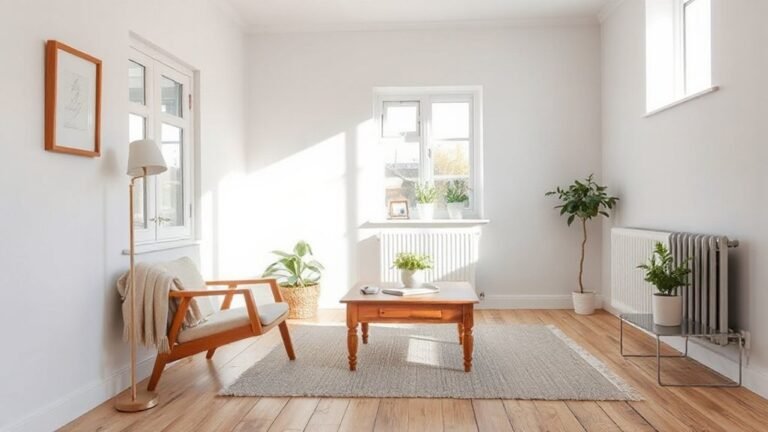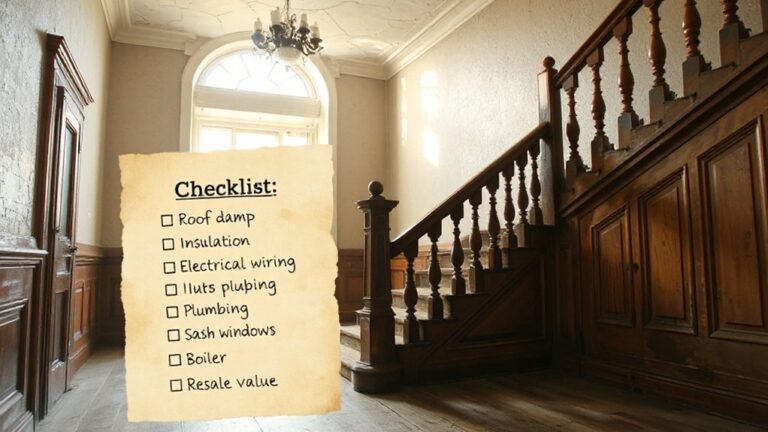
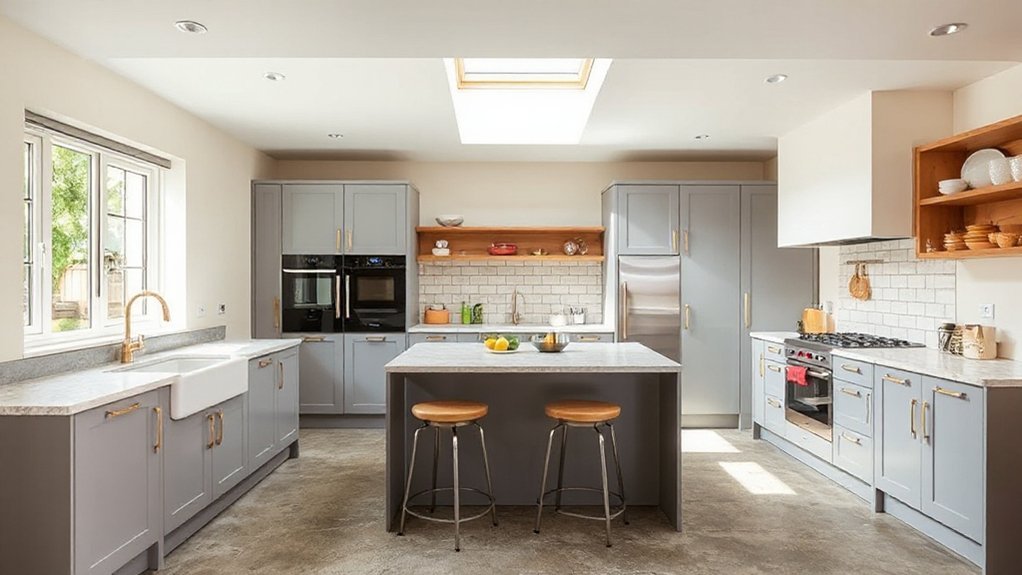
You’ll transform a UK semi-detached kitchen by embracing space-efficient layouts like U-shapes for narrow plots and well-considered islands that don’t disrupt circulation. Pair these with smart storage—slim, tall cabinets, hidden pullouts, and modular pantries—and durable finishes that maintain a clean, timeless look. Layer lighting to shape zones, and integrate appliances to keep surfaces seamless. Expect clearer sightlines, smoother prep-to-cleanup flows, and a high-function hub that supports daily family life as you progress further.
Foundational Principles for UK Semi-Detached Kitchens
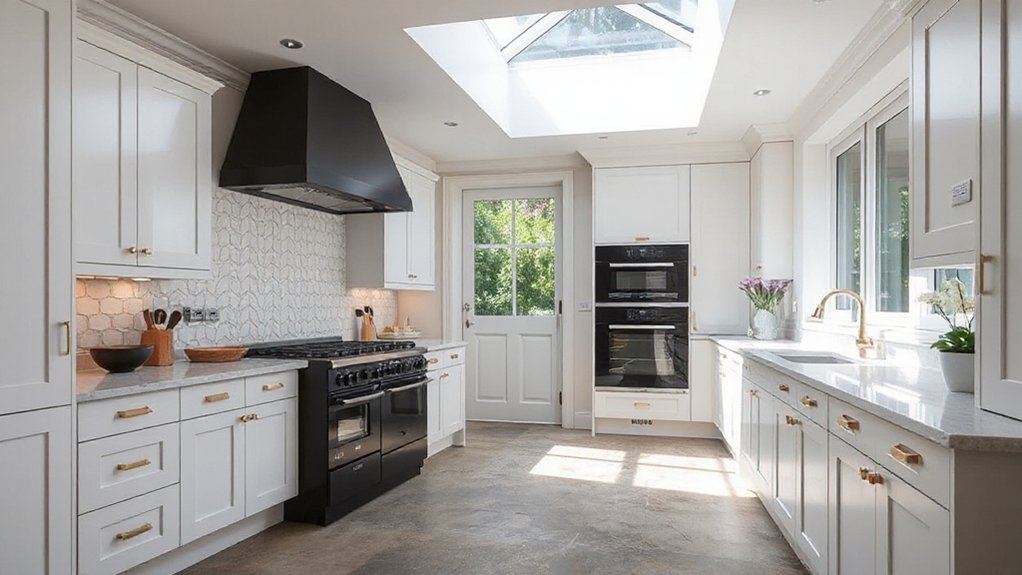
In small to mid-sized semi-detached homes, the kitchen should feel like a connected hub rather than a boxed-in utility room. You’ll prioritize efficient circulation, ensuring you can move from prep to cooking to cleanup without crowding.
Core principles focus on kitchen aesthetics that blend with living areas, using natural light, neutral tones, and purposeful textures.
Layout decisions hinge on appliance placement to minimize steps and maximize flow; position sinks and cooktops for immediate access to prep zones, while free-standing storage reduces wall congestion.
Emphasize durable, low-maintenance finishes you won’t tire of.
Consider ventilation, heat zoning, and water protection as design constraints, not afterthoughts.
Finally, preserve sightlines to maintain openness, supporting social interaction without compromising function.
How to Align Layouts With Family Routines
You align layouts with space by mapping peak routines to key zones, ensuring traffic between prep, dining, and cleanup is direct.
In the morning, plan for a smooth family flow that supports quick breakfast and school-ready moments without clashes.
In the evening, choreographies for cooking, homework, and wind-down should interlock so rhythm remains calm and efficient.
Aligning Routines With Space
When family rhythms drive the layout, coherence follows: the kitchen, dining area, and living space should flow into the routines you actually run daily. You’ll optimize circulation by anchoring work zones to core tasks, then weaving in pauses for sequencing meals, homework, and uploads.
Plan appliance placement to minimize trips: keep the fridge near prep, the oven midline, and the sink on a busy corridor for multi-tasking. Let traffic patterns shape counter depth and drawer access, avoiding chokepoints at peak times.
Prioritize Kitchen decor that communicates function—clean lines, tactile finishes, and a restrained palette—so spaces read as unified, not scattered. In semi-detached homes, align sightlines with exterior light to reinforce spaciousness, while preserving intimate seating zones for family conversation.
Family Flow In Morning
Morning routines demand a kitchen layout that supports rapid, low-friction shifts. In a family-forward plan, you align traffic, storage, and surfaces with peak moments: breakfast, pack-up, and departures. You’ll optimize routes to minimize cross-traffic and friction between prep and cleanup. Thoughtful placement of the sink, fridge, and cooking zone reduces chase-time and keeps kids’ tasks within sightlines.
Integrate garden design cues into views and light, so morning tasks feel calm yet purposeful. Prioritize appliance installation where access is straightforward and noise is contained, so mornings stay quiet. This approach preserves space for casual conversations while you work, and it creates a cohesive flow that accommodates shifting schedules without compromising precision.
- Align pathways for smooth, direct movement
- Place primary work zones near natural light
- Integrate storage to support rapid transitions
- Use quiet, compact appliances where possible
Evening Cooking Rhythm
As evening settles, the kitchen becomes the hub for social meals and longer, more deliberate cooking sessions. So align layouts to support relaxed workflows and shared tasks. You design for evening cooking by prioritizing clear zones: prep near refrigeration, cooking at a dedicated cook zone, and plating near an easy exit to dining areas.
Keep work triangles compact to reduce steps during busy family routines. Integrate island seating that encourages conversation without obstructing appliance access, and position the sink to capture natural light while facing the main social zone.
Use soft, warm finishes and layered lighting to shift from daytime clarity to intimate dinner mood. Guarantee storage supports quick access to commonly used ingredients, utensils, and timers for seamless family routines.
The U-Shape: Maximize Narrow-Plot Efficiency
The U-shape maximizes narrow plots by wrapping work zones around a central corridor. This layout lets you house storage and appliances without sacrificing flow.
You’ll plan clear sightlines, counter depth, and elbow room for prep, cooking, and cleaning in tight spaces.
This approach prioritizes efficiency with architectural finesse, so you get a functional, visually cohesive kitchen that reads large despite the footprint.
Maximizing Narrow-Plot Efficiency
To maximize narrow-plot efficiency in UK semi-detached homes, a U-shaped kitchen layout centers work zones around a compact core, minimizing travel distance and walls wasted on circulation. You’ll gain fluid access between sink, fridge, and cooker, while an integrated island or peninsula redefines prep zones without expanding footprint.
Prioritize vertical storage and drawers that keep utensils in reach, reducing clutter and travel times. Use slim, high-contrast finishes to visually expand the niche and maintain a calm, measurable workspace.
- Optimize circulation: align zones to minimize steps and walls
- Integrate storage: drawers, pull-outs, and corner carousels
- Choose compact appliances: efficient fridges and slim dishwashers
- Plan details: hidden power, task lighting, and easy-clean surfaces for garden decor and appliance maintenance
U-Shape Space Optimisation
Could a U-shaped layout be the decisive move for a narrow UK semi-detached kitchen? Yes, when you embrace a compact, triplegang workflow that keeps zones within arm’s reach.
The U-shape concentrates work surfaces and appliances along three walls, freeing floor space for movement and a dining zone, if needed. Sizing matters: guarantee a minimum 1.2-meter aisle and no dead corners; integrate tall cabinetry for vertical efficiency.
Prioritize drawer storage over cabinets to cut clutter and speed tasks. Material choices should support clean lines and durability while reflecting personality.
Kitchen aesthetics balance with function through a restrained palette, strong silhouettes, and subtle contrast. Decorative accents punctuate the space without crowding it, highlighting craftsmanship and elevating the overall perception of space and precision.
The L-Shape: Connectivity and Flow in Small Homes
In small UK semi-detached kitchens, the L-shape promotes seamless movement by linking the work zone with the dining area while preserving clear sightlines, so you can navigate hot pans and prep space without stepping around corners. You’ll experience kitchen ergonomics that reduce reaching and bending, letting you work efficiently with confidence.
The layout supports quick shifts between cooking and serving, enhancing flow without crowding walls. Thoughtful storage solutions keep essentials within arm’s reach, while defined zones prevent clutter from undermining performance.
The result is architectural finesse that reads as both practical and modern, with lines that guide your eye and your steps.
- Clear sightlines that support safe, fluid navigation
- Proximity between prep, cook, and dining areas
- Strategic storage solutions for utensils and cookware
- Clean, uninterrupted work zones with minimal corner interference
Island Strategies for Limited Space in UK Semi-Detaches
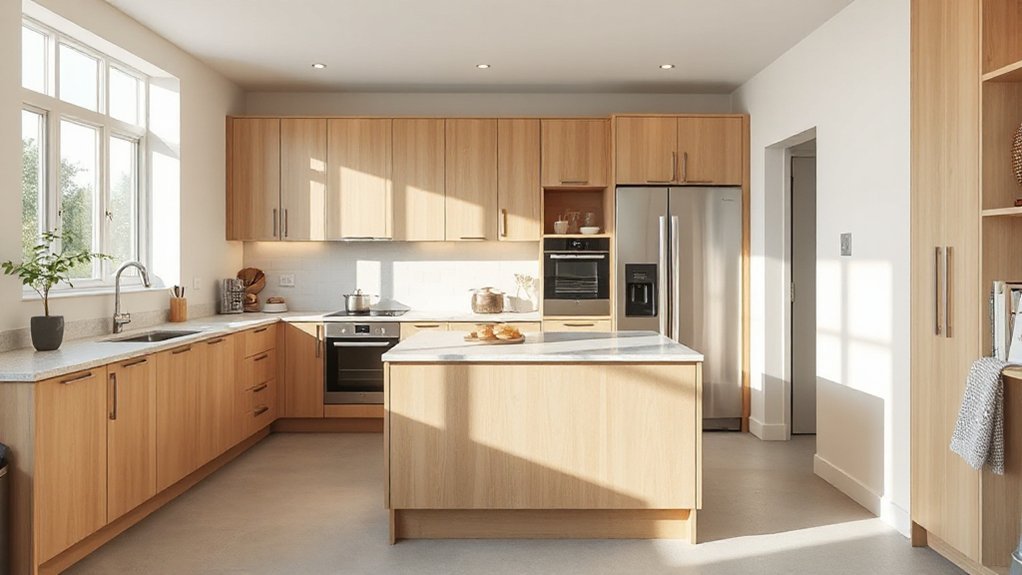
A compact island can anchor a UK semi-detached kitchen without crowding your footprint, pairing a functional prep zone with quick access to dining. You’ll prioritize a slim profile, rounded corners, and integrated outlets so every inch earns purpose without visual bulk.
Opt for a cantilevered overhang on one side to create a seating ledge that doesn’t encroach on work zones. For creative storage, hide linens in a shallow drawer above a pull-out trash, and use tall, narrow cabinets for vertical utility.
Space optimization comes from zones: prep, cleanup, and display, each with accessible pulls and magnetic strip organization. Choose a lightweight surface and neutral tones to reflect light, then add under-cabinet lighting to sharpen shadows.
The result is precise, usable, and refined.
Breakfast Bar Nooks for Quick Family Moments
You’ll optimize breakfast bar nooks for daily utility, turning a compact length into a Morning Moments Nook that supports quick bites and quick check-ins.
Align seating, clearance, and surface height to boost Quick Family Interactions without impeding kitchen workflow. This is where Breakfast Bar Utility meets design finesse, creating a practical hub that feels intentional in every UK semi-detached layout.
Breakfast Bar Utility
A breakfast bar isn’t just a casual divider; it’s a smart pivot point that blends prep, quick meals, and family chatter in a compact UK semi-detached kitchen. You’ll optimize space by integrating appliances beneath the counter, installing roll-out bins, and choosing pendant lighting to focus activity without clutter.
The result is a versatile hub where clean lines meet practical workflow, elevating daily routines with deliberate clarity.
- Streamlined prep zone adjacent to the dining area
- Hidden storage for lids, wraps, and small gadgets
- Built-in charging and easy-clean surfaces
- Quick-clean spill zones and durable finishes for daily use
With thoughtful detailing, you nurture efficiency and cultivate family moments while preserving a balanced, legible design language.
Morning Moments Nook
Lighting matters: a discreet under-cabinet strip delivers even task brightness for coffee mornings or a quick bite before departure. Material choices lean toward durable composites or warm wood tones to cue comfort without heaviness.
Ventilation remains practical, with a vented hood or window nearby to minimize steam. This nook supports efficient morning routines, fostering calm starts within your semi-detached home.
Quick Family Interactions
Quick family moments thrive when breakfast bar nooks become a daily hub of interaction. You optimize layout to encourage quick, informal exchanges during busy mornings, pairing form with function for efficient routines. A well-placed bar invites eye contact, reduces commutes to separate dining, and streamlines meal planning through shared cues and quick updates. Keep height, clearance, and surface grip in check so seats pull in smoothly and spills are easy to manage.
Subtle lighting accents focus conversation, while materials reflect the home’s architectural language and endure daily use. Design nuance matters: integrated storage nearby cuts prep time, so you reclaim moments for family bonding without friction.
- Proximity that supports quick checks and updates
- Clear sightlines for engaged conversations
- Durable, easy-clean materials
- Integrated storage for effortless meal prep
The Work Triangle: Cooking, Cleaning, and Storage
The work triangle—or the efficient loop between cooking, cleaning, and storage—should form a single, fluid path in a UK semi-detached kitchen, minimizing steps and distance between zones.
You map the triangle to place the hob, sink, and fridge in a compact, unobstructed lineup, with work surfaces uninterrupted by doors or islands. Prioritize proximity between prep zones and waste/recycling stations to support clutter management.
Align settings so you can slice, rinse, and store without backtracking. Guarantee electrical outlets near prep counters and under-cabinet lighting illuminate tasks without glare.
This configuration boosts Cooking efficiency by reducing motion and fatigue, while preserving a clean, cohesive aesthetic. Maintain sightlines to maintain orientation, and choose finishes that reflect light for a legible, disciplined workspace.
Corner Storage Hacks for In-Cabinet Corners
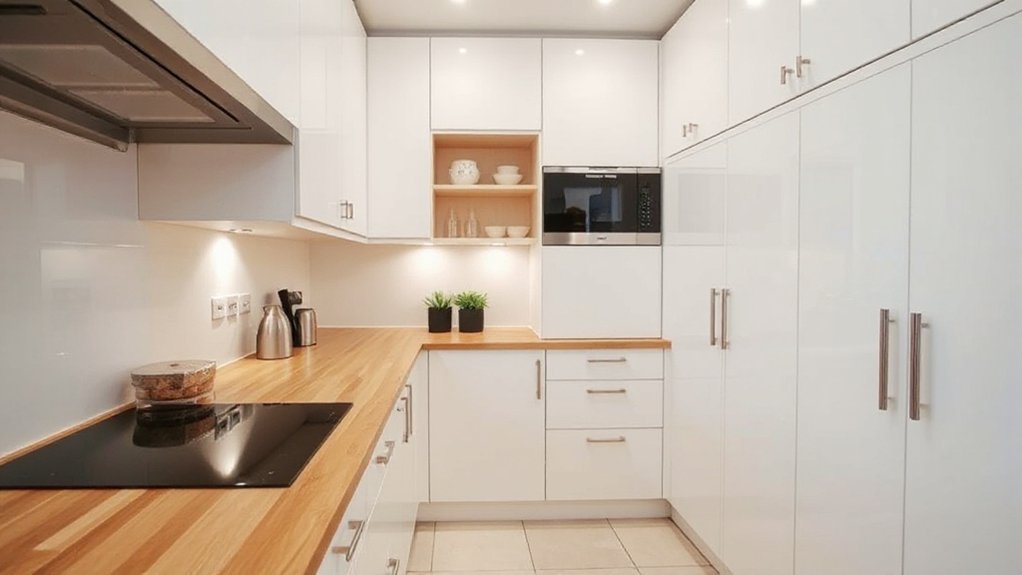
Corner storage corners can be surprisingly efficient with targeted in-cabinet hacks that maximize every cubic inch. You’ll convert awkward gaps into functional zones using smartly arranged systems that stay visually clean while expanding access.
Embrace corner shelving to create adjustable tiers that present seldom-used items within easy reach, and pair it with hidden pullouts for cans and small jars. Integrate corner lighting to boost visibility without clutter, ensuring every shelf is bright and usable.
Plan clean lines, minimal hardware, and balanced weight distribution to avoid sag over time. This combination enhances flow, keeps countertops clear, and supports precise organization.
- Corner shelving with adjustable tiers
- Pullout units for cans and jars
- Hidden lighting strips for even illumination
- Slim, unobtrusive hardware and edges
Tall Cabinets and Vertical Storage: Up-Height Your Space
Tall cabinets transform limited wall depth into substantial storage by leveraging full-height spans and smart door configurations. You gain vertical storage without widening rooms, so upper wall areas become practical, not wasted.
Start with tall, uniform cabinetry to create an uninterrupted rhythm that reads as architectural priority rather than clutter. Integrate adjustable shelving, deep drawers, and soft-close mechanisms to maximize every inch.
Choose slim-line hardware and recessed panels to preserve clean sightlines, enhancing kitchen aesthetics. Consider a toe-kick that hides bases and aligns with plinth lighting for subtle drama.
Pair tall storage with magnetic or concealed organizers for corner efficiency and tidy lines. Align cabinet heights with work zones to minimize reach, improving ergonomics and flow while preserving a sleek, cohesive look.
Pantry Alternatives for Small UK Kitchens
Spillover from tall cabinetry becomes a design opportunity in small UK kitchens by rethinking pantry storage as a system, not a cabinet. You’ll optimize footprint with modular shelves, shallow cabinetry, and pull-out bins that stay tidy.
Treat pantry zones as visual cues for design aesthetics, balancing texture and color against countertops. Embrace flexible containers to minimize storage clutter while preserving accessibility.
Use vertical dividers, tiered racks, and labeled bins to maintain order without crowding. Prioritize reachability and airflow so aromas don’t stagnate.
Integrate lighting to reveal contents and discourage rummaging. Finally, meld hidden storage with visible display to calm the eye and boost usability.
- Modular shelves and pull-outs
- Shallow cabinets with clear bins
- Vertical dividers and tiered racks
- Labeled, breathable containers
Integrated Appliances for Seamless Surfaces
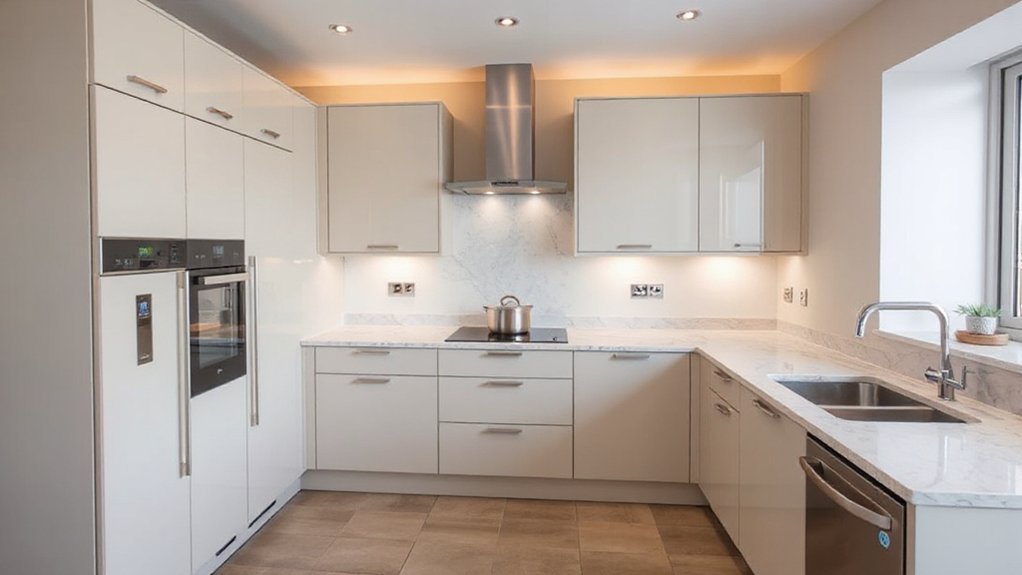
You’ll achieve a cleaner kitchen profile by choosing integrated appliances that sit flush with cabinetry, creating seamless surfaces you can wipe down in seconds.
Align flush panels precisely to minimize gaps, so your appliances read as built-in rather than as add-ons.
Plan concealed connections and smart bulkheads now to keep the lines uninterrupted and the workflow uninterrupted.
Seamless Appliance Surfaces
- Panel-ready refrigeration and ovens for project-wide continuity
- Flush-mounted dishwashers that align with cabinetry
- Consistent edge details and subtle hardware
- Coordinated finish palette across doors, panels, and trims
Flush Panel Alignments
When flush panel alignments are executed with integrated appliances, the goal is uninterrupted planes that read as a single surface. You tighten the rhythm by ensuring door fronts align precisely with the surrounding cabinetry, eliminating gaps that interrupt the line.
Plan appliance placement to balance function and sightlines, so workflows remain intuitive without drawing attention to mechanisms. Choose cabinet colors that reinforce the seamless look—soft-matte neutrals or warm woods can recede, while high-contrast edges subtly define zones without breaking the sweep.
Install reveals and toe kicks with minimal profiles to preserve a continuous plane. Calibration matters: doors should float evenly, handles stay hidden behind panels, and ventilation grids tuck flush.
The result is a refined, coherent kitchen that reads as one sculpted surface.
Hidden Connection Solutions
Hidden connections are the hidden spine of a seamless surface: integrated appliances must disappear behind flush fronts while still delivering reliable service. You sculpt a kitchen where machinery hides in plain sight, preserving uninterrupted lines and the sense of space.
This approach elevates Hidden storage while preserving practical access, so everyday tasks stay efficient. Attention to Kitchen ergonomics ensures you reach controls without breaking rhythm, and ventilation remains discreet yet effective.
Precision interfaces and robust mounting guarantee longevity, while plinth and toe-kick details complete the flush illusion.
- Flush-front integration for ovens, dishwashers, and fridges
- Concealed venting and plumbing with minimal visual intrusion
- Drawer design that preserves uninterrupted counter surfaces
- Zone planning that enhances reach, accessibility, and workflow
Distinct Work Zones: Prep, Cook, Clean, Store
In a well-designed kitchen, distinct work zones—Prep, Cook, Clean, and Store—each have a precise role that minimizes motion and maximizes flow. You align surfaces and utilities so progressions feel seamless, not hurried.
Prep lives near cold storage and chopping, reducing trips to the fridge; Cook sits adjacent to ventilation and hot zones for efficient sequence.
Clean has proximate water access and waste management, keeping mess contained.
Store spaces organize by frequency, with recycled materials and pantry items positioned for quick reach.
Choose Eco friendly countertops that resist staining and heat, reinforcing durability without compromise.
Pair Vintage cabinet styles with modern hardware to anchor the aesthetic while preserving usable, quiet storage.
This zoning approach delivers legible, efficient layouts that feel thoughtful and future-proof.
Lighting That Transforms Semi-Detached Layouts
Lighting in a semi-detached kitchen should shape daily rituals as much as illuminate them, guiding movement, mood, and multitasking with precision. You’ll balance layers of ambient, task, and accent lighting to sculpt zones without clutter, then tune color temperature to suit moods and meals.
Choose fixtures that echo the space’s angular lines, avoid glare, and collaborate with natural light to extend usability from morning to midnight. Consider dimmers, under-cabinet strips, and discreet ceiling reps to adapt for family time or late-night prep.
Prioritize straightforward maintenance, and align lighting with your appliance layout for efficiency and safety. Kitchen decor, appliance maintenance, and thoughtful control create a cohesive, lasting impression.
- Layered lighting plan for zones
- Dimmable controls for mood and function
- Integrative under-cabinet task lighting
- Low-contrast finishes for glare reduction
Surface Materials for British Kitchens: Durability and Style
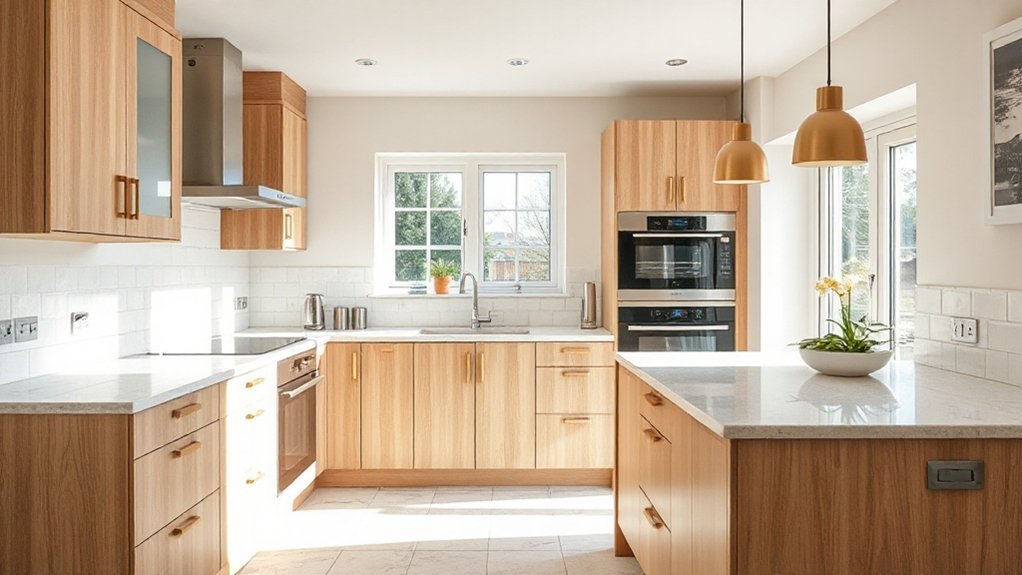
You’ll weigh durable surface materials that withstand daily use while contributing a refined, cohesive look.
Consider style with longevity, ensuring your choices stay timeless as trends shift.
Maintain and care decisions should be built in, so your kitchen stays pristine with ease.
Durable Surface Materials
- Quartz composites with high scratch resistance and low porosity
- Solid surface laminates offering seamless junctions and easy repair
- Compact laminates delivering tough wear without bulk
- Porcelain slabs combining heat resistance with refined veining
Durable surfaces, Material longevity.
Style With Longevity
Stainless steel offers clean lines and hygienic practicality, yet can feel cold unless tempered with warmth in detailing. Timber veneers give tactile warmth, but opt for low-maintenance finishes that resist staining and moisture.
For a nod to timeless appeal, incorporate Vintage charm through patinated metals or softly brushed brass accents. Rustic textures, like squared stone or textured ceramic, add depth without shouting.
Balance grit and glaze: durability-first choices supported by deliberate color and texture pairing to keep the space cohesive for years.
Maintenance And Care
- Select surfaces with easy-wipe finishes and consistent pore sealing
- Schedule routine wipe-downs, avoiding harsh abrasives near edges
- Use compatible cleaners to protect color, texture, and moisture barriers
- Plan periodic re-sealing or protective coatings aligned with real-life use
This approach blends architectural insight with practical maintenance, ensuring durable style and dependable performance.
Plumbing and Hinge Considerations for Refits
Upgrading a UK semi-detached kitchen hinges on reliable plumbing and smart hinge placement. You map pipe routing early, ensuring lines avoid cabinets and drawers while minimizing trenching. Plan for accessible shutoffs and cleanouts, so future refits stay swift rather than invasive.
Your hinge alignment matters most when you reconfigure doors around existing plumbing fixtures; use adjustable mounting plates and verify rail clearances before drilling. Favor shallow, protected routes to prevent leaks or knotting, and label runs for quick diagnostics.
Keep hot and cold feeds separate from waste so under-sink space remains serviceable. Consider soft-close hardware with dampers to reduce rattle against walls and pipes.
Document measurements, orientations, and hinge offsets to keep future updates precise and repeatable. Precision now saves disruption later.
Acoustic Comfort and Ventilation in Open-Plan Kitchens
Open-plan kitchens demand deliberate acoustic control and ventilation strategy so sounds don’t bounce into living zones and fresh air moves where you need it most. You’ll align walls, thresholds, and ceilings to minimize echoes while maximizing air exchange, without cluttering sightlines. Focus on materials that dampen noise and routes that avoid cross-talk between cookspace and seating.
Use targeted ventilation strategies to remove steam and odors efficiently, keeping comfort front and center.
- Acoustic insulation that absorbs impact and airborne noise
- Strategically placed vents and quiet fans for steady airflow
- Sound-absorbing panels near high-activity zones
- Layout tricks that separate hob, sink, and dining traffic
This approach delivers precise, refined openness with practical, architectural poise.
Color Schemes That Make UK Semi-Detached Kitchens Feel Bigger
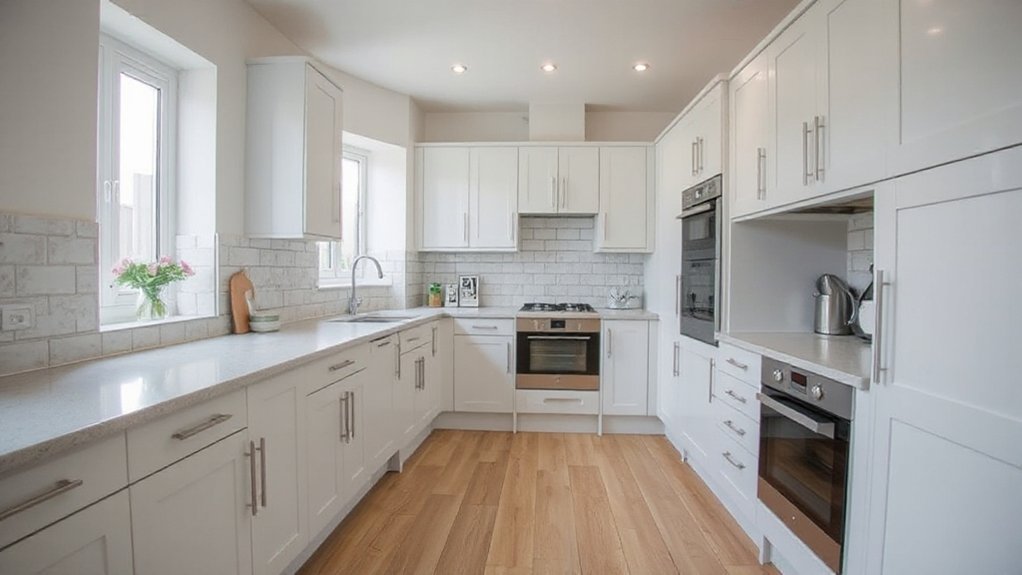
Color makes spaces feel larger by revealing or receding boundaries, so the palette you choose for a UK semi-detached kitchen should subtly extend sightlines and light. You’ll exploit cool neutrals to push walls outward, and use lighter upper cabinets to lift ceilings.
Contrast is deliberate: reserve deeper tones for islands or focal shelves to ground the room without slicing volume. Color psychology guides mood—soft blues and muted greens calm busy mornings; warm whites invite natural glow near windows.
Paint finishes matter: matte on walls reduces glare, satin on cabinetry boosts reflectivity without shine, and a durable gloss on splashbacks reinforces perimeter clarity.
Plan progressions with seamless seams and minimal furniture interruption to preserve perceived depth and cohesion.
Smart Kitchen Tech for Semi-Detached Homes
Smart kitchen tech can transform a UK semi-detached into a focused, efficient hub without crowding the layout. You’ll optimize work zones with smart appliances that streamline prep, cooking, and cleanup, keeping sightlines clear and traffic smooth.
Home automation ties lighting, climate, and devices into one responsive system, so you’re not hunting remotes or settings. Prioritize compact, modular gear that integrates with existing cabinetry, preserving airy proportions.
- Smart appliances that fit standard sizes and offer remote control
- Centralized home automation scenes for cooking, dining, and cleanup
- Voice and app interfaces that reduce touchpoints without clutter
- Energy-sensing tech that highlights efficiency without sacrificing performance
This approach delivers precise gains in usability, flow, and perceived space.
Budget-Smart Layout Tweaks With High Impact
When you’re shaping a budget-smart layout, small shifts yield big gains by maximizing perceived space and workflow without major renovations. You’ll optimize traffic flow by aligning primary work zones and clearing clutter. Then leverage corridor width with pocket shelving and integrated lighting.
Prioritize adaptable surfaces—slab countertops and single-plane backsplashes—to visually expand kitchen aesthetics while keeping costs down. Consider appliance placement to minimize steps: place the fridge near prep zones, bake oven within a straight line to the sink, and tuck coffee or breakfast stations where they won’t interrupt cooking spots.
Use vertical storage and magnetic details to reduce surface overload, preserving clean lines. Favor neutral tones with a bold accent to enhance perceived depth and contemporary finesse.
Real UK Transformations: Before and After Semi-Detached Kitchens
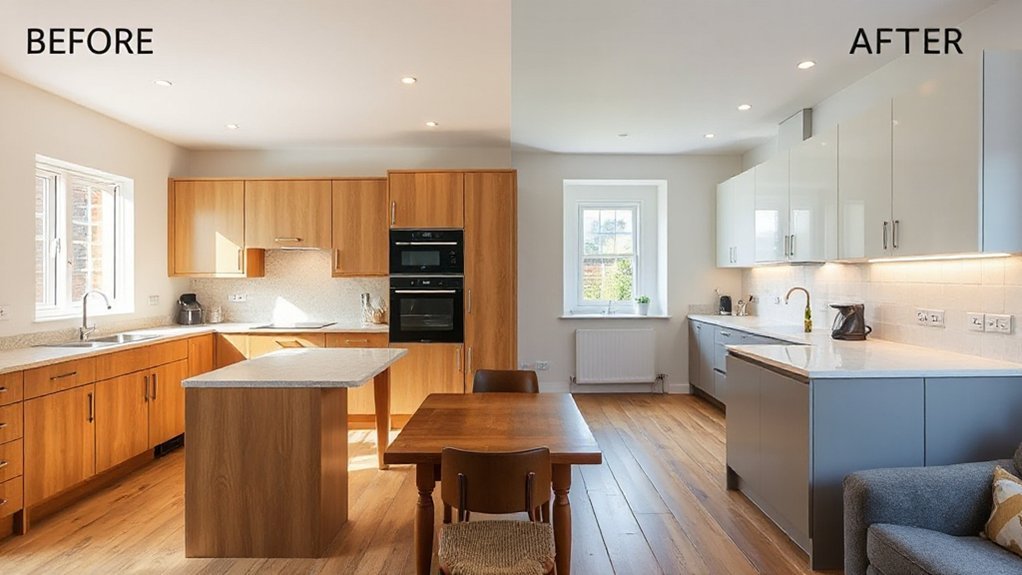
Real UK transformations in semi-detached kitchens showcase how thoughtful reconfigurations and careful material choices can yield dramatic results without overhauling the footprint. You’ll see how targeted layout shifts, paired with durable finishes, sharpen usability and curb appeal. The emphasis stays on Kitchen aesthetics and appliance trends, delivering a coherent upgrade that reads as seamless rather than disruptive.
Precision choices in cabinetry, lighting, and work zones translate into tangible improvements in flow and function. You gain a clearer sense of proportion and material integrity, grounded in architectural insight. Expect succinct, actionable insights that guide you toward lasting value.
- Before-and-after contrasts reveal how small moves matter
- Material choices drive longevity and polish
- Integrated appliances balance form and function
- Lighting strategies sharpen perceived space and task efficiency
Frequently Asked Questions
How Do I Measure for a Potential Layout Change Accurately?
You measure accurately by marking walls, doors, and utilities, then verify with a laser measure or tape, cross-checking corners. Use kitchen design principles, document measurements, and note fixtures in detail; these measurement tools guarantee practical precision and architectural insight.
Which Costs Typically Surprise Homeowners in Kitchen Revamps?
You’ll be surprised by redirecting costs: labor, plumbing, electrical upgrades, and high-end fixtures spike budgets. Budget planning hinges on accurate measurements, contingency funds, and thoughtful design considerations that balance function, aesthetics, and long-term value.
Can Compact Kitchens Accommodate Full-Size Appliances?
Yes, you can, if you map restraint and flow like symbols: a shielded fridge, a slim oven, and a moving island. appliance placement and space optimization guarantee full-size appliances fit without cramping your walkway or workspace.
What Permits Are Needed for Semi-Detached Kitchen Remodels?
You’ll typically need building permits and planning permissions for semi-detached kitchen remodels, depending on scope. Guarantee compliance with local codes, notify neighbours as required, and secure approvals before construction to prevent delays and penalties.
How Long Does a Typical UK Semi-Detached Kitchen Upgrade Take?
You’ll typically plan two to six weeks, depending on scope, timing, and trades. You’ll optimize appliance placement, refine lighting design, coordinate cabinet install, and batch tasks, ensuring smooth sequencing, minimal disruption, and precise, finished architectural finesse.
Conclusion
Think of your kitchen as a quiet harbor for daily life. Each layout is a harbor master’s plan, guiding trains of crumbs, pots, and conversations to safe, efficient docks. U-shapes anchor narrow plots; L-shapes thread traffic; islands offer breathing space without crowding. Color and tech are sails and rigging, speeding routines without wrecks. With thoughtful tweaks and budget-minded choices, your semi-detached kitchen becomes a well-charted space where family currents flow smooth and steady.
About the Author