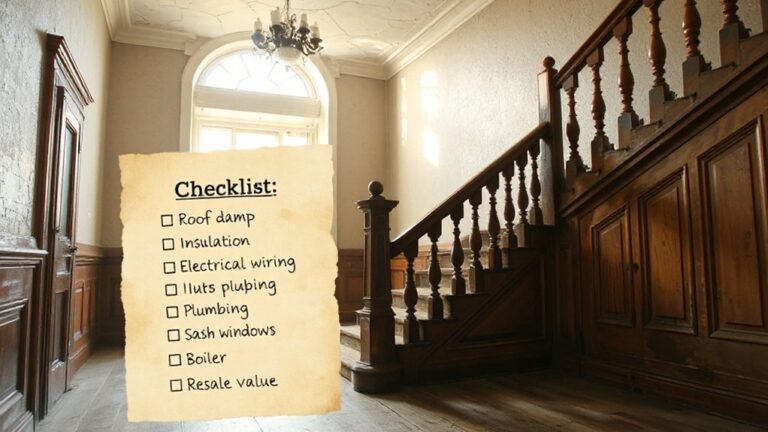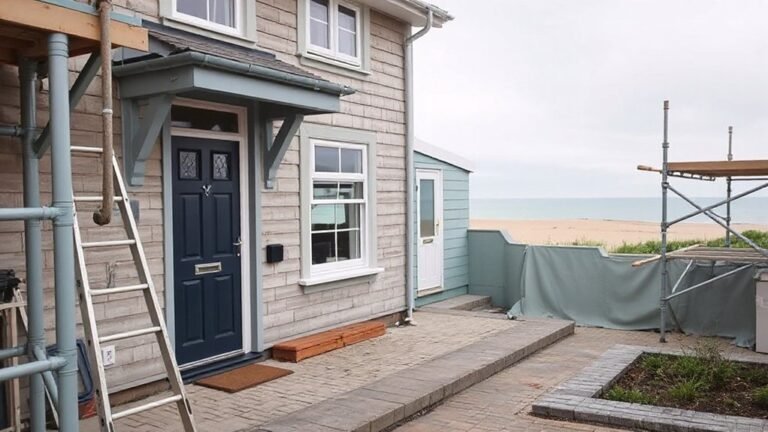
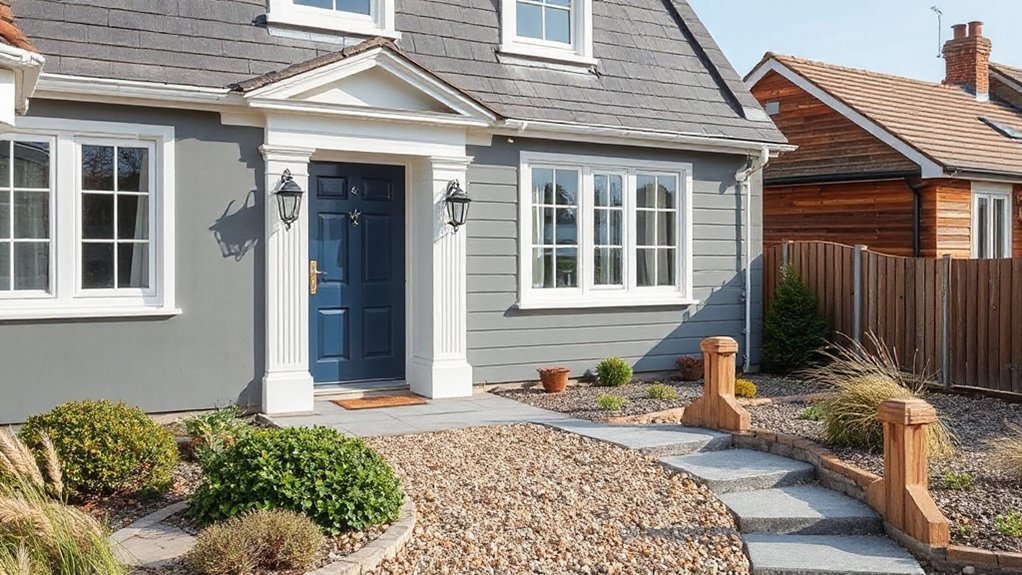
You should start with a coastal exposure assessment to map wind, salt spray, and moisture, then prioritize wind resistance and flood protection. Choose weatherproof cladding—steel-reinforced, mineral panels, or fibre cement—with sealed joints and drainage. Use salt-resistant paints, UV-stable finishes, and color schemes that resist chalking. Install ventilated rain screens, thermally insulated cavities, and storm-rated windows. Finish with durable roofing, corrosion-resistant fascia, and salt-tolerant landscaping. If you keep going, you’ll uncover practical steps to apply these ideas.
Assess Coastal Exposure and Set Your Renovation Priorities

Evaluating coastal exposure upfront helps you set realistic renovation priorities. You map site conditions by documenting wind paths, salt spray, and moisture patterns, then translate findings into actionable constraints. Focus on Harsh winds and flood risk as core drivers shaping decisions, not afterthoughts.
Assess shoreline height, drainage, and substrate stability, noting how every parameter changes cladding, coatings, and ground-level protection. Prioritize interventions that reduce damage potential: wind-resistant fascia, reinforced windows, and elevated finishes that resist salt corrosion.
Establish a performance baseline for air leakage, thermal bridging, and moisture ingress to guide material specs. Allocate budget to long-term durability over cosmetic fixes, balancing maintenance ease with climate resilience.
Conclude with a phased plan, milestones, and measurable protection targets to minimize future disruption.
Choose Weatherproof Cladding and Exterior Finishes
Which weatherproof cladding best balances wind, salt, and moisture exposure with long-term maintenance? You’ll choose materials that resist corrosion and seasonal shifts while keeping upkeep manageable. Steel-reinforced or mineral-based panels offer high wind resistance and durability against salt spray, yet require proper insulation and regular coating to prevent rust or degradation.
Fibre cement blends provide low maintenance and good stiffness, ideal for modern coastal aesthetics, while engineered wood combines warmth with enhanced protective finishes. Pair cladding with weatherproof detailing: sealed joints, breathable underlayers, and UV-stable sealants. Guarantee assemblies accommodate drainage and wind uplift.
Integrate storm resistant windows and windproof doors at strategic points to reduce interior moisture loading and air infiltration, reinforcing overall envelope without compromising style or accessibility.
Pick Salt-Resistant Paint Schemes for Seaside Homes
Salt-resistance isn’t just about durability—it shapes your curb appeal and maintenance cycle. Start with salt-scape palettes that repel coastal spray while maintaining contrast for features like trim and masonry.
Use practical guidance on Seaside Paint Finishes Guide to pick finishes that resist chalking and peeling without sacrificing color accuracy.
Salt-Resistant Color Schemes
Coastal homes face aggressive salt spray and high humidity, so choosing paint that resists salt tarnish is essential for long-lasting curb appeal. You’ll want color schemes that reflect marine endurance while hiding weathered patina.
Pick salt-resistant pigments with UV stabilizers and low permeability to minimize moisture ingress and salt migration.
For practical contrast, pair cool, airy blues with warm stone grays to mimic sea spray and dune lines, reducing glare and maintaining visibility from the street.
Incorporate marine flora-inspired accents—soft greens and kelp tones—that harmonize with coastal landscaping without encouraging rapid fade.
Avoid stark whites on exposed facades; instead, opt for near-white bases with gentle undertones to combat salt corrosion.
Test trims in satin or semi-matte finishes to balance cleanliness and maintenance ease.
Seaside Paint Finishes Guide
Seaside paint finishes matter because the right texture and sheen control salt spray, humidity, and heat exposure while keeping curb appeal intact. You’ll select Seaside paint options that resist chalking and peeling in coastal climates, prioritising low porosity for easier cleaning and longer life.
Begin with a UV-stable base, then pair with a mid-sheen or satin coat to balance glare reduction with washability. For salt-prone facades, apply a breathable primer that blocks moisture but allows vapor flow, followed by two coats of coastal finishes designed for salt tolerance.
Consider light, reflective tones to minimise heat buildup, while deeper hues offer architectural definition. Keep maintenance simple with a regular wash schedule and touch-ups to preserve colour integrity.
Seaside paint sustains appearance and value between repaints.
Implement Energy-Efficient Rain Screens and Ventilation
To protect a coastal home, implement energy-efficient rain screens and targeted ventilation that deter moisture intrusion while reducing heating and cooling loads. You install a ventilated rain screen with a continuous drainage plane, creating a controlled, breathable gap that dries quickly after spray and spray events.
Pair this with smart intake and exhaust vents that respond to humidity and wind, balancing pressure differences and preventing condensation in wall cavities. Use solar shading to limit sun gain on south-facing elevations while preserving natural daylight.
Choose thermally insulated cavity materials and gap seals to minimize thermal bridges, improving overall thermal insulation. Guarantee detailing at penetrations is rigorous, with vapor-permeable wraps behind the rain screen and robust flashing to sustain coastal exposure.
Select Durable Roofing and Fascia for Seafront Homes
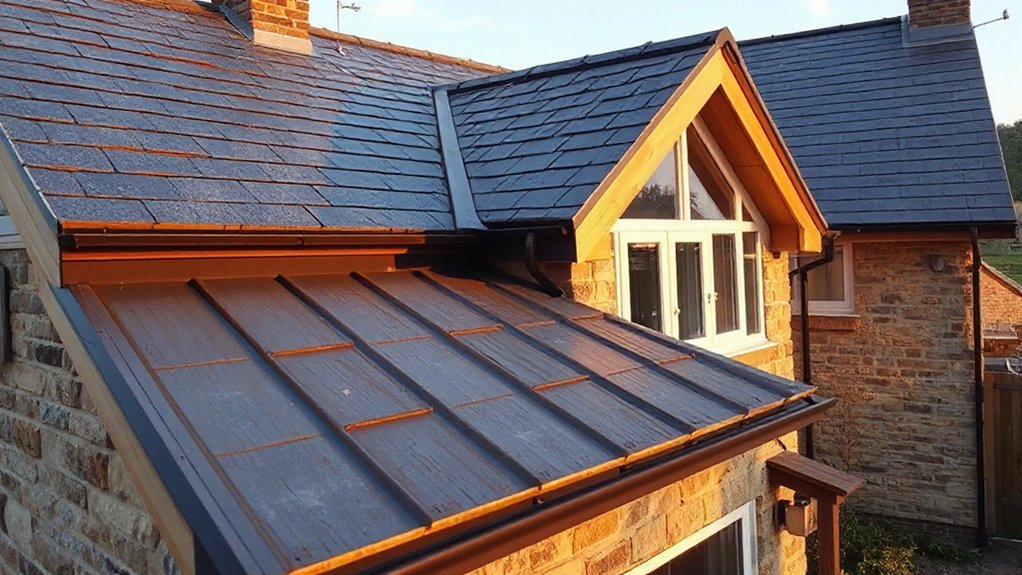
What roofing and fascia materials withstand salt spray, high winds, and shifting tides without sacrificing performance or curb appeal? You choose durable, corrosion-resistant options that pair long life with restrained style. Favor metal systems with coated profiles, or synthetics like fiber cement, featuring sealed joints and marine-grade detailing.
For fascia, select options that resist peeling and moisture ingress, such as closed-cell PVC, aluminum with anodized finishes, or corrosion-resistant timber treated for coastal exposure. Confirm fasteners are stainless steel or coated to prevent galvanic reactions.
Integrate solar-ready rafter feet and unobstructed roof planes for clean solar integration, while preserving ventilation. Consider insulation compatibility behind soffits to boost interior insulation without compromising deck-level aesthetics.
Prioritize low-maintenance coatings and compatible flashings to minimize ongoing upkeep in harsh coastal climates.
Design Coastal Landscaping That Tolerates Salt and Drought
Salt tolerance and drought resilience should drive every choice in coastal landscape design. You’ll select salt-tolerant species and define microclimates that minimize evaporation, prioritizing native grasses and robust shrubs.
Use permeable, gravel-based garden pathways to reduce runoff while guiding circulation; integrate crushed limestone and slate for slip-resistance and coastal aesthetics.
Drought-adapted groundcovers curb maintenance and weed growth, letting you trim less often. When choosing plants, favor deep-rooted varieties with windbreak potential to shelter beds from salt spray.
Mulching conserves moisture and stabilizes soil temperatures.
For living spaces, plan outdoor furniture placement to maximize shade and minimize sun exposure during peak hours.
Finally, install a simple irrigation strategy with minimal salinity risk and easy maintenance.
Preserve Historic Charm With Modern Weatherproofing Tech
Preserving historic charm while weatherproofing hinges on blending traditional aesthetics with modern, unobtrusive tech. You implement discreet upgrades that protect timber and masonry without compromising character.
Start with robust, low-profile weatherproofing technology around openings, ensuring breathability to prevent moisture buildup. Choose historic-preservation–certified materials that match textures and tones, then seal joints with reversible, non-invasive methods so future renovations remain possible.
Integrate insulation that preserves interior silhouettes while reducing thermal bridging, prioritizing continuous layers behind decorative cladding.
When retrofitting roofs, use slimline membranes beneath slates to guard against wind-driven rain, maintaining rooflines that readers expect.
Document changes for heritage records, reinforcing authenticity.
Regular maintenance schedules address salt exposure and corrosion, extending life without erasing the building’s narrative.
Historic preservation meets weatherproof technology for enduring coastal charm.
Practical Lighting and Safety for UK Coastal Homes
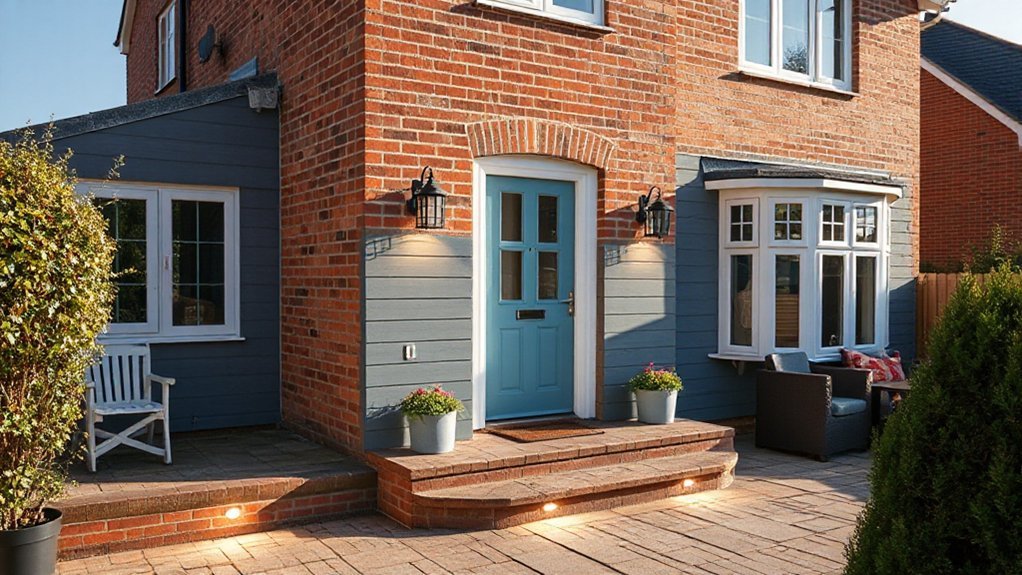
Coastal UK homes demand practical lighting and safety that withstand salt spray, wind, and uneven terrain. You’ll plan illumination routes that minimize glare while maximizing edge and step visibility, using IP-rated fixtures and corrosion-resistant finishes.
Prioritize garden lighting for perimeter security and ambiance, with low-profile options that resist salt air and spray. Integrate security sensors at entry points and vulnerable gaps, pairing them with weatherproof gateways to avoid false alarms in coastal gusts.
Use motion-activated, shielded luminaires to deter intruders without lighting the entire property. Ground-level path lighting should be recessed or flush to reduce trip hazards on uneven surfaces.
Guarantee cabling is shielded, elevated, and rated for outdoor use, and document maintenance checks for seasonal salt exposure.
Budgeting, Sourcing, and Maintenance Routines for Coastal Renovations
You’ll set a realistic budget for coastal renovations, prioritizing weather-resistant materials and long-term maintenance to prevent costly fixes.
Smart sourcing means evaluating local suppliers, warranty terms, and material lifecycles, so you don’t overpay or compromise durability.
Establish a concise maintenance cadence now to extend your investment and keep the exterior resilient against salt, wind, and moisture.
Budgeting For Coastal Renovations
Next, you quantify deprecation, seasonal constraints, and access limitations common to shoreline sites. Incorporate storm preparedness into risk planning, allocating funding for protective systems, rapid repairs, and post-storm inspections.
Specify insurance considerations early: verify coverage for salt exposure, flood zones, and contractor liability, and align deductibles with project sensitivity. Build a staged funding plan with milestone gates to prevent overruns, and reserve a contingency buffer—typically 10–20%—adjusted for proximity to erosion risk.
Maintain documentation trails, update estimates as scopes evolve, and guarantee payments align with completed, inspected work.
Sourcing Materials Smartly
To keep costs predictable while weathering coastal conditions, you’ll prioritize materials that resist salt, wind, and moisture and source them from reliable, near-market suppliers.
You approach sourcing as a strategic task: evaluate performance data, warranty terms, and lifecycle costs before committing. Favor sustainable sourcing practices that minimize environmental impact, and document supplier credentials to verify materials meet coastal durability standards.
Prioritize local suppliers to cut lead times and shipping emissions, while supporting regional economies.
Compare products based on corrosion resistance, UV stability, and maintenance intervals, then bundle orders to secure volume discounts.
Build a simple procurement calendar aligned with project milestones, and establish contingency options for supply chain disruptions.
Maintain clear records for future renovations, ensuring traceability and accountability throughout the sourcing process.
Sustainable sourcing and local suppliers drive resilient coastal results.
Maintenance Routines, Coastal Homes
Coastal homes demand a disciplined maintenance routine that protects investment, preserves aesthetics, and minimizes long-term costs. You’ll implement a structured plan that prioritises weather exposure, salt corrosion, and humidity management to sustain value and performance.
1) Schedule seasonal inspections: roof, timber, fittings, and damp-proofing, with targeted checks after storms or high winds.
2) Optimize budgeting and sourcing: forecast costs for coatings, sealants, and corrosion-resistant hardware; source through coastal suppliers to guarantee compatibility and warranty coverage.
3) Maintain interior insulation and storm readiness: verify seals around doors and windows, upgrade vapor barriers, and establish quick-access storm kits to reduce energy loss and exposure.
Regular documentation and proactive maintenance reduce repairs, extend life, and keep you ahead of coastal challenges.
Frequently Asked Questions
How Often Should You Inspect Salt Damage on Exterior Features?
You should inspect salt damage quarterly and after severe storms. Regular checks help catch salt accumulation early, supporting corrosion prevention. You’ll document trends, target vulnerable features, and schedule timely maintenance to protect coatings, metals, and masonry.
Which Coatings Resist Coastal Salt Spray the Longest?
Coatings that resist coastal salt spray longest are salt resistant paints and corrosion proof coatings. You’ll choose these for durability, apply proper prep, and maintain seals, as you’d say: one size fits all doesn’t apply here, smartly.
What Grants or Funding Support Exist for Coastal Renovations?
Government grants and funding support exist for coastal renovations, often via local authorities and national schemes. You should assess eligibility, apply online, and align proposals with resilience, energy efficiency, and flood-risk criteria to maximize financial assistance and timely approvals.
How Can You Measure Risk From Coastal Erosion on Home Exteriors?
You should quantify risk: 40% coastal erosion increases risk to homes within 50 meters, so you measure susceptibility using shoreline retreat rates and wave exposure. Then apply erosion mitigation strategies with climate change adaptation to protect exteriors.
Are There Penalties for Non-Compliant Rapid-Weatherproofing Methods?
Yes, penalties exist for non-compliant rapid-weatherproofing; you’ll face fines or required corrective work. You must adhere to building codes and safety regulations, ensuring installations pass inspections and meet standards before completion. Stay compliant to avoid enforcement actions and delays.
Conclusion
You’ve got this: coastal renovations blend protection with style, so you’ll future-proof your home without sacrificing charm. Prioritize weatherproof cladding, salt-resistant paints, and energy-efficient rain screens to cut maintenance and boost performance. Don’t fear historic details—modern tech can preserve them while improving resilience. If cost worries you, remember careful budgeting and phased upgrades stay practical. Objection: it’ll break the bank. Instead, plan, source smartly, and maintain regularly—the long-term savings make it worthwhile.
About the Author