You might think upgrades aren’t worth the trouble, but smart energy and curb-appeal moves actually pay back fast. In 2026, you’ll see the biggest returns from efficient systems, insulation, refreshed exteriors, and durable, low-maintenance interiors that buyers want. Think neutral kitchens, water-saving baths, and space-maximizing layouts, all backed by solid ROI planning. Keep going to map the exact investments that balance cost with value and resilience.
Key Takeaways
- Prioritize energy efficiency upgrades (HVAC, insulation, sealing, LED lighting) for fast payback and strong appraisal impact.
- Install durable, low-maintenance finishes (quartz counters, vinyl flooring, stone where appropriate) to reduce long-term costs and appeal.
- Enhance curb appeal with neutral exterior paint, tidy landscaping, and refreshed front entry for high first-impression ROI.
- Create space efficiency with logical layouts, multifunction furniture, and sliding/-pocket doors to maximize usable square footage.
- Add safety and resilience upgrades (code-compliant bracing, moisture prevention, seismic considerations) to lower risk and insurance costs while boosting value.
What Buyers Want in 2026 Homes: The ROI Roadmap
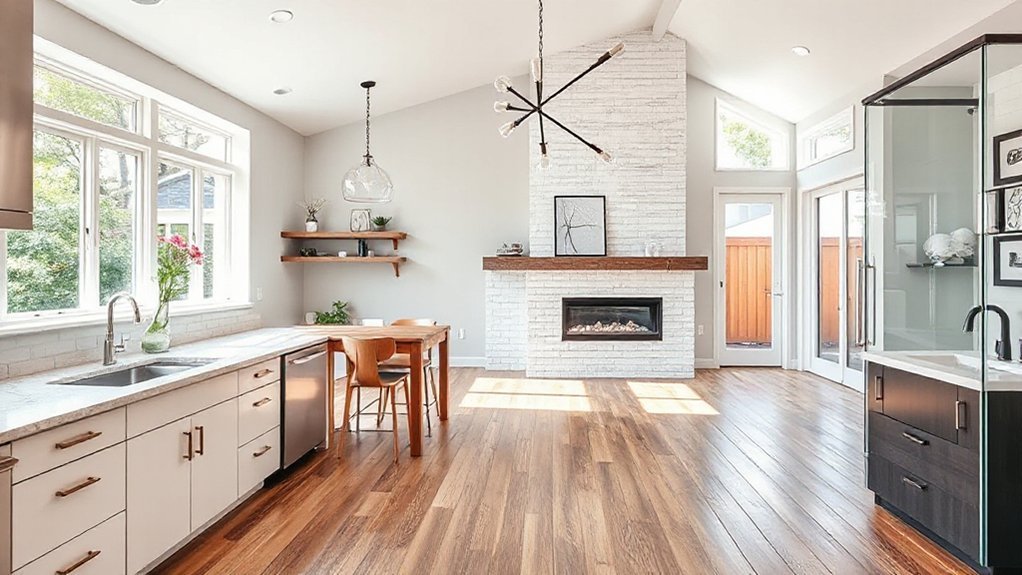
Homebuyers in 2026 prioritize practicality and return on investment. You’ll see demand for spaces that deliver measurable value, not just glamour. The ROI roadmap centers on efficiency, durability, and scalable features that attract broad buyer pools.
Prioritize systems with proven savings, like energy management, smart thermostats, and reliable home automation that lowers operating costs without complicating daily life. You’ll also need outdoor landscaping that extends living space and reduces maintenance costs, such as drought-tolerant plantings, smart irrigation, and low-water irrigation zoning.
Data shows buyers reward well-planned, resilient upgrades with faster salability and higher price-per-square-foot. Avoid over-improvement; match renovations to neighborhood norms and climate realities.
Your focus should be verifiable performance, long-term savings, and appeal across generations of buyers.
Curb Appeal Upgrades That Really Pay Off
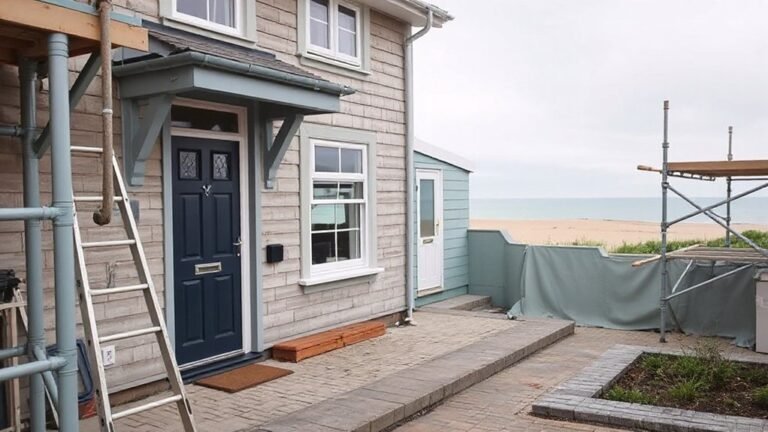
Curb appeal isn’t just first impressions—it’s measurable. You’ll boost value by prioritizing low-cost, high-impact upgrades grounded in data. Focus on landscaping trends that create immediate curb impact without overpaying; simple, well-defined plantings, tidy edging, and seasonal color shifts translate to stronger appraisal hints of upkeep.
Exterior paint, chosen for durability and color psychology, delivers durable returns when you select light, neutral tones with complementary shutters or doors. Maintenance matters: mulched beds, clean gutters, and a refreshed front door. Replace dated hardware only if it enhances safety or energy efficiency; otherwise, upgrade paint, lighting, and pathways for safer, more welcoming approaches.
Track ROI by noting buyer reactions to first impressions and standardize improvements that consistently perform. Consistency beats complexity in curb-appeal investments.
Energy-Efficiency Fixes With Fast ROI
You’ll see quick gains when you prioritize energy-efficient upgrades with solid ROIs, like high-efficiency HVAC, insulation, and sealing air leaks.
Lighting solutions also offer fast ROI through LEDs and smart controls that cut watts and bill shocks.
Start with a cost-benefit check to compare upfront costs against monthly savings to guide smarter choices.
Energy-Efficient Upgrades ROI
Energy-efficient upgrades with a fast ROI deliver immediate value for home sellers and buyers alike. You’ll see impact through lower operating costs and stronger resale appeal when you prioritize proven fixes.
Focus on techniques with measurable payback, such as upgrading insulation and sealing air leaks, upgrading HVAC efficiency, and installing high-performance windows. Data show that well-insulated homes reduce energy demand and improve comfort, contributing to a higher appraisal alongside utility savings.
Renewable energy systems can offer sizable returns, but careful sizing and incentives determine true ROI. Insulation improvements are among the most cost-effective moves for rapid recoveries, especially in climates with extreme temperatures.
Choose options with certification, warranties, and contractor transparency to maximize value at closing.
Fast ROI Lighting Solutions
Upgrading lighting yields fast, measurable value by cutting operating costs and boosting appeal at sale. You optimize energy use with LED retrofits, dimmable controls, and smart switches, achieving immediate utility savings and a lower carbon footprint.
Choose high-efficiency fixtures for kitchens, hallways, and baths where usage peaks, and leverage innovative lighting to showcase space, materials, and architectural lines. Implement strategic placements that brighten tasks without glare and support mood zones, increasing perceived square footage and flow.
Quick ROI emerges from lower billings, fewer maintenance calls, and extended bulb life. Pair smart controls with occupancy sensors to tailor light levels to occupancy, reducing waste.
Document energy savings and upgrade costs to strengthen appraisal narratives, helping buyers visualize value beyond aesthetics.
Kitchen Improvements That Sell Homes
Prioritize timeless finishes and neutral tones that appeal to a broad buyer pool, reducing perceived risk. In cabinets, choose solid, well-fitted doors and reliable hardware, avoiding trendy for longevity.
Kitchen cabinets that maximize drawer space and accessibility tend to boost perceived value more than flashy accents.
Backdrop choices matter too: simple, durable backsplashes that coordinate with the cabinetry and countertops can lift perceived quality without expensive overhauls.
Evaluate ROI by comparing cost to expected market uplift, and avoid over-improvement beyond neighborhood norms.
Focused, credible updates deliver measurable appeal at sale.
Durable, Low-Maintenance Materials: Quartz, Vinyl, Stone
You’ll see that quartz, vinyl, and stone offer durable, low-maintenance surfaces that stand up to daily wear. These choices deliver long-lasting performance with minimal upkeep, helping curb future restoration costs.
In practice, you can compare cost, durability, and stain resistance to pick the best long-term value for your space.
Durable, Low-Maintenance Materials
Quartz countertops resist scratches and heat, while vinyl flooring mirrors the look of more expensive surfaces with simpler maintenance and lower replacement costs.
Stone offers timeless appeal but requires proper sealing and routine care to maintain performance.
Across these options, outcomes are measurable: lower annual maintenance, longer product life, and steadier resale appeal.
Eco-friendly materials and sustainable design principles can guide selection—choose slabs or composites with minimal environmental impact and durable finishes that reduce waste.
Long-Lasting Surface Choices
Quartz, vinyl, and stone offer durable, low-maintenance options that hold up to daily use while keeping upkeep minimal. In this section, you’ll see how surface choices impact value through longevity, repair costs, and replacement intervals.
Quartz delivers consistent hardness and non-porous surfaces, reducing staining and sealing needs.
Vinyl offers budget-friendly resilience with steady color retention and easier maintenance, especially in high-traffic areas.
Stone adds natural appeal and high resale value, though it requires periodic sealing and routine care.
For outdoor landscaping, these materials extend exterior cohesion when paired with hardscapes, improving curb appeal and surface durability.
Consider roof restoration timelines as you plan progressions between indoors and outdoors, ensuring seamless performance.
Your selection should balance cost, durability, and maintenance to maximize long-term value.
Smart Home Features That Boost ROI
Smart home features can deliver solid ROI by boosting energy efficiency, security, and convenience. You’ll see faster payback when you choose widely adopted systems with strong resale appeal, compatibility across devices, and clear energy savings data.
Prioritize voice assistants and robust security systems to meet buyer expectations and measurable ROI benchmarks.
- In-wall or hub-integrated sensors that reduce HVAC load
- Smart thermostats with learning algorithms and energy reports
- Voice assistants integrated for seamless control and scheduling
- All-encompassing security systems with alerting, cameras, and smart locks
- Remote monitoring and automation that lowers energy waste and maintenance costs
These features appeal to tech-minded buyers, verify through energy dashboards, and minimize ongoing maintenance, boosting perceived value without overcomplicating setups.
Space-Saving Layout Tweaks That Maximize Value
Maximizing value starts with space-smart layouts that improve flow and usability. You’ll see higher perceived square footage and better room-to-room passages when furniture is arranged to enhance movement and sightlines.
Prioritize value-driven room flow by minimizing dead space and aligning foot paths with daily tasks.
Space-Smart Layouts
Small spaces demand deliberate layouts: by combining multifunction furniture, tight circulation, and clear sightlines, you can maximize usable area without expanding the footprint. You’ll leverage open floorplans and flexible spaces to create perception and utility without adding square footage.
- Use wall beds or foldout desks to reclaim daytime space without sacrificing function.
- Pair nesting tables with sectional seating to adapt for guests or work.
- Install sliding or pocket doors to minimize doorway footprint and boost flow.
- Zone with furniture, not walls, so you maintain openness while defining functions.
- Choose built-ins for storage that blends with the architecture and reduces clutter.
These tweaks boost perceived square footage, support multitasking, and preserve resale value through efficient layouts.
Value-Driven Room Flow
To maximize value, design room flow that prioritizes efficient pathways, clear sightlines, and adaptable zones. You optimize space by collapsing nonessential corridors, creating logical sightlines from key entry points, and aligning zones for multiuse tasks.
Evidence shows tighter traffic flow reduces renovation risk and increases usable area by up to 15% in compact homes. Focus on room connectivity: position living, dining, and kitchen for one-step transitions, and guarantee stores and utilities sit along natural routes rather than interrupting them.
Implement modular furniture and hidden storage to maintain flexibility without clutter. Consider a primary traffic hub that channels movement with minimal crosspaths, supporting easy navigation for buyers.
This approach strengthens perceived value through coherent, functional layouts instead of sprawling, underutilized spaces.
Bath Upgrades That Move the Needle
Upgrades in the bathroom pay off by enhancing appeal and resilience, so focus on high-ROI changes that buyers notice first. You’ll see impact when you prioritize quality, efficiency, and timeless design over trendy details.
- Install durable, water-efficient fixtures with a modern finish
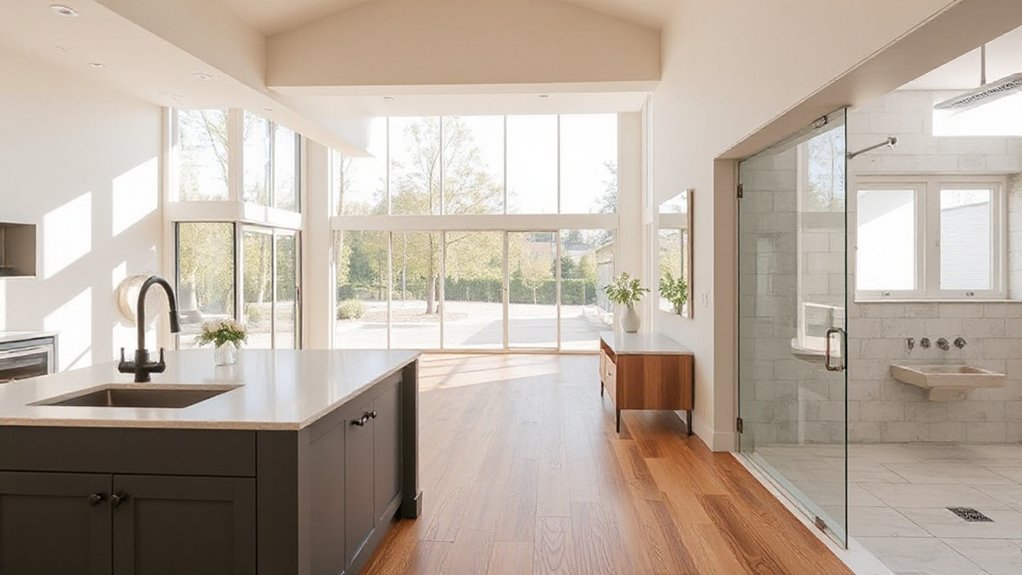
- Upgrade to a frameless shower and quality glass
- Add spa-like amenities such as heated floors or towel warmers
- Use luxury fixtures and solid-surface countertops for a clean look
- Improve lighting with layered, white-temperature options and task zones
These moves reduce long-term maintenance and boost perceived value. Choose materials with proven durability, standard warranties, and easy care.
When buyers see a cohesive, low-maintenance bath with spa-like amenities and luxury fixtures, they assign a higher value and faster acceptance.
Structural and Safety Updates You Can’t Ignore
Structural and safety updates aren’t optional; they’re foundational to protecting your investment and your family. You should address critical structural elements before cosmetic upgrades, because failures here undermine every other improvement.
Prioritize a professional assessment to identify load-bearing weaknesses, moisture intrusion, and framing integrity. Foundation reinforcement, when needed, stabilizes walls and prevents settlement that can trigger interior damage and costly repairs.
Seismic upgrades, where applicable, reduce risk from earthquakes and can lower insurance premiums in many regions. Implementing code-compliant anchorage, bracing, and shear wall improvements improves resilience without excessive disruption.
Documented improvements earn higher appraisals and faster sales, especially in markets with stringent safety expectations. Stay data-driven: require structural engineer notes, cost estimates, and a clear remediation timeline before pursuing broader renovations.
ROI-Driven Budgeting and Planning for Home Upgrades
Because structural and safety work lays the groundwork, you should frame upgrades around measurable return on investment. ROI-driven budgeting starts with clear metrics, not guesswork, so you can prioritize renovations that move the needle on resale value and energy savings.
Establish a capex plan that aligns with renovation priorities and tracks cost per square foot, payback period, and occupancy impact. Allocate funds to high-ROI projects first, then fill gaps with cost-conscious options.
Use data to justify each decision, adjusting for market trends and home type. Regularly reforecast as prices shift.
Communicate decisions with lenders, agents, and buyers to maintain transparency and accountability. Budget allocation should reflect urgency, impact, and realistic timelines.
- Prioritize high-ROI projects first
- Quantify payback periods and energy savings
- Align funding with renovation priorities
- Reforecast as prices shift
- Communicate decisions transparently
Frequently Asked Questions
Which Home Improvements Add Value Fastest in 2026?
You want value fast, and in 2026 the top moves are Smart technology upgrades and Eco friendly features. You’ll see the biggest returns from energy-efficient systems, smart thermostats, and whole-home automation that cuts utility costs.
You’ll also gain from modern kitchens and baths, but upgrades tied to sustainability—solar readiness, efficient insulation, and low-flow fixtures—drive demand.
You’ll maximize resale by combining performance data with stylish, durable materials and clear cost-benefit projections.
Do Small Upgrades Outrun Major Renovations in ROI?
Small upgrades often beat sweeping renovations for ROI per dollar. You’ll see higher returns by installing luxury fixtures and smart technology, which attract buyers without breaking the bank.
While major overhauls can impress, their cost can outpace gains. The data show you get faster payback from targeted, high-impact improvements, especially when integrated with energy efficiency.
How Does Neighborhood Trend Affect Upgrade Returns?
Neighborhood dynamics shape your upgrade returns because local demand, supply, and comps drive resale value and timing. You’ll see stronger returns where market influence remains positive, with rising prices and robust buyer interest.
Consider nearby trends, school quality, and new developments to gauge momentum.
You should align improvements to fit neighborhood expectations, since misaligned upgrades can dilute value.
In short, track neighborhood dynamics and market influence to optimize ROI on remodels.
What Costs Are Often Overlooked in Project Budgeting?
Hidden expenses quietly sneak in, especially permitting delays, and you should plan for them up front. You’ll often overlook minor items like permit fees, archiving costs, and inspection reschedules, which add up.
Budget resiliently by adding a 10–15% contingency, track changes diligently, and confirm permit timelines with authorities.
You’ll reduce surprises by documenting approvals, scheduling buffers, and staying data-driven about timelines, costs, and potential delays.
Stay proactive to keep your project on track.
Which Upgrades Deter Buyers With Long-Term Costs?
Upgrades that deter buyers are those with high long-term costs, like poor energy efficiency and steep maintenance. You’ll turn buyers off if you promise savings but deliver rising energy bills and frequent repairs.
So prioritize energy efficiency to curb ongoing costs. Maintenance costs matter too: choose durable materials and reliable systems. If you don’t, you’ll face skepticism and longer time on market.
You’ll preserve value by reducing energy usage and predictable upkeep.
Conclusion
You’ll steer your upgrade to ROI with clarity and purpose. Think of energy-efficient choices as fuel for value, curb appeal as your first impression, and durable materials as long-term trust you build with buyers. Prioritize kitchens and baths with modern, efficient touches, plus space-saving layouts that feel expansive. Tackle safety and structural updates like a sturdy backbone. With disciplined budgeting and a data-driven plan, you’ll gain access to strong value, resilience, and buyer confidence.
About the Author