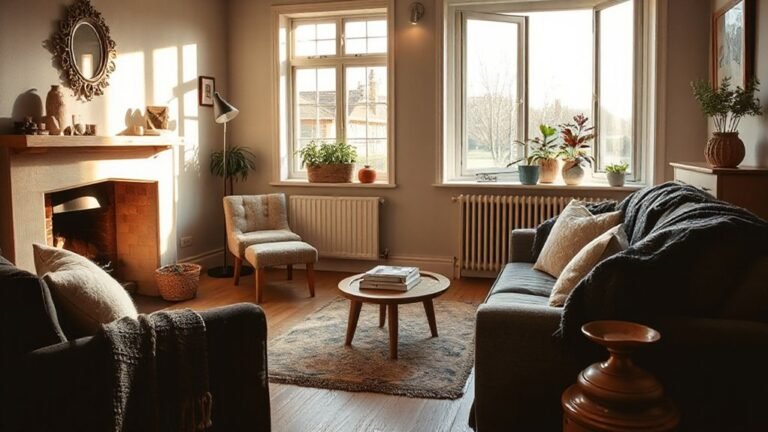
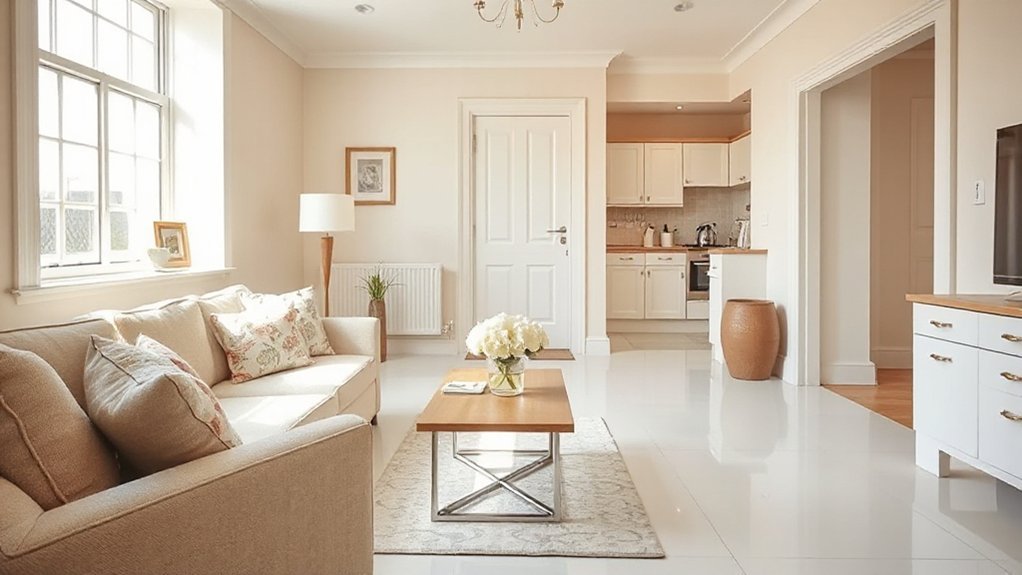
Elevate curb appeal first: prune hedges, sweep paths, tidy frontage, guarantee house numbers and lighting are visible. Inside, declutter surfaces, stage with minimal decor, balance furniture, and highlight focal points. Optimize lighting with a mix of ambient, task, and dimmable options, and refresh fixtures where needed. Control scent and climate subtly, use mirrors to boost daylight, and maintain clean entry access with clear boundaries. Keep schedules transparent and flexible; discover more steps to command attention on viewing day.
Create Instant Curb Appeal: A Quick UK Home Checklist
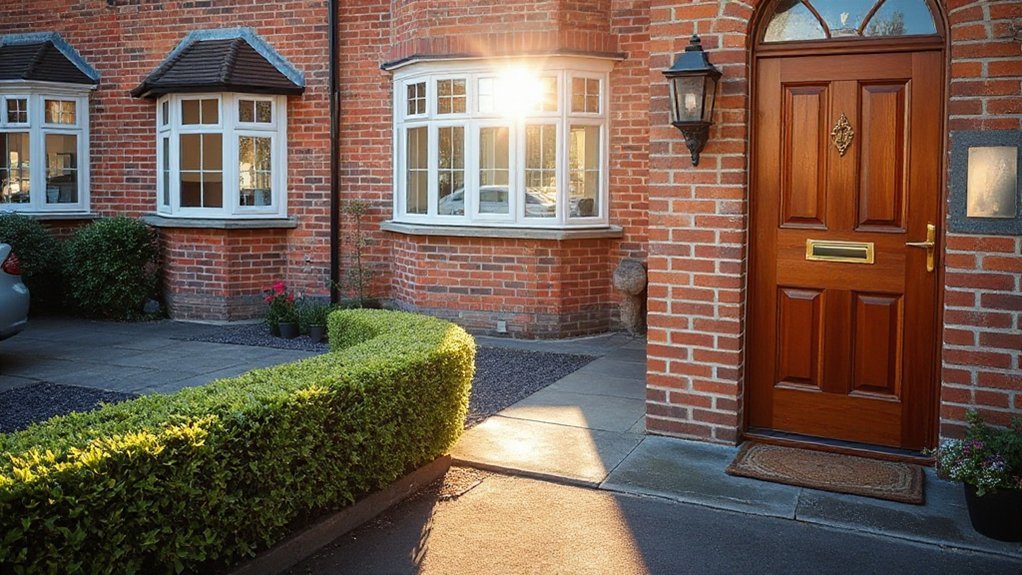
First impressions matter, so start with a crisp, well-kept exterior: prune hedges to clear sightlines, sweep paths, and remove litter from the frontage. You evaluate the approach as a first step in garden maintenance, prioritizing symmetry, texture, and color contrast to guide the eye toward the entrance.
Apply a tight, practical checklist: trim turf edges, mulch beds evenly, and ensure container plants are healthy and uniform in height. Inspect exterior lighting for reliability and uniform brightness, replacing any faulty fixtures.
Confirm security measures are visible—clear sightlines to doors, functional locks, and tamper-evident hardware. Tidy fascia, gutters, and downspouts, eliminating debris that could hint at neglect.
Finally, maintain clean, unobstructed pathways to reduce slip risks and optimize curb appeal for potential buyers.
Declutter and Stage Your Home for Viewings
You’ll reset every surface to be clear and clutter-free, ensuring Neutral tones and strategic lighting guide the eye toward key focal points.
Lighted rooms, precise staging, and concise focal arrangements create a calm, high-quality impression that translates to confident viewing.
Use smart staging to subtly highlight function and flow without overcrowding spaces.
Clear Surfaces, Clutter-Free
To create a calm, neutral backdrop for potential buyers, remove extraneous items from all surfaces and keep only essentials or tasteful décor. You’ll optimize countertops, tables, and shelves by eliminating loose clutter and storing away nonessential belongings.
Apply a minimalist approach: select clean lines, restrained textures, and purposeful placements that highlight space and architectural features. Prioritize surfaces for function, then aesthetics, ensuring each item earns its place.
Use minimalist decor to convey order: a single vase, a compact clock, or a geometric sculpture can act as focal accents without crowding. Introduce decorative accents sparingly to maintain balance; choose neutral tones and durable finishes.
Regularly reset surfaces between viewings to sustain a pristine, inviting impression that underscores room scale and flow.
Neutral Tones, Lighted Rooms
Neutral tones create a calm, adaptable backdrop that enhances space perception. While strategic lighting accentuates architectural features and mood. You combine restrained color coordination with measured illumination to define rooms and guide viewing flow.
Aim for even wall tones and subtle contrast to emphasize texture without visual clash. Wall textures add depth; keep them minimalist to avoid visual noise, using matte paints and soft shear textures where appropriate.
Guarantee lighting layers—ambient, task, and accent—are balanced and dimmable for each scene. Use these steps:
- Normalize color across common areas for cohesive progressions.
- Highlight architectural lines with cool, neutral lighting accents.
- Avoid high-gloss finishes that reflect clutter or glare.
Result: a coherent, inviting environment that reads spacious and well-considered.
Smart Staging, Focal Points
Strategically declutter first, then stage to spotlight focal points that guide buyers through each space. You’ll apply smart staging by prioritizing visual anchors—fireplaces, windows, art niches, or architectural lines—that draw attention without overwhelming.
In living rooms, keep seating arrangement tuned to conversation zones while maintaining clear pathways; choose a single, purposeful rug to define the area.
Kitchens benefit from minimal surfaces and a rested countertop narrative: a single appliance, a tray, and tidy cookware.
In bedrooms, present a calm, coordinated palette and a focal bed frame as the room’s heart.
Bathrooms should echo cleanliness with cohesive finishes and uncluttered counters.
Throughout, adjust lighting to enhance textures and depth, reinforcing focal points and ensuring each room reads as purposeful, inviting, and well-considered.
Light, Scent, and Climate for an Inviting UK Home
Ideal light levels, calibrated for each room, set the stage for perceived space and detail.
Subtle indoor scents should be clean and brief, avoiding overpowering notes that clash with the home’s character.
Maintain climate comfort with steady temperatures and balanced humidity to support comfort during viewings.
Light Levels Matter
Light levels shape first impressions the moment a viewer enters a space; bright, evenly lit rooms feel welcoming and honest, while shadows can imply neglect. You optimize perceived space by balancing ambient, task, and accent lighting, ensuring no glare or hotspots.
- Assess natural light sources and position mirrors to amplify daylight without creating harsh reflections.
- Choose window treatments that soften glare while preserving view, using light fabrics or adjustable blinds.
- Calibrate artificial layers so color rendering remains true and rooms read as spacious.
Aim for color temperature around 2700–3000K in living areas and 3500K for kitchens, matching natural daylight cues.
Maintain consistent brightness across rooms, and test during peak viewing times to confirm uniformity.
Subtle Indoor Scents
Rely on consistent sources: place aromatic candles away from windows and alcoves to prevent fumes concentrating in corners; verify wicks are trimmed for a clean burn and minimal soot. Alternatively, use essential oils via a discreet diffuser at low output, avoiding strong notes like heavy florals or spicy blends that may clash with furnishings.
Schedule scentings to precede viewings by a short window, ensuring scents dissipate quickly if necessary. Monitor airflow to prevent lingering residues; document products used for future reference and maintain a fragrance-free baseline for sensitive visitors.
Climate Comfort Cues
Balancing light, scent, and climate creates an inviting UK home without distraction; together, they shape comfort, perceived space, and flow from entrance to living areas. You’ll tune climate cues to reinforce thermal comfort while preserving aesthetic integrity, aligning indoor conditions with outdoor temperature to avoid abrupt changeover.
- Set target ranges: maintain indoor temperatures within 18–22°C during viewings, adjusting for season and sunlight exposure.
- Manage light and heat: use blinds or curtains to mitigate glare and solar gain; pair with shading and reflective surfaces to control ambient warmth.
- Normalize aroma and airflow: run a gentle HVAC or air purifier cycle, ensuring even distribution without overpowering scents.
These steps synchronize light, scent, and climate, elevating perceived space and creating a confident, inviting impression.
Quick Refreshes That Make Viewing Day Stand Out
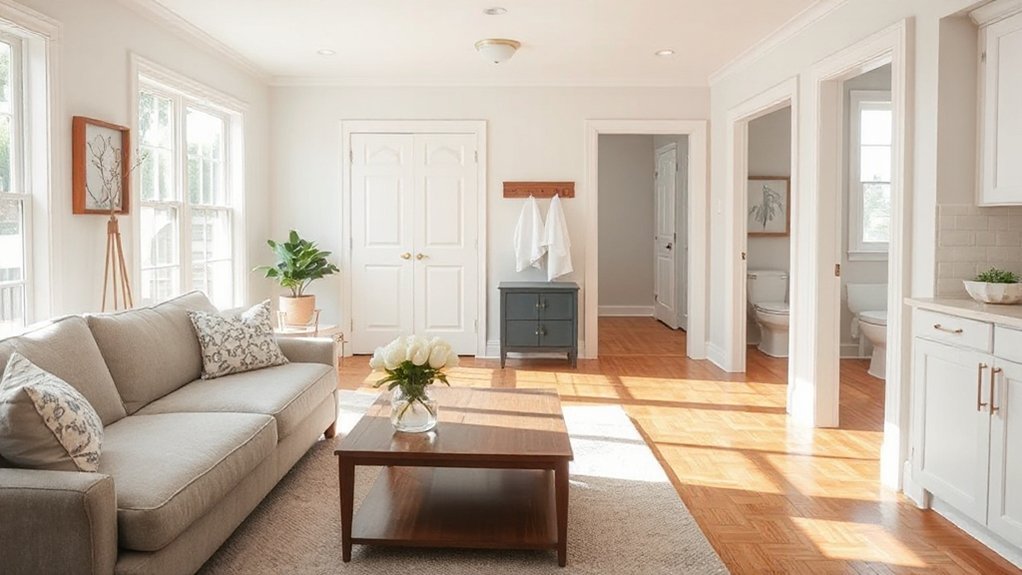
Need a quick refresh that elevates first impressions: focus on targeted, high-impact updates that are easy to execute between viewings. You’ll apply concise, technical steps to sharpen ambience without overhauls.
Begin with entryway parity: wipe doors, polish hardware, and verify mats align symmetrically. Brighten with fresh bulbs (6500K) and address shadows by repositioning lamps. Refresh fixtures and trims with mildew-free white paint where needed to sustain a pristine baseline.
In living spaces, declutter surfaces, balance satellite furniture, and set a consistent focal point to guide the eye.
Outside, trim hedges just enough to reveal curb appeal; confirm visible numbers and lighting.
Consider snippets of Home security and neighborhood insights in your notes to reassure buyers without overexposure, preserving authenticity and pacing for the day.
Safe Viewing Etiquette and How to Answer Buyer Questions
Safe viewing etiquette starts with clear boundaries and proactive safety measures; you set the pace by establishing access rules, guiding visitors, and outlining what you won’t permit. You balance transparency with security, reinforcing compliance and trust while maintaining buyer psychology awareness.
When questions arise, answer with concise, data-backed responses that reflect property attributes and safety practices, avoiding speculation.
- State core features honestly, citing dates and conditions.
- Address safety concerns directly, noting any hazards and remediation steps.
- Offer follow-up materials or contacts for detailed inquiries.
This approach preserves viewing safety and frames questions within objective facts, reducing misinterpretation. You should tailor responses to relevance, avoid overpromising, and invite respectful dialogue.
Clear boundaries and precise information empower buyers while protecting your listing’s integrity.
Timing and Logistics for UK Viewings and Open Houses
Coordinating UK viewings and open houses hinges on precise timing, logistics, and clear communication with all parties. You’ll map a timetable that anticipates peak interest while accommodating last-minute requests, balancing seller availability with buyer demand. Establish a single contact point for scheduling to minimize conflicts and miscommunications.
Use a concise notice window for each viewing, and confirm details in writing to create an auditable trail. Implement access arrangements that preserve safety and privacy—define entry points, turn-off points for alarms, and escort requirements if applicable.
Build in contingency buffers for delays, transport hiccups, and weather. Track who attends, duration, and feedback to refine future slots. Prioritize scheduling flexibility without compromising property presentation and security.
Maintain a shared calendar and routine update cadence for all stakeholders.
Frequently Asked Questions
How Should I Price a Home for UK Viewings?
You should set a competitive price using a precise pricing strategy, then refine with market analysis. Start by benchmarking comparable sales, adjust for condition and timing, and monitor feedback; stay flexible to optimize exposure and conversion risk.
What Legal Disclosures Are Needed for Buyers?
Satire aside, you must know legal requirements and disclosure obligations. You guarantee buyers are informed, accurately, and timely; you provide property history, defects, and legal encumbrances. You comply with governing laws, protecting both parties and transparency.
Can Pets Stay During the Viewing Period?
Yes, pets can stay during viewings, but prioritize safety and tranquillity. Implement pet safety measures, confirm pet presence with estate agents, and guarantee fixtures aren’t at risk. Maintain controlled access, clean spaces, and minimize pet exposure for buyers.
How Should I Handle Competing Offers?
Competing offers? You navigate offer negotiation with clear deadlines, transparency, and tailored terms. Think of it as a well-tuned orchestra. Use bidding strategies, counter politely, and document concessions to maximize value while protecting your priorities.
What Is the Best Time for a UK Open House?
The best time for a UK open house is early afternoon on weekends; you’ll maximize footfall. Emphasize interior staging and curb appeal, ensuring interiors are polished, lighting optimum, and exterior features inviting to prospective buyers.
Conclusion
You’ve prepped with a precise, methodical approach—curb appeal, decluttered staging, ambient light, scent, and a few quick refreshes—so buyers can envision themselves moving in. Keep the flow clean, clocks accurate, and doors responsive to viewing timing. Ready your answers with concise, factual details. Trust the process: “a place for everything, and everything in its place.” With consistent, professional presentation, your UK home will invite confident offers and a smoother sale.
About the Author