To refresh a UK Victorian terrace without losing character, start by identifying its DNA: brickwork, sash windows, decorative plaster, tall ceilings, and period stairways. Plan small-space flow with narrow circulation and aligned focal points, keeping clutter low and storage discreet. Brighten rooms with light-reflecting finishes, sheer fabrics, and selective mirrors. Use period-authentic colors and textures—plaster, wood, subtle metallics—while upgrading daylight and insulation with breathable, compatible materials. Maintain exterior details and rhythm; subtle modern touches should sit quietly alongside history. You’ll discover more practical steps ahead.
Identify Victorian DNA: Core Features to Preserve
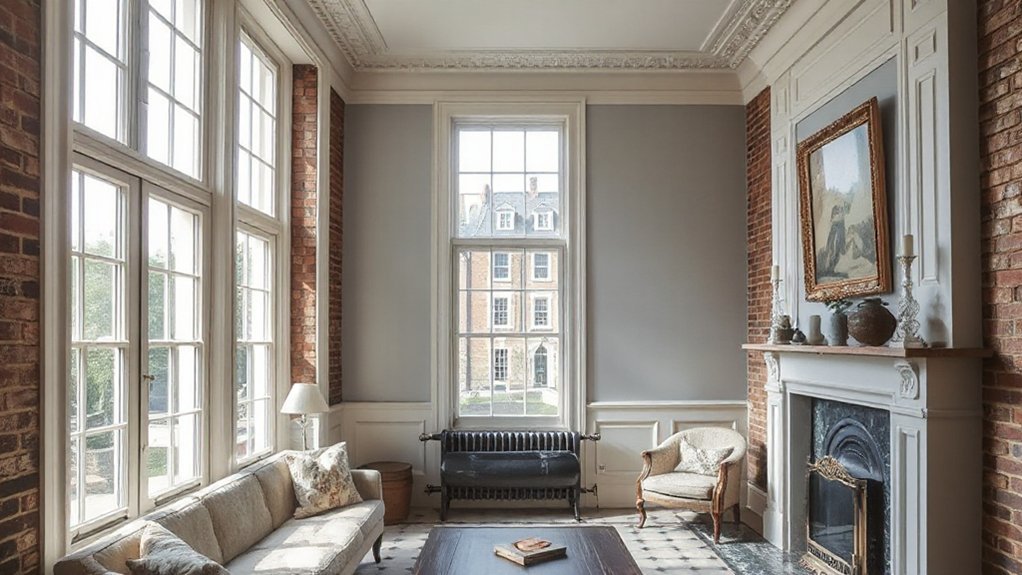
Embrace the Victorian DNA: core features that define the era and worth preserving. You identify the essence first, then map how it informs updates.
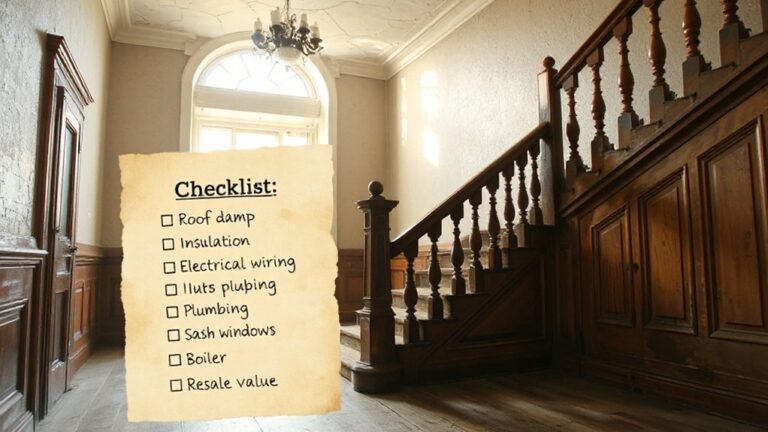
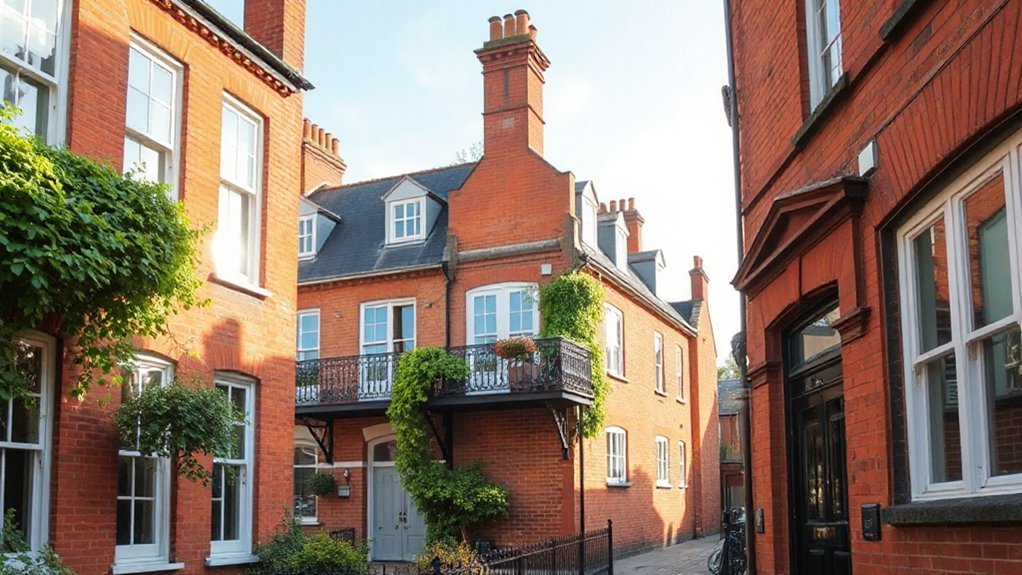
Look for Victorian architecture cues: brickwork patterns, sash windows, decorative plaster, ornate cornices, and tall ceilings that give space its breathing room. Inside, note period furniture proportions, inlaid surfaces, and wood tones that anchor rooms with warmth.
Preserve original entrances, stairs, and fireplaces as focal anchors, while planning functional upgrades around them.
Channel natural light with respectful glazing improvements that respect proportions, not modern gimmicks.
Respect spatial flow by maintaining intimate, cornered nooks and generous main rooms.
When choosing materials, favor craftsmanship, durability, and hues true to the era, ensuring new pieces harmonize with the claimed historical voice.
Plan Small-Space Flow for a Victorian Terrace
You’ll map your flow by prioritizing narrow circulation routes that keep movement intuitive from room to room.
Align focal points along sightlines so natural progression feels purposeful, not abrupt, as you open spaces without sacrificing Victorian echoes.
Minimize visual clutter with restrained finishes and streamlined storage, so every surface reinforces clarity and character.
Optimize Narrow Circulation
To optimize narrow circulation in a Victorian terrace, map the path you and visitors will actually take, then prioritize smooth, unobstructed flow through key junctions like hall-to-parlor and stair passages. You’ll reduce bottlenecks by rethinking furniture placement, door swing, and sightlines, letting each progression feel deliberate rather than crowded.
Use lighting and color to guide the eye toward natural pauses, so movement feels intuitive rather rather than forced. Small changes—offset rugs, slim storage, compact seating—can preserve character while improving efficiency. Attention to scale matters; compromise where needed, never crowding the corridor.
- Reconfigure entry vestibules with recessed storage to keep main routes clear.
- Choose slim-profile furniture and avoid bulky consoles that trap traffic.
- Highlight focal points using vintage textiles and ornate moldings to maintain period feel.
Align Focal Points
Begin with doors that align or complement each other, guiding circulation through narrow corridors to living spaces, then terrace or garden views. Use a consistent material palette and proportional echoes between rooms to reinforce a shared rhythm.
Consider garden landscaping as a soft foreground: plantings frame and subtly extend interior focal points. If plumbing upgrades occur, route lines to minimize disruption of sightlines: concealment behind cabinetry or skirting, not across center walls.
The result is cohesive flow that preserves character while feeling contemporary.
Minimize Visual Clutter
- Prioritize multifunctional pieces that tuck away excess items.
- Use built-in or concealed storage to maintain clean surfaces.
- Select accents sparingly, letting period details shine without competing.
This approach preserves character while preventing visual overload, creating breathable, curated rooms.
Brighten Rooms With Light-Reflecting Design
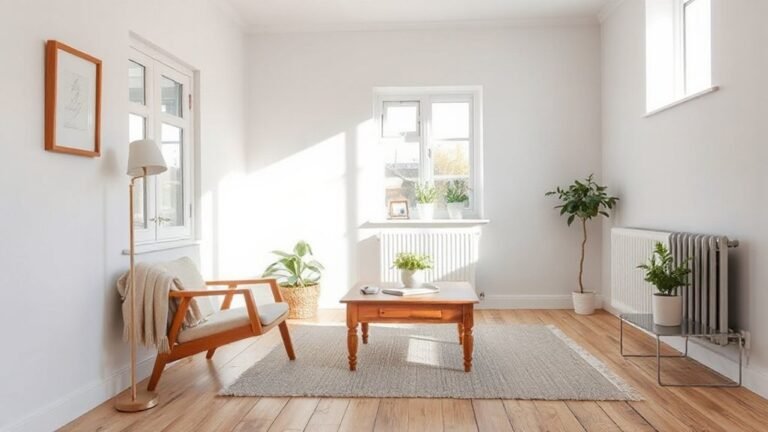
Use mirrors or metallic accents strategically to double the effect of daylight near entrances and corridors. Opt for high-gloss or satin furnishings sparingly, so they don’t overpower the Victorian character.
Color contrast matters: pair bright whites with soft neutrals to create depth without glare. Place larger, light-toned furniture away from windows to enhance reflection and maintain a balanced flow.
Consider sheer window treatments to diffuse sunlight gently. Furniture placement should promote sightlines toward key architectural features, like plaster cornices or mantelpieces, while keeping walkways clear and airy.
Palette Principles: Fresh, Period-Appropriate Colors
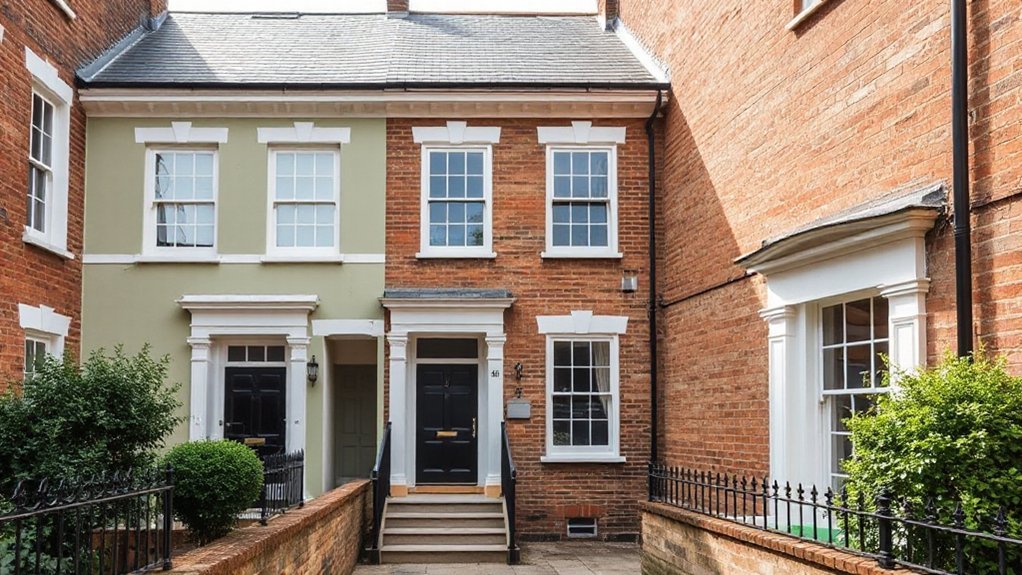
A fresh palette for a UK Victorian terrace blends period-appropriate hues with modern restraint, guiding you to colors that feel authentic without shouting “repro.” Start with a restrained base—soft greens, warm creams, or pale taupes—and layer with carefully chosen accents inspired by Victorian tiles, wallpapers, and plasterwork.
- Victorian color palettes: anchor walls in subtle tones, then lift with contrasts drawn from tile borders and ceiling roses.
- Period appropriate hues: choose muted reds, dusty blues, and olive greens to reflect historic palettes without heaviness.
- Balance and restraint: pair bold accents with ample neutral space to preserve architectural character.
This approach keeps spaces coherent, legible, and true to the era while feeling fresh.
Layer Textures for Depth: Fabrics, Wallpapers, Materials
Texture is where depth lives in a Victorian terrace, so you’ll want fabrics, wallpapers, and materials that layer without overwhelming the eye. You combine textile textures with restrained patterns to avoid clutter, letting each surface breathe.
Choose natural fibers—linen, wool, cotton—in varied weaves for a tactile backbone, then pair with muted textures like felted wool and brushed cotton for warmth.
Wallpaper patterns should reference history without shouting; opt for small-scale motifs, subtle metallics, and plaster-imitating textures that echo plasterwork.
Materials like sisal, oak, and brick veneer can add grain and depth when used sparingly as accents.
Maintain a cohesive palette, and test scale in lighting before committing.
The aim is tactile richness that supports, not competes with, architectural details.
Choose Flooring That Honors History and Light
Choose flooring that keeps light front and center by favoring pale, honest tones with historic grain and patina intact.
Opt for historic wood or tile that age gracefully, matching grain and tone to the room’s existing light without shouting.
Let the material’s texture and color harmonize with the house’s character, guiding both atmosphere and flow.
Light-Focused Material Choice
When selecting flooring for a Victorian terrace, opt for materials that reflect the era’s light-loving interiors while brightening smaller spaces. You’ll balance durability with character by choosing tones that echo period architecture and avoid heavy, dark future restorations. Favor reflective finishes and light, airy grains to maximize natural light without sacrificing texture.
- Opt for pale engineered boards with a subtle grain, aiding continuity between rooms while enhancing light.
- Introduce porcelain or ceramic tiles with soft, creamy undertones in entryways or kitchens to mirror Victorian ornamentation without overpowering spaces.
- Consider natural stone accents in circulation zones with honed finishes to retain warmth and sophistication.
Focus on seamless edge details, restrained borders, and consistent lighting plans to unify the home’s historic feel.
Historic Wood Or Tile
Should you lean toward historic wood or tile, the choice should honor the past while amplifying light and flow through your Victorian terrace. Your decision shapes sightlines, furniture placement, and how you move through rooms.
Historic wood brings warmth, patina, and a sense of craft; it ages gracefully when finished with a clear, satin coating that respects original floor boards.
Timeless tile, by contrast, offers durability, pattern potential, and reflective surfaces that brighten narrow corridors. Consider moisture and foot traffic, subfloor condition, and maintenance when choosing between wider planks or classic encaustic patterns.
Whichever you select, aim for a finish that maintains consistency with existing trims and doors. Balance character with contemporary underfoot comfort to sustain an inviting, bright flow.
Grain, Tone, Patina Harmonize
Grain, tone, and patina should work together to honor history while brightening the space. When you choose flooring, seek grain harmony that echoes original timbers but isn’t overpowering. Aim for tone consistency across rooms to maintain flow, so light can travel without interruption. Subtle contrasts between boards should enhance character, not shout it. You’ll want finishes that emphasize depth without deepening shadows, preserving a sense of airiness.
1) Match grain direction and width between adjacent rooms to minimize visual jarring while preserving period detail.
2) Choose a finish that highlights natural variation without magnifying old repairs or wear marks.
3) Prioritize lighter tones in living areas and hallways to reflect light and future-proof the scheme.
This approach keeps heritage intact, while ensuring contemporary brightness.
Windows and Doors for Light: Subtle Treatments
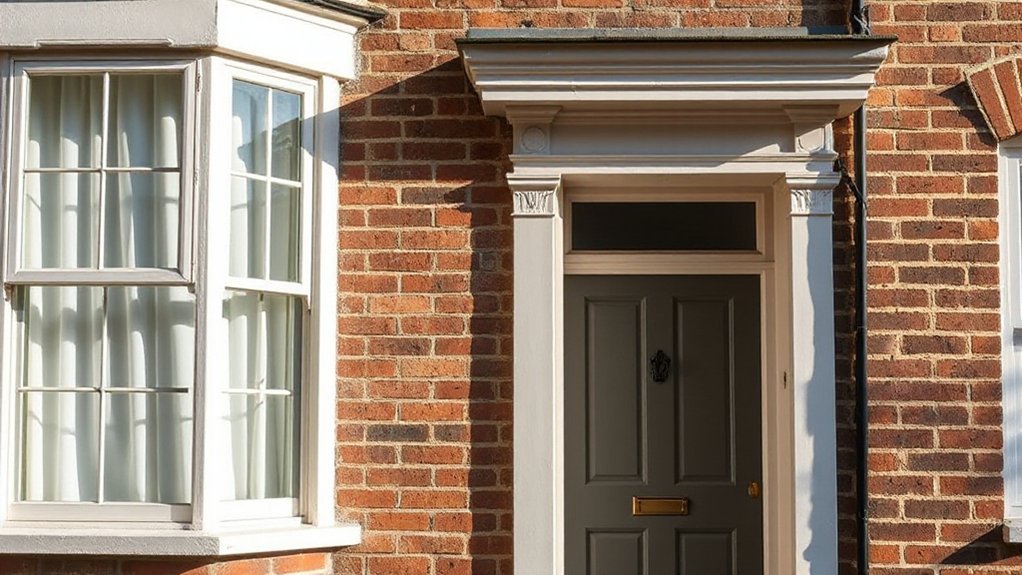
Windows and doors aren’t just sources of light in a Victorian terrace; they’re key keepsakes of the house’s rhythm. You’ll tighten rhythm with light by selecting slender, true-to-era profiles that avoid fussy frames. Opt for sash or mock-sash arrangements that respect proportion, letting daylight glide across cornice lines without overwhelming ornate plaster.
Choose period-authentic hardware: handles, fasteners, and stay bolts that read as modest, not showy. For glazing, preserve proportion over glass area; consider slim glazing bars to echo Victorian motifs without shouting.
Finish details subtly: paint in muted whites or soft creams that age gracefully, or stain wood to enhance warmth. Thoughtful casing and reveals frame openings, enhancing interior depth while maintaining airflow.
This approach sustains period authenticity and intentional light, year after year.
Built-In Storage That Looks Integrated, Not Added-On
- Design with flush fronts and concealed hardware to preserve the room’s visual rhythm.
- Use bespoke shelving and pull-out organizers that tuck away clutter without breaking sightlines.
- Integrate hidden compartments within existing cabinetry for everyday essentials, keeping surfaces clear.
Fixtures and Finishes That Respect the Era
When updating a Victorian terrace, choose fixtures and finishes that nod to the era without feeling dated or fussy. You’ll balance cleaner modern surfaces with period-authentic details that read as intentional, not nostalgic re-creations.
Start with a restrained palette: muted greens, deep charcoals, and warm whites pair well with natural materials like timber, brass, and ceramic.
In fixtures, opt for paneled doors, brass hardware, and high-arc taps that echo Victorian architecture while avoiding over-embellishment.
Ceiling roses and decorative plasterwork can be retained or subtly revived, matched to proportionate light fittings.
For finishes, use enamel or matte ceramic tiles in classic patterns, and preserve timber floors with careful sanding and a modern clear seal.
The goal is period authenticity without sacrificing usability or light.
Energy Upgrades for Victorian Terraces
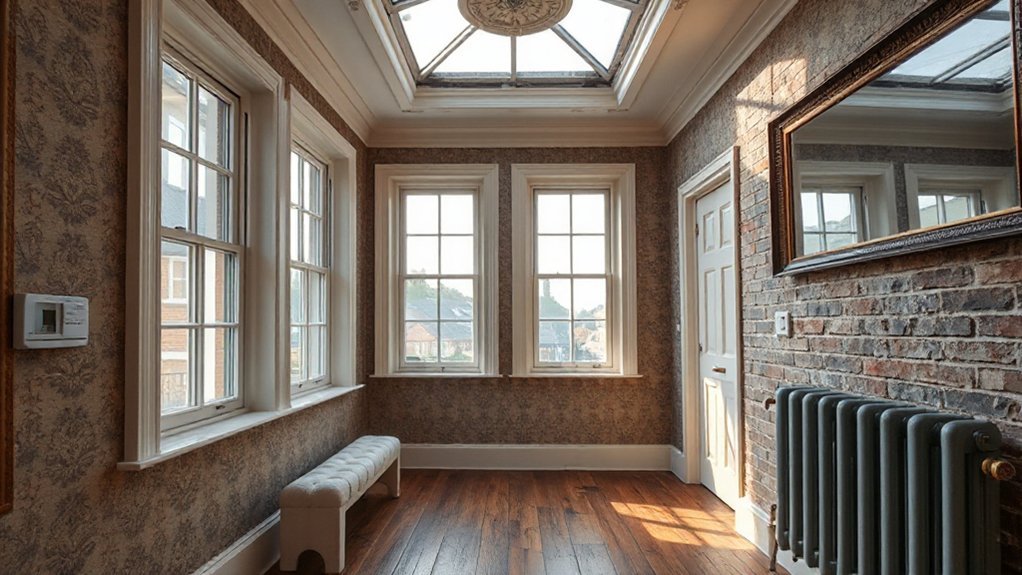
Because Victorian terraces often lose heat through imperfect envelopes, focus on practical, minimally invasive upgrades that preserve character while boosting efficiency. You’ll improve comfort without compromising period authenticity or Victorian craftsmanship.
- Insulate strategically: loft and cavity where possible, using breathable yet effective materials that don’t distort internal walls.
- Ventilation fine-tuning: install quiet, heat-recovery or balanced systems to maintain air quality while minimizing heat loss.
- Windows and doors: apply secondary glazing or draft-proofing with slim profiles to retain charm and avoid altering external façades.
Focus on detailing: choose fittings and finishes that echo period authenticity, so upgrades feel deliberately integrated rather than added on. Your results should balance efficiency with character, delivering enduring comfort throughout the home.
Exterior Details: Sealing, Painting, and Period Curb Appeal
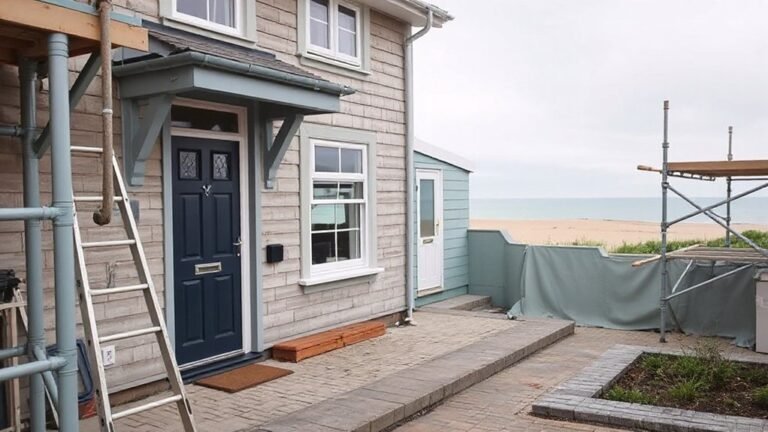
Exterior sealing sets the stage for longevity, so you’ll want to choose breathable, weather-smart products and seal joints where brick meets timber.
Next, pick durable paint finishes that can survive UK conditions without frequent touch-ups, aiming for colors that respect the terrace’s character.
Finally, sharpen your curb appeal with period-appropriate details—painted sash windows, restored cornices, and tidy boundaries that read as cohesive, not fussy.
Exterior Sealing Essentials
Exterior sealing is the backbone of a Victorian terrace’s longevity and curb appeal, so start with a quick assessment: identify where damp, cracks, or peeling paint hint at underlying issues, then plan a targeted refresh. You’ll inspect brickwork joints, mortar decay, timber damp, and gutter alignment before sealing.
1) Prioritize breathable sealants on exterior timber and brick, matching original textures to preserve character.
2) Seal joints and flashing where walls meet roof, windows, and doors, ensuring water sheds away from the façade.
3) Schedule a seasonal recheck after wet weather, noting any new damp spots, paint failure, or masonry movement to guide future upkeep.
Garden landscaping and interior lighting considerations should support the refreshed exterior without compromising period integrity.
Durable Paint Finishes
You’ll prioritize durable finishes that expand and contract with timber and masonry, preserving long-term detail without cracking. Choose products labeled for exterior masonry or woodwork, and verify compatibility with existing substrates to avoid moisture trapping.
Eco-friendly paints are worth considering for low volatile organic compounds and reduced odor during application, while still delivering durable color and sheen.
Apply a traditional primer where needed, then two thin coats for even coverage and a deeper hue.
Finish with a satin or eggshell for subtle depth, ease of cleaning, and timeless curb appeal.
Period Curb Appeal Tips
After selecting durable finishes, you’ll want to sharpen your curb appeal with practical exterior tweaks that keep the Victorian character intact. You’ll seal gaps to prevent moisture intrusion, then repaint with traditional hues that echo Victorian architecture while staying subtle in the streetscape.
Clean and restore decorative elements—doors, brackets, and cornices—so they read as intentional period details rather than leftovers. For period landscaping, choose restrained plantings and ornamental ironwork to frame the façade without overpowering it.
- Prioritize high-quality sealants and breathable paints to balance protection with character.
- Use historically informed color palettes and accent colors on trim to highlight architectural features.
- Integrate low-contrast greenery and tidy edging to support period landscaping without competing with the brickwork.
Layering Details: Art, Rugs, and Accessories With Victorian Soul
Layering art, rugs, and accessories with Victorian soul is about deliberate restraint as much as bold statement. You curate a visual rhythm by mixing period-specific pieces with quiet, authentic textures.
Choose Victorian art with subtle palettes, linking frames to wall colors rather than competing against them. Rug layering should feel purposeful: a refined, central Persian or Aubusson beneath a smaller, high-contrast runner, each anchored by a shared tonal thread.
You offset heavy carving with light lamps, glass, and ceramic accents that echo the era without shouting. Accessories must serve as punctuation, not wallpaper; select mirrors, portrait busts, or brass candlesticks that reflect architectural details already present.
Maintain balance, respect proportions, and let negative space breathe between curated statements. Victorian art and Rug layering harmonize your terrace without dilution.
Maintenance Rhythm: Caring for Your Refresh Without Eroding Heritage
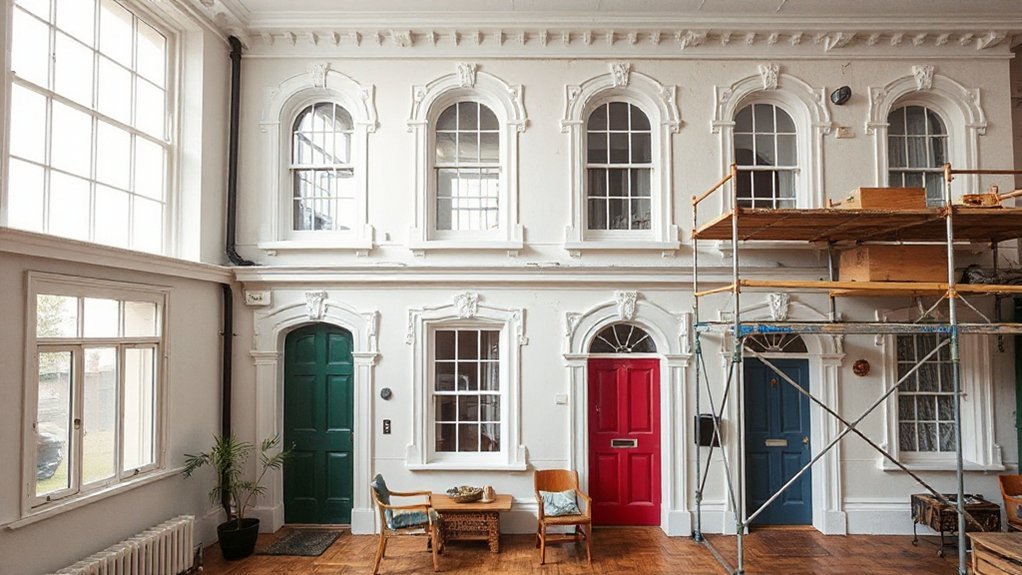
You’ll establish a gentle care routine that respects materials, balancing updates with their natural patina.
Keep a steady cadence—timely checks, minor cleanups, and measured refreshes—so the aesthetic stays fresh without erasing character.
Gentle Material Care
- Inspect regularly for hidden decay, planning targeted, reversible repairs that preserve original fabric.
- Use breathable, low-odor finishes and compatible primers to sustain colour and texture without sealing in moisture.
- Document changes, maintaining a record that reinforces period authenticity and informs future care decisions.
Balanced Aesthetic Refresh
Maintain window and door proportions, letting trim and hardware reinforce period authenticity. When introducing modern materials, choose subtle, compatible finishes that respect scale and rhythm.
Garden and fencing should echo the house’s cadence, not compete with it. Regular, small touch-ups curb drift toward homogenization, while avoiding over-clarification that delegitimizes Victorian architecture.
Document changes for future caretakers, preserving the lineage of details that reveal your care and commitment to period authenticity.
Timely Maintenance Rhythm
To keep your refreshed Victorian terrace looking intentional rather than improvised, establish a steady maintenance rhythm that respects both craft and cadence. You’ll balance routine care with selective, period-conscious updates, letting small tasks accumulate into a coherent patina rather than jarring changes. A disciplined cycle keeps drafts minimal, finishes honest, and materials aged with purpose.
Keep Gardening routines aligned with seasonality, avoiding overplanting near brickwork or delicate plaster. Integrate Pest control proactively, choosing noninvasive methods that protect character while guarding health.
- Schedule quarterly inspections of paint, mortar, and timber, documenting touch-ups and color fidelity.
- Pair exterior checks with interior humidity and ventilation tweaks to prevent moisture-driven wear.
- Coordinate garden maintenance with brickwork care, ensuring roots and soil don’t compromise foundations.
Balancing Heritage and Modern Life: A Practical Checklist
Balancing heritage with modern living isn’t about chasing perfection but about making practical, thoughtful choices that respect a home’s character while improving daily comfort. You’ll benefit from a practical checklist that aligns Victorian architecture with today’s needs.
Start with spatial layout: keep narrow corridors intact, reconfigure storage behind panelled doors, and place everyday functions where they’re least disruptive to sightlines.
Prioritize authentic materials and finishes that age gracefully, avoiding vinyl where timber or plaster reads true.
When installing Modern amenities, hide bulky tech in dedicated alcoves, and select low-profile devices that echo period details.
Lighting should blend warm, layered options with energy efficiency, preserving ambience.
Document renovations for resale value, and maintain external features—fence lines, brickwork, and cornices—so your improvements honor the terrace’s history.
Plan, execute, review, refine.
Frequently Asked Questions
How Can I Refresh Lighting Without Altering Historic Fixtures?
You can refresh lighting by blending Antique lighting with subtle Modern illumination, preserving original fixtures while updating wiring, shades, and controls; you’ll dimmed warmth, coordinated color temps, and discreet LEDs, maintaining character while improving efficiency and safety throughout the home.
Which Modern Comforts Are Safe for Victorian Interiors?
Modern insulation is safe if you install breathable, discreet materials, and you’ll still enjoy Victorian wallpaper alongside updated comfort. You’ll also seal drafts, keep radiators efficient, and respect structure—because you demand authentic character, not compromises, honestly.
How Often Should I Repaint Without Damaging Original Surfaces?
You should repaint every 8–12 years, depending on wear, to protect original surfaces. Rely on historical paint analysis for safe hues, and use eco friendly cleaning to prep without compromising patina or details you value.
Can I Update Plumbing Without Compromising Character?
Did you know 60% of Victorian plumbing upgrades avoid wall damage by using trenchless patching? You can update plumbing without compromising character by applying restoration techniques and adhering to preservation guidelines, carefully routing lines, matching fittings, and preserving original finishes.
What Are Subtle Ways to Add Storage in Small Rooms?
Hidden niches give you discreet storage by tusing alcoves and behind cabinetry. Use vertical solutions like tall, slim units and wall-mounted shelves; you’ll maximize floor space, keep clutter off surfaces, and maintain flow in tight rooms.
Conclusion
You’ll treat your home like a living archive, where every brush stroke is a memory kept in breath and light. The refresh becomes a quiet compass, guiding you through narrow stairs and sunlit bays without turning away from its oldest whistle of timber and tile. Preserve the spine, but let the heart speak—painted rails as ink, fabrics as whispers, and windows as listening eyes. In balance, the Victorian soul endures, refreshed and true.
About the Author