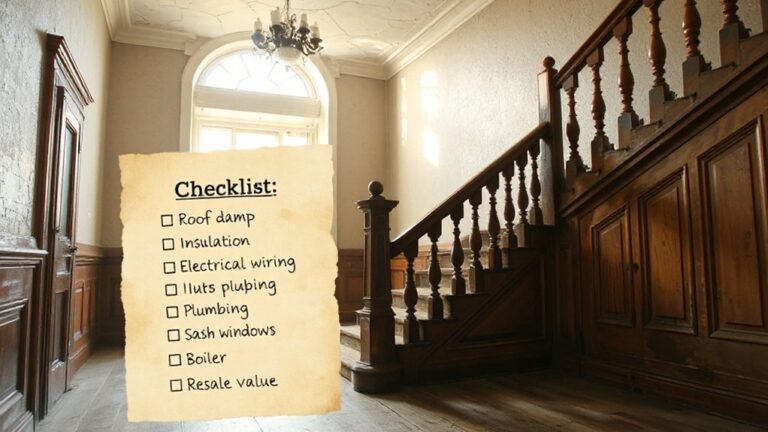
Like a fork in a road carved through a busy landscape, you must decide whether to buy move-in ready or renovate what you already own. You’ll weigh speed and certainty against potential gains from preserving character and boosting value, all while balancing budget, risk, and long-term plans. The stakes aren’t just dollars—you’re shaping your daily life and future resale or refinance outcomes. Start with a concrete framework to compare costs, permits, and timing, then press forward with clarity.
Key Takeaways
- Assess long-term needs and risk tolerance to decide if buying offers speed or renovating preserves unique features and aligns with goals.
- Compare total costs (purchase plus renovation) versus a ready-to-move-in home, including financing and ongoing maintenance.
- Evaluate location trends, schools, and neighborhood development as drivers of value more than interior upgrades.
- Create a detailed renovation plan with scope, budget, timelines, and change-control processes to manage risk and overruns.
- Plan for move-in readiness with permit timelines, contractor coordination, and buffers to align schedule and budget.
Buy vs Renovate: The Core Decision You Face
When you’re deciding between buying and renovating, the core question is simple: what yields the best value for your goals and budget? You weigh upfront costs, timeline, and risk, then evaluate long-term equity, utility, and resale potential.
Buying often offers speed, modern layouts, and fewer surprises, while renovating can preserve or enhance unique features and align a property with your preferred footprint.
Consider historical significance and how it affects future appreciation; restoration may add prestige and walkability, but can bring higher maintenance and permitting hurdles.
Neighborhood trends matter: streetscapes, schools, and planned developments influence value volatility more than interior upgrades.
Decide which path aligns with your risk tolerance, budget discipline, and desired timeline, then quantify potential returns to choose confidently.
Assessing Your Personal Finances and Lifestyle Alignment
To make the right choice between buying or renovating, you must map your finances and daily life to your goals. A clear view of financial planning helps you gauge affordability, liquidity, and risk.
Next, assess lifestyle compatibility: does the home support your routines, commute, and social needs without constant workarounds? Prioritize fixed vs. variable costs, debt tolerance, and preservation of cash reserves.
Align project scope with time availability, maintenance willingness, and long-term plans. Clarify target outcomes—resale potential, comfort level, and personal growth—so preferences guide decisions, not impulses.
Use a concise checklist to compare scenarios, quantify tradeoffs, and maintain momentum toward a sustainable choice.
- Financial planning benchmarks for affordability and savings
- Lifestyle compatibility with daily routines and priorities
- Time, effort, and maintenance expectations
- Long-term goals and resilience of your plan
The True Cost Equation: Purchase, Renovation, and Hidden Fees
When you compare purchase costs and renovation needs, you’ll see how each component adds to the bottom line.
We’ll outline the key purchase cost components and where renovation hidden fees tend to creep in, so you can budget with accuracy.
This discussion sets the framework for making a smart buy-or-renovate decision, with practical steps you can apply now.
Purchase Cost Components
Purchase cost is more than the sticker price: it also includes closing costs, lender fees, and any initial inspections or appraisals. You must account for how these upfront items shape your total commitment and monthly budgets.
In addition, property taxes and market trends influence long-term affordability and resale prospects, so track them as signals for cost movements. A disciplined approach prevents surprises and strengthens negotiation leverage.
- Closing costs and points you prepay
- Lender fees and underwriter charges
- Initial inspections, appraisals, and credit checks
- Ongoing property tax implications and assessed values
Renovation Hidden Fees
Renovation costs often hide in plain sight, adding a true unpredictability layer beyond the sticker price and typical closing items. You’ll want to map every potential expense, not just the obvious contractor bill.
Hidden fees often emerge from permitting, inspections, and scope changes that expand work mid‑stream. Schedule contingency funding for permits, design revisions, and undocumented site conditions; underestimating these raises pressure on timelines and cash flow.
Expect price shifts from material deltas, delivery delays, and subcontractor availability, which quietly swell totals. Track change orders meticulously, requiring written scope updates and authorization before work proceeds.
Align expectations with your contractor through a detailed, itemized budget, plus a transparent approval process for additions. By anticipating renovation surprises, you protect your purchase and preserve project momentum.
When a Fixer-Upper Makes Sense: Risk and Reward Sweet Spots
If you’re weighing a fixer-upper, the key is to balance potential savings against costs and risk from the start. You’ll identify sweet spots where renovation costs compress with market value, not inflate them. Look for properties with solid foundations, solid bones, and upside from strategic upgrades like energy efficiency, layout improvements, or cosmetic updates.
Historical preservation and neighborhood trends should guide risk assessment, ensuring your gains aren’t hollow in a declining area or conflicting with zoning. Define a ceiling for total investment before you commit, and build in contingency buffers for escalation, permits, and contractor availability.
If the numbers don’t pencil, walk away.
- Focus on structural integrity and scalable upgrades.
- Align upgrades with historical preservation standards when relevant.
- Analyze neighborhood trends to forecast demand.
- Budget for permits and unexpected fix costs.
When Renovating Wins: Controlling Scope and Restoring Value
When renovating pays off, you win by tightening scope to protect value and costs. You’ll focus on value restoration tactics that deliver the most impact for the least spend, and make cost-effective decisions at every turn.
This discussion starts with clear scope, smart trade-offs, and a plan to restore value without bloating complexity.
Scope Control Wins
Even with a clear plan, the real tests come from what you decide to exclude. Scope control matters because it defines value return, not just size.
When renovation wins, you lock in budget and schedule by prioritizing essential fixes, avoiding cosmetic overreach, and documenting decisions. Your goal is renovation flexibility that preserves quality without ballooning costs.
Keep a tight change-control process, align on outcomes, and cut scope creep before it starts. This disciplined approach protects resale value and minimizes risk.
- Prioritize high-impact fixes over flashy add-ons
- Define non-negotiables and acceptable trade-offs
- Establish a formal change-control workflow
- Reassess benefits with every budget revision
Value Restoration Tactics
Value restoration hinges on smart, focused changes that protect value while restoring performance. When renovation wins, you guide scope tightly, prioritizing interventions that yield durable performance and clear return.
You assess current, not aspirational, baselines, and you avoid purple lines that inflate risk. Ground decisions in Historical context, so you learn from prior cycles about what aged well and what didn’t.
You track Market trends to time materials, finishes, and features that buyers still value, not fads. Your plan preserves core systems, minimizes disruption, and avoids scope creep through formal change control.
You quantify impact, set measurable targets, and review progress against them weekly. If value appears flat, revalidate assumptions; if it improves, document lessons for future projects.
Cost-Effective Decisions
- Define the minimum viable scope that achieves your goals, then resist add-ons that don’t boost value.
- Prioritize energy efficiency upgrades with fast payback and tangible monthly savings.
- Plan garden landscaping as a low-cost backstop that enhances curb appeal and outdoor usability.
- Measure expected ROI for each change, and halt the project if targets slip.
This approach keeps renovations practical, precise, and value-focused.
Financing Paths for Home Projects: Which Loan Fits Best?
When you’re financing home projects, choosing the right loan path hinges on how soon you need funds, the total cost, and your long-term goals. You’ll compare options by speed, rate certainty, and total interest.
Personal loans offer quick access but higher rates; home equity loans or lines of credit leverage your property, usually with lower costs but risk to ownership. Renovation-specific loans often bundle costs and permit timing, reducing friction.
If you plan to stay long-term, fixed-rate financing provides stability; if you expect to move soon, adjustable terms may save early costs.
Consider tax implications where applicable, and align with market trends to gauge future cost trajectories. Evaluate your cash reserves, since more up-front equity can improve terms, especially in tightening markets.
Choose the path that balances affordability with flexibility and your timeline.
Timeline Realities: Move-In Readiness vs. Renovation Pace
Move-In Readiness timelines and Renovation Pace can diverge, so you’ll want a realistic target for when you need to be living there versus when the work can safely continue.
Expect variability in renovation speed due to scope, permits, and contractor scheduling, and plan buffers for delays.
Align your schedule and budget upfront, so you can trade faster move-in for longer renovation windows without breaking the plan.
Move-In Readiness Timelines
Even though renovations can stretch timelines, you still need a clear move-in plan. Move-in readiness timelines hinge on realistic sequencing, supplier lead times, and defined milestones.
You’ll want concrete dates for permit approvals, rough-ins, and finish work, plus buffers for delays. Align your interior design goals with practical constraints, so decisions aren’t slowed by scope creep.
For faster results, prioritize high-impact, functional spaces and verify that essential systems are operational before furniture arrives. Track progress weekly, communicate changes, and keep contingency funds separate to avoid surprises.
You can still pursue eco-friendly upgrades, but time them alongside core finish work to avoid backtracking.
- Set milestone-based dates for permits, rough-ins, and inspections
- Confirm supply lead times and delivery windows
- Prioritize essential systems and finishes first
- Build a separate contingency fund for unexpected delays
Renovation Pace Variability
Renovation pace can vary widely, and that variance often dictates move-in timing. You’ll confront a spectrum from brisk, organized progress to unforeseen delays that shift your calendar.
The key is recognizing how pace interacts with your project scheduling choices: early decisions about trades, permit lead times, and material procurement tighten or loosen timelines. Realistic milestones keep you aligned with reality, not ideal scenarios.
Expect bursts of momentum followed by quiet spells; plan contingencies for inspections, weather, and design tweaks. Communicate frequently with your contractor to maintain momentum without overcommitting resources.
Track daily progress, adjust next-week goals, and document changes that impact timing. A disciplined approach preserves control, reduces friction, and guarantees you can move when readiness meets your expectations.
Scheduling and Budget Alignment
Here’s how to align scheduling with budget so move-in realities match renovation pace. You’ll balance timeline realities with dollars by outlining milestones, deadlines, and contingency.
Start with time management: map tasks, lead times, and permit windows, then align payments to progress. Choose contractor selection that supports a realistic pace, not just a low bid.
Build in buffers for weather, supply delays, and design changes, and preserve a clear change-order process. Communicate decisions promptly to avoid costly back-and-forth.
Track weekly against a shared schedule and budget forecast, adjusting as needed to prevent overruns. Prioritize critical paths and lock in dates for trades early.
Keep stakeholders informed to maintain momentum and keep the project on track.
- Define milestones and deadlines clearly
- Align payments with completed work
- Build buffers for unknowns
- Maintain open, proactive communication
Feasibility Checks: Zoning, Permits, and Structural Realities
Feasibility checks start with zoning, permits, and structural realities that determine what you can legally and safely build or remodel. You assess local zoning maps, setback rules, and use classes to confirm you’re in the right category for your project.
Next, you review Permitting processes to understand required applications, timelines, fees, and conditions so you don’t hit unexpected holds.
Structural realities demand a quick, precise appraisal of load paths, framing integrity, and foundation sufficiency, so you know what structural work is feasible within budget.
You’ll compile a checklist of constraints, required inspections, and potential variances.
Zoning considerations guide scope; Permitting processes shape sequencing.
With clarity on these factors, you decide if your plan aligns with reality before committing to design or construction.
ROI and Value: Will Your Plan Pay Off at Sale or Refinance?
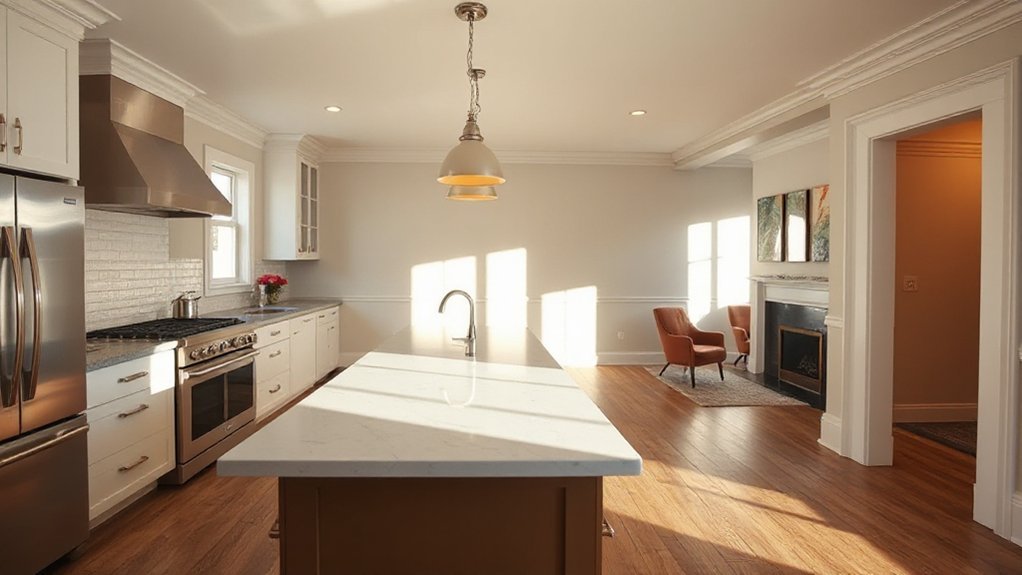
When you’ve mapped zoning, permitting, and structural limits, the next question is whether your plan will pay off at sale or refinance. ROI isn’t just about cost recapture—it’s about market timing, cost discipline, and how your project enhances value beyond vanity upgrades.
You’ll want to gauge market trends to set realistic resale or appraisal expectations, and balance that with the emotional appeal your updates create for buyers. A well‑priced renovation that aligns with neighborhood standards often yields the strongest return, while over‑improvement can dampen demand.
- Assess how upgrades align with current buyer priorities and neighborhood benchmarks
- Compare project costs to anticipated resale or refinance appraisals
- Factor time to market and carrying costs into your ROI model
- Evaluate emotional appeal as a driver of faster sale and higher offers
Decision Framework: A Step-by-Step Path to Choosing
To decide between buying and renovating, start with a clear framework that translates your goals into actionable steps. Begin by listing constraints, priorities, and timelines, then map each goal to measurable criteria (cost, disruption, resale value, and ROI).
Next, assess Historical context to understand how similar decisions fared in past cycles, and study Market trends to forecast demand, supply, and pricing volatility.
Create a decision matrix that weights financial impact, risk, and lifestyle impact, grading options as buy, renovate, or neither. Validate assumptions with sensitivity tests—what if costs rise or timelines slip?
Document a go/no-go threshold, establish decision deadlines, and assign accountability. This disciplined path keeps you movable, objective, and aligned with your long-term plan.
Next Steps and Common Pitfalls to Avoid
Next, translate your decision framework into concrete next steps while anchoring them to your go/no-go thresholds. You’ll map risks to dates, budgets, and expected gains, then push decisions only when plans meet target benchmarks.
Stay grounded in Market trends and Interior design cues to guarantee relevance and resale value. Confirm legal permissions early, and lock in a reliable team with clear milestones. Track contingency buffers and quality controls to avoid cost overruns.
Maintain design intent alignment with your lifestyle and long‑term goals, not fleeting fads.
- Define explicit go/no-go criteria for budget, timeline, and expected impact
- Validate market trends before committing to significant renovations or purchases
- Align interior design choices with functional needs and resale potential
- Establish a risk‑mitigation plan and review checkpoints regularly
Frequently Asked Questions
How Long Does a Fixer-Upper Renovation Typically Take?
A fixer-upper renovation typically takes anywhere from 3 to 6 months, depending on scope and permits. You’ll encounter DIY challenges, delays, and unexpected discoveries, so build in a cushion.
Start with honest contractor selection, vetting licenses, references, and detailed timelines. You’ll want clear milestones and weekly check-ins to stay on track.
Keep approvals and material lead times in mind, and don’t rush critical framing or electrical work. With disciplined planning, you’ll finish closer to your target than you expect.
What Are Hidden Renovation Costs I Should Expect?
Hidden expenses you should expect include hidden costs and unforeseen costs that pop up mid-project. You’ll likely face permit fees, inspection charges, and design changes you didn’t anticipate.
Budget overruns come from structural surprises, mold or asbestos, outdated wiring, and HVAC replacements.
Allow for temporary living shifts, storage, and cleanup, plus contingency of 10–20%. Track every dollar, obtain detailed bids, and document scope changes to minimize surprises and keep your renovation on track.
Can I Renovate While Living in the Home?
Yes, you can renovate while living in the home. Plan for temporary occupancy, scheduling work during off-hours, and creating safe, clearly separated work zones.
Secure renovation permits before starting, and maintain exit routes, dust control, and noise limits.
Communicate timelines weekly with contractors and family.
Expect furniture protection and interim living arrangements.
Guarantee utilities stay safe, with a designated power-off plan for major changes.
Stay compliant, and adapt schedules as permits and inspections dictate.
Which Renovation Projects Add the Most Resale Value?
Landscaping improvements and kitchen upgrades add the most resale value. Think of it like boosting curb appeal and daily comfort in one move.
You’ll prioritize dense, timeless landscaping and a modern, efficient kitchen with quality appliances. Focus on durable materials, proper lighting, and smart layouts.
You’ll see the biggest returns from curb appeal, then a well-designed kitchen. Landscaping improvements attract buyers first; kitchen upgrades keep them, delivering practical, lasting value.
How Do I Prioritize Scope to Stay on Budget?
Prioritize scope by defining must-haves first, then allocate contingency for surprises.
Start with a detailed budget plan that items each task, material, and labor cost, so you know when you’re over or under.
Use budget planning to guide tradeoffs, and firm deadlines to keep momentum.
For contractor selection, vet licenses, check references, and obtain written bids.
Choose a firm that communicates clearly, honors timelines, and stays within budget, then lock in milestones to monitor progress.
Conclusion
You stand at a crossroads where decisions shape your future home—and your budget trail. Buy for speed, modern flow, and fewer surprises; renovate to preserve character and access hidden value. Weigh finances, timeline, and risk tolerance like a compass, not a dare. Map out permits, costs, and ROI, then test scenarios aloud. Decide with clarity: quick move-in wins today, or a thoughtful remodel that can pay off later. Either path, your home, your story, your balance sheet.
About the Author