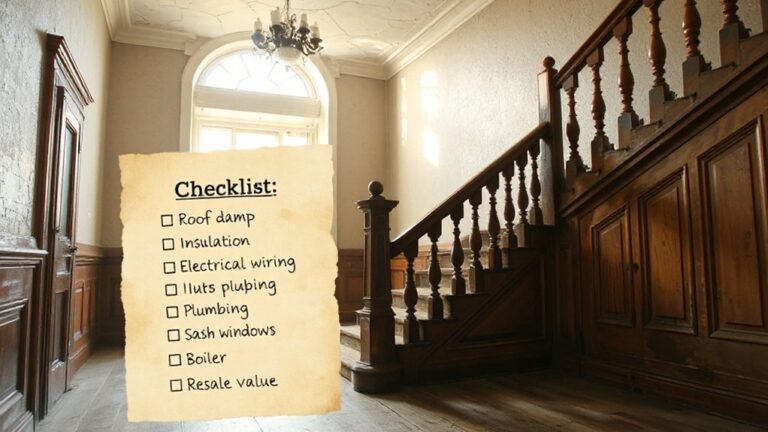
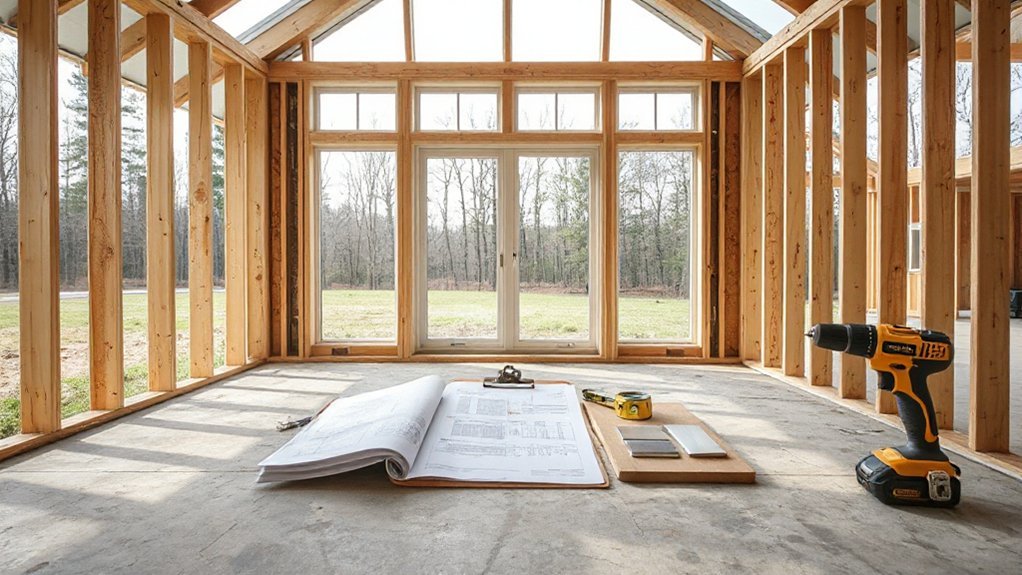
To request solid contractor quotes for a sunroom addition, start with a detailed project brief and site information, then ask for side‑by‑side bids that cover identical scope: design, foundation, framing, glazing, insulation, and finish. Require line‑item pricing, milestones, and material brands with warranties. Check permits, contingencies, and exclusions; insist on skylight compatibility, weatherproofing, and energy performance. Verify licenses, insurance, and past projects. If you want a tighter process, more tips await.
How to Evaluate Sunroom Quotes in 3 Steps
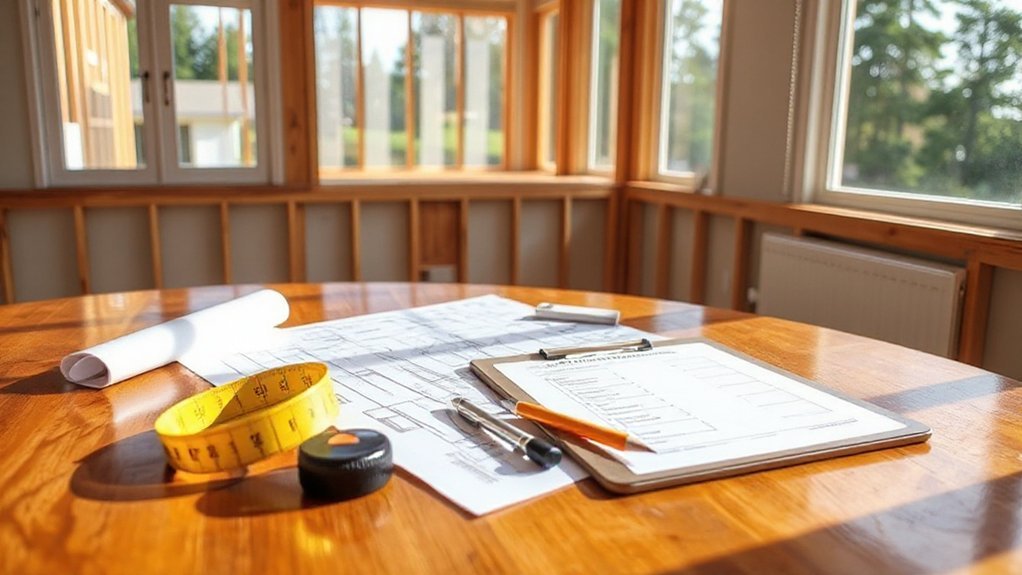
When evaluating sunroom quotes, start by confirming each proposal covers the same scope. You’ll compare design intent, foundational work, framing, glazing, insulation, and finish details to avoid scope creep.
Then, scrutinize prices line by line: labor, material costs, permits, and contingencies.
Seek clarity on Sunroom aesthetics—how the style integrates with your home, window sizes, and color choices—and ensure these elements are reflected in the estimates.
Assess material durability by noting the brands, grade, and warranty terms for framing, glazing, and seals.
Check lead times, installation sequencing, and site-prep requirements.
Verify exclusions and payment schedules, and request a fallback plan if weather or supply delays occur.
Finally, request written comparisons to facilitate objective, apples-to-apples decisions.
The Critical Documents You’ll Need to Share
You’ll want to gather and share a complete set of critical documents up front to keep sunroom quotes apples to apples and prevent delays. Providing these materials helps contractors assess site conditions, confirm scope, and price accurately. Organize them logically and reference them in your requests to avoid back-and-forth.
1) Project brief with goals and timeline
2) Site information, including measurements, access, and permits
3) Design preferences focused on sunroom aesthetics and material durability
4) Existing conditions, photos, and any architectural constraints
Having these items ready reduces pricing guesswork and clarifies exclusions. It also speeds approvals and ensures bids reflect the same assumptions. You’ll project confidence, minimize misinterpretations, and select the best quote based on consistent data.
This preparation sets a solid foundation for a successful sunroom addition.
Defining Your Sunroom Scope Clearly (What’s Included and Excluded)
To define your sunroom scope clearly, start with a precise inclusions list that matches your design goals and budget. Then spell out all exclusions to prevent scope creep. You’ll specify core features, such as glazing type, insulation, and door access, while noting what isn’t included, like landscaping or electrical rerouting.
Define tolerances for framing, siding, and foundation work, and attach any required warranty expectations. Clarify design aesthetics expectations, color palettes, and finish levels so suppliers align on look and feel. Address material durability standards for framing, decking, and roofing, including weatherproofing and maintenance cycles.
Establish sequencing notes, permit dependencies, and inspection checkpoints to avoid gaps. Conclude with a non-negotiable change-order process, ensuring you retain control over budget, scope, and timeline.
Reading Sunroom Bid Line Items: Price vs. Value
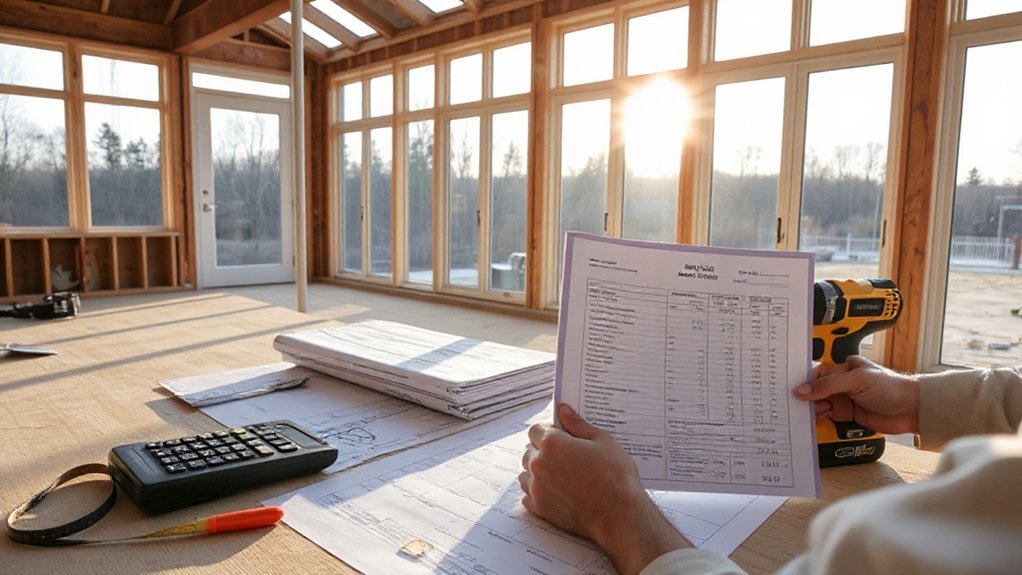
Reading sunroom bid line items requires separating price from value so you can judge offers on more than a bottom line. You’ll compare not just total costs, but what each item delivers in long‑term performance and comfort. Look for clarity, consistency, and measurable benefits in every line item.
- Sunroom decor: assess finish quality, materials, and how aesthetics integrate with your home’s style.
- Energy efficiency: quantify insulation, glazing, seals, and thermal performance to minimize future utility bills.
- Structural integrity: verify framing, load ratings, and warranty terms for durability.
- Installation schedule and exclusions: confirm sequencing, site access, debris removal, and who’s responsible for unforeseen issues.
Permits and Code Costs You’ll Actually Pay
Permits and code costs don’t just add to the bottom line; they govern what you can legally build and how long it will take. You’ll pay for plan reviews, building permits, and potential impact fees, plus inspection fees at multiple milestones.
Expect to budget for code-mandated safety upgrades, such as electrical and ventilation extras, which protect you and your family. Your quotes should itemize jurisdictional fees, permit timelines, and any rework charges if plans trigger code corrections.
Sunroom aesthetics matter here: inspectors may scrutinize glazing, egress, and fire ratings, which can influence permit outcomes and timing.
Material durability drives long-term compliance costs, since durable components reduce future maintenance and revisits.
Clarify resubmission penalties and how changes affect your final approval window.
Structural and Foundation Considerations in Bids
You’ll want bids that clearly state foundation requirements, including soil tests and footing depths, so you know what’s truly needed before you commit.
Consider how each quote handles structural load, from roof to walls, to make certain the sunroom won’t stress the existing structure.
Don’t overlook site drainage and grading details, which impact stability and long‑term performance.
Foundation Requirements Clarified
Foundation requirements set the baseline for both structural integrity and long-term durability. You’ll verify that bids address site conditions, soil bearing, and frost protection, ensuring your sunroom rests on a sound base.
- Specify required foundation type (slab, crawl space, or piers) and align it with soil tests.
- Demand site-specific design details, including depth, reinforcement, and waterproofing strategies.
- Include a clear plan for foundation inspection and interim measurements during pour and curing.
- Require criteria for concrete curing, temperature control, and curing duration before framing begins.
Foundation inspection and concrete curing are non-negotiables in your evaluation. These elements prevent settlement, cracking, and moisture intrusion, safeguarding long-term performance.
Structural Load Considerations
You’ll verify structural integrity by reviewing framing, joist spacing, and attachment methods to the existing structure.
Demand calculated load capacity comparisons for snow, wind, and live loads, with explicit factors of safety documented.
Your bid should specify support columns, footings, and transfer points that resist deflection and uplift, plus compatibility with existing foundation systems.
Inspect roof assembly choices, insulation, and vapor barriers to assure long-term performance under load.
Require load paths that preserve structural redundancy and predictable performance during extreme events.
Ensure the contractor provides calculations, unit values, and documentation traceable to applicable codes and standards.
Site Drainage and Grading
1) Drainage plan with elevations
2) Downspout and gutter strategy
3) Grading proof of positive runoff
4) Inspection and remediation milestones
Roofing, Glazing, and Insulation Details to Compare
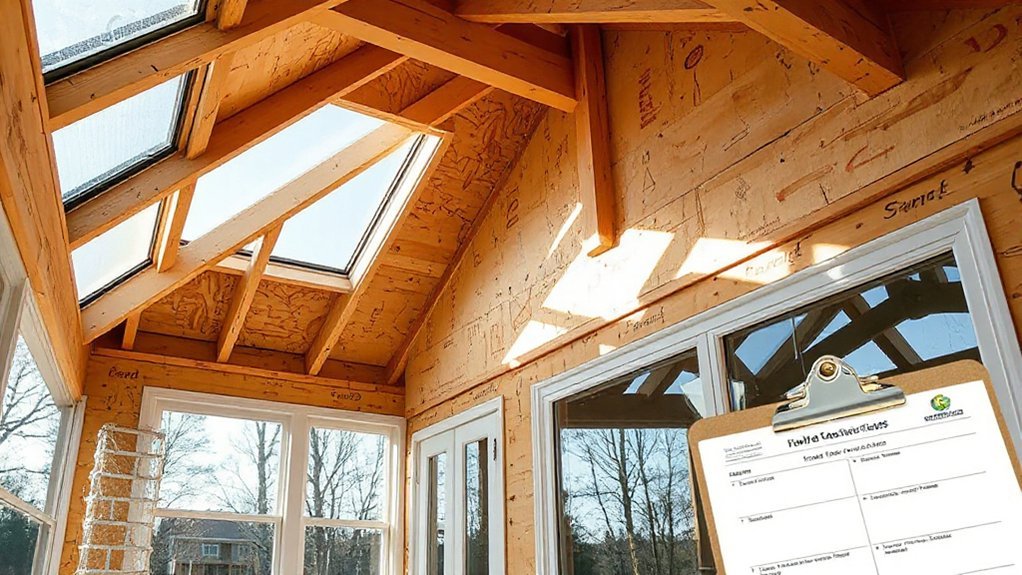
When you compare roofing system specs, you’re verifying load ratings, material types, and warranty terms to guarantee long-term performance and protection from the elements.
For glazing, focus on U-values, solar heat gain coefficient, and air-tightness to gauge energy efficiency and comfort.
Equally important, evaluate insulation performance and installation details, so the sunroom maintains stable temperatures with minimal drafts and moisture risk.
Roofing System Specs
Selecting the right roofing system is essential for a sunroom addition, because it directly affects comfort, energy efficiency, and durability. You’ll compare options that balance light, insulation, and weather resistance, so your final choice minimizes heat gain in summer and heat loss in winter.
- Material durability and R-value, noting sunroof materials and how they perform in your climate.
- Roofing system compatibility with skylight options, ensuring proper flashing and moisture control.
- Insulation strategy for the roof deck, including vapor barriers and layer thickness.
- Long-term maintenance, warranty terms, and potential impacts on resale value.
Focus on installation quality, moisture management, and seamless integration with existing structure. Choose sunroof materials and skylight options that meet code and performance expectations.
Glazing Performance Metrics
Glazing performance is the linchpin of a sunroom addition, tying together light, comfort, and energy efficiency. You’ll compare glazing performance by examining U-values, solar heat gain coefficient (SHGC), and visible transmittance (VT). Lower U-values reduce heat transfer, while SHGC indicates how much solar heat passes indoors; balance with VT to maintain natural light without glare.
Ask for certified test results and, if available, dynamic glazing options that react to sun exposure. Assess window efficiency across frames, seals, and spacer systems, since gaps and thermal bridging undermine performance. Verify weather resistance, glare control, and long-term durability under your climate.
Require consistent labeling, show-through performance data, and warranty coverage that includes glazing seals and coatings. This diligence ensures reliable glazing performance and excellent window efficiency.
HVAC, Electrical, and Plumbing Implications in Quotes
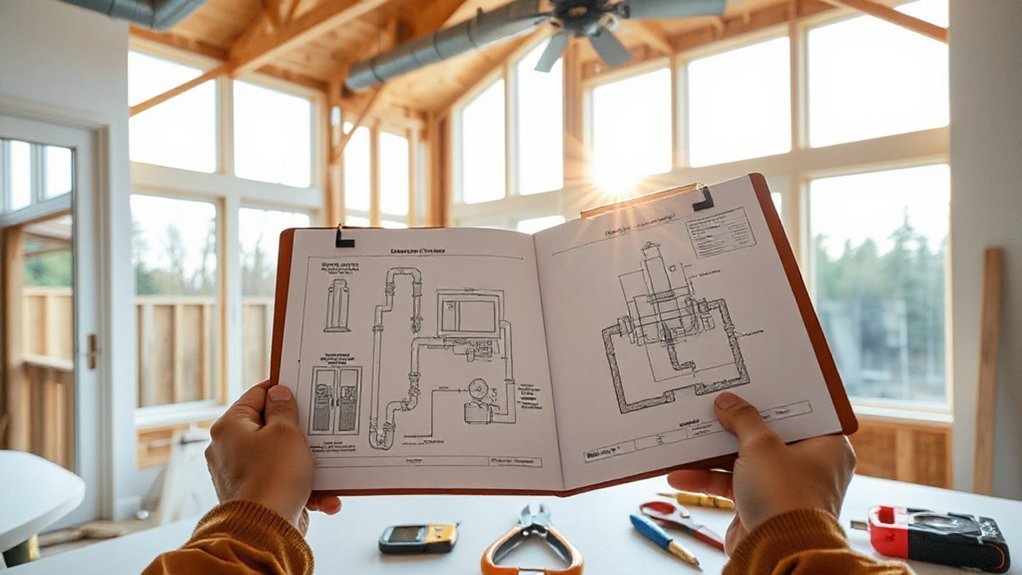
- Assess load calculations for HVAC, electrical panels, and plumbing rough-ins to guarantee system compatibility with the sunroom.
- Confirm where supply, return, and venting will run, and how additions affect insulation, vapor barriers, and energy efficiency.
- Establish sequencing: which trades proceed first, and how to stage connections to prevent rework.
- Require detailed, itemized quotes with site-specific drawings, contractor qualifications, and timeline milestones.
Interior Finishes and Customization Options (Finishes, Fixtures, and Upgrades)
To tailor the sunroom to your needs, review interior finishes and customization options that impact comfort, durability, and light control. You’ll specify materials for walls, floors, and ceilings that resist humidity and temperature swings, ensuring long-term performance.
Interior finishes influence curb appeal, maintenance, and acoustics, so compare textures, color stability, and wipe-clean practicality. Consider fixture upgrades that enhance usability and efficiency, including lighting layers (ambient, task, and accent) and dimming compatibility for seasonal changes.
Select moisture-resistant flooring with slip resistance and easy cleaning, paired with ceiling treatments that suppress heat gain and glare.
Require precise compatibility between windows, doors, and finishes to minimize gaps. Document install timelines, warranty coverage, and inspection checkpoints to prevent miscommunication.
Timeline Expectations and Scheduling Milestones
A clear timeline sets expectations and keeps the sunroom project on track from start to finish. You’ll want a defined sequence, with durations for permitting, site prep, framing, and finish work, so milestones align with garden design and outdoor decor goals.
Realistic buffers prevent delays from weather or procurement, and your contractor should provide weekly progress updates to verify schedule adherence.
- Permitting and approvals: confirm documents, lead times, and potential hold points.
- Site prep and framing: establish access, safety, and structural milestones.
- Enclosure and utilities: outline drywall, wiring, plumbing, and HVAC timing.
- Finishes and cleanup: schedule coats, inspections, and final walkthrough.
Warranties, Workmanship Guarantees, and Exclusions
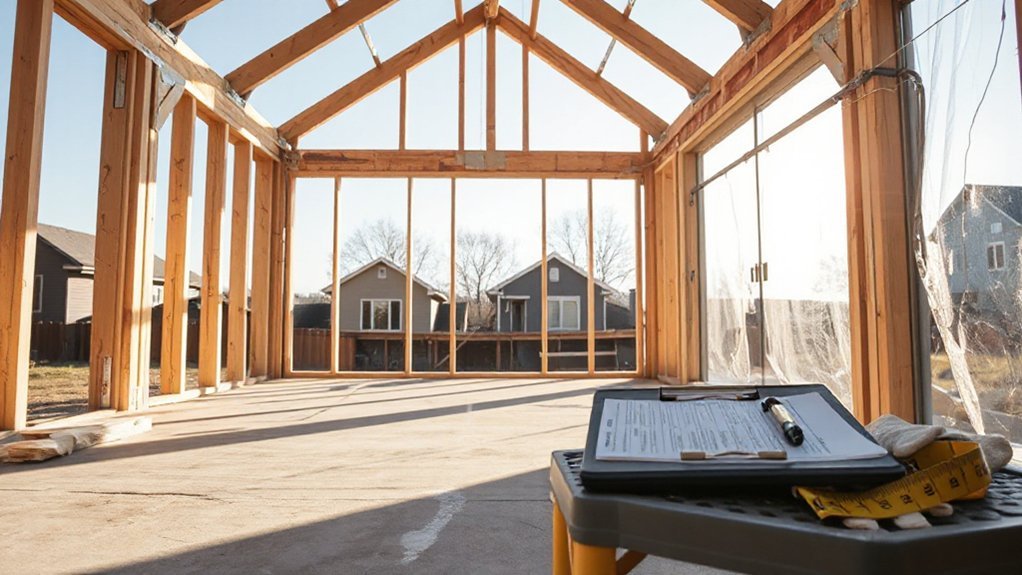
Your sunroom addition should come with clear warranties and coverage that specify what’s protected and for how long. We’ll outline exclusions and limitations so you know what isn’t covered, and what conditions apply to any claims.
This discussion sets the baseline for understanding workmanship guarantees and how they relate to contractor responsibility.
Warranties And Coverage
Are warranties worth the paper they’re written on, or do they actually shield you from surprises after the sunroom is finished? You’ll evaluate how warranty coverage protects your investment, and how contractor guarantees translate into real outcomes, not vague assurances.
Expect clear terms, defined scopes, and reasonable durations tied to workmanship and materials. Confirm who handles defects, whether abroad or locally, and what processes trigger service calls. Look for transferability if you sell, and maintenance requirements that could void coverage. Be wary of exclusions that undermine protection.
In practice, robust warranties reduce risk and cost over time, giving you leverage to resolve issues promptly.
1) Warranty coverage specifics
2) Contractor guarantees scope
3) Response times and service process
4) Transferability and maintenance caveats
Exclusions And Limitations
Read the warranty language for carve-outs, exclusions, and any conditions that void protection. Verify workmanship guarantees, response times, and remedies for defects, as well as the duration of coverage and transferability.
Understand whether design trends affect eligibility or if certain materials compromise warranty terms. Clarify maintenance requirements, proper installation methods, and environmental limits that could reduce applicability.
Consider material durability, corrosion, and UV exposure, and how these factors interact with exclusions. Ask for written references detailing service commitments and post-completion support to ensure you have recourse if issues arise after project completion.
Your Project Team: Which Subcontractors Are Involved
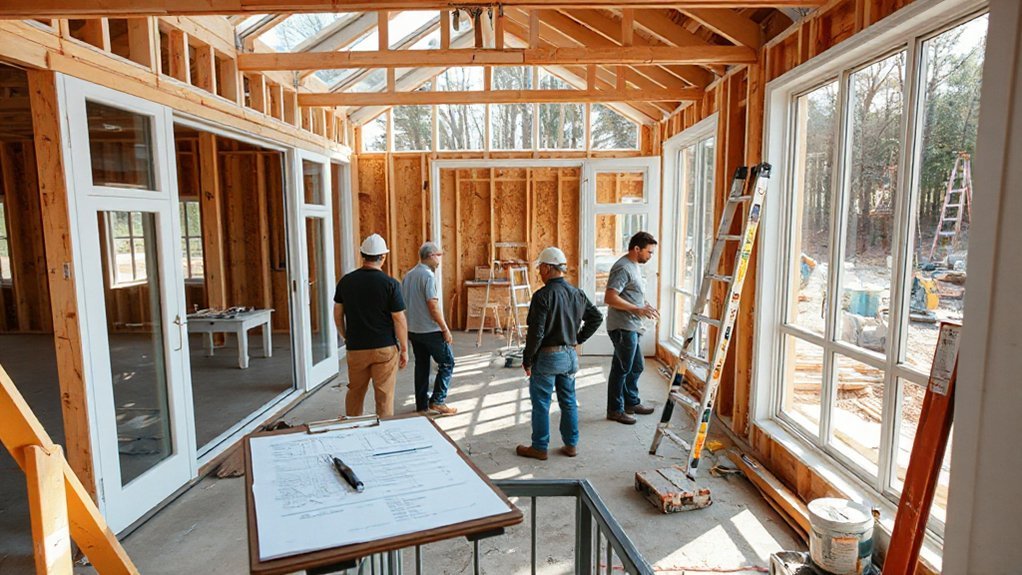
Selecting the right subcontractors is essential for a sunroom addition, because each tradesperson contributes specific expertise that affects structure, insulation, finish, and weatherproofing. You’ll want clarity on roles, credentials, and responsibilities to avoid gaps and delays.
- Understand subcontractor roles: framing, insulation, electrical, HVAC, and glazing, so you know who handles each task.
- Verify contractor credentials: licenses, insurance, bond status, and relevant certifications tied to your locality.
- Assess scope alignment: ensure the team’s capabilities match your design, especially for weatherproofing and energy efficiency.
- Confirm communication cadence: point persons, site visits, and reporting procedures to keep the project on track.
Handling Scope Changes With Clear Change Orders
You establish clear change protocols upfront so every modification follows a defined process.
With documented change scope, you capture what changes, why they’re needed, who approves them, and how costs and timelines adjust.
This foundation minimizes miscommunication and keeps the sunroom addition on track.
Clear Change Protocols
- Define change requests in writing, including scope, impact, and deadline.
- Establish a rapid review timeline and designated decision-maker.
- Use a formal change order that ties price, schedule, and responsibility to the request.
- Maintain a centralized ledger of all changes for transparency and accountability.
Documented Change Scope
Each change should detail scope boundaries, required materials, and measurable criteria for success, preventing scope creep. Use objective, verifiable terms to define design aesthetics and material durability expectations, ensuring decisions align with your sunroom’s long-term performance.
Require client signature and contractor acknowledgment, plus a revised schedule and budget ledger. Track time, approvals, and exceptions, and maintain version control. Clear documentation minimizes disputes, accelerates decisions, and preserves project integrity.
Payment Terms, Deposits, and Financing Options
What payment terms should you expect for a sunroom addition, and how do deposits and financing options impact the project timeline? You should demand clear payment schedules, milestones tied to progress, and precise documentation. Require itemized bids showing materials, labor, permits, and contingency allocations, with dates and acceptance criteria.
Deposits should be reasonable, typically less than 20%, and refundable if the contractor fails to start on agreed terms. Financing options ought to be transparent, including interest rates, repayment schedules, and prepayment penalties. Align these terms with your project timeline to avoid hold-ups.
Guarantee change orders adjust payments accordingly, and guard against phased work that stalls completion.
- Clear payment schedules and milestones
- Reasonable deposits and refund policy
- Transparent financing options
- Contingency and change-order clarity
Red Flags to Spot in Sunroom Bids
When evaluating sunroom bids, beware ambiguous scope and vague pricing that leave you guessing what’s included or excluded. Red flags appear in scope gaps, undocumented allowances, or bids that omit structural details, moisture barriers, or permit costs.
If a contractor dodges specifics about Sunroom design or insists on “standard” materials without samples, push back. Look for a lack of material selection options, or pricing that’s built on builder-grade components rather than higher-quality options.
Be wary of aggressive timelines that compromise installation quality or window/door warranties. Ensure bids specify site preparation, insulation, vapor barriers, and flashing.
Question any bid that doesn’t address load calculations, expansion gaps, or energy performance. Clear, itemized line items for Sunroom design and material selection protect you from post‑contract surprises.
How to Rank and Compare Bids Efficiently
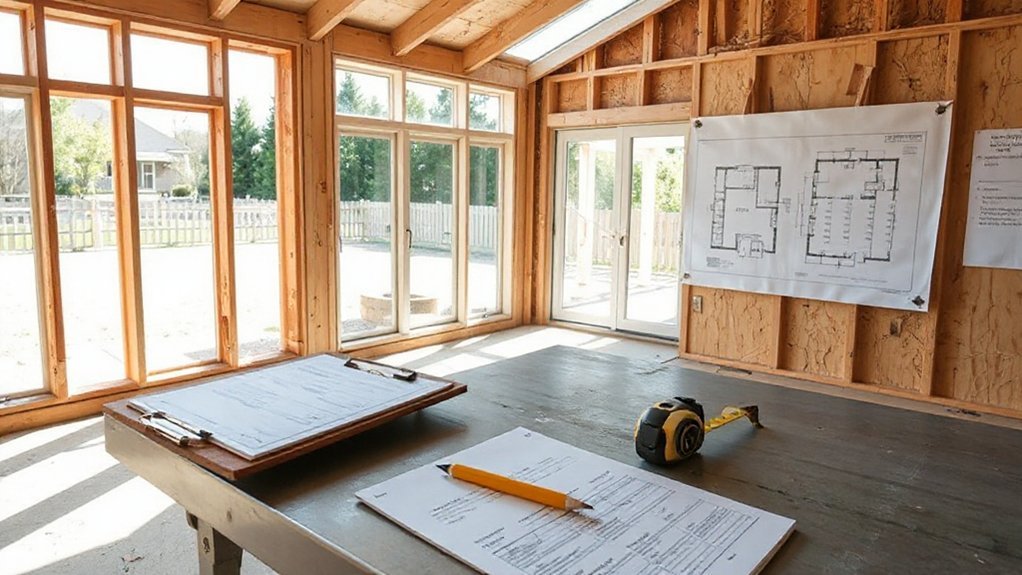
To rank and compare bids efficiently, start with a standardized scoring rubric that covers price, scope clarity, materials quality, warranties, and project timeline. You’ll apply this rubric to every bid to maintain objectivity and speed your decision without backtracking on vague promises.
Prioritize Sunroom design alignment and confirm contractor credentials before weighing totals.
1) Price versus value: verify what’s included and potential extras.
2) Scope clarity: ensure each bid lists exact materials, labor, and exclusions.
3) Materials quality and warranties: confirm brand names, insulation, glazing, and warranty terms.
4) Timeline and credentials: assess realistic schedules and verify licenses, insurance, and past project success.
Next Steps to Secure a Trusted Sunroom Contractor
Now that you’ve ranked bids effectively, it’s time to take concrete steps to secure a trusted sunroom contractor. Begin by evaluating Sunroom design proposals against your goals, guaranteeing layouts maximize light, function, and ventilation.
Verify contractor credentials: licensed, insured, and bonded, plus verifiable certifications relevant to structural work and energy efficiency.
Request a detailed project plan with milestones, materials lists, and contingency options, then cross-check compatibility with local building codes and permitting timelines.
Seek a written warranty covering workmanship and components, and confirm the contractor’s subcontractor oversight and safety record.
Check references and inspect recent sunroom projects to assess finish quality.
Finally, establish a clear payment schedule aligned with milestone completion to protect you from scope creep and to ensure accountability.
Frequently Asked Questions
How Many Bids Should I Seek Before Deciding?
You should seek at least three bids, comparing scope and costs. You’ll evaluate design aesthetics and permit requirements across proposals, ensuring each includes timeline, materials, warranties, and contingencies before selecting the best overall value for your sunroom addition.
What Indicates a Fair Price vs. Potential Overcharging?
Pricing transparency shows a fair bid; if a quote matches cost benchmarks and explains line items, you’re likely not being overcharged. It’s like a compass you can trust. Compare, question variances, and demand clear, detailed breakdowns.
Can I Negotiate Materials Without Delaying the Project?
Yes, you can negotiate materials without delaying the project. Ask for material discounts, present your target price, and request fixed delivery dates to protect the project timeline while you compare quotes and confirm availability.
Do Contractors Provide Virtual or On-Site Consultations?
Sure, most contractors offer a virtual consultation or an on-site assessment. You’ll typically choose based on your schedule; virtual saves time, on-site adds precision. Either way, you’ll get a documented scope and transparent cost estimates.
How Is Post-Completion Maintenance Handled and Charged?
Post-completion, you’re covered by warranty terms, and maintenance scheduling is set during the final walkthrough. If issues arise, contractors handle repairs under warranty; outside of coverage, you’ll agree on paid service windows and timelines.
Conclusion
To conclude, you’re aiming for clarity, not guesswork. Gather the same details you’d want if you were hiring a pro for your own home: scope, line items, permits, payment terms, and a solid warranty. Compare bids like you’d compare offers on a car—total cost, features, and long-term value matter most. Remember the anecdote: a 1% difference in price can become a 10% risk if it ships with hidden costs. Choose the bid that best blends transparency and trust.
About the Author