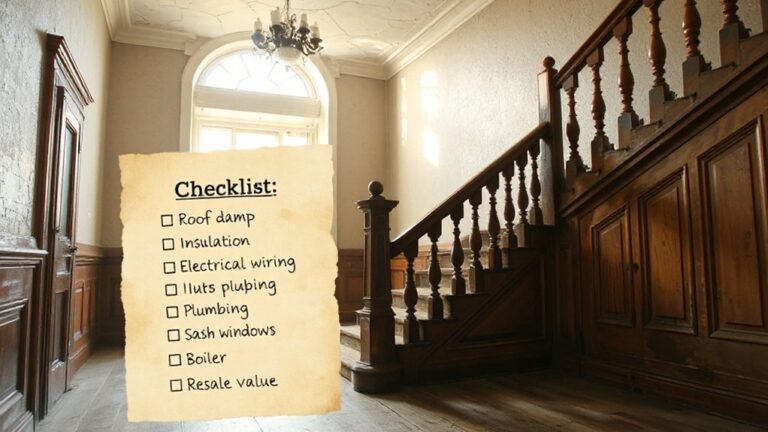
If you’re pondering about Ways to Make Your Home More Attractive to Buyers, read on. Think of curb appeal as the front porch of a story you’re about to tell. You’ll want clean landscaping, good lighting, and a tidy exterior that signals “move-in ready.” Inside, you’ll streamline flow, neutralize colors, and light each space thoughtfully. A few budget touches—hardware, fixtures, a strategic declutter—can transform kitchens and baths. Stay practical: align upgrades with the market, maintain details, and create flexible spaces that invite buyers to imagine themselves home. Shall we map out your plan?
Key Takeaways
- Boost curb appeal with refreshed exterior paint, clean landscaping, and updated lighting to create strong first impressions.
- Improve interior flow by removing clutter, using neutral tones, and arranging furniture for clear sightlines and easy navigation.
- Enhance kitchen and bathrooms with smart storage, updated fixtures, better lighting, and minimized countertop clutter.
- Use versatile, durable flooring and consistent color temperature to keep spaces cohesive and photograph-ready.
- Align upgrades with market data, avoid overinvesting, and document sources to justify value to buyers.
Boost Curb Appeal: Quick, High-Impact Exterior Fixes
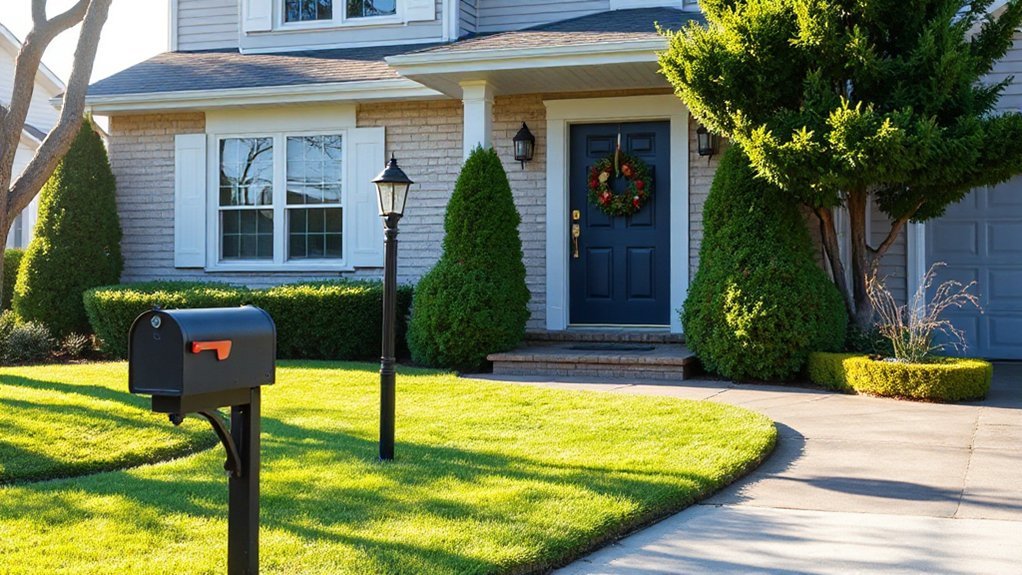
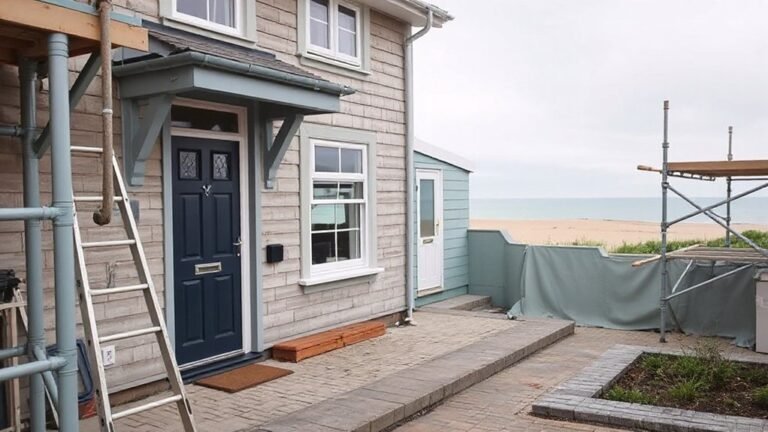
Spruce up your home’s curb appeal fast by tackling a few high-impact exterior fixes. Start with the path: clean, repair cracks, and replace worn edging; this instantly signals care.
Refresh the facade with a fresh coat of neutral exterior paint or trim, and swap a tired front door for a durable, welcoming color.
Tidy the landscape by trimming overgrowth, mulch beds, and adding seasonal seasonal color to anchor the entry.
Focus on garden landscaping basics: define a crisp border, install low-maintenance shrubs, and guarantee sightlines to any entry features.
Elevate safety and ambiance with outdoor lighting: flank the doorway, illuminate address numbers, and consider motion-activated floodlights for the driveway.
Keep tasks small, actionable, and coordinated with your season’s schedule.
Stage Interiors to Highlight Flow and Light
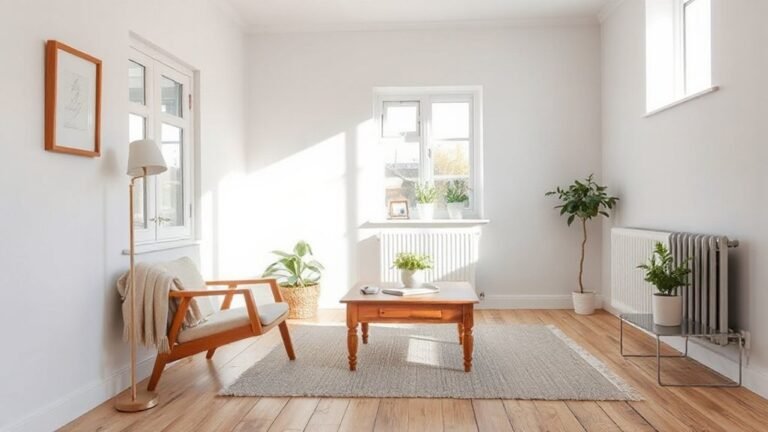
You’ll showcase natural light by removing heavy drapes and choosing sheer fabrics or minimal window treatments that let sunshine spill into every room.
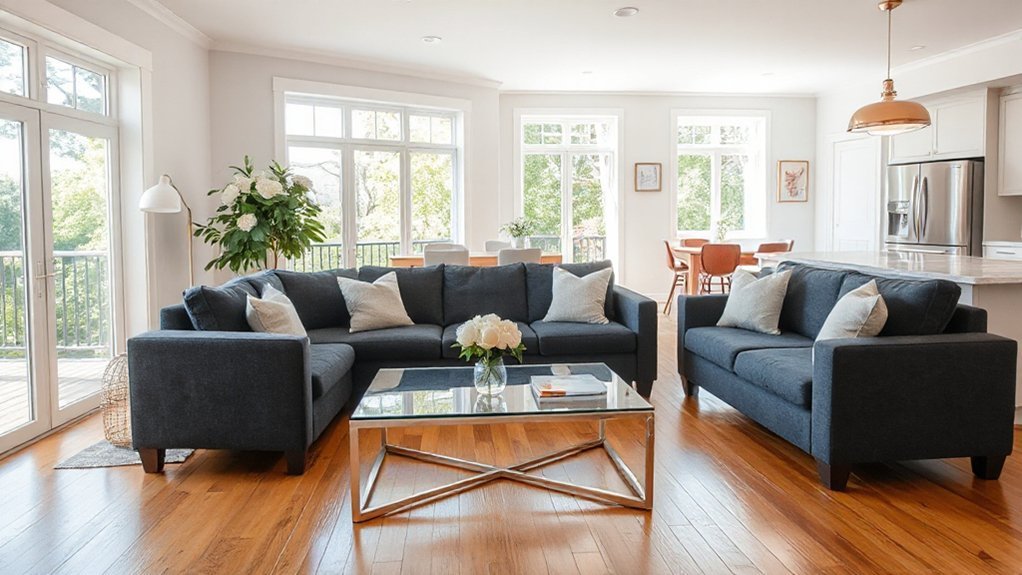
Arrange furniture to guide traffic from room to room, creating clear sightlines and a natural flow that makes spaces feel larger.
Stick to neutral palettes for walls and large furnishings to keep the focus on light and movement, while using subtle textures to add depth.
Highlight Natural Light
Is natural light a deal-maker for buyers? You’ll maximize it by decluttering sightlines and pruning overgrown landscaping that blocks windows. Open curtains fully during showings, and remove heavy drapes to reveal daylight enhancement.
Use lighter, neutral tones on walls and ceilings to reflect existing illumination, amplifying daytime brightness. Place mirrors opposite windows to bounce natural illumination into hallways and corners without costing much.
Clean windows inside and out; assure sills are clear of clutter and dirt. Consider minor fixes like addressing blown-out bulbs and replacing dim fixtures with brighter, energy-efficient options.
Prioritize rooms that buyers notice first—living areas, kitchens, and dining zones—so they feel spacious. Finally, arrange furniture to frame windows, guiding the eye toward natural light rather than away from it.
Optimize Room Flow
Optimizing room flow means guiding buyers through spaces in a natural, intuitive sequence that feels spacious and connected. You’ll refine sightlines and connections so each area leads smoothly to the next, avoiding abrupt stops or cramped corners.
Begin by evaluating the entry path: guarantee a clear view into living zones without furniture blocking sight. Prioritize open floor plans where possible, enabling light to travel and rooms to feel larger.
Align furniture arrangement to encourage conversation and movement, placing sofas and seating to face focal points while leaving walkways open. Minimize unnecessary doors or heavy clutter that interrupt sightlines.
Use rugs to define zones without closing them off, and keep essential pathways at least 36 inches wide. Consistency in scale and color reinforces a cohesive flow throughout the home.
Stage With Neutral Palettes
Start with a light, matte wall color—think warm greys or soft taupe—and keep ceilings bright to maximize height. Choose furniture in restrained tones; avoid heavy contrast that slices the space.
Prioritize a clean furniture arrangement that promotes flow from one area to another, with clear sightlines and ample circulation. Use color psychology to evoke calm and trust: cool neutrals with warm woods feel welcoming.
Minimize busy patterns; opt for textures instead. Add subtle accents through artwork and textiles to reinforce cohesion, not chaos.
Declutter and Depersonalize: Create Neutral, Move-In Ready Spaces
Decluttering and depersonalizing transforms a space from lived-in to livable: removing excess items and replacing personal touches with neutral finishes helps buyers envision their own lives here. You approach each room with a clear plan: remove duplicates, pack keepsakes, and store seasonal décor out of sight.
Focus on surfaces—clear counters, tidy coffee tables, and minimal mantels—to create breathing room. When it comes to garden landscaping, trim overgrown areas and highlight low-maintenance appeal so exterior first impressions match the clean interior.
For furniture arrangement, place pieces to define traffic flow, avoiding oversized sofas that block doorways. Use neutral fabrics and simple art to maintain cohesion.
Finally, reset lighting to even, warm tones, enhancing spaces without distracting features.
Refresh the Kitchen With Budget-Friendly Upgrades
Need a quick, budget-smart kitchen refresh that buyers notice? You can boost appeal with practical, high-impact fixes. Start with smart storage: install shelf risers, pull-out organizers, and a slim spice rack inside cabinet doors to maximize space without widening countertops. Swap bulky drawers for shallow, labeled bins to reveal order at a glance.
Refresh the look with affordable updates: replace dated hardware, add under-cabinet lighting, and polish stainless surfaces for a brighter feel. Choose eco-friendly materials where possible, like recycled glass backsplash tiles or low-VOC paints, to appeal to conscious buyers.
Reset the focal point by brightening the backsplash and decluttering the counter, keeping only essential appliances. Finish with a clean, even grout line to convey meticulous maintenance.
Refresh Bathrooms on a Budget That Shines
You can start by targeting a Budget-Friendly Glow Up with simple, low-cost changes that make a big impact.
Consider Sparkling Shower Upgrades like fresh caulk, a new shower head, and crisp grout to brighten the space without a full remodel.
Keep the focus on durable, easy-to-clean finishes and practical details that buyers notice.
Budget-Friendly Glow Up
Transforming a bathroom on a budget is entirely doable, and small changes can yield big impact. You’ll focus on durable basics that buyers trust: fresh caulk, clean grout, and a bright, even surface.
Swap dated hardware for brushed nickel or matte black accents, and install a simple new mirror with integrated lighting to amplify space. Repaint walls in a light, neutral tone to reflect light and feel larger.
Upgrade towels and accessories with cohesive color and texture for a polished look without overspending. Prioritize water efficiency details like low-flow faucets and a savvy showerhead.
While you refresh, consider landscaping enhancements around entry paths and outdoor living spaces; strong curb appeal boosts perceived value and invites buyers inside.
Sparkling Shower Upgrades
Even on a budget, you can make your shower shine with practical, high-impact upgrades. Begin with a quick declutter and a scrub to restore sparkle. Then swap dated hardware for sleek, water-saving fixtures.
Choose a single, modern showerhead that balances pressure with efficiency to boost appeal without inflating costs. Update the door or curtain rail with a frameless look for a cleaner finish.
Install a dual-function valve to control temperature precisely and reduce waste during showertime. Re-caulk seams to prevent leaks and present a pristine edge.
Replace foggy glass with a clear pane or a short-lived silicone sealant for instant clarity. Add a wall niche or shelf for spa-like organization, emphasizing luxury fixtures and practical storage—appealing to buyers.
Water saving features enhance value.
Improve Flooring Without a Full Remodel
If you want a noticeable upgrade without a full remodel, focus on affordable flooring tweaks that deliver big impact. Start by evaluating current flooring and choosing practical updates that create flow between rooms.
Consider durable, visually appealing options like luxury vinyl planks or engineered wood with a realistic grain; these can mimic higher-end materials without the price tag. Install consistent flooring direction to widen spaces and reduce visual clutter.
Address edges with clean, precise progressions between rooms and mats at entryways to minimize wear. For maintenance, choose flooring options that resist stains and moisture and plan a simple cleaning routine to keep surfaces looking fresh.
Prioritize neutral tones to appeal to most buyers and keep existing baseboards intact when possible to avoid extra remodeling. Maintain clarity and focus in every step.
Light It Right: Budget Lighting Tweaks That Sell
Lighting can change how buyers perceive a space just as much as the floors you updated. You’ll use practical tweaks that pay off without breaking the bank.
Start with bulbs: choose bright, neutral LEDs (around 2700–3000K) for most rooms to create a clean, welcoming glow. Swap out harsh overheads for softer task lighting in kitchens and bedrooms to reduce shadows and highlight finishes.
Aim for ambient ambiance by balancing light sources—switches, lamps, and under-cabinet lights should feel cohesive, not competing. Dimmers help stage moods and cut energy costs, boosting energy efficiency while letting buyers see potential.
Keep fixtures simple and clean, avoiding dated hardware. Finally, guarantee consistent color temperature across rooms to preserve flow and realism in photos.
Create Flexible Spaces That Sell Your Home
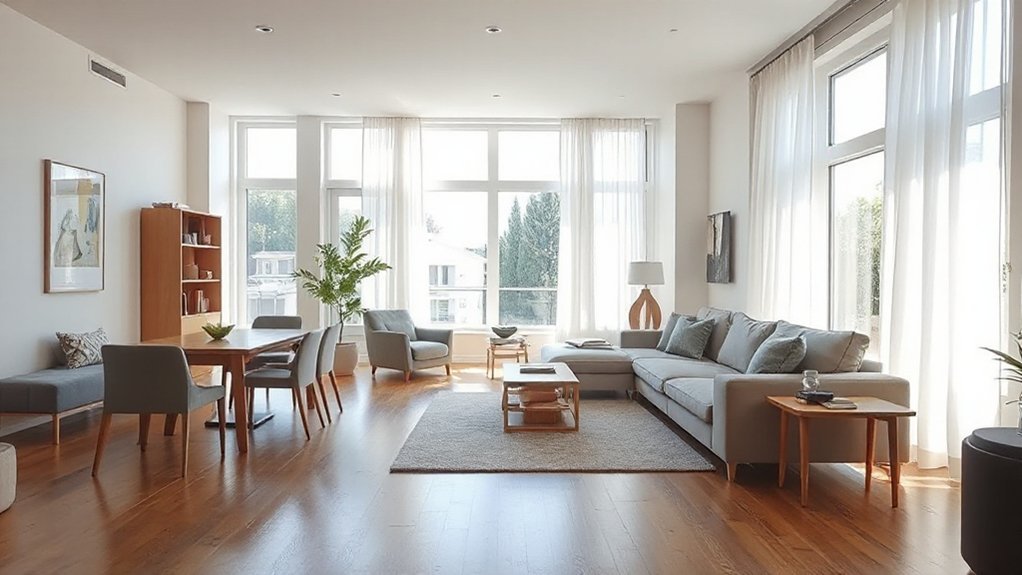
Flexible spaces help buyers envision their daily routines, so start by removing rigid, single-purpose layouts and instead design zones that serve multiple needs. You want adaptable rooms that feel spacious today and flexible tomorrow.
Begin with clear zones: a workstation that doubles as a dining nook, a guest area that folds into a home office, and a living space that flows into a reading corner. Use modular furniture and light screens to reconfigure as needed, keeping traffic clear and sightlines open.
Choose neutral palettes and durable finishes that won’t clash when layouts shift. Emphasize storage that supports multipurpose rooms, such as ottomans with hidden bins or wall-mounted shelves.
Highlight flexible layouts in listings to show buyers how the home accommodates changing routines.
Pristine Maintenance: Quick Details Buyers Notice First
Maintaining a home that shows well starts with clean, well-kept details that buyers notice within seconds. You can make a strong first impression by addressing small maintenance tasks that convey overall care.
Start outside: trim shrubs so walkways are visible, rake leaves, and power-wash surfaces to remove dirt and mildew.
Inside, replace burnt-out bulbs, fix squeaky doors, and touch up scuffs on walls with neutral tones. A tidy entryway sets expectations for the rest of the home.
Focus on quick, high-impact fixes like updating hardware, tightening loose fixtures, and ensuring doors latch cleanly.
Consider landscaping enhancements that frame the house without overpowering it.
If the exterior needs it, plan exterior paint updates to refresh curb appeal while remaining cohesive with the neighborhood.
Price With Confidence: Tie Upgrades to Local Market Realities
To price upgrades with confidence, ground your expectations in your local market realities. You’ll use market analysis to identify what buyers in your area prioritize and what price points actually move listings.
Begin with a clear pricing strategy: set a target range for each upgrade based on comparable properties, current demand, and days-on-market trends. Avoid overinvesting in luxuries that don’t boost resale value; instead, quantify expected returns for kitchen, bath, and curb-appeal improvements.
Document data sources, from recent sale comps to neighborhood sales velocity, so your plan stays objective.
Throughout negotiations, stay flexible but firm on value, adjusting upgrades or pricing as market signals change. This disciplined approach helps you attract serious offers without sacrificing profitability.
Frequently Asked Questions
How Soon Should I Start Curb Appeal Improvements Before Listing?
You should start curb appeal improvements about 6–8 weeks before listing. That timeline lets you address landscaping trends, prune trees, refresh mulch, and plant focal evergreens without rushing.
Install exterior lighting to extend evenings viewing and highlight key features.
Tackle small fixes first, then add fresh paint accents and a clean entry.
Keep updates practical and scalable: budget, schedule, and expected impact guide choices so you don’t overcommit before showings.
Which Upgrades Give the Best ROI in My Market?
Think of your home as a ship, sturdy but aging; upgrades are the sails catching market winds. In your market, the best ROI comes from practical additions: fresh curb appeal, updated kitchen, and efficient bathrooms, plus durable surfaces.
Luxury features and Smart technology catch buyers’ eyes, but only if they’re reliable and well integrated. You’ll maximize value by prioritizing energy efficiency, maintenance-free finishes, and a cohesive design that makes every room feel intentional.
Do Color Choices Affect Buyer Perception and Offers?
Yes. Color choices affect buyer perception and offers. Color psychology guides how rooms feel; neutrals and soft tones tend to broaden appeal, while bold accents can highlight features or evoke mood.
Choose an interior palette that stays cohesive across spaces, maximize light, and avoid jarring contrasts. Consistency helps buyers imagine living there.
Use warm neutrals for walls, cooler tones for baths, and soft whites for ceilings to keep the space bright and inviting.
How Can I Boost Perceived Space Without Remodeling?
To boost perceived space without remodeling, optimize furniture arrangement and lighting enhancements.
Start by elevating sightlines: push larger pieces away from walls, create open corridors, and use floating shelves to avoid bulk. Choose slim-profile sofas, place mirrors opposite windows, and align seating to natural flows.
Improve lighting with layered sources, dimmers, and cool-white task lights. Declutter surfaces, use multi-functional furniture, and keep color palettes cohesive to boost brightness and perceived room size.
What Small Fixes Make the Strongest First Impression?
Curb appeal hits fast: small fixes that make the strongest first impression are tidy entryways, fresh paint on trim, and a clear path. You’ll win with staged interiors and lighting enhancements that spotlight flow and key features.
Remove clutter, add a mirror to bounce light, and use warm bulbs. You’ll feel more spacious with proper task lighting and ambient layers.
Focus on scent, crisp textures, and a welcoming, airy mood to guide buyers.
Conclusion
You’ve got practical strategies to boost curb appeal, stage for flow, and refresh on a budget—all aimed at a faster, cleaner sale. One telling stat: homes that show well and are staged can sell up to 73% faster than those that aren’t. So invest in quick exterior tweaks, decluttered interiors, and budget upgrades that highlight space and light. Prioritize consistency, timing with market trends, and clear maintenance notes to close confidently. Your move-in-ready home awaits.
About the Author