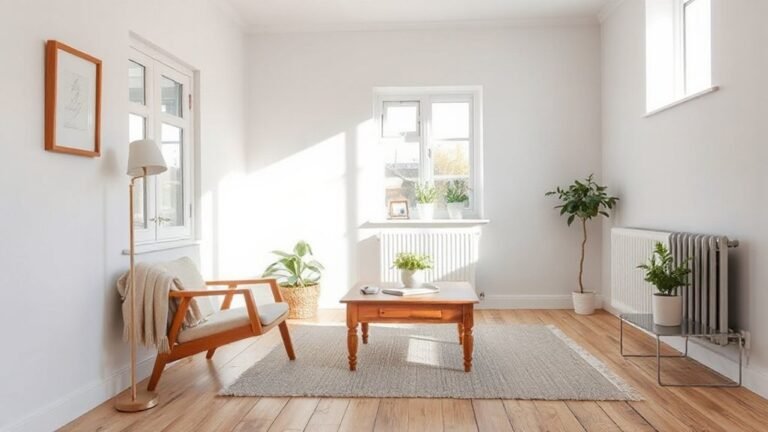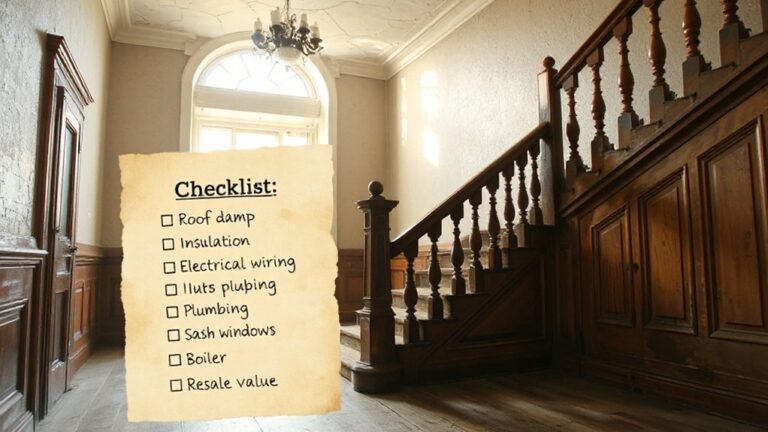
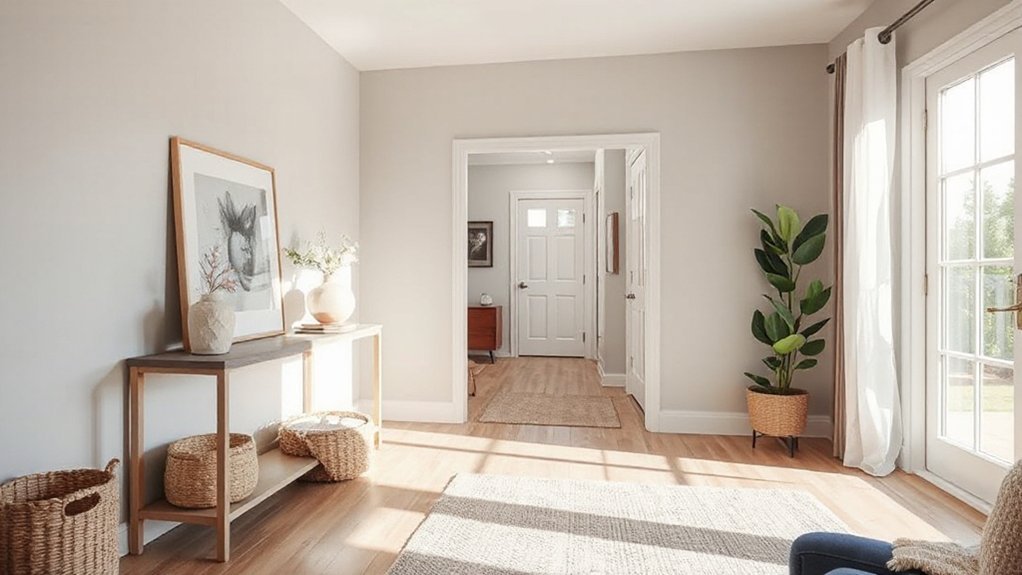
You can boost your home’s flow without a big remodel by tackling bottlenecks, decluttering for clear pathways, and aligning furniture for smooth sightlines. Use cohesive finishes and strategically placed lighting to guide movement, and add small tech upgrades to streamline daily routines. The gains aren’t just visual—they’ll reshape how you live in every room, inch by inch, if you’re willing to start with simple, practical changes that keep you moving toward a calmer, more connected space.
Key Takeaways
- Map and fix flow bottlenecks by checking fixtures, gauges, pipe conditions, and pressure to restore smooth movement at low cost.
- Declutter and create open sightlines with consistent color, textures, and furniture placement to improve navigation and airflow.
- Optimize room layouts by sizing and positioning furniture for 36-inch walk paths and clear sightlines between spaces.
- Use budget-friendly tech: automate routines, smart speakers, and reminders to streamline daily flow without clutter.
- Maintain flow with regular decluttering, repeating design cues, and periodic tech updates to sustain organization.
Diagnose Flow Bottlenecks in Your Home
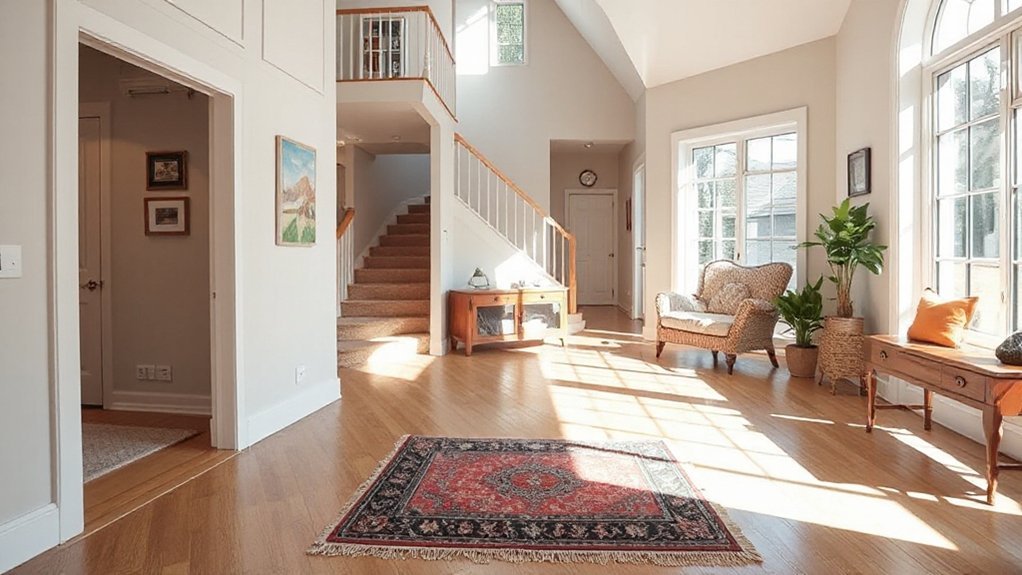
Start by mapping how water flows through your home: where pressure drops, where pipes feel warm, and where bursts of noise or vibration occur. You’ll identify bottlenecks by comparing flow at fixtures, gauges, and water heaters.
Check for abnormal pressure—too high strains joints; too low slows multiples. Listen for hammering when valves close; that indicates trapped air or oversized piping.
Inspect supply lines under sinks and behind appliances for corrosion or scale, which throttles flow. Correlate findings with your energy use: inconsistent pressure often forces pumps to work harder, wasting energy.
Leverage home automation to monitor flow-rate sensors and alert you to anomalies, guiding targeted fixes. Prioritize fixes that boost energy efficiency, like aerated fixtures and properly sized lines, then reassess performance.
Spot and Define Circulation Pain Points
You can spot circulation gaps by tracing how you move through your space and noting where traffic slows or feels awkward.
Define flow barriers by asking where doors, corridors, or furniture create chokepoints or detours that waste steps.
Once you’ve named these pain points, you’re ready to target budget-friendly tweaks that restore smooth, predictable movement.
Spot Circulation Gaps
Common culprits include scope creep, delayed approvals, and inconsistent cost estimates. To tighten flow, categorize expenses by priority and timeline, then test small, iterative upgrades rather than large, one‑off buys.
Consider how home automation features could streamline routines without inflating upfront costs, and where energy efficiency measures offer quick payback. Document, review, and adjust weekly so you see real‑time movement, not delayed signals.
Clear visibility helps you reallocate funds before gaps widen and drain momentum.
Define Flow Barriers
Look for bottlenecks in decision chains, approval steps, and vendor handoffs that waste time or money. Assess how materials and finishes influence flow by creating or eroding momentum.
Consider Material durability as a signal: frequent repairs suggest friction, while robust options keep projects moving. Evaluate Acoustic insulation needs not just for comfort but to prevent backlogs from sound-related complaints that stall consensus.
Prioritize low-cost, high-impact tweaks that remove unnecessary steps, consolidate approvals, and simplify ordering. Clear the path with quick wins, then address the more persistent barriers to sustain steady, budget-friendly progress.
Declutter to Open Clearer Pathways
Decluttering creates immediate, tangible benefits: when you remove unnecessary items, you open pathways that make daily routines smoother and decisions quicker. You’ll notice fewer visibly cluttered surfaces, which reduces mental load and speeds your actions from morning routines to bedtime wind-down.
Start with high-traffic zones: entryways, kitchens, and hallways. Implement simple organizational systems—labels, bins, and a consistent drop zone—to keep every category in its place. This discipline prevents new clutter from creeping in and reinforces purposeful use of space.
Color psychology can guide placement; calming hues in traffic zones promote focus, while brighter accents cue where items belong. Regular, brief decluttering sessions sustain momentum, protecting flow without expensive upgrades.
Plan for Open Sightlines With Smart Layouts
You’ll start with an Open Sightlines Blueprint to map every key sightline and avoid obstructions.
Apply Smart Layout Principles to position furniture and zones for natural flow, clear vistas, and safer navigation.
This framing sets up practical, budget-friendly tweaks that maximize visibility without bulky changes.
Open Sightlines Blueprint
Open sightlines aren’t an afterthought; they’re the framework for effortless navigation and safer, more efficient spaces. Your plan centers on sightline continuity from room to room, prioritizing low visual clutter and predictable paths.
Use clear sightlines at key junctions to reduce missteps and speed daily tasks. Align openings, furniture, and half-height partitions to guide flow without blocking function.
Incorporate natural ventilation by positioning vents and openings to support cross breeze without sacrificing privacy or acoustics. Favor materials and colors that reflect light and minimize glare, so spaces feel open even in compact setups.
Consider acoustic privacy where conversations travel; screen or buffer away high-traffic zones. In this blueprint, deliberate scale, alignment, and placement improve flow with minimal cost.
Smart Layout Principles
- Align sightlines with daily routines to reduce interruptions
- Use soft, absorptive materials to balance openness and noise
- Position openings and seating to optimize cross-ventilation and privacy
Place Furniture for Smooth Traffic
To keep traffic flowing smoothly, start by mapping out the room and placing the larger pieces first. Begin with the sofa and main seating so aisles stay clear, then position the coffee table within reachable reach from all seats.
Avoid blocking doorways or fireplace access; leave at least 36 inches for main walk paths. Orient chairs and sofas to encourage conversation while preserving sightlines to focal points.
Use furniture sizing that fits the scale of the room—too-big items shrink circulation; too-small pieces feel inefficient. Employ clear sightlines, keep traffic paths uninterrupted by rugs or ottomans, and test flow by walking the space after every placement.
Furnishing techniques matter, and decorative accents should be placed to enhance, not obstruct, movement.
Budget Storage Solutions That Really Free Up Space
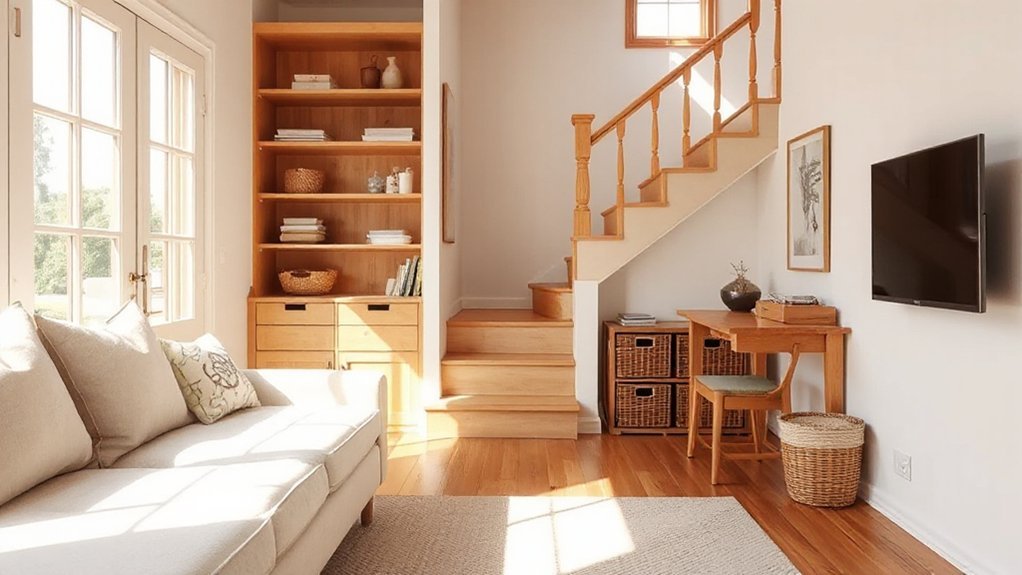
Budget storage doesn’t have to break the bank; with a few clever, affordable moves, you can reclaim floor space without sacrificing function. You’ll gain efficiency by prioritizing compact storage that fits your layout and daily routines.
Start with affordable shelving mounted high to keep floors clear, using vertical space for books, boxes, and bins. Choose modular components that can reconfigure as needs shift.
Opt for underutilized zones—door backs, corners,, and closet doors—to install slim organizers. Use clear bins and label them for quick access, reducing rummaging time.
- Affordable shelving that fits tight corners and high walls
- Modular systems that adapt as your storage needs evolve
- Clear, labeled bins to streamline visibility and access
Lighting Tactics to Guide Movement and Focus
You can shape the flow of rooms with lighting that follows natural paths and highlights key areas. Use focused lighting to guide movement.
And softer, ambient tones to keep focus where you need it most. By pairing guiding light paths with targeted focal lighting, you create practical, precise cues without clutter.
Guiding Light Paths
- Align color schemes with room function to cue intent
- Use decorative accents to anchor key nodes
- Dim incremental lighting to guide shifts without distraction
Focused Lighting Tocales
When you design with focused lighting, you direct attention and control flow by placing bright, targeted fixtures along pathways, workstations, and entry points. Focused lighting guides movement and highlights key tasks, reducing hazards and missteps.
Use layered accents to sharpen sightlines without creating glare; a dimmer lets you adapt as needs shift. Prioritize task illumination at desks, counters, and kitchen islands, ensuring even coverage and minimal shadows.
Choose color temperature that feels natural to the space—cooler for work zones, warmer for lounges—so ambiance remains inviting.
Keep channels clear of obstruction, tucking cables neatly and mounting fixtures at ideal heights. Test angles before final installation, then document positions for future tweaks.
With disciplined placement, focused lighting becomes a reliable, cost‑effective navigator of daily routines.
Finishes and Colors That Calm and Unify Spaces
- Choose a restrained color set and echo it across walls, textiles, and cabinetry.
- Balance warm and cool tones with consistent finish levels.
- Introduce texture through textiles and materials, not loud patterns.
Create Cohesive Room Transitions
Creating cohesive room progressions starts with a simple, consistent through-line—whether you carry a color, texture, or finish from one space to the next. You establish cohesion by repeating a few unifying cues as you move through your floor plan.
Choose a dominant color palette, then echo it in trim, textiles, and hardware so shift feels intentional, not accidental. Use cohesive design to balance contrast; pair lighter walls with darker accents or vice versa, maintaining color harmony across rooms.
Pay attention to furniture scale and sightlines, ensuring lines flow smoothly from room to room. Subtle shared materials—wood, metal, or woven fibers—anchor areas without shouting.
Small, recurring details create flow, clarity, and comfort throughout your home.
Add Budget-Friendly Tech for Daily Rhythm
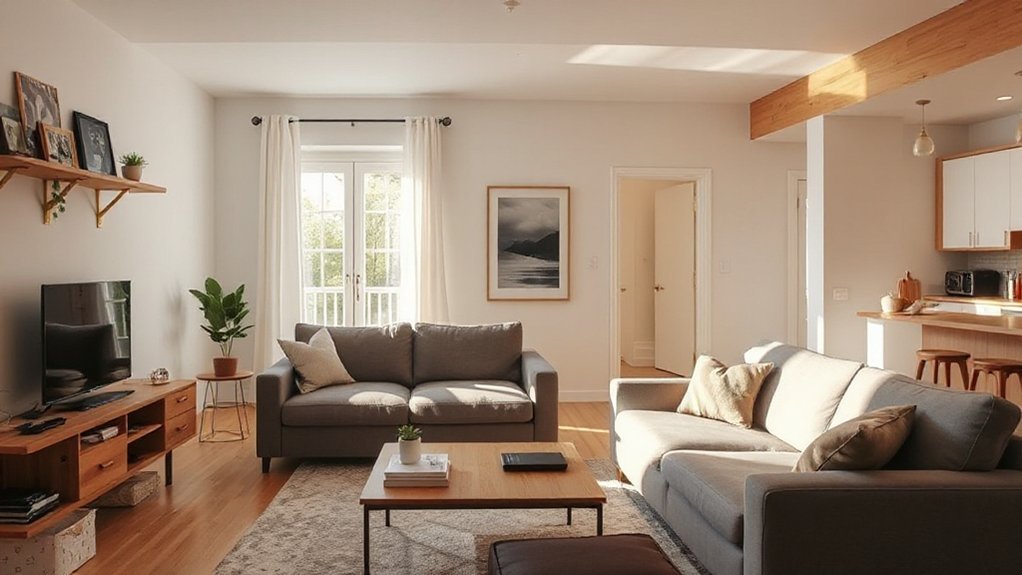
Tech gear can subtly support daily rhythm without clutter. You can simplify routines with affordable, smart setups that feel seamless. Prioritize reliability over flashy features, and pick devices that connect smoothly to a single hub. A smart home ecosystem reduces decision fatigue by automating common tasks, while voice assistants keep hands free during busy moments.
Choose minimal, purposeful tech that supports flow without shouting for attention.
- Automate morning routines with a single routine: lights, thermostat, and coffee when you wake
- Use a budget-friendly smart speaker as a central hub to control devices by voice
- Schedule gentle, unobtrusive reminders for key daily progressions to reduce interruptions
Frequently Asked Questions
How Can Small Changes Affect Overall Home Flow Quickly?
Small changes can shift your home’s flow fast. You can use room zoning to create distinct zones, guiding movement and reducing clutter.
Maximize natural lighting: open sightlines, trim obstructions, and add mirrors or lighter window treatments to brighten spaces.
Rearrange furniture for clearer pathways, and keep traffic routes unobstructed.
Add multi-purpose storage to reduce clutter near entrances.
These tweaks improve coherence, feel more spacious, and let you move through rooms with ease.
What Budget-Friendly Tools Reveal Hidden Traffic Patterns?
Light reveals truth: budget tools uncover traffic patterns you’d miss otherwise. You’ll use simple sensors, smart plugs, and room counters to map footfall and peak times.
You’ll analyze routes by watching flows, then adjust Lighting strategies and Color schemes to guide movement.
With clear data, you’ll tweak layouts, doorways, and focal points—without breaking the bank.
You’ll gain actionable insights, stay practical, and improve efficiency by prioritizing changes that actually shift how people move through space.
Can Furniture Reconfiguration Impact Energy Use or Comfort?
Yes, furniture reconfiguration can boost comfort and energy efficiency. Start with intentional furniture placement to open circulation paths, reduce heat buildup, and improve airflow.
Align seating to natural light for comfort, and position larger pieces away from vents to avoid blocking heat or AC.
Use area rugs to define zones without adding clutter.
Which Low-Cost Accents Improve Perceived Spaciousness?
Bright, airy rooms feel bigger; dark corners feel crowded. You can boost perceived spaciousness with bold color contrast and strategic lighting enhancements.
Use light walls with darker accents to create depth, and add table lamps or wall washes to carve zones without clutter.
Keep lines clean, avoid heavy curtains, and let mirrors reflect light.
Choose compact, low-cost accents like slim frames, glass vases, or matte finishes to maintain flow while adding perceived space.
Are There Quick DIY Checks for Door Clearance and Clearance Zones?
Yes—start with a quick DIY check: measure door swing paths and mark clearance space at every hinge and handle side.
Stand back and swing doors slowly, noting any snag points.
Look for obstructions, trim gaps, or furniture faces that intrude.
Use a plumb line or string to verify that the swing doesn’t cross into alcoves or closet doors.
Move items, adjust hinges, or swap door stops to maintain smooth door swing.
Conclusion
You’ve seen how small tweaks can smooth your home’s flow without breaking the bank. Declutter, rearrange, and light the path forward, then layer in cohesive finishes and gentle tech to guide daily routines. Move with intention, not effort, and let planful shifts carry you from room to room. Think of your space as a quiet river—clear, continuous, and calm—where every turn feels natural, every step purposeful, and every moment more comfortable.
About the Author