To stage a UK home for faster offers, start with curb appeal: tidy paths, a fresh front door, neat lighting, and affordable planting to create instant charm. Declutter and depersonalise to widen appeal, then showcase bright living spaces by lifting heavy drapes and adding mirrors. Highlight a clean, functional kitchen and calm bedrooms with neutral tones. Maximise light, keep finishes durable, and use smart storage to convey move-in readiness. A pragmatic two-week plan will boost buyer confidence—and you’ll uncover more tips next.
Understand UK Buyer Priorities and Set Staging Goals
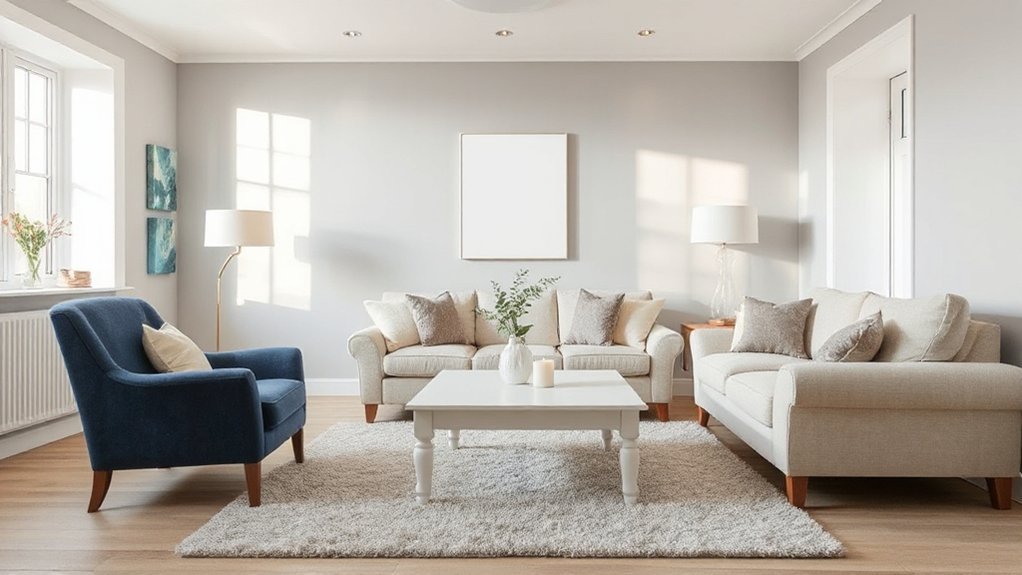
Understanding UK buyer priorities helps you set realistic staging goals. You’ll base decisions on how buyers value space, light, storage, and finish quality, aligning these with your property’s valuation.
Start by evaluating how the home reads in market trends: what features fetch premium, what buyers expect in each price band, and where improvements yield the best return.
Prioritize rooms that influence valuation most: living areas, kitchen, and bathrooms, then address curb appeal for first impressions.
Set clear, measurable goals: reduce perceived risk, maximize flow, and minimize dated aesthetics.
Keep a practical budget linked to anticipated sale price, not emotions.
Track progress against targets, adjust as data shifts with market trends, and maintain consistency in presentation to attract serious buyers.
Quick Curb Appeal Wins for British Buyers on a Budget
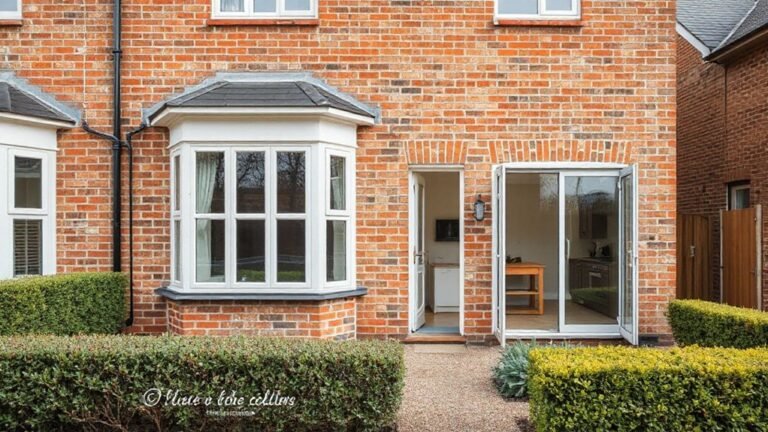
First impressions matter, especially for British buyers watching budget carefully, so quick curb appeal wins are about simple, impactful upgrades. You’ll enhance appeal without breaking the bank by focusing on the entryway and front facade: tidy paths, fresh paint on the door, and a clean, welcoming porch.
Add garden landscaping touches that are low-cost yet high-return, like container plants, seasonal color, and mulch to sharpen contrast with the home’s exterior. Keep exterior lighting practical and inviting—solar or low-voltage fixtures along steps and walls extend evenings viewing.
Repaint trims, touch up any cracks, and guarantee house numbers are bold and visible. Maintain symmetry, create a neat silhouette, and remove clutter from the doorway. These elements combine to signal value and care instantly.
Declutter and Depersonalise to Widen Appeal
Start by decluttering before photos so your space reads larger and more inviting.
Neutralize personal items and décor, then depersonalise spaces now to help buyers imagine themselves there.
Keep surfaces clear and create a calm, cohesive look that appeals to a broad UK audience.
Declutter Before Photos
Decluttering before photos is essential to widen appeal and keep buyers focused on the space, not your personal belongings. You’ll present rooms as they are, not as a gallery of your life. Start with a fast pass: remove stray items, excess furniture, and all surfaces clutter.
Aim for a clean baseline that highlights layout, lighting, and scale. Tidy storage areas so they look organized rather than overflowing. For rooms with vintage decor or sentimentally styled pieces, pare down to a single focal item per space to avoid distractions.
Confirm floors are visible, corners feel open, and key features—fireplaces, windows, built‑ins—stand out. Outdoor shots should show minimal clutter, with garden landscaping neatly maintained to avoid framing distractions.
This approach keeps photos sharp, confident, and universally appealing.
Neutralize Personal Items
Start with surfaces: clear clutter, store extraneous décor, and choose a cohesive, muted palette. Pack away keepsakes that shout “this is ours,” replacing them with simple, stylish accents that suggest warmth without over-personalization.
Make sure personal items aren’t the first thing a viewer notices; instead, aim for a clean, cohesive feel that elevates space and light. This enhances home sentiment while preventing distractions.
Focus on universal appeal, not taste. A thoughtful reduction in personal items helps buyers see themselves living there.
Depersonalise Spaces Now
Wondering how to widen your home’s appeal quickly? Depersonalise spaces now by decluttering surfaces and shelving. You want buyers to imagine themselves living there, not you. Remove or minimize personalized items, including bold memorabilia, and switch to neutral, cohesive finishes.
Store family photos and personal m ezas away, and replace quirky decor with simple, timeless pieces. Keep countertops clear, remove excess furniture, and create open sightlines.
Introduce light, neutral tones to rooms, and guarantee each space communicates purpose—bedroom calm, kitchen efficiency, living areas for gathering. Add a touch of neutral art or a single piece of personalized art that’s non-specific, if at all, to avoid crowding.
Spotlight fresh towels, clean lines, and functioning lighting. Finally, maintain a sense of consistency across rooms to widen appeal.
Create a Bright, Spacious Living Room Layout
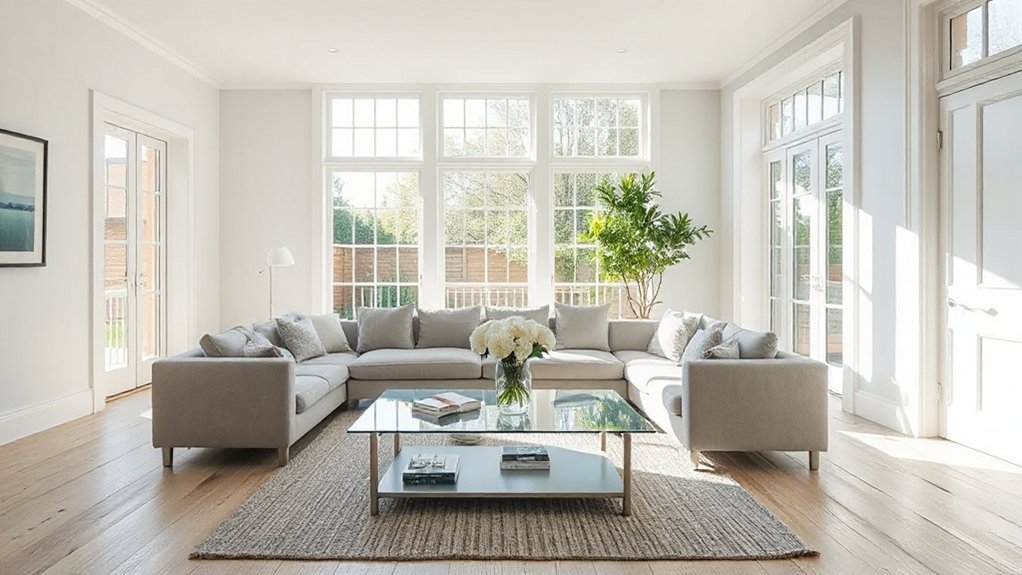
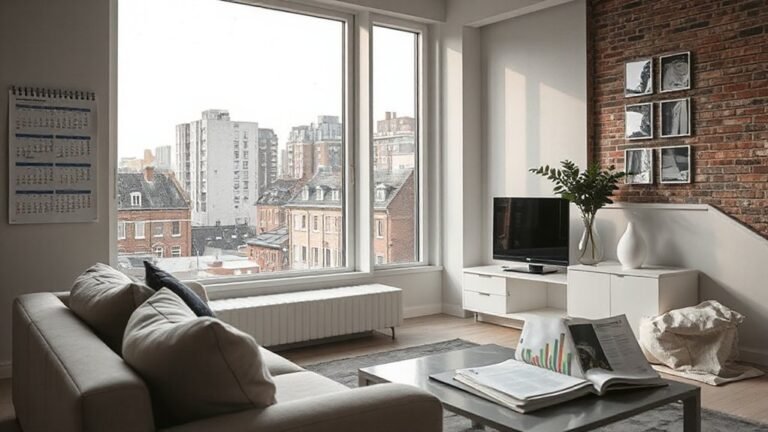
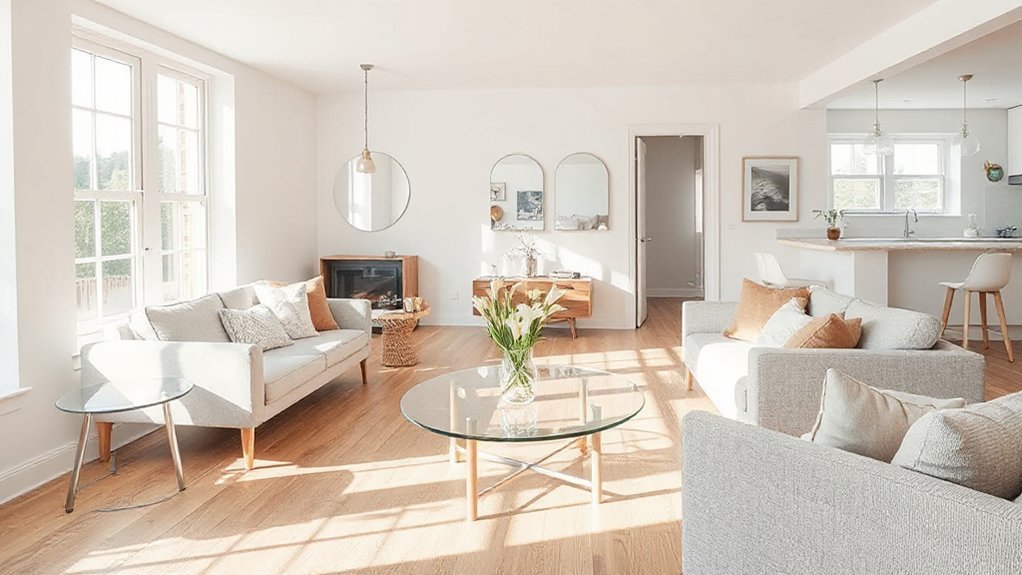
To make a bright, spacious living room, start by maximizing natural light and choosing a simple color palette.
You’ll create an open feel by removing heavy drapes, using sheer window coverings, and placing mirrors to bounce light.
Pick a neutral base and add a single, bold accent to avoid clutter.
Arrange furniture to promote flow: keep walkways clear, place the sofa against a wall, and use compact coffee tables to reduce visual mass.
Use vertical storage to free floor space and maintain a tidy look.
Introduce greenery for freshness without crowding the room.
Outdoor furniture can be staged nearby, with garden landscaping framing the view to extend the sense of space beyond the walls.
This approach balances practicality with buyer appeal.
Stage Bedrooms for Comfort and Practicality
Design bedrooms around comfort and practicality. Prioritize a calm layout that supports easy movement and restful sleep. Use smart storage and uncluttered surfaces to keep essentials accessible without visual noise.
Choose quiet, relaxing colors and textures to foster serenity. Keep a simple, inviting focal point—like a neatly made bed with functional bedside storage—to anchor the space and reduce decision fatigue for buyers.
Comfort-Driven Layouts
When staging bedrooms for comfort and practicality, start with a calm, uncluttered layout that makes the room feel larger and more inviting. Arrange a low-profile bed centered on the main wall, with balanced bedside tables and soft lighting. Keep walkways clear and place a single seating option near a window to encourage relaxation without crowding space.
Use neutral tones, tactile textiles, and eco-friendly materials to create warmth without clutter. Prioritize function: essential storage should be accessible from the bed, not hidden behind doors. Apply feng shui principles by aligning surfaces and avoiding sharp angles in the main traffic path.
Minimize electronics and cords; hide cables behind furniture. Finish with fresh air and subtle aromatics to reinforce a calm, restorative atmosphere.
Practical Storage Solutions
Smart storage is the backbone of a comfortable bedroom, so prioritize accessible, clutter-free options that don’t encroach on space. You’ll stage with purpose: reserve daily-use items in reachable drawers, baskets, and slim wardrobes. Choose modular systems that adapt to changing needs, keeping surfaces clear to emphasize roominess.
Garage organization is a hidden win when you can tuck seasonal gear and bulky items out of sight but still organized, freeing your bedroom to feel calm. Under stair storage offers clever, out-of-the-way solutions for shoes, luggage, and rarely used items without stealing floor area.
Use labels and color-coding to reduce search time, and practice a quick weekly tidy. Streamlined storage supports comfort, helping buyers see a practical, well-arranged retreat.
Quiet, Relaxing Ambience
A quiet, relaxing ambience starts with calm tones and clutter-free surfaces you can see at a glance. You stage bedrooms for comfort and practicality by guiding buyers to feel at ease the moment they walk in. Keep beds neatly made, avoid heavy bedding, and set a simple color palette that yields a serene backdrop.
Use ambient lighting to create warmth without glare, and place lamps where paths meet the bed and doorway. Introduce calming scents lightly—think soap, linen, or vanilla—so the space feels fresh, not overpowering.
- Declutter surfaces and keep furniture proportional
- Use soft, neutral colors throughout
- Position lighting for gentle, layered warmth
- Add subtle, non-intrusive scents
- Guarantee good airflow and quiet surroundings
Highlight a Clean, Functional Kitchen in Under-30-Min Fixes
Clean, functional kitchens sell faster, so quick tweaks can matter more than you think. In under 30 minutes, you can create a streamlined workspace that appeals to buyers. Focus on visible cleanliness and efficient layout, not major renovations.
First, simplify your surfaces: clear clutter, wipe countertops, and arrange essentials into a tidy tray.
Then, highlight practical features. Confirm kitchen appliances are spotless, briefly polished, and aligned. Run a quick test of doors and drawers—soft-close where possible, no sticking.
Next, optimize countertop organization by storing rarely used items out of sight and leaving only a few high-use essentials visible.
Add a small, friendly touch, like a bowl of fresh fruit or a stylish utensil jar.
Finish with a neutral scent and bright lighting to complete the impression.
Maximise Lighting, Colour, and Finishes for UK Homes
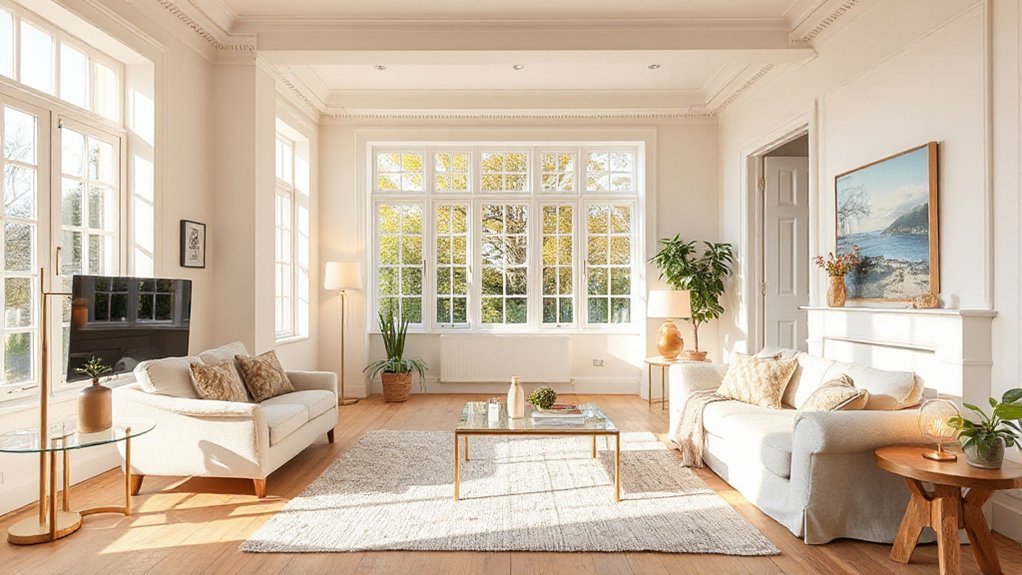
To boost appeal, optimize lighting, colour schemes, and finishes with purpose: pick warm, neutral tones that read larger on UK ceilings, walls, and floors. Then layer light sources to avoid harsh shadows. You’ll create a brighter, more inviting feel by combining ceiling, wall, and task lights, and by using reflective finishes sparingly to prevent glare.
Focus on cohesive Colour schemes that flow between rooms, with easy progressions and balanced contrast. Prioritize practical finishes that endure traffic and fingerprints, and choose bulbs with a natural white colour for true tones.
- Lighting enhancements that brighten spaces without glare
- Layered lighting plans for depth and usability
- Neutral Colour schemes that feel expansive
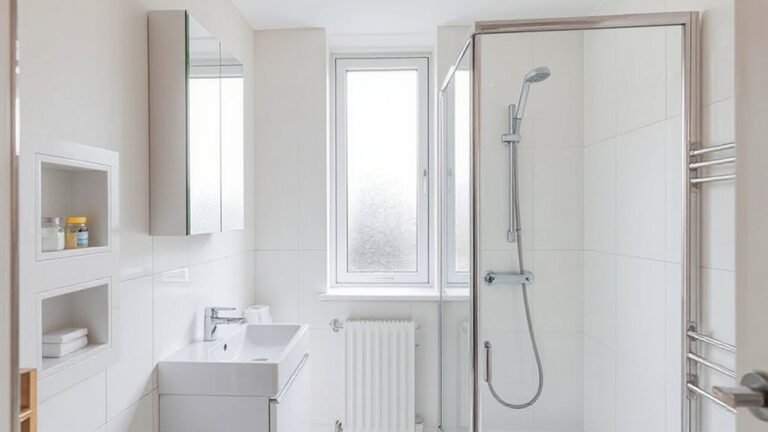
- Durable, easy-clean finishes for kitchens and baths
- Subtle contrasts to define zones without clutter
Smart Storage and Flow to Feel Move-In Ready
Smart storage and smooth flow are nonnegotiables for a move-in ready UK home. You’ll maximise space by implementing smart storage solutions that hide clutter without sacrificing accessibility. Choose built-in wardrobes, under-stair drawers, and wall-mounted organizers to free surface area in living rooms and kitchens.
Keep pathways clear and rooms cohesive by zoning with furniture that doesn’t block doors or light. For flow optimization, align traffic patterns with natural entry points, placing daily-use items within arm’s reach and out of sight behind closed storage.
Use multi-functional pieces—ottomans with hidden storage, dining benches, and bed frames with drawers—to minimize clutter. Guarantee doors swing without obstruction and keep a clean, neutral backdrop to enhance perceived space and move-in readiness.
Build a Practical Staging Plan and 2-Week Quick-Win Checklist
A practical staging plan and a two-week quick-win checklist give you a concrete, time-bound path to peak appeal. You’ll map tasks, set milestones, and track progress so nothing slips.
Focus on high-impact, fast-win actions that buyers notice first, without derailing your schedule.
- Prioritise entryway and living areas to create instant first impressions
- Declutter, depersonalise, and re-stage with cohesive color schemes
- Highlight Home technology features quietly and practically
- Improve energy efficiency with simple upgrades and lighting optimization
- Schedule quick fixes and high-visibility repairs for the two-week window
This plan keeps you proactive, organized, and results-driven, ensuring your home feels modern, efficient, and ready for showings.
Frequently Asked Questions
Will Staging Reduce Time on the Market in the UK?
Yes, staging can reduce time on the market in the UK. You should consider Virtual staging to visualize spaces and optimize appeal, while ensuring Budget allocation covers essential touches that boost perceived value and attract serious buyers quickly.
How Important Is Garden and Driveway Curb Appeal for UK Buyers?
First impressions matter, so yes: garden and driveway curb appeal markedly influence UK buyers. Prioritize garden maintenance and driveway enhancement to boost desirability, trust, and perceived value. You’ll stand out and speed up interest, not just inquiries.
Should I Stage Unfurnished Properties or Only Furnished Ones?
Yes, stage empty homes with careful staging furniture whenever possible; you’ll highlight flow, space, and light. If unfurnished, use minimal staging furniture to create appeal, showing potential while avoiding underwhelming emptiness.
How Long Does a Typical UK Home Staging Project Take?
Astonishingly fast—most UK staging projects take about 1–2 weeks from kickoff to reveal. You’ll coordinate interior decoration and furniture arrangement, then install tweaks, staging props, and final edits to hit market-ready perfection efficiently.
What Costs Are Involved in UK Home Staging vs. Returns?
You’ll want a clear cost comparison: upfront staging fees vs. potential sale uplift. Consider the investment benefits, including quicker offers and higher final price, balanced against ongoing maintenance. You’ll assess whether the ROI justifies the staging expense.
Conclusion
You’ll win faster offers by following this practical blueprint: know what UK buyers want, and stage with purpose. Declutter, depersonalise, and brighten every room; create a welcoming living space, comfy bedrooms, and a functional kitchen. Use smart storage and smooth flow to feel move-in ready. Finish with a tight two-week plan and quick-win checklist. Think of your home as a well-oiled machine—every detail humming in harmony to attract the right buyer, fast.
About the Author