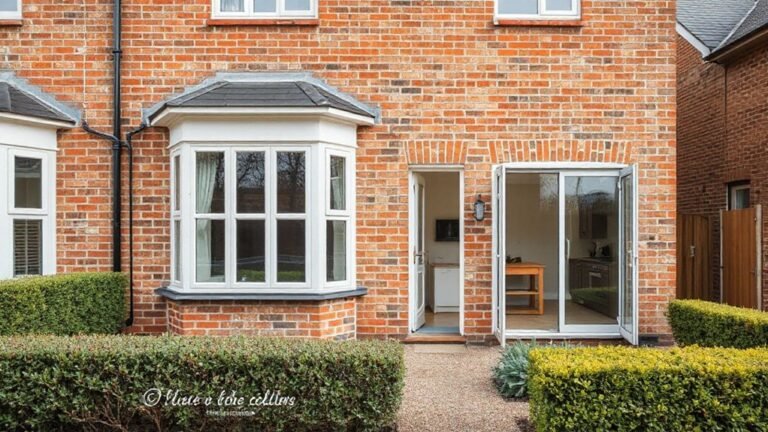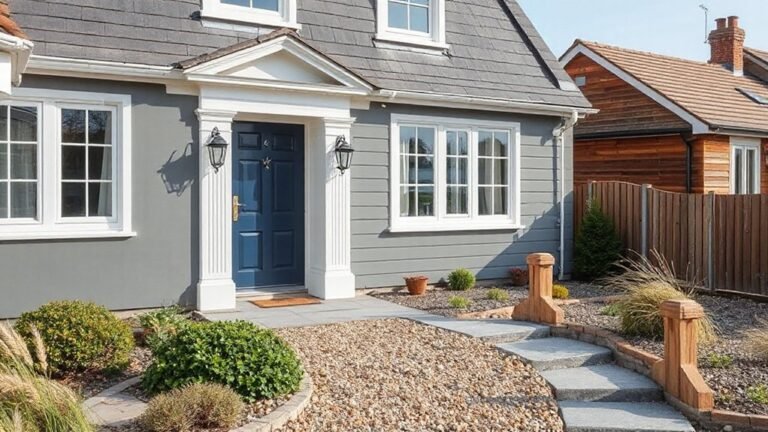
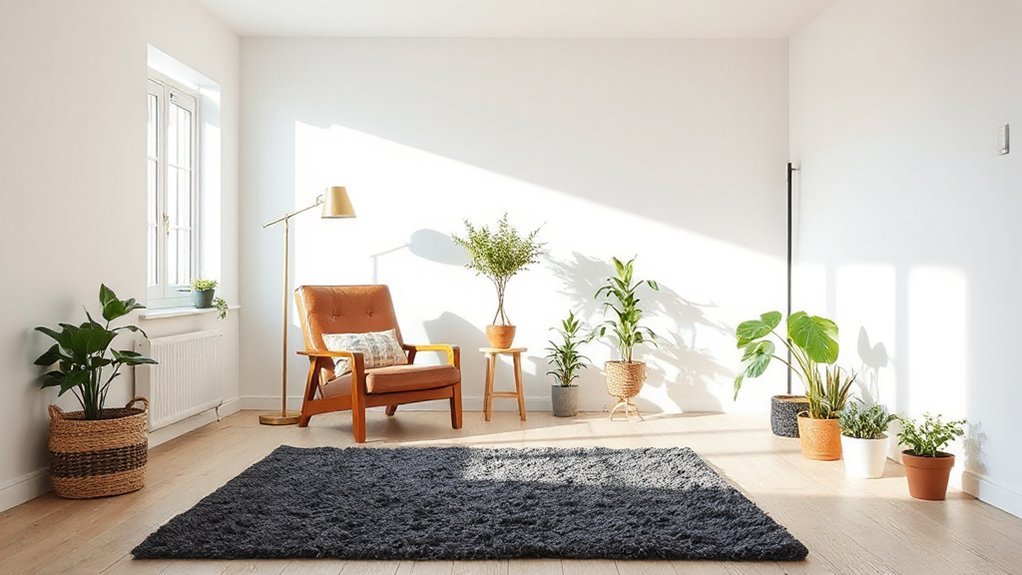
Start by diagnosing gaps in your new-build: note where spaces feel too pristine and identify anchoring details like mouldings or door profiles. Define a cohesive style—modern rustic or streamlined traditional—and map it across entry, living, and utility zones. Pick a warm, unified paint palette with durable bases and subtle undertones. Layer lighting with dimmers, add textures and textiles in cohesive colors, then upgrade key areas like the kitchen and bath. If you keep going, you’ll discover deeper, practical steps.
Diagnose Character Gaps in Your New-Build
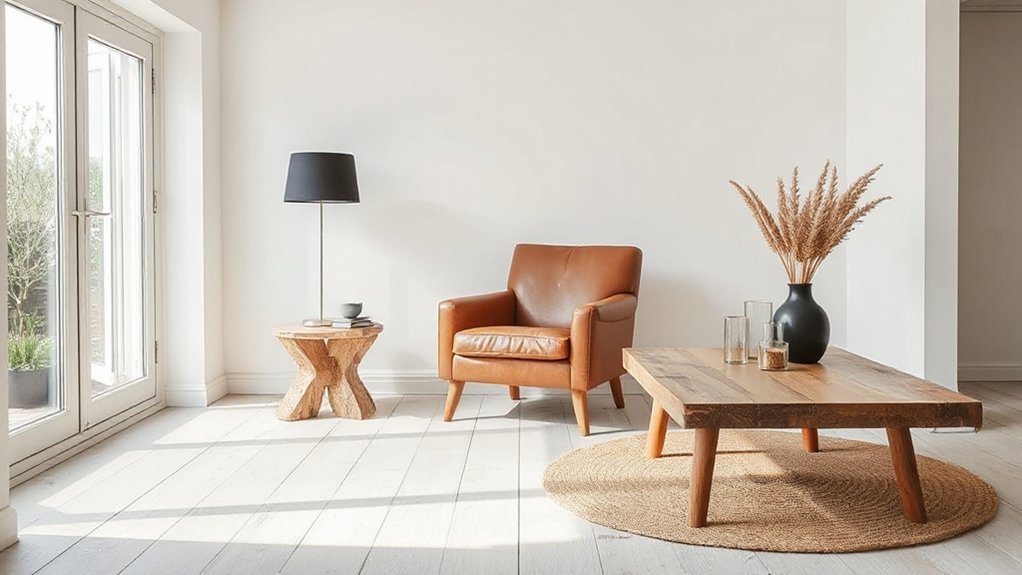
Noticing the gaps between your new-build’s clean lines and your personal style is the first step to character. You’ll start by mapping where surroundings feel too pristine or bland, then assess how those moments clash with your everyday living.
Identify architectural detailing that could anchor spaces—mouldings, brackets, or door profiles—and note where scale or proportion feels off. Consider historical influences you admire and where they might realistically fit without feeling forced.
Create a simple audit: rooms, corridors, and entryways, marking three practical gaps per area. Prioritize corrections that improve function first, then ambiance, like hardware upgrades or enhanced lighting.
This audit guides targeted tweaks, ensuring changes read intentional rather than decorative. You’ll gain clarity, focus, and a route to built-in character.
Define a Cohesive Style Foundation You Can Build On
To craft a cohesive style foundation you can build on, start by defining a unifying feel—think modern rustic, streamlined traditional, or minimalist with warmth—and then map it across key spaces: entry, living zones, and utility areas.
You’ll translate that feel into practical cues: furniture placement that promotes flow, consistent silhouettes, and a restrained color pulse. Choose window treatments that reinforce the mood while remaining functional—light-filtering fabrics for softness, or clean-lined panels for a streamlined look.
Document a simple rule set: repeat materials, finishes, and hardware across zones; align trims and edges for visual continuity; keep scale balanced with room size. Return to this foundation when refining accents, avoiding tonal clashes and overelaboration.
This keeps character cohesive, even in a new-build.
Pick Paint That Warms and Unifies Rooms
When you pick paint, aim for warmth that unifies spaces rather than zones that feel separate. Choose a cohesive palette with subtle shifts across rooms, so your home reads as one connected story.
Start with a neutral backbone in durable, washable finishes, then layer warmer accents to pull areas together. Consider Color harmony: pick undertones that align across ceilings, walls, and trims, avoiding clashes.
Opt for paint finishes that suit each area—matte or eggshell for walls, satin for kitchens, and durable washables in high-traffic spots.
Test large swatches in natural light to confirm consistency from room to room. Keep progressions smooth with shared hues on doors, frames, and cabinetry.
A unified approach reduces visual noise and enhances perceived warmth throughout the scheme.
Layer Lighting to Create Mood and Warmth
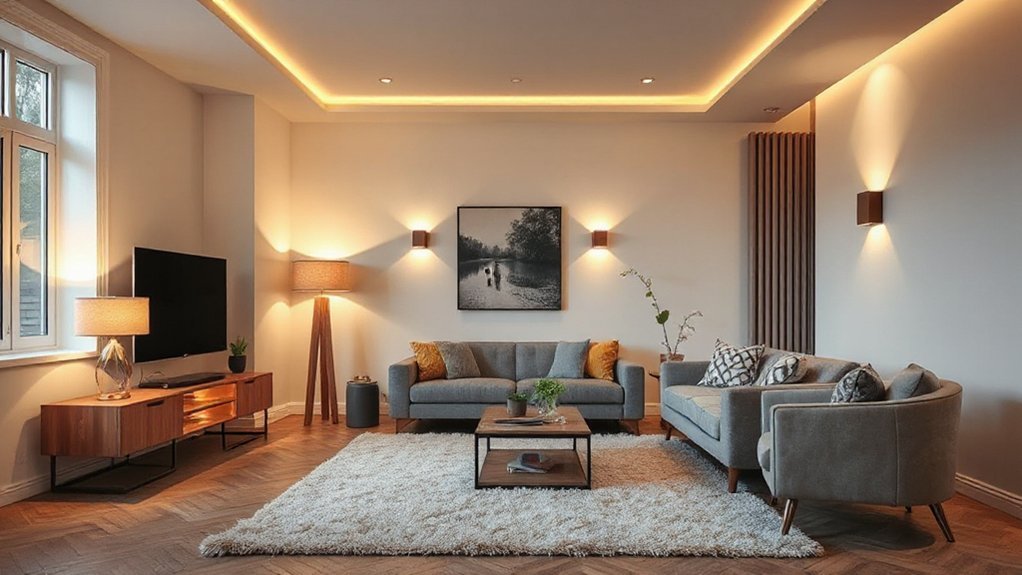
Layering lighting is the quickest way to add mood and warmth without adding bulk. You’ll use ambient layering to define spaces, then cue specific zones with task and accent lights.
Start with a dimmable ceiling layer to set the base, and add wall sconces or floor lamps to soften corners. Choose warm bulbs (around 2700K) to cultivate coziness and unify rooms visually.
Create zones for mood lighting in the living area: a central glow plus focused highlights on art or architectural features. Consider scale and proportion—skeletal fixtures feel lighter, while chunky pieces anchor a room.
Use dimmers, not switches, so you can adjust brightness to suit occasions and daylight. This precise approach delivers warmth without clutter.
Add Texture and Textiles Without Blowing the Budget
Start by layering affordable textures with strategic textiles—think throws, cushions, and a statement rug that ties rooms together.
Choose quality textiles in a cohesive palette and mix natural fabrics with a pop of pattern to add depth without clutter.
Use accessories to introduce texture at eye level, keeping the look practical, stylish, and budget-friendly.
Textiles on a Budget
Could you add texture to a plain UK new-build without breaking the bank? You can, with smart textiles choices that echo character without overspending. Focus on texture, color, and proportion over size of the spend. Here’s how:
1) Choose textile patterns that repeat a motif across cushions, curtains, and throws to create cohesion.
2) Mix budget friendly fabrics like cottons and linens for a tactile, layered look.
3) Opt for solid curtains with a bold trim to add depth without breaking the budget.
4) Use throws and upholstery coverings to refresh sofas and chairs without full reupholstery costs.
This approach delivers textile patterns and budget friendly fabrics that feel curated, not cheap, keeping spaces feeling stylish and purposeful.
Add Texture With Accessories
You can add texture quickly and affordably with well-chosen accessories. Start with textiles that invite touch, like a chunky knit throw or a bouclé cushion, then layer in subtle contrasts via materials you already own.
Think tactile finishes rather than heavy investment: a textured wallpaper accent on one wall creates depth without overwhelming the room, while simple decorative trims on curtains or a lampshade add polish.
Balance patterns with solid neutrals to keep the space cohesive. Swap out plain lampshades for lightly ribbed or fringed options to introduce depth at ceiling height.
Choose Textured wallpapers sparingly to avoid overwhelm, and pair them with solid furniture to maintain flow. Decorative trims on a decked-up mirror or cushions finish the look with precision.
Pair Colors for a Premium Feel, Not Gimmicks
Pair colors with intention, not trend, to craft a premium feel that lasts. Start with a quiet base and layer in tonal contrast to highlight architectural features without shouting.
Use controlled swatches and consistent lighting to keep the palette refined and cohesive.
Pairing Tones for Luxury
- Start with a dominant neutral base to ground spaces.
- Introduce one accent color for focal moments.
- Use varied finishes—matte, satin, and gloss—for subtle contrast.
- Tie rooms together with consistent undertones across textiles and fixtures.
Vintage accents and an Eclectic mix add personality without shouting.
Keep trims, cabinetry, and hardware cohesive to preserve calm.
Resist loud patterns; let architectural lines and premium materials carry the luxury narrative.
Focus on refinement over novelty, and you’ll achieve a timeless, premium feel.
Subtle Contrast Techniques
Subtle contrast is where premium feel lives, and it starts with pairing colors that complement rather than clash. You’ll create depth by looping warm neutrals with cooler accents, avoiding stark opposites that shout. Use faux finishes sparingly to add texture without overpowering the room, keeping surfaces elegant and cohesive.
Consider a matte wall in a soft greige paired with a satin charcoal trim to carve definition rather than drama. Introduce wallpaper patterns as subtle anchors: choose restrained motifs in muted tones, so texture reads without shouting.
Balance is key: repeat a color from your pattern in accessories, cushions, and art to unify the scheme. Test lighting at dusk; true contrast reveals itself when shadows fall, and you’ll see how refined details transform a plain build into a crafted space.
Choose Statement Furnishings With Declutter in Mind
Choosing statement furnishings with declutter in mind keeps a plain UK new-build feeling curated rather than cluttered. You’ll balance personality with simplicity, selecting pieces that punch above their size without crowding rooms.
Focus on form, function, and flow to maintain a calm, design-forward atmosphere. Use these declutter strategies to guide your choices:
- Prioritize multifunctional furnishings that save space.
- Pick 2–3 statement pieces per room, keeping rest pared back.
- Choose solid colors or restrained textures to avoid visual noise.
- Measure and plan layout to ensure clear sightlines and easy movement.
Subtle Architectural Tweaks That Keep Warranties Intact
You can subtly elevate your home’s exterior texture without triggering warranty concerns, by choosing finishes and detailing that add depth while staying within approved products.
Keep humidity and ventilation standards in mind to prevent issues that could void warranties, and verify that any added wiring or fixtures remain compatible with the builders’ specifications.
We’ll explore practical tweaks that respect guidelines while giving your new build personality.
Subtle Exterior Textures
Exterior textures can add depth and character without compromising your warranty, by choosing approved finishes and keeping installing details simple and reversible.
Subtle exterior textures let you introduce interest without risk. You’ll want finishes that align with warranty guidelines and resist weathering. Consider these practical options:
1) Timber-effect cladding with pre-finished panels for minimal maintenance
2) Stonish render textures used sparingly to enhance facade textures
3) Brick slips applied to accent walls for depth without bulk
4) Ceramic or fiber-cement tile accents near entrances for durable contrast
Choose colors that harmonize with your roof and window frames to boost exterior charm. Keep detailing clean and reversible, so future updates remain simple.
Humidity and Ventilation Standards
A well-ventilated home not only feels more comfortable but also protects your finishes and systems, so you should plan for airflow that meets builder guidelines while staying unobtrusive.
In this section, you’ll prioritize humidity control to prevent condensation on timber, plaster, and paintwork, while maintaining indoor air quality. Look for balanced ventilation systems that couple passive soffits or trickle vents with controlled extraction in moisture-prone rooms.
Verify that bathrooms, kitchens, and utility spaces have dedicated extraction rated for typical UK occupancy, and that bathrooms use humidity-sensing fans where possible.
Pair this with moisture-aware insulation and vapor barriers to reduce cold-spot damp.
Document the system specs in your notes, ensuring maintenance access is straightforward and warranties remain intact without compromising design cohesion.
Wiring and Fixture Compatibility
What subtle wiring tweaks keep warranties intact while you modernize the home? You’ll balance aesthetics with safety by planning wiring upgrades and verifying fixture compatibility up front. Keep controls straightforward, and avoid altering load-bearing circuits without professional input. Clear, compliant choices preserve warranties while you add character.
- Assess existing circuits for planned lighting and outlets, ensuring load limits are respected.
- Use low-profile dimmers and smart switches compatible with your fuse rating and the warranty terms.
- Choose fixtures with matching voltages, ingress protection, and manufacturer-recommended fittings.
- Document all changes, retain receipts, and consult your builder for confirmation of fixture compatibility before installation.
Soft Upgrades for Practical UK Living
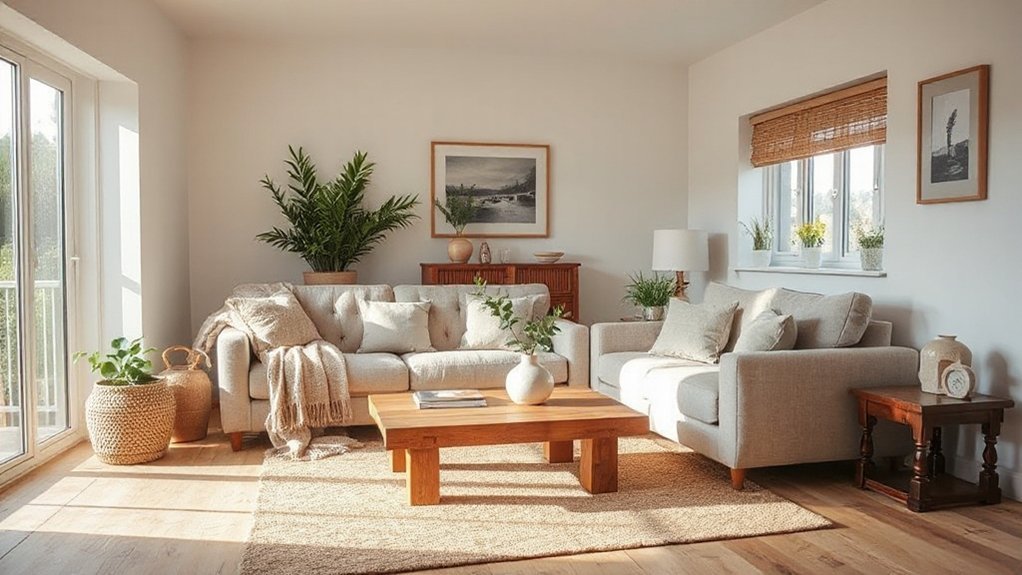
Soft upgrades make daily living easier and more enjoyable in a practical UK home. You’ll prioritise reliability, comfort, and subtle style that ages well with a modern build.
Start with smart storage that fits your floor plan: shallow wardrobes, modular cases, and hidden organizers keep surfaces clean and functional.
In living areas, select durable textiles and easy-care finishes to cut upkeep without sacrificing warmth.
Garden landscaping should be low-maintenance yet inviting, using native perennials and tiered planting to soften lines from indoors.
For convenience, implement home automation where it matters most—lighting presets, sensible climate control, and secure entry—without overcomplicating wiring.
Finally, choose finishes that echo the exterior palette, ensuring a cohesive, timeless feel throughout your practical UK home.
Weave in Personal Heritage and Local Flair
Your home should feel rooted in place, so blend personal keepsakes and local cues into practical, accessible design. You can weave heritage storytelling and local craftsmanship into everyday living without clutter, giving spaces personality and sense.
Let materials and motifs speak for your roots, while staying cohesive with the new-build shell. Use these ideas to deepen character:
- Display heirloom textures alongside modern surfaces to create a dialogue between eras.
- Source small-batch, regional goods for trims, textiles, and hardware that highlight place.
- Highlight makers’ marks and provenance in a quiet, curated way.
- Layer stories through photo tiles, signage, and subtle motif repeats that nod to your locale.
The result: a home that feels deeply yours yet beautifully composed.
Transform Floors and Walls With Affordable Finishes
Walls and floors set the tone, so start with affordable, high-impact finishes that feel premium without the price tag. You can transform spaces with durable, stylish options that look luxe without the surcharge.
Choose broad, light-reflective paint in modern neutrals to enlarge tight areas, then add architectural interest with trims or bold accent walls.
Layer texture through affordable wall panels or wallpaper in botanical or geometric patterns, keeping scale in mind for smaller rooms.
For floors, select vinyl plank or sealed laminate that imitates timber, then introduce contrast via a statement rug.
Create a garden retreat vibe with outdoor-inspired tones, and carve a focused home office corner using a warm wood desk and coordinated storage.
Subtle connectors—cushions, throws, and plants—tie the look together.
Build Character Foundations in Kitchen and Bath
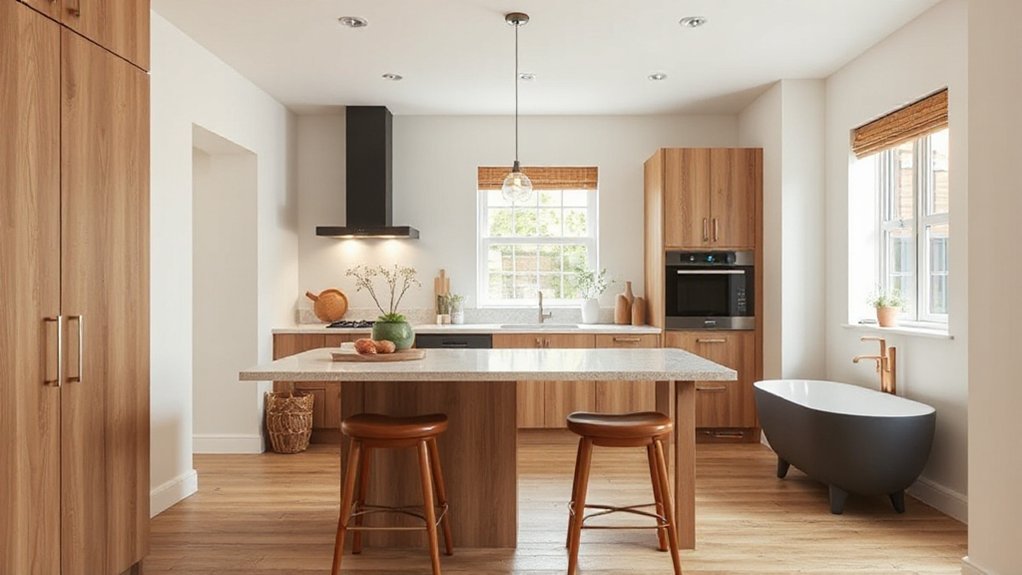
A strong foundation for character happens in the kitchen and bath, where durable, stylish choices set the tone for everyday life. You’ll blend Vintage charm with Modern minimalism, prioritizing function without sacrificing style.
- Choose materials that endure, then pair ornate details with clean lines for balance.
- Install hardware in a cohesive finish that ties cabinets, drawers, and fixtures together.
- Opt for timeless mosaics or simple textures to add depth without clutter.
- Select efficient, sleek appliances and lighting that read as intentional design.
Focus on proportion: slim profiles, thoughtful storage, and negative space. By aligning surfaces, sinks, and counters, you establish a calm, character-rich core. This foundation supports future accents and keeps the home feeling curated, not busy.
Bring in Greenery and Natural Elements for the UK Climate
If you want the UK climate to reinforce your home’s character, bring in greenery and natural elements that thrive indoors and out. You’ll create texture and warmth without overburdening a new build.
Choose an Indoor jungle with varying foliage to soften sharp lines and add life to rooms facing north or less light. Pair leafy plants with natural materials like timber, stone, cork, and linen to ground design and improve acoustics.
Use planters and trellises that suit compact spaces, so growth feels intentional rather than cluttered. Let greenery bridge indoor and outdoor areas—slim vertical gardens on walls or balcony planters extend character outside.
Maintain plants with proper lighting, drainage, and seasonal care for lasting impact and refinement.
Smart Shopping: Budget-Conscious Upgrades That Pay Back
Smart shopping starts with smart material choices, so you pick durable finishes that look premium without the price tag.
Next, focus on budget-friendly upgrades that deliver real value, from efficient lighting to smart thermostats, without overhauling every room.
Finally, pace your investments for steady payback, prioritizing changes that boost daily comfort and long-term resale appeal.
Smart Material Choices
Consider value-driven material choices that balance cost, performance, and longevity; smart picks upfront prevent bigger headaches later. You’ll leverage materials that age well and retain character, while supporting Historic preservation and nodding to Cultural symbolism.
- Choose durable, low-maintenance finishes that mimic traditional textures without ongoing upkeep.
- Prioritize energy-efficient glazing and solid-core doors to enhance comfort and acoustic privacy.
- Select natural, responsibly sourced timber or timber-look surfaces for warmth and authenticity.
- Opt for modular, repairable components that ease future refreshes and preserve long-term value.
Budget-Friendly Upgrades
Start with cosmetic tweaks you can enjoy daily: replace generic fixtures with brushed metal or matte black accents, swap mismatched doors, and add under-cabinet lighting to transform mood and usability. Look for timeless finishes that won’t date fast, so you get long-term payoff.
Practicality matters as you plan: maximize storage with modular solutions, frame a cohesive color story, and choose durable materials that resist wear.
For personal flair, use hairstyle inspiration as a quick reference—simple, structured lines read modern and intentional.
Kitchen gadgets—compact, efficient, and multipurpose—boost convenience and pride of ownership without clutter.
Payback-Paced Upgrades
- Garden landscaping: invest in drought-tolerant natives and smart irrigation to reduce maintenance while boosting curb presence.
- Home automation: prioritize reliable lighting scenes, smart plugs, and a simple hub to improve energy efficiency and convenience.
- Insulation tweaks: add door seals or draft excluders to cut running costs with noticeable comfort gains.
- Multifunctional furniture: choose modular pieces that maximize space and adapt to changing needs without clutter.
These upgrades align style with savings, so you enjoy modern convenience while protecting resale value.
A Practical 4-Week Makeover Plan to Get Started
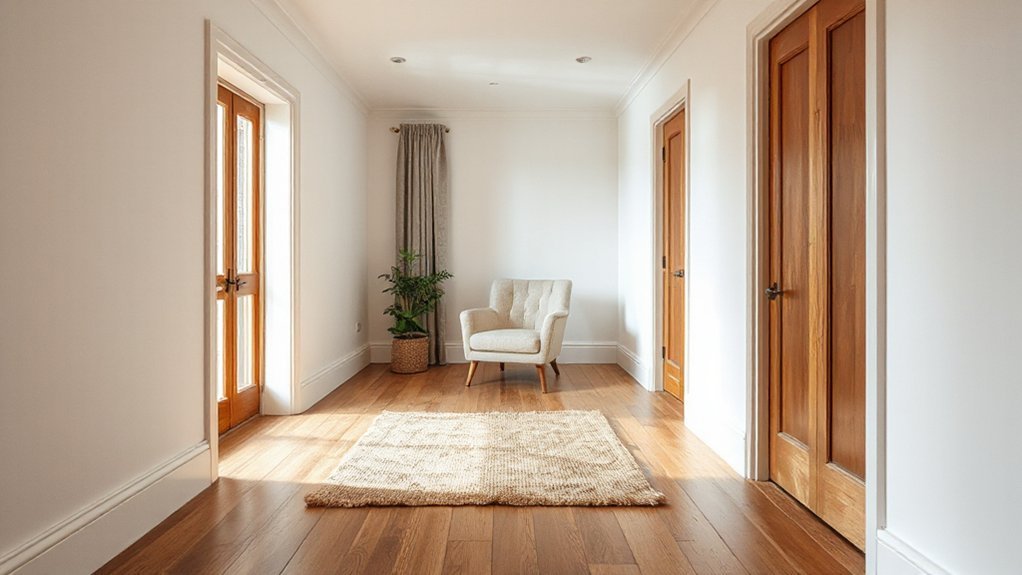
Kicking off a practical four-week makeover helps you add character without overwhelming your new-build budget. Week 1 focuses on foundations: plan layouts, swap generic fixtures, and pick a unifying color story. Keep colors light for space, then introduce contrast with accessories.
Week 2 targets walls and texture: test Wall textures across a single wall to avoid overload, and install removable panels or breathable wallpaper for depth.
Week 3 prioritizes Interior lighting, layering ambient, task, and accent beams to sculpt corners and mood without a full rewiring. Use dimmers and warm LEDs to finish rooms evenly.
Week 4 refines details: add textiles, art, and small statement pieces that echo your palette. Track costs, photos, and measurements, then adjust before finalizing.
Frequently Asked Questions
How Can I Add Character Without Compromising Resale Value?
Start by upgrading with vintage fixtures and architectural moldings, you’ll preserve resale value. You add character without overhauling structure, selecting period-inspired pieces, neutral palettes, and quality finishes that age gracefully while maintaining modern efficiency and appeal.
What Small Changes Create a Timeless UK Home Look?
You’ll achieve a timeless look by adding period features and statement lighting, plus crisp whites and natural textures. Emphasize panelled surfaces, sash drapes, and muted tones, because subtle, well-placed details elevate style without shouting.
Which Materials Age Well in Damp UK Climates?
Weatherproof timber, brick, and stone age well in damp UK climates. Material durability and climate resilience matter, you’ll pick treated timber, brick with lime mortar, and natural stone. They remain stylish, practical, and long-lasting through repeated damp cycles.
Can DIY Tweaks Preserve Room Warranties and Safety?
Yes, you can, but check warranties first; DIY tweaks risk voids. Keep records, use compliant materials, and follow safety guides. Add vintage fixtures and bold paint carefully to preserve warranties while elevating style and functionality.
What Budget-Friendly Accents Have the Biggest Impact?
You should prioritize vintage accessories and statement lighting, because they transform a space fast. Choose one bold piece with vintage charm and pair with a sleek, budget-friendly lamp. Balance with neutral walls to keep the look refined.
Conclusion
As you finish laying the groundwork, the room finally whispers your name. You’ll notice the gaps close—the paint steadies, the textures coax warmth, and a kitchen line sharpens with subtle, practical upgrades. But the real twist is in the details: a green throw, a brass knob, a hidden shelf—elements that feel inevitable yet earned. Stay sharp, because your next move could transform this plain new-build into a home that truly speaks your style. The moment is almost here.
About the Author