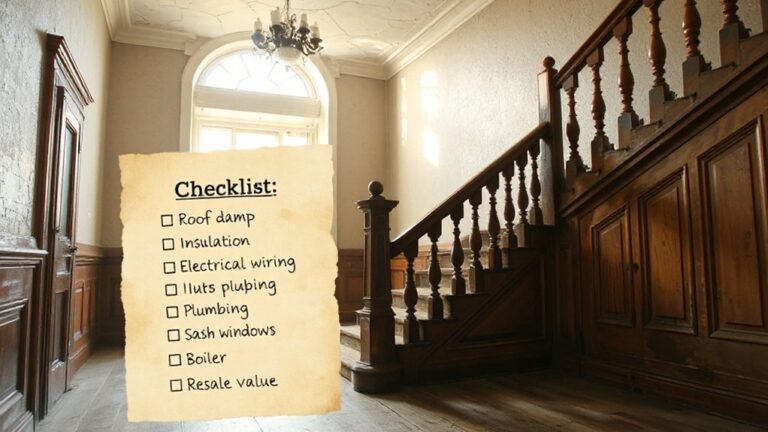
Think of your renovation like a strategic campaign, where a single vision guides a sequence of precise moves. You’ll map priorities, line up trades, and lock budgets before you lift a single tool. Expect approvals, procurement, and schedule buffers to shape every phase. Stay alert to changes, keep stakeholders in the loop, and set clear milestones that reveal whether you’re ahead or behind. Ready to define the first domino and what comes after.
Key Takeaways
- Define a clear long-term vision and break it into phased milestones with dates, budgets, and quality targets.
- Prioritize tasks by unlocking subsequent work, detailing dependencies and critical-path activities.
- Build phased budgets and permits into gates, allowing design flexibility without delaying approvals.
- Implement a single source of truth for communications, risk logs, and progress dashboards.
- Plan for contingencies with buffers, staging areas, and updated procurement timelines to absorb delays.
Build Your Renovation Vision and Priorities

To build a solid renovation plan, start by clarifying your overall vision and setting clear priorities. You’ll map how spaces should feel, function, and relate to daily life, then translate that into measurable goals.
Define your non-negotiables first—must-haves versus nice-to-haves—and assign them a timeline, budget, and scope. Seek design inspiration that resonates with your lifestyle, noting elements you’ll replicate later and those you’ll adapt.
Next, assess constraints like structural limits, plumbing access, and electrical capacity, then prioritize investments accordingly.
When it comes to material selection, choose durable options aligned with your climate, maintenance tolerance, and budget, earmarking premium finishes for high-use areas.
Document decisions in a concise reference, so trades and stakeholders stay aligned as the project unfolds.
Create a Phased Renovation Timeline From Vision to Completion
Start by defining your Vision Milestones so you can attach clear, measurable goals to each phase.
Then, prioritize Phased Deliverables in a way that aligns with your budget and timeline, keeping dependencies and risk in mind.
Finally, map Budget and Timeline Alignment across the entire plan, so every milestone has a realistic cost and a concrete deadline.
Define Vision Milestones
Defining vision milestones sets the backbone for a phased renovation by translating your goals into clear, measurable checkpoints. You’ll map outcomes to specific dates, budgets, and quality standards, so the entire team stays aligned.
Begin with a high-level vision and break it into stages that reflect functional priorities, risk tolerance, and dependencies. Assign owner responsibility, success criteria, and a realistic duration for each milestone, then validate against your budget and renovation schedule.
Build in design flexibility to accommodate evolving tastes without derailing progress, and specify material durability expectations to anchor procurement decisions early.
Use a scoring system to gauge progression, allowing you to trigger revisions only when a milestone truly shifts. Document lessons learned after each phase to sharpen subsequent planning.
Maintain discipline, adaptability, and a clear decision-making path.
Prioritize Phased Deliverables
When prioritizing phased deliverables, you’ll map the renovation from vision to completion by sequencing tasks around functional impact, risk, and dependencies, then assign owners and strict due dates to keep momentum.
Begin with a core set of deliverables that unlock subsequent work, not just cosmetic wins. Tie each phase to measurable outcomes, so you can validate progress before advancing.
Balance critical path items with opportunities for early visibility, such as refurbished cores that demonstrate progress to stakeholders.
Consider Material selection and design flexibility early, documenting alternatives to avoid lock‑in while staying aligned with long‑term goals.
Create contingency buffers for supply delays and permitting, but maintain tight governance.
Finally, document ownership, acceptance criteria, and scheduled reviews to sustain disciplined, incremental transformation.
Budget and Timeline Alignment
To align budget and timeline for a phased renovation, you’ll translate the vision into a practical, bound timeline that respects constraints and demonstrates progress. You’ll map each phase to clear milestones, costs, and dependencies, ensuring every decision proves value before advancing.
Begin with a baseline budget allocation that covers core systems, permits, and contingencies. Then identify nonessential upgrades for later tranches.
Establish measurable gates: design complete, permits approved, funding secured, and trades scheduled.
Build in Timeline flexibility by outlining buffers for supplier delays, weather, and inspection holds, while preserving critical path integrity.
Use rolling forecasts rather than fixed numbers, updating quarterly to reflect changes.
Communicate priorities, tradeoffs, and risk openly to stakeholders, and document deviations with lessons learned.
Regularly reassess scope, budget allocation, and financing options to sustain momentum toward completion.
Break Projects Into Trades and Sequencing Order
Breaking a renovation into trades and sequencing order starts with a clear map: list every task, assign each to the responsible trade, and determine logical dependencies so nothing needs rework. You’ll align phases to minimize backtracking, protect timelines, and preserve quality.
- Define milestones by trade to prevent idle gaps and keep crews focused.
- Schedule critical-path tasks first, ensuring permit-ready details are resolved upfront.
- Coordinate materials and equipment so trades arrive ready to work, not waiting.
- Build in short buffers for surprises, so contractor coordination stays smooth and budgets stay intact.
With this approach, you create predictable flow, reduced stress, and tighter control over scope, cost, and quality. Material selection remains synced with each phase, ensuring compatibility across trades.
Get Permits, Codes, and Budgeting Aligned
Start by aligning your permits with your budget and timeline, so approvals don’t stall the plan.
Map codes to costing early, and set milestone approvals that keep budgeting on track.
Keep the process tight and documented, with clear owners and deadlines for each alignment point.
Align Permits Budgeting
Aligning permits, codes, and budgeting sets a solid foundation before you lift a tool. You’ll map the permit process to your phased plan, then adjust as realities shift, keeping the project on track without surprises. Here’s how to proceed:
- Collect all required permits early, so approvals don’t derail milestones.
- Align inspection timelines with your renovation phases to prevent backtracking.
- Build budgeting guardrails that accommodate permit delays and changes.
- Schedule periodic budget adjustments as scope evolves and costs trend.
With this approach, you gain predictability, reduce risk, and preserve momentum. You’ll avoid last-minute scrambles, ensuring each phase lands within scope and cost. The result: steady progress, fewer headaches, and a clearer path to your final result.
Codes and Costing Alignment
Tie code-compliance milestones to your budget, so contingency buffers reflect real risks like design aesthetics shifts or material durability choices.
Create a single master cost model that ties line items to phase gates, with clear ownership and due dates.
Use iterative reviews: compare estimated vs actual costs, adjust assumptions, and lock-in long-lead purchases where feasible.
Document decisions that affect permitting, inspections, and change orders, so future phases learn from early outcomes.
Prioritize decisions that preserve design aesthetics while sourcing durable materials within your financial envelope.
Coordination now reduces costly rework later.
Timeline Approval Milestones
For Timeline Approval Milestones, you’ll lock in the sequence and timing for permits, inspections, and budget checkpoints so each phase gates cleanly into the next. You’ll align design flexibility with regulatory demand, ensuring every decision preserves options without delaying approvals. Stakeholder engagement stays central, validating scope, costs, and schedule at crucial junctures.
1) Precisely map permits, codes, and budget gates to avoid backtracking.
2) Schedule early reviews with officials to reduce holdups and surprises.
3) Build contingencies into milestones so minor delays don’t derail the whole plan.
4) Document approvals and changes for transparent accountability and smoother handoffs.
Create a Realistic Contingency Plan With Triggers
To build a realistic contingency plan with triggers, start by identifying the most likely risks to your renovation timeline, budget, and quality. Then set clear, measurable thresholds that would prompt a course correction.
You’ll craft a tiered response: minor delays trigger minor re-sequencing, moderate issues activate budget reallocation, and major surprises demand a schedule re-baselining.
Use Contingency budgeting to reserve funds for overruns and material shortages, and build in variability for labor availability.
Conduct a formal Risk assessment to quantify probability and impact, documenting triggers like cost overruns beyond a fixed percentage or schedule slips exceeding planned buffers.
Establish owner-approved escalation paths, decision deadlines, and reforecast intervals.
Review quarterly, update assumptions, and keep stakeholders informed to maintain momentum without sacrificing quality.
Prioritize Repairs and Structural Work Upfront
Start by evaluating structural urgency to determine what must be stabilized before other work proceeds. Then, prioritize critical systems—foundation, load-bearing elements, plumbing, and electrical—so you’re not chasing fixes later.
Plan access and staging strategically to keep routes clear, minimize disruption, and align timing with your sequencing across years.
Assess Structural Urgency
Evaluating structural urgency is about identifying what must be fixed first to prevent leaks, collapse, or further damage. When you assess the spine of your project, you focus on foundation stability and the integrity of load paths, framing, and connections. A disciplined structural assessment lets you rank tasks by risk, cost, and disruption, so you don’t chase cosmetic fixes first.
1) Inspect foundations for cracks, settlement, or water intrusion, then prioritize stabilization.
2) Verify framing loads, joists, and beams for excessive sag or movement, addressing safety first.
3) Check wall ties, shear walls, and connections to prevent progressive failure.
4) Plan temporary supports and shoring as needed to maintain access and protect occupants.
This approach keeps your renovation on a solid, safe course from day one.
Prioritize Critical Systems
Start with utilities, HVAC, electrical, and plumbing, ensuring proper capacity, safe access, and minimal later rework. Verify structural integrity, address rot, and seal air leaks to stabilize the building shell.
When selecting materials, favor durable, code-ready choices that support long-term performance and energy efficiency. Coordinate required permits, inspections, and access routes to avoid backtracking.
Document decisions and milestones so trades align. This upfront focus minimizes emergency fixes during later phases and clarifies budget, schedule, and risk for the project as a whole.
Plan Access, Staging Strategically
To keep renovations flowing and minimize backtracking, map access routes and staging areas before you break ground, and lock in how you’ll move materials, debris, and equipment through the building. You’ll reduce disruption by designating clear access points and choreographing every delivery sequence.
- Define primary access points to minimize cross-traffic and protect completed work.
- Establish dedicated staging areas for materials, tools, and waste to keep floors safe and organized.
- Schedule critical repairs first, using temporary supports and containment to safeguard your structure.
- Communicate routes, timing, and responsibilities to trades, so everyone stays aligned and purposeful.
Design a Renovation-Specific Procurement Plan
A renovation-specific procurement plan starts with clarifying scope, timelines, and budget constraints so you can align supplier commitments with phased work. You’ll map each phase to required materials, lead times, and preferred delivery windows, then lock in a procurement calendar that minimizes storage and obsolescence.
Define standard terms for payment, returns, and substitutions upfront to reduce friction during execution. Prioritize risk allocation within contracts, so delays or shortages don’t derail milestones.
Material sourcing should align with long-lead items early, while smaller components stay flexible to evolving design updates.
For contractor selection, establish criteria that cover reliability, past performance, and alignment with your phased schedule. Maintain transparent vendor coordination, update lists quarterly, and document deviations to preserve continuity across successive phases.
Set Milestones, Dashboards, and Review Cadences
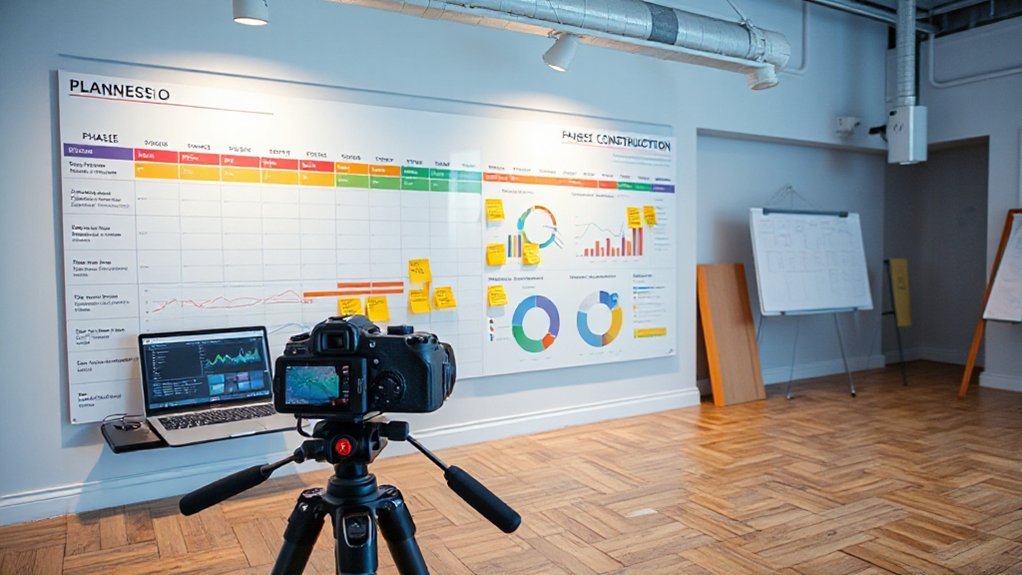
You should set clear milestones, dashboards, and review cadences that align with your phased plan and procurement calendar, so progress stays visible and accountable. Milestone tracking becomes your backbone, letting you forecast late starts and reallocate resources before delays compound.
Use dashboard visualization to translate complex data into actionable insight for stakeholders and trades. Establish cadence: weekly quick checks, in-depth analyses, and monthly executive reviews to keep momentum and budget alignment.
- Define concrete, time-bound milestones tied to procurement milestones
- Create visual dashboards that updated in real time for transparency
- Schedule regular reviews with clear owners and decision points
- Track risks proactively, updating contingency plans as you go
Plan for Disruption, Noise, and Contractor Coordination
Disruption is inevitable in a multi-year renovation, but with a planned approach you can minimize impact, protect schedules, and keep trades coordinated. You’ll map a disruption calendar aligned to phase milestones, clarifying when spaces are off-limits and which areas remain usable.
Build a noise management protocol: designate quiet hours, use barrier containment, and specify equipment routes to limit neighbor exposure.
Establish a single source of truth for contractor communication, with daily logs, issue trackers, and rapid escalation paths.
Predefine coordination rituals: weekly huddle, staggered start times, and early confirmation of trade sequencing to avoid clashes.
Lock in access permissions, material staging zones, and waste-clearing routines.
Regularly review performance against disruption targets, adjusting plans before disruptions cascade into schedule delays.
Plan for Long-Term Maintenance and Future Phases
Long-term maintenance and future phases require a clear, forward-looking plan that protects the renovation’s value and usability. You’ll implement a practical system that minimizes surprises and preserves function over time, with a focus on staying within budget and schedule.
To guide you, consider these steps:
- Future upgrades: map inevitable changes now, so upgrades integrate smoothly with current systems.
- Maintenance scheduling: establish routine checks, variable cycles, and documented responsibilities.
- Phased budgeting: reserve contingency funds dedicated to long-term upkeep and planned enhancements.
- Documentation hub: maintain a living record of materials, warranties, and decisions for future teams and phases.
Frequently Asked Questions
How Should I Measure and Define Success for Multiple Phases?
You measure success by clear milestones, budgets, and timelines for each phase.
Define success with measurable, practical metrics: on-time completion, within-budget, minimal disruption, and quality standards met.
Track design considerations early to avoid scope creep, and document decisions for future phases.
Regularly review contractor selection criteria and performance, ensuring safety and compliance.
Establish feedback loops with stakeholders, adjust plans, and forecast risks.
Celebrate wins, recalibrate baselines, and keep communication transparent as you progress.
What Are the Tax Benefits of Phased Renovations?
Did you know that owners typically save 20-30% on renovation-eligible costs through tax perks?
You’ll benefit from tax deductions for qualified improvements and depreciation benefits on capital assets, which can smooth cash flow as projects unfold.
You can claim costs for upgrades like wiring, plumbing, and fixtures, plus depreciation on longer-lived components.
Keep receipts, allocate costs correctly, and consult a tax pro to optimize deductions and timing across each phase.
How Can I Protect Resale Value During Long Projects?
To protect resale value during long projects, you minimize risk by maintaining a cohesive look and strong finishes. Prioritize material selection that matches existing elements, ensuring consistent tones, textures, and durability.
Keep design consistency across phases, with a clear palette and standardized fixtures. Document changes, maintain timelines, and communicate openly with buyers or brokers.
Avoid over-customization; aim for broad appeal. You safeguard value by balancing ambition with practical, resale-friendly choices and steady project pacing.
How Do I Handle Contractor Turnover Across Phases?
You handle contractor turnover across phases by prioritizing contractor continuity and clear project scheduling. You establish a preferred roster, document expectations, and secure written handoffs to minimize gaps.
You keep a central file with contact details, warranties, and scope changes. You schedule overlapping timelines for critical trades, verify licenses, and run briefings so new teams understand prior decisions.
You build a contingency plan, track milestone accuracy, and adjust schedules promptly to sustain momentum and protect your budget.
What Financing Options Work Best for Multi-Year Renovations?
Financing multi-year renovations works best with a mix of options and disciplined budgeting. You should explore a construction loan or a line of credit for cash flow, plus staging payments tied to milestones.
Budget planning is essential, and you’ll want predictable interest costs. When you select contractors, prioritize stability and transparent pricing.
Simile: like charting a map, you’ll need clear routes for each phase. Budget planning guides decisions, and contractor selection protects timelines and quality.
Conclusion
You’ll finish with a long-term plan that feels almost magical in its clarity. By staging priorities, locking in permits early, and sequencing trades, you’ll dodge costly delays and keep budgets honest. Build in contingency triggers, procurement buffers, and transparent dashboards so everyone stays aligned. Communicate relentlessly, plan for disruption, and maintain maintenance in every phase. When you adapt to surprises, your renovation becomes a living, breathing system—transforming not just spaces, but how you live, work, and dream. Truly epic.
About the Author