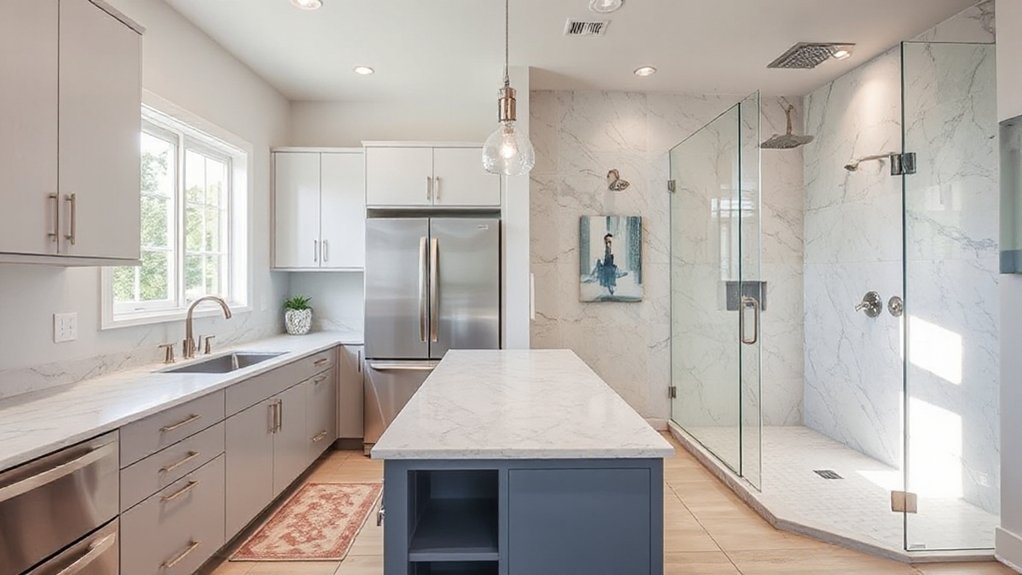
Thinking of listing your house, but want to know What Adds More Value, if you do a remodel first? A kitchen upgrade isn’t exactly a magic wand, but it’s often the prudent bet for value. You’ll see stronger resale appeal when you optimize layout, size, and energy-efficient features, while bathrooms still matter—especially a master suite—yet kitchens typically drive broader market interest. With budgets and regional tastes in play, the question isn’t just what costs more, but what blends function with appeal in your neighborhood, guiding you toward the smarter move as you weigh the numbers.
Key Takeaways
- Kitchens typically yield higher ROI and resale value than bathrooms due to durable surfaces, layouts, and buyer expectations for efficiency and storage.
- Upgraded kitchens with efficient layouts, storage, and modern finishes tend to have broader market impact and appeal across home types.
- Targeted, mid-range kitchen fixes (cosmetic refreshes, hardware, lighting) often outperform luxury bathroom upgrades in cost-to-value balance.
- Bathrooms boost value when focusing on master suites, en-suite access, and efficient fixtures, but generally offer smaller gains than kitchen overhauls.
- Regional market preferences and project pacing (permits, lead times) influence which upgrade adds more value in a given area.
ROI Priorities: Kitchen vs. Bathroom Value
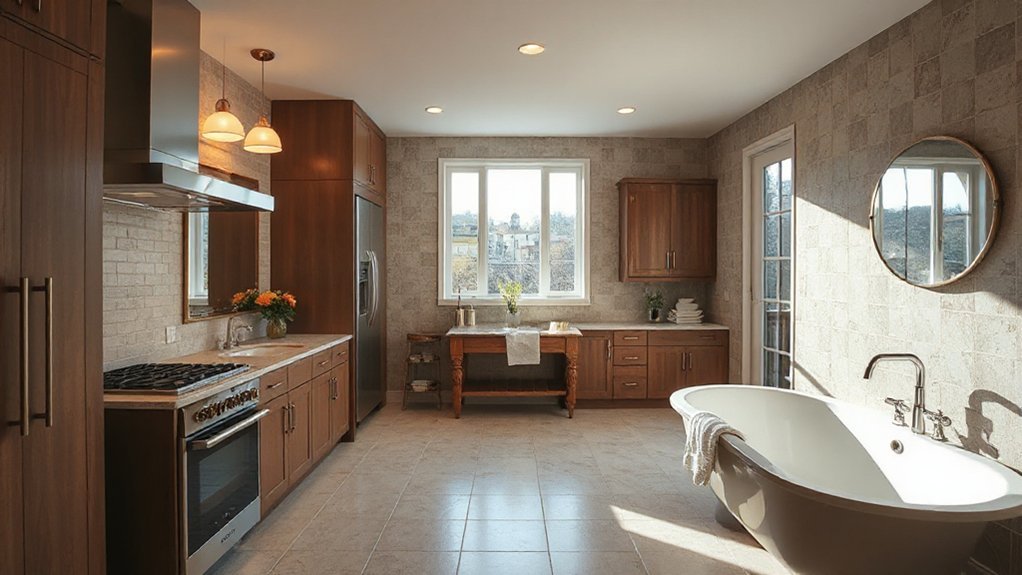
When it comes to ROI priorities, kitchens typically deliver higher value than bathrooms, but the payoff depends on scope, housing type, and local market.
You’ll see broader impact from kitchen upgrades because buyers expect durable surfaces, energy efficiency, and seamless workflow. Data show higher perceived value for updated cabinets, counters, and appliances when paired with modern lighting and efficient layouts.
Eco-friendly materials reduce operating costs and appeal to sustainability-minded buyers, while Smart technology supports convenience, monitoring, and programmable energy use.
Targeted upgrades in mid-range homes often outperform luxury fixes in older properties, due to market expectations and cost-to-value balance.
Prioritize durable, low-maintenance choices and measurable efficiency gains to maximize resale delta within your specific neighborhood.
Kitchen Value Drivers: Layout, Size, and Features
If you’re prioritizing value after weighing ROI, focusing on layout, size, and features can drive the most resale impact in many homes. A well-planned layout reduces workflow friction, while efficient zoning and multi-task zones boost usability.
Size matters: a practical footprint supports appliances and storage without crowding. Features should emphasize durability and maintenance costs, not just looks.
Consider eco-friendly materials for cabinets, countertops, and flooring to appeal to energy-conscious buyers and reduce long-term expenses. Fixtures and storage should maximize pantry space, corner cabinetry, and pull-out organizers, improving perceived value.
Integrate smart technology for lighting, climate control, and security to demonstrate modern efficiency without complicating maintenance. Prioritize durability, easy cleaning, and replacement costs to sustain appeal across resale cycles.
Bathroom Value Drivers: Master Suites and Efficiency
Master suites drive value by merging private retreat functionality with efficient daily use. You optimize layout for flow between sleeping, dressing, and bathing, reducing steps and wasted time. Prioritize en-suite access, dual vanities, and ample storage to boost perceived luxury while maintaining practicality.
Efficiency matters: low-water fixtures, high-efficiency toilets, and well-insulated spaces cut operating costs and improve comfort year-round. Focus on durable materials and easy maintenance to sustain value over time.
Bathroom aesthetics influence buyer perception; cohesive finishes, proper lighting, and noise control elevate appeal without sacrificing function. In a master suite, a well-designed shower or tub area can serve as a focal point, while built-in seating or niches add convenience.
Regional Market Expectations for Kitchens and Baths
- Regional preferences shape material choices and finishes
- Aesthetic trends influence shown layouts and color palettes
- Local price-to-value expectations guide budget emphasis
- Permit and inspection timelines affect project pacing
- Model home staging aligns with buyer-sourced regional cues
ROI Snapshot: Kitchen Remodels vs. Bathroom Remodels
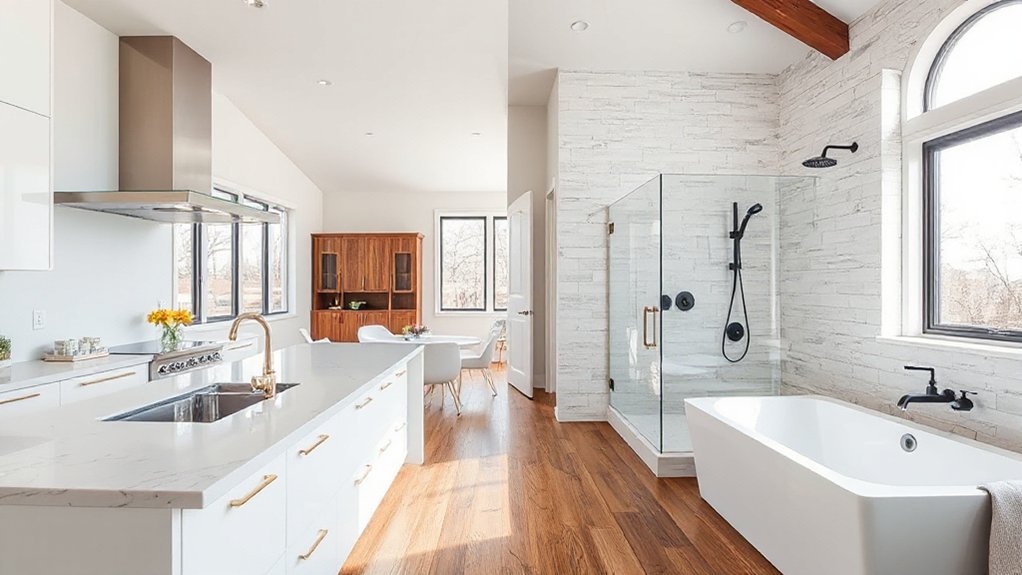
You’ll see that ROI for kitchens versus baths hinges on where you invest and how buyers value layouts, finishes, and efficiency upgrades.
The ROI drivers, like cabinetry quality, appliance upgrades, and layout improvements, shift the value gap between a kitchen and a bath.
We’ll unpack the data behind Remodeling Value Gap to help you prioritize investments that deliver the strongest resale impact.
ROI Drivers: KitchenVsBath
When it comes to ROI, kitchen remodels often outperform bathroom updates, driven largely by higher resale value, broader appeal, and measurable improvements in daily living. You’ll see faster payback when you upgrade functional zones, improve workflow, and inject modern aesthetics with durable finishes.
Focus on timeless design, energy efficiency, and storage optimization to maximize appeal to a broad buyer base. Luxury fixtures and upgraded appliances can tilt perceived value, while maintaining cost discipline keeps the project attractive to appraisers and purchasers alike.
The most impactful choices blend aesthetic appeal with practical performance, yielding a durable impression that persists beyond the first year of ownership.
- Prioritize layout improvements that reduce steps and create work zones
- Invest in energy-efficient, high-performance appliances
- Use durable, easy-to-clean surfaces in key work areas
- Include smart features that enhance daily convenience
- Integrate luxury fixtures without overbuilding the space
Remodeling Value Gap
Across markets and project scales, the remodeling value gap between kitchens and bathrooms centers on where buyers place value and how quickly each upgrade recoups costs. You’ll find kitchens often deliver higher overall ROI due to demand for timeless utility and culinary functionality.
But bathroom projects can outperform when budgets target high-impact aesthetics. ROI snapshots show bathrooms recoup costs faster in smaller projects, while kitchens gain value with enduring appeal and layout improvements.
The delta narrows when you emphasize premium materials and efficiency, yet the variance persists by market segment and project scope. Prioritize luxury features that align with buyer expectations and your home’s profile, balancing aesthetic appeal with durable performance.
In short, select upgrades that maximize daily use and perceived quality to close the remodeling value gap effectively.
When to Prioritize a Kitchen Over a Bath
Prioritizing a kitchen over a bath makes sense when you’re optimizing daily routines and resale value. You’ll gain the strongest payoff where time saved per dollar is highest, with kitchens driving longer-term demand and rental appeal.
Focus on durable materials, proven layouts, and energy efficiency to maximize return. Design trends influence cadence, but durability underpins longevity, so specify hardy countertops, reliable cabinetry, and water- and heat-resistant finishes.
Prioritize high-usage zones, such as the prep line and storage, to reduce friction and maintenance costs over time.
- Emphasize durable materials and finish warranties for countertops and cabinetry
- Optimize workstation flow to minimize steps during cooking and cleanup
- Upgrade appliances with energy efficiency ratings and reliable service networks
- Integrate practical storage solutions that reduce clutter
- Align finishes with enduring design trends while prioritizing material durability
Aligning Upgrades With Your Neighborhood Narrative
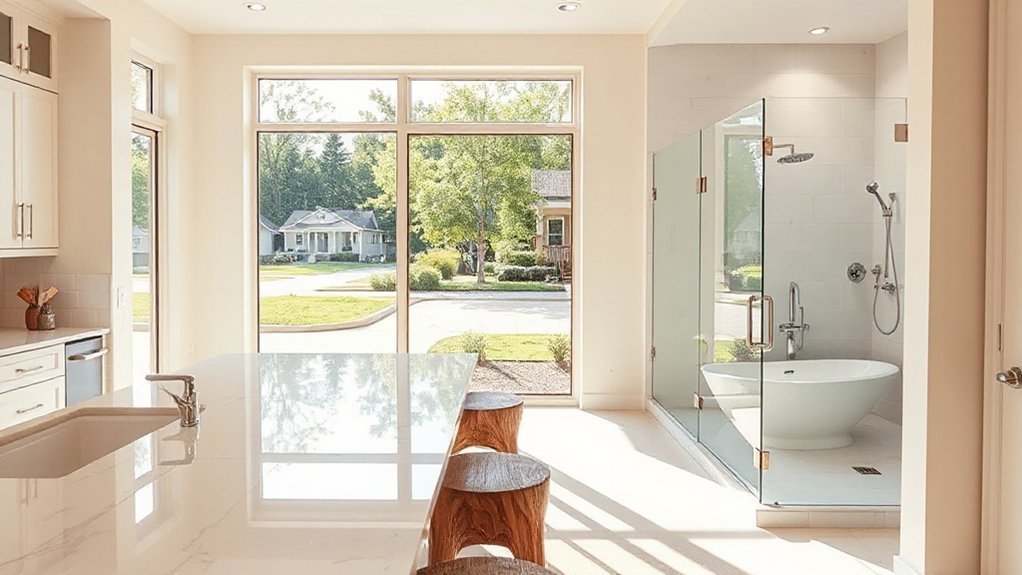
Neighborhood-aligned upgrades anchor value because buyers see a home that fits the street’s profile as more livable and marketable. You assess the block’s typical finishes, style cues, and noise or view factors, then map improvements to that rhythm.
Prioritize finishes and materials that echo neighborhood identity—assess what residents expect in curb appeal, shared amenities, and space usage. Cultural influences shape color palettes, fixture styles, and layout preferences, so align choices with proven local tastes rather than chasing trends.
Data shows congruent upgrades reduce time on market and boost perceived authenticity, especially for entry-level and midrange homes.
Document decisions with neighbor comparisons, inspection notes, and evidence of compatibility to present a coherent narrative that resonates with buyers who value place-based continuity.
Budget Tactics: Fast-Value Upgrades That Scale
If you want fast, scalable value without breaking the bank, focus on budget tactics that deliver measurable impact in weeks, not months. You’ll target high-ROI changes, track results, and align with design trends to avoid overinvesting.
Prioritize efficiency upgrades, cosmetic refreshes, and midrange finishes that look premium without a premium price. Luxury fixtures can be incorporated strategically to lift perceived value without full remodels.
Color, lighting, and hardware refreshes drive impact quickly. Data shows staged investments yield higher resale lift when tied to visible upgrades and energy savings.
Plan tight budgets, measure outcomes, and reallocate as needed.
- Prioritize efficiency first, then upgrade aesthetics
- Swap hardware to elevate look on a budget
- Use cache-ready luxury fixtures thoughtfully
- Leverage timeless design trends for longevity
- Track ROI with simple before/after metrics
Quick 5-Step Decision Framework to Pick Your Project
To pick your project efficiently, use a quick 5-step decision framework that keeps ROI front and center.
Step 1: quantify impact by expected resale bump, not just enjoyment.
Step 2: compare costs and timing, noting any permitting or contractor lead times.
Step 3: align with market demand by researching design trends and local buyer preferences.
Step 4: assess risk from scope creep, budget overruns, and supply delays, then build contingencies.
Step 5: finalize a go/no-go decision with a clear break-even horizon and access to capital.
Prioritize luxury upgrades that jar buyers without overinvesting relative to home value.
Track data from past projects, including time-to-completion and buyer feedback.
Use this framework to stay disciplined, objective, and ready to pivot if new information shifts ROI expectations.
Frequently Asked Questions
How Do Long-Term Maintenance Costs Compare Between Kitchens and Baths?
Long-term maintenance costs lean toward kitchens, but baths aren’t far behind. You’ll spend more on appliances in kitchens, affecting ongoing costs via energy use and replacement cycles—appliance longevity varies, but solid units save you money over time.
In bathrooms, fixture durability matters: tight seals, corrosion-resistant metals, and durable tile reduce leaks. Factor routine cleaning and timely repairs.
Which Upgrades Yield the Highest Resale Multiplier in My Area?
A coastal storm rarely wrecks a home as fast as a single, well-placed upgrade can; think of luxury appliances silencing doubts at resale.
You’ll see the strongest multiplier from cosmetic upgrades paired with high-end appliances, especially in kitchens, where buyers notice quality details first.
In your area, lean on data: luxury appliances and targeted cosmetic upgrades drive value more than generic renovations, delivering higher perceived quality and faster offers.
Prioritize finish, fit, and meticulous condition.
Do Kitchen and Bathroom ROI Differ by Home Style?
Yes, kitchen and bathroom ROI can differ by home style, and you should tailor updates accordingly. You’ll see higher returns on kitchens in contemporary styles and baths in traditional ones.
When planning, prioritize luxury countertops and modern fixtures to boost appeal, then quantify costs against local comps.
For style-specific results, track local data, compare similar homes, and adjust expectations. You’ll maximize value by balancing design fit with durable, high-demand features.
What Impact Does Energy Efficiency Have on Value in Kitchens vs. Baths?
Energy efficiency boosts value in both kitchens and baths, but kitchens benefit more from appliance upgrades and lighting improvements. You’ll see stronger resale signals when you upgrade efficient refrigerators, dishwashers, and range hoods, plus brighter, well‑color‑rendering lighting.
Baths gain value from efficient water savers and LED vanity lighting, yet the ROI is steadier in kitchens due to higher appliance costs. Overall, prioritize practical, measurable upgrades; quantify expected energy savings to justify the investment.
How Do Permit Timelines Affect Project Prioritization?
Permit timelines shape your project priorities because delays push bigger, riskier trades later. You should front-load work that releases the most value, using data to guide decisions.
Imagine a story: a builder trains a line of dominoes; a single delay topples the sequence. In practice, plan around permit delays, then tighten Budget planning to absorb overruns.
You’ll prioritize essential phases, minimize idle time, and keep milestones aligned with approvals to stay on track.
Conclusion
If you’re choosing one upgrade, a kitchen remodel generally pays off more in value and appeal than a bath, especially when you optimize layout, efficiency, and durable finishes. An eye-opening stat: kitchens influence resale value more than any other room, with strong ROI when you invest in modern appliances and smart storage. Start with a practical plan, prioritize high-impact upgrades, and align them with neighborhood norms to maximize both function and resale potential.
About the Author