Bali Motorized Blinds: A Comprehensive Guide to Pros and Cons
When it comes to modern window treatments, Bali motorized blinds have earned a reputation for combining convenience with style. If you’re considering upgrading your home with automated window coverings, understanding the advantages and drawbacks will help you make an informed decision that suits your property and lifestyle.
This guide examines everything UK homeowners need to know about Bali motorized blinds, from installation considerations to long-term value. Whether you live in a Victorian terrace or a contemporary flat, these insights will help you determine whether this window treatment solution is right for you.
What Are Bali Motorized Blinds?
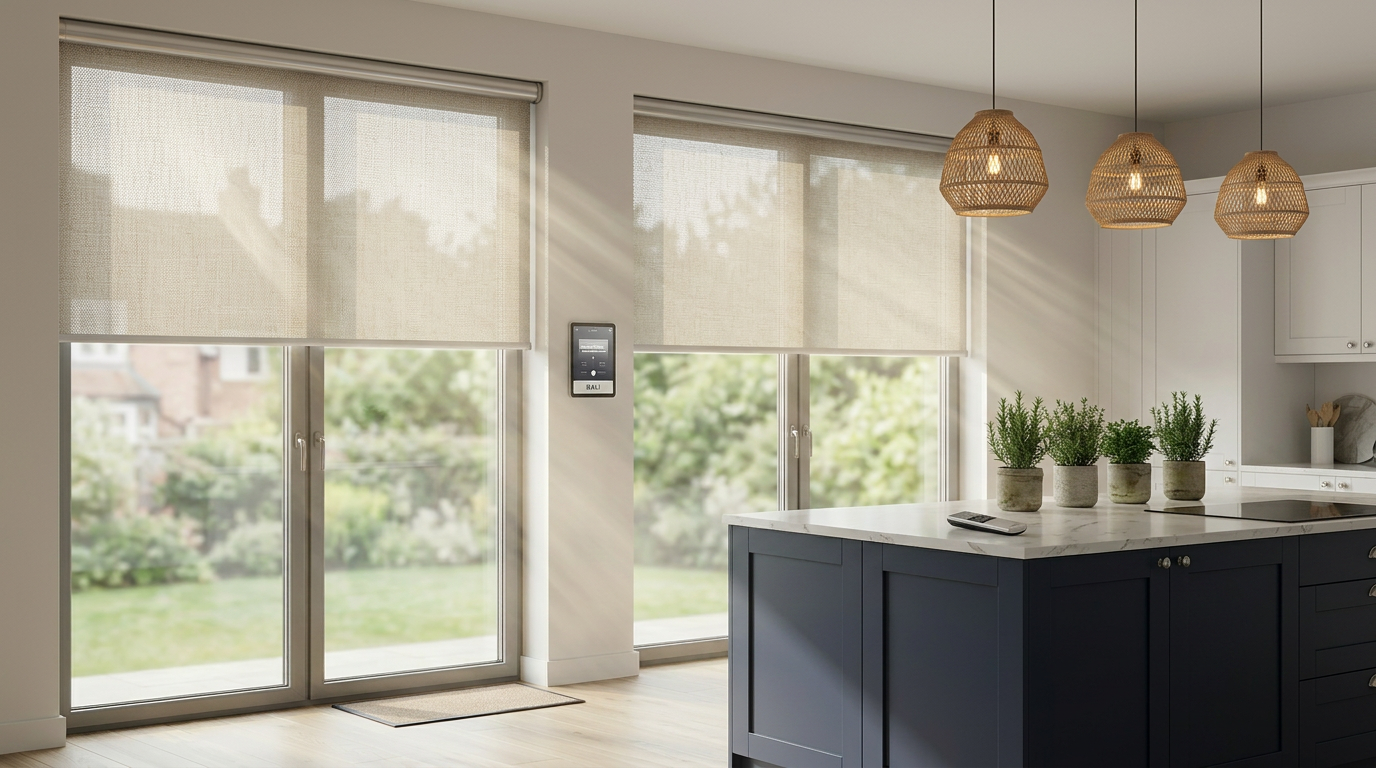
Bali motorized blinds are window coverings from the Bali brand that operate via electric motor rather than manual operation. These blinds can be controlled through wall switches, remote controls, smartphone apps, or even voice assistants like Amazon Alexa and Google Home.
The Bali brand offers several types of motorized blinds, including cellular shades, roller blinds, and Roman shades. Each style comes with motorisation options that integrate into smart home systems, making them a popular choice for new builds and renovated properties alike.
The Advantages of Bali Motorized Blinds
Convenience at Your Fingertips
The most obvious benefit of motorized blinds is the sheer convenience they offer. Imagine adjusting all the blinds in your living room without leaving the sofa, or setting your bedroom blinds to open automatically each morning at a specific time.
For households with large windows or multiple windows across several rooms, the ability to control everything from a single device proves invaluable. This feature becomes particularly useful for windows in hard-to-reach positions, such as those behind furniture or in rooms with high ceilings.
Enhanced Child Safety
Traditional corded blinds pose genuine risks to young children and pets. Motorized blinds eliminate these dangers entirely by removing cords from the equation. This makes them an excellent choice for family homes, nurseries, and child-friendly environments.
UK parents increasingly prioritise cordless solutions, and motorized blinds tick this box while adding premium functionality.
Improved Energy Efficiency
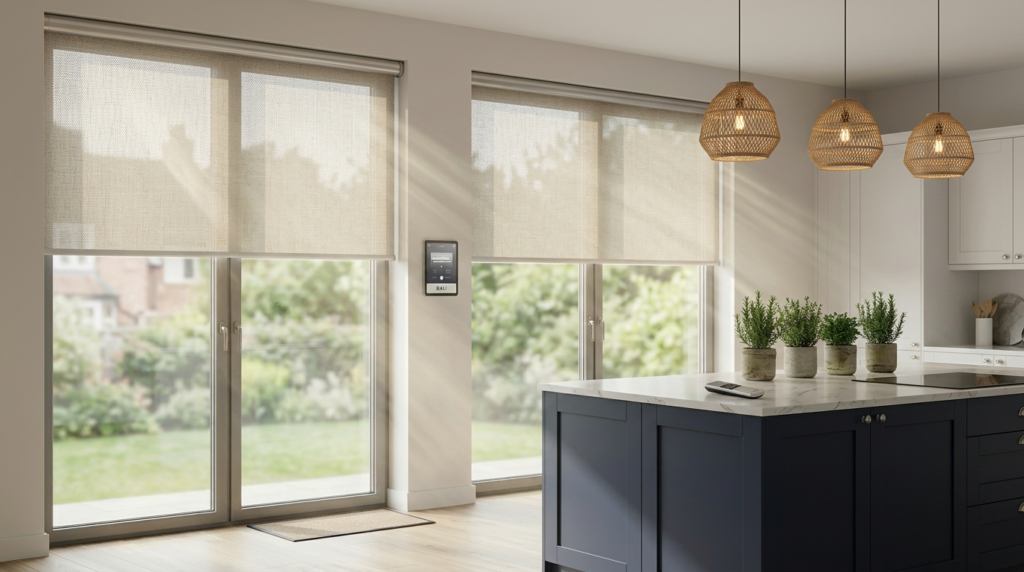
Motorized blinds can contribute to reduced energy bills when programmed strategically. During summer, setting blinds to close during the hottest parts of the day helps keep interiors cool without over-relying on air conditioning. In winter, timed operation can maximise natural warmth from sunlight during daylight hours.
Many Bali motorized blind systems allow for scheduling based on sunrise and sunset times, optimising your home’s energy performance throughout the year.
Seamless Smart Home Integration
Bali motorized blinds integrate smoothly with popular smart home ecosystems. This integration allows for automated scenes where your blinds work alongside lighting, heating, and security systems.
For example, you might create a “Good Morning” scene that gradually opens your bedroom blinds, switches on lights to a gentle brightness, and adjusts your thermostat to a comfortable temperature.
Precise Light Control
Motorized operation ensures precise positioning every time. Unlike manual blinds that can slip or require multiple adjustments, motorized versions stop exactly where you set them.
This consistency proves particularly valuable for rooms where controlled lighting matters, such as home offices, media rooms, or spaces with valuable furniture that needs protection from direct sunlight.
Accessibility Benefits
For elderly homeowners or those with mobility limitations, motorized blinds remove the physical effort required to operate traditional window treatments. A simple voice command or button press makes all the difference for those with arthritis or limited reach.
The Disadvantages of Bali Motorized Blinds
Higher Initial Investment
There’s no getting around the fact that motorized blinds cost significantly more than their manual counterparts. The motor mechanism, control systems, and professional installation all contribute to a higher price point.
For a typical three-bedroom semi-detached property, you might expect to pay considerably more for motorized options compared to standard blinds. Budget-conscious homeowners should carefully weigh whether the features justify the premium.
Dependency on Electricity
Motorized blinds require a power source to operate. During power cuts, you’ll be unable to adjust your blinds unless you have battery backup installed. While this isn’t a frequent occurrence, it’s worth considering for areas prone to outages.
Additionally, you’ll need to ensure adequate power outlets or consider professional hardwiring during renovation projects.
Installation Complexity
Unlike simple roll-up blinds, motorized versions require more involved installation. You’ll need to:
- Position motors correctly within the headrail
- Connect to power sources safely
- Program control devices and smart home integration
- Ensure proper alignment for smooth operation
Most homeowners benefit from professional installation, adding to the overall cost. The process becomes more complex for certain window types or when integrating with existing electrical systems.
Maintenance Considerations
Motorized blinds contain mechanical and electronic components that may require occasional maintenance. Motor failure, although uncommon, can occur and typically requires professional repair or replacement.
Dust accumulation on motors and mechanisms can affect performance over time, necessitating periodic cleaning by someone familiar with the internal components.
Limited Repair Options
When something goes wrong with a manual blind, repair is often straightforward. Motorized systems are more complex, and finding qualified technicians for specific Bali motor repairs can prove challenging, particularly outside major cities.
This limitation means potential downtime if your blinds develop issues, as you’ll need to wait for appropriate expertise.
Practical Considerations for UK Properties
Planning Permission and Building Regulations
For most standard installations, planning permission won’t be required for window blinds. However, if you’re fitting blinds to the exterior of a listed building or a property in a conservation area, you’ll likely need consent from your local planning authority.
For new builds or significant renovations, electrical work for motorized blinds should comply with Part P of the Building Regulations. Using a qualified electrician ensures compliance and keeps your warranty intact.
Window Types and Compatibility
UK properties feature diverse window styles that affect blind suitability. Bay windows, which are common in Edwardian and Victorian properties, often work well with custom motorized solutions, though measurement becomes more critical.
For sash windows, ensure your chosen blind system allows proper operation without interfering with the window mechanism. Some homeowners prefer side channels to guide the blind and maintain clean lines.
Sound Considerations
Motorized blinds do produce a small amount of noise during operation. While generally unobtrusive, this factor matters in quiet spaces like bedrooms or home offices. Bali’s motors are relatively quiet, but the sound may still catch your attention during early morning or late-night adjustments.
Is Bali the Right Choice?
Bali represents a well-established brand with good reputation for quality window treatments. Their motorized options benefit from solid engineering and good aesthetic choices. However, UK homeowners should compare Bali against alternatives including Somfy, Lutron, and other motorisation systems available in the market.
Consider factors such as:
- Warranty coverage and duration
- Availability of replacement parts
- Compatibility with your existing smart home system
- Customer support responsiveness in the UK
Getting quotes from multiple suppliers helps ensure you’re getting competitive pricing for your specific requirements.
Making Your Final Decision
Bali motorized blinds offer compelling advantages for homeowners prioritising convenience, safety, and smart home integration. The ability to automate light control enhances daily comfort while potentially reducing energy costs.
However, the higher upfront investment and ongoing dependency on electricity mean they’re not the right choice for every property or budget. Consider your specific needs, your property’s characteristics, and how you’ll use the automation features before committing.
If you value the combination of convenience and modern technology, and your budget accommodates the premium, Bali motorized blinds represent a solid investment in your home’s comfort and functionality.
Take time to measure your windows accurately, obtain detailed quotes, and ideally see a demonstration before purchasing. The right motorized blinds can transform how you interact with your living spaces, but only if they suit your circumstances and expectations.
About the Author