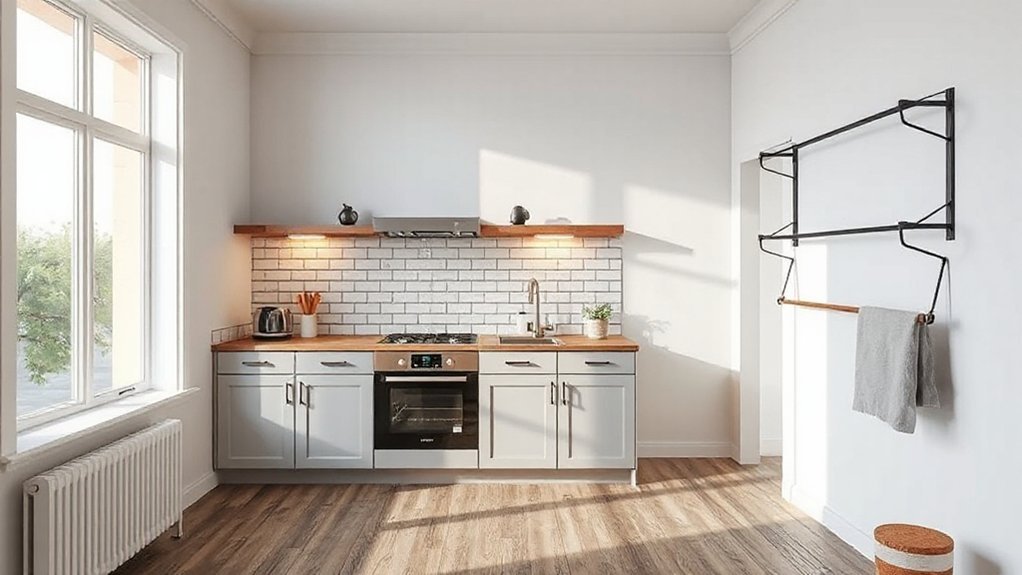
You’re aiming for rentals that endure and delight, so start with durable, easy-to-clean surfaces and flooring that can take heavy use. Consider energy efficiency, smart features tenants notice, and standardized appliances with long warranties. Build a scalable maintenance plan now, and don’t overlook curb appeal or exterior durability. The ideas you implement next will shape long-term rentability, yet the path to balanced upgrades invites a measured approach—one that invites you to keep exploring.
Key Takeaways
- Prioritize durable, easy-to-clean interiors (kitchen, bathroom, flooring) with low-maintenance finishes and standardized appliance sizes.
- Implement scalable, cohesive upgrades across units to streamline maintenance and consistently boost tenant satisfaction.
- Enhance exterior durability and curb appeal with low-cost, weatherproof materials and energy-efficient lighting.
- Plan proactive maintenance with a centralized calendar, checklists, and cost forecasting for longevity and efficiency.
- Build emergency preparedness and continuous improvement into the plan with trained responders, drills, and annual plan reviews.
Refresh a Durable Kitchen for Long-Term Rentability
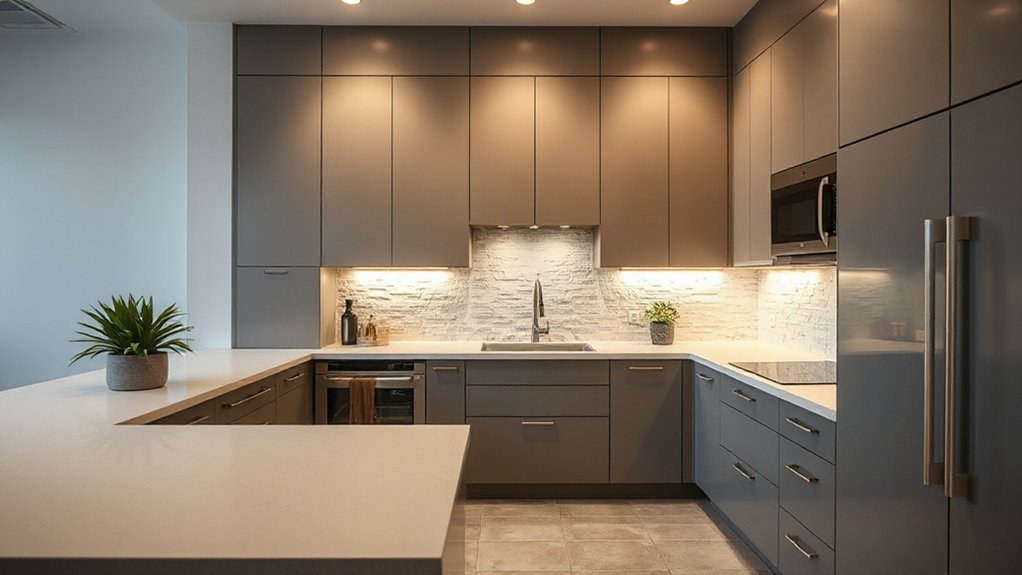
A durable kitchen sets the foundation for worry-free, long-term renting. You craft a space that lasts by prioritizing reliable components and thoughtful layout.
Start with Kitchen organization, grouping essentials near prep zones and storage for everyday use, so cleaning and replenishment stay efficient.
Choose countertop materials that balance durability, maintenance, and budget—solid surface or quartz offer stain resistance without demanding constant care.
Install semihardwired outlets and good lighting to reduce wear on fixtures and improve usability.
Emphasize low-odor finishes, easy-to-clean backsplashes, and pre-emptive sealing where moisture risks exist.
Reserve cabinet interiors for flexible storage, with labeled bins and pull-out shelves to minimize friction for tenants.
Document care routines and warranty details to support longevity, simplify turnover, and uphold lasting appeal.
Modernize Bathrooms for Low Maintenance
You’ll start with durable surfaces that withstand daily use while resisting stains and moisture.
Choose low-maintenance finishes and easy-clean fixtures and hardware that shorten cleaning time without sacrificing style.
Think ahead about layouts and materials that stay sharp, age well, and keep upkeep minimal for renters.
Durable Surfaces, Low Maintenance
Opt for non-porous porcelains and engineered quartz that resist staining and moisture intrusion, reducing resealing needs. Select seamless or minimally joined vanity tops and shower surrounds to limit grout maintenance.
Consider tactile textures that hide minor wear while staying easy to clean. Plan for consistent edge details and compatible sealants to prevent micro-cracks.
Easy-Clean Fixtures and Hardware
To keep rental baths effortlessly clean and modern, prioritize fixtures and hardware that resist grime and fingerprints from day one. Easy-clean options cut maintenance time, boost appeal, and support steady occupancy.
Choose Eco friendly fixtures with smooth, non-porous surfaces and smart coatings that shed soap scum. Pair with vintage hardware that’s sealed against corrosion yet easy to wipe, creating a timeless look without ongoing upkeep.
Prioritize brushed finishes that disguise mineral marks and scratches. Install gravity-close hinges and single-lever controls to minimize creases where grime hides. Use integrated, hidden-fastener designs for seamless cleaning.
- Eco friendly fixtures with non-porous, fingerprint-resistant surfaces
- Vintage hardware reimagined in durable finishes
- Sealed, easy-wipe controls and hinges
- Integrated, hidden-fastener installation for clean lines
Install High-Traffic Flooring That Lasts
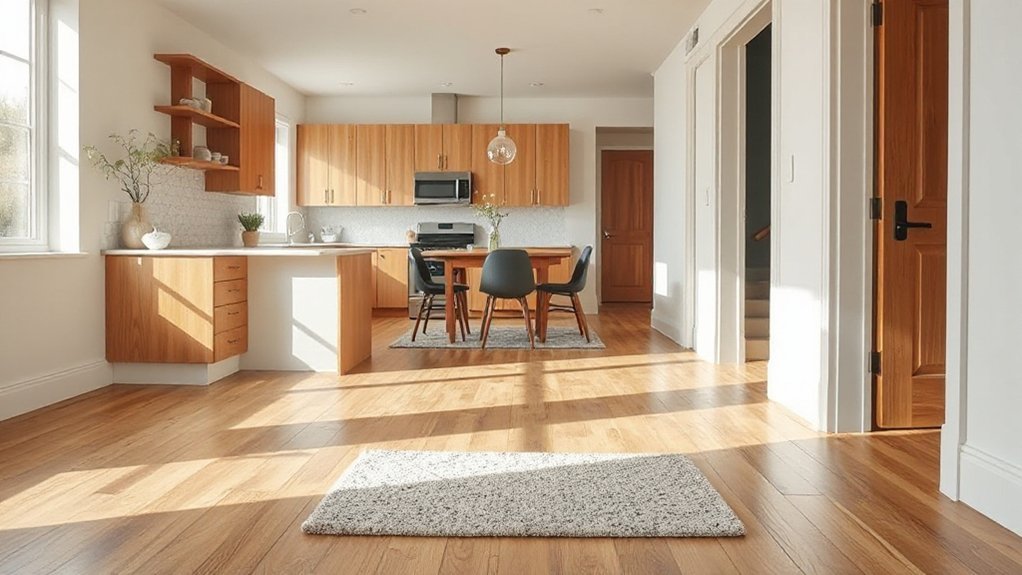
Choosing the right high-traffic flooring can make rental life easier for both tenants and landlords. You’re selecting surfaces that endure daily abuse, still look professional, and resist moisture and spills.
Begin with a flooring that blends durability with ease of maintenance, such as luxury vinyl, which handles dim hallways and bright kitchens alike without showing wear quickly. Prioritize high traffic durability by checking wear layer thickness, core stability, and installation method.
In busy rental units, choose plank or tile formats that minimize seams and simplify replacement. Expect scratch resistance, sound dampening, and simple cleaning routines that don’t require specialized products.
Consider underlayment for comfort and insulation, and plan for budget-friendly future replacements. This approach protects resale value while keeping tenants satisfied.
Choose Smart Home Features Renters Notice
Smart makeovers start with features tenants actually notice and use daily. When you choose smart home features, focus on everyday interactions that boost comfort, security, and perceived value. Prioritize hardware that’s intuitive, reliable, and upgradeable, so renters feel immediate gains without learning curves.
Highlight elements that stand out in photos and show well in tours, like visible automation and responsive controls. Emphasize how smart security enhances safety with simple monitoring and keyless access, and how automated lighting creates ambiance and efficiency without extra effort.
Make sure installation is clean, minimally invasive, and clearly explained in the lease. Showcased options should be scalable, so landlords can customize bundles for different units.
- Smart security highlights renters notice
- Automated lighting benefits for daily use
- Easy installation, minimal disruption, clear setup
- Upgrade paths that scale with property value
Boost Energy Efficiency: Windows, Insulation, HVAC Tweaks
Windows, insulation, and HVAC tweaks can dramatically cut energy use in rental properties without costly remodels. You’ll start with drafts: seal gaps around windows and doors, add weatherstripping, and install heavy drapes or thermal shades to reduce heat transfer.
For insulation, target attic and rim-joist areas, choosing higher R-values where feasible and compact, breathable vapor barriers to prevent moisture issues.
HVAC gains come from programmable thermostats, zone addressing, and regular filter upkeep; consider sealing ducts and upgrading to an efficient heat pump if budget allows.
Combine with solar panel installation to offset daytime loads and rainwater harvesting for reduced irrigation demand, improving overall energy stewardship.
Plan phased upgrades, document savings, and communicate tangible comfort gains to tenants.
Upgrade Appliances: Long-W Warranty, Standardized Sizes
Think about upgrading to long-warranty appliances and standardized sizes to simplify maintenance and swaps when needs change.
You’ll reduce downtime, cut repair costs, and keep units aligned across all rentals for quicker servicing and resale value.
This approach sets a practical, scalable standard that supports consistency and future-ready renovations.
Long-Warranty Appliances
Are long-warranty appliances the smart anchor for rental upgrades, offering reliability that reduces maintenance calls and boosts tenant satisfaction?
You’ll benefit from fewer service visits, simpler budgeting, and predictable depreciation, all while keeping units in consistent working order. Prioritize reliable brands with robust coverage to minimize downtime and tenant complaints.
Plan maintenance scheduling around a clear warranty window to avoid surprises and extend life. Standardized sizes simplify replacements and install, reducing downtime and professional fees.
Leverage these practices to attract long-term tenants who value consistency and minimal disruption.
- Reliability as a selling point for tenants
- Clear maintenance scheduling tied to warranty terms
- Budget predictability with fewer emergency repairs
- Streamlined replacements through standardized sizes
Standardized Sizes Benefit
Standardized sizes streamline both procurement and installation, making upgrades less disruptive for tenants and tenants more likely to stay. When you prioritize standardized sizes, you simplify inventory, reduce delays, and cut disposal waste through uniform dividers and back panels.
You’ll find appliances that fit existing footprints without custom stud work or extra framing. This approach also boosts furniture compatibility, since room measurements align with modular layouts rather than quirky, one-off specs.
For long-term reliability, choose units with adjustable feet, transferable warranties, and compatible venting paths. Document dimensions and keep a reference sheet for future tenants, trades, and inspectors.
You’ll enable quicker turnovers, predictable maintenance, and scalable upgrades across multiple units, turning a rental portfolio into a cohesive, comfort-forward framework.
Elevate Curb Appeal on a Budget: Exterior Durability Wins
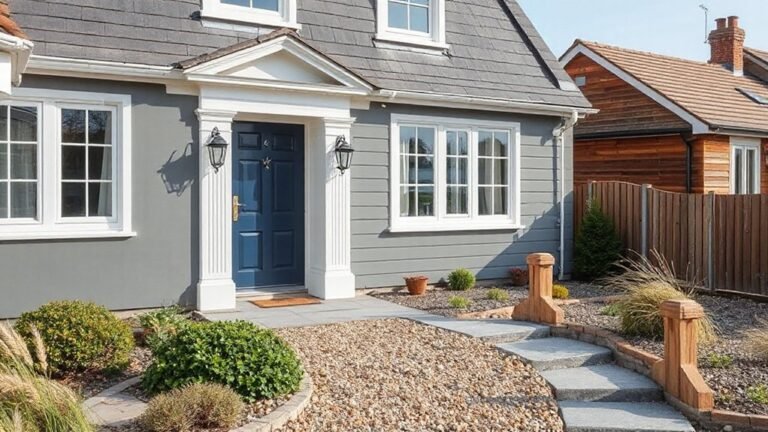
Exterior durability matters, especially for rentals where maintenance costs hit the bottom line and curb appeal drives tenant interest. With smart, budget-conscious choices, you can boost longevity and first impressions at the same time.
You’ll implement resilient, low-cost upgrades that keep exteriors fresh without frequent repairs. Focus on durable finishes, weatherproof substrates, and simple, repeatable maintenance tasks that pay off year after year.
Pair robust landscaping enhancements with easy-to-maintain features to create a polished, inviting look. Use exterior lighting upgrades to extend curb appeal safely after dark and deter pests or intruders.
- Choose washable, fade-resistant paints and sealants
- Install weatherproof trim and caulking, plus gutter guards
- Add drought-tolerant landscaping enhancements for structure
- Deploy energy-efficient, stone- or brick-anchored lighting upgrades
Create a Scalable Maintenance Plan to Protect Your Investment
To protect your investment at scale, you need a maintenance plan that’s proactive, repeatable, and easy to audit. Build a centralized calendar with quarterly Preventative inspections across systems: HVAC, plumbing, electrical, roofing, and exterior. Document due dates, owner responsibilities, and replacement thresholds, so vendors and tenants follow a consistent process.
Create checklists that translate into quick, repeatable tasks, reducing guesswork and delays. Tie each item to cost forecasts and service life, enabling clear budgeting and depreciation tracking.
Include Emergency preparedness: designate responders, stock essential tools, and rehearse drills to minimize downtime. Use a transparent reporting method that signals trends, flags outliers, and justifies capex.
Review it annually, refine milestones, and train staff to uphold standards across properties.
Frequently Asked Questions
How Do Rent-Friendly Upgrades Affect Property Value the Fastest?
Investing in high-ROI, budget-conscious upgrades boosts property value fastest by enhancing appeal and tenant retention. Prioritize kitchen and bathroom updates, durable flooring, and efficient systems.
You’ll see quicker rents if you focus on upgrades that tenants notice daily, like fresh counters or smart thermostats. Plan with upgrade prioritization, targeting the most impactful features first.
You’ll attract longer tenancies, reducing turnover costs, and your property’s value climbs as occupancy stabilizes and net operating income improves.
Which Upgrades Detertenant Turnover Most Effectively?
Punctual as a metronome, you’ll keep tenants from leaving by focusing on frictionless living and clear benefits.
You retain more by prioritizing durable upgrades, responsive service, and predictable costs.
Use tenant retention as your north star, pairing upgrades with practical incentives like improved curb appeal, quieter spaces, and easy-to-use systems.
Offer upgrade incentives, lease-flex options, and staged enhancement plans so residents feel valued and see ongoing value in staying.
What Costs Are Typically Excluded From Standard Rental Insurance?
Typically, standard rental insurance excludes valuables, certain liability gaps, and damage from floods or earthquakes, with coverage limitations for high-value items. You’ll want riders or separate policies to fill these gaps.
Your policy may also exclude business use, pet damage, and intentional acts. Review exclusions carefully, and ask about endorsements to expand coverage.
If you’re proactive, you’ll map gaps, quantify risk, and choose practical, targeted enhancements that protect your assets and operations.
Are There Landlord-Friendly Depreciation Timelines for Upgrades?
Yes, there are landlord-friendly depreciation timelines, but they vary by asset class. You can leverage quicker write-offs for tangible property, while improvements sit on longer depreciation schedules.
Tax benefits emerge when you separate repairs from improvements, allocating costs properly. Juxtapose cash flow now against later deductions, and you’ll optimize returns.
You’ll want to track each upgrade’s depreciation schedule, document dates, and consult guidance to maximize tax benefits through targeted, practical depreciation planning.
How Can You Track ROI Across Different Units Quickly?
You can track ROI across units quickly by building a centralized dashboard that aggregates costs, rents, and occupancy.
Use a common metric like Net Present Value per unit and auto-update it with each upgrade.
Track Smart technology and Energy efficiency investments separately, then compare payback periods.
Drill into unit-level deltas monthly, flag underperformers, and forecast future cash flows.
Stay practical, detail-oriented, and visionary: automate reporting, standardize data, and scale improvements across portfolios.
Conclusion
You’ve got a clear, practical path: durable finishes, easy maintenance, and smart upgrades that tenants notice and owners can profit from. If you worry about upfront costs, start with high-impact, scalable changes—new flooring, efficient windows, and energy upgrades that pay you back. Your properties stay competitive, reduce turnover, and resist wear. Plan now, invest smartly, and monitor results—your future-proofed rentals will thrive with less hassle and greater long-term value.
About the Author