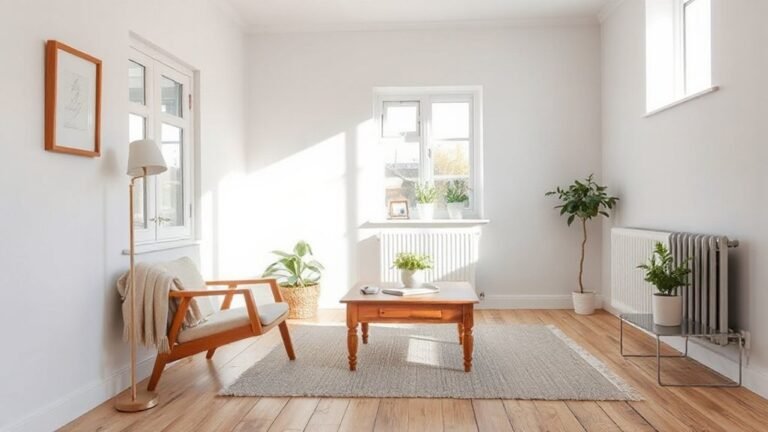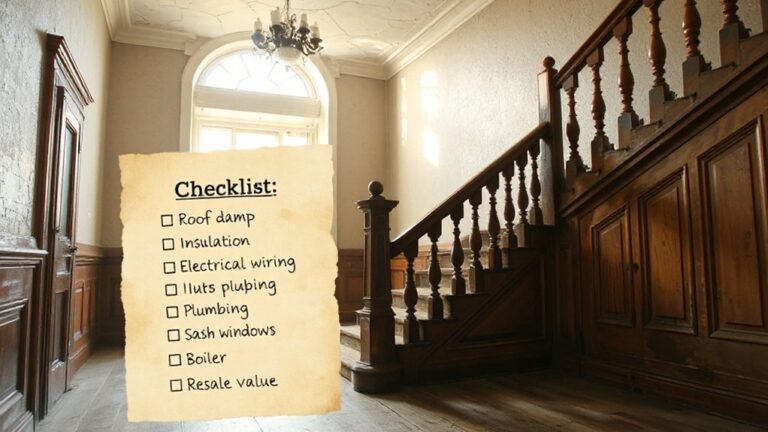
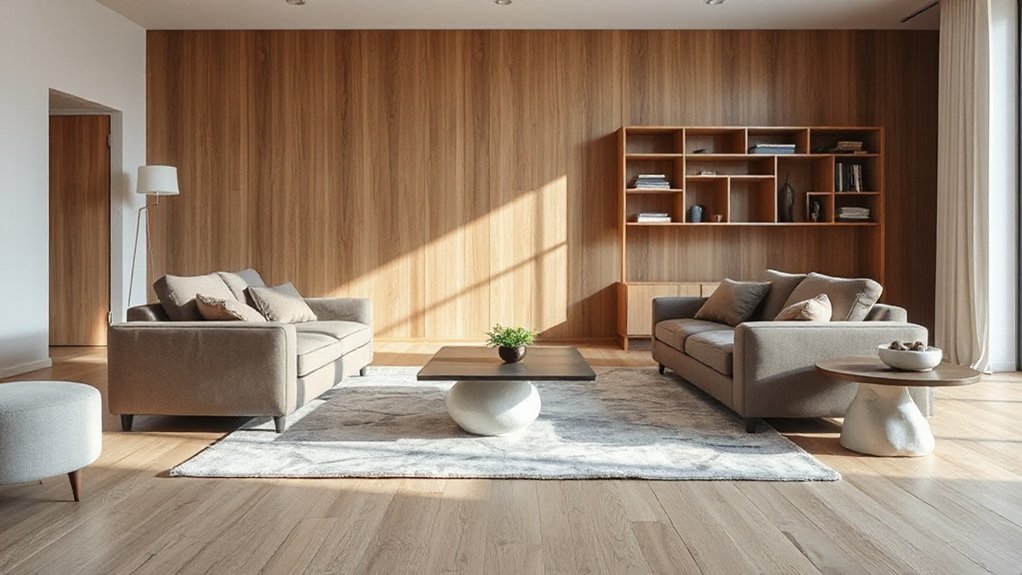
If you don’t think about room flow, you’ll miss the one detail that changes every path—furniture shape. You’ll guide movement with curved edges and slim profiles, creating soft sightlines and breathable space. This practical approach bets on modular layouts that scale with need, zones that feel intuitive, and lighting that highlights form. Keep wondering how to balance aesthetics with function as you refine placement, and you’ll see why shape choices matter more than you expect.
Key Takeaways
- Opt for slim, modular shapes that maximize pathways and central clearance while preserving function and style.
- Use curved and rounded furniture to guide movement and soften sightlines for safer navigation.
- Arrange furniture along walls or corners to enhance sightlines and create breathable, flexible zones.
- Balance scale and proportion so shapes fit the room size, preserving clear circulation and comfortable sightlines.
- Align shapes with architectural lines and daylight, creating cohesive flow and dynamic, non-static spaces.
What Room Flow Is and How Shapes Influence It
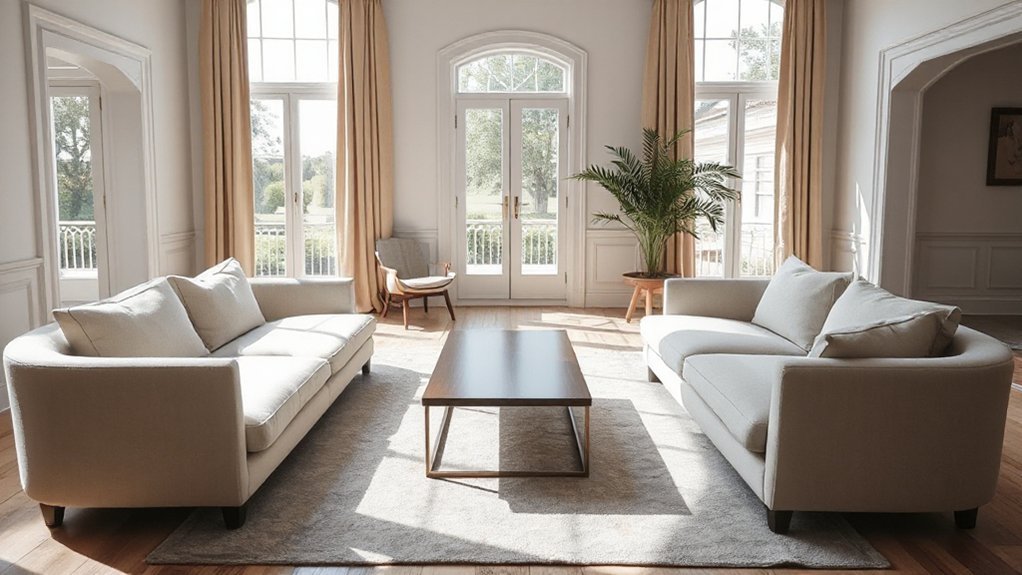
Room flow is how people move through a space and how furniture guides that movement. You’ll examine how circulation paths form, where doors and thresholds sit, and how sightlines influence choice. This topic centers on space optimization: arranging furniture to minimize backtracking, glare, and congestion while maximizing usable area.
You assess entry points, anchor pieces, and clearances to sustain smooth progression between zones. Consider how shapes direct attention and pace—long, unobtrusive forms slow movement less than bulky, angular items.
You’ll also weigh furniture ergonomics, ensuring seating and desks align with typical postures and reach ranges, reducing strain and rewiring behavior toward comfort and efficiency. By balancing proportion, scale, and function, you enable purposeful, intuitive navigation within the room.
Use Round Edges to Soften Movement and Sightlines
Round edges reduce abrupt turns and guide traffic smoothly through a space. They also soften sightlines, creating visual harmony with curves that feels intentional and calm.
Use this approach to balance function and aesthetics, encouraging easier movement without sacrificing style.
Softens Traffic Through Circles
Curved furniture edges and circular forms soften how people move through a space, guiding sightlines without interrupting flow. You’ll notice smoother circulation since circular shapes reduce abrupt stops at corners and edges, creating a natural rhythm that feels intentional. This approach supports practical navigation while maintaining aesthetic cohesion through careful furniture material and color coordination.
- Circles guide attention gently, making pathways legible and less cluttered, which boosts perceived space and reduces visual noise.
- Soft curves minimize collision risk, enhancing safety without sacrificing style or function.
- Thoughtful color coordination on rounded pieces reinforces continuity, helping you maintain a unified palette that feels cohesive and calm.
Applied consistently, this strategy yields a refined, efficient environment where movement feels deliberate and serene.
Visual Harmony With Curves
Moving from softening traffic with circles, you can achieve visual harmony by introducing curves that feel intentional rather than decorative. Visual harmony with curves leverages rounded edges to guide movement and frame sightlines without abrupt interruptions.
You’ll notice geometric contrast between soft contours and angular surfaces in furniture silhouettes, which creates a coherent rhythm across the room. Use curved consoles, armless sofas, and rounded coffee tables to reduce visual weight disparities and ease connections between zones.
The goal is balance: curves should complement, not dominate, and align with architectural cues like doorways and window openings. Pay attention to proportional scale and spacing so each piece supports flow.
When executed with precision, rounded forms deliver both accessibility and aesthetic resonance, reinforcing a calm, navigable environment.
Choose Slim Furniture to Open Up Walking Space
Choosing slim furniture boosts flow by creating open walking paths and reducing visual clutter.
A narrow profile design minimizes footprint while maintaining function, so you can move more freely without sacrificing style.
This approach balances the Slim Furniture Advantage with practical, aesthetic spacing cues for a cleaner room layout.
Slim Furniture Advantage
Slim furniture clears pathways without sacrificing function or style. You’ll notice how narrow profiles maintain seating and surface utility while preserving open sightlines. In practice, slim forms reduce visual clutter and promote fluid traffic during daily tasks, gatherings, and shifts between zones.
The result is a space that feels larger even when furniture remains substantial. With minimalist design at the core, you emphasize essential geometry and restrained detailing. Geometric patterns play a subtle role, guiding eye movement without competing with room architecture.
This approach supports adaptable layouts, easier cleaning, and better air circulation, all without compromising comfort.
1) Choose compact consoles that double as storage
2) Align seating along walls to minimize intrusion
3) Prioritize leggy silhouettes to maximize floor visibility
Open Walking Paths
Position seating and storage along walls or corners to maximize central clearance without sacrificing function. Prioritize low-profile consoles, compact consoles, and narrow sofas that don’t intrude into walkways.
Consider leg design; floating elements create a sense of openness and improve sightlines.
Guarantee paths maintain at least a standard clearance, typically 32 inches, between furniture clusters.
For ongoing usability, schedule regular furniture maintenance to prevent loose legs or wobbly bases that could encroach on paths.
Material durability matters; select sturdy frames and durable surfaces to withstand daily traffic while preserving a refined aesthetic.
Narrow Profile Design
- Prioritize compact silhouettes that maintain function while reducing footprint.
- Pair light materials and muted tones to enhance openness and visual airiness.
- Align scale with surrounding elements for cohesive, ergonomic comfort and refined aesthetic appeal.
Build Scalable, Breathable Rooms With Modular Layouts
Modular layouts let you scale space without sacrificing flow: by grouping furniture into repeatable, lightweight modules, you create breathable zones that adapt as needs change. You deploy grids and overlaps that preserve sightlines while circulating paths stay clear.
Choose modular pieces with low profiles and stackable or collapsible options to minimize visual noise, enhancing Room lighting and perceived openness. Balance is key: place modules to form functional islands without isolating areas, allowing quick reconfiguration for gatherings or workdays.
Use materials that reduce bulk visually—slender legs, cantilevered shelves, and soft edges—so airflow remains unconstrained. Label fabrics and finishes for interchangeability, enabling quick swaps without tools.
This approach yields scalable, breathable rooms that retain cohesion, utility, and an airy aesthetic.
Create Zones With Furniture Shapes and Placement
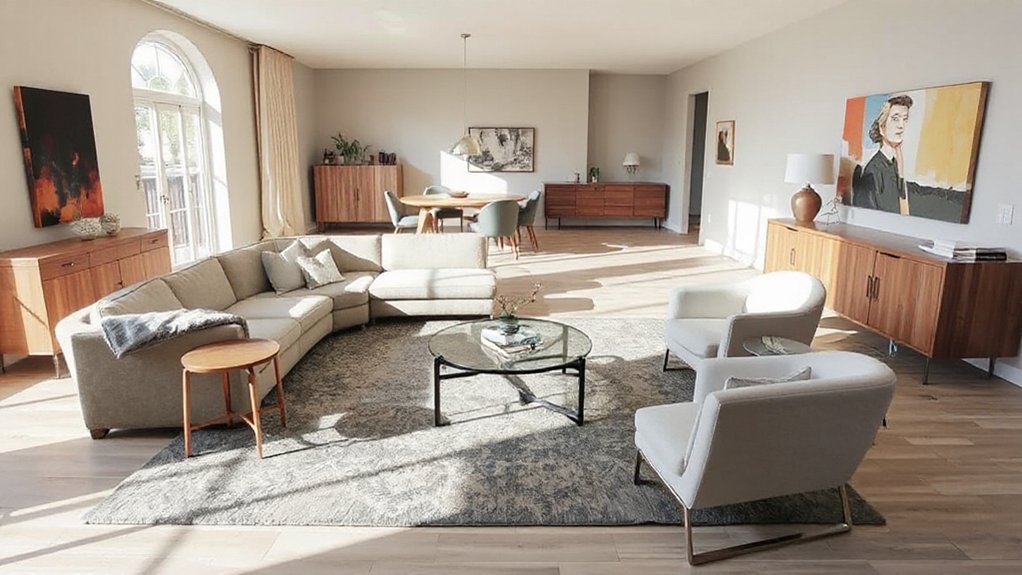
Strategically shape the room by creating distinct zones through furniture outlines and placement cues. You establish clear functional clusters using sofas, chairs, and tables that align with traffic flow and sightlines. Choose furniture styles that define each zone while preserving cohesion, and vary scale to emphasize purpose. Material textures—soft upholstery, wood grains, and metal accents—add tactile separation without walls.
Precision in arrangement matters: orient seating toward focal points, maintain ambients, and leave accessible pathways.
- Map zones with deliberate silhouettes that visually cue function and movement.
- Mix contrasting textures to articulate boundaries while supporting a unified palette.
- Adjust placements iteratively as you test comfort and circulation, refining the balance between open space and intimate nooks.
How Light and Color Interact With Shape Choices
Light and color don’t just decorate shapes; they define how those shapes read in a space. You’ll see that color emphasizes form by altering perceived scale and line quality, while light reveals or hides geometry.
When natural light pours in, subtle shifts in hue across surfaces change how you perceive height, width, and adjacency between pieces. Color psychology informs your choices: cool tones can push elements away, warm tones pull you in, and saturated accents draw focal points along a path you want to emphasize.
Consider daylight patterns; you’ll want shapes positioned to catch sunlight at key moments, so form appears dynamic rather than static. Balance brightness with muted tones to preserve legibility, reduce glare, and sustain harmony across textures and materials.
A Practical Guide to Picking Shapes by Room Size
When room size sets the frame, start by matching shapes to scale: small rooms benefit from compact, cohesive silhouettes, while larger spaces tolerate bold, expansive forms. You’ll optimize flow by aligning furniture geometry with available floor area, ensuring clearance for movement and sightlines.
Prioritize furniture durability in proportional builds to maintain long-term rhythm and avoid frequent replacements. Color coordination ties scale to mood, letting subtle hues unify varied pieces without visual clutter.
Select shapes that echo architectural lines for cohesion, and reserve striking forms for focal accents.
- Choose compact silhouettes for intimate zones to preserve air and accessibility.
- Reserve expansive, sculptural pieces for open areas to create dramatic airiness.
- Balance contrast and harmony with consistent color accents across sizes to reinforce flow and usability.
Frequently Asked Questions
How Do Shapes Affect Acoustics in a Room?
Shapes influence acoustics by guiding how sound travels and settles. You’ll optimize sound absorption and minimize noise reflection with thoughtfully scaled forms, materials, and placement.
You directly control absorption through porous textures, panels, or curves, while avoiding harsh reflections with rounded edges or diffusers.
You’ll balance aesthetics and performance, considering room volume and usage.
You’ll tune surfaces to reduce echo, improve clarity, and create a comfortable environment where sound absorption and noise reflection align with the design intent.
Can Shapes Influence Perceived Ceiling Height?
Yes—shapes can influence perceived ceiling height. You’ll create a ceiling illusion with vertical lines, tall, narrow furniture, and upward lighting, sharpening spatial perception.
You’ll also gain a sense of height by avoiding heavy, low profiles near the perimeter. Use mirrored or glossy surfaces sparingly to reflect space without crowding it.
Parallelism guides your eye upward: verticals, then lights, then textures.
Practically, measure scale, align shapes, and maintain balance for effective ceiling illusion and enhanced spatial perception.
Do Asymmetrical Shapes Improve Balance in Small Rooms?
Yes, asymmetrical shapes can improve balance in small rooms. You’ll achieve asymmetrical balance by pairing visually heavier elements with lighter ones, creating rhythm without clutter.
Use varied but complementary forms to guide the eye and maintain visual harmony, rather than mirrored symmetry. Practically, place a bold, angular piece opposite a softer, curved element, then balance with aligned textiles and lighting.
This technical approach sustains aesthetic cohesion while maximizing perceived space and function.
Which Shapes Optimize Sightlines for TV Viewing?
To optimize sightlines for TV viewing, use modular layouts with sofas and chairs aligned to the screen and staggered seating so viewers stay within the central 60–70% of the room.
A statistic: households upgrade to modular layouts see a 25% drop in glare complaints.
Prefer rounded edges on media cabinets and coffee tables to soften reflections and reduce distractions. This practical, aesthetic setup maintains balance and focus, while keeping sightlines clear and comfortable.
How Do Furniture Shapes Impact Indoor Air Circulation?
Your choices in furniture shapes influence airflow patterns by guiding how air moves around pieces. You’ll optimize circulation with careful furniture arrangement, avoiding blockages and sharp corners that trap heat or odors.
Softer, rounded silhouettes reduce turbulence, while open backs and leggy designs promote vertical and horizontal flow.
Keep central spaces clear, staggered layouts, and align seating to natural vents or fans.
Practical aesthetics meet function: better airflow patterns enhance comfort and indoor air quality.
Conclusion
You’ve seen how curving sofas, round tables, and slim profiles coax traffic and sightlines into a calm, open rhythm. By shaping rooms with modular layouts and deliberate zones, you’ll enjoy breathable, scalable spaces that feel both practical and aesthetic. The right edges soften movement, while lighter profiles maintain clarity and flow. Ready to refine your plan and test layouts that invite effortless navigation? Embrace the shapes that make room feel as good as it looks.
About the Author