To add character to a plain UK new-build, start by evaluating warmth gaps and design goals—identify drafts, insulation needs, and window solar gain. Layer texture with natural fabrics, vintage brass, and timber, pairing matte finishes with subtle sheen. Introduce depth through coordinated flooring, restrained patterns, and curated textiles. Use thoughtful lighting, built-in storage, and personal touches like artwork and plants. Small, budget-friendly upgrades—draft-proofing, radiator covers, and smart tech—will pay off as you explore more ideas.
Assessing a New-Build: Identify Warmth Gaps and Design Goals
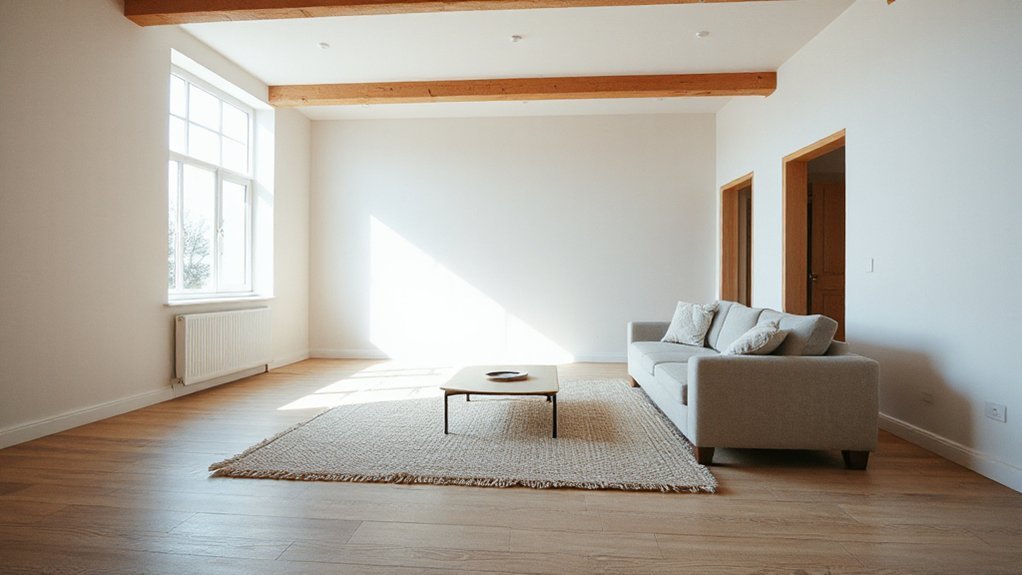
When you assess a new-build, start by mapping out warmth gaps—those areas where comfort, energy usage, and air quality fall short of your design goals. You’ll identify performance shortfalls methodically, then translate them into actionable design targets.
Begin with insulation evaluation to gauge where heat leaks occur and where best to focus retrofit potential. Assess window placement to optimize solar gain and shading, balancing light with thermal load. Consider airtightness, HVAC efficiency, and thermal bridges, noting how they affect comfort and operating costs.
Document the baseline measurements, then set clear goals: reduce drafts, improve midday warmth, and enhance air quality without sacrificing daylight. Your next steps flow from these findings, linking diagnostic insight to precise design decisions.
Layering Warmth: Textures and Materials That Read Modern Yet Cozy
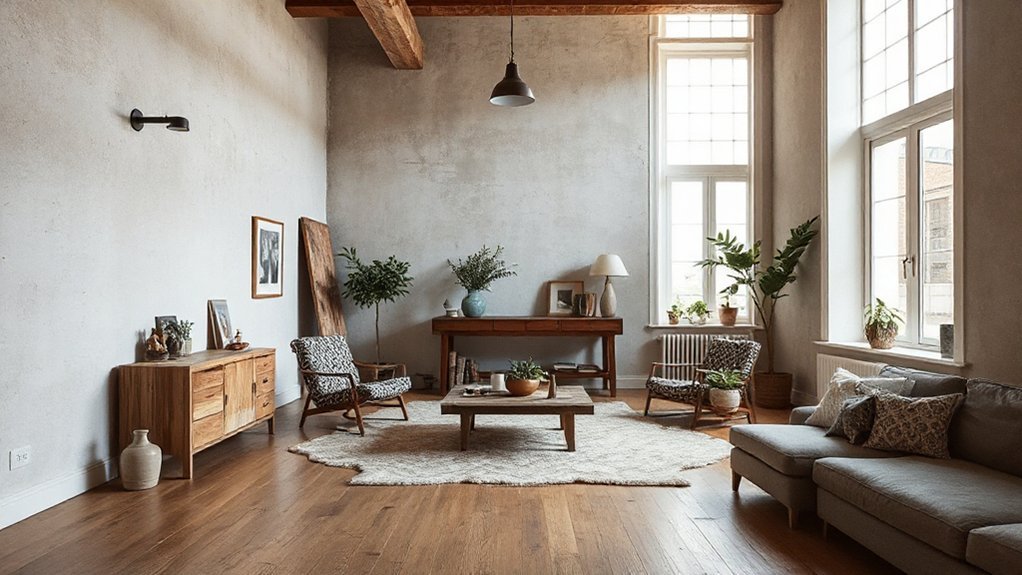
Textured layers read modern without cold austerity by combining tactile materials with careful color and light. You layer warmth through a restrained palette, letting textures do the talking.
Choose natural fibers for upholstery, throws, and rugs to add softness without bulk, and mix woven, knotted, and plush surfaces for depth.
Introduce vintage accents—nicked brass, patinated wood, or a lamp with history—to create character without clutter.
Pair matte finishes with a satin sheen to guide the eye and prevent flatness.
Keep patterns minimal and coordinated, so texture dominates.
Lean on architectural elements—exposed brick, timber, or plaster—to frame texture organically.
Remember: light enhances texture; place sources to cast gentle shadows that reveal layering, ensuring the room feels contemporary, inviting, and cohesive.
Flooring With Depth: Maintain Modern Lines While Adding Character
You can add depth to your floors by pairing a crisp, light plank with a darker, contrasting runner to emphasize clean, modern lines.
Use texture through contrast—matte versus subtle sheen, smooth boards against a tactile rug—to create visual interest without clutter.
Let a cohesive color story guide your choices, so the flooring feels intentional rather than decorative.
Texture Through Contrast
Texture is the secret to depth without sacrificing sleek, modern lines. You combine materials with deliberate restraint, letting texture carry the story.
Choose flooring that offers textural contrast—think polished concrete next to a warm wood plank, or a tactile slate against soft carpet edges. Surface variation becomes your quiet actor: subtle bevels, grain direction shifts, and matte versus gloss finishes create dimension without shouting.
Maintain clean sightlines by aligning grout with architectural seams and keeping fluidity seamless between rooms.
Consider how underfoot feel interacts with light; a slightly lighter stone can brighten a corridor while a darker wood grounds a living area.
You’ll achieve character through restrained contrast, ensuring every surface contributes to a cohesive, contemporary ambience.
Subtle Color Story
Subtle color can deepen flooring without compromising the clean lines you value. A restrained palette adds depth without clutter, letting your spaces breathe. Choose mid-tones with warm or cool undertones to align with cabinetry and fixtures, fostering color harmony across rooms.
Pair matte finishes with selective gloss to create gentle contrast that reads modern yet inviting. Consider flooring that shifts subtly in shade under varying light, so movement becomes a design feature rather than a distraction.
Use accent elements—rugs, artwork, and soft furnishings—in complementary hues to reinforce mood setting throughout the home. Keep gradual changes seamless by repeating a handful of tones rather than chasing every trend.
This approach yields a cohesive, polished look that feels intentional and timeless.
Soft Furnishings to Soften the Lines Without Clutter
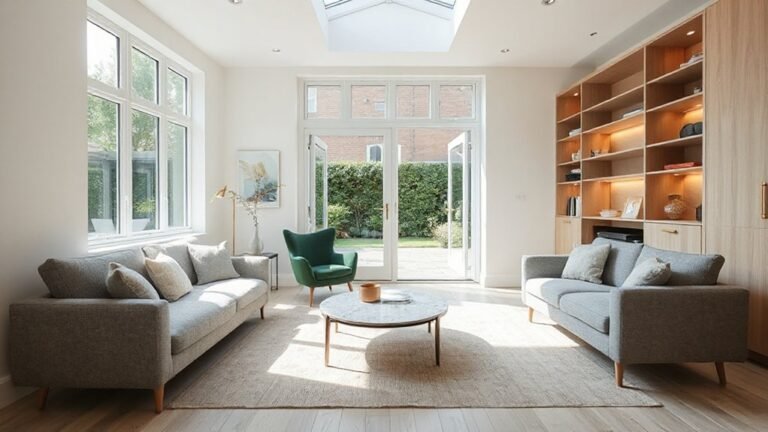
Soft furnishings can soften the sharp lines of a new-build without adding clutter, so start with a restrained palette and purposeful textures. You’ll ground spaces with natural fibers, woven textures, and matte finishes that echo architectural details.
Choose window treatments that skim ceilings and frame views without overwhelming, like linen blinds or soft timber shades, to preserve airiness while adding warmth.
Decorative cushions punctuate seating with tactful color and tactility, avoiding over-embellishment. Layer textures thoughtfully: a felted rug, a covetable wool throw, and a velvet accent pillow can cultivate depth without visual fatigue.
Keep silhouettes clean and scale coherent with room proportions, so furnishings feel integrated rather than added on. The result is calm, refined comfort that complements the existing lines.
Colour Strategy for Warmth and Cohesive Flow
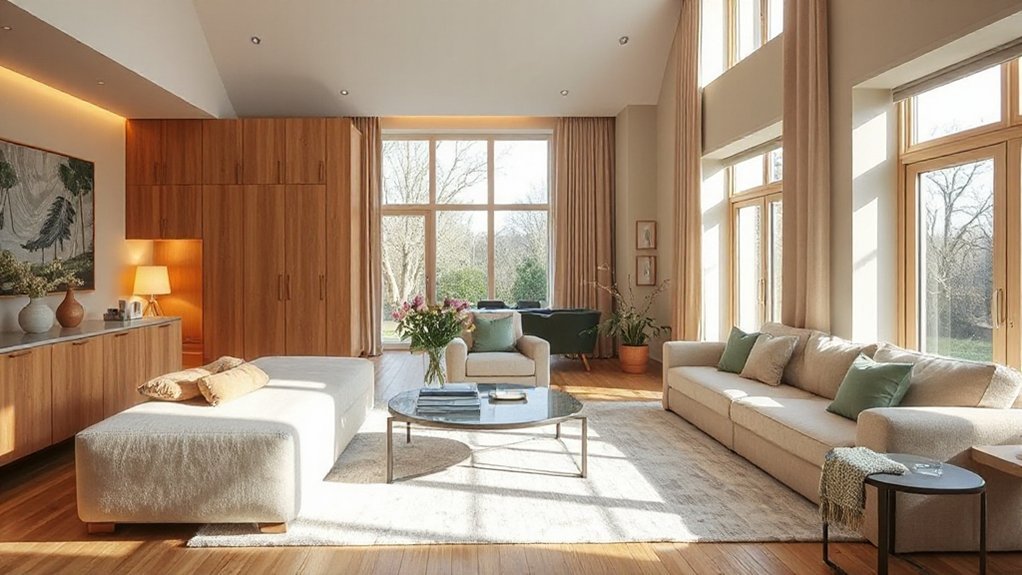
A warm, cohesive colour strategy unifies the new-build’s clean architecture with the softer furnishings you’ve layered in. You choose a restrained palette that supports rhythm across rooms, so wall finishes blend seamlessly from space to space.
Start with a base of warm neutrals, then introduce depth through accent tones that repeat in upholstery, rugs, and artwork. Keep contrast deliberate: lighter ceilings, mid-tones on walls, and darker trims frame architectural details without shouting.
Bring in texture and nuance via natural materials—timber, brick, stone—to add warmth and character. Consider outdoor landscapes as extensions of the interior palette; reflect garden greens and earthy clay in cushions or throws for cohesion.
Guarantee colour repeats circulate, guiding flow while maintaining clarity and calm throughout the home.
Lighting Plan for Ambience, Task Work, and Accents in a Clean Interior
Start by identifying your three lighting layers—ambience, task, and accents—and plan how they support a clean, cohesive interior.
Use dimmable fittings for flexibility, pairing soft general light with focused task illumination and subtle accent highlights.
We’ll explore practical configurations that balance atmosphere with function, so your UK new-build feels inviting without clutter.
Ambience-Driven Lighting
Choose dimmable options so you can adjust mood as the day shifts, keeping energy use sensible while preserving atmosphere. Keep color temperature aligned: warmer hues near seating, cooler tones where focus matters.
The result is mood lighting that feels intentional, not incidental, guiding you through moments with ease. This approach elevates the interior without clutter, delivering practical charm and refined comfort.
Task and Accent Layers
To shape a cohesive lighting plan, layer task-focused fixtures with precise accents that guide daily routines without clutter. You’ll position ceiling pendants and under-cabinet LEDs for clear task work in kitchens and desks, ensuring brightness is directed and glare is minimized.
Integrate wall sconces and recessed cues to softly define paths and zones, so ambience remains calm as you move through rooms. Accent layers should highlight architectural angles, art, and texture rather than overwhelm them; choose slim profiles that complement minimalist furniture and avoid visual noise.
Use indoor plants to weave light and shadow, creating depth and a sense of essential. Keep controls intuitive, with dimmers and zones that adapt to time of day, activity, and mood.
Heritage-Inspired Details That Fit a Contemporary Shell
Heritage-inspired details can elevate a contemporary shell without feeling gimmicky. You’ll weave nods to historical influences into clean lines and modern materials, so the past feels intentional, not showy.
Start with a restrained, architectural palette—timber, brick, or stone accents—paired with streamlined fixtures. Choose period-tinged silhouettes that read as a modern reinterpretation, like slim mullioned windows or a shallow, stepped cornice that complements open-plan spaces.
Detailing matters: hand-finished plaster, chamfered edges, and subtle fretwork in screens or railings can add texture without clutter. Use lighting to cast warm, historical shadows, then balance with minimal hardware and concealed storage.
The goal is cohesive continuity: references that feel deliberate, not nostalgic costume, honoring the home’s present-day function.
Pattern and Print for Personality Without Visual Chaos
Pattern and print can inject personality without tipping into visual chaos by treating textiles and motifs as deliberate accents rather than full-room statements. You balance wall patterns and quieter prints by choosing a restrained palette, then letting a single feature wall guide the room’s mood.
Opt for curated repeats and scale that reflect the space’s proportions, avoiding competing patterns in nearby zones. When selecting print techniques, prioritize texture over loud color—matte inks, subtle embossing, or tactile weaves add depth without shouting.
Pair patterns with solid foundations: clean walls, unified flooring, and cohesive hardware. Use accessories to echo a motif rather than overload surfaces. With deliberate placement and thoughtful spacing, character emerges as refined detail, not visual noise.
Layered Textiles and Decor to Create a Lived-In Feel
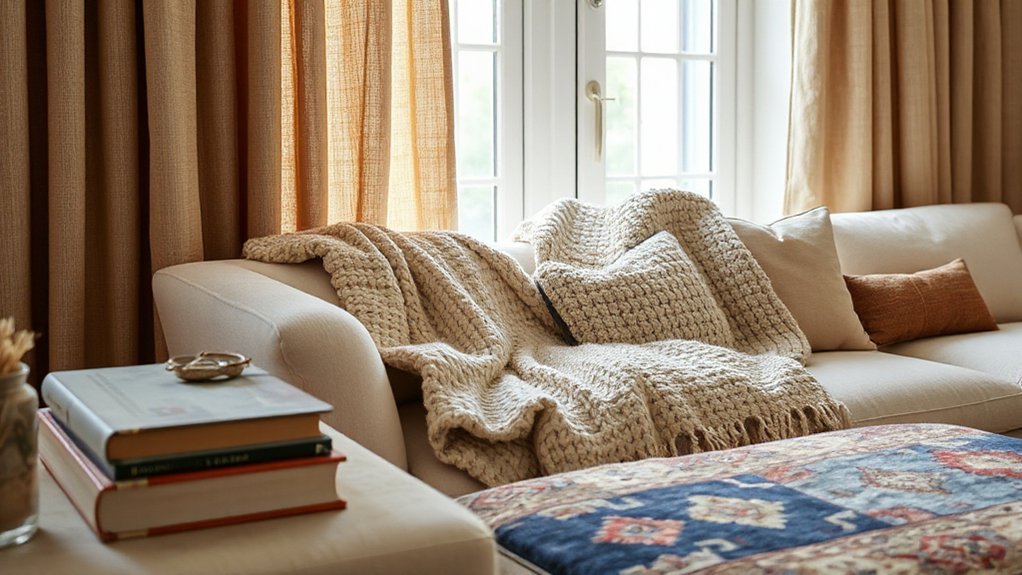
Layering textiles and decor creates a lived-in feel by weaving warmth and texture into the space, without sacrificing polish. You’ll balance surfaces with a base of neutral upholstery, then add archival layers for depth.
Choose Vintage textiles as focal points—a restored rug, a faded throw, or a well-loved cushion—so you introduce character without shouting. Build coherence by repeating color hints across accessories, like lampshades, curtains, and wall art.
Integrate Bohemian accents sparingly to avoid clutter: a patterned bench, a woven wall hanging, or a small terracotta collection. Opt for varied textures—linen, wool, silk—so light and touch interact naturally.
Finish with purposeful placement: keep edges clean, align scales, and let each piece justify its presence to sustain a cohesive, lived-in feel.
Smart Storage That Respects Builder Precision and Space
Smart storage in a new-build should honor precise construction while maximizing every centimeter of space. You’ll transform tight rules into clever solutions that feel seamless with the architecture, not tacked on.
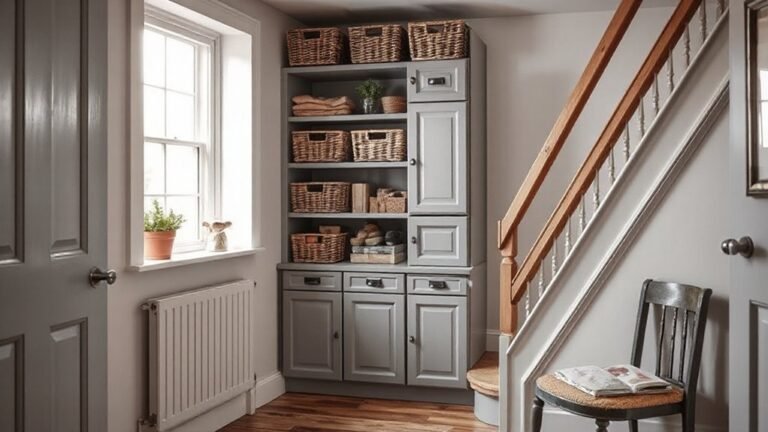
Precision matters, so choose systems that align with builder precision and standard measurements, ensuring panels and rails sit flush. Use recessed niches and shelving that follow wall contours, avoiding bulk that breaks the line.
Consistency in hardware finishes reinforces a cohesive aesthetic while staying functional.
- Floor-to-ceiling wardrobes with integrated dividers for versatility
- Fold-away desks and pull-out pantry organizers that respect gaps
- Slim pull-out drawers with soft-close mechanisms for quiet, reliable use
Personal Touches: Artwork, Collectibles, and Cultural Cues
Personal touches elevate a plain new-build into a home with character. You curate a room-by-room narrative through artwork, collectibles, and cultural cues that reflect you without cluttering the space.
Choose pieces that echo your travels or local heritage, selecting sizes and frames that harmonize with the architecture rather than clash with it. Group works by color or theme to create cohesive vignettes, and mix textures—felt, linen, glass—to add tactility.
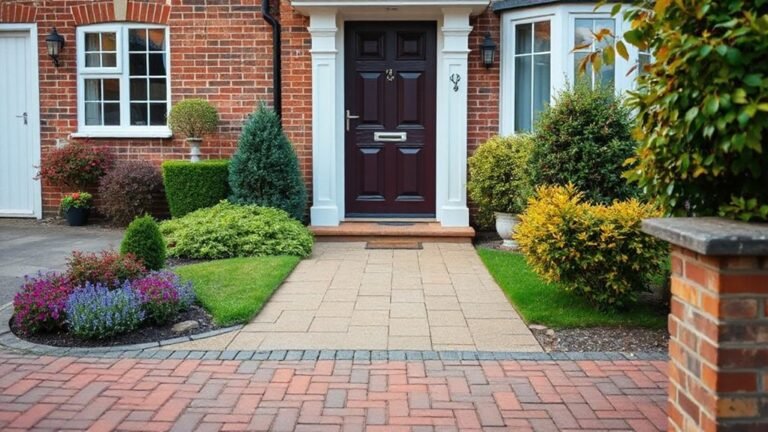
Display collectibles in purposeful clusters with clear sightlines, avoiding filler detritus. Consider exterior cues as you extend personality outward: garden landscaping choices and a well-considered exterior facade invite curiosity before stepping inside.
Let restraint guide selection, ensuring each item elevates, rather than competes with, the architecture.
Quick, Budget-Friendly Upgrades That Leave a Lasting Impression
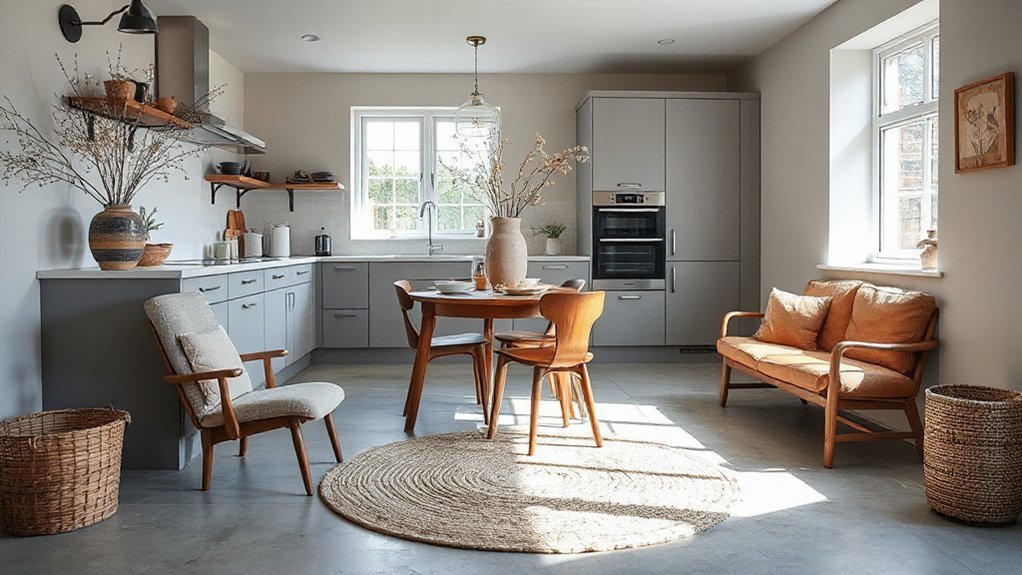
Small changes can make a big impact, especially when you’re working with a new build. You don’t need a big budget to elevate spaces; you need smart choices that last. Focus on essentials that enhance daily life while preserving a cohesive feel across rooms.
- Upgrade lighting and textiles: warm LED layers, durable cushions, and door hardware that ties rooms together.
- Invest in garden landscaping tweaks: tidy borders, potted inserts, and a small seating cue to extend living outdoors.
- Improve energy efficiency: draft-proofing, radiator covers, and smart thermostats to reduce bills and boost comfort.
With these moves, your home feels intentional, not temporary, while keeping upkeep light and appeal enduring.
Frequently Asked Questions
How Can Installations Enhance a Minimalist New-Build Without Clutter?
Install architectural accents and decorative fixtures to elevate your minimalist new-build without clutter; choose restrained forms, warm tones, and smart lighting. You’ll create cohesive texture and focal points, preserving simplicity while enhancing character through thoughtful, purposeful detail.
Which Durable Textiles Balance Warmth and Easy Maintenance in UK Homes?
Like a stubborn shield, choose textile durability and maintenance friendly fabrics for UK homes; you’ll stay warm and tidy. You’ll find durability and easy-care woven into fabrics that endure daily use, balancing warmth with practical, stylish comfort.
What Ceiling Treatments Suit Modern Interiors With Subtle Character?
You can elevate modern interiors with textured wall finishes and decorative ceiling moldings, adding discreet character. You’ll unify spaces by pairing subtle patterns with clean lines, balancing warmth and sophistication while preserving simplicity and cohesive flow throughout your rooms.
How Can Lighting Layers Create Warmth in a Neutral New-Build?
Ambient lighting and layered illumination create warmth by balancing soft, diffused sources with focused accents. You’ll mix warm CCTs, dimmers, and statement fixtures, ensuring harmony across textures, scales, and spaces for a cohesive, practical glow throughout your neutral new-build.
Which Personalization Ideas Respect Builder Precision and Resale Value?
Picture a buyer who adds custom wallpaper and statement door handles, boosting appeal without compromising resale. You can pair a muted palette with a bold accent, then reference a brief case study to show practical, cohesive personalization.
Conclusion
You step into the home and feel the space breathe. Warmth threads through it like sunlight, tracing textures and soft shadows across clean lines. You layer depth with rugs, cushions, and timber, then crown with art and memories that whisper personality. Storage stays sleek, so each discovery remains a delight. Your personal touches glow against the neutral canvas, turning a builder’s precision into a lived-in comfort. It’s a quiet, stylish transformation that feels both new and unmistakably yours.
About the Author