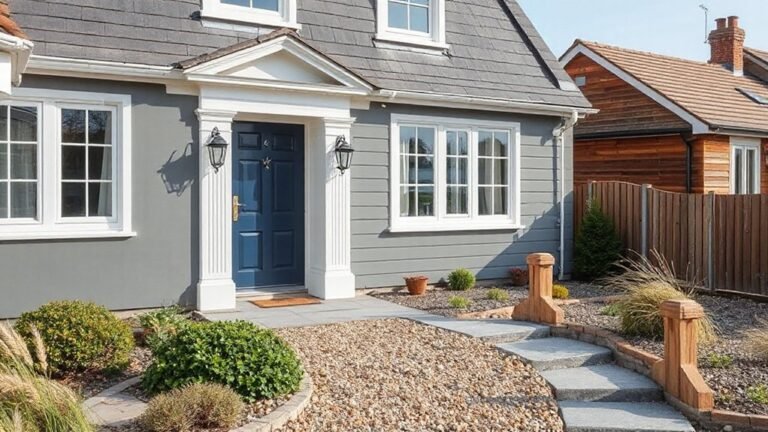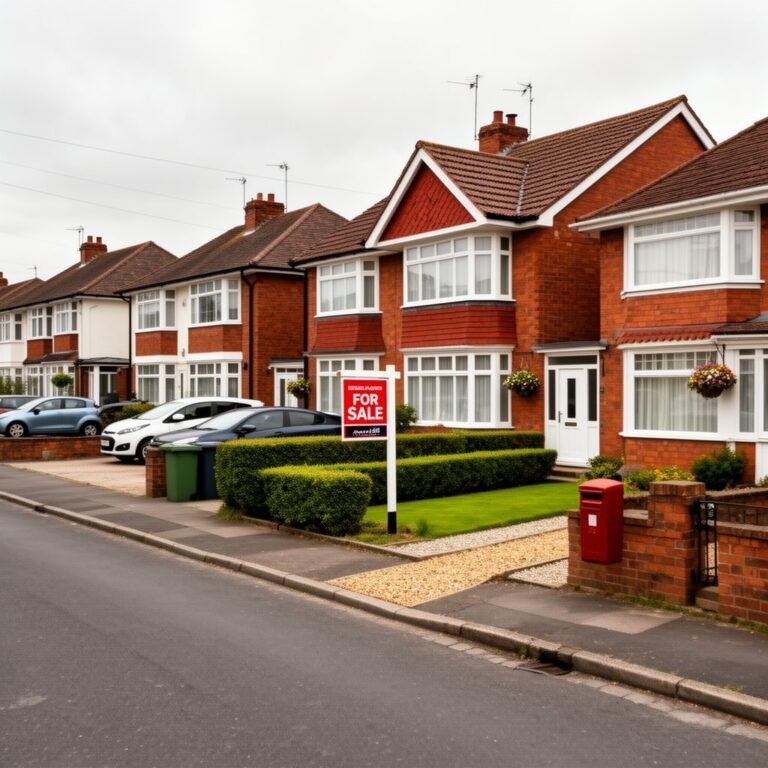
Transform a UK townhouse into a focused, daylight‑infused workspace by picking a quiet, garden-adjacent spot with stable wall thickness and easy access to outlets and network points. Choose a slim, compact desk with discreet cable routes, and position it for natural light and clear sightlines. Use adaptable screens or shelving to carve privacy, plus wall storage and greenery to soften lines. Layer lighting and keep surfaces clutter-free; more tips await if you keep reading.
Identify the Best Spot for a UK Townhouse Office
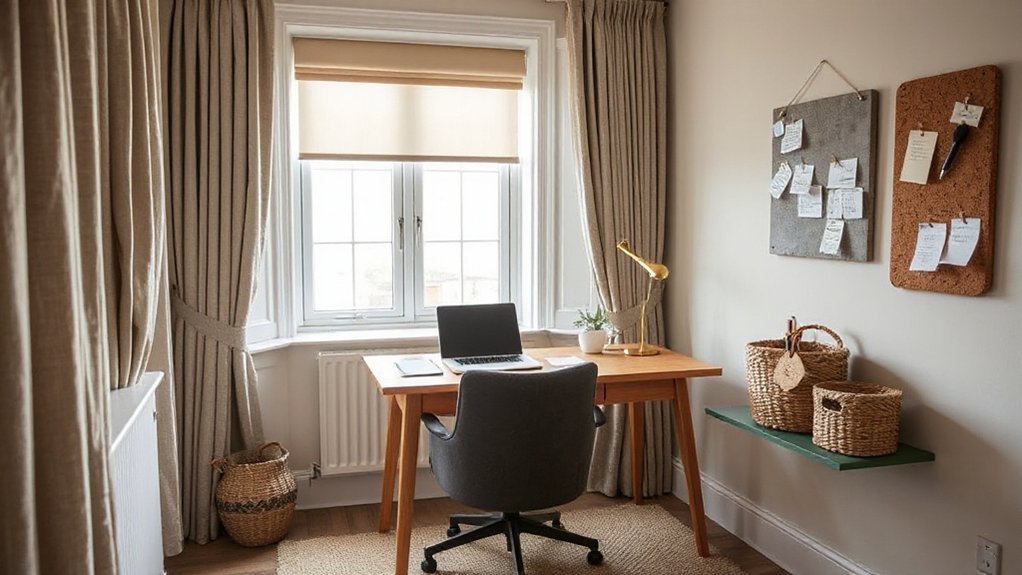
Choosing the right spot in a UK townhouse hinges on function and flow. You pinpoint a space that minimizes distractions while maximizing daylight and insulation, because comfort boosts productivity.
Look for rooms with stable wall thickness and quiet exposure from street noise. If possible, pick a location near the garden for easy integration of natural light and ventilation, supporting garden integration without sacrificing focus.
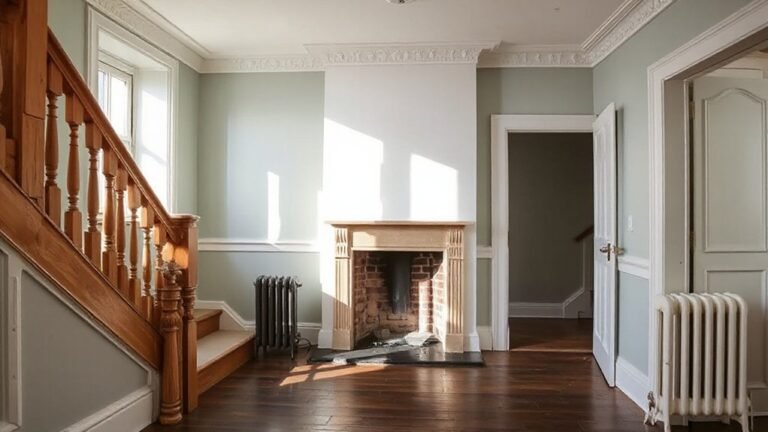
Historical architecture matters: consider alcoves, original doors, or fireplaces that can serve as character features rather than clutter.
Evaluate access to power, network outlets, and discreet cable routing to keep a tidy aesthetic.
Prioritize a spot with adaptable boundaries—folding screens or screens of shelves help you sculpt privacy.
Finish with durable materials that echo the home’s style, ensuring seamless integration.
List Your Must-Have Work Tasks (With Real-World Examples)
To design an efficient home office, list the tasks you’ll tackle daily and weekly, then map each to concrete workflows. Start with core operations: email triage, task prioritization, calendar blocking, and document capture. Pair tasks with step-by-step processes: open inbox, categorize, flag urgent items, schedule time, and record outcomes.
Add collaboration routines: file sharing, quick status updates, and meeting preparation. Include project work: milestones, dependencies, and review loops. Tie tasks to metrics: turnaround time, backlog, and reliability.
Integrate ambiance with focus: home decor tweaks that cue work sessions and gardening tips for biophilic resets. Guarantee review cadences and contingency playbooks exist. This clarity prevents drift, boosts focus, and aligns daily effort with weekly goals.
Pick a Desk That Fits Narrow Townhouse Spaces
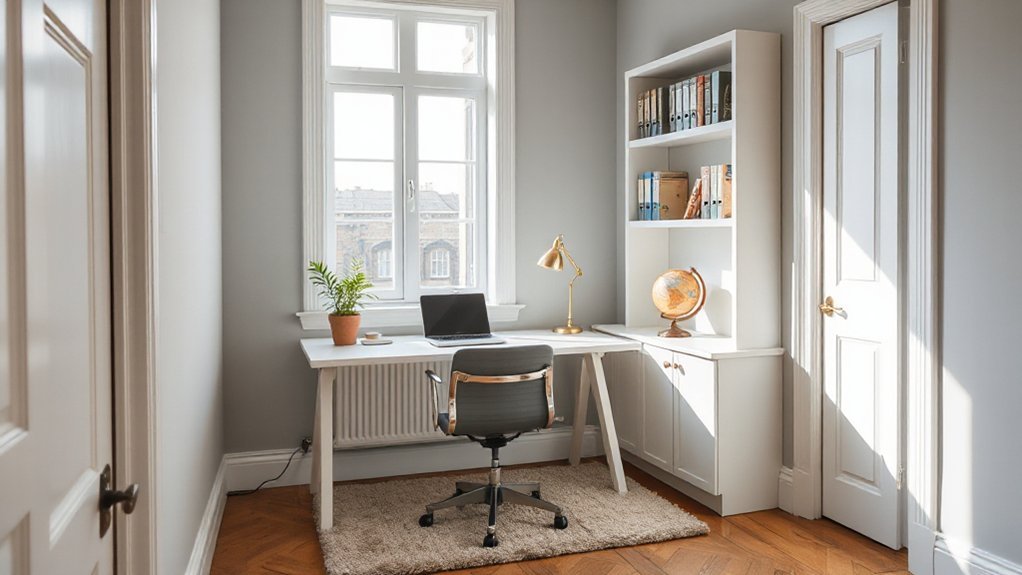
Opt for a slim desk that nabs every inch of your narrow space, focusing on compact dimensions and a clean silhouette.
Use corner layouts to open flow while preserving surface area, then pair with unified storage to keep cables and paperwork tucked away.
With smart choices for slim profiles, corner tricks, and integrated storage, you’ll set a functional, stylish workstation without crowding the room.
Slim Desk Dimensions
If your townhouse layout is tight, start with a desk that fits the narrow footprint without sacrificing function. A slim desk should prioritize surface area for a laptop and a tidy keyboard tray, not bulk. Look for integrated cable management to keep clutter invisible.
Choose a compact depth (around 22–28 inches) and a shallow return if you need extra workspace. Height matters for ergonomics, so match the desk to your chair and monitor level.
Materials matter too: choose powder-coated metal or wood with a slim silhouette for a modern, durable feel. Pair with compact storage and under-desk drawers to preserve floor space.
- Measure available depth before buying
- Opt for a pull-out keyboard tray
- Favor slim profiles with clean lines
- Confirm cable channels are accessible
- Include ergonomic accessories for comfort
Corner Space Tricks
Corner spaces can feel tight, but the right desk shape makes them feel built-in. You’ll choose a compact, L-shaped or wall-mounted option that preserves floor area while offering substantial surface.
Seek slim legs or a desktop attached to a wall panel to avoid bulk in narrow corridors. Depth should stay around 30 centimeters to 40 centimeters, with adjustable-height options for ergonomic comfort.
Consider a corner desk with cable management to keep cords hidden yet accessible. Creative lighting matters: mount a slim task lamp or LED strip along the edge to brighten without projecting glare.
Color psychology matters, too—cool tones reduce visual noise, while a warm accent panel adds focus. Finish with a matte surface to minimize reflections and keep the corner visually calm.
Unified Storage Solutions
- Choose a desk with integrated storage and hidden compartments
- Use wall-mounted organizers for files and cables
- Opt for vertical shelving to maximize footprint
- Blend vintage decor with modern efficiency
- Include green plants for calm energy
Plan a Flow: Layout for Light and Movement
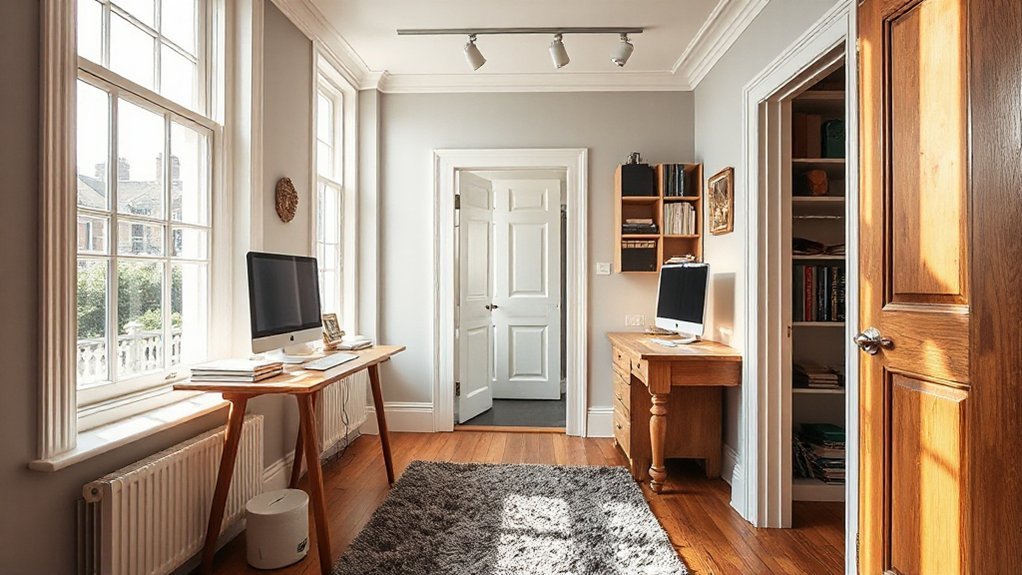
Design your flow to emphasize light, letting sunlit zones guide where you work and move.
Position the desk to catch natural brightness while ensuring clear sightlines for easy navigation between rooms.
Let movement paths feel effortless, with open sightlines and gentle shifts that keep energy focused on productivity.
Light-Focused Layout
To harness natural light and smooth movement through your UK townhouse, start with a flow plan that sequences tasks and traffic from entry to workspace with minimal detours. A light-focused layout channels daylight from main windows into the work zone, while doorways and hall alcoves create a perceptible path of progress.
Position your desk to face light without glare, and use mirrors or pale finishes to bounce brightness deeper. Consider historical architecture cues when sculpting angles and alcoves to keep the rhythm refined, not cluttered.
Integrate gardening ideas with low-maintenance greenery near the window to soften lines and reduce fatigue.
- Align entry, corridor, and desk diagonally for daylight diffusion
- Use light-colored surfaces to reflect morning and afternoon sun
- Elevate the workspace slightly to capture overhead light
- Integrate plants for visual calm and air quality
- Employ subtle architectural details that echo historic townhouse charm
Flow-Driven Movement
Map zones by function, then refine progressions with lighting techniques that cue movement—bright thresholds guiding you toward the desk, softer hues easing you away from late sessions. Keep sightlines open; minimize door swing interference and avoid abrupt corners that disrupt flow.
Prioritize workspace ergonomics by placing chair and monitor at proper height within the reach of natural and artificial light. Use layered layers of light to prevent glare while maintaining depth.
The result is a seamless rhythm where rhythm and light support focus, efficiency, and comfort throughout your UK townhouse office.
Quiet the Space on a Budget: Sound Tips for Townhouses
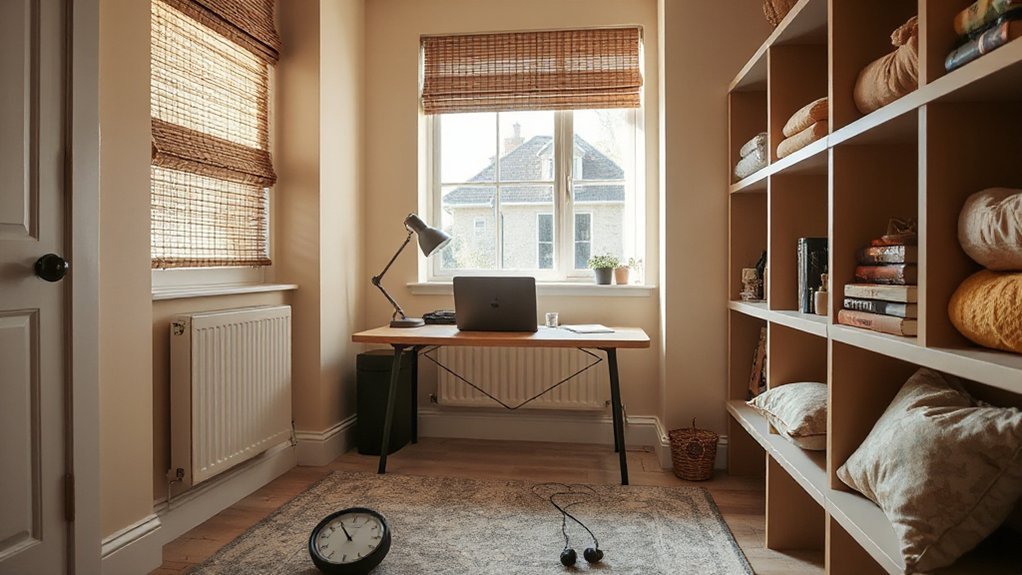
If you’re aiming for a quieter townhouse, start by sealing the obvious noise gaps and choosing budget-friendly fixes that make a real difference. You’ll notice speech clarity and focus improve with small, smart changes that don’t break the bank.
Use soundproof curtains and acoustic panels to dampen echoes in key zones, from living areas to hallways. Choose earth-toned fabrics to blend with your décor while performing double duty as style and sound control.
Stay practical: seal door thresholds, add draft stoppers, and rearrange furniture to create soft barriers. Simple upgrades stack up, delivering tranquility without a renovation.
- Seal gaps at doors and windows
- Install soundproof curtains near main walls
- Mount acoustic panels strategically
- Add draft stoppers under doors
- Reposition furniture for soft acoustic reflections
Light a UK Townhouse Office: Practical Illumination
Lighting a UK townhouse office means you’re balancing task illumination with ambience, all while keeping energy use under control. You’ll want layered lighting: a strong desk lamp for detail work, a ceiling or wall wash to reduce shadows, and a dimmable, warm background glow for long sessions.
Choose LED sources with high CRI to render colors accurately, aiding color psychology in your mood and focus. Position lights to avoid screen glare, and orient task light to your dominant hand for comfort.
Ergonomic accessories matter: adjustable arms, smooth dimmers, and tactile switches prevent strain. Crepuscular light when possible reduces fatigue, while daylight-mimicking bulbs keep you alert.
Keep cables minimal and outlets accessible to preserve clean aesthetics and a calm working environment.
Build a Cable System That Stays Neat
A neat cable system starts with a simple plan: map every device, outlet, and length of cord you’ll need, then segment runs so pressure points don’t form behind desks or along walls. You’ll cut clutter by pairing cables with their tasks, label paths, and use trunking or under-desk channels to maintain clean lines.
Prioritize accessibility for maintenance, swapping, or upgrades, and keep power and data routes separate to reduce interference. Mount adapters, surge protectors, and cable sleeves to protect, hide, and simplify.
Regularly review the setup as tech evolves to preserve cable organization and support seamless tech integration. Your space stays calm, focused, and ready for work without the visual distraction of tangled cords.
- Plan routes and label each run
- Use trunking or sleeves for visibility-free paths
- Separate power and data lines
- Group related devices together
- Schedule periodic reorganization
Smart Storage Hacks for Small Townhouse Rooms
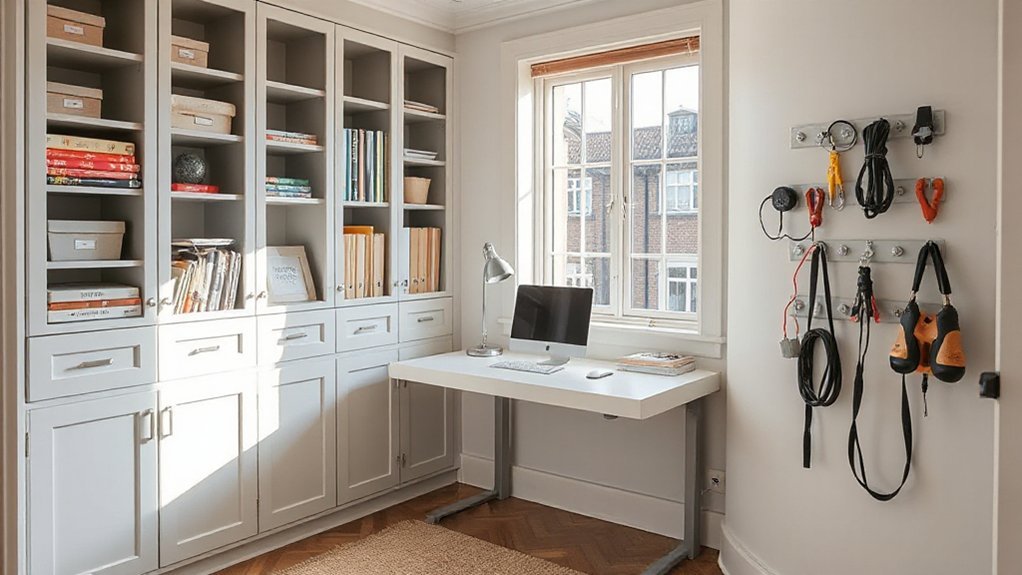
Smart storage is about clever placement and multipurpose pieces that stay unobtrusive. You’ll optimize every square inch with wall-mounted shelves, under-desk drawers, and fold-away work surfaces that vanish when not in use.
Choose pale finishes and slim profiles to preserve light, airy lines in a townhouse layout. Use vertical space for files and supplies, then tuck cords into cable trays to keep surfaces clean.
Opt for benches with hidden storage and ottomans that double as seating and bins. Incorporate vintage accessories as focal points, not clutter, to add character without bulk.
Bring in plant decor to soften edges and spark motivation. Maintain a consistent color palette to enhance cohesion, and reassess quarterly to avoid overstuffing.
Must-Have Smart Tech for a Minimal Footprint
Minimal footprints demand tech that disappears into the design, so prioritize compact, wireless gear that streamlines daily work. You’ll want devices that blend with your space while maximizing efficiency.
Smart security keeps intruders at bay without bulky hardware, and digital thermostats tune comfort without wasting wall real estate. Choose systems that integrate with your existing hub for seamless control, not clutter.
Favor battery-powered sensors and USB-C charging to keep cables at bay. Opt for discreet cameras and doorbells with privacy modes for peace of mind.
- Compact smart security setup that disables external clutter
- Discreet digital thermostats for precise, energy-efficient comfort
- Wireless hubs with multi-room integration
- Minimalist cameras and sensors with clean finishes
- Hidden or under-desk charging stations and cables management
Ergonomics You Can Achieve in a Small Space
In a small townhouse, ergonomic design isn’t a luxury—it’s a workflow saver. You should posture for long tasks without compromising flow, so choose ergonomics-conscious basics.
Place your chair so your feet rest flat and your knees bend near 90 degrees; your hips stay level, not slouched. An ergonomic chair with lumbar support encourages alignment as you work.
Pair it with an adjustable desk, enabling you to alternate between sitting and standing, which reduces strain on wrists and shoulders.
Keep frequently used items within easy reach to minimize twisting.
Monitor height should align with eye line, preventing neck fatigue.
Add a subtle anti-glare solution to your screen and adjust lighting to avoid glare.
Simplicity in setup yields lasting comfort.
Color and Finishes That Suit a Townhouse Feel
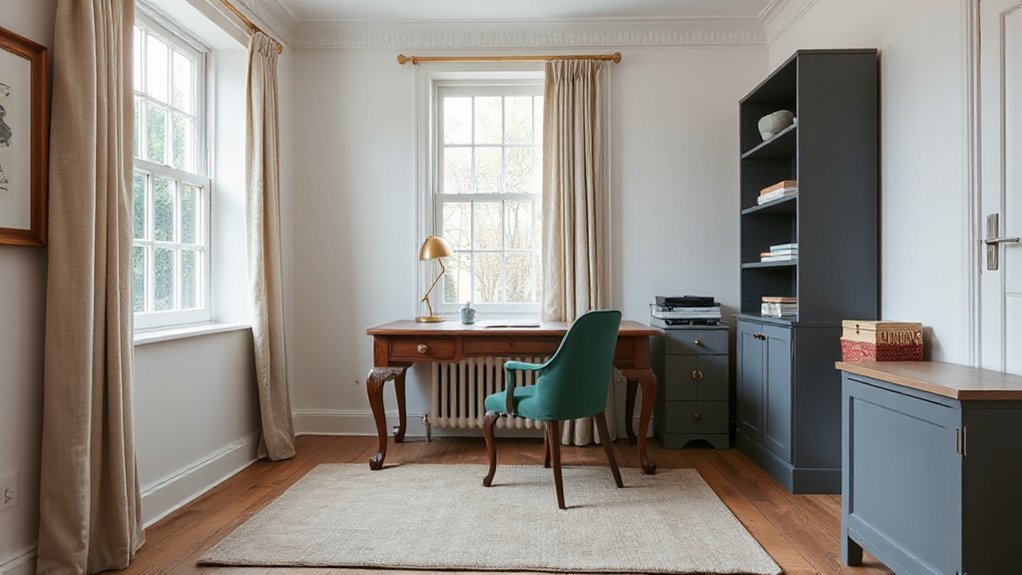
Think about how wood color reads in your space and how it sets the mood, from warm honey to rich espresso. Pair those hues with finishes that add urban texture—matte, satin, or lightly brushed surfaces that catch light without glare.
This approach keeps a townhouse feel intact while guiding focus to your workflow and style.
Color Personality in Wood
Wood finishes set the tone in a townhouse by balancing warmth with restraint; choose color personality in wood that complements the architecture rather than competing with it.
- Let lighter woods reflect natural light and keep small rooms feeling airy, while avoiding washed-out looks.
- Use mid-tones to harmonize with brick, stone, or dark metal accents for a cohesive palette.
- Embrace warm browns for a comfortable, productive vibe that still feels polished.
- Consider cool undertones to enhance modern furnishings without overpowering traditional details.
- Apply subtle contrast with grain direction to add depth without visual noise.
Color psychology guides these choices, while wood finishes anchor the space, creating a calm, focused home office within a townhouse aesthetic.
Finishes for Urban Texture
Use urban finishes like charcoal concrete, brushed steel, and honed basalt to anchor the space, while preserving a breathable, residential feel. Textured accents—think Venetian plaster, ribbed wallpaper, or linen textiles—add depth without crowding the eye.
Introduce a restrained color palette: deep charcoals, soft taupes, and off-whites, punctuated by a single accent hue. In lighting, choose fixtures with architectural lines to emphasize texture rather than color.
Finish switches and trim in satin metal for cohesion. Your goal is tactile sophistication that remains calm, functional, and decidedly townhouse.
Taming Noise in Open Stairwells and Lofts
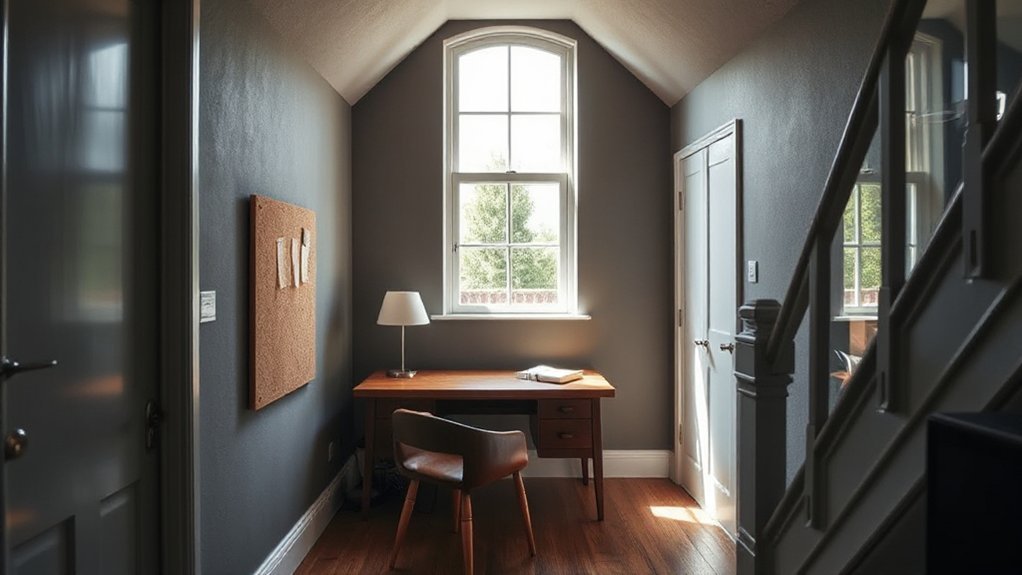
Open stairwells and lofts carry sound across levels, so you’ll want targeted strategies that curb echo and rattle without dulling ambience. You’ll act with intention, using materials that attenuate noise while keeping space airy and stylish.
Prioritize passive fixes first, then add decorative tech that blends in.
- Soundproof curtains to dampen mid and high frequencies without blocking light
- Acoustic panels placed strategically at exit points and landing walls
- Soft floor finishes on walkways to reduce impact noise
- Sealing gaps around doors and frames to stop fluttering sound
- Loft balustrade inserts that absorb chatter without visual heaviness
Focus on balance: quietness and character, not sterilization. Your home office earns calm without losing personality.
Make the Most of Stairwell Nooks and Alcoves
Look to stairwell nooks and alcoves as small, potent work zones: lighting solutions that fight shadows, a compact alcove desk setup, and smart storage that keeps clutter at bay.
We’ll explore how to tailor each nook with task lighting, a slim desk, and vertical organizers that fit the geometry of a townhouse staircase.
Ready to map out practical layouts that feel polished, efficient, and distinctly you.
Nook Lighting Solutions
Nook lighting can transform stairwell alcoves from overlooked corners into functional, atmospheric workspaces. You’ll create depth with layered accents: soft wall wash, discreet recessed LEDs, and a slim pendant that tucks along trim.
Choose color temperature around 2700–3000K for warmth, then add a focused task light only where needed. Accent illumination highlights architectural features, casting gentle shadows that define your workflow zone without glare.
Dimmer controls let you shift from focus to ambiance in seconds, and wireless options keep surfaces clean. Use warm, matte finishes to reduce reflections, and hide cables behind molding for a seamless look.
Nook lighting guides the eye toward your desk, elevating mood and productivity in small spaces.
- Layered ambient, task, and accent lighting
- Recessed LEDs for clean lines
- Slim pendants that mirror stair trim
- Dimmer for variable ambience
- Concealed cables and warm finishes
Alcove Desk Setup
Turn the stairwell into a productive enclave by pairing the Nook lighting approach with a compact desk setup that fits the alcove’s proportions. You optimize height with a slim desk and a supportive chair, ensuring your feet rest flat and elbows sit at 90 degrees.
Choose a monitor on an adjustable arm to free surface space and reduce neck strain. Add a small keyboard tray if needed, so you keep essential tools within easy reach.
Integrate decorative accents that reflect your style without crowding the desk—think a tactile desk pad, a sculptural cable management solution, and a framed print.
Finish with ergonomic accessories: a vertical mouse, wrist rest, and a footrest for long sessions. Precision and balance keep this alcove both functional and stylish.
Stairwell Storage Ideas
Stairwell storage can transform wasted space into smart, accessible concealment. You’ll maximize verticality with built-in drawers under treads, slim cabinets beside landings, and pull-out bins within deep risers.
Choose open shelving for quick access to supplies, and add a fold-down desk where a landing can function as a mini office. Integrate soft lighting to highlight stairwell decor and improve visibility.
Use compact, multi-purpose units to avoid bulk, and select finishes that echo your home office palette for cohesion. Keep cables tidy with recessed channels along railings.
Favor modular systems that adapt as your needs evolve, and treat railing enhancements as part of the design, not afterthoughts.
- Built-in drawers under treads
- Slim cabinets beside landings
- Pull-out bins in risers
- Fold-down landing desk
- Recessed cable channels and lighting
Multi-Use Spaces: Office by Day, Living Room by Night
To maximize daily practicality, blend your home office with a living room that doubles as needed, so work doesn’t intrude on downtime. In a townhouse, place a discreet, foldaway desk within sightlines of seating, keeping cables managed and surfaces clear.
Choose a calm color palette to unify zones, letting ambient lighting cue the shift from work to relaxation. When you switch over, stow essential tech in a compact cabinet to preserve a social atmosphere.
Vintage decor can anchor the space without overpowering it, adding character while staying functional. Mind the plant placement; a tall green focal point near the desk reduces glare, while low superstructures keep traffic flowing.
This approach delivers versatility, polish, and daily efficiency.
Budget-Friendly Fixtures That Save Time and Money
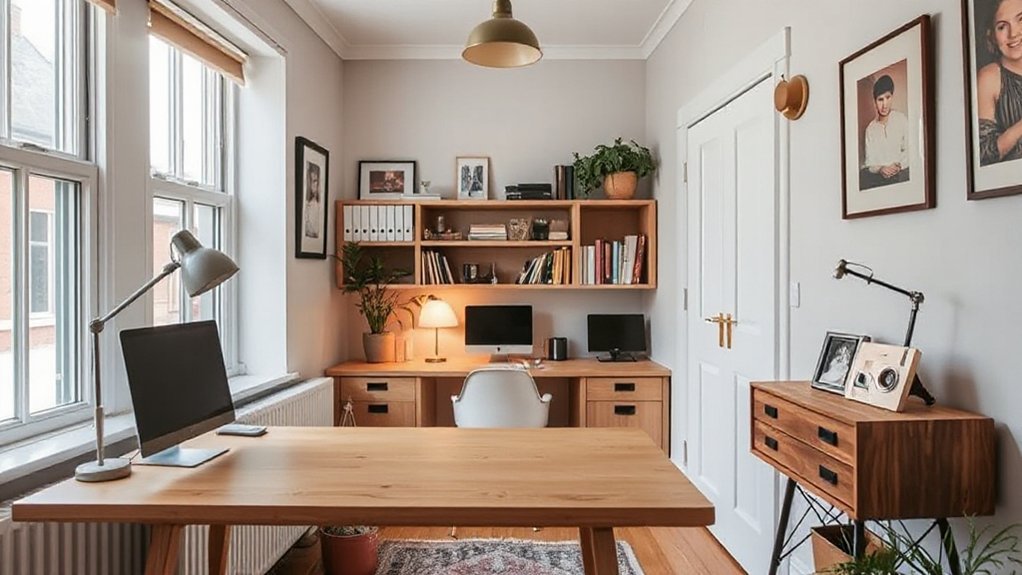
If you switch to energy-efficient lighting, you’ll cut bills and boost mood without sacrificing style.
Consider multifunctional furniture that frees up space and reduces clutter, helping you work smoother every day.
Pair DIY cable management hacks with smart placement to keep cords tidy and tasks flowing—your home office will run lean and fast.
Energy-Efficient Lighting Choices
Flexible, budget-friendly lighting can transform a UK townhouse home office by cutting energy use without sacrificing visibility. You’ll prioritize efficiency with smart lighting controls, dimmers, and task lighting that targets desks rather than whole rooms.
Choose Eco friendly bulbs for lower waste and longer life, then pair them with smart lighting to automate schedules and occupancy responses. Opt LEDs with high color rendering for clearer print and screen work.
Install layered lighting: ambient, task, and accent to reduce glare. Use daylight harvest where possible, syncing with blinds.
Finally, document energy gains and tweak presets to sustain savings.
- Smart lighting integration for schedules and scenes
- LED choice focused on longevity and brightness
- Eco friendly bulbs for reduced waste
- Task lighting that minimizes screen glare
- Daylight harvesting and dimming routines
Multifunctional Furniture Ideas
With budget-friendly, multifunctional furniture, you can reclaim square footage and time without compromising style. You’ll pair a compact desk with a wall-mounted shelf system to keep floors clear, while a nesting chair doubles as extra seating for guests.
Choose a pouf that doubles as storage, so you stash cables and chargers out of sight. Convertible coffee tables, foldaway desks, and TV consoles that hide workspaces keep rooms flexible for work and downtime.
Keep surfaces simple and cohesive, so your townhouse reads as calm, not cluttered. Add vintage accessories to layer personality without crowding space, and deploy outdoor decor-inspired textures with indoor-ready fabrics for a cohesive vibe.
You’ll gain efficiency, mood, and a polished finish every day.
DIY Cable Management Hacks
A tidy home office hinges on smart, budget-friendly cable management that’s easy to maintain. You’ll streamline space with simple fixes, keeping aesthetics sharp and wires hidden without clutter. Focus on practical cable concealment and robust wire organization to sustain a professional look.
- Use adhesive-backed cable clips along desk edges to route cords neatly
- Employ a slim cable raceway under the desk for hidden runs
- Label each cable for quick identification and future tweaks
- Bundle cords with Velcro ties to reduce tangling and wear
- Choose a compact power strip with side-facing outlets for clean lines
These tweaks save time, money, and frustration, delivering a cleaner, more productive workspace. You’ll notice glare-free surfaces, safer floors, and a streamlined workflow. Cable concealment becomes effortless, wire organization becomes second nature.
Quick Setup Checklist Before Moving In
Before you move in, map out a quick setup checklist to kick off your home office efficiently: prioritize essential gear, verify power and internet readiness, and plan a logical room layout so you can start work the moment you step through the door.
You’ll identify a primary desk zone with near-silent lighting and easy access to outlets, then confirm a stable Wi‑Fi signal and a surge-protected power strip.
Pack a compact shuttle of cables, antivirus, and a spare keyboard, plus a trusted notebook for quick ideas.
Consider practical touches like Garden landscaping-inspired calm visuals and Kitchen storage ideas to keep supplies discreet yet accessible.
Finalize a timetable, label cords, and align seating height to avoid strain as you shift from moving in to productive work.
Simple Maintenance Habits for a Tidy Workspace
Now that your home office is set up, keeping it tidy is a quick habit you’ll thank yourself for every day. You’ll maintain focus with simple routines that fit a townhouse lifestyle, prioritizing plant care and ergonomic accessories to sustain calm productivity.
A clean desk reduces distraction and prolongs equipment life, while deliberate placement boosts airflow and lighting quality.
- Do a 2-minute daily desk wipe and keyboard sweep
- Water plants on a fixed schedule, avoiding overwatering
- Return items to their designated spots after use
- Check chair height and monitor position for ergonomic comfort
- Empty trash and recycle bins weekly, then sanitize surfaces
Small, consistent actions compound into lasting order, supporting a sharper mindset and neater space.
Accessorize Intentionally: Minimal Clutter, Maximum Style
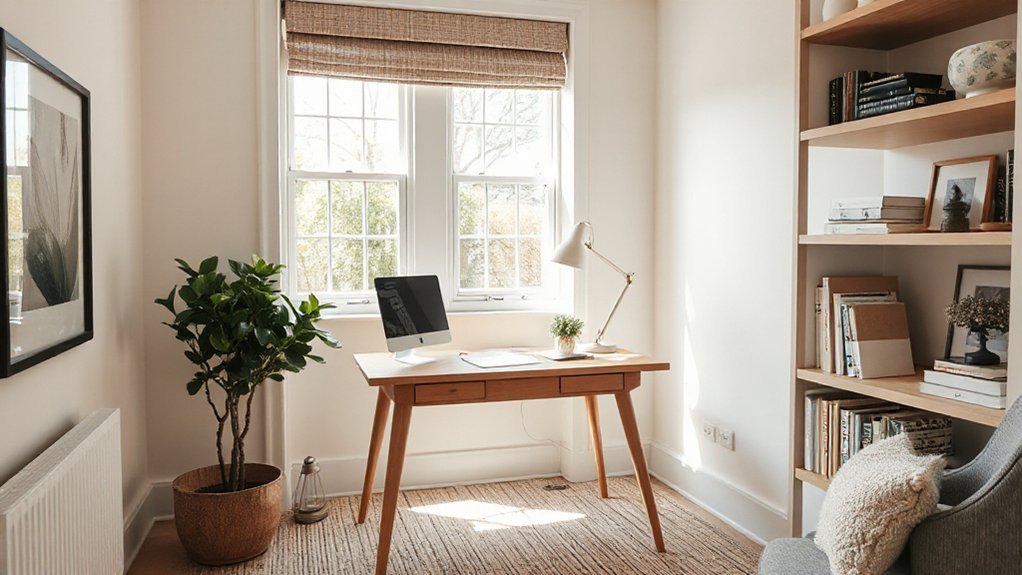
Accessorize thoughtfully to keep your space feeling calm and purposeful: minimal clutter, maximum style. Choose a restrained palette, limit decorative items to essentials, and let every piece earn its place.
You’ll curate with intention, selecting items that serve function as well as form. Integrate vintage accents sparingly—one or two well-chosen pieces anchor the room without competing with your work.
Opt for sleek storage solutions that conceal clutter while preserving accessibility. Plant integration brings energy without mess; a single tall plant or a trio of compact greens softens edges and improves air quality.
Keep cords tidy with discreet clips and cable sleeves. Place a concise set of accessories near your workstation, ensuring each item reinforces focus and efficiency.
Real UK Townhouse Makeovers: Before and After
Real UK townhouse makeovers reveal how compact spaces can punch above their weight, turning tight footprints into purposeful, polished living areas. You’ll witness clever layout shifts, hidden storage, and bold finishes that read large-scale yet feel intimate.
Before-and-after moments show how vintage decor can warm, tactile charm without crowding walls, while urban gardening adds fresh texture through balcony planters and window boxes.
You’ll see light-boosting tactics, like glass doors and pale palettes, that expand perception without sacrificing soul. The transformations prove you don’t need square footage to make a statement—just smart decisions and a confident eye for detail.
- Dramatic before/after contrasts that feel instant
- Vintage decor accents that anchor modern rooms
- Space-saving storage you’ll actually use
- Urban gardening features to elevate air and mood
- Finishing flourishes that unify style and function
Frequently Asked Questions
How Can I Maximize Natural Light in a South-Facing Townhouse Office?
Yes—maximize natural light by using sheer window treatments and strategically placed light reflecting surfaces. You’ll brighten without glare, position a mirror opposite the window, and choose glossy finishes to bounce sun deeper into your south-facing office.
What’s the Best Way to Heat a Small Townhouse Workspace Efficiently?
Anecdote: you’ll feel like a warm, snug cabin after a long day—because energy efficient heating and space saving radiators keep you comfortable without waste. Use a compact heat pump, programmable thermostat, and seal drafts for peak efficiency.
How Do I Protect Sensitive Electronics From Humidity in UK Basements?
You should use a dehumidifier options that suit your basement size and moisture levels, plus ventilation improvements like vents or extractor fans to keep air moving and electronics dry, preventing condensation and humidity-related damage.
Which Storage Solutions Avoid Blocking Stairwell Alcoves?
Hidden compartments and adjustable shelving let you store smartly without blocking stairwell alcoves. You’ll customize height, conceal cables, and keep traffic flowing, while keeping the space stylish and precise—everything neatly tucked away and always within reach.
How Can I Install a Compact Desk Without Damaging Walls?
Yes, you can install a compact desk without wall damage: use wall-mounted desks or a portable workstation, screw-free options, and removable adhesive hooks; you’ll keep walls pristine, and your setup becomes ultra-precise, stylish, and incredibly flexible.
Conclusion
You’ve mapped a practical path: a calm, focused nook that fits your townhome’s rhythm. Keep the flow easy, light, and accessible, with gear that truly serves your tasks. Remember, a tidy desk is a tidy mind—less clutter, more clarity. When in doubt, start small and scale up. The adage fits here: “Measure twice, cut once.” Plan deliberately, then execute with finesse, and your home office will quietly elevate every workday.
About the Author