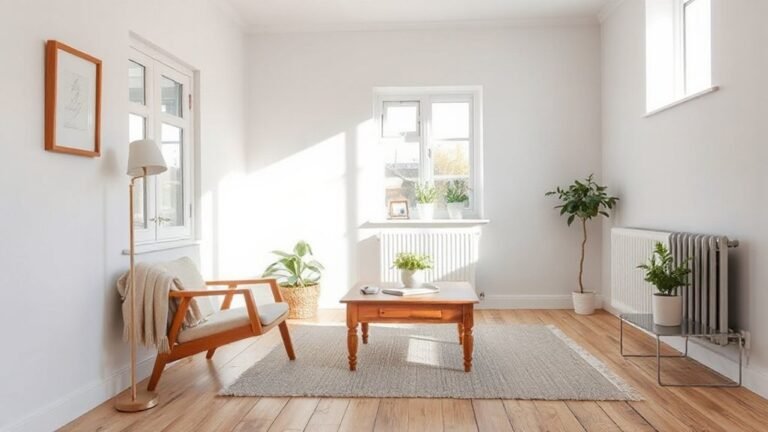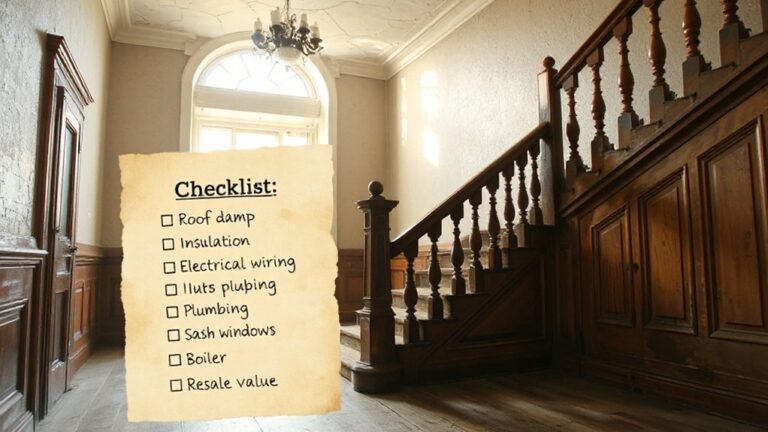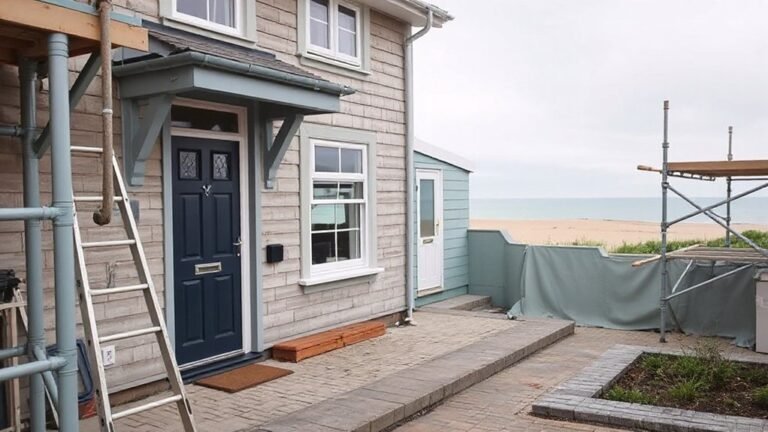
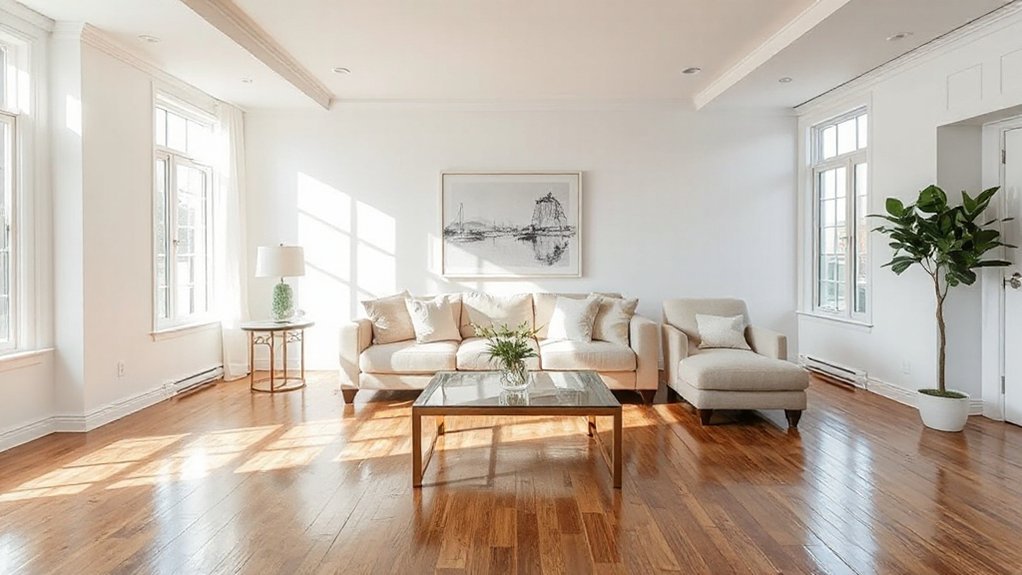
You want to boost your home’s value without overhauling everything. Start with high-ROI moves, like fresh exterior paint, smart landscaping, and clean, inviting lighting. Inside, fix what’s broken, tackle the kitchen and baths with simple upgrades, and declutter for a clean, staged look. With sharp budgeting and a clear plan, you’ll see stronger offers and quicker tours. Ready to map your priorities before listing?
Key Takeaways
- Create a clear budget and ROI-focused plan to prioritize value-adding improvements over high-end finishes.
- Track expenses daily, batch related tasks, and re-evaluate ROI after major renovation phases.
- Boost curb appeal with quick exterior updates: fresh paint, updated lighting, tidy landscaping, and refreshed entryways.
- Address essential maintenance and systems: fix leaks, update electrical, ensure HVAC reliability, and patch/paint as needed.
- Stage strategically for photos: optimize lighting, arrange furniture for flow, declutter, and highlight functional living spaces.
Prioritize High-ROI Updates That Boost Home Value
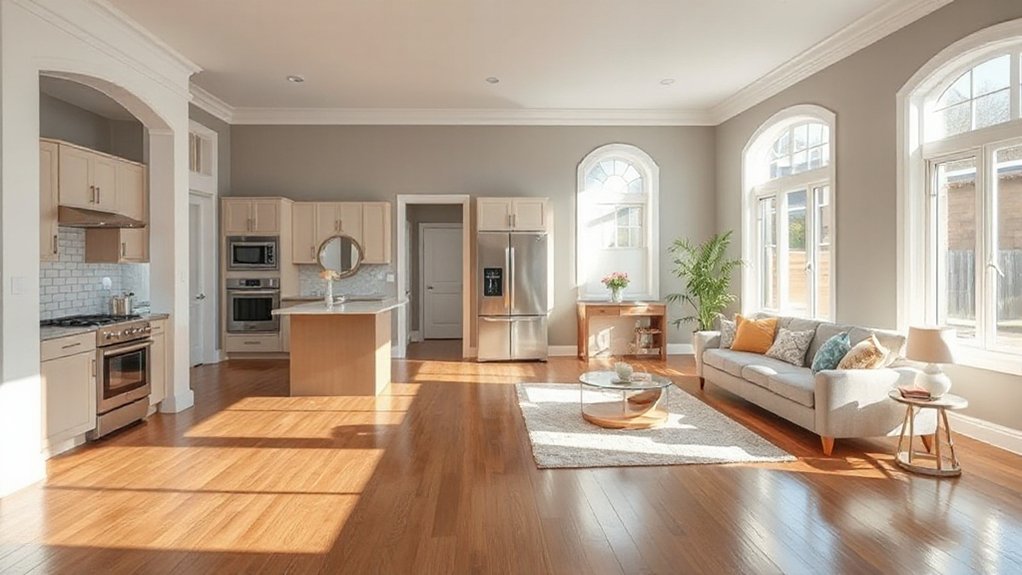
Focus on updates that reliably raise resale value and attract buyers. You’ll prioritize improvements that move the needle on property valuation, targeting rooms buyers consistently value: kitchen efficiency, bathroom updates, and durable flooring.
You’ll track market trends so your investments align with what buyers expect in your area, avoiding overinvestment on features that don’t translate to price. Plan with data: compare recent sales, note which renovations persisted in value, and set a clear budget.
You’ll emphasize energy efficiency and solid finishes that endure, since these drive appeal without frequent repairs. By prioritizing high-ROI upgrades, you reduce holdtime and strengthen negotiation leverage, helping you secure a stronger offer.
Stay practical, measurable, and decisive to maximize return in today’s market.
10 Quick Cosmetic Refreshes That Add Curb Appeal
You can spark major curb appeal with quick exterior makeovers that don’t break the bank. Start with fresh paint or siding accents and simple landscaping tweaks for an immediate visual impact.
These small, decisive changes boost first impressions and set the stage for higher perceived value.
Quick Exterior Makeovers
If you want a fast, noticeable boost to curb appeal, start with simple exterior refreshes that don’t break the bank. Quick exterior makeovers focus on impact, not overhaul.
Begin with fresh, neutral siding or a targeted wash to reveal true color and texture. Then address the entry: a new door color, clean welcome mat, and two potted plants that anchor the foyer.
Replace worn hardware on the front door and fence posts for instant polish. Landscaping enhancements around walkways soften edges and guide the eye toward the entrance.
Upgrade outdoor lighting to highlight architectural features and improve safety after dusk. Tidy gutters, prune overgrowth, and reseed bare patches in high-visibility areas.
These practical tweaks create substantial payoff without complexity or delay.
Fresh Curb Appeal Boosts
Fresh curb appeal can start with simple, high-impact cosmetic tweaks you can tackle in a weekend. You’ll notice charm first, then value, with targeted updates.
Start at the entrance: a fresh coat of trim, a clean front door, and welcoming doormat set a confident tone. Add landscape accents that pop at a glance—mulch edges, color blocks, and tidy beds.
Keep curb-harmonics in mind: symmetrical plantings, balanced height, and clean lines. Practical upgrades pay off fast: garden lighting guides the eye after dark and creates warmth without overdoing it.
Patch small flaws in the driveway, then schedule driveway repair only if you detect cracks that could worsen. These quick actions deliver immediate curb-appeal gains and protect your selling proposition.
Must-Fix Plumbing, Electrical, and Maintenance Issues Before Listing
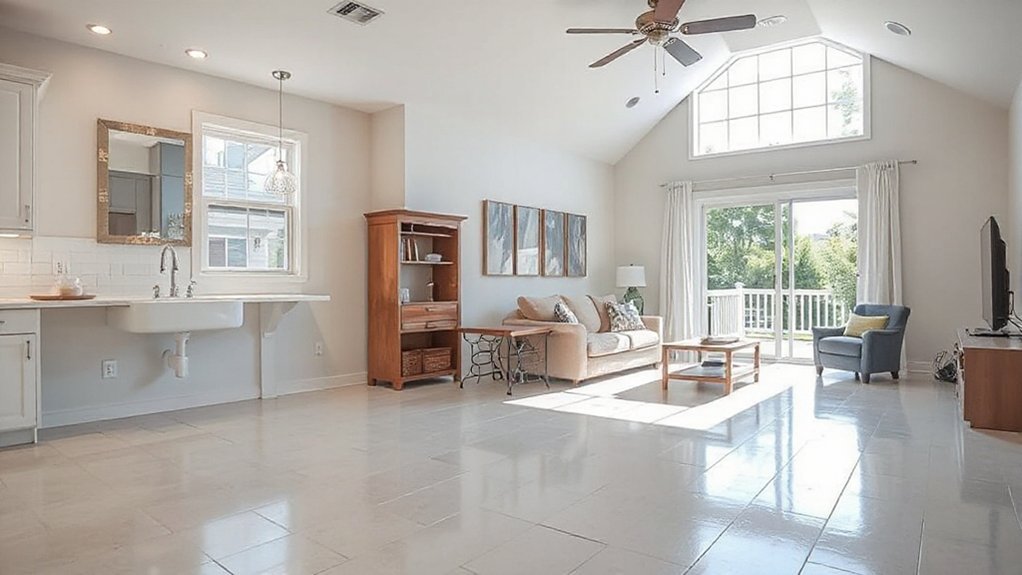
Before listing, fix any plumbing, electrical, and maintenance issues that could scare off buyers or cost you later. Start with a quick plumbing inspection to catch leaks, drips, or hidden corrosion, then repair drains and fixtures so water flows freely.
Next, assess electrical wiring for outdated breakers, improper grounding, or frayed circuits; replace unsafe components and guarantee GFCIs where required.
Tackle maintenance items that signal neglect: squeaky doors, sticking windows, and HVAC inefficiencies. Patch drywall, touch up paint, and replace worn flooring where visible defects exist.
Make certain heating, cooling, and water heating operate reliably, since systems buyers scrutinize. Present a maintenance log to show proactive stewardship.
When issues are addressed, you reduce negotiation risk and boost buyer confidence, speeding a smoother sale.
Kitchen and Bathroom Upgrades That Fit Your Budget
You can boost value without breaking the bank with budget-friendly kitchen upgrades and a few smart swaps in the bathroom. We’ll explore efficient refresh ideas that maximize impact and minimize cost, keeping ROI in focus.
Start with practical tactics that fit your budget and set the stage for a value-driven remodel.
Budget-Friendly Kitchen Upgrades
If you’re looking to boost your kitchen’s value without breaking the bank, start with smart, high-impact upgrades that deliver noticeable results quickly. Focus on practical changes that don’t require a full remodel.
Begin with appliance upgrades that look modern and work efficiently, such as energy-efficient models or updated controls, which can refresh your space instantly.
Next, consider cabinet painting to transform the room’s tone without replacing boxes or hardware. Choose neutral, durable colors and high-contrast trim to create a refreshed, cohesive feel.
Improve lighting to brighten surfaces and emphasize cleanliness. Replace dated hardware with simple, unified pulls or knobs for a cohesive look.
Finally, declutter countertops and organize storage to maximize perceived value and usability. These targeted steps deliver noticeable impact at a modest cost.
Efficient Bathroom Refresh Ideas
Efficient bathroom refreshes deliver big impact without big spend by targeting high-visibility updates and smart, budget-friendly tweaks. You’ll transform the space with quick, proven moves that feel luxe without blowing your budget. Focus on small, stylish changes that readers notice first: polished surfaces, updated hardware, and thoughtful lighting.
You’ll blend practicality with appeal by choosing luxury fixtures that read as premium while remaining affordable, and pairing them with vintage accents for character. Keep the layout efficient, avoid overhauling plumbing, and select finishes that resist moisture and wear.
The goal is a refreshed look that sells, not a renovation project.
- luxury fixtures that elevate the look without a premier-price tag
- vintage accents to create warmth and personality
- layered lighting and mirror upgrades for perceived space
ROI-Driven Remodel Tactics
To maximize value without busting your budget, focus on ROI-driven upgrades that deliver visible returns in kitchen and bathroom spaces. You’ll gain traction by prioritizing cost-effective changes with measurable impact.
Start with energy-efficient fixtures—LED lighting, low-flow faucets, and smart thermostats—to slash operating costs and boost appeal.
In kitchens, choose durable finishes, modern cabinetry updates, and refaced fronts rather than full remodels. Pull-in fresh hardware and a glass subway tile to create a fresh look without overhauling layout.
Bathrooms benefit from upgraded vanities, efficient toilets, and spacious shower upgrades with durable surrounds.
Integrate smart technology—programmable controls and moisture-sensing exhaust—to market modern living.
Emphasize minor, high-ROI improvements, document energy savings, and present a clear cost-versus-value case to buyers.
Staging, Curb Appeal, and Photo-Ready Presentation
- Optimize interior lighting to eliminate shadows and highlight room proportions.
- Plan furniture placement that creates generous flow, functional zones, and good sightlines.
- Curate details and fresh landscaping that photograph well and invite exploration.
You’ll maximize impact by combining bright, natural light with well-placed lamps, avoiding harsh lighting.
Arrange key furniture to emphasize focal points, maintain clear pathways, and reflect scale accurately.
Guarantee entryways feel welcoming with tidy, neutral décor and a clean exterior.
For photo-ready results, simplify rooms, add a single accent color, and showcase a lived-in, yet organized, vibe that helps buyers imagine their life there.
Plan Your Budget and Timeline to Maximize ROI
With a clear budget and realistic timeline, you can maximize ROI without derailing your plans. Start with a simple cost analysis to identify which improvements deliver the most value per dollar. Prioritize updates that stabilize price without overinvesting in high-end finishes for a modest return.
Next, map a practical timeline, aligning permits, contractor schedules, and your selling window. Build in buffers for delays and inspections, but keep milestones concrete: complete demolition by week two, drywall by week four, and final touchups before photo day.
Track expenses daily to avoid scope creep. Use timeline planning to sequence tasks efficiently, batching related fixes to minimize disruptions.
Finally, re-evaluate ROI after major steps to adjust your plan quickly if needed.
Frequently Asked Questions
How Long Does ROI Typically Take for Major Renovations?
ROI for major renovations typically shows up within 5–10 years, depending on scope and market.
If you upgrade with energy efficiency and a smart home, you may recoup faster, since buyers prize reduced utility costs and modern tech.
Prioritize high-impact improvements, like insulation, efficient windows, and a centralized smart hub.
You’ll notice lower operating bills and a stronger sale appeal, making the wait feel shorter while you enjoy the upgrades today.
What Are Hidden Costs When Upgrading a Home for Resale?
Hidden costs when upgrading a home for resale can surprise you—permits, inspection fees, design overruns, and longer timelines add up fast. You’ll want to plan for landscape improvements and energy efficiency upgrades, since they often reveal latent issues and require professional scopes.
If you investigate the truth behind budget assumptions, you’ll avoid pricier shortcuts. In practice, budget contingencies, permits, and contractor coordination protect your resale payoff while you pursue practical, high-ROI improvements.
Which Small Fixes Yield the Highest Resale Value?
You’ll get the biggest return from small fixes that boost curb appeal and in-person impressions. Focus on landscaping improvements, fresh paint, updated lighting, and decluttering entryways.
Replace old hardware and faucets, seal cracks, and repair squeaky doors. Tidy landscaping, mowing, and clean sidewalks elevate curb appeal instantly.
Prioritize these high-impact, low-cost tweaks, and you’ll attract buyers more quickly, framing your home as move-in ready and practically priced for its value.
Do Upgrades Affect Property Taxes or Insurance Rates?
Up front, yes—upgrades can influence Property tax and Insurance rates. When you upgrade, your home’s assessed value may rise, nudging Property tax higher; insurers also weigh replacement costs, so Insurance rates may adjust.
You’ll want to track local rules, appeal if needed, and document improvements with receipts.
You plan thoughtfully, you save long term, and you keep coverage aligned with actual value.
Monitor changes, compare quotes, and choose cost-effective, durable upgrades.
Should I Stage Before or After Minor Repairs?
Do staging timing after minor repairs. You’ll maximize appeal by prioritizing repairs first, then staging.
Start with quick fixes and safety concerns, like leaks or cracked tiles, then tackle cosmetic touch-ups.
When you stage, highlight the repaired areas to show value.
Prioritize repair items with high impact and low cost, and keep rooms uncluttered.
Staging timing should align with your renovation schedule, so repairs aren’t hidden by decor.
This approach blends repair prioritization with effective staging.
Conclusion
In short, focus on high-ROI upgrades, fix what’s broken, and stage with clean, inviting visuals. A practical stat to drop in: homes with curb appeal and clean photos sell 7–14% higher than similar homes in prime condition. Prioritize exterior polish, quick interior refreshes, and thoughtful staging, then plan a tight budget and timeline to maximize return. You’ll attract more buyers faster and walk away with a stronger offer.
About the Author