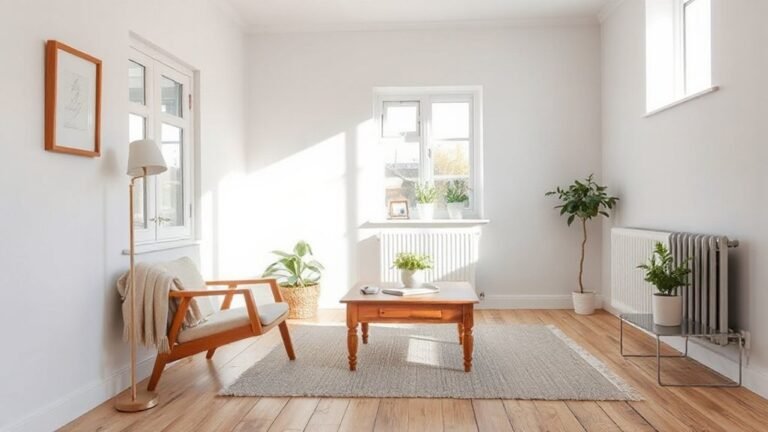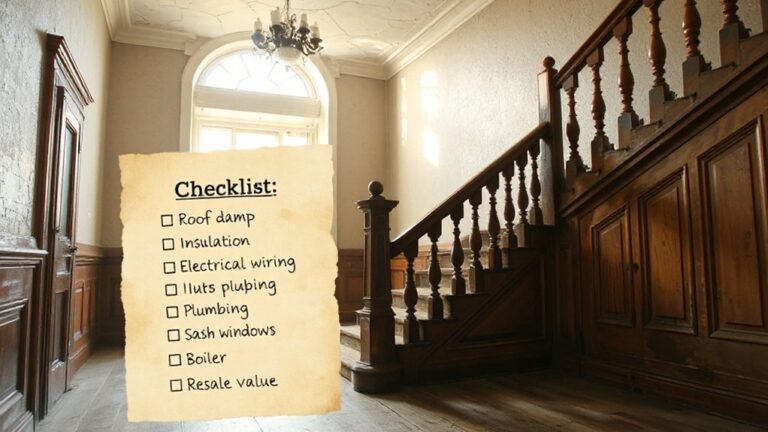
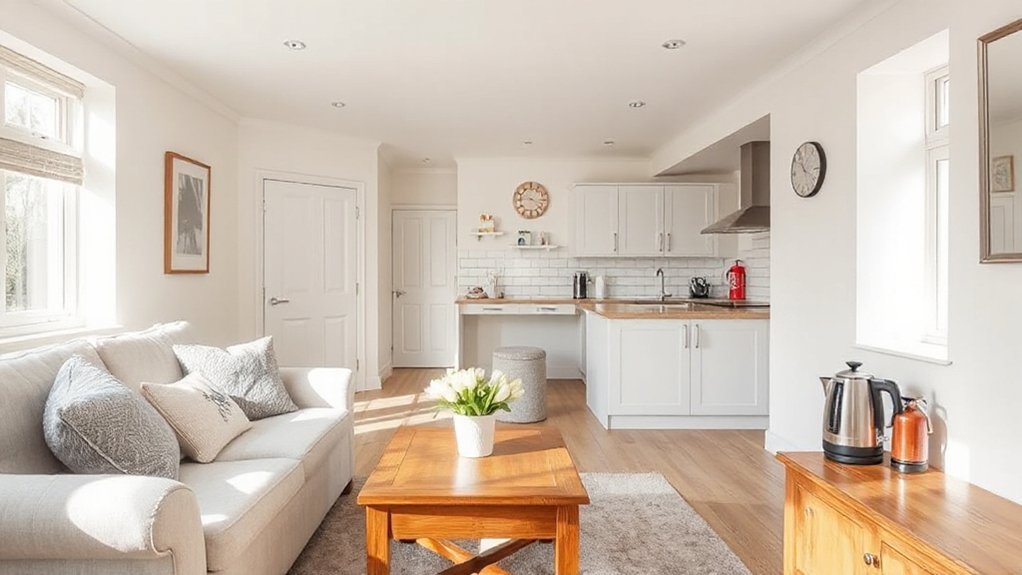
To prep a UK home for viewings, start with a data-driven market snapshot to tailor pricing and spotlight features buyers care about, then boost curb appeal with fresh paint, tidy paths, and energy-efficient lighting. Do quick, daily decluttering, deep-clean key spaces like kitchens and bathrooms, and stage with neutral textures that enhance space. Optimize lighting and scent for a calm, inviting vibe, and schedule viewings with clear windows and backups. If you keep tweaking, you’ll uncover even sharper presentation tactics.
How to Assess Your UK Home’s Market Appeal
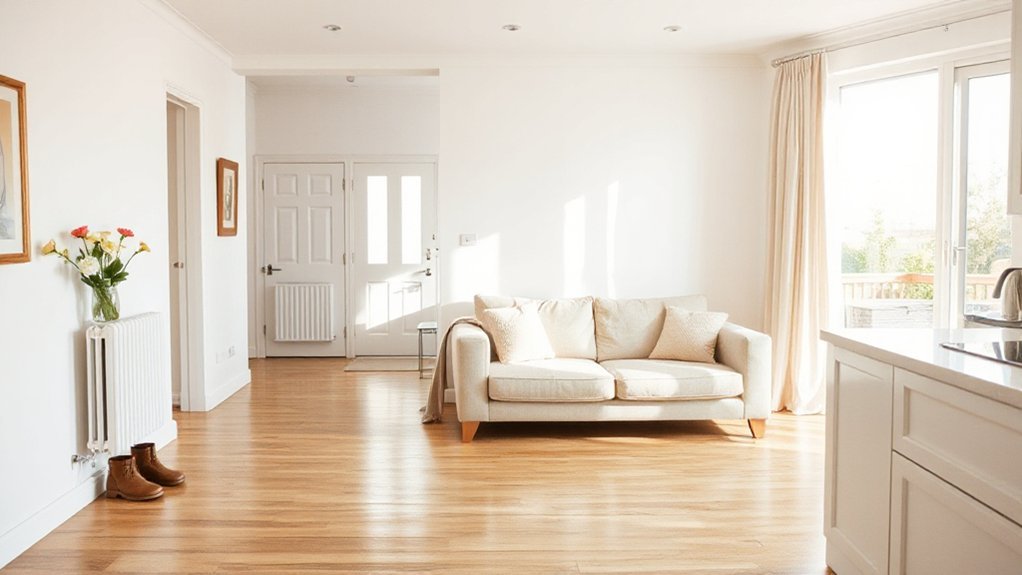
To assess your UK home’s market appeal, start with a clear, data-driven snapshot of what buyers in your area expect. You’ll map current market trends, noting what features dominate listings, average days on market, and typical offer ranges.
Focus on property type, size, and locality to align your presentation with buyer priorities. Assess pricing strategies by comparing your home against recent sales and active equivalents, then test different price points to gauge demand sensitivity.
Visuals matter: affirm curb appeal, interior staging, and photography reflect the winning attributes buyers seek. Highlight energy efficiency, storage, and flexible spaces that buyers value in your area.
Finally, tailor your marketing narrative to address prevailing market trends and the salient, differentiating benefits of your home.
Quick Fixes That Create a 5–10 Minute Impact
Quick clutter clearing, a fresh scent boost, and targeted lighting changes can yield a noticeable 5–10 minute improvement in a viewing.
You’ll see cleaner surfaces, a more inviting aroma, and brighter, more balanced light that highlights key spaces without overwhelming the room.
Use a rapid checklist to prioritize high-impact spots and measure impact with a quick pass after each fix.
Quick Clutter Clearing
Even a few organized minutes can make a noticeable difference: start by clearing the most visible surfaces first, like countertops, coffee tables, and entryway consoles. You’ll create immediate order with a single pass, then scan rooms for stray items—magazines, remotes, bags—that attract attention.
Evoke symmetry by stacking objects neatly or grouping by function, leaving flat, uncluttered surfaces. Focus on high-traffic zones: living room, hallway, kitchen counters, and the front door area. Put items away in closed storage or a designated basket, and wipe touched surfaces for a crisp feel.
Quick decluttering correlates with perceived space, lighting, and airiness; plan around natural light and a minimal color palette. Integrate garden maintenance and security enhancements by ensuring outdoor paths are tidy and doors appear secure, without overhauling decor.
Fresh Scent Boost
A quick scent boost makes a strong first impression, so target entrances and living spaces where guests linger first. You’ll achieve impact with controlled scent strategies that feel deliberate, not overpowering. Focus on scent layering and the use of aromatic accessories to guide perception, not overwhelm it.
Keep measurements tight: small rooms, brief exposure, balanced notes. Monitor guest feedback and adjust intensity to maintain comfort and credibility.
- Place a subtle fragrance diffusing device near the doorway, using low-output settings for a gentle, continuous scent.
- Introduce aromatic accessories—small bowls of citrus peels or herbs near seating—to add layer and brightness without overpowering.
- Refresh textiles with a light mist prior to viewing, targeting cushions and throws for cohesive aroma.
Lighting and Ambience}
Lighting sets the mood in minutes, so you’ll want quick, measurable tweaks that complement your fresh-scent strategy without competing with it.
You’ll start by boosting ambient lighting: dim corners with floor lamps, then add a central ceiling wash to even out shadows. Replace harsh bulbs with soft white or warm LED equivalents to reduce glare and create inviting scenes.
Use strategic lighting contrasts—bright entry, softer living areas—to guide sightlines toward key features. Improve mood enhancement by balancing natural light with curtains opened to daylight and reflective surfaces like mirrors.
Keep fixtures simple, avoid clutter, and test with a quick two-room pass before viewings. These micro-adjustments sharpen perception of space, line, and proportion without overhauling decor.
UK Curb Appeal: Creating a Welcoming First Impression
First impressions matter, so curb appeal should be intentional and measurable: a tidy front yard, fresh paint or clean siding, and a welcoming entryway signal to potential buyers that the home is cared for.
You can optimize this perception with focused updates that yield measurable impact on perceived value and warmth.
1) Prioritize garden landscaping: define clean lines, mulched beds, and drought-tolerant shrubs to reduce maintenance and boost visual order.
2) Refresh exterior paint: choose durable, light-reflective colors; ensure trims and fascias are flawless for a cohesive, modern look.
3) Upgrade the entry: replace a worn door, install new hardware, and guarantee lighting is inviting yet energy-efficient.
These steps align with data-driven design principles, guiding buyers through a seamless first impression of quality.
Declutter and Stage Your Home for Open Houses
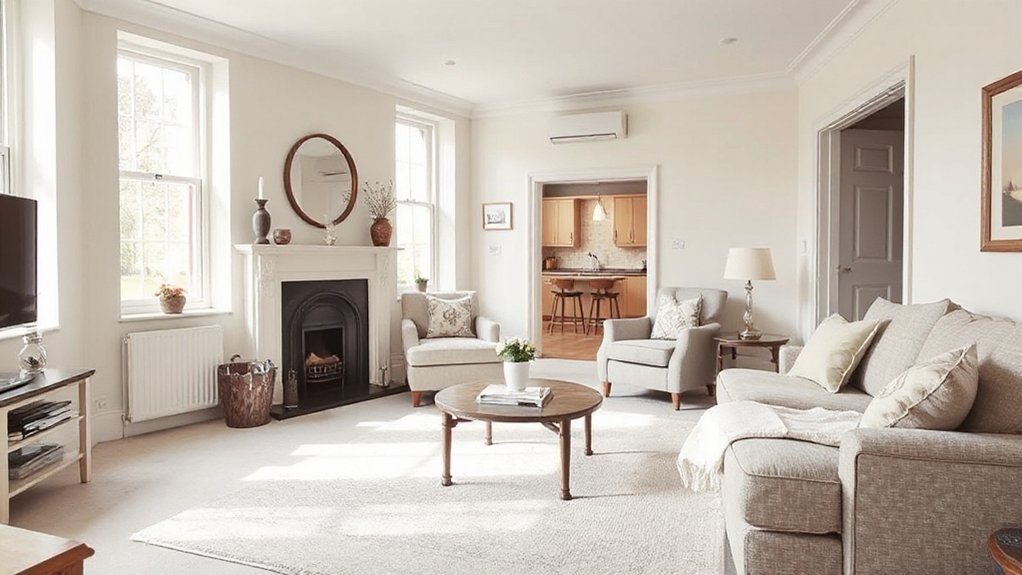
You’ll clear clutter quickly by prioritizing high-traffic areas and storage, so spaces feel larger and more purchasable. Use a simple staging plan that highlights natural light and clean lines, because buyers respond to cohesive, design-conscious visuals.
Track what works with small, repeatable tweaks—measure responses and refine your decluttering and staging based on what sells fastest.
Declutter Efficiently At Home
Decluttering is about making spaces feel larger and daugiau accessible, so start with a quick audit: which surfaces draw attention, which rooms get the most foot traffic, and what buyers will notice first. You’ll gain clarity on where to intervene and what to remove first, keeping only elements that enhance flow and light.
Apply a tight routine: daily 10-minute clears, weekly purge, and a final sweep before viewings. Two focus areas matter: organization tips and storage solutions that are discreet and usable.
1) Prioritize hidden storage: use under-bed boxes, slim wardrobes, and cabinet organizers to maintain clean lines.
2) Clear horizontal clutter: remove excess decor, mail, and cords; leave surfaces with 1–2 curated items.
3) Consistent staging: align styles, tones, and textures to reduce visual noise.
Stage To Impress Buyers
Measure sightlines to guarantee each area feels open, airy, and functional for quick conversations during viewings. Use neutral tones, cohesive textures, and purposeful lighting to strengthen perceived space and mood.
Attach a subtle design logic to each room: a clear function, a welcoming vignette, and easy access to exits. For outdoor transitions, integrate garden landscaping elements that extend the indoors, and select weather-resistant outdoor furniture that mirrors indoor scale.
Keep maintenance visible but effortless: trim, tidy, and refresh cushions between viewings to preserve a polished impression.
The Deep-Cleaner’s Room-by-Room Priority List
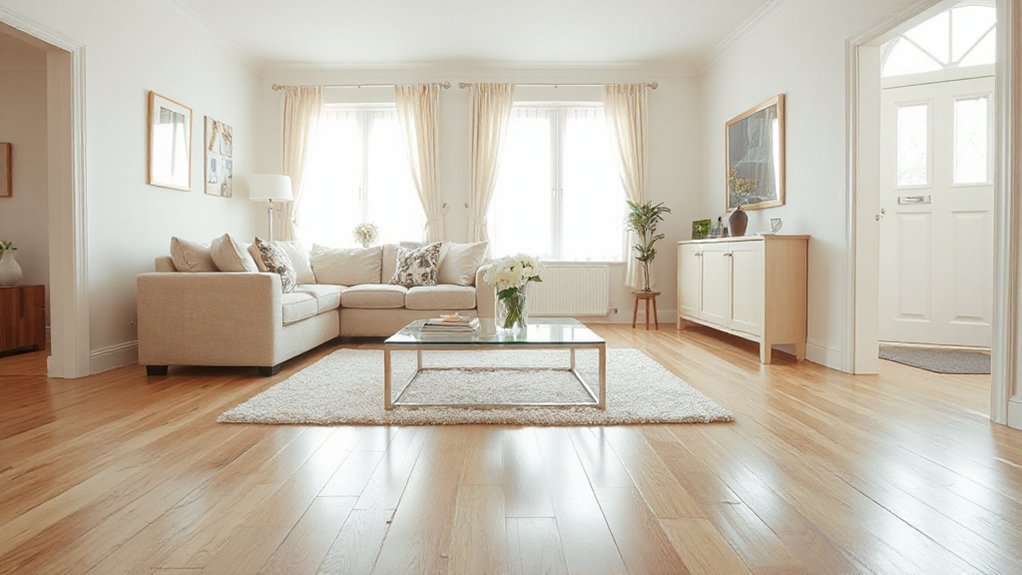
A practical, data-driven approach starts with a clear, room-by-room plan for deep cleaning, prioritizing spaces that buyers notice first. You map tasks by impact: high-traffic areas, then features that signal overall care, avoiding over-cleaning that adds no value. Use benchmarks, not guesswork, and tie actions to visible results, like gleaming surfaces and fresh air.
Integrate subtle signals of home tech readiness and tidy outdoor appeal, since Home technology and gardening tips influence buyer perception without dominating the narrative.
- Tackle kitchens and bathrooms first: scrub, sanitize, and deodorize, then inspect seals and appliances for functional polish.
- Clean shared spaces and entryways: remove clutter, dust high surfaces, and refresh textiles for a cohesive look.
- Verify HVAC, filters, and ventilation are serviced; confirm lighting and outlets function.
Keep data-driven checks handy to justify progress.
Lighting and Scent to Brighten and Welcome
Brighten spaces and set a welcoming mood by pairing bright, neutral lighting with a simple, fresh scent profile; small changes here yield outsized buyer impact.
You’ll use ambient lighting to create even illumination, avoiding harsh shadows that bias perception of space and cleanliness. Prefer daylight simulators or white-temperature bulbs around 2700–4000K for consistency across rooms.
Dim corners? Brighten them without glare by diffusing sources and aligning fixtures.
Scent layering matters: start with a light base (unscented or subtle air) and add a gentle, universally appealing note like citrus or lavender in low-dose diffusers. Avoid overpowering aromas.
Maintain consistent scent duration across zones so buyers don’t encounter conflicting cues.
Track results with quick feedback from staging notes, adjusting levels to preserve a calm, inviting atmosphere.
Room-by-Room Presentation: Best Angles and Staging Tips
Careful, room-by-room planning maximizes perceived space and flow. When arranging each area, focus on clean sightlines, balanced furniture weights, and natural focal points. Use room angles to guide the eye toward storage, light, and texture without clutter. Implement staging tips that highlight function, not excess, so viewers can imagine living there. Measure pathways to guarantee comfortable movement and accessibility.
Prioritize timeless finishes, neutral palettes, and strategic accents that photograph well and read consistently in person.
- Align key pieces along main sightlines to emphasize openness while preserving functionality.
- Use proportional furniture and hidden storage to reduce visual clutter and boost perceived size.
- Introduce textiles, lighting, and subtle art to create cohesion and mood without overpowering the space.
Scheduling Your Viewings: Timing, Coordination, and Communication
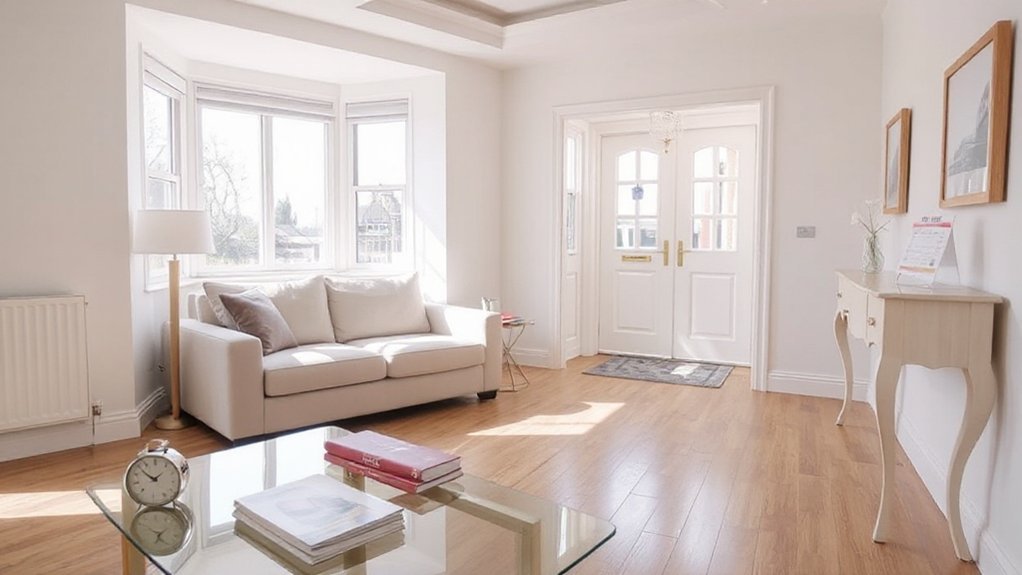
Set clear timing windows for each viewing to maximize turnout and minimize back-and-forth.
Coordinate with your agents and sellers to confirm slots, update calendars in real time, and share a single, concise briefing for every viewer.
Track acceptance rates and no-show patterns to sharpen future scheduling decisions.
Timing Windows Precision
Timing windows are your backbone for seamless viewings: lock in available slots that maximize buyer turnout, minimize gaps, and reduce back-and-forth. You’ll rely on precise calendars, aligning peak demand with open houses and private slots, so every minute counts. Use data to guide decisions, not guesswork, and set expectations with buyers from the outset.
Precision scheduling keeps intervals clean, reduces delays, and supports momentum through the week.
- Define core time blocks based on historical interest and local patterns.
- Reserve buffer slots for turnaround and inspections, avoiding overlaps.
- Communicate fixed periods clearly, with backup options documented for buyers.
This approach keeps timing windows tight, efficient, and appealing, ensuring you capture interest while maintaining a calm, design-conscious presentation.
Coordination With Viewings
Coordinating viewings builds on precise timing by aligning schedules with buyer momentum and property readiness. You’ll set a clear timetable that preserves peak interest, avoids conflicts, and minimizes downtime between appointments. Use a centralized calendar to sync dates with your agent and any co-listing contacts, and confirm availability at least 48 hours in advance.
When possible, offer a mix of in-person slots and virtual tours to accommodate differing buyer timelines. Then surface data on which formats convert best in your market.
Communicate rules for access, security, and staging expectations in a concise briefing to every viewer. Prioritize agent collaboration to share feedback, adjust viewing windows, and update marketing materials promptly, ensuring every showing reflects current property integrity and buyer momentum.
Handling Feedback and Adapting Between Viewings
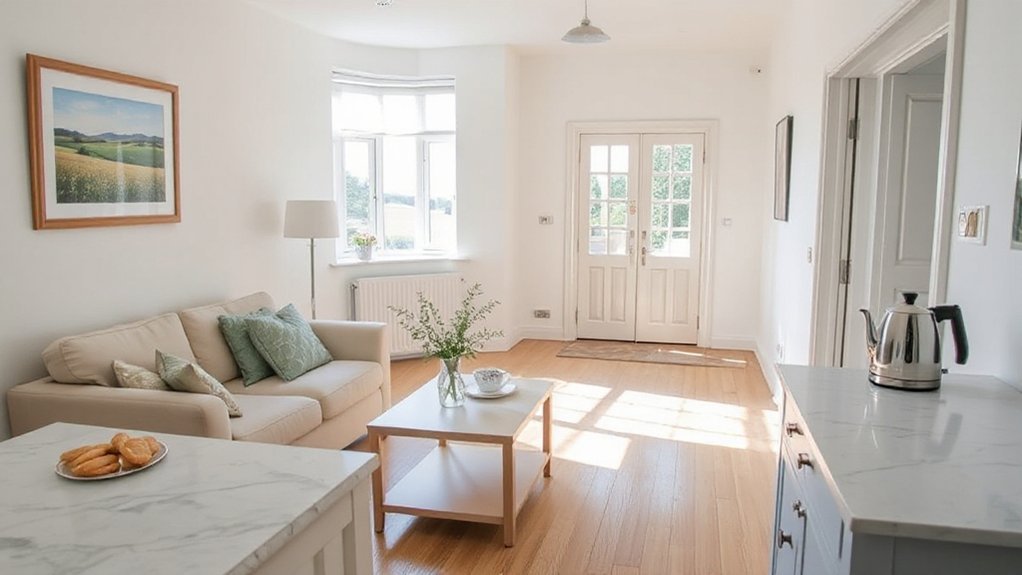
Feedback from viewers is best used quickly and objectively: capture what mattered, quantify it when possible, and decide concrete tweaks you’ll implement before the next viewing.
- Handle feedback together with your team, distinguishing deal-breakers from nice-to-haves.
- Record data points (room flow, lighting, staging) and assign owners, deadlines, and measurable targets.
- Adapt strategies promptly: adjust presentation, pacing, and questions to align with insights and buyer priorities.
Value-Adding Fixes You Can Do Before Offers
To add value before offers, focus on concrete fixes that boost perceived quality and buyer confidence. You’ll want measurable returns from small, targeted upgrades.
Begin with garden maintenance: trim overgrowth, edge borders, remove dead plants, and reseed patches for immediate curb appeal. Fresh mulch and crisp planting beds reduce buyer concerns about upkeep.
Inside, fix squeaks, uneven doors, and leaky taps; replace dim bulbs with bright, neutral lighting to create an inviting atmosphere.
In kitchens and bathrooms, ensure fixtures are spotless and operate smoothly.
Prioritize security enhancements: functioning locks, visible doorbells, and a clear external lighting plan to deter worries about safety.
Document improvements with receipts and a simple before/after summary for viewings, reinforcing value with data rather than impressions.
What to Track After Viewings and When to Reconsider Updates
After viewings, track concrete signals and outcomes to decide when updates are warranted rather than reacting to intuition alone. You’ll base decisions on two pillars: Post viewing follow up data and objective market indicators.
Compare attendee questions, timing of offers, and any changes in feedback across sessions. Pair this with Market trend analysis to identify shifts in buyer interest, price tolerance, and inventory pressure.
When signals weaken or stray from prior benchmarks, tighten or pivot your strategy to maintain appeal and speed.
- Post viewing follow up metrics: questions asked, suggested improvements, and sentiment shifts.
- Offer activity and time-to-offer trends relative to previous viewings.
- Market trend analysis: pricing trajectory, demand heat, and competitor activity.
Frequently Asked Questions
How Soon After Viewings Should I Adjust Price Expectations?
You should adjust price expectations within 1–3 weeks after viewings if interest lags. Use market timing insights and pricing strategies to calibrate, basing decisions on data, competition, and feedback rather than emotion.
What Budget Is Realistic for Pre-Viewing Improvements?
A realistic pre-viewing budget is modest—think 1–3% of your home’s value. You’ll invest in staging techniques and curb appeal strategies, prioritizing high-impact fixes, ventilation, fresh paint, lighting, and decluttering to maximize buyer appeal efficiently.
Do I Need Permission for Minor Exterior Repairs Before Viewings?
Yes—you generally don’t need permission for minor exterior maintenance, but check your local rules. You should document Exterior maintenance actions and confirm Permission requirements to avoid delays during viewings or open houses.
How Should I Handle Offers That Come With Conditions?
How should you handle offers with conditions? You assess risk, negotiate timelines, and seek clear, flexible terms. In offer negotiations, prioritize feasibility and contingency clarity; aim for balanced, conditional agreements that protect your interests and preserve sale momentum. Ready to proceed?
What if the Property Remains Unsold After Multiple Viewings?
If the property stays unsold after multiple viewings, refine your strategy: apply staging techniques to highlight positives and use virtual tours to broaden reach, track viewer feedback, test price tweaks, and calibrate marketing metrics for targeted outreach.
Conclusion
You’ll see why first impressions matter, like a well-timed dash of curb appeal that signals value beyond the doorstep. On viewing day, you’ll blend practical tweaks with design sensibility—clean lines, fresh scents, and thoughtful staging—driving buyers to imagine themselves there. Track feedback, adjust quickly, and keep options open. Think of your home as a well‑crafted proposal: concise, compelling, inevitable. Like an old lighthouse guiding ships, your updates steer conversations toward offers, not just interest.
About the Author