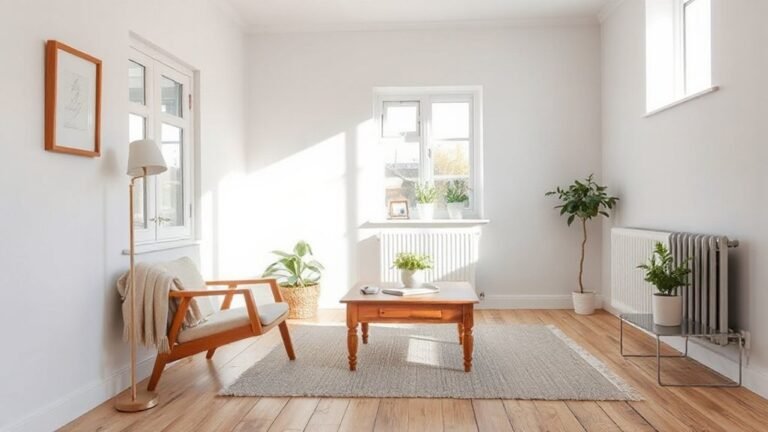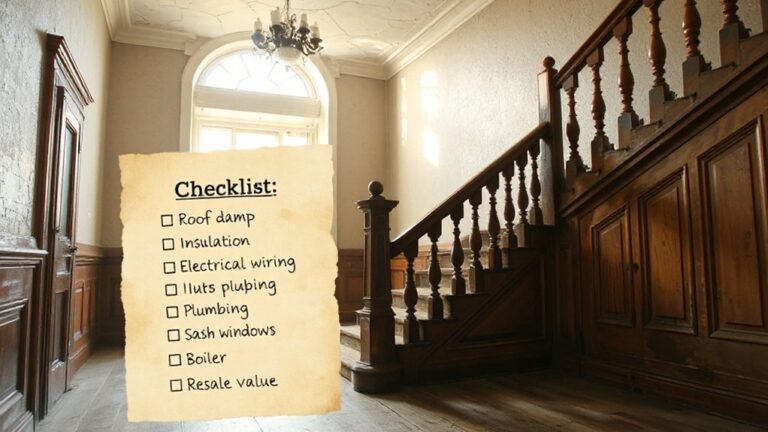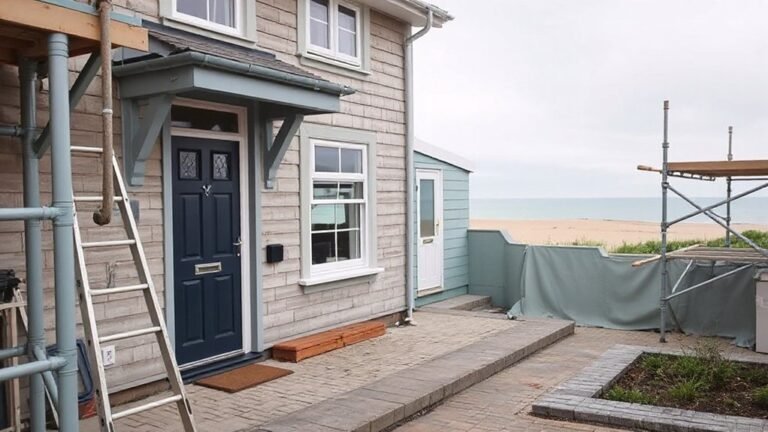
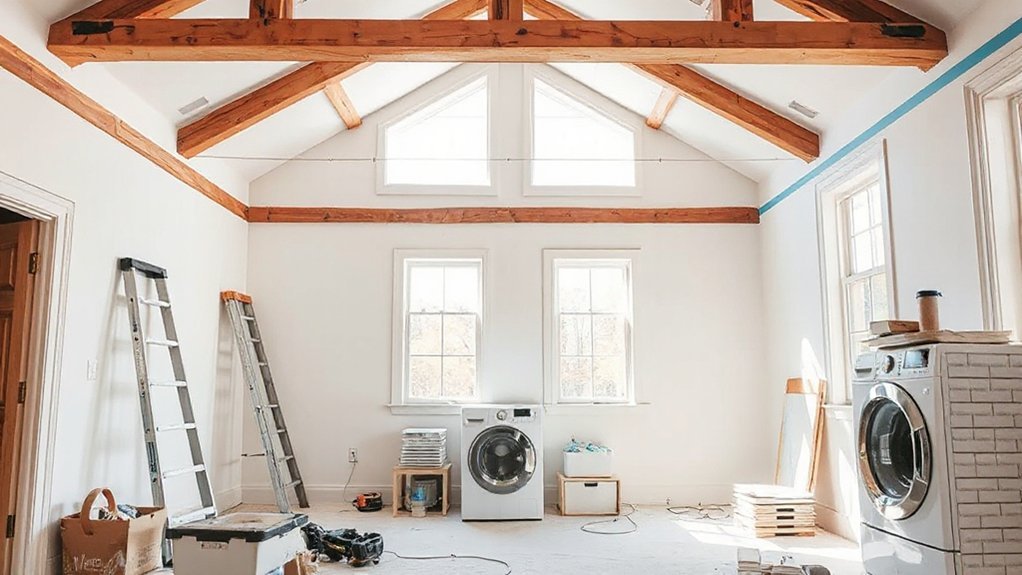
You can accelerate a fast sale by defining a clear two-week window with back-scheduled milestones for permits, inspections, and contractor availability. Prioritize move-in ready finishes, curb appeal, and energy-efficient updates. Start with exterior power washing and neutral paint, then tackle kitchens, baths, and key living spaces. Schedule trades tightly, build 2–3 day buffers, and stage for quick showings. Have contingency plans for delays, and keep momentum visible for buyers and agents—you’ll see how the plan compounds with stronger offers and faster closes.
Why Buyers Want a Fast Renovation
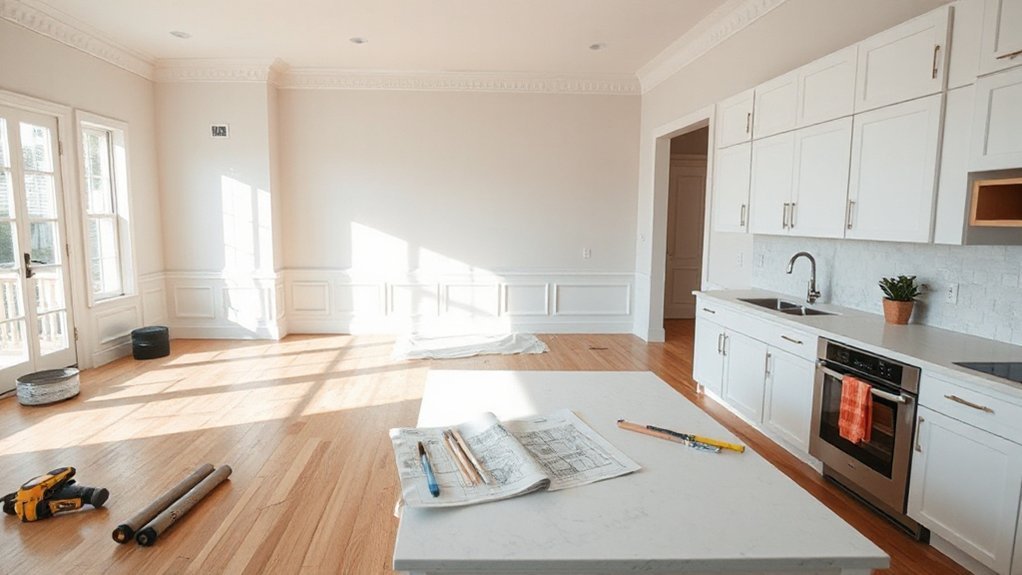
Fast renovations attract quick offers because buyers want move-in ready homes with minimal risk. You know that a rapid upgrade signals value, reduces uncertainty, and shortens your time on the market.
In this mindset, emphasis lands on practical improvements with durable impact. Garden landscaping creates curb appeal and sets a fresh first impression, signaling care without revealing hidden costs.
You also prioritize energy efficiency, since buyers perceive ongoing savings as a tangible perk, not a guess. Targeted fixes—quality paint, refreshed fixtures, and solid flooring—deliver solid returns without major disruption.
Define Your Fast-Sale Window: Criteria and Risks
Defining your fast-sale window means setting precise timeframes and weighing the accompanying risks. You’ll identify a target close date, then back-schedule from it, assigning milestones for permits, inspections, and contractor availability.
Establish criteria you’ll use to judge readiness, such as completion of essential repairs, staging, and market-ready photos. Anticipate risks like material delays, financing options constraints, or a buyer’s financing hiccup that could push timelines backward.
Align your window with predictable seller and buyer activity, avoiding peak holidays if possible. Prioritize tasks that facilitate quick wins—deep cleaning, minor repairs, and a fresh coat of neutral paint.
Document dependencies so team members know expectations. Include a contingency plan for a longer mortgage approval or home inspection findings that require rapid, targeted fixes.
Boost Curb Appeal Fast: Quick Exterior Fixes
Boost curb appeal fast by prioritizing a power wash of the exterior, followed by a fresh coat of paint where needed. In seconds you’ll remove grime and boost brightness, which makes photos—and first impressions—shine.
Start with targeted areas, then lock in a crisp, durable finish to maximize appeal for a quick sale.
Power Wash Exterior
Have you ever stepped up to a home and instantly noticed the difference a clean exterior makes? Power washing removes dirt, algae, and stains that dull curb appeal.
Tackle siding, brick, and concrete in logical order, starting with the most visible surfaces near the entry. Use a rented pressure washer on high-visibility zones, then switch to a gentler setting for delicate materials to avoid damage.
Protect surrounding landscaping and windows, staying at proper distances to prevent splatter. Quick misting of gutters and sidewalks creates a fresher look without overdoing it.
The result supports landscaping upgrades by revealing true surface color and texture, and it modestly boosts energy efficiency by reducing heat-absorbing grime.
Schedule this early to maximize impact before other cosmetic tasks.
Fresh Coat Paints
Would a fresh coat of paint deliver an instant facelift? Yes—with the right choices, you boost curb appeal fast. Choose exterior staples in durable finishes and neutral hues that reflect light and reduce heat absorption.
Prioritize color psychology: lighter tones enhance perceived space, while saturated accents highlight architectural features without overpowering. Confirm surface prep is thorough, scars repaired, and primer applied for uniform color and improved paint durability.
Select low-VOC, fade-resistant formulas for longevity amid weather and sun exposure. Apply two even coats, inspecting for drips and coverage gaps. Maintenance matters: wash annually and touch up high-traffic edges promptly.
- Match shutters, trim, and front door with a cohesive palette
- Highlight architectural details using strategic accent colors
- Invest in durable, fade-resistant, low-VOC finishes
Quick Interior Refreshes That Wow at First Look
Even a few targeted improvements can transform a space fast, so start with high-impact, low-cost updates that buyers notice immediately. You’ll focus on entry impact: decluttered surfaces, refreshed lighting, and a crisp scent.
Opt for a clean palette, neutral tones, and consistent finishes to create a broad appeal. Address key rooms first: a bright kitchen corner, a tidy bath, and a welcoming living area.
Add strategic accents—new hardware, mirror sizes, and task lighting—to elevate perceived space without overhauling layouts. For exterior cues, consider garden landscaping visuals visible from indoors, such as a tidy view of trimmed greenery.
Integrate smart home technology where it’s seamless and unobtrusive—smart thermostats, preset scenes, and secure cameras—so buyers notice modern convenience without complexity.
Prioritize speed, budget, and measurable polish.
High-Impact, Low-Cost Fixes You Can Do in a Weekend
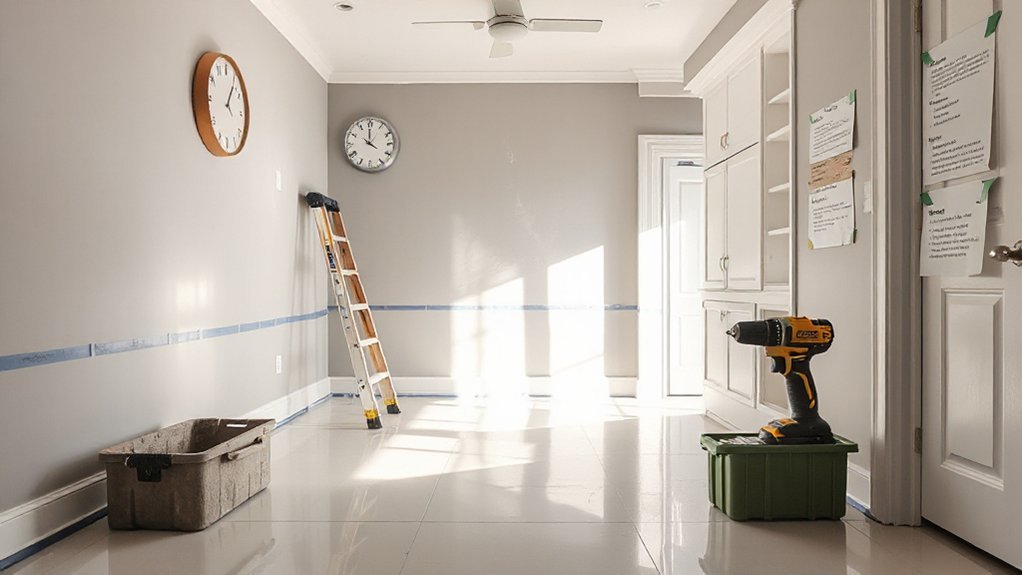
Weekend fixes deliver quick wins that buyers notice. You focus on high-impact, low-cost tasks that shift perception fast, informed by historical context and current market analysis. You choose actions that maximize return in a weekend, not grand overhauls.
1) Refresh lighting and fixtures: brighten rooms, swap dated ceiling lights, and replace grimy switches to create an airy feel.
2) Tidy and depersonalize: declutter surfaces, organize storage, and add neutral staging to help buyers imagine themselves there.
3) Patch, paint, seal: fix scuffs, touch up chips, and seal gaps for a polished, move-in ready look.
These moves align historical context with market analysis, delivering visible value without delaying a sale.
Plan in Phases: Milestones and Triggers
Divide the renovation into clear phases with specific milestones and decision points. You’ll map each phase to measurable triggers—start dates, completion criteria, and go/no-go decisions.
Phase one establishes scope, captures essential fixes, and defines acceptance tests. Triggers include contractor availability and permitting progress.
Phase two rolls out enhancements that boost sale appeal, with milestones tied to finish quality and inspection readiness.
Phase three optimizes flow and curb appeal, using a final walkthrough to confirm readiness for listing.
Throughout, keep a tight schedule and avoid scope creep by requiring sign-offs before moving forward.
You should integrate practical elements like home automation features where appropriate and plan landscaping design milestones to harmonize exterior and interior timing.
Align milestones with buyer expectations to maximize speed and value.
Smart Budgeting for Speed: Where to Spend First
Prioritize high-impact upgrades that buyers notice first, like kitchen updates and bath refreshes, to maximize speed of sale.
Choose budget-smart materials that deliver durability and appeal without overspending, such as mid-range countertops and timeless tile.
Start with clear cost-benefit decisions, then stage the rest of the budget for fast improvements with the biggest payoff.
Prioritize High-Impact Upgrades
To move fast, focus on high-impact upgrades that buyers notice first, like fresh paint, updated lighting, and a well-styled, decluttered entry. You maximize value by choosing improvements that feel modern and easy to maintain, yet attract broad interest. Prioritize items with visible returns and quick completion, avoiding over-personalization. Consider how garden landscaping creates curb appeal and how interior decor influences perceived space and quality.
- Refresh key living areas with neutral tones and cohesive lighting to boost room brightness and flow.
- Update fixtures and hardware, tightening finishes for an upgraded, cohesive look.
- Optimize entry and staging, including decluttering and tasteful focal points that showcase space.
These steps support speed, not expense, aligning with fast-sale goals.
Budget-Smart Material Choices
Smart budgeting starts with allocating modest sums to surfaces and fixtures that buyers notice first, then reserving a contingency for surprises. You prioritize value, not vanity, and you measure every dollar against perceived quality and speed.
Start with durable finishes in high-traffic zones, choosing cost-efficient options that look premium. For landscaping enhancements, select low-maintenance plantings and crisp curb appeal that lasts beyond the listing period.
In bathrooms and kitchens, invest in refreshed hardware, cabinet fronts, and neutral tiling that reads as updated without overcommitting.
For lighting improvements, emphasize energy-efficient fixtures and layered lighting to enhance space perception and mood.
Preserve flexibility to reallocate if a surprise renovation becomes necessary, and document warranties to reassure buyers.
Keep decisions aligned with your target price and timeline.
Align With Current Buyer Demands and Trends
To align with current buyer demands and trends, start by prioritizing data on what buyers want now—energy efficiency, move-in readiness, and low-maintenance living. You’ll leverage Historical trends and Neighborhood analysis to forecast what yields the fastest sale, avoiding guesswork.
Focus on durable finishes, smart thermostats, and clean, modern curb appeal that appeals to broad buyer pools.
- Prioritize energy-efficient upgrades with measurable returns
- Align finishes with move-in readiness and minimal immediate work
- Use neighborhood analytics to calibrate upgrades to local demand
Streamline Staging and Decluttering for Showings
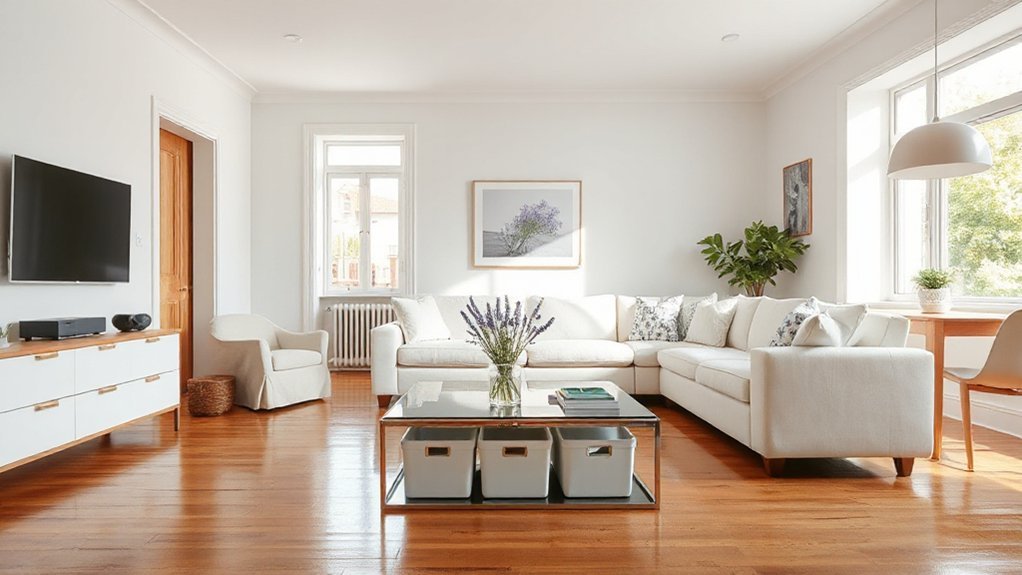
Streamline your staging with a tight, buyer-focused setup and quick declutter.
Prioritize clean, neutral spaces and essential furniture to maximize flow and perception of size.
Use clutter-reduction essentials to keep showings effortless and dwell-time decisive.
Streamlined Staging Tactics
Even with a tight timeline, you can create a calm, welcoming showing environment by focusing on streamlined staging and quick decluttering. You’ll prioritize clean surfaces, neutral palettes, and purposeful furniture placement to maximize flow and space perception.
Quick fixes—smoothed textures, fresh linens, and balanced lighting—signal care without overhauling rooms. Incorporate strategic accents like greenery and subtle art to evoke warmth, while maintaining a cohesive look.
Remember to spotlight key features, such as landscaping upgrades and energy efficiency, to attract buyers early in tours.
- Declutter and define each space with clear purpose.
- Use multi-functional furniture to optimize layout and traffic flow.
- Stage outdoor areas briefly, emphasizing curb appeal and low-maintenance landscaping.
Clutter Reduction Essentials
Clutter reduction is your fastest path to a show-ready home. You’ll create breathing room by prioritizing high-traffic areas first: living rooms, kitchens, and entryways.
Use a 48-hour blitz to purge, sort, and store, then deploy uniform storage solutions for a cohesive feel. Limit personal items, symmetric furniture, and neutral decor to broaden appeal.
Before each showing, perform a quick reset: clear surfaces, hide cords, and tuck away toys.
Pay attention to garden landscaping; a tidy exterior signals care and boosts buyer confidence.
Address security concerns with visible, simple home-security measures that don’t shout “staged.”
Streamline clutter elsewhere by consolidating accessories into a single container per room.
Finally, re-evaluate lighting and scent to maintain a fresh, inviting impression.
Scheduling and Logistics: Minimize Daily Disruption
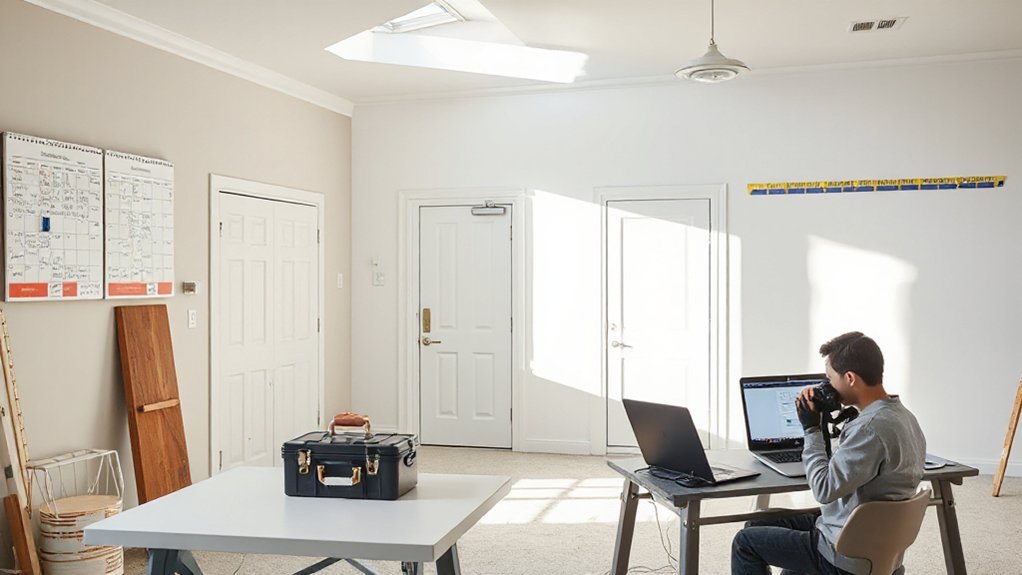
To minimize daily disruption, map out a tight, two-week plan that packs the necessary prep into blocks you can control, and keep critical routines intact. You’ll schedule tasks by priority, cluster noisy activities, and protect mornings for routines you rely on.
Coordinate trades in advance, confirm access, and set clear boundaries with helpers to prevent delays. Plan outdoor updates—garden landscaping decisions—around weather and access, so indoor work proceeds without meteorological surprises.
Track progress daily, adjust buffers, and communicate any shifts immediately. Maintain energy efficiency upgrades as core, non-negotiable items, so each task supports value without derailing your rhythm.
- Block high-impact tasks in predictable windows
- Confirm access, materials, and vendor timing
- Reserve time for weather-impacted outdoor work
DIY vs. Hire: Decision Criteria to Stay on Schedule
Choosing between DIY and hiring is a scheduling safeguard: it prevents bottlenecks and keeps your two-week plan on track. You assess scope, skill, and risk before you pick.
For simple, cosmetic tasks, DIY saves time and money; for structural or electrical work, hiring protects timelines and safety.
Align decisions with your calendar: if a contractor can start immediately and maintain progress, opt for professional help.
If you proceed DIY, build in checklists, exact materials, and required inspections to avoid backtracking.
Consider home insurance implications and any renovation permits required; some updates trigger coverage reviews or permit delays.
Document approvals and keep receipts to streamline claims.
Decide who owns permits, quality control, and warranty risk upfront, then schedule milestones you can confidently meet.
Contingency Plans: Handling Delays Without Derailment
Delays happen, but you don’t have to derail your plan. You can protect momentum by preplanning buffers, prioritizing tasks, and communicating early with contractors.
Focus on high-impact, time-sensitive items like finalizing garden landscaping and reinforcing home security so you retain buyer confidence even if schedules shift.
1) Build a 2–3 day contingency buffer for each major phase, and rigidly confirm timelines with vendors.
2) Reallocate resources to critical finishes (security systems, lighting, curb appeal) while postponing cosmetic tasks that don’t affect sale speed.
3) Establish a rapid response protocol for weather or supply delays, including daily check-ins and a clear escalation path with backups and prefabricated components.
With this approach, you sustain cadence, preserve value, and avoid disruption to overall sale timing.
Signaling Readiness: How Momentum Attracts Buyers and Agents
Momentum isn’t just a byproduct of progress; it signals reliability to buyers and agents. When you maintain steady movement toward finish lines, you project control, reduce perceived risk, and invite confidence in timelines.
Momentum shows you’ve preempted bottlenecks, keeping showings on schedule and negotiations lean. Your decisions—prioritizing scalable tasks, documenting progress, and confirming trades—become proof points buyers trust.
Incorporate practical signals: streamlined communication, consistent staging, and visible milestones that align with the renovation calendar.
Subtle tech touches, like home automation and refined interior lighting, convey modern readiness without overinvesting.
Frequently Asked Questions
How Long Does a Typical Fast-Renovation Timeline Take?
A typical fast-renovation timeline runs 1–4 weeks, depending on scope. You should prioritize interior design and landscaping enhancements, balancing quick wins with durable upgrades. You’ll streamline decisions, schedule trades tightly, and stay flexible for unexpected delays.
What Permits Are Needed for Rapid-Prep Projects?
You’ll need to consult historic zoning rules and pursue permit expediting for rapid prep projects. Think of it like quick, strategic planning: you secure necessary permits, align with Historical zoning, and expedite approvals to stay on target.
Which Renovations Yield the Highest ROI for Speed?
You’ll maximize speed by focusing on luxury upgrades that appeal to buyers while preserving heritage, because luxury upgrades deliver fast ROI, and historical preservation maintains value. You’ll upgrade kitchens, baths, and curb appeal strategically, keeping the historic character intact.
How to Prioritize Tasks Under a Tight Deadline?
Prioritize tasks by impact and speed, you’ll seize momentum. Start with budget allocation for high-ROI updates, then finalize contractor selection to avoid delays; you’ll synchronize pace with reality, and keep yourself moving through efficient, decisive decisions.
What Are Common Red Flags Delaying Fast Sales?
Common red flags delaying fast sales include overpricing, excessive remodeling, and hidden defects. You’ll curb risk by prioritizing energy efficiency and luxury upgrades, ensuring accurate disclosures, prompt repairs, and transparent staging to attract quick, competitive offers.
Conclusion
Time is ticking, and the window won’t stay open forever. You’ve lined up quick fixes, a sharp schedule, and a clear DIY-or-hire plan—now, you’ll see momentum build as buyers sense it. One small exterior boost, a flawless hallway, a refreshed kitchen—each detail whispers “move fast.” But delays can creep in. Stay agile, keep contingencies tight, and watch for that final, irresistible moment when the market leans in and your fast sale becomes inevitable.
About the Author